
Glass Lamp Shades | Custom Lighting Glassware
Glass Lamp Shade Manufacturing Process
Explore our glass lamp shade production workflow: forming, annealing, finishing, inspection and export packing. The applicable sequence is confirmed for the product and order.
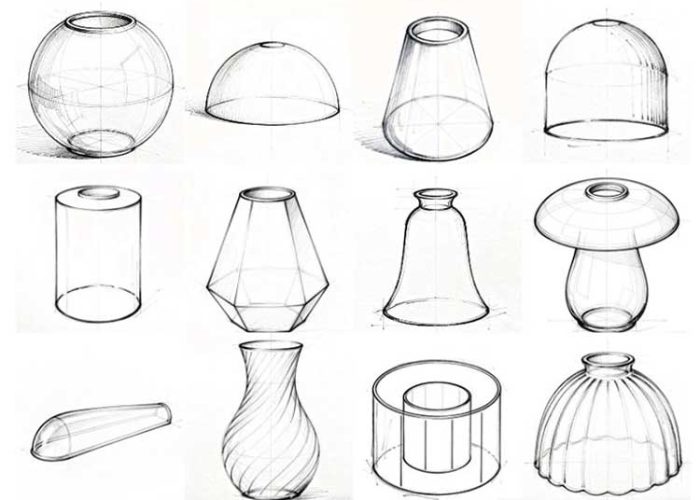
Production Detailed Process Deep-Dive
Our glass lamp shade workflow combines forming, annealing, mechanical finishing and surface treatment. The route and inspection points are confirmed from the approved specification, sample and order requirements.
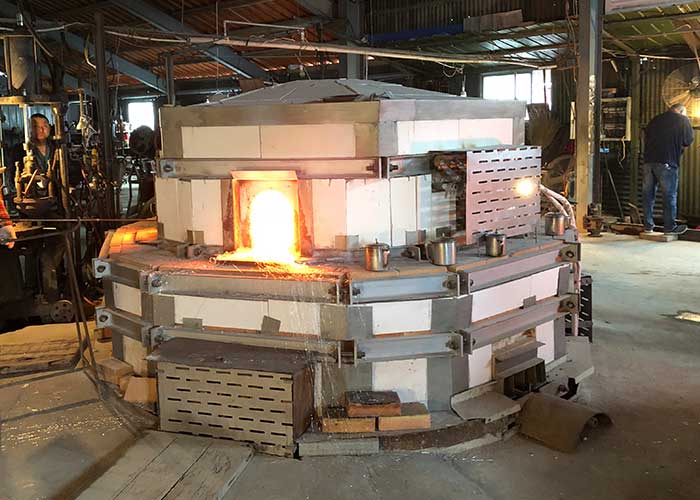
1.Orginal Material Melting in Stove
Glass type, material composition and any chemical or regulatory documentation are confirmed against the approved product specification and destination requirements.
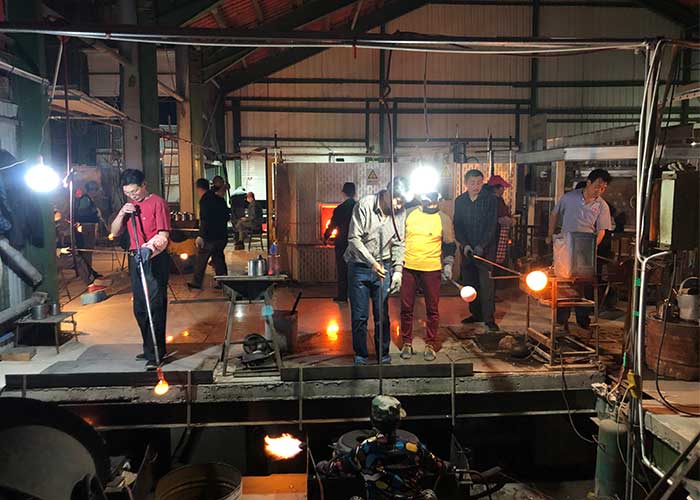
2.Thermal Forming Technologies
Tooling and mold requirements are reviewed from the approved drawing, sample, geometry and production route. Ownership, storage, sample scope and timing are confirmed in the quotation.

3.Stress Relief Thermal Treatment
Annealing and thermal treatment are selected and controlled according to the approved glass specification, product geometry and applicable order requirements.
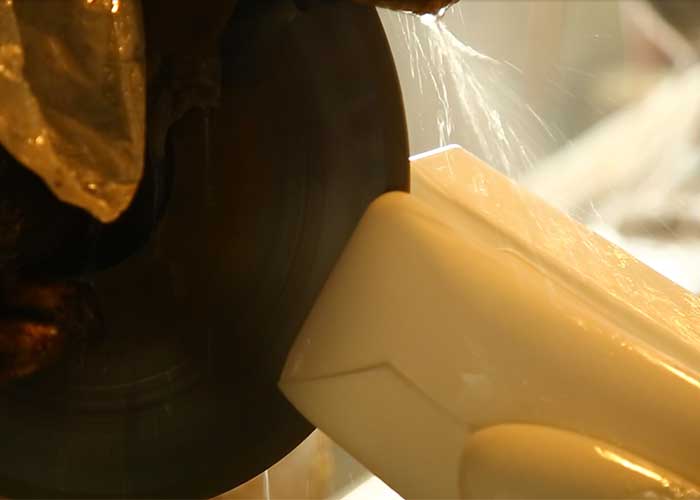
4.Precision Mechanical Processing
Cutting and mechanical finishing are selected for the approved geometry and finish. Edge condition, dimensional requirements and inspection points are confirmed during sampling.
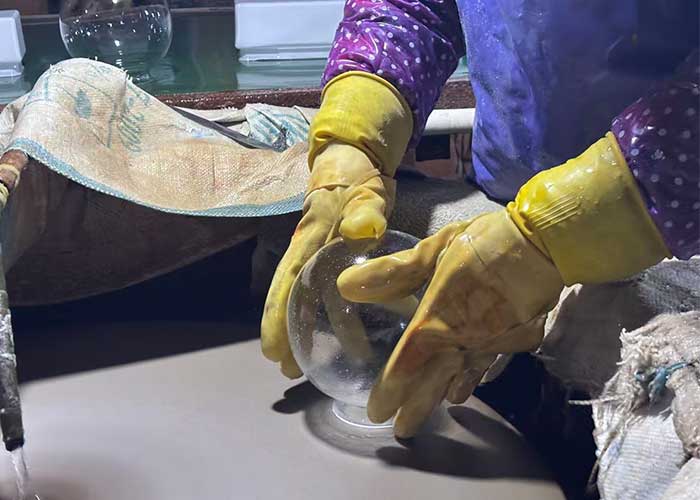
5.Rim Finishing
Rim finishing is reviewed against the approved opening, edge condition and fitting requirements. The finish appearance and inspection criteria are confirmed with the sample.
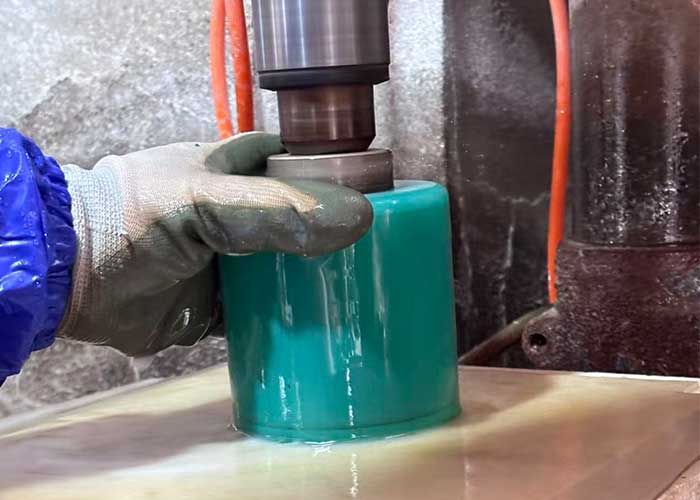
6.Drilling Hole
Drilling or other opening work is performed to the approved drawing or sample. Hole position, diameter, edge condition and inspection requirements are confirmed during sampling.
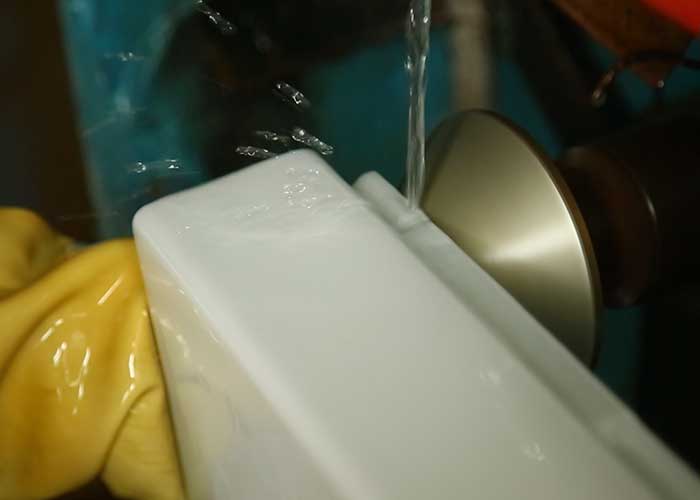
7.Edge Profiling & Safety Finishing
Edge profiling and safety finishing are selected for the approved product specification. The edge profile, appearance and inspection criteria are confirmed with the sample.
8.Sandblasting or Acid Etching
Surface finishing is selected from the approved specification. The preparation method, finish appearance and inspection points are confirmed during sampling.
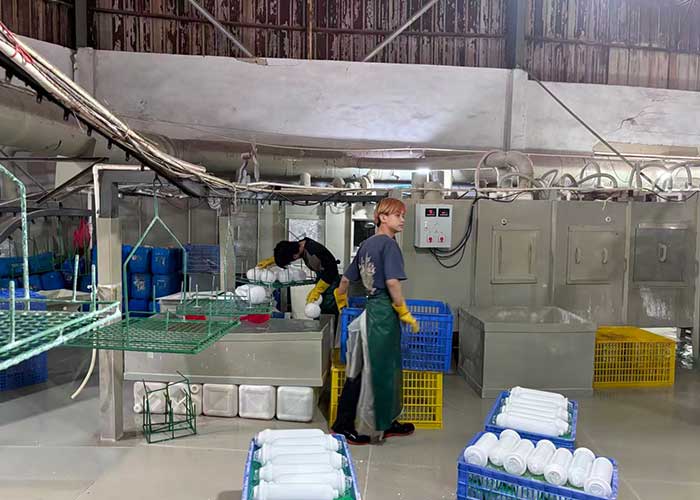
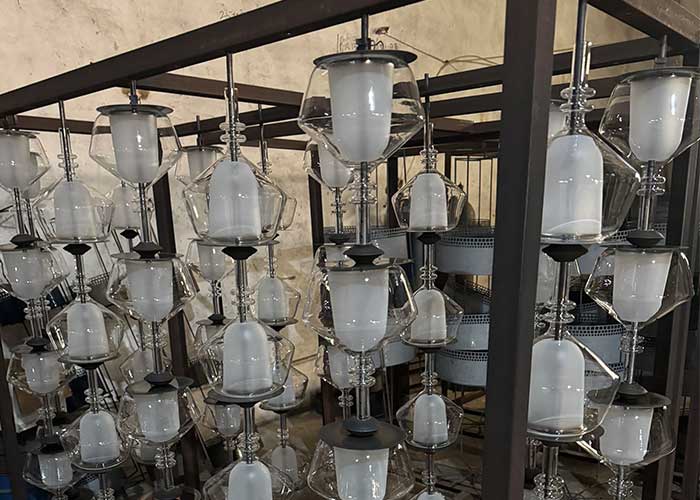
9.Surface Engineering
Coating, plating or other surface treatment is selected for the approved product specification. Preparation, curing, appearance and inspection requirements are confirmed during sampling.
Common Questions
Jingxin Glassware supports multiple glass-forming processes. The suitable route is confirmed from geometry, wall-thickness tolerance, surface finish, sample and order requirements during project review.
Glass type, material composition and any chemical or regulatory documentation are confirmed against the approved product specification and destination requirements.
Equipment, forming route, annealing, finishing and inspection resources are allocated according to the product mix and order schedule. Current equipment scope and production window are confirmed during supplier review.
Quality procedures and any product or destination compliance documents are confirmed for the specific order. Ask for the current document, scope, issuer and validity before relying on a compliance claim.
Custom mold development covers drawing or sample review, feasibility, tooling quotation, mold preparation, first-sample approval and production release. Ownership, storage and timing are confirmed in the quotation.
Production capacity, staffing, order scheduling and lead time depend on product mix, tooling, finish and the current order plan. Confirm the production window and quoted quantity for each project.
Packaging, palletization, transport route and any testing documentation are selected for the product, order and destination. Confirm the final packaging scope and delivery timing in the quotation.
Inspection points, sampling plan, defect categories, claims process and any third-party inspection are agreed in the order documents.
Material, energy, recycling and environmental documentation claims are confirmed against current site records and the specific project; request supporting evidence before relying on a general figure or certification.
Custom development scope and timing are confirmed from the approved design, sample, tooling and order requirements.