
From Artisan Hand-Blown to Precision Engineered
Curated Glass Lampshade Gallery
Collection of glass forming techniques including mouth blowing and machine pressing
Common Questions
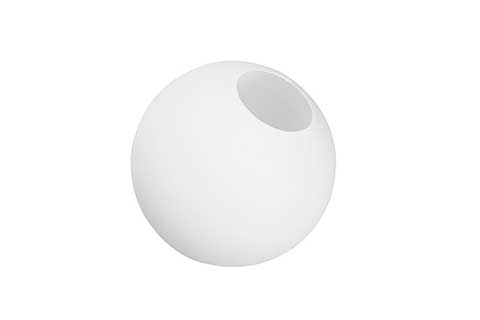
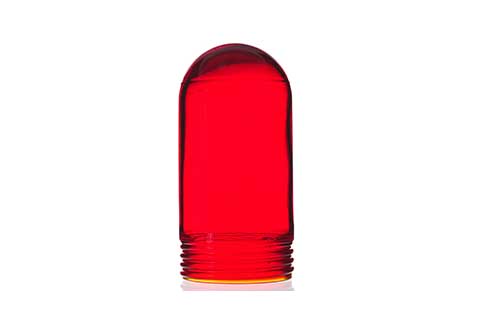
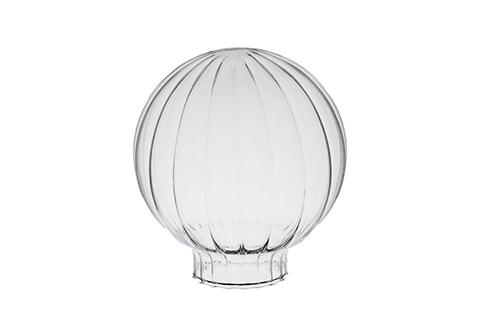
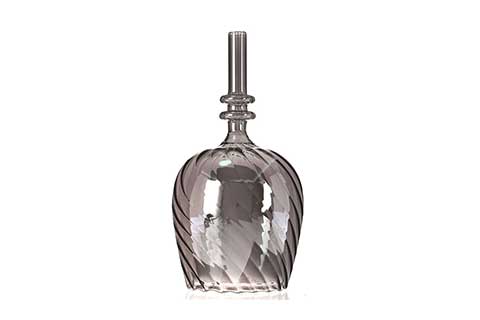
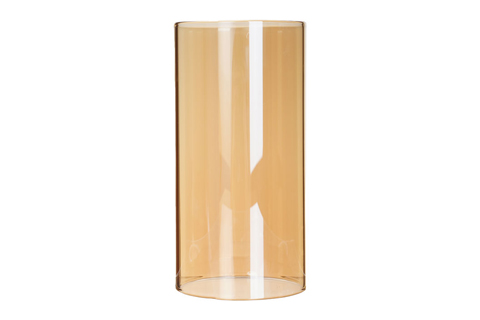
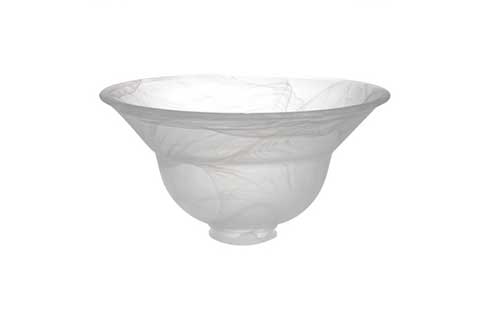
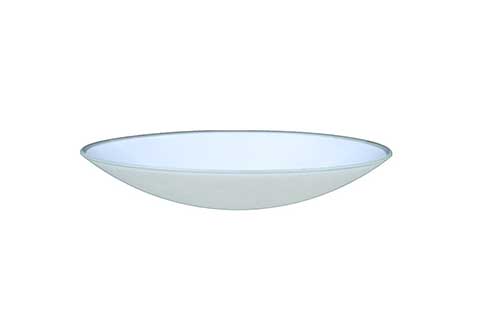
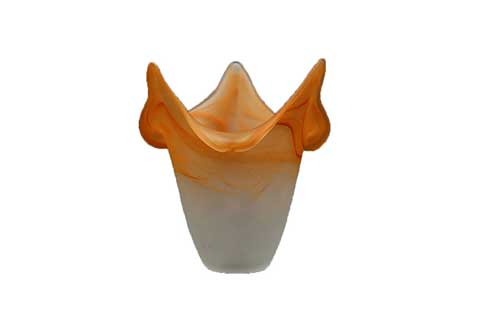
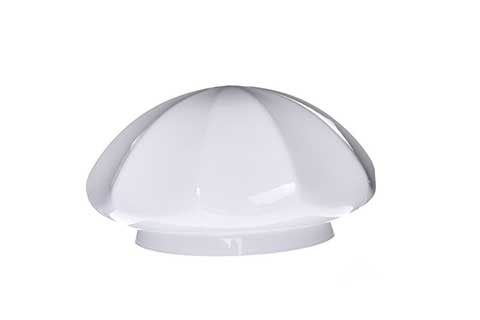
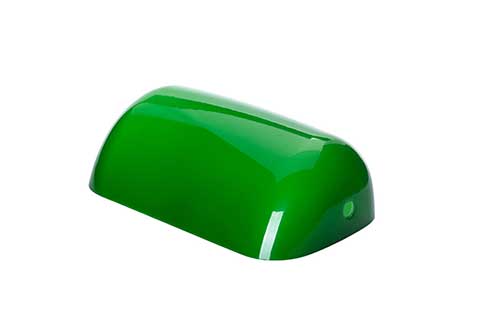
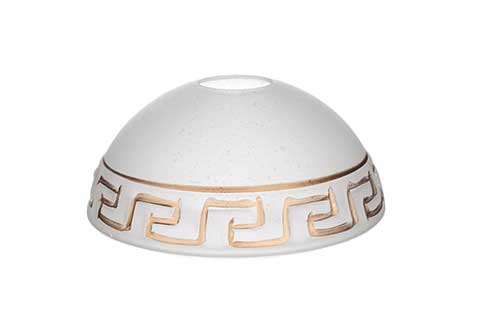
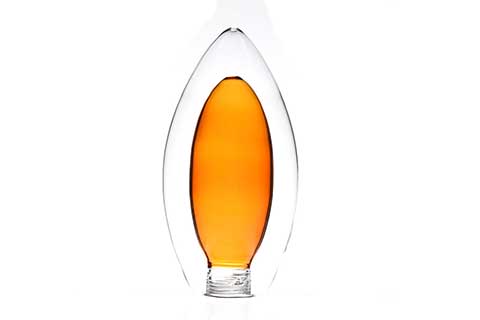
The Jingxin lampshade gallery showcases approximately 200+ active SKUs across eight functional categories: pendant shades (dome, bell, cone, globe geometries 100-450mm diameter), wall sconce shields (curved half-domes and flat plates), chandelier replacement shades (E12/E14 fitter, 35-65mm fitter ring), ceiling-flush mount shades, bathroom vanity fixture shades (IP44 compatible), industrial explosion-proof shades, table lamp shades (harp or spider fitter), and specialty floor lamp shades. Each design is identified by SKU code, available glass family (clear, opal, colored, borosilicate), available fitting sizes, and minimum order quantity. The gallery serves as a visual catalog for lighting brand buyers, interior designers, and hospitality procurement teams to identify ready-tooled designs before committing to custom mold investment, accelerating sample-request to production timeline by 3-4 weeks.
Sample requests follow a four-step process: (1) submit a sample request form listing SKU codes, quantity (typically 1-3 pieces per design), and shipping address — accessible via the contact page or direct email to sales@jxlampshade.com, (2) sample fee is invoiced ($25-$120 per piece depending on size and process) — fee is fully refunded against production order the quoted quantity, (3) DHL/FedEx express shipping at cost (typical $45-$95 to USA/EU/AU for 3-5kg parcel, 4-7 business days transit), and (4) sample tracking number provided within 48 hours of payment. For lighting brand buyers placing test-market orders, we offer a sample-pack option bundling 5-10 best-selling designs at discounted unit price. Custom-designed samples (new mold tooling) follow a separate 25-35 day timeline with mold quotation provided after DFM review of buyer drawings.
Customization options span five layers: (1) dimensional — adjust diameter, height, neck/fitter ring within ±15% without mold rework, (2) glass family swap — same shape produced in clear, opal, smoked, or colored glass using existing tooling, (3) finishing — frosted (sandblast or acid-etch), ribbed, etched logo/branding, gradient color, electroplated metallic interior, (4) fitter and hardware — E26/E27, E12/E14, G9, GU10 lamp holders, threaded ring sizes 28-65mm, custom drilled mounting holes, and (5) full custom — entirely new shape requiring mold development from buyer’s 2D/3D drawings ($400-$2,800 mold cost, 25-35 day tooling). Branding options include sandblasted logo, screen-printed logo (up to 4 colors), and adhesive-applied metal name plates. NDA agreement signed before exchange of proprietary designs protects buyer’s IP through 5-year confidentiality clause.
Standard fitter and base compatibility covers North American (E26 medium base, E12 candelabra base, 2¼-inch/57mm fitter ring), European/IEC (E27 Edison, E14 small Edison, 28mm and 40mm fitter rings), G9 and GU10 bi-pin, and slip-uno fitter shades for harp-style table lamps. Bathroom and wet-location shades carry 3mm-thick reinforced rims to meet IP44/IP54 dust and splash compatibility when paired with appropriately rated luminaire bodies. For specialty applications, we produce custom fitter rings from 28mm to 95mm to fit vintage or proprietary lighting fixtures — buyer provides the existing socket or technical drawing. ANSI C81.61 lamp base compatibility documentation and dimensional tolerances ±0.3mm on fitter rings ensure plug-and-play installation in mass-produced luminaires from lighting brands worldwide.
Gallery items are cross-indexed by four taxonomies allowing buyers to filter by their primary search intent: (1) style — modern, mid-century, industrial, vintage/Victorian, Scandinavian minimalist, Mediterranean, biophilic-organic, (2) manufacturing technique — mouth-blown, machine-pressed, lampwork, centrifugal, curved, handmade, (3) application — residential pendant, hospitality lobby, restaurant table, retail accent, bathroom vanity, outdoor covered, industrial explosion-proof, and (4) glass type — clear, opal, colored, frosted, ribbed, smoked, borosilicate heat-resistant. Each SKU page lists technical specs (dimensions, weight, fitter size, wattage rating), recommended lamp types (incandescent up to 60W, LED unlimited, halogen with thermal clearance), and downloadable spec sheet PDF for architect/designer use. The gallery is updated quarterly with new SKUs and seasonal collections previewed at Canton Fair, Light+Building, and HD Expo.
Yes — Jingxin supports branded retail collections through three OEM/ODM tiers: (1) Private Label — existing gallery design produced with buyer’s brand name laser-etched or printed, master carton and hang-tag branding, MOQ the quoted quantity per SKU, (2) Custom Collection — 5-15 gallery designs selected and adapted (color, size, finish) to form a coherent branded line, retail packaging design support, MOQ 2,000 pieces total across collection, and (3) Exclusive Design — fully custom shapes designed specifically for the brand with 24-month exclusivity clause (regional or global), preventing the same design being sold to competitors, MOQ 5,000 pieces per design. Brands receive lifestyle photography rights (subject to attribution), product description copy in English, and CAD files for marketing collateral. Major partnerships include US lighting brands, EU furniture retailers, and Middle East hospitality groups.
Photometric data is available for designated gallery shades on request, including (1) luminous transmittance percentage — opal milk glass 78-86%, clear 90-94%, frosted 70-82%, colored 35-65% depending on tint density, (2) light distribution curves (IES files in LM-63-2002 format) showing beam angle and intensity distribution, (3) UGR (Unified Glare Rating) and CRI impact when paired with standard 3000K and 4000K LED modules, and (4) thermal load capacity — maximum continuous wattage 60W incandescent or 12W LED for opal shades, 100W incandescent or 20W LED for borosilicate shades. Tests are conducted by accredited photometric labs (typically per LM-79 standard) at buyer cost ($350-$650 per design). Results support buyers’ ENERGY STAR luminaire submissions, DLC qualification, and IES file deliverables required by lighting designers and architects.
Small-batch designer collaborations follow a tailored process bypassing standard MOQ constraints: (1) initial design consultation via video call to discuss aesthetic intent, technical feasibility, and budget, (2) mouth-blown or lampwork production preferred for runs below the quoted quantity due to lower setup cost vs machine-pressed tooling, (3) pricing reflects artisan time (typically $18-$95 per piece for small runs depending on size and complexity), (4) ten percent (10%) overage produced to account for hand-forming variation, with buyer accepting Δ±5mm dimensional tolerance. We work with independent interior designers, hotel design firms, restaurant operators, and gallery-represented artists. Past collaborations have produced limited-edition shades for boutique hotels, custom restaurant pendant collections, and one-off feature installations in residential projects, with Jingxin retaining no resale rights to designer-originated artwork.
Wholesale unit pricing for FOB Shanghai/Ningbo varies by process and complexity: (1) machine-pressed opal globes 150-300mm — $2.40-$8.50 per piece at project-specific MOQ+, (2) clear/colored mouth-blown pendant shades 200-400mm — $5.80-$28.00 per piece, (3) lampwork borosilicate shades 100-250mm — $12.00-$45.00 per piece, (4) curved heat-bent wall sconce shields — $4.20-$15.50 per piece, (5) explosion-proof industrial shades with reinforced rims — $9.50-$32.00 per piece, and (6) handmade artistic free-form designs — $25.00-$120.00 per piece. Prices exclude mold tooling (one-time cost for custom designs), packaging upgrades, ocean freight, and import duties. Bulk discounts of 5-12% available at 5,000+ piece orders. Indexed price list with full MOQ tiers provided after NDA execution and buyer profile completion.
The lampshade gallery is updated quarterly with 15-25 new SKUs released each cycle, timed to align with major lighting industry events: (1) March release — preview of Canton Fair Phase 2 (April) showcases, (2) June release — High Point Market and HD Expo trend-driven designs, (3) September release — Christmas/holiday season ranges (often opal globes, decorative pendants) targeting Q4 retail buyers, and (4) December release — Spring residential and hospitality refresh. Major collection launches accompany Light+Building (Frankfurt, biennial March), Salone del Mobile (Milan, April), and Index Dubai (May/June). Buyers subscribing to the trade newsletter receive 30-day advance preview before public gallery release, supporting brand exclusivity windows. Discontinued designs remain produceable from existing molds for 24 months after gallery removal, supporting buyers’ replenishment cycles and warranty-replacement needs.