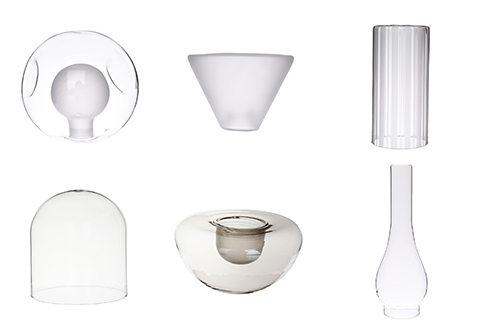
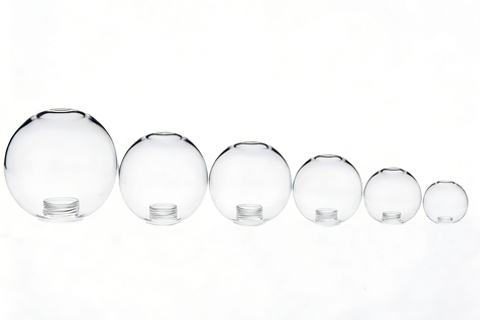
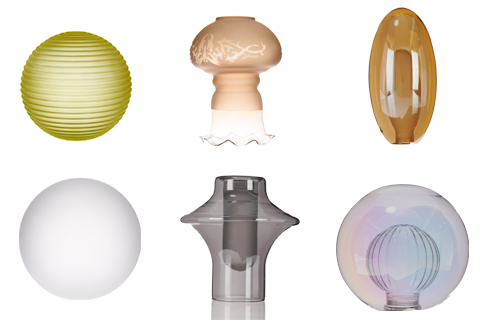
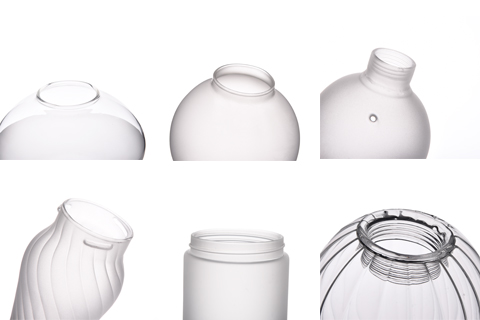
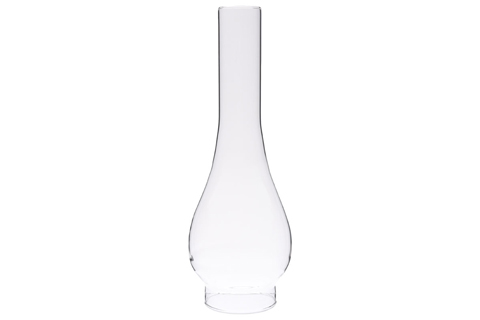
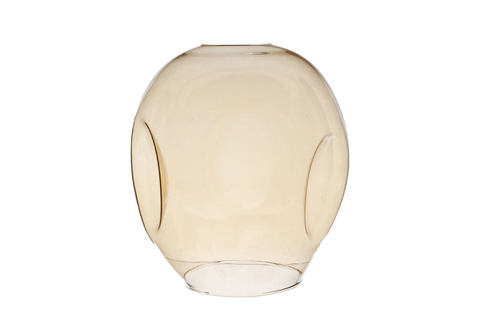
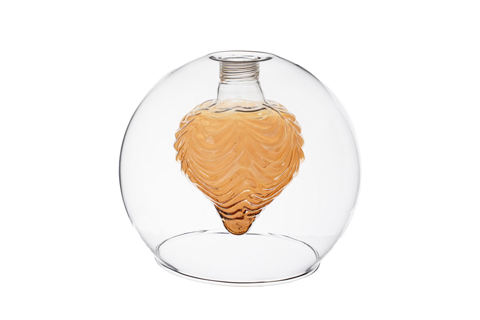
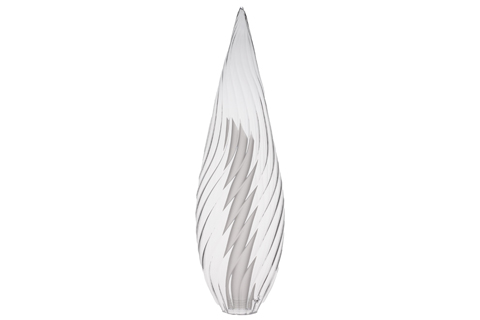
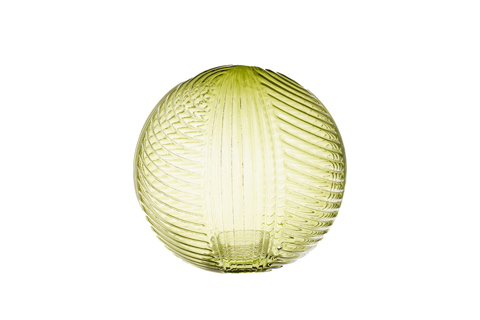
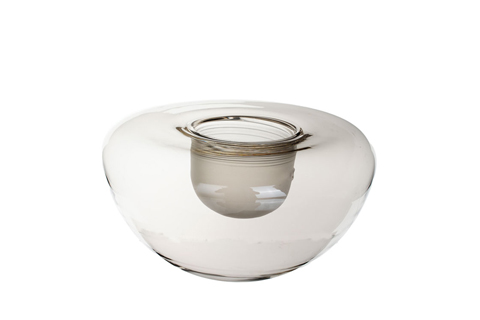
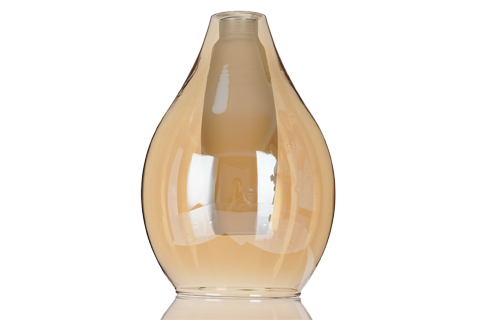
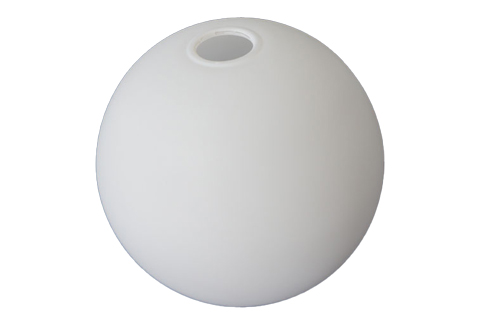
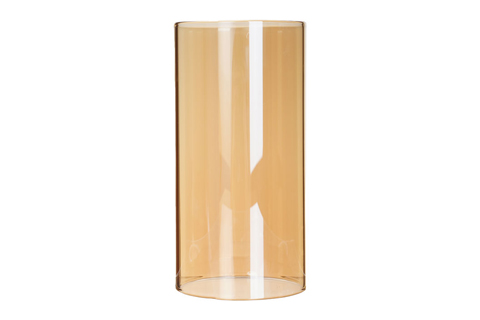
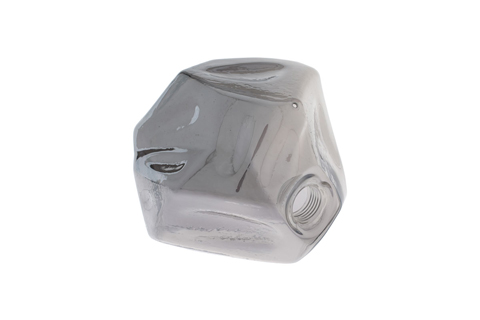
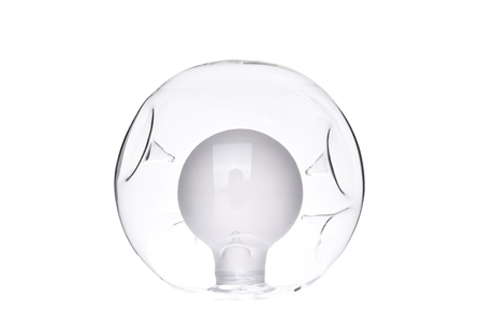
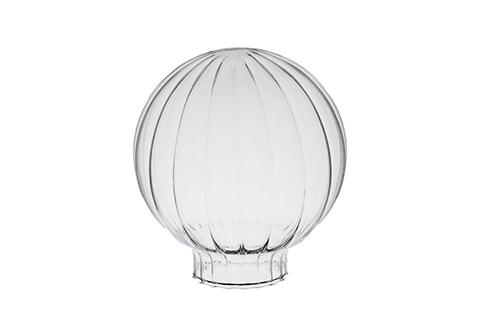
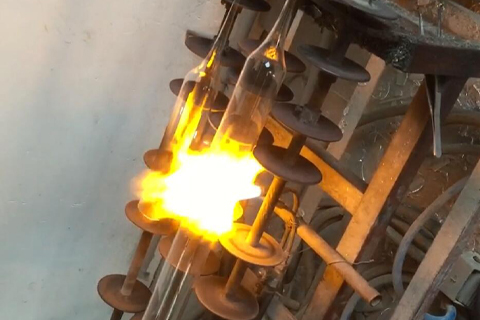
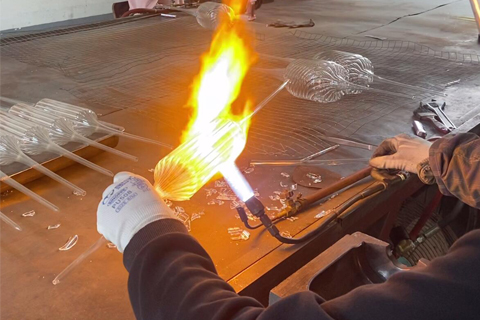
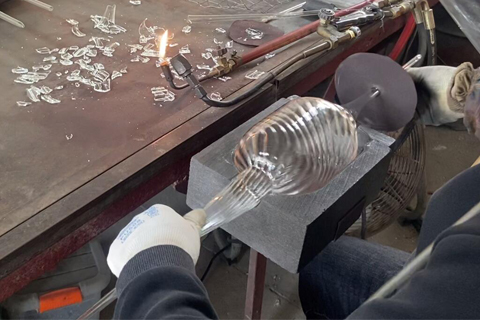
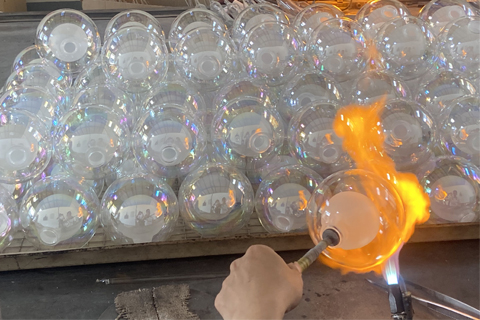
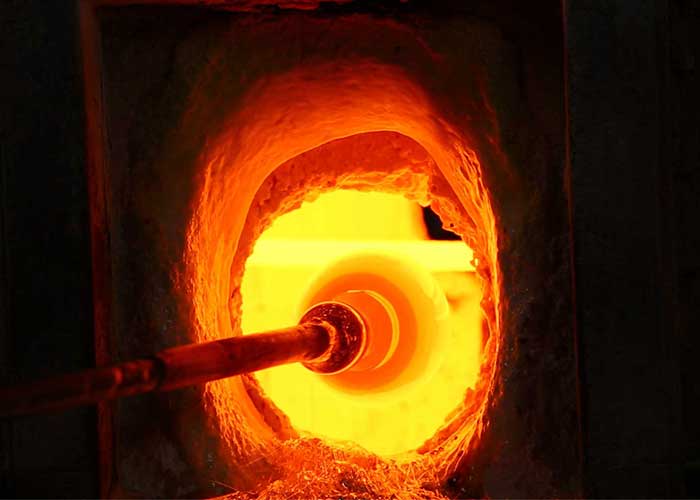
Lampwork is a glass-forming technique using a high-temperature oxy-propane or oxy-natural-gas torch to heat and shape borosilicate 3.3 glass tubing and rods, rather than gathering molten glass from a furnace. The craftsman holds the tubing in the torch flame (around 1400-1600C) and rotates it continuously while shaping with graphite paddles, tungsten picks, and brass molds. Borosilicate’s low thermal expansion (3.3 x 10^-6 K^-1) allows the glass to be repeatedly heated and cooled during shaping without cracking, making it the only material practical for torchwork. The technique originated in 17th-century Italian scientific glassmaking and is now used for laboratory glassware, beadwork, scientific apparatus, and high-end designer lampshades. Lampwork shades typically range from 100mm to 350mm in dimension, beyond which torchwork becomes impractical and standard furnace-blowing is preferred.
Lampwork borosilicate offers six advantages over soda-lime glass for lighting applications: thermal shock resistance up to 165C differential (versus 50C for soda-lime), continuous service temperature up to 450C (versus 250C), superior chemical resistance against acids, alkalis, and cleaning chemicals, optical clarity with less green tint at thick sections, harder surface that resists scratching, and full compliance with USP Type I pharmaceutical glass standards for food-service environments. For lighting fixtures, this translates to safe use with Edison bulbs, high-output halogens, and enclosed-rated LED designs where heat buildup would crack soda-lime alternatives. Lampwork borosilicate also handles outdoor temperature swings between -40C and +40C without thermal stress damage, making it the preferred material for designer outdoor sconces and pendant fixtures in coastal or desert climates. The material cost is roughly 2-3x higher than soda-lime, but service life is typically 2x longer.
Yes, lampwork borosilicate shades are highly customizable since the torch-shaping technique works with any tubing dimension from 12mm to 200mm outer diameter and any length up to 600mm before practical handling limits. Custom shapes can include precise conical tapers, multiple stepped diameters within a single piece, integrated threaded necks for direct lamp-holder mounting, internal ribbed textures using optic molds, sealed double-walled designs with air gaps for thermal insulation, and integrated decorative elements such as twisted ribbons or applied dots. MOQ for custom lampwork designs is typically 300-800 pieces depending on shape complexity, with sample development requiring 15-25 days and $300-$1,200 in tooling. Designers should submit CAD drawings or hand sketches with dimensions, wall thickness specifications, and any required surface treatments. Our engineering team reviews each custom design for torch-process feasibility before quoting production timelines and pricing.
Yes, lampwork borosilicate shades are particularly well-suited for outdoor lighting due to their thermal shock resistance handling daily temperature swings, chemical resistance against UV degradation and acid rain, and dimensional stability across the -40C to +60C operating range typical of outdoor luminaires. The glass material withstands continuous sun exposure indefinitely without yellowing, embrittlement, or surface crazing – failures common in acrylic alternatives. For full outdoor service the complete fixture must be rated IP44 or higher with corrosion-resistant metal hardware, but the borosilicate glass component itself requires no special outdoor preparation. Coastal installations should specify 316 stainless steel or marine-grade brass fixture hardware paired with our glass to prevent salt corrosion at metal-glass interfaces. We supply lampwork borosilicate shades to several outdoor architectural lighting brands serving high-end residential, hotel poolside, and yacht installations across Europe, North America, and the Middle East.
Lampwork borosilicate shades can be produced in wall thicknesses from approximately 1.2mm for delicate decorative pieces up to 5mm for industrial-grade designs. The starting glass tubing wall thickness determines the final shade wall thickness, with most production using 2-3mm tubing for general lighting applications. Thicker walls (4-5mm) require longer torch heating time and reduce production rates by 40-60%, increasing per-piece cost. For shades requiring varied wall thickness within a single piece (such as thicker bases for stability with thinner decorative tops), craftsmen can selectively heat and shape specific sections, but this technique requires significant skill and increases reject rates. We recommend uniform wall thickness for production reliability unless the design specifically benefits from variation. Wall thickness affects optical performance – thicker borosilicate transmits slightly less light (89-92% versus 92-94% for thin walls) due to longer light path through the glass.
Lampwork borosilicate shades undergo five quality and safety tests per production batch: thermal shock testing per ASTM C149 (200C to 20C water quench, minimum 10 cycles without failure), chemical resistance testing per ISO 695 (boiling in 1N sodium hydroxide for 3 hours with mass loss under 75 mg/dm2), dimensional inspection using digital calipers and optical comparators against the original CAD specification, surface defect inspection under D65 lighting for cracks, bubbles, or stress patterns visible with polariscope, and continuous burn testing where sample pieces are operated with the specified bulb for 200-500 hours to verify thermal performance in actual use. Test reports are provided with each shipment, and SGS or TUV third-party certification is available for buyers requiring independent verification. Documentation is retained on our servers for 10 years to support traceability for compliance audits or warranty investigations years after delivery.
Yes, lampwork technique excels at integrating internal decorative elements that machine-pressed glass cannot achieve. Common decorative options include glass twists (rotating two colored rods together while heating to create internal spiral patterns), applied dots and threads (pulling thin colored glass strands and wrapping them around the main body), encased layered designs (placing an inner colored layer inside an outer clear layer for depth effects), murrini chips (cross-sections of patterned cane glass embedded into the surface), and crackled finishes (controlled thermal shock producing decorative surface fractures sealed by re-heating). Each technique adds 20-60% to per-piece cost due to additional craftsman time but creates distinctive design effects valuable for boutique lighting brands and luxury residential projects. Sample development for custom decorative integration typically requires 20-35 days and 3-5 prototype iterations to achieve the buyer’s intended aesthetic. We sign mutual NDAs for proprietary design protection.
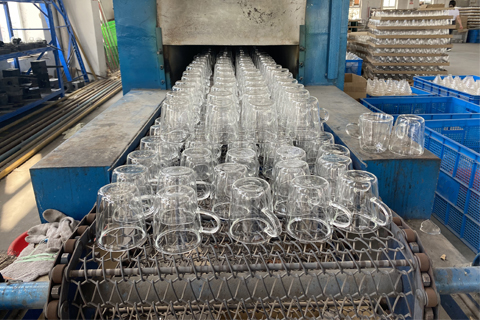
Lead time for lampwork borosilicate shade orders is typically 30-45 days from deposit to shipment readiness, with breakdown as follows: 3-5 days for borosilicate tubing procurement and dimensional inspection of incoming material, 2-4 days for craftsman setup including torch calibration and trial pieces, 18-25 days for actual production at approximately 80-150 pieces per craftsman per day depending on complexity, 2-4 days for controlled annealing in 560C ovens to relieve internal stress, and 3-4 days for inspection and packing. Custom-design orders requiring sample approval add 15-25 days before mass production begins. Lampwork production runs faster than mouth-blown furnace work because the torch heats only the specific area being shaped, allowing more continuous workflow. Ocean freight adds 25-40 days transit time, so total door-to-door timeline is typically 75-100 days. Buyers should account for production scheduling load when planning seasonal launches.
Yes, lampwork borosilicate shades produced from USP Type I certified glass meet food-safe and pharmaceutical-grade material standards, making them suitable for lighting installations in restaurant kitchens, food processing facilities, pharmaceutical manufacturing cleanrooms, and laboratory environments where incidental contact with food, drugs, or sterile materials could occur. The base material complies with FDA 21 CFR 177.1010, EU regulation 1935/2004 on food contact materials, USP <660> physical chemical testing for glass containers, and ISO 12775 for borosilicate glass classification. Material certificates of conformity are available with each order specifying actual measured composition, hydrolytic resistance class (HGB1), and chemical durability per ISO 720. For pharmaceutical clean-room installations requiring sterilizable surfaces, we offer optional surface polishing to Ra 0.4 micron finish, which allows steam sterilization and chemical disinfection cycles without surface degradation.
Lampwork and furnace-blowing are complementary borosilicate techniques suited to different size ranges and design requirements. Lampwork is preferred for shades under 350mm dimension, designs requiring precise dimensional control, integrated functional features (threads, gasket grooves, mounting tabs), and custom small-batch designer work where tooling cost would be prohibitive for furnace molds. Furnace-blowing into custom molds is preferred for shades over 350mm where torch heating becomes impractical, designs requiring uniform wall thickness over large surfaces, high-volume production (over 5,000 pieces) where mold tooling investment is justified by per-piece cost reduction, and shades with complex compound curves difficult to shape on a rotating torch. Lampwork unit cost is typically 1.5-3x higher than furnace-blown for the same design, but lampwork avoids the $2,000-$8,000 mold development cost required for furnace production. The choice between techniques depends on volume, complexity, and dimensional requirements.