OEM / ODM GLASS SHADE DEVELOPMENT FOR LIGHTING PRODUCT TEAMS

OEM Glass Lamp Shades for Lighting Brands

Develop custom glass lamp shades for new lighting collections, replacement programs and repeatable wholesale supply. JX supports lighting brands with fitter review, real-product size references, glass and finish selection, process matching, sampling, packaging inputs and RFQ documentation.

Send a drawing, old shade or fixture interface. The goal is a production file that purchasing, engineering, sales and quality teams can use without guessing.
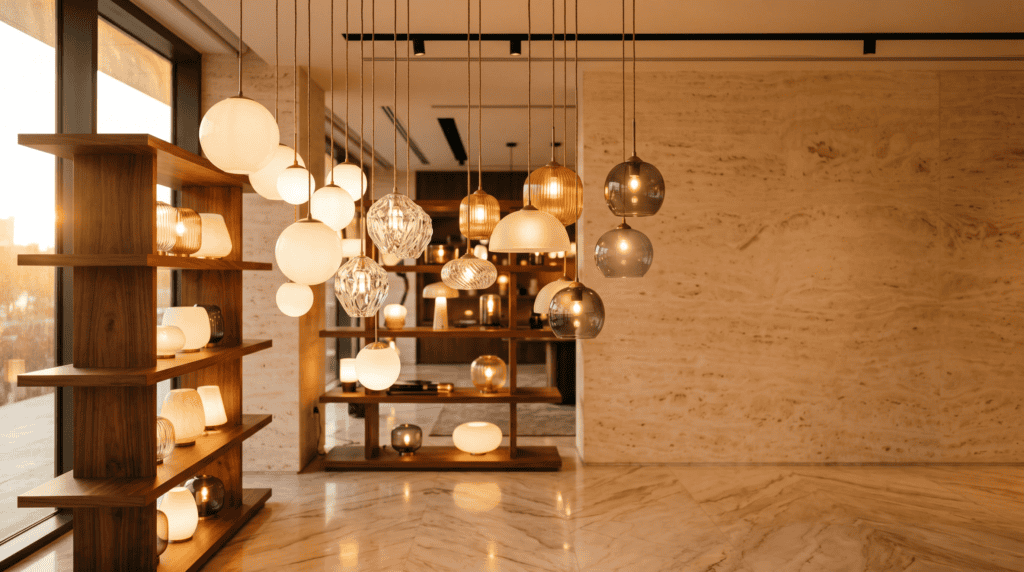
Glass lampshade manufacturer lighting display with various modern pendant lights.
Buyer starting point: fixture application + fitter or neck + shade dimensions + glass finish + quantity + packing destination.

Glass Shade Programs This Page Supports

This is a B2B development page for product teams, not a retail replacement catalogue. Choose the route that best matches your collection stage.

New Lighting Collection

Translate a concept drawing, mood reference or fixture design into a defined shade profile, opening, process, finish and approval sample.

Replacement and Legacy SKU

Develop replacement glass shades for light fixtures when an original SKU, mold or supplier is no longer available. Start from the old shade, holder and measured interface.

Finish or Color Extension

Extend an approved shape into opal, milk, clear, frosted, amber, ribbed, fluted or other buyer-confirmed finishes while preserving fitter and packing logic.

Wholesale Repeat Supply

Create a stable specification and SKU file for wholesale glass lamp shades, distributor programs or recurring brand orders where version control matters.

Custom Glass Lamp Shades by Fixture Application

Search demand is strongest around fixture-specific language, but each application has a different mechanical interface. Use the product examples below as discussion references and confirm final compatibility against the buyer drawing.
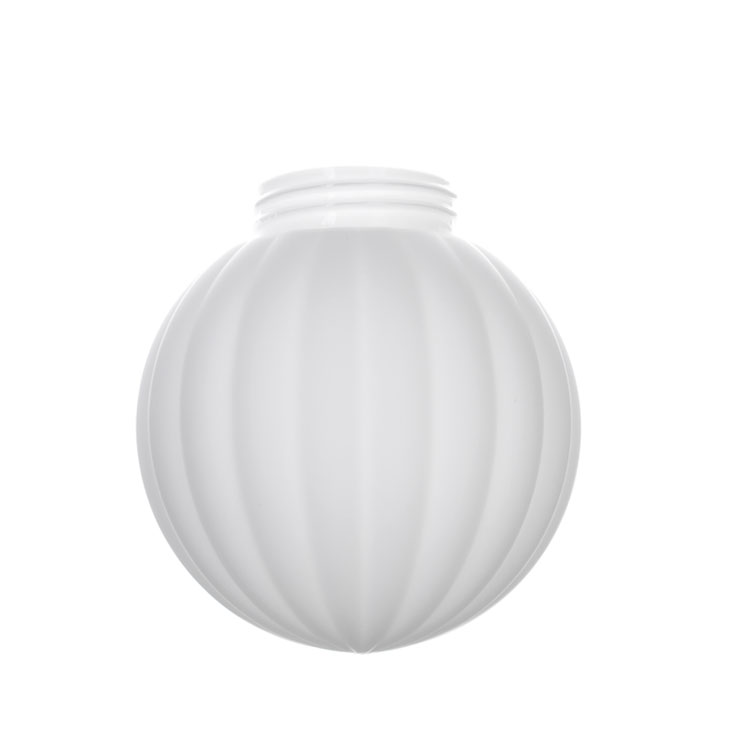
White glass lampshade with vertical ribbed design for elegant lighting.

Glass Shades for Pendant Lights

Globe, bell, dome and cylinder formats can be developed for pendants. Confirm cord-set or shade-ring interface, visible bulb position, opening direction, drop height and target diffusion before sample approval.
Frosted translucent lampshade material for glare diffusion

Wall Sconce Glass Shades

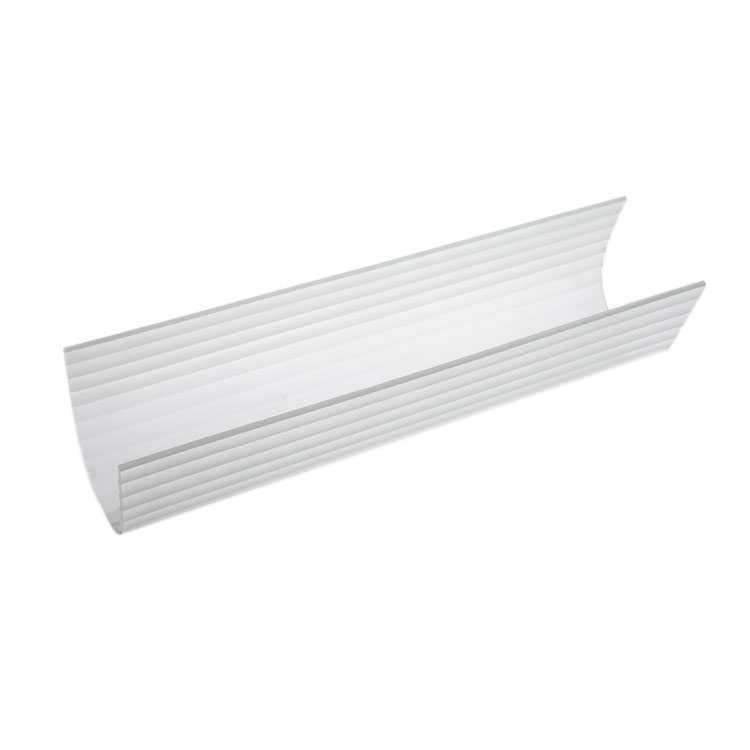
Curved, shield and half-round shades need more than width and height. Supply mounting points, curve radius, fixture projection, installation direction and edge-finish requirements.
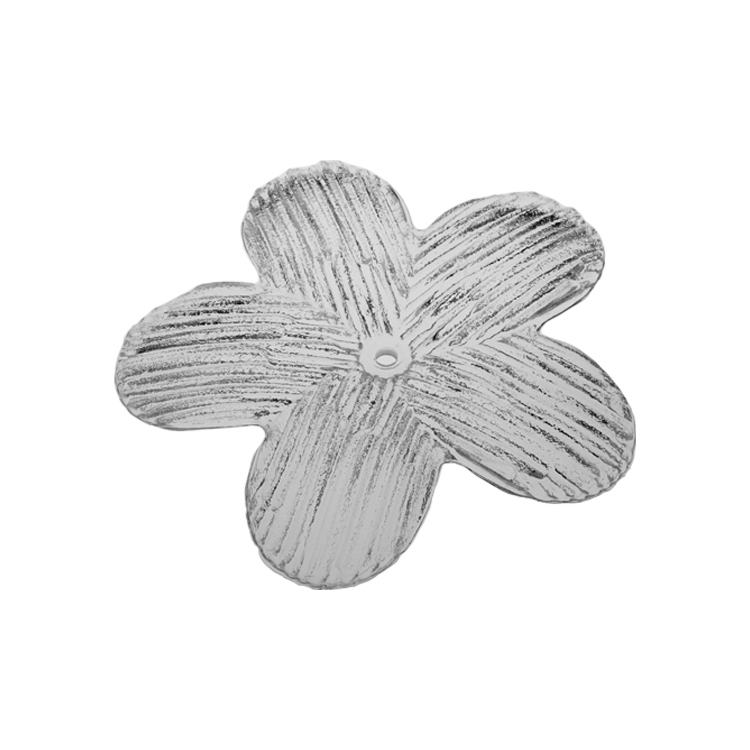
Glass flower lampshade, decorative lighting accessory for home and commercial spaces.

Chandelier Light Shades

Small globes, cups, petals, leaves and center-hole components can support multi-light fixtures. Confirm arm spacing, center hole, retaining hardware, orientation and packed set quantity.
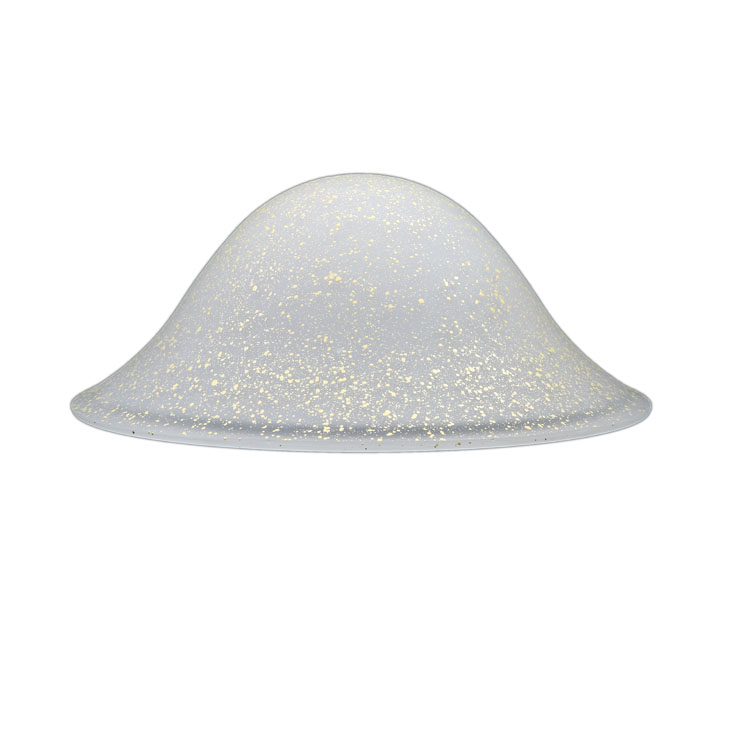
Glass lampshade with glitter finish, ideal for decorative lighting and home decor.

Replacement Glass Shades for Light Fixtures
For replacement programs, photograph the old shade beside a scale and measure the fitter, lip, neck, overall height and widest body. Wear or chips should not be treated as the original design dimension.
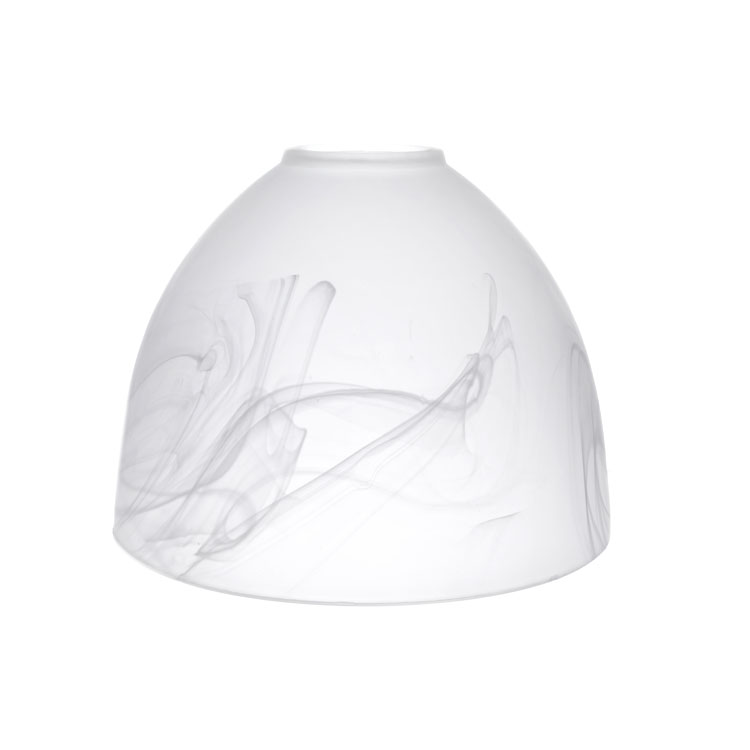
Elegant white glass lampshade with subtle marble-like patterns for stylish interior lighting.

Glass Lamp Shades for Floor Lamps

Larger table and floor lamp shades need holder clearance, stability, bulb position and carton-risk review. Confirm whether the shade sits on a gallery, fitter ring, harp or custom frame.
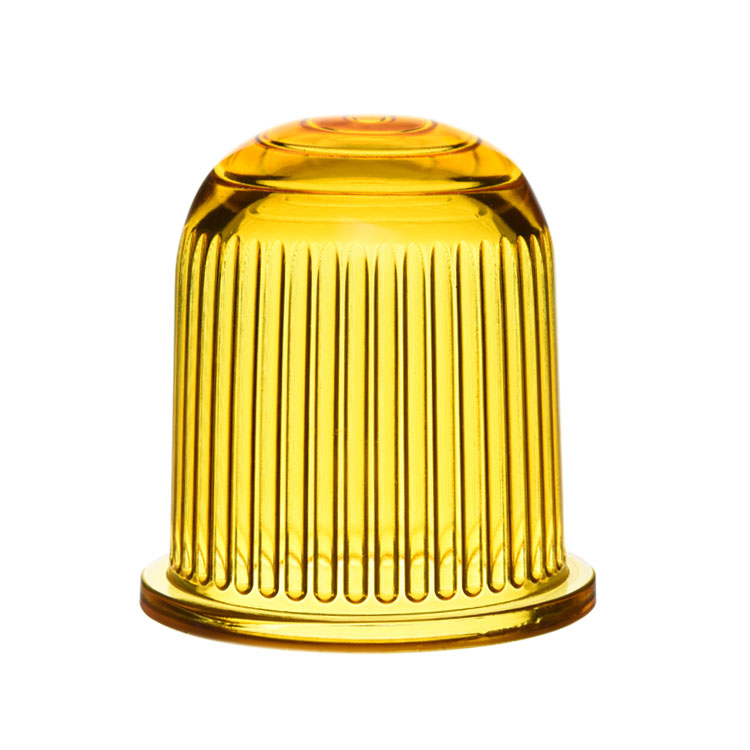
Yellow ribbed glass lampshade for decorative lighting and home decor.

Ceiling and Decorative Fixture Shades

Dome, globe and textured shades can be used in ceiling and decorative fixture lines. The brand drawing should define the holder interface, opening, body envelope and visible surface area.

Glass Materials and Finishes for Brand Collections

Finish names should describe a visible approval target, not only a color word. Define transparency, gloss or matte level, rib depth, frosting route, approved sample and permitted batch variation.

Opal Glass Lamp Shades

For diffused light and reduced bulb visibility. Record opal density, warm or cool visual tone, surface gloss and the approved illuminated sample.

Milk Glass Lamp Shades

A familiar decorative lighting term for white diffusing glass. Confirm whether the buyer expects integral white glass, a coating or another finish route.

Clear Glass Lamp Shades

For visible bulbs and high transparency. Define seed, bubble, cord, scratch and optical-distortion acceptance with a real sample.

Frosted Glass Lamp Shades

For a matte surface and softer glare. Specify whether frosting is acid-etched, sandblasted or achieved by another approved process, and which surfaces are treated.

Fluted and Ribbed Glass Lamp Shades

Fluted glass lamp shades create texture and refraction. Record rib direction, pitch, depth, seam visibility and the area that must align on the finished fixture.

Amber and Colored Glass Shades

For decorative collections where hue consistency matters. Supply a physical color sample or agreed reference and define viewing conditions for approval.

How to Specify a Glass Lamp Shade Fitter or Neck

The fitter is the interface between the glass shade and the fixture. A reliable RFQ separates the fitter or neck from the decorative body diameter.

  • Straight fitter: record inside and outside diameter, insertion depth and retaining method.
  • Lip fitter: record the lip outside diameter, under-lip diameter, lip height and seating surface.
  • Screw neck: provide thread profile or mating-holder drawing; a measured opening alone is not enough.
  • Center hole: state hole diameter, washer or nut contact area and whether the hole edge is visible.
  • Curved or custom holder: provide mounting slots, holes, brackets, curve radius and installation direction.
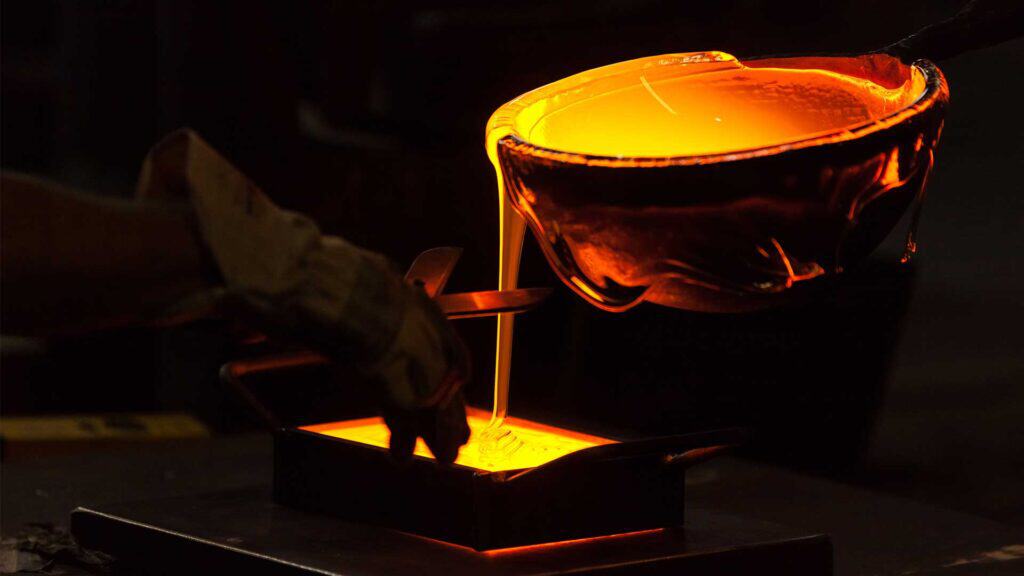
Skilled artisan creating a glass lampshade in a factory setting.

Measurement rule: include a dimensioned sketch showing the measurement point. “Opening,” “neck,” “fitter” and “hole” can refer to different surfaces in different markets.

Tolerance rule: use the approved drawing. If the buyer has no tolerance, mark it for engineering and sample confirmation rather than adding a generic promise.

Common Fitter Size Search Labels — Confirm the Actual Interface

Buyers often search in inches, while production drawings may use millimetres. The labels below are useful RFQ starting points, not automatic finished-glass dimensions. Confirm whether the label refers to the clear opening, outside lip, ring seat or mating holder.

1-5/8 Inch Fitter Glass Lamp Shade

Nominal conversion: 41.3 mm. Frequently associated with small shade-ring or screw-ring interfaces. Request the holder drawing and thread or seat details.

2-1/4 Inch Fitter Glass Shade

Nominal conversion: 57.2 mm. Common in replacement searches. Measure the old shade at the actual seating surface and record lip geometry.

3-1/4 Inch and 4 Inch Fitters

Nominal conversions: 82.6 mm and 101.6 mm. Confirm whether the buyer means a gallery fitter, neck opening or body opening before mold selection.

6 Inch and 10 Inch Fitter Shades

Nominal conversions: 152.4 mm and 254 mm. Larger fitter labels require fixture-load, glass-weight, rim, packing and handling review before quotation.

Real Size References from Current JX Product Pages

These are existing public product examples, not a universal manufacturing range. They show why a production RFQ should preserve shape, opening, process and finish together.

Ribbed Opal Globe — 145 × 155 mm

Published reference: 145 mm body diameter, 155 mm height and 65 mm hole; soda-lime glass; hand-blown route. Use the live product page to discuss a related globe program.

Alabaster Bell — 163 × 125 mm

Published reference: 163 mm body diameter, 125 mm height and 42 mm top hole; soda glass; machine-pressed route. Confirm the current drawing before reusing the profile.

Curved Sconce Shield — 80 × 350 mm

Published reference: 80 mm diameter and 350 mm length; curved-glass route. A buyer drawing should also define curve, edge finish and mounting points.

Decorative Glass Component — 140 mm

Published reference: approximately 140 mm diameter with an 8 mm center opening; handmade-with-mold route. Confirm hardware contact and set quantity.
Glass lampshade with glitter finish, ideal for decorative lighting and home decor.

Replacement Glass Shade Development from an Old Sample

A replacement glass lamp shade program is viable only when the mating fixture and shade interface are documented. An old sample may be worn, chipped or distorted, so the engineering file should separate observed dimensions from the intended production dimensions.

  1. Photograph the shade, holder and assembled fixture from several angles.
  2. Measure the fitter or neck at the exact seating surface.
  3. Record overall height, widest body diameter, openings, lip, holes and rim treatment.
  4. Identify glass appearance, transparency, texture and visible variation.
  5. State expected quantity, replacement life cycle and whether tooling is acceptable.

For legacy lighting brands, preserve the buyer part number and revision in the final SKU file so a future reorder can be traced to the approved sample.

Manufacturing Routes for Custom Glass Lamp Shades

Process choice follows geometry, glass material, surface target, expected variation, quantity and mold availability. The same visual idea may need a different process when the fitter or tolerance changes.

Mouth-Blown Glass Lamp Shades

Suitable for globes, organic forms, decorative profiles and some ribbed effects. Approve the sample for visual variation, wall distribution, opening and seam expectations.

Machine-Pressed Glass Lamp Shades

Suitable for molded geometry and repeatable details where a tooling route is justified. Inspect mold condition, seam, rim and surface reproduction.

Lampwork Borosilicate Glass Shades

Suitable for selected smaller, clear or technical forms when borosilicate is appropriate to the fixture. Confirm wall, opening, thermal context and handling risk.

Curved and Shield Glass

Suitable for wall sconces and architectural covers. Curve radius, length, edge finish, slots, holes, mounting method and installation direction control fit.

From Lighting Brief to Approved Production SKU

01 — Buyer Brief

Fixture application, target market, concept, current shade or drawing, quantity, finish and destination.

02 — Interface Review

Fitter, neck, holder, center hole, rim, mounting direction and required clearances are checked.

03 — Process and Mold Review

Shape, glass, finish, process route, existing mold fit and new tooling questions are documented.

04 — Drawing and Sample

The sample is evaluated for fit, lighting appearance, dimensions, finish and packaging risk.

05 — Approval Record

Approved sample photos, drawing revision, exception notes, labels and carton details are attached to the SKU.

06 — Bulk and Reorder Control

Inspection criteria and buyer-specific exceptions remain in the production file for repeat orders.

Quality, Packaging and Brand Consistency Checks

Before bulk release

  • Fitter or neck fit against the approved holder
  • Body dimensions and opening at defined measurement points
  • Rim, lip, thread, center hole or mounting feature
  • Surface, transparency, color and texture against the approved sample
  • Visible bubbles, cords, seeds, seams, scratches and edge defects using agreed criteria

Before shipment

  • SKU, revision, carton mark and label version
  • Individual protection around fitter, rim and protruding features
  • Internal divider or formed insert appropriate to the shade profile
  • Master-carton quantity and orientation
  • Buyer-requested retail or private-label packing information

Exact inspection level and packaging configuration should be agreed per order rather than copied as a universal promise.

RFQ Fields Sales Should Confirm Before Quotation

A complete RFQ reduces revision cycles. If a field is unknown, mark it as pending instead of making an assumption.

Product and Application

Buyer part number, fixture type, new or replacement program, indoor or outdoor context, target market and expected use.

Dimensions and Fitter

Drawing or sample, measurement points, fitter or neck type, opening, height, body diameter, rim, holes and tolerance source.

Glass, Finish and Process

Material, transparency, color reference, gloss or matte, rib or flute details, approved sample and preferred process if already specified.

Order, Packing and Destination

Sample quantity, forecast and order quantity, label or private packing, carton requirement, destination and requested delivery window.

Recommended attachments: fixture drawing, holder drawing, old sample photos, illuminated reference, color or finish sample, packaging sketch and buyer SKU list.

Related Glass Lamp Shade Solution Paths

Glass Lamp Shade Product Hub

Browse manufacturing categories and product paths before narrowing the specification.

Home Lamp Shades

Compare residential fixture applications, room-based use and home lighting collection options.

Manufacturing

Review the broader factory and glass-production context used for custom development.

Services and Engineering Review

Start with a drawing, old sample or collection brief when the correct process is not yet known.

Questions from Lighting Brand Buyers

A drawing is the best starting point when it includes the fixture interface, full shade dimensions, material and finish. If the drawing is incomplete, add photos of the holder and intended installation so the missing points can be reviewed before quotation.
An old sample can support replacement development, but wear, chips and distortion must be separated from the intended design. The mating holder, exact seating surface, body dimensions, finish, quantity and acceptable tooling route should be documented.
The opening is simply a measured gap in the glass. A fitter size describes the mechanical interface used to seat or retain the shade. Depending on the fixture, the critical dimension may be the inside opening, outside lip, under-lip diameter, thread or ring seat.
Those are common market search labels, but the actual interface must be confirmed in millimetres at a defined measurement point. Send the holder drawing or old shade so JX can check whether an existing profile or a tooling change is appropriate.
Opal and milk glass hide the bulb and diffuse light; clear glass keeps the bulb visible; frosted glass softens the surface; fluted or ribbed glass adds refraction; amber or colored glass creates a stronger decorative identity. Approve the finish both unlit and illuminated.
Provide the product or buyer SKU, fixture application, drawing or sample, fitter or neck, full dimensions, glass and finish, quantity, packing, labels, destination, sample requirement and requested delivery window.
Use drawing dimensions and a sample-approved inspection method. Visual and dimensional variation depends on geometry, opening, wall, rim and process, so a generic sitewide tolerance should not replace the project specification.
Packing inputs can be included in the RFQ, including individual protection, dividers or inserts, carton quantity, labels and private packing. The final configuration should be matched to the shade profile, fitter risk and shipping route.

Request a Custom Glass Lamp Shade Review

Send your fixture drawing, old shade photos, fitter or neck measurement, target finish, expected quantity and destination. If the specification is incomplete, list the open items so sales and engineering can return a focused question set.

REQUEST A QUOTE
Scroll to Top
REQUEST A QUOTE