
مصنع أغطية مصابيح زجاجية للأعمال بين الشركات · توريد حسب الطلب والتصميم الخاص
أغطية مصابيح زجاجية للديكور، الاستبدال والإضاءة المخصصة
توفر JX Lampshade ظلال مصابيح زجاجية مخصصة لعلامات الإضاءة التجارية، والموزعين، ومصممي الديكور الداخلي، والمهندسين المعماريين، ومشتري المشاريع. نغطي برامج المصابيح المعلقة، والطاولات، والأرضية، والمثبتة على الجدران، والمثبتة على الأسقف بأبعاد وفتحات مخصصة، زجاج شفاف، أوبال، حليب، مضبب، كهرماني، دخاني وملون، بالإضافة إلى تشطيبات ناعمة، مضلعة، مفلوتة أو معتمدة من المشتري. أرسل رسمًا أو واجهة المصباح، الكمية المستهدفة ومتطلبات التعبئة من خلال منشئ مواصفات طلب عرض سعر مخصص لأغطية المصابيح; يتم تأكيد الحد الأدنى للطلب ووقت التسليم للتصميم المختار.
✓ أشكال وأحجام وهياكل تثبيت مخصصة
✓ ألوان وتشطيبات زجاجية متعددة
✓ دعم تطوير ظلال الاستبدال
✓ عينات OEM / ODM، الإنتاج وتغليف التصدير
1999
تأسست · تصنيع الزجاج
تأسست عام 1999 · مراقبة جودة موثقة
تفاصيل المنشأة
منشأة الإنتاج
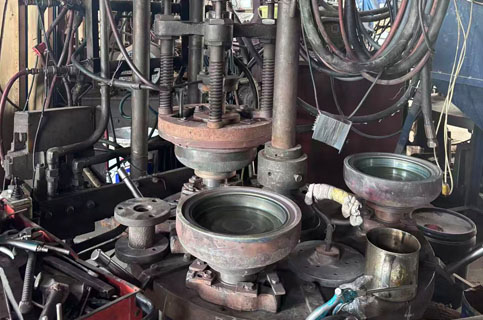
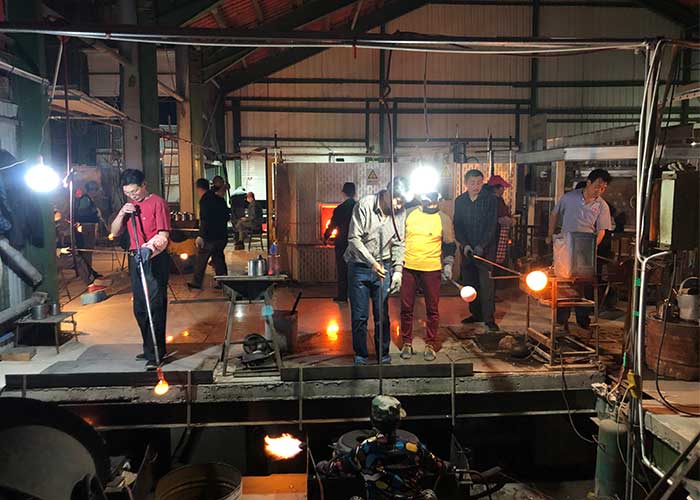
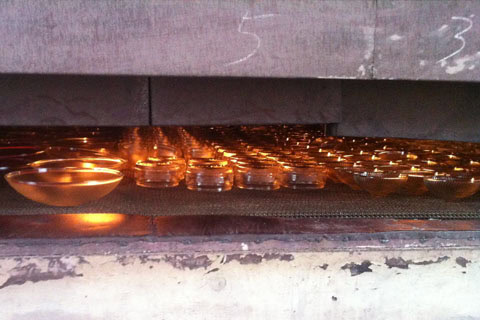
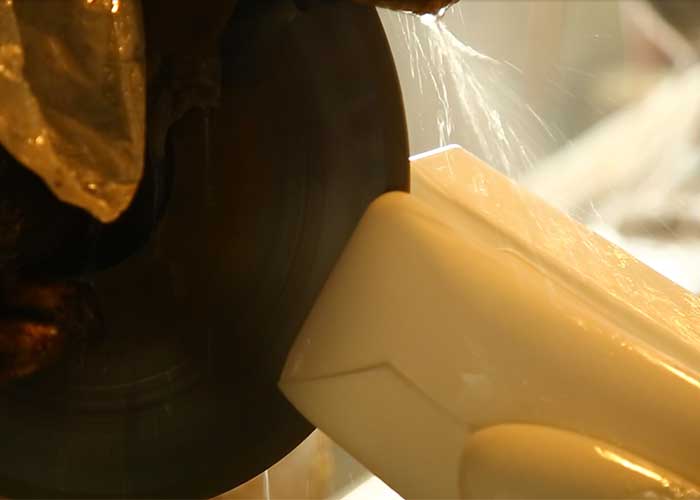
ورش الزجاج · يانتشينغ، الصين
120+
الدول المخدومة
الأسواق الدولية
حسب التسعير
توقيت المشروع
العينة، التشطيب، الكمية والتعبئة تؤثر على التوقيت
نظرة عامة على غطاء المصباح الزجاجي
أغطية مصابيح زجاجية مخصصة لتركيبات الإضاءة المختلفة
يجب أن يتناسب غطاء المصباح الزجاجي المناسب مع هيكل التركيبة، ويوفر الانتشار الضوئي المطلوب ويكمل التطبيق الداخلي أو الخارجي المقصود. تدعم JX Lampshade غطاء الزجاج الزخرفية، غطاء الزجاج البديلة ومكونات الإضاءة الزجاجية المخصصة للمشاريع السكنية، الفندقية، الخارجية والهندسية.
أغطية مصابيح زجاجية زخرفية
اختر من بين التشطيبات الزجاجية الشفافة، الأوبال، الكهرمانية، الدخانية، المصقولة، المخططة والملونة لمجموعات الإضاءة السكنية والفندقية.
أغطية مصابيح زجاجية بديلة
قدم عينة قديمة، صورة للتركيبة أو الأبعاد لمراجعة إمكانية استبدال الظل لمصابيح الطاولة، مصابيح الأرضية، الشمعدانات الجدارية، المصابيح المعلقة ووحدات السقف.
غطاء زجاجي مخصصة حسب الطلب والتصميم الخاص
تطوير أشكال، فتحات، ملمس، ألوان، عينات، قوالب وتغليف مخصص لعلامات الإضاءة التجارية، تجار الجملة ومشتري المشاريع.
منتجات نماذج أغطية المصابيح الزجاجية
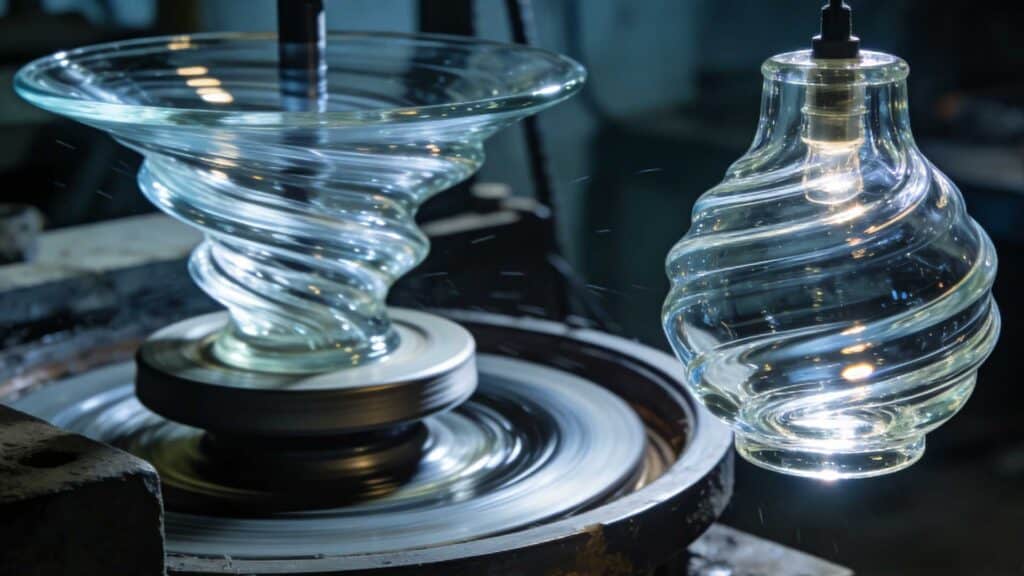
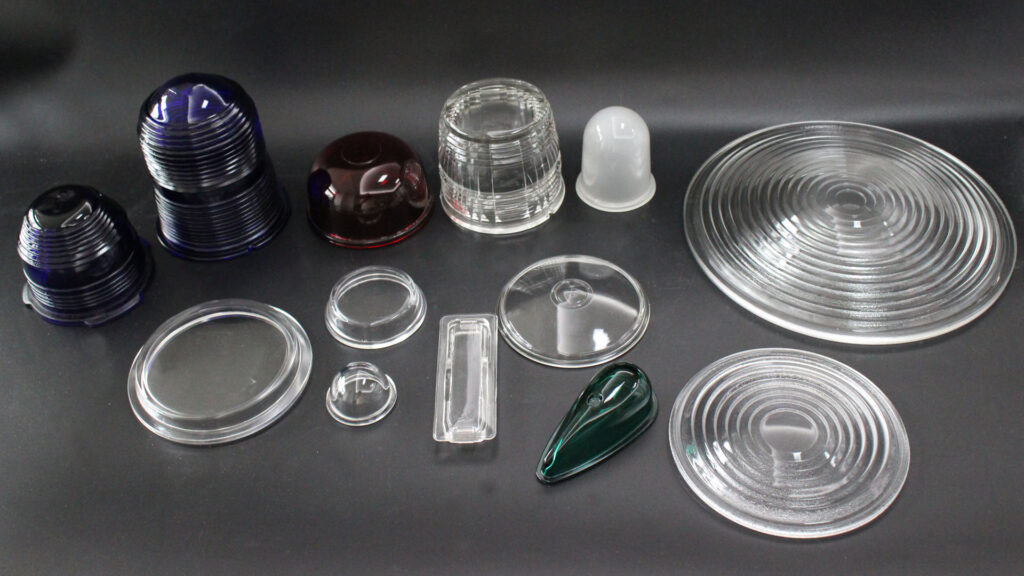
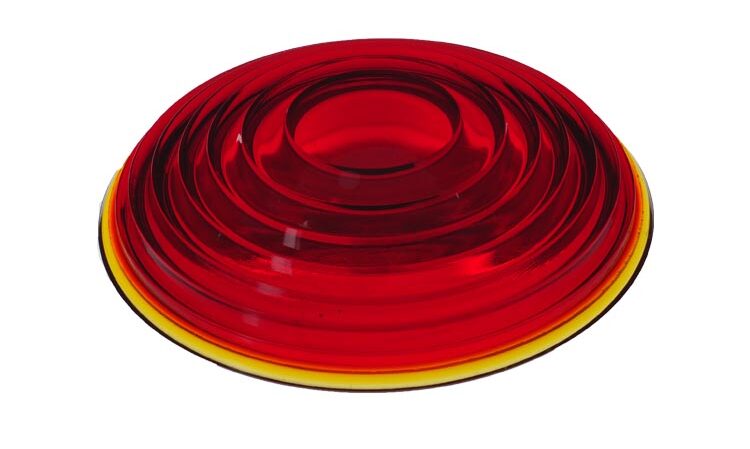
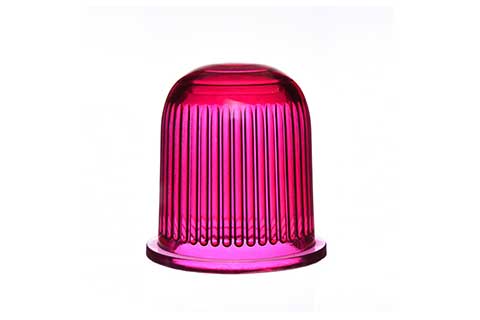
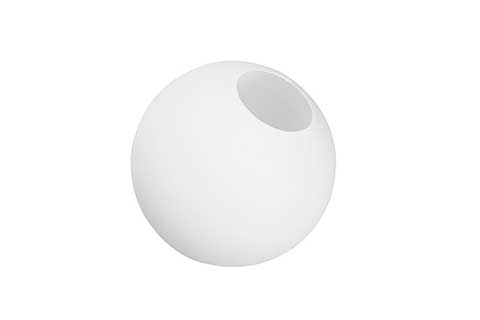
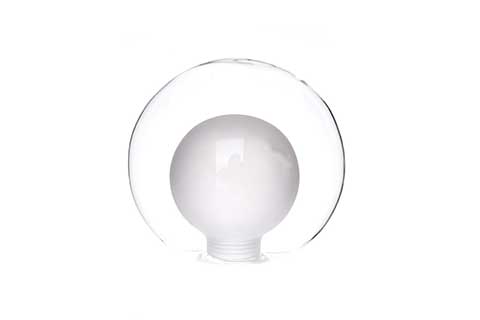
مجموعة من أغطية المصابيح الزجاجية من كتالوج إضاءة المنزل لدينا، منفوخة بالفم، مضغوطة آلياً، بالطرد المركزي، منحنية وأشكال بوروسيليكات، متوفرة للتصدير بالجملة بنظام OEM وODM.
أنواع التركيبات
استكشف أغطية المصابيح الزجاجية حسب نوع التركيبة
تحتاج التركيبات الضوئية المختلفة إلى أشكال غطاء زجاجي، هياكل فتحات وأبعاد تثبيت مختلفة. يغطي الاختيار أدناه أكثر فئات التركيبات شيوعًا للأعمال بين الشركات التي يدعمها مصنعنا.
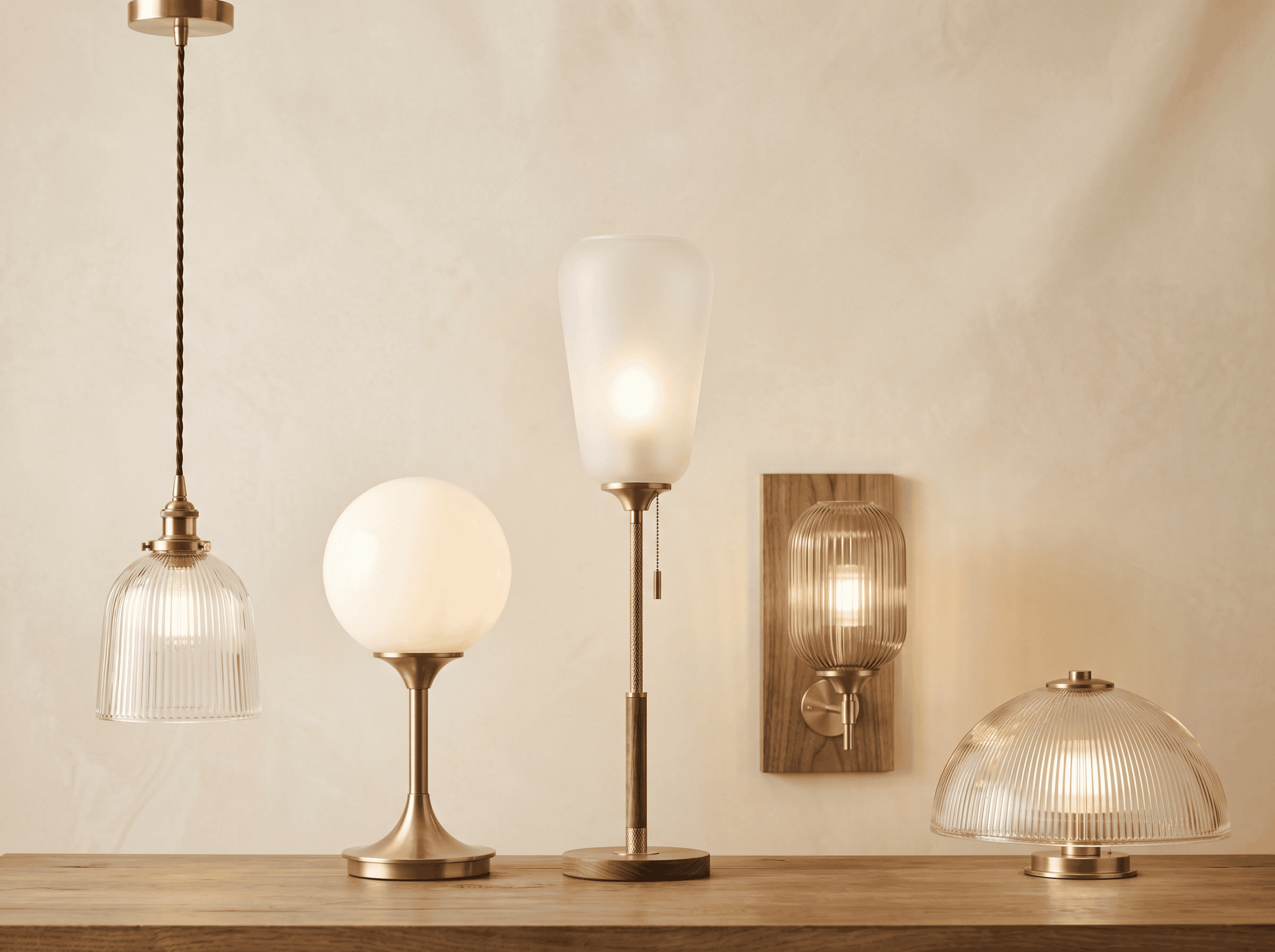
أغطية مصابيح معلقة زجاجية
غرف الطعام، جزر المطابخ، ردهات الفنادق، المطاعم والتركيبات المعلقة الزخرفية.
أغطية مصابيح زجاجية للمصابيح الطاولة
مصابيح الطاولة الجانبية، مصابيح المكتب، غرف المعيشة والإضاءة السكنية الزخرفية.
أغطية المصابيح الزجاجية لمصابيح الأرضية
مصابيح الوقوف، مصابيح التورشير، زوايا القراءة ومشاريع الاستبدال.
أغطية مصابيح الجدار الزجاجية
غرف النوم، الممرات، الحمامات، المطاعم، الفنادق والمداخل.
أغطية مصابيح السقف الزجاجية
غرف النوم، الممرات، المطابخ والتركيبات السكنية العامة.
مكونات الزجاج للثريات
الثريات الزخرفية، إضاءة الردهات والتركيبات المميزة المخصصة.
أغطية مصابيح زجاجية خارجية
أضواء الحدائق، تركيبات العشب، الأفنية والإضاءة الخارجية.
كرات زجاجية بديلة
ظلال مكسورة، مشاريع تجديد، تركيبات قديمة ومخزون طلبات متكررة.
المواد والتشطيبات
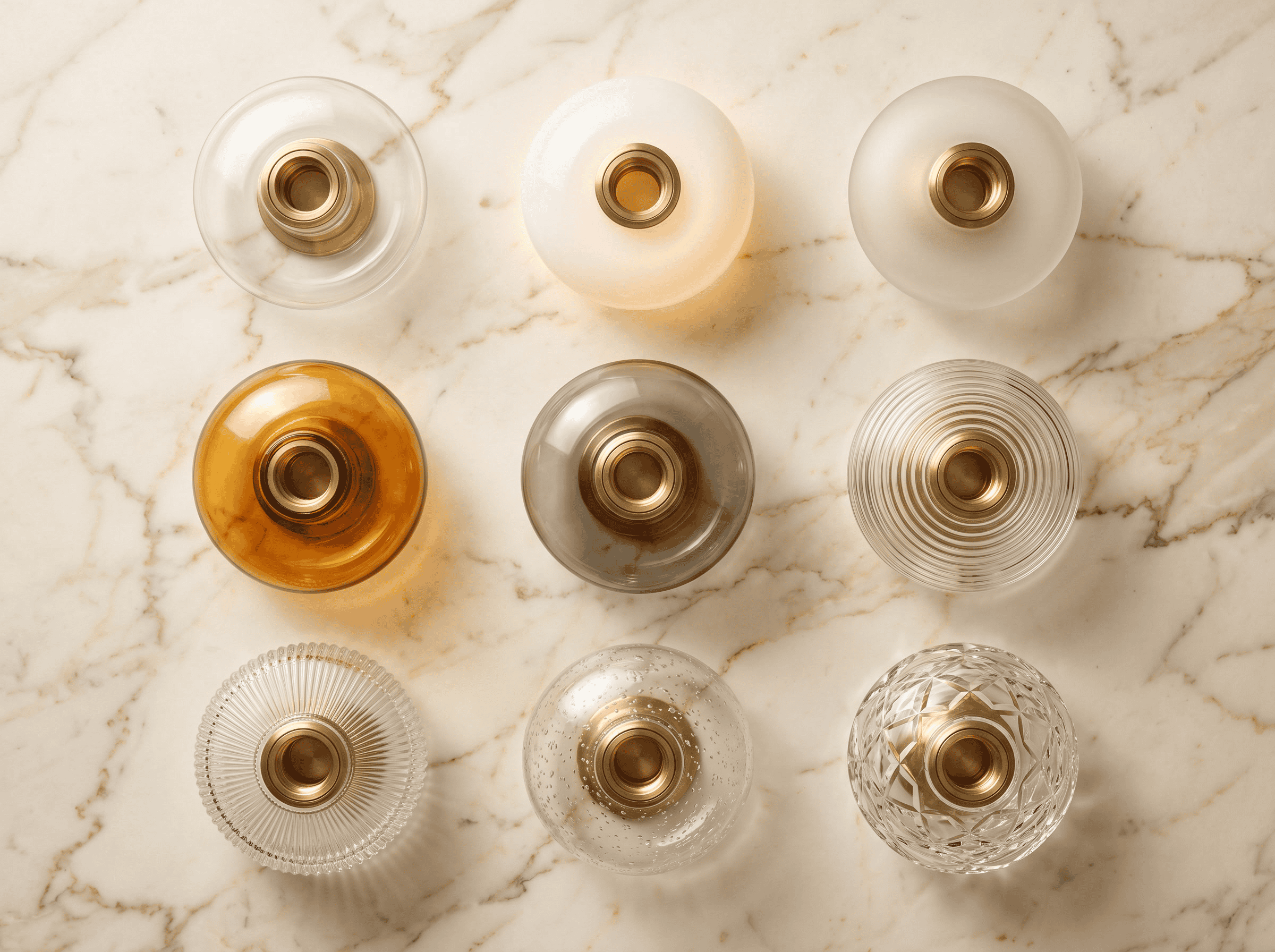
قارن مواد وتشطيبات غطاء الزجاج للمصابيح
كل مادة زجاجية تقدم مزيجًا مختلفًا من نفاذية الضوء، التحكم في الوهج والطابع البصري. استخدم هذه المقارنة لمطابقة التشطيب مع تركيبتك وسياق الديكور الداخلي.
الزجاج الشفاف
الأفضل لـ
تركيبات المصابيح الزخرفية ذات المصابيح المكشوفة، مصابيح التعليق والتصاميم العصرية البسيطة.
التأثير
شفافية عالية وتوهج المصباح المرئي.
زجاج أوبال / حليبي
الأفضل لـ
غرف النوم، مصابيح الطاولة الجانبية، غرف الضيوف في الفنادق وإضاءة محيطية مريحة.
التأثير
انتشار ناعم وتقليل الوهج.
زجاج مصنفر
الأفضل لـ
الحمامات، مصابيح الحائط، الممرات والإضاءة الداخلية العملية.
التأثير
انتشار موحد للضوء وتقليل الوهج.
زجاج كهرماني
الأفضل لـ
المطاعم والمقاهي وغرف المعيشة والديكورات الداخلية الدافئة.
التأثير
أجواء دافئة وطابع زخرفي.
زجاج مدخن
الأفضل لـ
إضاءة ضيافة عصرية وديكورات داخلية بتصميم حديث.
التأثير
تباين أنيق وجو بصري راقٍ.
زجاج مخدد / مضلع
الأفضل لـ
إضاءة مستوحاة من الطراز الكلاسيكي، ومصابيح معلقة مميزة ومصابيح جدارية.
التأثير
توزيع ضوء محكم وتفاصيل فاخرة.
زجاج مقطوع
الأفضل لـ
تركيبات زخرفية، ديكورات داخلية كلاسيكية وإضاءة بارزة.
التأثير
انكسار الضوء وبريق زخرفي.
الزجاج الملون
الأفضل لـ
مجموعات مخصصة، ديكورات داخلية زخرفية وتصاميم إضاءة خاصة بالعلامة التجارية.
التأثير
تعبير لوني مميز وهوية بصرية.
خيارات الشكل
اختر أغطية مصابيح زجاجية حسب الشكل
أغطية كروية زجاجية
أغطية كروية لمصابيح السقف والطاولات وأضواء الحدائق ومشاريع الاستبدال.
موصى بها بتشطيبات شفافة أو أوبال أو مخددة.
أغطية زجاجية أسطوانية
أغطية بجدران مستقيمة لمصابيح السقف والجدران والتركيبات المعمارية.
موصى بها بتشطيبات مثلجة أو أوبال أو كهرمانية.
غطاء زجاجي على شكل قبة
ظلال زجاجية بقمة منحنية للمصابيح المعلقة، جزر المطابخ وإضاءة الضيافة.
موصى بها بتشطيبات أوبال، مضلعة ومدخنة.
أغطية زجاجية على شكل جرس
أشكال جرس كلاسيكية للمصابيح المعلقة، مصابيح الطاولة والتركيبات التقليدية.
موصى بها بتشطيبات شفافة، مثلجة وكهرمانية.
غطاء زجاجي مخروطية
ظلال مدببة للإضاءة السفلية، إضاءة المهام والمصابيح المعلقة العصرية.
موصى بها بتشطيبات أوبال، مثلجة وملونة.
غطاء زجاجي مربعة الحواف
ملامح مربعة بحواف ناعمة للتركيبات العصرية وإضاءة المميزات.
موصى بها بتشطيبات مدخنة، أوبال ومضلعة.
غطاء زجاجي على شكل فانوس
ظلال على طراز الفانوس بألواح للتركيبات الخارجية، المداخل والتركيبات التقليدية.
موصى بها بتشطيبات شفافة، منقطة وكهرمانية.
تصاميم مخصصة مشكّلة بالقالب
أشكال حسب الطلب يتم تطويرها من رسمك أو عينتك أو تصميم التركيب الخاص بك.
جميع التشطيبات مدعومة على القوالب المخصصة.
أغطية مصابيح الزجاج المعشق الزخرفية للإضاءة الكلاسيكية
تتميز هذه الأغطية الزجاجية الملونة بتركيبات ألوان غنية ونقوش زجاجية زخرفية، مما يخلق تأثير إضاءة دافئ ومميز للديكورات الكلاسيكية. بالمقارنة مع الأغطية الزجاجية البسيطة، يضيف الزجاج الملون المزخرف عمقاً بصرياً وطابعاً فنياً ونقطة تركيز راقية عند الإضاءة.
تناسب مصابيح الطاولة، مصابيح الأرضية، المصابيح المعلقة، الشمعدانات الجدارية، ديكورات الفنادق، إضاءة المطاعم والمشاريع الزخرفية المستوحاة من الطراز الكلاسيكي.
- تصنيع أغطية مصابيح زجاجية مخصصة
- دعم القالب، العينة، والإنتاج بالجملة
- تغليف تصديري للمنتجات الزجاجية القابلة للكسر
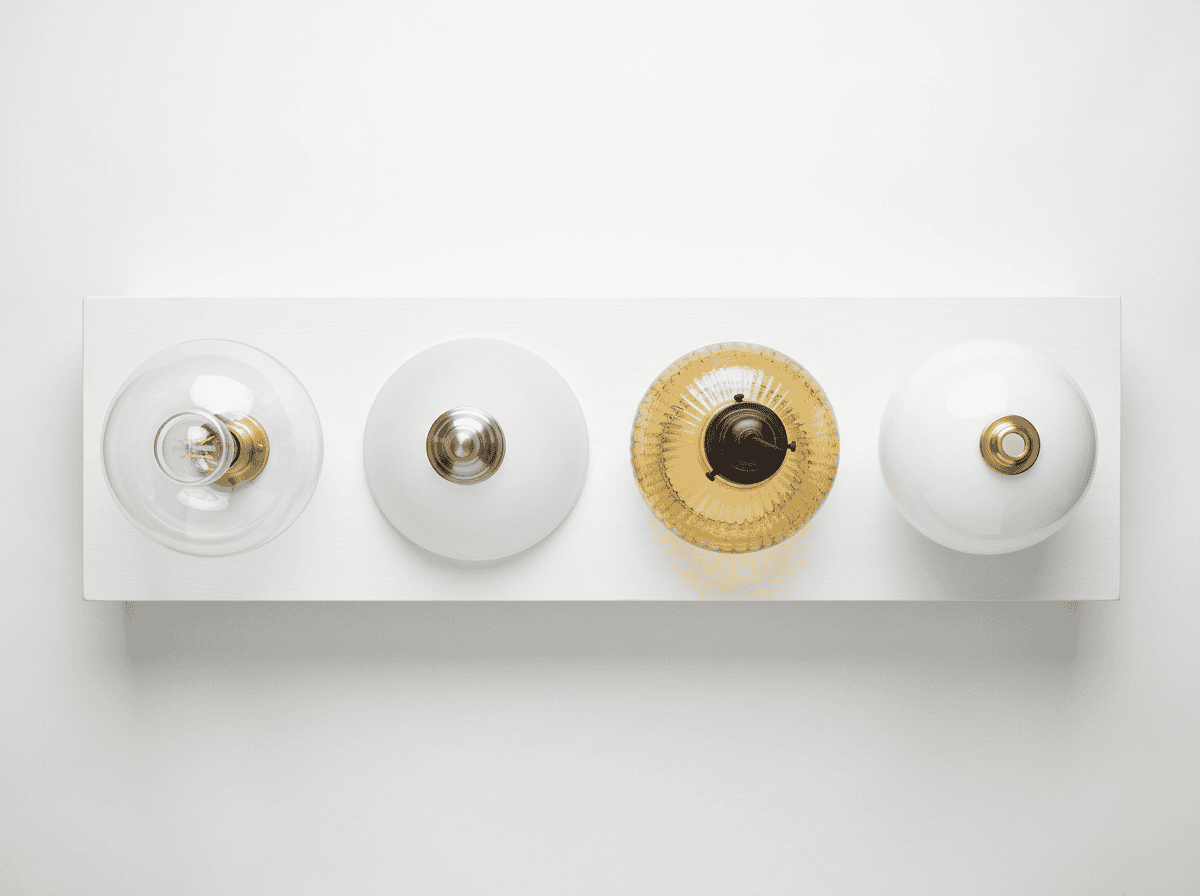
أغطية مصابيح زجاجية مميزة
أغطية مصابيح زجاجية أوبال، كهرماني، مطفي وزخرفية للإضاءة المنزلية — متوفرة للتخصيص حسب الطلب، تطوير العينات والتوريد بالجملة. تواصل معنا بمواصفات التركيبة الخاصة بك للحصول على عرض سعر.
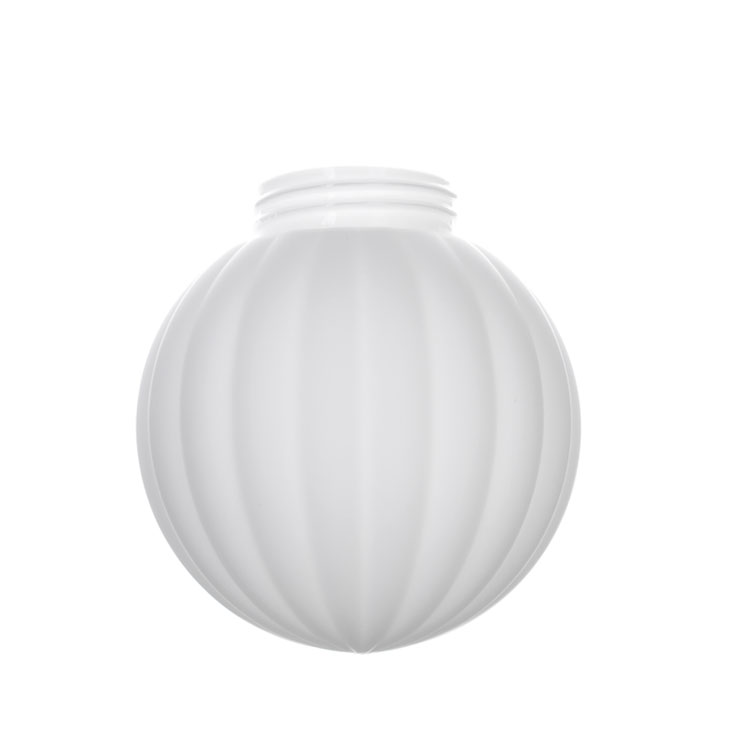
ظل كرة أوبال مضلع متجمد منفوخ بالفم
غطاء مصباح زجاجي — إضاءة سقف مضلعة مصنوعة بالنفخ اليدوي
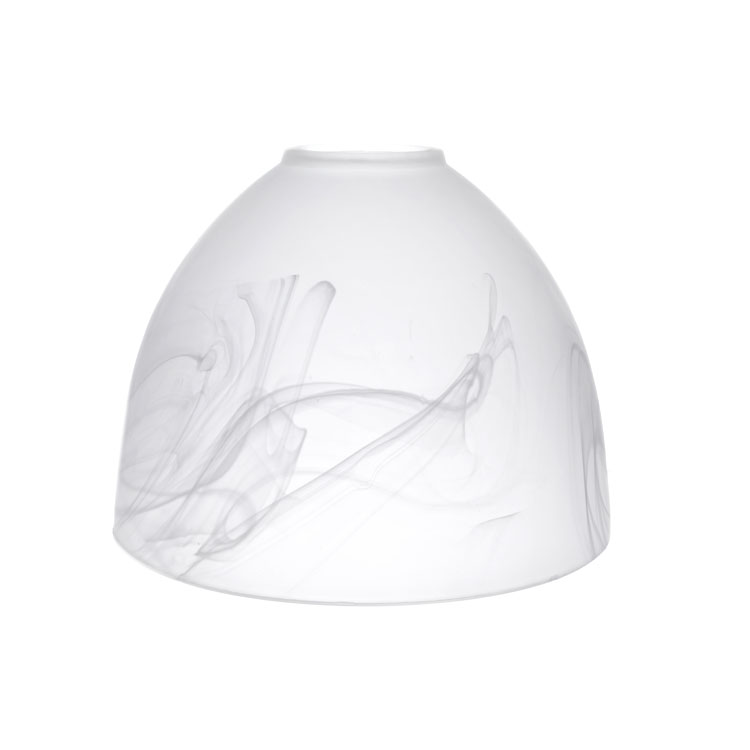
ظل جرس زجاجي متجمد من الألباستر الرخامي
غطاء مصباح زجاجي — إضاءة معلقة رخامية على شكل جرس
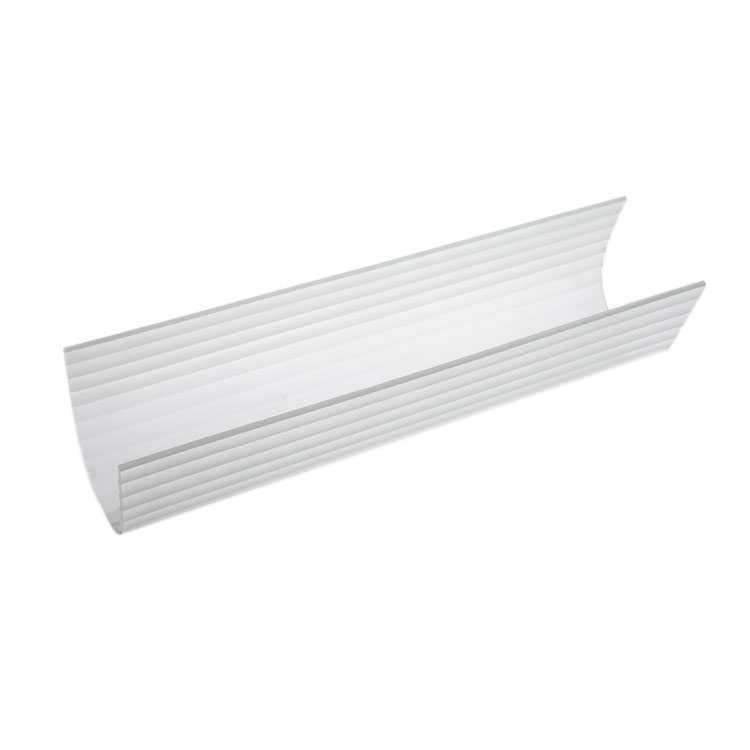
ظل زجاجي منحني متجمد — مصباح جداري مضلع
غطاء مصباح زجاجي — إضاءة جدارية منحنية مضلعة
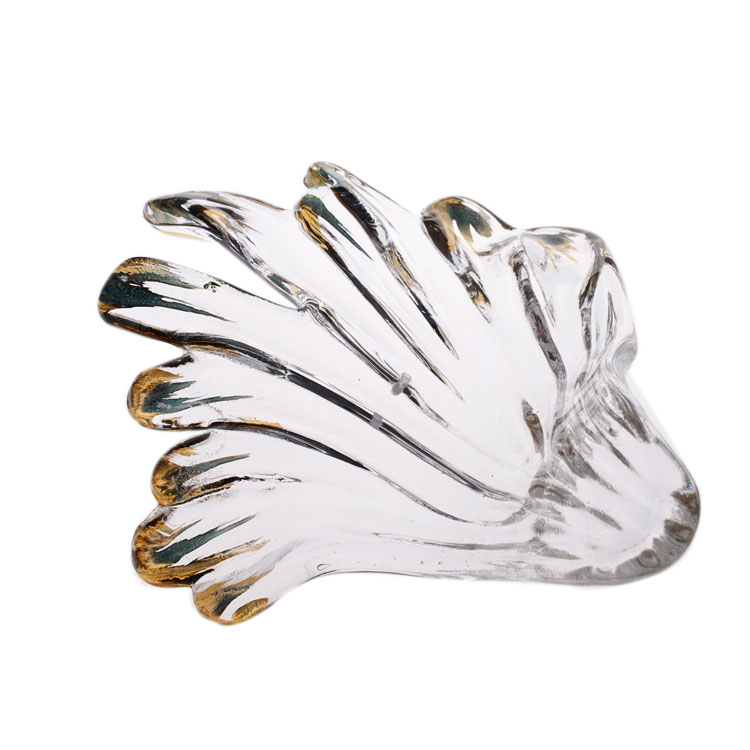
مصباح زجاجي شفاف على شكل ورقة
غطاء مصباح زجاجي — إضاءة معلقة زخرفية على شكل ورقة
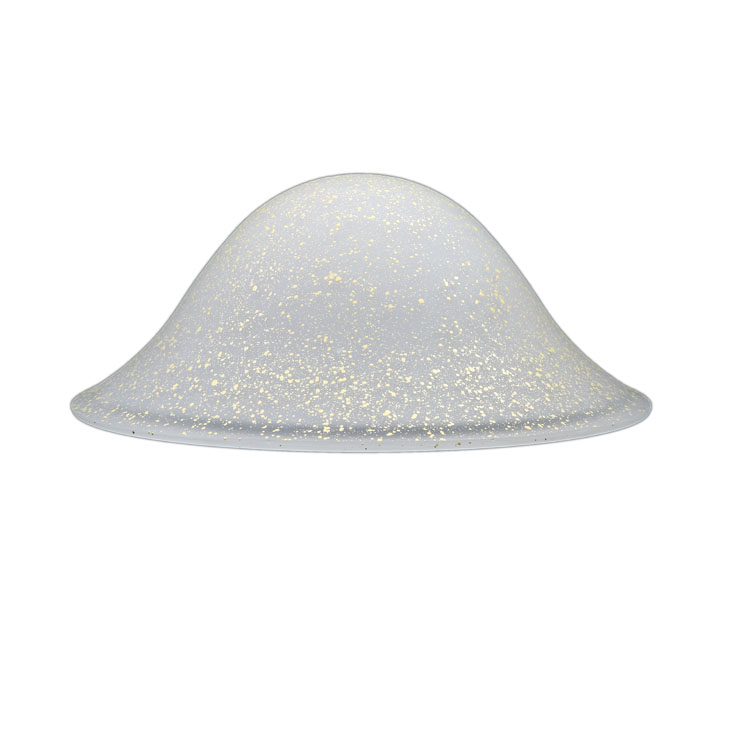
ظل بديل على شكل جرس بأسلوب بريطاني
غطاء مصباح زجاجي — إضاءة معلقة وسقفية على شكل جرس
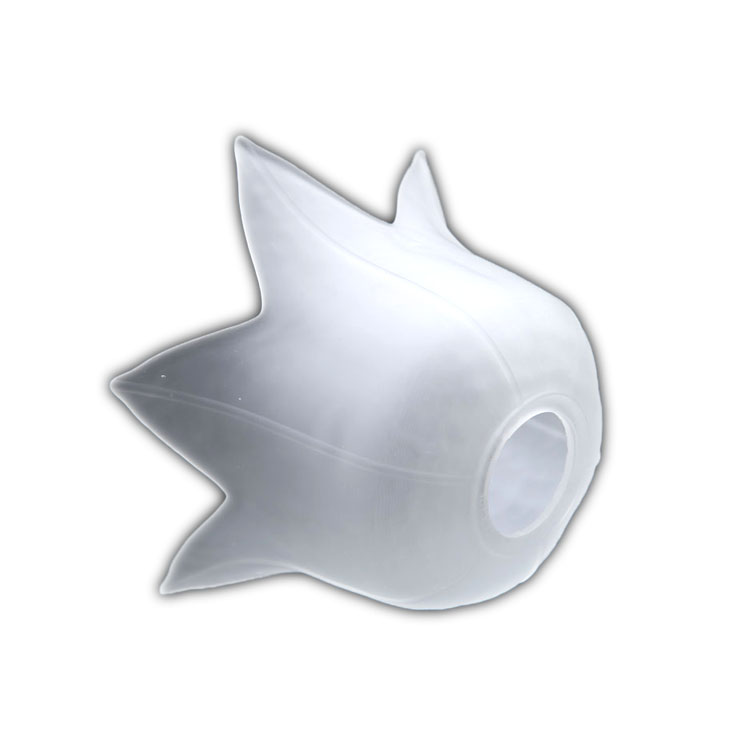
غطاء مصباح زجاجي مزهر بتلات زهرة توليب معتم
غطاء مصباح زجاجي — إضاءة معلقة زخرفية على شكل توليب
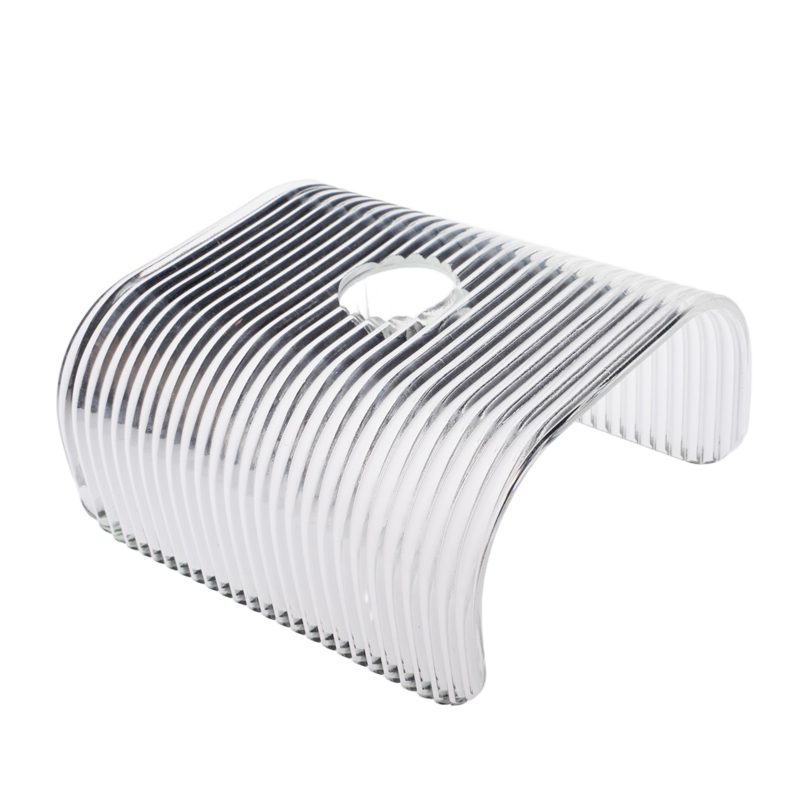
غطاء مصباح زجاجي شفاف مضلع ومنحني بالحرارة
غطاء مصباح زجاجي — إضاءة مخصصة مضلعة ومنحنية بالحرارة
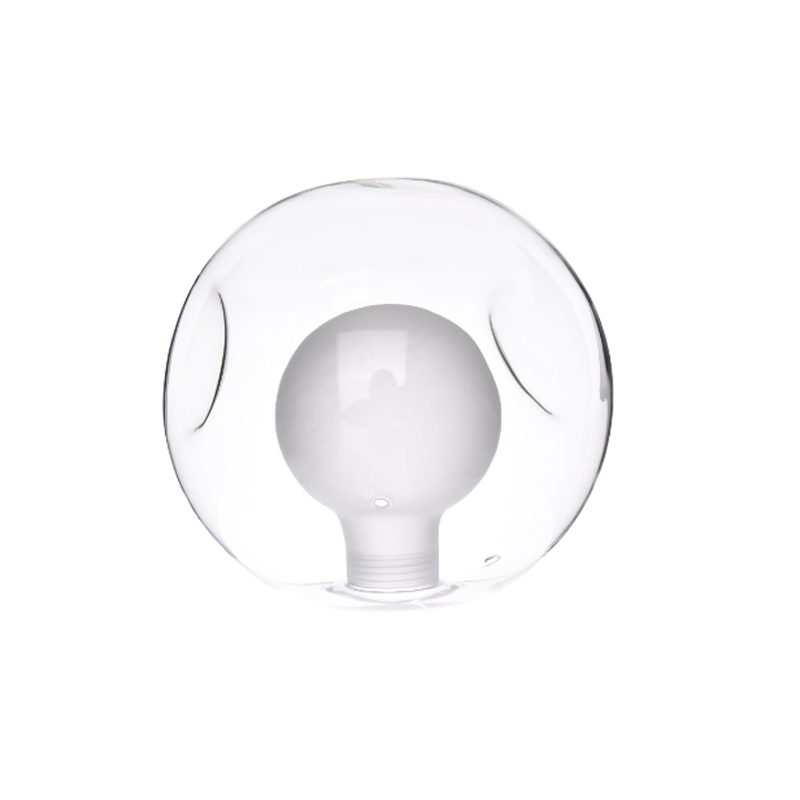
غطاء مصباح زجاجي كروي شفاف مزدوج الجدار من البورسليكات
غطاء مصباح زجاجي — إضاءة كروية مزدوجة الجدار من البورسليكات
حل بديل
أغطية مصابيح زجاجية بديلة لتركيبات الإضاءة الحالية
قد تكون هناك حاجة إلى أغطية مصابيح زجاجية بديلة عندما يكون الغطاء الأصلي مكسورًا أو قديمًا أو لم يعد متوفرًا. يمكن لمصنع JX Lampshade مراجعة متطلبات الاستبدال بناءً على عينة قديمة أو صورة للتركيبة أو رسم أو مواصفات الأبعاد.
القطر الخارجي الأقصى
مطلوب لتقييم عرض سعر الاستبدال.
الارتفاع الكلي للظل
مطلوب لتقييم عرض سعر الاستبدال.
فتح القطر الداخلي والخارجي
مطلوب لتقييم عرض سعر الاستبدال.
ارتفاع العنق وبنية التركيب
مطلوب لتقييم عرض سعر الاستبدال.
عمليات التصنيع
استكشف أغطية المصابيح الزجاجية حسب عملية التصنيع
كل تقنية تصنيع تقدم مزايا مختلفة في التحكم في الشكل الهندسي وجودة السطح وتناسق الدُفعات وكفاءة التكلفة.
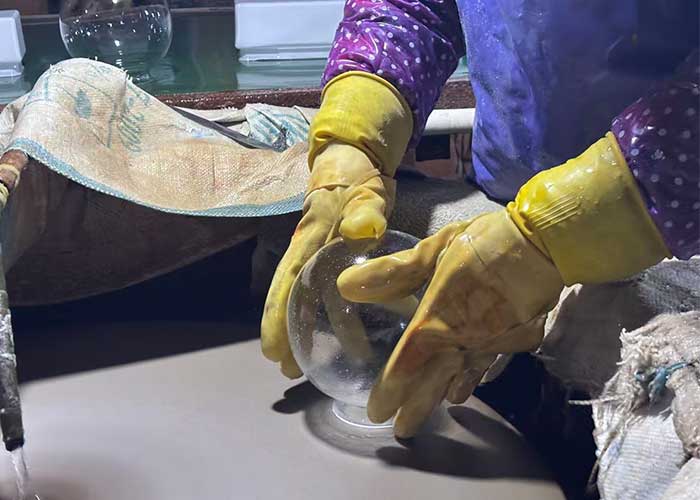
غطاء مصباح زجاجي منفوخ بالفم
يتم نفخها يدويًا بواسطة حرفيين مهرة للحصول على وضوح ممتاز وتنوع طبيعي وجمالية فاخرة.
مناسبة للمصابيح المعلقة الفاخرة، وإضاءة الضيافة، والمجموعات المصممة حسب الطلب.
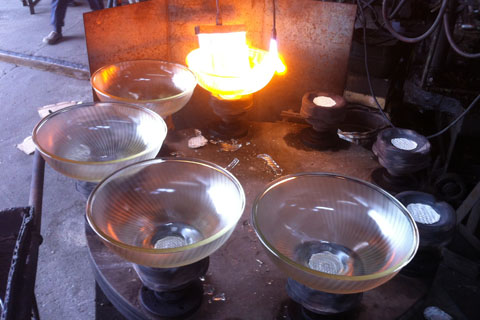
غطاء مصباح زجاجي مضغوط آليًا
يتم ضغطها في قوالب مسخنة للحصول على شكل هندسي متناسق، وجدران سميكة، وإنتاج بكميات كبيرة.
مناسب للطلبات الصناعية والتجارية وطلبات الشركات المصنعة بالجملة.
ظل زجاج بوروسيليكات مصنوع بتقنية لامب وورك
زجاج بوروسيليكات مشغول يدوياً بمشعل، مقاوم عالي للحرارة والمواد الكيميائية.
مناسب للإضاءة التقنية، الزخرفية وإضاءة الحرفيين الصغيرة.
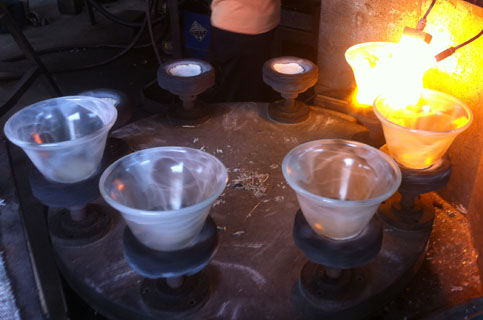
غطاء مصباح زجاجي مشكّل بالطرد المركزي
يتم تدويرها في قوالب دوارة للحصول على سمك جدار موحد ولمسات نهائية ناعمة.
مناسب لتصاميم نصف دائرية، قبة وقلادة مميزة.
غطاء مصباح زجاجي منحني
زجاج مشكل حرارياً ومقوس للشمعدانات الجدارية ذات الجدران المخددة والملامح المنحنية.
مناسب للشمعدانات الجدارية، إضاءة الزوايا والتركيبات المعمارية.
غطاء مصباح زجاجي مصنوع يدويًا
ظلال مصنوعة يدوياً تجمع بين النفخ بالفم، التشطيب اليدوي والتقنيات الزخرفية.
مناسب للمشاريع الفاخرة، المجموعات المخصصة وقطع التميز.
التخصيص
خيارات ظل زجاجي مخصص لمجموعات الإضاءة
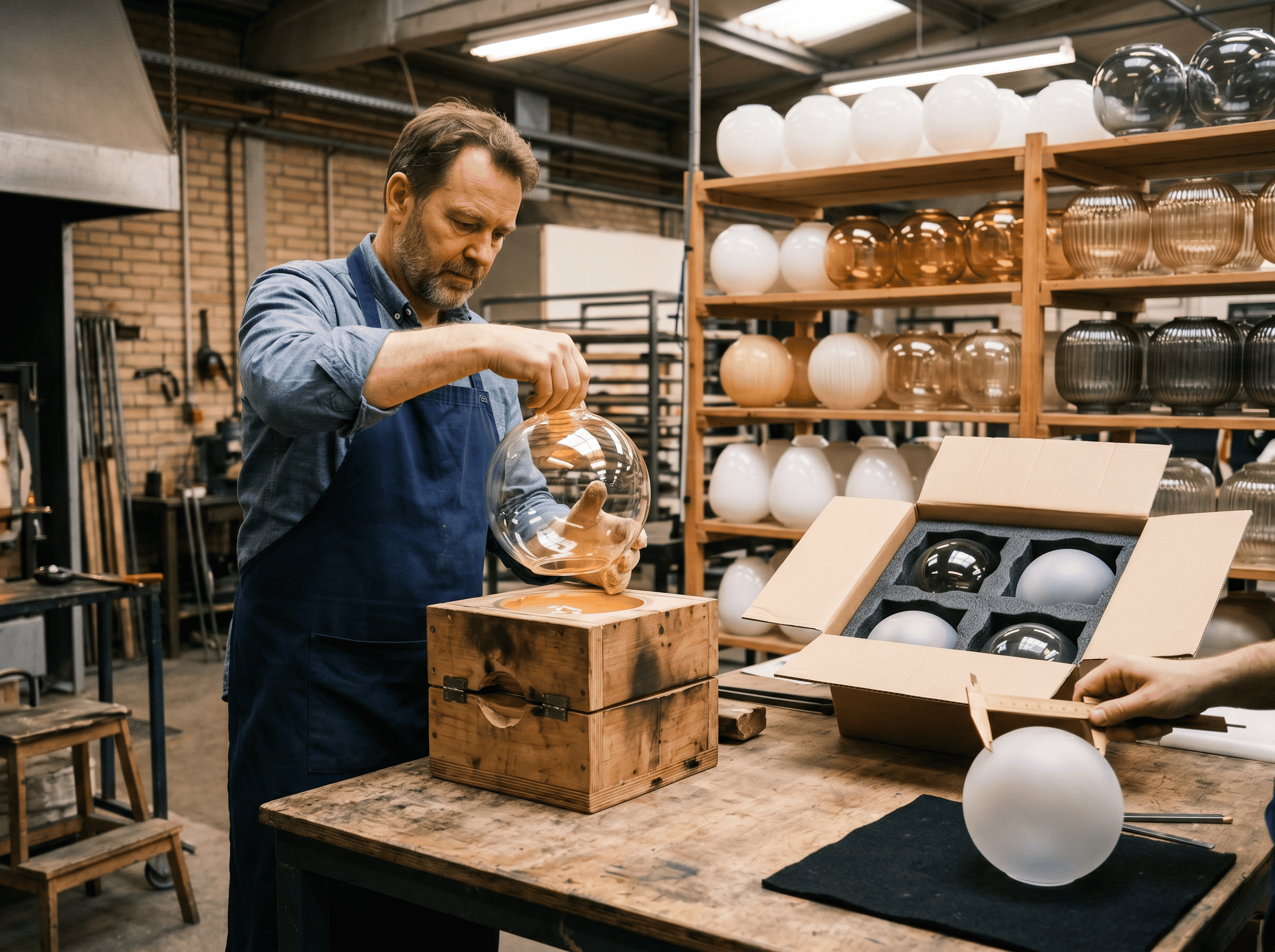
التخصيص يشمل الشكل، الحجم، اللون، التشطيب، مطابقة التركيبات، تطوير العينات، تقييم القوالب وتغليف التصدير لمشتري الإضاءة من الشركات.
● خيار
شكل مخصص
كرة، أسطوانة، قبة، جرس، مخروط، مربع مستدير، فانوس أو شكل مخصص بالقالب.
● خيار
حجم مخصص
القطر، الارتفاع، حجم الفتحة، ارتفاع العنق، سمك الجدار وبنية التركيب.
● خيار
لون الزجاج
شفاف، أوبال، حليبي، مصنفر، كهرماني، مدخن، أخضر، أزرق، وردي، برتقالي أو حسب المرجع المخصص.
● خيار
تشطيب السطح
ناعم، مخدد، مخدد بالطول، مزروع بالبذور، مصنفر، محفور بالحمض أو ذو ملمس زخرفي.
● خيار
مطابقة التركيبات
مصباح معلق، مصباح طاولة، مصباح أرضي، شمعدان جداري، مصباح سقف، ثريا أو وحدة إضاءة خارجية.
● خيار
تطوير العينة
راجع العينات قبل الإنتاج بالجملة للتحقق من الملاءمة والمظهر وتأثير الإضاءة.
● خيار
تقييم القالب
تأكيد إمكانية تنفيذ الشكل، هيكل الفتحة، السماحية ومتطلبات القالب.
● خيار
تغليف التصدير
استخدم تغليفًا واقيًا للغطاء الزجاجية الهشة، والطلبات الكبيرة والتوصيل الخارجي.
التطبيقات
حلول أغطية المصابيح الزجاجية حسب التطبيق
كل سياق تطبيقي له أولويات مختلفة — الجو، السلامة، المتانة أو الصيانة. استكشف الحلول المصممة لفئة مشروعك.
أغطية المصابيح المنزلية
مصابيح معلقة منزلية، مصابيح طاولة، مصابيح أرضية ووحدات سقف بانتشار مريح وخيارات آمنة للأطفال.
أغطية مصابيح الفنادق
غطاء زجاجي بدرجة ضيافة لغرف الضيوف، الردهات، الممرات ومناطق الطعام في مشاريع الفنادق.
أغطية مصابيح المطاعم والمقاهي
مصابيح معلقة وشمعدانات جدارية تضفي أجواء دافئة ومناسبة لهوية العلامة التجارية في أماكن الطعام.
أغطية المصابيح الخارجية
غطاء زجاجي مقاومة للعوامل الجوية ومقواة للمصابيح الخارجية وحدائق المنازل والساحات.
أغطية مصابيح الحدائق
ظلال كروية بديلة وأصلية لمصابيح الحدائق الخارجية ومشاريع إضاءة الممرات.
هندسة أغطية المصابيح الزجاجية
ظلال مقاومة للانفجار، بوروسيليكات ودرجات صناعية للإضاءة الهندسية والمشاريع.
سير العمل في المشروع
سير عمل تطوير غطاء مصباح زجاجي مخصصة
عملية منظمة من ست خطوات تبدأ من موجز المشروع مروراً بالموافقة على العينة وصولاً إلى الإنتاج بالجملة وشحن التصدير.
مراجعة المتطلبات
مراجعة نوع التركيب، منطقة التطبيق، الرسم، العينة القديمة أو صورة مرجعية.
اختيار المادة والتشطيب
اختر لون الزجاج، الشفافية، النسيج، سمك الجدار والتشطيب السطحي.
تقييم الرسم والقالب
تأكيد الأبعاد، حجم الفتحة، هيكل التثبيت، السماحية وإمكانية تصنيع القالب.
تطوير العينة
إنتاج عينات للتأكد من ملاءمة التركيب، تأثير الإضاءة والموافقة على المظهر.
فحص الجودة
فحص الأبعاد، تشطيب الزجاج، هيكل الفتحة، المظهر والتغليف.
الإنتاج بالجملة وتغليف التصدير
ترتيب الإنتاج بالجملة، حماية الزجاج الهش، الكراتين، المنصات والشحن.
مقالات داعمة حول أغطية المصابيح الزجاجية
قائمة التحقق من التسعير
المعلومات الواجب تقديمها للحصول على عرض سعر لغطاء مصباح زجاجي مخصصة
مشاركة العناصر أدناه مسبقاً تسرّع مراجعة إمكانية التنفيذ والتسعير.
- نوع التركيب
- منطقة التطبيق
- شكل الزجاج
- القطر الأقصى
- الارتفاع الكلي
- قطر الفتحة الداخلي
- قطر الفتحة الخارجي
- ارتفاع العنق
- هيكل التثبيت
- سماكة الجدار
- لون الزجاج
- تشطيب السطح
- الكمية المطلوبة
- متطلبات العينة
- متطلبات التغليف
- البلد الوجهة
- جدول التسليم
- رسم أو صورة عينة قديمة
لماذا غطاء مصابيح JX
لماذا تختار JX Lampshade لأغطية المصابيح الزجاجية المخصصة
تصنيع حسب الطلب
دعم تصنيع أغطية المصابيح الزجاجية المخصصة لشركاء OEM وODM.
تطوير OEM / ODM
تعاون مع علامة تجارية للإضاءة من الفكرة والرسم حتى العينة والإنتاج بالجملة.
دعم القوالب والعينات
تقييم القوالب وتطوير العينات داخليًا قبل الالتزام بالإنتاج.
مواد متعددة
خيارات الزجاج الشفاف، الأوبال، الحليبي، المصنفر، الكهرماني، الدخاني، المخطط والملون.
مطابقة التركيبات
مطابقة أحجام الفتحات وهياكل وأشكال الحوامل مع متطلبات التركيبات.
ثبات الدُفعات
ضوابط العمليات والفحص للحفاظ على الاتساق عبر دفعات الإنتاج.
دعم الاستبدال
مراجعة الظلال البديلة بناءً على عينات قديمة أو صور أو رسومات.
تغليف التصدير
تغليف واقٍ للزجاج الهش لضمان التوصيل الآمن إلى الخارج.
الاتصال الخارجي
دعم ناطق بالإنجليزية لتوثيق المشاريع وتنسيق المشتريات.
الموارد
مواضيع ذات صلة بأغطية المصابيح الزجاجية
استكشف مواضيع أغطية المصابيح الزجاجية بما في ذلك قياسات الاستبدال، هياكل التثبيت، مصابيح الطاولة، مصابيح الأرضية، المصابيح المعلقة، المواد، التشطيبات، الأشكال ومتطلبات التصنيع المخصصة.
ما هي غطاء المصباح الزجاجي؟
كيفية قياس غطاء مصباح زجاجي بديل
كيفية اختيار أغطية مصابيح الزجاج للمصابيح الطاولة
كيفية اختيار غطاء المصباح الزجاجي المناسب للمصابيح المعلقة
ما هو مثبت غطاء المصباح؟ (شرح المكونات)
معايير تركيب أغطية مصابيح الزجاج
الزجاج الشفاف مقابل الزجاج المصنفر مقابل الزجاج الأوبال للإضاءة
كيفية اختيار الزجاج المناسب لأغطية المصابيح
حلول ذات صلة
استكشف المزيد من حلول أغطية المصابيح الزجاجية
أغطية مصابيح زجاجية بديلة
أغطية مصابيح معلقة زجاجية
أغطية مصابيح زجاجية للمصابيح الطاولة
أغطية المصابيح الزجاجية لمصابيح الأرضية
أغطية مصابيح الجدار الزجاجية
أغطية المصابيح الزجاجية المصنفر
أغطية المصابيح من زجاج اللبن / الأوبال
أغطية المصابيح الزجاجية الكهرمانية
أغطية المصابيح الزجاجية المخددة
أغطية مصابيح زجاجية كلاسيكية
أغطية مصابيح الزجاج المقطع
هندسة أغطية المصابيح الزجاجية
مرحباً بكم في مصنع أغطية المصابيح الزجاجية JX
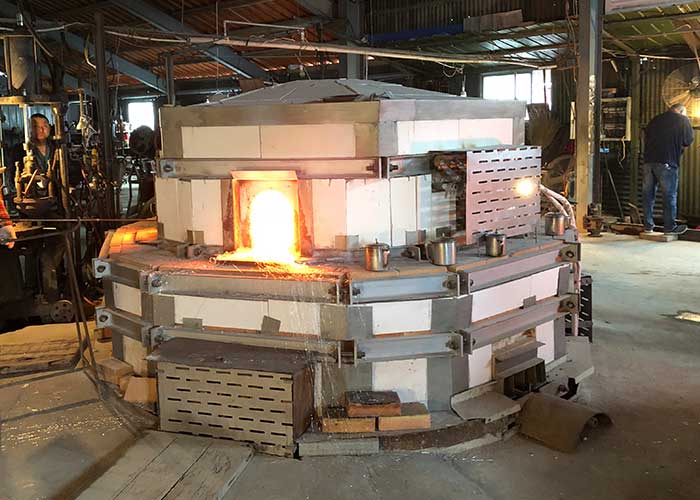
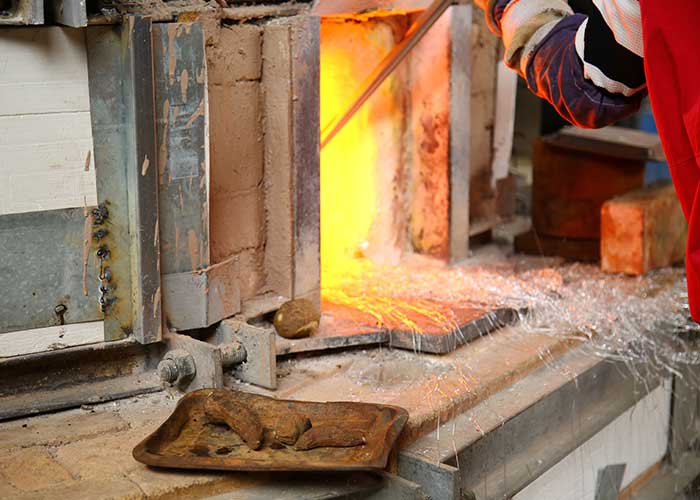
هل تبحث عن أغطية مصابيح زجاجية مخصصة عالية الجودة لمشاريع إضاءة الفنادق أو المطاعم أو المساحات الخارجية أو المشاريع الهندسية؟ تدعم JX Lampshade العلامات التجارية للإضاءة في الخارج، ومشتري المشاريع، ومقاولي الضيافة في مصر وجميع الدول من خلال تطوير أغطية زجاجية مخصصة، وتأكيد العينات، والإنتاج بالجملة، وتغليف التصدير. استكشف حلول أغطية المصابيح الزجاجية الفندقية لدينا وتواصل معنا للحصول على عرض سعر لمشروعك.

الأسئلة الشائعة
الأسئلة الشائعة حول أغطية المصابيح الزجاجية
أغطية المصابيح الزجاجية متوفرة بالزجاج الشفاف، الأوبال، الحليبي، المصنفر، الكهرماني، الدخاني، المخطط، المموج، الملون والتشطيبات الزخرفية. الأشكال الشائعة تشمل الكرات، الأسطوانات، القباب، الأجراس، المخاريط والبروفايلات المخصصة.
نعم. يمكن مراجعة غطاء الزجاج البديلة بناءً على عينة قديمة أو صورة للتركيبة أو رسم أو مواصفة أبعاد. حجم الفتحة، الارتفاع الكلي، القطر وهيكل التثبيت هي تفاصيل مهمة.
قم بقياس القطر الخارجي الأقصى، الارتفاع الكلي، قطر الفتحة الداخلي، قطر الفتحة الخارجي وارتفاع الرقبة. يرجى توفير صورة للتركيب أو صورة لعينة قديمة إذا أمكن.
يعتمد الغطاء المناسب على هيكل التركيب، حجم الفتحة والتأثير الضوئي المطلوب. الزجاج الأوبال، الحليبي، المصنفر والزجاج الشفاف المزخرف هي الأكثر استخدامًا لمصابيح الطاولة.
قد تستخدم مصابيح الأرضية أغطية زجاجية كروية أو على شكل وعاء أو قبة أو مخصصة حسب تصميم التركيب. يجب التأكد من حجم الفتحة وهيكل التثبيت قبل الطلب في مشاريع الاستبدال.
نعم. تدعم JX Lampshade الأشكال والأحجام والفتحات والألوان والتشطيبات والعينات والقوالب والتغليف المخصص لعلامات الإضاءة التجارية وتجار الجملة والمشترين للمشاريع.
يرجى تزويدنا بنوع التركيب، شكل الزجاج، الأبعاد، حجم الفتحة، هيكل التثبيت، اللون، التشطيب، الكمية، صورة لعينة قديمة أو رسم، متطلبات التغليف وبلد الوجهة (مصر).
الأغطية المنفوخة يدويًا يتم تشكيلها يدويًا بواسطة الحرفيين، مما يمنح كل قطعة اختلافات عضوية دقيقة، بينما الأغطية المضغوطة آليًا تُنتج بكميات كبيرة بأبعاد موحدة. عادةً ما يظهر الزجاج المنفوخ يدويًا تموجات خفيفة وتفاوت بسيط في السماكة وانتشار ضوء أكثر دفئًا، مما يجعله شائعًا في مشاريع الضيافة الفاخرة والسكنية الراقية. أما الأغطية المضغوطة آليًا فهي مناسبة للطلبات الكبيرة حيث تهم الاتساق وتكلفة الوحدة المنخفضة.
الخلاصة: اختر الزجاج المنفوخ يدويًا للمشاريع الفاخرة التي تركز على التصميم، والزجاج المضغوط آليًا للبرامج ذات الحجم الكبير والميزانية المحددة.
نعم — يمكن لفريقنا مطابقة اللون والتشطيب لأغطية المصابيح الزجاجية من عينة فعلية أو مرجع بانتون أو صورة مفصلة. نقوم بإنتاج دفعات تجريبية ونرسل صورًا أو عينات فعلية للموافقة قبل الإنتاج بالجملة، ونغطي التشطيبات المصنفر، الأوبال، المدخن، الكهرماني، والتشطيبات الملونة حسب الطلب.
الخلاصة: أرسل لنا مرجعك وسنعود إليك بعينة مطابقة للموافقة قبل الإنتاج الكمي.
تختلف الحد الأدنى للطلبات حسب الشكل والتشطيب، ويؤكد التسعير الحد الأدنى للطلب للتصميم المختار، التشطيب، مسار الأدوات ونطاق الطلب؛ لا يوجد حد أدنى عام ينطبق على جميع الظلال. الحد الأدنى النهائي يعتمد على التصميم والتشطيب. يسجل التسعير المعتمد الحد الأدنى للطلب للرمز المختار أو المسار المخصص. شارك حجمك المستهدف وتعقيد التصميم للمراجعة.
الخلاصة: شارك حجم الطلب المستهدف وتعقيد التصميم، وسنقدم لك أقل كمية طلب ممكنة تناسب مشروعك.
يتم تحديد التعبئة بناءً على ملف الظل، المخاطر على الفتحة أو الحافة، الكمية ومسار الشحن. يجب أن يوضح التسعير الحماية الفردية، الكرتون الداخلي/الرئيسي، الملصقات، الاتجاه وأي متطلبات تعبئة من المشتري؛ شارك رسمًا للتعبئة أو مثال علامة الكرتون للمراجعة.
الخلاصة: الهدف هو ملف تعبئة يمكن مراجعته مقابل الظل المعتمد وخطة الشحن.
وقت التسليم خاص بالمشروع ويتم تأكيده بعد مراجعة التصميم، العينة، الأدوات، الكمية ونطاق التعبئة. يسجل التسعير الجدول الزمني، الافتراضات وشروط التسليم. يعتمد توقيت العينة والإنتاج على القدرة الحالية، خطوات التشطيب، كمية الطلب والوجهة.
الخلاصة: أرسل نافذة التسليم المطلوبة واحصل على جدول زمني خاص بالمشروع مع التسعير.
هل تحتاج إلى أغطية مصابيح زجاجية مخصصة أو بديلة؟
أرسل رسم المصباح الخاص بك، صورة العينة القديمة، الأبعاد، حجم الفتحة، الكمية ومتطلبات التشطيب. استخدم قائمة التحقق من الرسم, قائمة التحقق من الفحص و دليل مقارنة التسعير لتحضير الملف؛ يتم تأكيد الحد الأدنى للطلب، التعبئة وتوقيت التسليم في تسعير المشروع.