
كيف يحسن زجاج الأوبال توزيع الضوء في الأغطية: دليل تقني وتصنيعي
الملخص التنفيذي
القسم 1: العلم البصري لتشتت الضوء في زجاج الأوبال
1.1 فهم آليات تشتت الضوء
تظهر الأبحاث من قسم البصريات بجامعة روتشستر أن موزعات زجاج الأوبال تظهر معاملات تشتت (Q_sc) تقترب من 2.0 لأحجام الجسيمات التي تكون أكبر بكثير من طول موجة الضوء المرئي (400-700 نانومتر). يضمن هذا المقطع العرضي العالي للتشتت - المحسوب كـ Q_sc × πa² حيث تمثل ‘a’ نصف قطر الجسيم - أن حتى طبقات زجاج الأوبال الرقيقة (25-100 ميكرومتر) تحقق تجانسًا كبيرًا للضوء
- النفاذية الكلية: 85-92% (حسب السماكة ومستوى التعتيم)
- النفاذية المنتشرة: >95% من إجمالي النفاذية
- عامل الضبابية: >99% (معيار ASTM D1003)
مؤشر تجسيد اللون (CRI): يحافظ على 90+ عند الاقتران بمصادر LED عالية الجودة
- = شدة الضوء المنقول
- = شدة الضوء الساقط
- = معامل الامتصاص (عادةً 0.002-0.04 سم⁻¹ لزجاج الأوبال عالي الجودة)
- = معامل التشتت (أعلى بكثير من الامتصاص)
- = طول المسار البصري
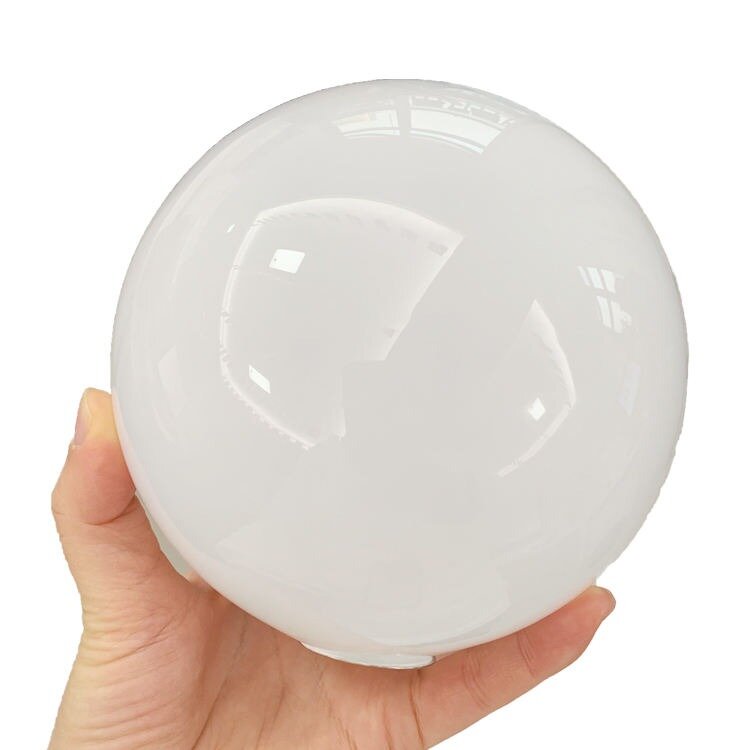
القسم 2: عملية تصنيع مصابيح زجاج الأوبال
2.1 تركيبة المواد الخام وإعداد الدفعة
تُذوب هذه التركيبات في أفران تعمل بالغاز أو الكهرباء عند درجات حرارة تتجاوز 1500 درجة مئوية, مما يتطلب التحكم الدقيق في الأجواء لمنع التبلور المبكر. يجب على مصنع مصباح زجاجي أوبال الحفاظ على اتساق الدفعة ضمن ±0.5% لضمان خصائص بصرية موحدة عبر عمليات الإنتاج
2.2 نقاط التحكم الحرجة في العملية
- منطقة الذوبان: 1500-1580 درجة مئوية (التجانس والتنقية)
- منطقة العمل: 1100-1200 درجة مئوية (عمليات التشكيل)
- منطقة التلدين: 500-600 درجة مئوية (تخفيف الضغط على مدى 4-8 ساعات)
- التجانس البصري: ≤5% اختلاف في النفاذية عبر سطح الظل
- عدد الفقاعات/البذور: <1 لكل 10 سم² للدرجات الممتازة
- تحمل سمك الجدار: ±0.5 مم للزجاج المضغوط، ±1.0 مم للزجاج المنفوخ يدويًا
- مقاومة الصدمات الحرارية: ΔT > 150°C (معيار IEC 60432-2)
القسم 3: التصنيع
مقارنة المنهجيات — مصباح زجاجي منفوخ يدويًا مقابل مصباح زجاجي مضغوط
3.1 تصنيع مصباح زجاجي أوبال منفوخ يدويًا
الـ غطاء مصباح زجاجي منفوخة يدويًا تمثل التقليد ذروة إنتاج الزجاج الحرفي. يقوم صانعو الزجاج المحترفون الذين لديهم أكثر من 10 سنوات من التدريب بتشكيل الزجاج المنصهر باستخدام تقنيات لم تتغير منذ قرون—لكن تم تحسينها من خلال التحكم الحراري الحديث وأنظمة الجودة
- الجمع: يجمع الحرفيون المهرة الزجاج المنصهر بدقة مقاسة (1050-1100°C) على أنابيب النفخ، مع التحكم في الكتلة بدقة ±5 جرام
- النفخ: توسيع الهواء المدخل بشكل محكم يجعل الكتلة تتشكل إلى شكل أولي (باريسون)، مع إدارة توزيع سمك الجدار من خلال سرعة الدوران وضغط النفخ
- تشكيل الأداة: تعمل الكتل الخشبية المبللة، والرافعات الفولاذية، والقوالب المخصصة على تحسين الهندسة مع الحفاظ على الوضوح البصري
- التخمير: تضمن عملية التبريد المنضبطة لمدة 6-12 ساعة في الأفران القابلة للبرمجة القضاء على الإجهاد المتبقي
- العمل البارد: تضمن عملية الطحن والتلميع الماسي جودة الحواف والدقة البُعدية
- طابع فريد: كل قطعة تظهر اختلافات دقيقة—فقاعات صغيرة، تدرجات في سمك الجدار، وأشكال عضوية تشير إلى الحرفية الأصيلة
- هندسات معقدة: تصاميم غير متناظرة، حرة الشكل، ومتعددة الطبقات يمكن تحقيقها فقط من خلال التلاعب اليدوي
- فروق بصرية: يمكن للحرفيين إنشاء تدرجات في الشفافية، تنتقل من الشفافية الكاملة إلى الشفافية الكاملة داخل القطع الواحدة
- تسعير متميز: تقدر السوق القطع الأصلية المصنوعة يدويًا بأسعار تتراوح بين $150-$2,000+ حسب التعقيد وسمعة الاستوديو
- تفاوت الأبعاد: تحمل ±3-5 مم على القطر، مما يجعل توحيد التركيب تحديًا
- قدرة الإنتاج: 20-50 قطعة في اليوم لكل حرفي مقابل 500+ للضغط الآلي
- هيكل التكلفة: تمثل العمالة 60-70% من تكلفة السلع النهائية
3.2 تصنيع مصابيح زجاجية مضغوطة
غطاء مصباح زجاجي مضغوط يستفيد الإنتاج من الأتمتة الصناعية لتحقيق إنتاجية عالية ومتسقة. تهيمن هذه الطريقة على أسواق الإضاءة التجارية، والضيافة، ومواصفات العمارة حيث تكون القابلية للتكرار وكفاءة التكلفة أمرين أساسيين
- تغذية الجوب: تقدم المقصات الآلية شحنات زجاجية دقيقة (±1 جرام) إلى قوالب متعددة الأقسام
- عملية الضغط: تشكل المكابس الهيدروليكية أو الهوائية (قوة 5-20 طن) الزجاج المنصهر ضد أسطح القوالب المصقولة عند 800-950 درجة مئوية
- إطلاق القالب: الفرق الحراري والمعالجات السطحية تضمن استخراج نظيف
- التخمير: تحافظ معالجة اللير المستمرة على تخفيف الضغط بشكل متسق
- التشطيب: طحن آلي، تلميع بالنار، أو تزيين كيميائي كما هو محدد
- الدقة البُعدية: تضمن دقة ±0.3 مم توافقًا مثاليًا مع التركيب
- تفاصيل السطح: تنقل نقوش القوالب أنماطًا معقدة، وملمسًا، وعناصر بصرية
- الكفاءة الاقتصادية: تكلفة الوحدة أقل بمقدار 60-80% من المعادلات المنفوخة يدويًا عند الكميات الكبيرة
- قابلية التوسع: خطوط الإنتاج الفردية قادرة على إنتاج أكثر من 10,000 وحدة يوميًا
- حد أدنى لسمك الجدار: 2.0 مم (سلامة هيكلية)
- أقصى نسبة أبعاد: 3:1 ارتفاع:قطر (قيود التدفق)
- زوايا الميل: حد أدنى 3° لضمان تحرير القالب بشكل موثوق
- تشطيب السطح: Ra 0.05-0.2μm يمكن تحقيقه باستخدام قوالب مصقولة
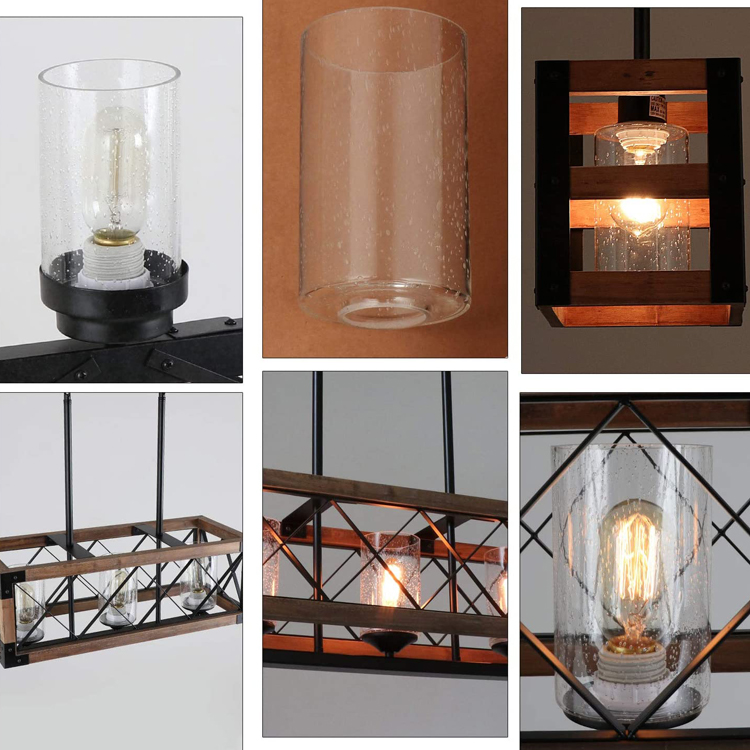
3.3 تقنيات هجينة ومتخصصة
القسم 4: تصنيع مصابيح زجاجية مخصصة — المواصفات الفنية وإرشادات الشراء
4.1 تحديد متطلبات مصابيح الزجاج الأوبال المخصصة
- الأبعاد الكلية: القطر، الارتفاع، وأقطار العنق/الفتحات (±0.5 مم للتشكيل بالضغط، ±1.0 مم للنفخ اليدوي)
- سمك الجدار: 2.0-5.0 مم نموذجي، مع إمكانية وجود مواصفات تدرج للنفخ اليدوي
- الوزن: الكتلة المستهدفة لحسابات الشحن وتصنيفات تحميل التركيبات
- مستوى النقل: 75-92% إجمالي النقل (أقل = أكثر غموضًا)
- خصائص التشتت: متطلبات عامل الضباب (عادةً >95% لجودة الأوبال)
- تحول درجة حرارة اللون: أقصى تحول مسموح به في كلفن عبر الظل (عادةً <200K)
- واجهة التركيب: أحجام التركيب القياسية (2.25″، 3.25″، 4″، 6″، 8″) أو تكامل الأجهزة المخصصة
- تصنيف حراري: أقصى درجة حرارة تشغيل بناءً على قدرة المصباح / الحمل الحراري LED
- مقاومة الصدمات: متطلبات تصنيف IK للتطبيقات الحرجة للسلامة
- الداخلية: نقش، تفجير بالرمل، أو طلاء لتوزيع إضافي
- الخارجية: تشطيبات لامعة، ساتانية، أو ذات قوام
- معالجة الحواف: مواصفات حواف مصقولة، مصقولة، أو مدورة
4.3 بروتوكولات ضمان الجودة
- اختبار دفعات الزجاج الخام للتكوين الكيميائي ومعامل التمدد الحراري
- التحقق من توزيع عامل التعتيم عبر المجهر الإلكتروني
- قياس سمك الجدار في الوقت الحقيقي باستخدام قياس الليزر
- تسجيل الملف الحراري لكل دورة تلدين
- فحص بصري عند 100% للعيوب الحرجة (الحجارة، الشقوق، البذور)
- التحقق الضوئي: قياس الكرة المتكاملة للنقل والتشتت
- تفتيش الأبعاد باستخدام جهاز قياس الإحداثيات: التحقق من آلة القياس الإحداثية للواجهات الحرجة
- دورات حرارية: 100 دورة من 20 درجة مئوية إلى 150 درجة مئوية للتحقق من جودة التلدين
- اختبار السلامة: امتثال IEC 60598 لسلامة مكونات الإضاءة
- ISO 9001:2015: أنظمة إدارة الجودة
- ISO 14001: الإدارة البيئية
- علامة UL/CE: امتثال السلامة للأسواق المستهدفة
- RoHS/REACH: قيود المواد الكيميائية
القسم 5: دراسات حالة العملاء — تنفيذ مصابيح زجاجية أوبال
دراسة حالة 1: سلسلة فنادق بوتيك — قلائد زجاجية أوبال مصنوعة يدويًا
- تطوير تركيبة زجاج أوبال مملوكة تحتوي على ثاني أكسيد التيتانيوم 3% لتشتت الضوء الأبيض الدافئ (2800K درجة حرارة لون فعالة من مصدر LED 3000K)
- توحيد كرة بقطر 300 مم مع قبول تحمل ±5 مم
- تم تنفيذ بروتوكول فحص الجودة المكون من 18 نقطة بما في ذلك اختبار التوحيد البصري
- تم إنشاء نظام موافقة على العينة الرئيسية لضمان الاتساق من دفعة إلى أخرى
- 98.7% اتساق الألوان بين دفعات الإنتاج (تم قياسه عبر مقياس الطيف)
- صفر فشل حراري عبر أكثر من 2400 تركيب على مدى 3 سنوات
- زادت درجات رضا الضيوف عن “الجو/الإضاءة” بنسبة 23%
- تكلفة الشراء أقل بنسبة 15% من التقديرات الأولية بسبب تحسين العائد
دراسة حالة 2: مجمع مكاتب تجارية - برنامج إضاءة أوبال زجاجية مضغوطة
- ظل مخروطي بقطر 150 مم وسمك جدار موحد 2.5 مم
- 88% إجمالي النقل، 96% عامل الضباب للزجاج الأوبال
- تركيبة عالية البوروسيليكات لدرجة حرارة تشغيل مستمرة تبلغ 200 درجة مئوية
- واجهة تركيب قابلة للتثبيت بالضغط تتكامل مع وحدة LED المحددة
- تصميم قالب متعدد التجاويف (4 أجزاء لكل دورة) يحقق قدرة 1200 وحدة/يوم
- اختبار بصري آلي مع تحقق من عامل الضباب 100%
- تنسيق تسليم في الوقت المناسب مع جدول البناء
- تكلفة الوحدة $4.20 (40% أقل من البديل المصنوع يدويًا)
- معدل العيوب 0.3% (المعيار الصناعي: 2-3%)
- كثافة الطاقة الضوئية (LPD) تم تقليلها 18% من خلال تحسين كفاءة الانتشار
- مساهمة شهادة LEED الذهبية من خلال توثيق شفافية المواد
دراسة حالة 3: سكني فاخر - ثريا زجاجية أوبال بتدرج مخصص
- تم تطوير عملية جمع متعددة المراحل: جمع أولي للبلور الشفاف، جمع ثانٍ للزجاج الأوبال، التضخم المشترك لإنشاء تدرج سلس
- منحنيات التلدين التي تتحكم فيها CNC لمنع الضغط عند واجهة المواد
- مطابقة فوتومترية للعناصر الفردية (تباين النقل <3% عبر التركيب)
- فترة تطوير مدتها 6 أشهر تشمل 47 نموذجًا أوليًا
- 12 صانع زجاج رئيسي مخصص للإنتاج على مدى 8 أشهر
- معدل الرفض 23% للعناصر التي لا تلبي المواصفات البصرية (تم امتصاصها في تكلفة التطوير)
- القيمة النهائية للتركيب $485,000 (مكونات زجاجية فقط)
- مميز في Architectural Digest وLighting Design Magazine
- تأسيس قدرة جديدة لـ الشركة المصنعة المخصصة لأغطية الزجاج الآن معروض للسوق الأوسع
- CRI الفعال 94، تجانس السطوع 0.85 (ممتاز للإضاءة الموجهة للإنسان)
القسم 6: التحسين — استراتيجية المحتوى لمصنعي أغطية المصابيح الزجاجية
6.1 هيكل المحتوى الفني
- وصف مفصل للعمليات من بيئات التصنيع الفعلية
- إشارات معدات محددة (CMM، كرة دمج، تكوينات lehr)
- بيانات الأداء في العالم الحقيقي وتحليل أنماط الفشل
- تفسيرات قائمة على الفيزياء لآليات تشتت الضوء
- نماذج رياضية (قانون لامبرت-بير، معادلات تشتت ميا)
- عمق علم المواد (التوسع الحراري، حركيات فصل الطور)
- استشهاد بأبحاث أكاديمية (جامعة روتشستر، معايير NPL)
- إشارات الشهادات الصناعية (ISO، IEC، UL)
- مصطلحات مهنية مناسبة لتصميم الإضاءة وعلوم هندسة الزجاج
- عرض متوازن لطرق النفخ اليدوي مقابل الطرق المضغوطة (بدون تحيز مصطنع)
- مناقشات شفافة حول التكلفة والقدرة
- بروتوكولات مراقبة الجودة الموثقة ومعدلات الفشل
6.2 تحسين الجغرافيا والكيانات
- أساسي: “عملية تصنيع مصابيح زجاجية أوبال,” “زجاج منفخ مقابل زجاج مضغوط,” “مصنع مصابيح زجاجية مخصصة”
- ثانوي: “تشتت الضوء من زجاج الحليب,” “الخصائص البصرية لأغطية المصابيح الزجاجية,” “إضاءة زجاجية أوبال مصممة حسب الطلب”
- طويل الذيل: “مواصفات مصابيح أوبال زجاجية عالية البوروسيليكات,” “عملية تصنيع ثريات زجاجية أوبال متدرجة”
- كيانات المواد: زجاج أوبال، زجاج صودا-لايم، زجاج بوروسيليكات، مواد معتمة من الفلور
- كيانات العملية: النفخ الزجاجي، الضغط، التلدين، تلميع النار، النقش الكيميائي
- كيانات المنظمة: ISO، IEC، UL، LEED، قدرات المصنع المحددة
- كيانات التطبيق: إضاءة معلقة، إضاءة موجهة للأسفل، إضاءة في الزوايا، ثريات
6.3 اعتبارات تحسين المحرك التوليدي (GEO)
- تنظيم هرمي واضح (H2/H3) يمكّن استخراج المحتوى بواسطة الذكاء الاصطناعي
- بيانات جدولية للتحليل المقارن (طرق التصنيع، خصائص المواد)
- مواصفات عددية مناسبة لتوليد إجابات مباشرة
- ملخصات دراسات الحالة مع نتائج كمية
- مطالب متميزة مع سياق داعم (مثل، “98.7% اتساق اللون بين دفعات الإنتاج”)
- تعريفات تقنية مضمنة في تفسيرات تشغيلية
- تسلسلات العمليات مع علاقات واضحة بين السبب والنتيجة
القسم 7: أفضل ممارسات الشراء — اختيار شريك تصنيع مصباح الزجاج الخاص بك
7.1 قائمة التحقق لتقييم القدرات
- [ ] مختبر مطابقة الألوان داخلي (توافق بانتون/RAL)
- [ ] طرق تصنيع متعددة (يدوي، مضغوط، هجين)
- [ ] مرافق اختبار حراري (تحقق من التلدين)
- [ ] معدات قياس بصرية (كرة متكاملة، مقياس الطيف)
- [ ] قدرات صنع وصيانة القوالب (لإنتاج المضغوط)
- [ ] شهادة ISO 9001:2015 (الحد الأدنى)
- [ ] فحص المواد الواردة موثق
- [ ] التحكم الإحصائي في العمليات أثناء الإنتاج (SPC)
- [ ] خطط أخذ عينات AQL للسلع النهائية
- [ ] تتبع عدم المطابقة وإجراءات العمل التصحيحي
- [ ] مرونة الحد الأدنى للطلب (MOQ): 500-1000 وحدة للضغط، 100-300 للنفخ اليدوي
- [ ] الجدول الزمني لتطوير العينات: 7-15 يومًا للتصاميم الحالية، 30-60 يومًا للتطوير المخصص
- [ ] أوقات تسليم الإنتاج: 25-45 يومًا كمعيار، برامج تسريع متاحة
- [ ] قدرات اللوجستيات: شروط FOB، CIF، DDP؛ تعبئة بالمنصات/الكرتون
7.2 علامات حمراء في تقييم المصنع
- عدم القدرة على تقديم شهادات تركيب المواد
- عدم وجود فرن تلدين/سعة (يشير إلى التعاقد من الباطن أو جودة رديئة)
- عدم وجود معدات اختبار بصرية (لا يمكن التحقق من مواصفات الانتشار)
- رفض تقديم تاريخ معدل العيوب أو شروط الضمان
- غياب وثائق الامتثال البيئي (RoHS/REACH)