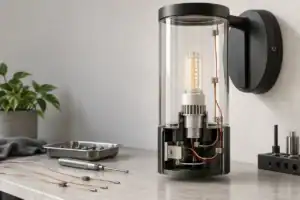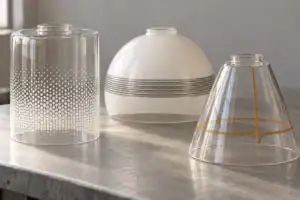
اختر أغطية مصابيح زجاجية لأضواء الحديقة بمطابقة قطر قاعدة التثبيت أولاً (المقاسات القياسية 2¼ بوصة، 4 بوصة، أو 6 بوصة)، ثم اختر نوع الزجاج حسب المناخ (بوروسيليكات للمناطق التي تتعرض للتجمد والذوبان)، وأخيرًا نسق حجم الكرة ودرجة تعتيمها مع تصميم وحدة الإضاءة وهدف إضاءة الممر.
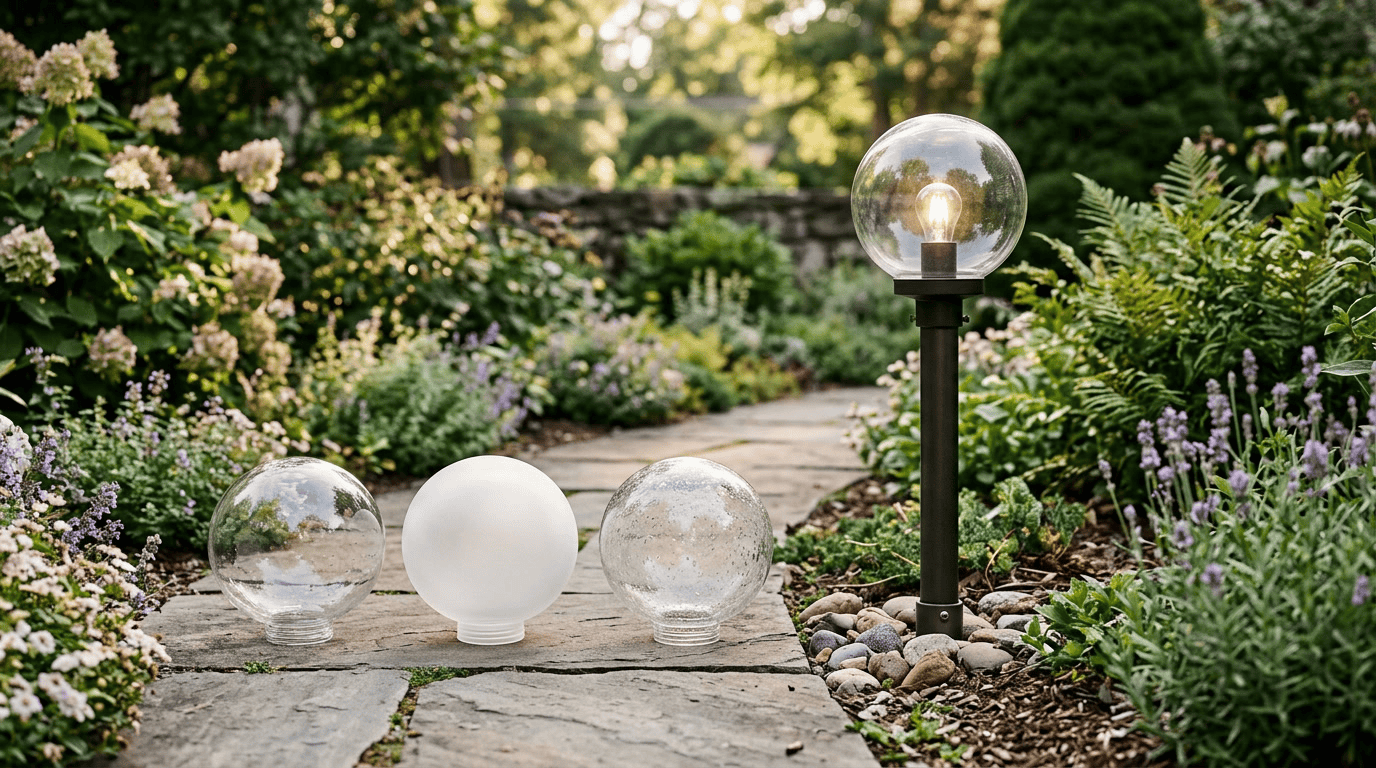
معظم عمليات شراء أغطية المصابيح الزجاجية لأضواء الحديقة تفشل في الخطوة الأولى. ليس لأن المشتري يختار الطراز الخطأ — بل لأنه يطلب مقاس قاعدة تثبيت غير مناسب. يصل الغطاء، ولا يثبت على حلقة الحامل، والآن هناك إرجاع وانتظار وجولة تخمين أخرى.
عملية الاختيار لـ كيفية اختيار أغطية المصابيح الزجاجية لمصابيح الحديقة لها تسلسل واضح: المقاس أولاً، المتانة ثانيًا، الجماليات ثالثًا. إذا تخطيت التسلسل أو عكسته، فإما أنك ستعيد الغطاء أو ستشاهده يتشقق بحلول الربيع. هذا الدليل يشرح قرار الشراء بالكامل بالترتيب، مع قياسات محددة، ومواصفات المواد، ومبادئ تنسيق التصميم التي تجعل صفًا من ستة أضواء ممر يبدو متعمدًا وليس مركبًا عبر عدة دورات طلب محبطة.
لماذا اختيار غطاء زجاجي لضوء الحديقة يختلف عن باقي وحدات الإضاءة الخارجية
اختيار غطاء زجاجي لضوء الحديقة له قيود فريدة لا تشترك فيها وحدات الإضاءة الجدارية أو المعلقات الخارجية أو وحدات السقف.
وحدات الإضاءة العلوية وأعمدة الإنارة مكشوفة من جميع الجهات. وحدة الإضاءة المثبتة على الحائط يوجد خلفها المبنى الذي يوفر بعض الحماية الحرارية والطقسية. أما ضوء الحديقة المثبت على عمود فيقف بمفرده — فالمطر يضرب الزجاج مباشرة من كل زاوية، وتغيرات الحرارة تؤثر على الكرة بالكامل بشكل متساوٍ، والتعرض للأشعة فوق البنفسجية مستمر. يجب أن يفي الغطاء بمعيار متانة أعلى.
أضواء الحديقة تأتي كمجموعات. معظم التركيبات في الحدائق تحتوي على 4 إلى 12 ضوء عمود متطابق على طول الممر أو محيط الحديقة. عندما ينكسر أحد الأغطية، يجب أن يتطابق البديل مع الوحدات المتبقية ليس فقط في مقاس قاعدة التثبيت، بل أيضًا في قطر الكرة وارتفاعها ودرجة تعتيم الزجاج و— مع مرور الوقت — خصائص التقادم. غطاء مختلف قليلاً في الموقع الثالث من أصل ثمانية يكون واضحًا فورًا.
مقدار الإضاءة مهم للسلامة. إضاءة الممرات لها دور وظيفي. الغطاء الزجاجي الذي تختاره يؤثر مباشرة على كمية الضوء التي تصل إلى سطح المشي. وفقًا لـ إرشادات جمعية الهندسة الضوئية لإضاءة المساحات الخارجية, ، يجب أن توفر إضاءة الممرات السكنية من 1 إلى 5 شمعة قدم عند مستوى الأرض لضمان تنقل المشاة بأمان — الكرة المصقولة التي تنقل 75٪ من ضوء المصباح قد تتطلب مصباح LED أكثر سطوعًا للتعويض مقارنة بالكرة الشفافة التي تنقل 90٪.
الوصول إلى الوحدة متكرر. ستحتاج إلى الصعود على سلم صغير أو الانحناء عند مستوى الأرض في كل مرة تحتاج فيها لإزالة الغطاء للتنظيف أو الاستبدال. سهولة تركيب نوع قاعدة التثبيت تصبح أكثر أهمية على مدى عمر ضوء الحديقة مقارنة بوحدة الإضاءة الجدارية التي نادرًا ما تلمسها.
فهم أنواع وأحجام قواعد التثبيت لأغطية المصابيح الزجاجية لأضواء الحديقة
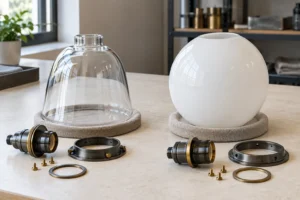
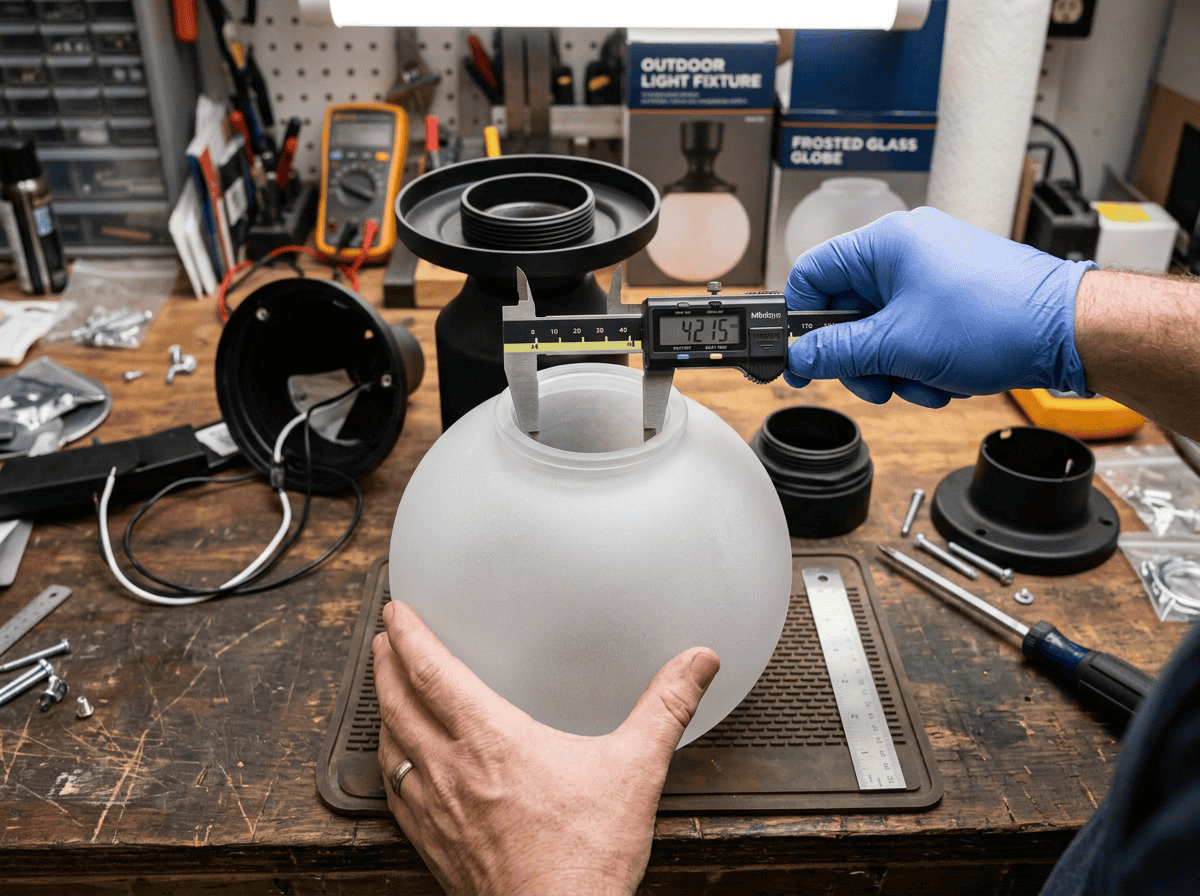
قاعدة التثبيت هي الطوق الزجاجي في أعلى الغطاء — الفتحة الدائرية التي تثبت على حلقة الحامل في الوحدة. يُقاس قطر قاعدة التثبيت عبر الداخل هذه الفتحة، وهو أهم مواصفة عند اختيار غطاء مصباح زجاجي لضوء الحديقة.
أحجام قواعد التثبيت القياسية وأي الوحدات تستخدمها
ثلاثة أحجام من الحلقات تغطي الغالبية العظمى من مصابيح أعمدة الحدائق السكنية:
| حجم الحلقة | القطر الداخلي | نوع التركيب النموذجي |
|---|---|---|
| ٢¼ بوصة | ٥٧ مم | تركيبات الأعمدة الصغيرة، مظلات ممرات الجيلي جار |
| 4 إنش | ١٠٢ مم | كرات أعمدة الحدائق السكنية القياسية (الأكثر شيوعًا) |
| ٦ بوصة | ١٥٢ مم | مصابيح الأعمدة ذات الكرات الكبيرة، تركيبات ممرات تجارية |
حلقة التثبيت بحجم ٤ بوصة هي الأكثر شيوعًا لمصابيح الحدائق السكنية. إذا كان لديك كرة قياسية بحجم ٨–١٠ بوصة على تركيب أعلى العمود، فهي بالتأكيد حلقة تثبيت بحجم ٤ بوصة. حلقة التثبيت بحجم ٦ بوصة تُستخدم بشكل أساسي في التركيبات التي تحتوي على كرات بقطر ١٢ بوصة أو أكبر.
كيفية التأكد من حجم حلقة التثبيت الخاصة بك
إذا كانت المظلة الأصلية سليمة، قِس القطر الداخلي لفتحة طوق الزجاج باستخدام القدمة الرقمية. لا تستخدم شريط قياس مرن — فهو ينحني قليلاً عبر الفتحة ويعطي قراءة وتر أقصر، وليس القطر الحقيقي. إذا كانت المظلة مكسورة وغير موجودة، قِس القطر الداخلي لحلقة الحامل على التركيب نفسه — الامتداد الداخلي للحلقة هو حجم الحلقة الذي تحتاجه.
معلومة مهمة: القطر الخارجي لطوق الحلقة ليس هو المواصفة. يمكن أن يكون لطوقين سماكات جدران مختلفة ويبدوان متشابهين من الخارج بينما يكونان بحجمين مختلفين للحلقة. دائماً قِس من الداخل إلى الداخل.
اختلافات نوع الحلقة (ما بعد القطر)
بخلاف القطر، تختلف الحلقات في طريقة تثبيتها على التركيب:
- نوع برغي التثبيت — ثلاثة براغي تثبيت موزعة بزاوية ١٢٠ درجة حول حلقة الحامل تمسك بطوق الزجاج. الأكثر شيوعًا لمصابيح أعمدة الحدائق. سهل الإزالة للتنظيف.
- قفل الحربة — يتم إدخال الغطاء وتدويره ربع دورة ليتم القفل. أقل شيوعًا في أضواء الحدائق السكنية ولكنه يظهر في بعض تصاميم الأعمدة القصيرة.
- نوع مشبك الزنبرك — حلقة مشدودة بالزنبرك تثبت الطوق. توجد في بعض مصابيح المسارات المدمجة.
عند طلب غطاء بديل، تأكد من أن طريقة القفل تتطابق مع حلقة التثبيت الموجودة لديك. غطاء من نوع المسمار الجانبي لن يعمل مع حلقة تثبيت من نوع الحربة بغض النظر عن قطر الطوق.
أنواع الزجاج لمصابيح أغطية أضواء الحدائق: إطار اتخاذ القرار
بمجرد تأكيد حجم الطوق، يحدد قرار مادة الزجاج المتانة. هنا يقع معظم المشترين في التقليل من المواصفات — حيث يطلبون بناءً على المظهر دون السؤال عن المادة الفعلية للزجاج.
الزجاج الشفاف: أقصى إخراج للضوء، أقصى وهج
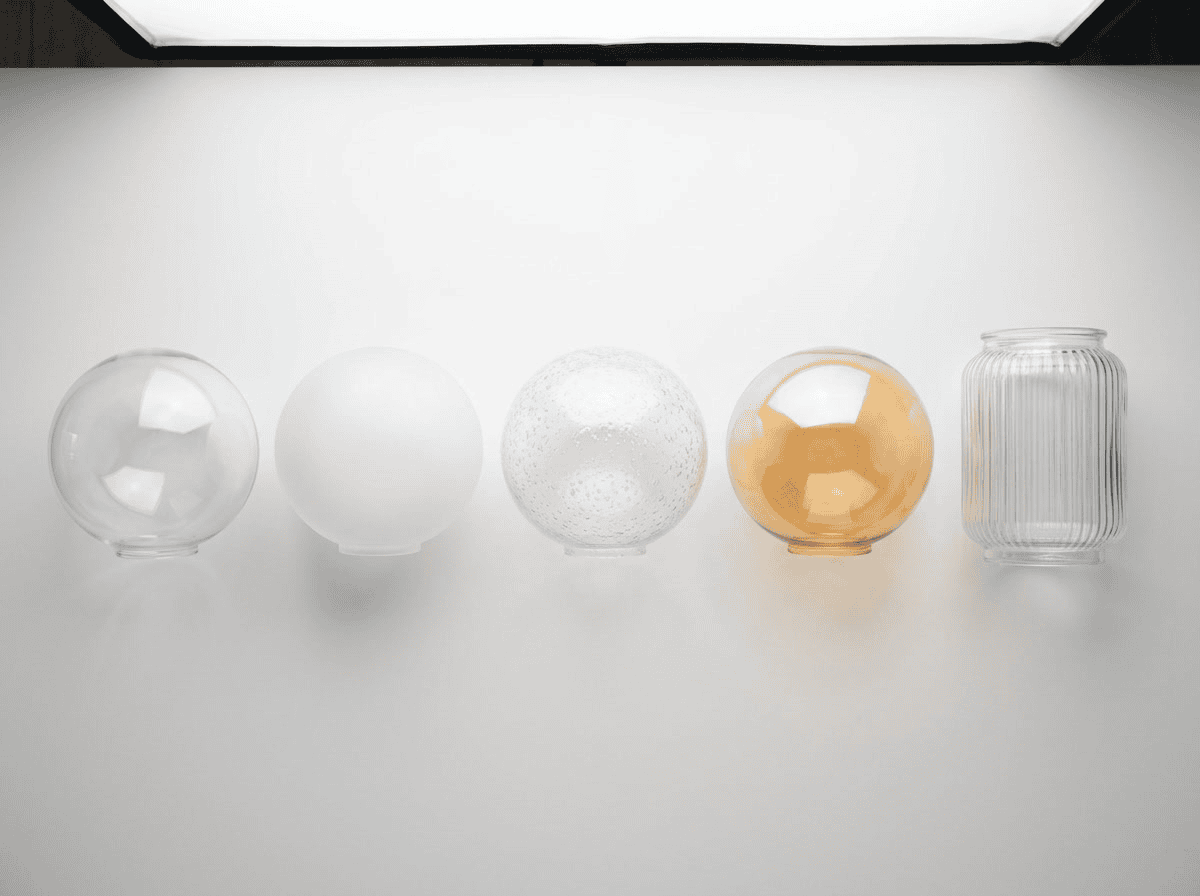
ينقل الزجاج الشفاف 88–92٪ من إخراج المصباح ويجعل المصباح مرئيًا بالكامل. بالنسبة لإضاءة المسارات للسلامة على مستوى الأرض — الممرات ومداخل السيارات حيث يهم الحد الأقصى من الإضاءة — الزجاج الشفاف هو الخيار الأعلى أداءً. ومع ذلك، فإن شريحة LED المكشوفة التي تظهر من خلال كرة شفافة على مستوى العين تخلق وهجًا مزعجًا كمصدر ضوء نقطي.
الزجاج الشفاف مناسب عندما:
– يكون ارتفاع تثبيت المصباح يضع الكرة فوق مستوى العين (5 أقدام أو أكثر)
– تكون الإضاءة القصوى للمسار أولوية على الراحة
– يستخدم المصباح لمبة LED زخرفية بخيوط حيث تكون اللمبة نفسها جزءًا من التصميم البصري
الزجاج المصنفر: الخيار الافتراضي لأضواء الحدائق السكنية
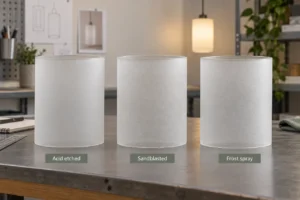
الزجاج المصنفر — محفور بالحمض أو معالج بالرمل — ينشر الضوء على السطح ويزيل رؤية المصباح المباشرة. ينخفض الإخراج إلى 75–82٪ من النفاذية، وهو ما يمثل لمعظم مصابيح LED السكنية انخفاضًا طفيفًا في الإضاءة يمكن للمسار امتصاصه.
عمليًا، الكرات البيضاء المصنفر هي الخيار الصحيح لغالبية استبدالات أغطية أضواء الحدائق المثبتة على الأعمدة في المنازل. فهي تتطابق مع الأغطية المثبتة في المصنع لمعظم المصابيح المتوسطة، وتشيخ بشكل موحد مع الوحدات المتبقية في المجموعة، وتنتج ضوءًا مريحًا على ارتفاع المشي. إذا كنت تستبدل غطاءً واحدًا في مجموعة وكان الأصلي مصنفرًا، فاستبدله بمصنفر.
الزجاج المحبب والمزخرف: خيار قائم على الأسلوب
الزجاج المحبب (فقاعات هواء معلقة داخل جسم الزجاج)، والزجاج المطرّق، وزجاج بنمط المطر توفر مستويات تشتيت مماثلة للزجاج المصنفر (65–78٪ نفاذية) مع إضافة ملمس بصري. هذه هي المواصفات الصحيحة لأنماط الحدائق الحرفية، الريفية، الكلاسيكية، والفنية حيث تكون الكرة نفسها عنصرًا زخرفيًا.
العقوبة البصرية مقارنة بالمصنفر بسيطة. الاعتبار في الصيانة هو أن الأسطح الزجاجية المزخرفة تحبس الأوساخ وحبوب اللقاح أكثر من الزجاج الأملس — ضع في الحسبان تنظيفًا أكثر تكرارًا في البيئات المغبرة أو عالية اللقاح.
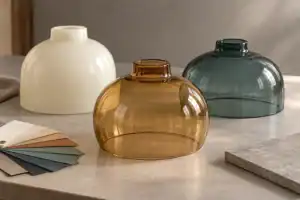
الزجاج الكهرماني والملون: الامتثال والأجواء
الزجاج الكهرماني يقلل من انبعاث الضوء في الطيف الأزرق ويحد من تشتت الضوء للأعلى — وهما السمتان اللتان تحددان توافق الإضاءة الخارجية مع معايير السماء المظلمة. معايير اعتماد التركيبات من الجمعية الدولية للسماء المظلمة تتطلب إخراج ضوء مائل للكهرماني أقل من 3000 كلفن وتصميم قطع كامل (بدون ضوء للأعلى) للعقارات في مناطق السماء المظلمة المحددة. وقد اعتمدت العديد من البلديات في مصر معايير مماثلة لإضاءة الحدائق السكنية الخارجية منذ عام 2026.
ينقل الزجاج الكهرماني ما بين 50–65٪ من إخراج المصباح. لا يُناسب استخدامه كإضاءة أساسية لمسارات الأمان، لكنه مثالي للتركيبات الزخرفية وإضاءة الأجواء حيث تهم الدفء البصري أكثر من شدة الإضاءة.
بوروسيليكات مقابل صودا-لايم: الفارق في المتانة الذي يهم أكثر
هذا القرار لا يتخذه معظم المشترين عن قصد لأن معظم قوائم المنتجات لا تذكره. الزجاج القياسي من نوع صودا-لايم — وهو نفس الزجاج المستخدم في النوافذ — يتحمل تغيرات درجات الحرارة الخارجية المعتادة دون مشاكل في المناخات المعتدلة. أما في المناخات التي تتعرض لدورات تجمد وذوبان حيث تتراوح درجات الحرارة من +35 درجة مئوية في الصيف إلى -20 درجة مئوية أو أقل في الشتاء، فيتكون في زجاج الصودا-لايم شقوق دقيقة في نقاط تركيز الإجهاد (طوق التثبيت، نقاط تلامس البرغي) تتفاقم على مدى عدة مواسم حتى يتشقق الغطاء بشكل واضح.
زجاج البورسليكات يتميز بمعامل تمدد حراري يقارب ثلث معامل صودا-لايم، مما يسمح له بامتصاص تغيرات مفاجئة في درجات الحرارة تصل إلى 120 درجة مئوية أو أكثر دون أن يتشقق. وفقًا لمعيار ASTM C1048 للزجاج المعالج حرارياً, يوفر الزجاج المقوى حرارياً مقاومة حرارية تعادل تقريباً ضعف مقاومة الزجاج الملدن القياسي — والزجاج المقسى أربعة أضعاف.
القاعدة العامة: إذا كان موقعك يشهد أكثر من 30 دورة تجمد وذوبان سنوياً، أو إذا كانت تركيبتك تستخدم مصباح متوهج أو هالوجين ينتج حرارة عالية في المقبس، حدد زجاج بوروسيليكات أو زجاج مقوى حرارياً. التكلفة الإضافية تتراوح بين 20–40٪ مقارنة بصودا-لايم لكن معدل الاستبدال ينخفض من كل 3–5 سنوات إلى كل 10–15 سنة في نفس الظروف.
كيفية مطابقة حجم غطاء المصباح الزجاجي مع تركيبة إضاءة الحديقة
بعد حجم الطوق ونوع الزجاج، يأتي حجم الكرة كقرار ثالث. يؤثر ذلك على التناسب البصري وتوزيع الضوء — وكلاهما مهم.
قطر الكرة: قواعد التناسب
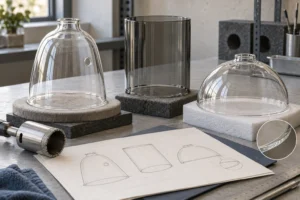
قطر الكرة هو أكبر قياس أفقي عبر جسم الغطاء. بالنسبة للتركيبات العلوية على الأعمدة، ينتج عن قطر كرة يساوي تقريباً عرض الجزء العلوي من هيكل التركيبة تناسباً متوازناً. الكرة التي تكون أضيق بكثير من الهيكل تبدو صغيرة الحجم؛ أما التي تتسع كثيراً فتبدو ثقيلة من الأعلى.
العلاقات التناسبية الشائعة لمصابيح الحدائق العلوية السكنية:
| عرض هيكل الجزء العلوي من العمود | قطر الكرة الموصى به | تركيب نموذجي |
|---|---|---|
| 6–7 بوصة | كرة بقطر 8 بوصة | 4 إنش |
| 7–9 بوصة | كرة أرضية بقطر 10 بوصة | 4 إنش |
| 9–11 بوصة | كرة أرضية بقطر 12 بوصة | ٦ بوصة |
هذه أدلة نسبية وليست قواعد مطلقة. إذا كان الغطاء الأصلي بقطر محدد، قم بمطابقته — حيث تم تصميم التركيبة حول هذا الحجم من الكرة.
ارتفاع الغطاء: التركيبات المغلقة مقابل المفتوحة
الارتفاع مهم جداً في التركيبات العلوية المغلقة حيث يجب أن يتناسب الغطاء داخل هيكل يحتوي أيضاً على ذراع المقبس وأي طوق إحكام. قم بقياس المسافة الداخلية من مقعد حلقة الحامل إلى أعلى مقبس المصباح قبل الطلب. الغطاء الذي يزيد ارتفاعه 10 مم لن يغلق التركيبة.
بالنسبة للتركيبات المفتوحة (حيث يتدلى الغطاء أسفل أو يمتد خارج هيكل العمود بدون غلاف)، يكون الارتفاع قراراً بصرياً نسبياً. قم بمطابقة الارتفاع الأصلي ضمن ±10 مم للحصول على أفضل نتيجة متناسقة.
قرار الاستبدال الفردي مقابل استبدال الكل
هذا هو السؤال الذي أشار إليه المنافس أ بإيجاز ويستحق معالجة أكثر تحديداً. عندما ينكسر أحد الأغطية في مجموعة من ستة، الخيارات هي:
- طلب غطاء بديل مطابق تماماً — يعمل فقط إذا كان الغطاء الأصلي لا يزال متوفراً ويمكنك التأكد من التطابق بدقة. إذا تم إيقاف خط التركيبة أو تغير طراز الغطاء، فقد يكون للبديل “المطابق” نسب مختلفة بشكل طفيف أو لون زجاج أو ملمس سطح يختلف عند الإضاءة.
- استبدال جميع الأغطية — الخيار الأكثر تكلفة في البداية، لكنه يضمن التناسق البصري. جميع الأغطية تبدأ في التقدم بالعمر من نفس النقطة، مما يعني أنها ستصفر أو تتعكر أو تظهر تغيرات طفيفة في ملمس السطح بمعدل متقارب — مما يحافظ على المظهر المتطابق مع مرور الوقت.
- استبدال بغطاء كروي بديل عالمي — يعمل من حيث حجم الحامل ونوع الزجاج الوظيفي لكنه قد يؤدي إلى عدم تناسق في النسب. مقبول للتركيبات الخلفية أو الأقل وضوحاً؛ أقل قبولاً لمجموعة بارزة في مدخل المنزل تُرى من الأمام.
الدافع العملي لاستبدال الكل: إذا كانت الأغطية المتبقية عمرها 5 سنوات أو أكثر وتظهر عليها أي عتامة أو اصفرار سطحي، فإن غطاء جديد واحد سيبرز بصرياً عن المجموعة القديمة حتى لو تطابقت الأبعاد تماماً. في هذه الحالة، استبدال الكل يجعل الاستثمار في الأغطية الجديدة أكثر اتساقاً.
مطابقة أغطية المصابيح الزجاجية مع نمط ولمسة تركيبة إضاءة الحديقة
اختيارات نوع وحجم الزجاج تتفاعل مع لمسة المعدن في التركيبة وتصميم الحديقة بشكل عام. تحقيق هذا التفاعل بشكل صحيح هو ما يميز نظام الإضاءة الخارجية المتناسق عن مجموعة من قرارات الشراء الفردية.
مطابقة درجات اللمسة النهائية
تندرج لمسات التركيبات ضمن نطاقين من درجات الحرارة:
التشطيبات الباردة — النيكل المصقول، الكروم، الفضة غير اللامعة، الفولاذ المقاوم للصدأ — تتناسب بشكل فعال مع الزجاج الشفاف أو الأبيض المثلج الخفيف الذي ينتج ضوءًا أبيض باردًا. استخدام الزجاج الكهرماني على تركيبة بتشطيب بارد يخلق تنافرًا بصريًا دافئًا/باردًا بين المعدن ولون الضوء.
التشطيبات الدافئة — البرونز العتيق، البرونز المطلي بالزيت، الأسود غير اللامع، النحاس الأصفر المعتق — تتناسب بشكل فعال مع الزجاج المثلج وLED أبيض دافئ (2700K أو 3000K). الزجاج الشفاف على تركيبة بتشطيب دافئ يعمل إذا كانت المصباح أبيض دافئ؛ LED أبيض بارد في كرة شفافة على تركيبة برونزية يخلق مظهرًا صناعيًا قد يكون مقصودًا أو غير مقصود حسب السياق.
الأسود غير اللامع هو أكثر التشطيبات تنوعًا — يظهر كحيادي أمام جميع مواد المناظر الطبيعية (الطوب، الحجر، الخشب، الخرسانة) ويعمل مع الزجاج الأبيض المثلج والزجاج المنقط. إنه الخيار السائد لتشطيب أضواء الحدائق السكنية في الأحياء التي تحكمها جمعيات الملاك بسبب هذه الحيادية البصرية.
التنسيق مع مواد المناظر الطبيعية
المواد الصلبة المحيطة في المناظر الطبيعية تعتبر دليلًا مفيدًا لاختيار ظل الزجاج:
- الطوب والتراكوتا — درجات الأحمر والبرتقالي الدافئة في المنظر الطبيعي الصلب تكمل الزجاج الكهرماني أو الزجاج ذو اللون الدافئ بشكل جيد. الزجاج الشفاف يخلق تباينًا؛ الأبيض المثلج يعطي حلًا وسطًا.
- الحجر الطبيعي والرخام — درجات الرمادي البارد والأزرق في الحجر تتناسب بشكل فعال مع الزجاج الشفاف أو المثلج الذي ينتج ضوءًا أبيض حياديًا إلى بارد.
- الخرسانة والأرصفة الحديثة — المناظر الطبيعية الحيادية إلى الباردة تتقبل أي نوع من الزجاج؛ الأبيض المثلج هو الخيار العالمي الأكثر أمانًا.
- أسطح الخشب وسياج الأرز — درجات البني الدافئة تتناسب جيدًا مع الزجاج المثلج وإضاءة LED دافئة.
متطلبات السماء الداكنة وجمعيات الملاك
إذا كانت ممتلكاتك في بلدية لديها قوانين السماء الداكنة أو جمعية ملاك تحدد أنواع التركيبات، تأكد من الالتزام قبل الطلب. إرشادات Energy.gov للإضاءة الخارجية للتطبيقات السكنية تشير إلى أن التركيبات ذات القطع الكامل أو القطع الجزئي — تلك التي توجه كل الضوء للأسفل ولا تسمح بتسرب الضوء للأعلى — أصبحت مطلوبة بشكل متزايد في قوانين الإضاءة السكنية.
اختيار زجاج الغطاء يؤثر على الامتثال للسماء المظلمة بشكل أساسي من خلال انتقال الضوء للأعلى: كرة شفافة مفتوحة من الأعلى على وحدة إنارة مثبتة على عمود تسمح بتشتت الضوء للأعلى؛ أما الكرة التي توضع في هيكل وحدة إنارة بقطع كامل للضوء فتقضي عليه. نوع زجاج الظل نفسه يعتبر ثانويًا بالنسبة لهندسة القطع في الوحدة، لكن الظلال ذات القمة المعتمة أو الزجاج المثلج الكثيف تقلل من التشتت للأعلى في الوحدات المفتوحة.
تصنيفات الحماية IP ومقاومة الطقس لزجاج غطاء إضاءة الحدائق
تصنيف IP (الحماية من الدخول) لزجاج الغطاء — كما هو محدد بواسطة المعيار IEC 60529 — يصف مدى مقاومة الظل ونظام إحكامه لدخول الماء والغبار. بالنسبة لإضاءة الحدائق، هذا مهم لأن الوحدة تكون في العراء، معرضة للأمطار، ورش الري، والتكثف.
قراءة تصنيف IP لوحدتك
تستخدم تصنيفات IP رقمين:
– الرقم الأول (0–6): الحماية من الجسيمات الصلبة
– الرقم الثاني (0–8): الحماية من السوائل
بالنسبة لأضواء الحدائق:
– آي بي 44 — محمي ضد رش الماء من أي اتجاه. الحد الأدنى للوحدات المثبتة على الأعمدة في الاستخدام السكني القياسي.
– IP54 — محمي من الغبار ورش الماء. المواصفة القياسية لمعظم إضاءة الحدائق السكنية في المناخات المعتدلة.
– IP65 — محكم تمامًا ضد الغبار ومحمي من نفاثات الماء. مطلوب للوحدات ضمن نطاق رش الري المباشر أو في بيئات الهواء المالح الساحلية.
حالة الحشوة وإحكام الظل
تصنيف IP للوحدة المجمعة يعتمد على حالة الحشوة بين طوق تثبيت زجاج الغطاء وحلقة الحامل. الحشوة المتشققة أو المتصلبة أو المفقودة تخفض تصنيف وحدة IP65 إلى فعليًا IP44 أو أقل بغض النظر عن تصنيف زجاج الغطاء نفسه.
عند تركيب ظل بديل، افحص الحشوة دائمًا:
– ناعمة، مرنة، ومضغوطة بشكل متساوٍ حول كامل محيط الطوق → صالحة للاستخدام
– متصلبة، متشققة، أو تظهر عليها بقع مسطحة → استبدلها قبل تركيب الزجاج الجديد
حشوات الطوق القياسية مقاس 4 بوصة (سيليكون أو EPDM) متوفرة في متاجر الأدوات بأقل من 12 جنيه مصري. استبدال الحشوة في نفس وقت تركيب الظل يكلف تقريبًا لا شيء ويحافظ على إحكام الطقس الكامل للوحدة.
وفقًا لـ معايير الإنارة الخارجية من نـيـمـا, تدهور مادة الحشوة هو السبب الرئيسي لفشل منع تسرب المياه في وحدات الإنارة الخارجية المثبتة على الأعمدة والمصنفة IP54 وما فوق. الزجاج نفسه نادرًا ما يفشل في منع التسرب — الحشوة هي التي تفشل.
اتجاهات اختيار أغطية الزجاج لمصابيح الحدائق (2026 وما بعده)
يعكس سوق أغطية مصابيح الحدائق السكنية في عام 2026 ثلاثة تحولات متداخلة: تحسين مصدر الإضاءة LED، توسع اللوائح الخاصة بالسماء المظلمة، والطلب المتزايد على المواد المستدامة.
هندسة الكرة الزجاجية المحسنة للـ LED
لمبات LED البديلة المبكرة لوحدات الإنارة المثبتة على الأعمدة كانت تقلد أشكال المصابيح المتوهجة — لمبات A19 أو كروية تتوهج من فتيلة موزعة. وحدات LED الحالية من نوع مصفوفة الفتيلة وCOB (شريحة على اللوحة) تنتج توزيعات ضوئية مختلفة تتفاعل بشكل مختلف مع الزجاج الكروي. تحديدًا:
- الكرات الزجاجية المصقولة تخفي البقعة الساخنة الزاوية لمجموعة شرائح LED بشكل أفضل من الزجاج الشفاف
- الكرات الزجاجية ذات القطر الأصغر والمصقولة تنتج إخراج ضوء أكثر تجانسًا على مستوى الأرض مقارنة بالكرات الشفافة الكبيرة الحجم مع مصادر LED
- الزجاج المنقط يوفر تشتيتًا ممتازًا للبقع الساخنة للـ LED مع إضافة ملمس جمالي
النتيجة: مواصفات الزجاج المصقول والمنقط تزداد على حساب الزجاج الشفاف في استبدال مصابيح الحدائق السكنية — حتى في التطبيقات التي كان فيها الزجاج الشفاف هو الخيار الافتراضي الوظيفي سابقًا.
| نوع الزجاج | النفاذية النموذجية | توافقية مع تقنية LED | اتجاه 2026 |
|---|---|---|---|
| شفاف | 88–92% | جيد — البقعة الساخنة مرئية | مستقر (تجاري/مهام) |
| مصقول (فاتح) | 75–82٪ | ممتاز | متزايد (سكني) |
| زجاج مزروع/ملمس | 65–78٪ | ممتاز | متزايد (حرفي/كوخ) |
| ملون بالكهرمان | 50–65٪ | جيد | تزايد (مناطق السماء المظلمة) |
| تصنيع من زجاج البوروسيليكات | — | جميع الأنواع | تزايد (متطلبات المتانة) |
اعتماد كود السماء المظلمة البلدي
يُقدّر أن حوالي 18٪ من التركيبات الجديدة لإضاءة الحدائق السكنية في الأسواق الحضرية في مصر أصبحت الآن خاضعة للوائح السماء المظلمة المحلية أو قوانين تسرب الضوء اعتبارًا من عام 2026. هذا الرقم في ازدياد مع تبني المزيد من البلديات للأكواد النموذجية من الجمعية الدولية للسماء المظلمة. التأثير العملي على اختيار زجاج الغطاء:
- تزايد مواصفات الزجاج المائل للون الكهرماني في المجتمعات الساحلية والجبلية والمجتمعات المعتمدة وطنيًا كمناطق سماء مظلمة
- تصاميم التركيبات ذات القطع الكامل (التي تغلق الظل وتوجه كل الضوء للأسفل) أصبحت الافتراضية في الإنشاءات الجديدة حتى خارج المناطق المنظمة
- مصابيح LED بيضاء دافئة (2700K–3000K) مفضلة بغض النظر عن نوع الزجاج لتقليل تشتت الطيف الأزرق
استبدال البوروسيليكات بزجاج الصودا-الجير في الاستخدام السكني السائد
تاريخيًا، كان زجاج البوروسيليكات مواصفة فاخرة للتطبيقات المخبرية أو المتخصصة. لكنه أصبح بشكل متزايد المواصفة القياسية لغطاء الزجاج الخارجية السكنية مع ازدياد وعي المشترين المهتمين بالجودة بوضعية فشل الدورات الحرارية وطلبهم لمواصفات المواد من المصنعين. المصنعون القادرون على إثبات تصنيع البوروسيليكات أو التحمير الحراري يكتسبون حصة سوقية في قطاع استبدال الزجاج.
الأسئلة الشائعة
كيف أعرف حجم غطاء المصباح الزجاجي المناسب لمصباح الحديقة الخاص بي؟
قم بقياس القطر الداخلي لطوق التثبيت في الظل الحالي (أو المسافة الداخلية لحلقة الحامل إذا كان الظل مفقودًا) باستخدام القدمة الرقمية. الأحجام الثلاثة القياسية لمصابيح أعمدة الحدائق السكنية هي 2¼ بوصة، 4 بوصة، و6 بوصة. يغطي مقاس 4 بوصة غالبية كرات أعمدة الحدائق السكنية ذات أقطار 8–10 بوصة. طابق هذا القياس بدقة — الظل الأصغر بـ3 مم سيصدر صوت اهتزاز في حلقة الحامل؛ أما الظل الأكبر فلن يثبت إطلاقًا.
ما هو نوع الزجاج الأفضل لأغطية مصابيح الحدائق في المناطق الباردة؟
زجاج البوروسيليكات هو المواصفة الصحيحة لأي مناخ يشهد أكثر من 30 دورة تجمد-ذوبان سنويًا أو درجات حرارة أقل من -15 درجة مئوية. يتعرض زجاج الصودا-الجير القياسي لتشققات دقيقة في نقاط إجهاد طوق التثبيت عبر دورات التجمد-الذوبان المتكررة وغالبًا ما تظهر عليه تشققات واضحة خلال 5–8 سنوات. أما زجاج البوروسيليكات في نفس الظروف فيدوم 10–15 سنة أو أكثر. فرق التكلفة (20–40٪ فوق الصودا-الجير) يتم تعويضه بسهولة خلال أول دورة استبدال يتم تجنبها.
هل يجب أن أستبدل ظلًا مكسورًا واحدًا أم جميع الظلال في مجموعة مصابيح الحديقة؟
إذا كانت الظلال المتبقية أقل من 3 سنوات ولا تظهر اصفرارًا أو عتامة، فإن الاستبدال المطابق سيكون كافيًا. إذا كانت الظلال المتبقية عمرها 5 سنوات أو أكثر أو تظهر عليها علامات تقادم سطحي، فإن استبدال جميع الظلال في نفس الوقت هو الاستثمار الأفضل — حيث يظهر الظل الجديد بجانب القديم غير متطابق بصريًا حتى لو تطابقت المواصفات تمامًا. يضمن التقادم الموحد عبر المجموعة مظهرًا متناسقًا للتركيب.
ما الفرق بين الزجاج المصنفر والزجاج الشفاف لمصابيح الحدائق؟
ينقل الزجاج الشفاف 88–92٪ من ضوء المصباح ويجعل المصباح مرئيًا بالكامل — مما ينتج إضاءة أكثر عند مستوى الأرض لكنه يسبب وهجًا نقطيًا على مستوى العين. أما الزجاج المصنفر فيوزع الضوء بشكل موحد بنسبة نفاذية 75–82٪، مما يلغي الوهج مع تقليل بسيط في شدة الإضاءة. لإضاءة ممرات الحدائق السكنية حيث يسير المشاة على ارتفاع المصباح، يوفر الزجاج المصنفر إضاءة أكثر راحة. أما للمصابيح المثبتة على أعمدة مرتفعة (فوق مستوى العين) أو مناطق المداخل حيث تهم شدة الإضاءة القصوى، فالزجاج الشفاف هو الأنسب.
كيف أختار غطاء مصباح زجاجي بديل لطراز تركيبة تم إيقاف إنتاجها؟
خذ ثلاث قياسات: قطر الفتحة الداخلية، العرض الأقصى للكرة الزجاجية، وارتفاع الغطاء. طابق قطر الفتحة بدقة (فهو الذي يحدد التوافق). بالنسبة للعرض والارتفاع، ±5 مم مقبول عادةً لمطابقة النسب البصرية. اطلب من مصنع يقدم أحجام فتحات قياسية ويمكنه تأكيد نوع الزجاج — وإذا كنت تستبدل واحدة من مجموعة متطابقة، اطلب غطاء واحد وقيم التوافق البصري مع الوحدة المتبقية قبل طلب الكمية الكاملة.
هل يمكنني استخدام غطاء مصباح داخلي على وحدة إضاءة خارجية في الحديقة؟
لا. أغطية المصابيح الداخلية غير مصممة للتعرض المباشر للطقس — الزجاج، الإغلاق، وتصميم الفتحة غير مخصص للأمطار أو تغيرات الحرارة أو التعرض للأشعة فوق البنفسجية. استخدام غطاء داخلي على مصباح حديقة سيؤدي إلى تدهور سريع للزجاج، تسرب المياه إلى الوحدة، وخطر كهربائي محتمل. دائماً اختر أغطية مصابيح مخصصة للاستخدام الخارجي (IP44 كحد أدنى) مع زجاج بوروسيليكات أو زجاج مقسى حرارياً لأي تطبيق إضاءة في الحديقة.
هل يؤثر تعتيم غطاء الزجاج على التوافق مع معايير السماء المظلمة لمصباح الحديقة؟
جزئياً — لكن شكل الوحدة أهم. المطلب الأساسي لمعيار السماء المظلمة هو تصميم وحدة إضاءة تمنع تسرب الضوء للأعلى وتوجهه للأسفل بالكامل. يؤثر تعتيم الغطاء الزجاجي على كمية الضوء التي تمر عبر الجزء العلوي من الكرة إلى السماء، لكن كرة زجاجية شفافة في وحدة مغلقة بالكامل تنتج تسرباً أقل للأعلى من كرة معتمة في وحدة مفتوحة من الأعلى. إذا كان التوافق مع السماء المظلمة مهماً لتركيبك، تحقق من تصميم الوحدة أولاً، ثم استخدم زجاجاً كهرماني أو دافئ لتقليل تشتت الضوء الأزرق كإجراء ثانوي.
الخلاصة
تسلسل الاختيار لـ كيفية اختيار أغطية المصابيح الزجاجية لمصابيح الحديقة هو: قطر الفتحة أولاً (قِس من الداخل إلى الداخل، وتأكد من نوع القفل)، مادة الزجاج ثانياً (بوروسيليكات للمناطق ذات تغيرات الحرارة، صودا-لايم للتطبيقات الداخلية في المناخ المعتدل)، والتنسيق البصري ثالثاً (حجم الكرة، التعتيم، والتشطيب لمطابقة الوحدات المتبقية في المجموعة ولوحة الألوان العامة للحديقة).
القرار الوحيد الذي يحقق أفضل نتيجة باستمرار على مدى عمر الوحدة من 10 إلى 15 سنة هو اختيار زجاج بوروسيليكات أو زجاج مقسى حرارياً بغض النظر عن المناخ، واستبدال جميع الأغطية في نفس الوقت عندما تظهر علامات التقدم على أي وحدة في المجموعة. كلا الخيارين يكلفان أكثر في البداية ويوفران الكثير في دورات الاستبدال، العمالة، وعدم التناسق البصري على المدى الطويل.
لمواصفات تصنيع أغطية المصابيح الزجاجية، أحجام الفتحات القياسية، وخيارات الكرة الزجاجية المخصصة لوحدات إضاءة الحدائق السكنية والتجارية،, خط إنتاج أغطية المصابيح الزجاجية لدينا على jxlampshade.com يشمل تصنيع بوروسيليكات في جميع أحجام الفتحات القياسية.