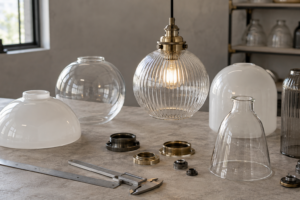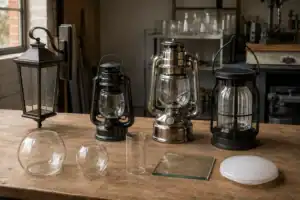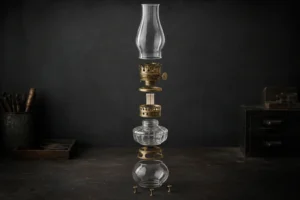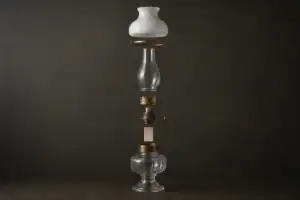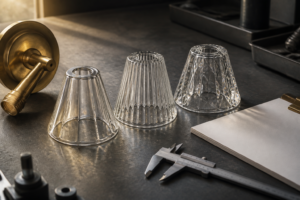
زجاج البوروسيليكات هو أفضل نوع زجاج لمصابيح الحدائق في المناخات التي تتعرض لدورات تجمد وذوبان — فمعامل التمدد الحراري المنخفض يمنع تشقق طوق التثبيت خلال أكثر من 100 دورة موسمية. زجاج الصودا-الجير المقسى حرارياً هو الخيار الاقتصادي للمناخات المعتدلة التي تقل فيها دورات التجمد والذوبان السنوية عن 30 دورة.
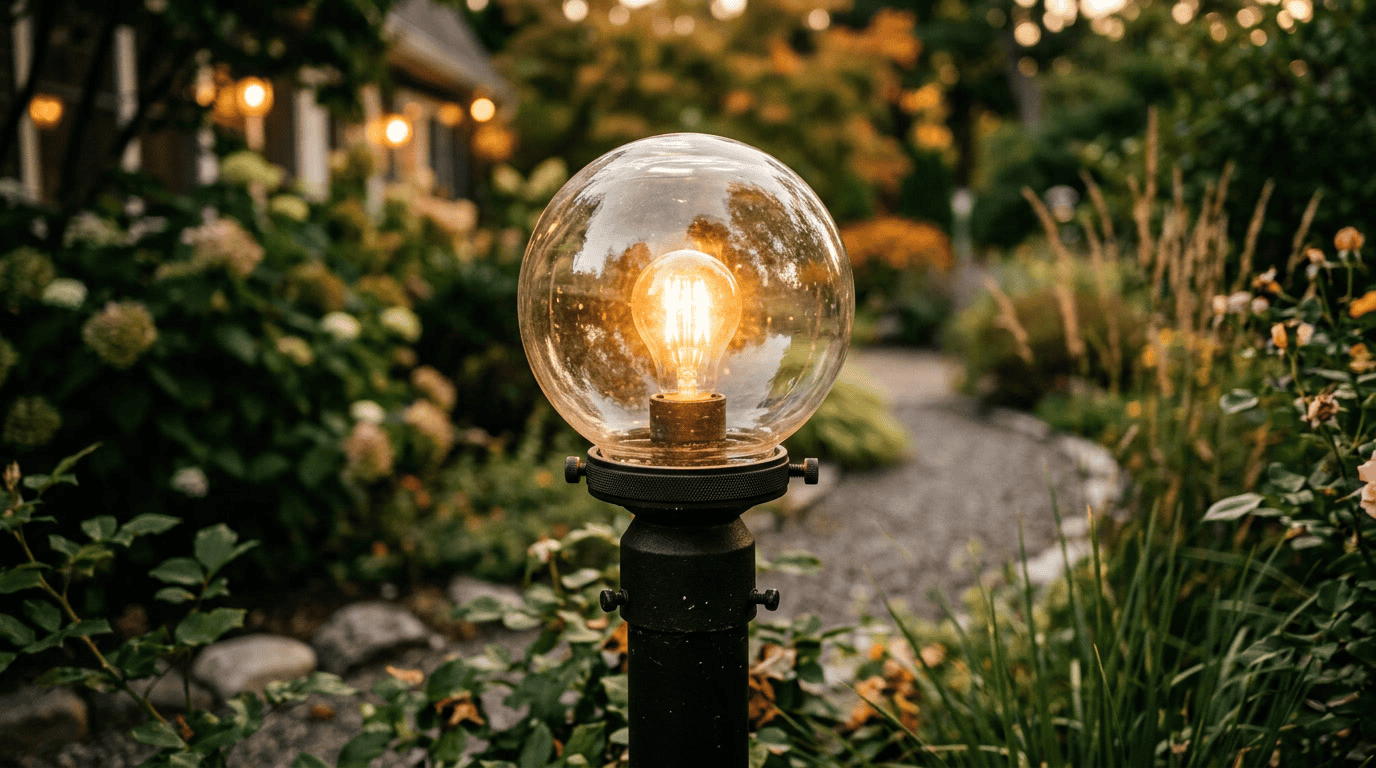
النتيجة الأعلى تصنيفاً لعبارة “أفضل زجاج لمصابيح الحدائق” حالياً هي ورقة بيضاء تدعي أن الأكريليك أفضل من الزجاج للمصابيح الخارجية. وهذا ليس خطأ بالنسبة لمصابيح مواقف السيارات التجارية المصممة لتحمل سنوات من الصدمات في المناطق ذات الحركة الكثيفة. لكن بالنسبة لمصابيح الحدائق المنزلية المثبتة على الأعمدة أو البولات — حيث تهم الجمالية، ويتوقع أن تدوم الشفافية لعقد من الزمن، ويكون المصباح معرضاً لدورات التجمد والذوبان — الزجاج هو الخيار الأفضل على المدى الطويل. السؤال ليس زجاج أم بلاستيك. السؤال هو أي نوع من الزجاج ولماذا.
يغطي هذا الدليل ثلاثة أنواع من الزجاج — البوروسيليكات، الصودا-الجير المقسى حرارياً، والصودا-الجير الملدن القياسي — في مواجهة المتطلبات المحددة لتطبيقات مصابيح الحدائق: تقلبات درجات الحرارة الخارجية، التعرض للأشعة فوق البنفسجية من الأسفل (انعكاس الأرض) ومن الأعلى، رش الري، وتركيز الإجهاد الذي يحدث عند طوق التثبيت حيث يلتقي الزجاج مع المعدن.
لماذا تتطلب مصابيح الحدائق من الزجاج أكثر من غيرها من المصابيح الخارجية
تواجه مصابيح الحدائق مجموعة محددة من الضغوط البيئية التي لا تتعرض لها مصابيح الجدران أو مصابيح الشرفات أو مصابيح الأسقف.
التعرض على مستوى الأرض. مصباح الجدار لديه كتلة المبنى خلفه توفر عازلاً حرارياً وجوياً. أما مصباح الحديقة المثبت على عمود فيقف وحيداً في وسط الحديقة أو الممر، معرضاً من جميع الجهات. التغيرات الحرارية تصيب الزجاج في وقت واحد من كل الاتجاهات، مما يخلق إجهاداً حرارياً موحداً بدلاً من أنماط الإجهاد أحادية الجانب التي تتعرض لها المصابيح المثبتة على الجدران.
رش الري. العديد من مصابيح الحدائق تقع في متناول رؤوس الري الدوارة. كرة زجاجية باردة تصطدم بها مياه الري الدافئة في صباح شتوي — أو زجاج دافئ يصطدم به ري بارد ليلاً — يخلق فرق حرارة مفاجئ يمكن أن يتجاوز 30 درجة مئوية في ثوانٍ. لا يمكن للزجاج الملدن القياسي امتصاص الصدمات الحرارية المتكررة بهذا الحجم بشكل موثوق.
دورات التجمد والذوبان عند طوق التثبيت. الوصلة بين طوق الزجاج وحلقة تثبيت المعدن هي نقطة الإجهاد الأعلى في أي غطاء مثبت على عمود. يتمدد المعدن وينكمش بمعدل مختلف عن الزجاج. على مدى دورات حرارية متكررة، يخلق اختلاف معامل التمدد إجهاداً دقيقاً عند نقطة التلامس ينتشر في النهاية إلى شقوق مرئية — تبدأ دائماً من طوق التثبيت وليس من جسم الكرة.
الحجة المضادة للأكريليك. تشير مقارنة شركة Cooper Lighting المعروفة إلى أن الأكريليك يتفوق على الزجاج في مقاومة الصدمات ويوفر ثباتاً أفضل للأشعة فوق البنفسجية من زجاج الصودا-الجير القياسي ما تغفله هذه المقارنة: زجاج البوروسيليكات المثبت ضد الأشعة فوق البنفسجية لا يصفر كما كانت تفعل تركيبات الأكريليك القديمة، ويوفر الزجاج سطحاً مقاوماً للخدش وثابت بصرياً لمدة 10–15 سنة لا يمكن للأكريليك — الذي يتعرض للخدوش الدقيقة من التنظيف والتآكل الهوائي — أن يضاهيه من الناحية الجمالية. بالنسبة للمصابيح الزخرفية في الحدائق حيث تهم الشفافية البصرية لعقد من الزمن، المواصفات الصحيحة للزجاج هي الفائزة.
أنواع الزجاج الثلاثة لمصابيح الحدائق
الاختيار أفضل زجاج لأضواء الحديقة يبدأ بفهم كيف تختلف هذه المواد الثلاثة على المستوى الجزيئي — وليس فقط في الادعاءات التسويقية.
زجاج بوروسيلكات
يحتوي زجاج البوروسيليكات على 12–15٪ من ثالث أكسيد البورون (B₂O₃) في تركيبه، مما يعيد هيكلة شبكة السيليكا على المستوى الجزيئي ويخفض بشكل كبير معامل التمدد الحراري. حيث يتمدد زجاج الصودا-الجير القياسي بمعدل يقارب 9 × 10⁻⁶/درجة مئوية، يتمدد البوروسيليكات بمعدل يقارب 3.3 × 10⁻⁶/درجة مئوية — أي حوالي ثلث المعدل.
ما يعنيه ذلك عملياً: يمكن لكرة زجاجية من البوروسيليكات امتصاص تغير في درجة الحرارة يصل إلى 120 درجة مئوية أو أكثر دون أن تتشقق. إذا وضعت مكعب ثلج في كأس بوروسيليكات به ماء يغلي، لن يحدث شيء. إذا فعلت الشيء نفسه مع زجاج الصودا-الجير ستحصل على تشقق فوري. نفس الفيزياء تنطبق على غطاء مصباح الحديقة الذي يتعرض لرش الري في الصباح الباكر بعد ليلة باردة.
وفقًا لـ المعيار ASTM C556 للزجاج البورسليكاتي, ، يتم تعريف تحمل الصدمة الحرارية للزجاج البورسليكاتي بأقصى فرق في درجات الحرارة يمكنه تحمله دون أن ينكسر — عادةً 160 درجة مئوية للزجاج البورسليكاتي القياسي. هذا يتجاوز بكثير أي فرق في درجات الحرارة قد يواجهه مصباح حديقة سكني.
البورسليكات هو المواصفة الصحيحة لـ:
– أي مناخ به أكثر من 30 دورة تجمد-ذوبان في السنة
– التركيبات ضمن نطاق رش الري
– المواقع التي تنخفض فيها درجات الحرارة ليلاً إلى أقل من -15 درجة مئوية
– التركيبات التي تستخدم لمبات متوهجة أو هالوجين تجعل منطقة المقبس دافئة بشكل ملحوظ
الفرق في السعر عن الزجاج القياسي عادةً ما يكون 25–40٪ من تكلفة المواد، ويتم تعويضه بفترة استبدال أطول بكثير.
زجاج الصودا والجير المقسى حراريًا
الزجاج المقسى حرارياً (ويُسمى أيضاً الزجاج المقوى) هو زجاج صودا-جير قياسي تم تسخينه إلى حوالي 620 درجة مئوية ثم تبريده بسرعة بالهواء. تخلق هذه العملية طبقة إجهاد انضغاطي على السطح ونواة إجهاد شد، مما يزيد مقاومة الزجاج للصدمة الحرارية والتأثير الميكانيكي إلى حوالي أربعة أضعاف مقارنة بالزجاج الملدن.
وفقًا لـ ASTM C1048 للزجاج المعالج حرارياً, ، يحقق الزجاج المقوى حرارياً مقاومة حرارية تعادل تقريباً ضعف مقاومة الزجاج الملدن، بينما يحقق الزجاج المقسى بالكامل أربعة أضعاف المقاومة. بالنسبة لـ غطاء زجاجي لمصباح الحديقة، الزجاج المقسى بالكامل هو المواصفة الأفضل بين الاثنين.
الزجاج المقسى حرارياً مناسب لـ:
– المناخات المعتدلة إلى المتوسطة التي بها أقل من 30 دورة تجمد-ذوبان في السنة
– البدائل الاقتصادية حيث يشكل فرق سعر البورسليكات 25–40٪ عائقاً
– التركيبات التي تستخدم لمبات LED باردة (مساهمة حرارية قليلة في المقبس)
تحذير واحد: عندما ينكسر الزجاج المقسى حرارياً، يتحطم إلى مئات الشظايا الصغيرة بدلاً من عدد قليل من القطع الكبيرة — وهي خاصية “الزجاج الآمن”. بالنسبة لغطاء مصباح الحديقة، هذا يعني أن الظل المكسور يسبب تعقيداً في التنظيف لا يحدث مع ظل البورسليكات (الذي عادةً ما يتشقق إلى عدة قطع فقط).
زجاج الصودا-جير الملدن القياسي
زجاج الصودا-جير الملدن هو الأساس — نفس الزجاج المستخدم في النوافذ والزجاجات والأواني الزجاجية الأساسية. لا يخضع لأي معالجة حرارية خاصة. مقاومته للصدمة الحرارية محدودة بفارق حوالي 40 درجة مئوية قبل أن يصبح خطر الانكسار كبيراً.
بالنسبة لتطبيقات مصابيح الحدائق، زجاج الصودا-جير الملدن القياسي هو المواصفة الخاطئة في معظم المناخات. التغيرات الحرارية وحدها — دون احتساب رش الري أو الصدمات — ستؤدي إلى حدوث شقوق دقيقة في طوق التثبيت خلال 3–5 سنوات في أي مكان به تغير موسمي حقيقي في درجات الحرارة.
حيث يكون زجاج الصودا-جير الملدن مقبولاً: التركيبات الزخرفية الداخلية، المناخات البحرية المعتدلة ذات درجات الحرارة المستقرة طوال العام وبدون تجمد-ذوبان، التطبيقات الجمالية البحتة حيث يُتوقع الاستبدال ويتم تخصيص ميزانية له.
لا تحدد أبداً الزجاج الملدن لمصابيح الحديقة المثبتة على الأعمدة. يتم استرداد التوفير مقارنة بالزجاج المقسى أو زجاج البوروسيليكات عند أول استبدال.
مقارنة خصائص الزجاج لتطبيقات إضاءة الحديقة
الخصائص ذات الصلة لتقييم الزجاج في تطبيق مظلة إضاءة الحديقة — مقاومة الحرارة، الثبات ضد الأشعة فوق البنفسجية، وضوح البصري مع مرور الوقت، ومتانة الطقس — تقارن كما يلي:
| الخاصية | بوروسيليكات | زجاج صودا-جير مقسى بالحرارة | زجاج صودا-جير ملدن |
|---|---|---|---|
| معامل التمدد الحراري | 3.3 × 10⁻⁶/°م | 9 × 10⁻⁶/°م | 9 × 10⁻⁶/°م |
| مقاومة الصدمة الحرارية | ~160 درجة مئوية ΔT | ~80 درجة مئوية ΔT (مقسى) | ~40 درجة مئوية ΔT |
| استقرار الأشعة فوق البنفسجية | ممتاز (لا توجد روابط إسترية) | جيد | جيد |
| وضوح بصري بعد 10 سنوات | ممتاز | جيد | جيد (تراكم خدوش دقيقة) |
| وضعية الكسر | بضع قطع كبيرة | شظايا صغيرة (أمان) | شظايا غير منتظمة |
| العمر الافتراضي النموذجي في مناخ التجمد والذوبان | 10–15 سنة | 5–8 سنوات | 2–5 سنوات |
| تكلفة إضافية مقارنة بالملدن | +25–40٪ | +10–20٪ | الأساس |
الـ إرشادات جمعية الهندسة الضوئية لتركيبات الإنارة الخارجية حدد حاويات الزجاج للتطبيقات الخارجية حسب نطاق درجة حرارة التشغيل — وبالنسبة لتركيبات الإنارة العلوية في المناخات متعددة الفصول، تشير المواصفات باستمرار إلى الزجاج البوروسيليكات أو البناء المقوى بالحرارة.
عتمة الزجاج وإخراج الضوء لمصابيح الحدائق
مادة الزجاج هي قرار واحد؛ عتمة الزجاج قرار منفصل يؤثر على توزيع الإضاءة على سطح الممر. وفقًا لـ إرشادات الإضاءة الخارجية لوزارة الطاقة الالولايات المتحدةية, يجب أن توفر إضاءة الممرات السكنية 1–5 شمعة قدم عند مستوى الأرض لضمان التنقل الآمن للمشاة. الغطاء الزجاجي الذي تحدده يؤثر مباشرة على ما إذا كانت قوة مصباح LED المحددة تحقق هذا الهدف.
الزجاج الشفاف
الزجاج الشفاف ينقل 88–92٪ من إخراج اللومن للمصباح. بالنسبة لمصابيح الحدائق العلوية عند مستوى الأرض، الزجاج الشفاف يعظم إضاءة الممر لكنه يخلق وهجًا مرئيًا على مستوى العين أثناء مرور المشاة. مناسب لـ:
– التركيبات المرتفعة (فوق 1.5 متر) حيث يكون المصباح فوق مستوى العين
– مداخل السيارات وإضاءة الأمان حيث تكون الإضاءة القصوى أولوية
– مصابيح LED الزخرفية ذات الفتيلة حيث يكون المصباح جزءًا من التصميم البصري
زجاج مصنفر
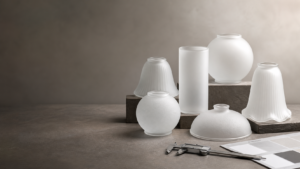
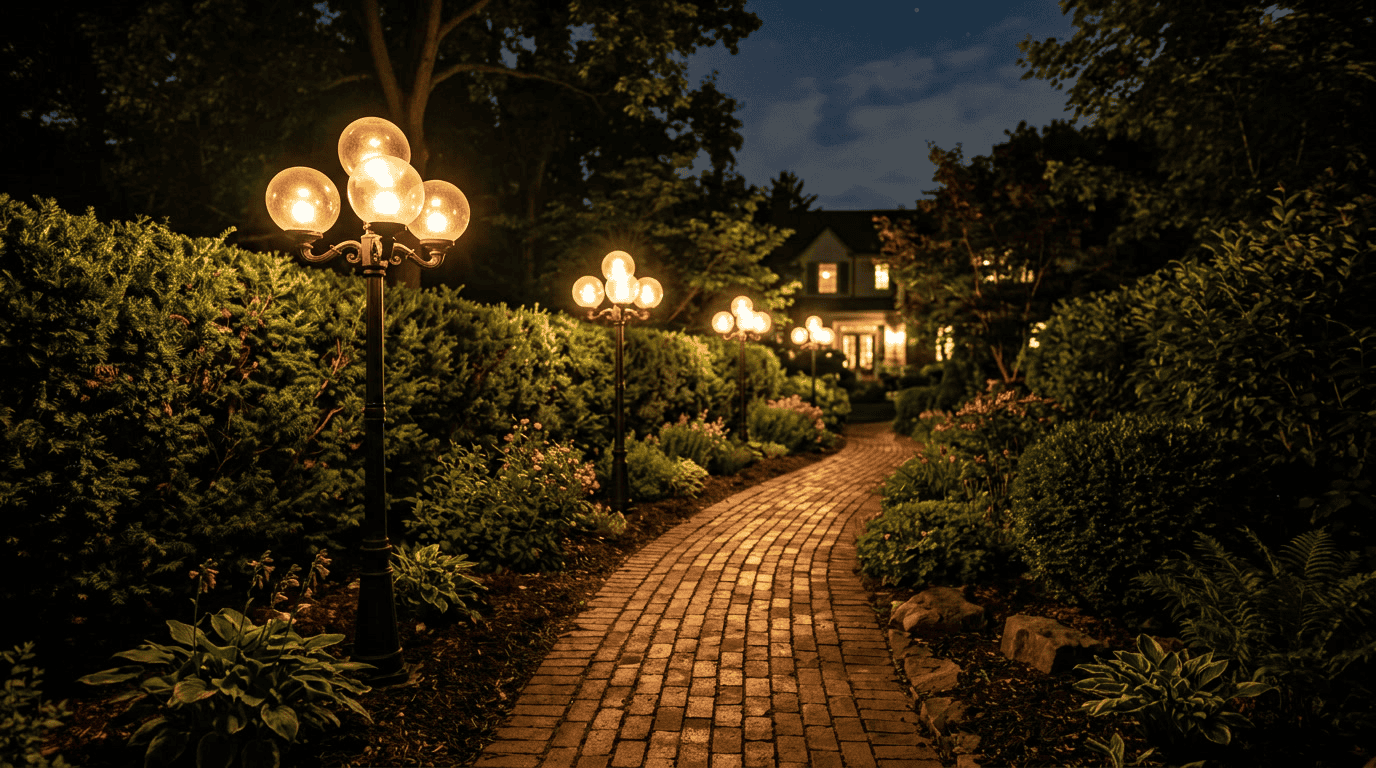
الزجاج المصنفر ينقل 75–82٪ من إخراج المصباح مع القضاء على النقاط الساخنة المرئية للمصباح. الانخفاض الطفيف في الإضاءة (8–15٪ مقارنة بالشفاف بنفس القوة الكهربائية) يمكن تعويضه بسهولة برفع مستوى قوة مصباح LED. الزجاج المصنفر هو المواصفة الافتراضية لمصابيح الممرات السكنية لأنه يوفر إضاءة مريحة وخالية من الوهج على ارتفاع المشي.
الزجاج المزخرف والمحبب
الزجاج المنقط (فقاعات هواء معلقة في جسم الزجاج) والتشطيبات المزخرفة (مخططة، مطرقة، نمط المطر) تنقل 65–78٪. النسيج البصري ينشر الضوء بطريقة مشابهة للزجاج المصنفر مع إضافة لمسة زخرفية. هذه مناسبة لأنماط الحدائق الحرفية أو الكلاسيكية أو الريفية، ولكن قد تتطلب قوة مصباح LED أعلى لتعويض انخفاض النقل الإضافي.
الزجاج الكهرماني والزجاج ذو اللون الدافئ
الزجاج الكهرماني ينقل 50–65٪ من إجمالي إخراج اللومن ويحول الإخراج الطيفي إلى أقل من 3000 كلفن — وهو الحد الموصى به من قبل معايير اعتماد جمعية السماء المظلمة الدولية لإضاءة خارجية سكنية متوافقة مع السماء المظلمة. بالنسبة للعقارات في أو بالقرب من مناطق السماء المظلمة، أصبح الزجاج الكهرماني مطلوبًا بشكل متزايد. للاستخدام السكني العام، فهو مناسب للأجواء والتركيبات الزخرفية أكثر من إضاءة أمان الممرات.
كيفية اختيار أفضل زجاج لمصباح حديقتك المحدد
تسلسل الاختيار ثابت: المواصفات الحرارية أولاً، ثم العتمة، ثم النمط.
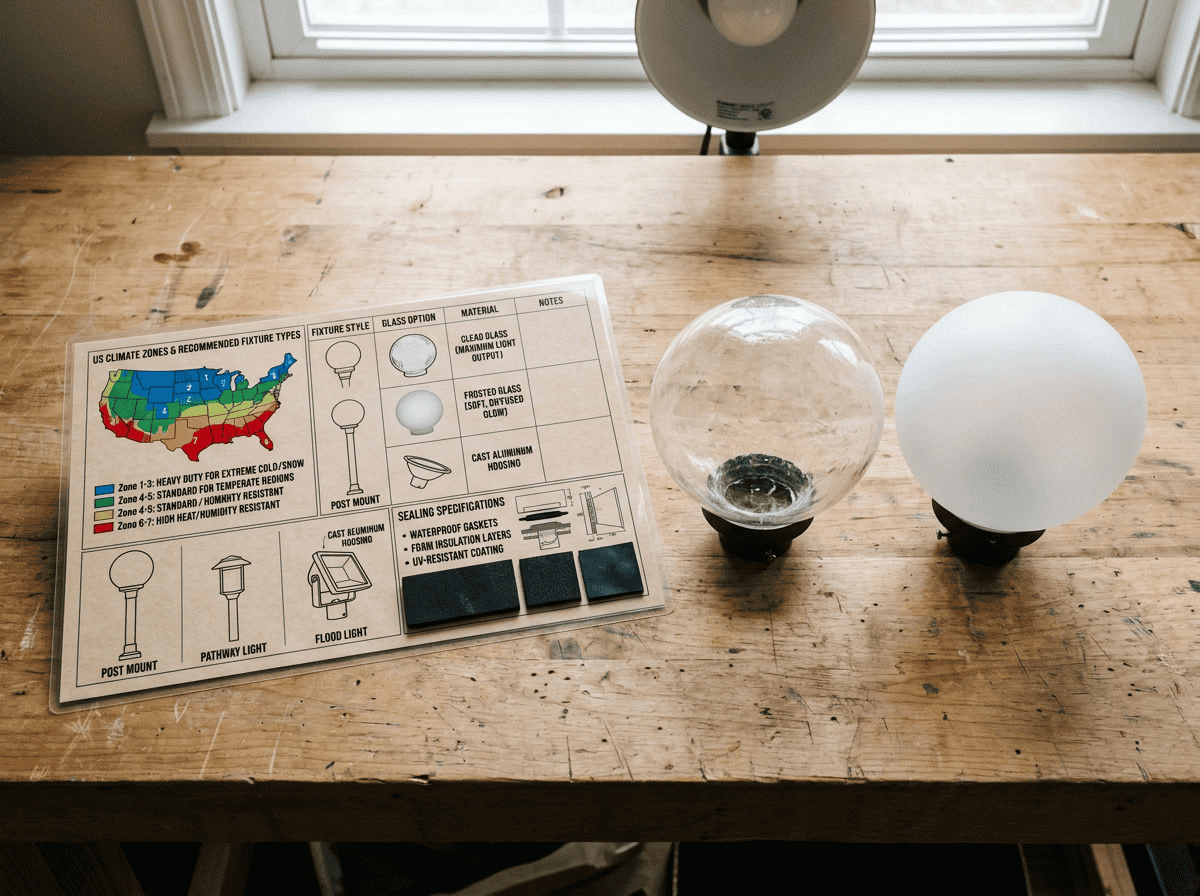
الخطوة 1: تحديد عدد دورات التجمد والذوبان في مناخك
- أكثر من 50 دورة تجمد وذوبان في السنة (شمال مصر، كندا، معظم شمال أوروبا): الزجاج البورسليكات مطلوب. لا استثناءات.
- 20–50 دورة/سنة (وسط مصر، شمال غرب المحيط الهادئ، المملكة المتحدة، وسط أوروبا): يفضل الزجاج البورسليكات؛ زجاج الصودا-الجير المقوى حرارياً مقبول إذا كان هناك قيود في التكلفة.
- أقل من 20 دورة/سنة (جنوب مصر، السواحل، مناخ البحر الأبيض المتوسط): زجاج الصودا-الجير المقوى حرارياً كافٍ. لا يزال الزجاج الملدن غير موصى به بسبب التعرض لرش الري.
الخطوة 2: تحقق من نظام الري الخاص بك
إذا كان هناك أي رؤوس ري دوارة أو تأثيرية تعمل ضمن 3 أمتار من التركيب، فإن خطر الصدمة الناتجة عن الماء الدافئ/البارد على الزجاج الذي بدرجة حرارة مختلفة يزيد بشكل ملحوظ من الحمل الحراري الدوري. اعتبرها فئة تجمد-ذوبان أعلى عند وجود الري.
الخطوة 3: حدد نوع المصباح الخاص بك
- ليد (معظم التركيبات الحديثة): مصابيح الليد تعمل ببرودة. مساهمة حرارة المقبس ضئيلة. المواصفات الحرارية القياسية للمناخ كافية.
- مصباح متوهج أو هالوجين بديل: هذه تعمل بحرارة عالية. قد تصل منطقة المقبس في التركيب إلى 60–80 درجة مئوية عندما تكون درجة الحرارة المحيطة قريبة من التجمد. فرق الحرارة عند طوق التثبيت يزداد بشكل كبير. قم بالترقية إلى الزجاج البورسليكات بغض النظر عن المناخ.
الخطوة 4: اختر درجة التعتيم بناءً على ارتفاع التركيب وهدف الإضاءة
| ارتفاع التركيب | هدف الإضاءة | درجة التعتيم الموصى بها |
|---|---|---|
| < 1 متر (أضواء المسار، الأعمدة القصيرة) | سلامة الممر | معتّم — يلغي الوهج على مستوى العين |
| 1–1.5 متر (أضواء الأعمدة القياسية) | الممر + الأجواء | زجاج مضبب أو منقوش |
| أكثر من 5 أقدام (أعمدة إنارة طويلة) | ممر السيارات/الأمان | شفاف أو مزخرف |
| أي ارتفاع | الامتثال للسماء المظلمة | ملون بالكهرمان |
الزجاج مقابل الأكريليك لإنارة الحدائق: المقارنة الصحيحة
يظهر هذا السؤال لأن مصنعي الإنارة الخارجية التجارية قد روجوا تاريخياً للأكريليك على أنه “أفضل” من الزجاج. هذه المقارنة دقيقة في بعض الحالات وخاطئة في حالات أخرى. إليك التحليل الصادق:
أين يتفوق الأكريليك على الزجاج:
– مقاومة الصدمات: يمتص الأكريليك الصدمات التي قد تكسر الزجاج — وهذا مهم في المناطق التي تشهد حركة مشاة أو نشاط رياضي أو خطر الصدمات الجسدية
– التكلفة الأولية: كرات الأكريليك عادةً ما تكون أرخص بنسبة 20–40٪ من الزجاج المماثل لنفس الحجم
– الوزن: الأكريليك تقريباً نصف كثافة الزجاج، مما يقلل من إجهاد الرياح على وصلات الأعمدة
أين يتفوق الزجاج على الأكريليك:
– مقاومة الخدش: يحتفظ الزجاج بنقائه البصري لمدة 10–15 سنة؛ بينما يتعرض الأكريليك لخدوش دقيقة من التنظيف والتآكل الهوائي مما يؤدي إلى تعتيم خلال 5–8 سنوات
– الاصفرار بفعل الأشعة فوق البنفسجية: الأكريليك المثبت ضد الأشعة فوق البنفسجية يقاوم الاصفرار لمدة 8–12 سنة في الظروف الخارجية؛ أما زجاج البوروسيليكات فلا يصفر أبداً طوال عمره
– الجمالية طويلة الأمد: كرة الزجاج التي عمرها 10 سنوات تبدو كالجديدة (ما لم تتعرض لصدمات)؛ أما كرة الأكريليك بعد 10 سنوات غالباً ما تظهر عليها علامات تدهور السطح
– طول عمر الطقم المتطابق: في صف من 6–8 كرات إنارة حديقة متطابقة، تحتفظ الغطاء الزجاجية بتناسق بصري لعقد كامل؛ أما الأكريليك في نفس الصف سيبدأ في إظهار اختلافات في الاصفرار بين الوحدات المستبدلة في أوقات مختلفة خلال 5–7 سنوات
بالنسبة لإنارة الحدائق الزخرفية المنزلية حيث الجمالية هي العامل الأساسي في الشراء، الخيار الصحيح هو الزجاج — تحديداً البوروسيليكات أو المقسى حرارياً، وليس الزجاج الملدن. أما في التطبيقات التجارية أو المناطق ذات الحركة الكثيفة حيث مقاومة الصدمات هي الأهم، فالأكريليك هو الخيار المبرر.
اتجاهات زجاج إنارة الحدائق لعام 2026 وما بعده
ثلاثة اتجاهات تعيد تشكيل معنى “أفضل زجاج” لإنارة الحدائق في عام 2026:
البوروسيليكات يصبح المعيار السكني. تاريخياً كان مواصفة مختبرية وخاصة، لكن زجاج البوروسيليكات أصبح المواصفة الافتراضية لغطاء الزجاج الخارجية عالية الجودة في المنازل مع زيادة وعي المشترين بنمط فشل الدورات الحرارية ومطالبتهم بمواصفات المواد من المصنعين. الموردون الذين لا يمكنهم توثيق تصنيع البوروسيليكات أو الزجاج المقسى حرارياً يخسرون أمام من يستطيعون ذلك.
اعتماد زجاج السماء الداكنة في تزايد. يُقدّر أن حوالي 18٪ من التركيبات الجديدة لإضاءة الحدائق في الأسواق الحضرية في مصر تخضع الآن للوائح السماء الداكنة أو تسرب الضوء المحلية. مواصفات الزجاج المائل للعنبر تزداد بالمقابل، خاصة في المجتمعات الساحلية والجبلية.
طلاءات مستقرة للأشعة فوق البنفسجية على الزجاج. جيل جديد من الطلاءات الخزفية الماصة للأشعة فوق البنفسجية يُطبق على السطح الخارجي لكرات البوروسيليكات يقلل من انبعاث الطيف الأزرق من غطاء الزجاج الشفاف دون الحاجة لتلوين عنبري — مما يحافظ على جمالية الزجاج الشفاف مع الاقتراب من أهداف نفاذية السماء الداكنة.
| الاتجاه | استجابة الزجاج | تقدير الاعتماد لعام 2026 |
|---|---|---|
| البوروسيليكات كخيار افتراضي للسكن | مطلوب توثيق مواصفات المواد | ~35٪ من الاستبدالات عالية الجودة |
| توسيع لوائح السماء الداكنة | الزجاج الكهرماني / الزجاج ذو اللون الدافئ | حوالي 18% من التركيبات الجديدة للحدائق |
| طلاء مستقر للأشعة فوق البنفسجية | زجاج شفاف مع مرشح خزفي للأشعة فوق البنفسجية | ~8٪ من الاستبدالات الفاخرة |
| محتوى زجاج معاد تدويره | ~15٪ مدخلات زجاج مكسور، مواصفات مكافئة | ~12٪ من الكرات المصنعة |
الأسئلة الشائعة
ما هو أفضل نوع زجاج لكرات إضاءة الحدائق في المناخات الباردة؟
زجاج البوروسيليكات هو أفضل مواصفة لأي مناخ بارد مع أكثر من 30 دورة تجمد وذوبان سنوياً. معامل التمدد الحراري له (3.3 × 10⁻⁶/درجة مئوية) يقارب ثلث معامل زجاج الصودا والجير، مما يمنع التشقق الدقيق عند طوق التثبيت الذي يؤدي في النهاية إلى تشقق كرات إضاءة الحدائق. الزجاج المقسى حرارياً من الصودا والجير هو الخيار الثاني الأفضل بتكلفة أقل، مع مقاومة للصدمات الحرارية تعادل أربعة أضعاف الزجاج الملدن القياسي.
هل يستحق زجاج البوروسيليكات التكلفة الإضافية لإضاءة الحدائق؟
نعم، في معظم المناخات. الفارق السعري بين البوروسيليكات والزجاج المقسى حرارياً من الصودا والجير عادة ما يكون بين 25–40٪ على مستوى الظل. في مناخات التجمد والذوبان، تدوم كرة البوروسيليكات من 10 إلى 15 سنة مقابل 5–8 سنوات للزجاج المقسى و2–5 سنوات للزجاج الملدن. على أساس التكلفة الإجمالية لمدة 10 سنوات (المواد + العمالة للاستبدال المتكرر)، يكون البوروسيليكات تقريباً دائماً أقل تكلفة من بدائل الزجاج القياسية.
هل يمكنني استخدام زجاج النوافذ العادي كمظلة ضوء للحديقة؟
لا يجب استخدام زجاج النوافذ الملدن القياسي كمظلات أضواء الحديقة. تحمل الصدمة الحرارية له حوالي 40 درجة مئوية فرق حرارة، وهو غير كافٍ لأي وحدة إضاءة خارجية مثبتة على عمود تتعرض لتغيرات درجات الحرارة الموسمية أو رش الري أو حرارة المصباح. غالبًا ما تبدأ التشققات عند طوق التثبيت حيث يسبب تلامس المعدن مع الزجاج نقطة تركيز للضغط. يجب تحديد زجاج مقسى حراريًا أو زجاج بوروسيليكات لأي تطبيق خارجي.
كيف يمكنني التعرف إذا كانت الغطاء الزجاجية من البوروسيليكات؟
معظم قوائم المنتجات لا تذكر “بوروسيليكات” إلا إذا كان الزجاج فعلاً من البوروسيليكات — عدم الذكر غالبًا يعني زجاج صودا-جير. المؤشرات الفيزيائية: عند النظر إلى زجاج البوروسيليكات من الحافة عبر سمك كافٍ يظهر لون محايد باهت أو أزرق-أخضر خفيف جدًا، بينما يظهر زجاج الصودا-جير لونًا أخضر أكثر وضوحًا بسبب محتوى الحديد. الطريقة الأكثر موثوقية هي طلب ورقة مواصفات المادة من الشركة المصنعة — المورد الشرعي للبوروسيليكات يمتلكها.
هل يؤثر نوع الزجاج على شدة الإضاءة في مظلات أضواء الحديقة؟
نوع الزجاج (بوروسيليكات مقابل صودا-جير) له تأثير ضئيل على نفاذية الضوء — كلاهما ينقل الضوء بشكل متشابه. الشفافية (شفاف، مصنفر، منقط، كهرماني) تؤثر بشكل كبير: الشفاف ينقل 88–92٪، المصنفر 75–82٪، المنقط 65–78٪، الكهرماني 50–65٪. اختيار نوع الزجاج يؤثر على المتانة؛ اختيار الشفافية يؤثر على كمية الضوء التي تصل إلى الممر.
ما هو الزجاج المناسب لأضواء الحديقة القريبة من نظام الري؟
زجاج البوروسيليكات هو المواصفة الصحيحة لأي ضوء حديقة ضمن 3 أمتار من رأس ري دوار أو نابض. خطر الصدمة الحرارية — زجاج بارد يتعرض لماء ري دافئ في صباح شتوي، أو زجاج دافئ يتعرض لماء ري بارد ليلاً — أعلى بكثير من الأماكن غير المروية. الاستثمار في البوروسيليكات مبرر بشكل خاص هنا لأن حوادث الصدمة متكررة ومتوقعة وليست عشوائية.
كم تدوم غطاء الزجاج الجيدة في ضوء الحديقة؟
غطاء زجاج بوروسيليكات في ظروف تشغيل جيدة — بدون صدمات فيزيائية، إحكام جيد للحوامل المطاطية، براغي تثبيت غير مشدودة أكثر من اللازم — يجب أن تدوم 10–15 سنة في المناخات الموسمية. زجاج الصودا-جير المقسى حراريًا يدوم عادة 5–8 سنوات في نفس الظروف. الزجاج الملدن القياسي في مناخات التجمد والذوبان نادرًا ما يدوم أكثر من 3–5 سنوات قبل أن تؤدي الشقوق الدقيقة عند طوق التثبيت إلى تشققات مرئية. هذه التقديرات تفترض استخدام لمبات LED؛ لمبات الهالوجين أو المتوهجة تضيف حرارة للمقبس تقلل العمر الافتراضي بنسبة 20–30٪ لجميع أنواع الزجاج.
الخلاصة
الـ أفضل زجاج لأضواء الحديقة ليست إجابة واحدة — بل هي مواصفة مطابقة للمناخ. زجاج البوروسيليكات في مناخات التجمد والذوبان. زجاج الصودا-جير المقسى حراريًا في المناخات المعتدلة. لا تستخدم أبدًا الزجاج الملدن القياسي في أي تطبيق خارجي مثبت على عمود. اختيار الشفافية (شفاف، مصنفر، منقط، كهرماني) ثانوي لقرار نوع الزجاج لكنه يؤثر مباشرة على كمية الإضاءة في الممر.
الحجة لاستخدام الأكريليك في الإضاءة الخارجية تنطبق على التطبيقات التجارية أو المناطق ذات الحركة العالية أو المعرضة للصدمات. أما في أضواء الحدائق المنزلية الزخرفية حيث الوضوح البصري والمظهر المتناسق لأكثر من 10 سنوات هما الهدف، يفوز الزجاج المحدد بشكل صحيح في جميع الجوانب الجمالية وطول العمر.
لمواصفات كرات الزجاج البوروسيليكات والمقسى حراريًا عبر جميع أحجام الحوامل القياسية لأعمدة الحديقة وتطبيقات البولارد،, خط إنتاج أغطية المصابيح الزجاجية لدينا على jxlampshade.com يغطي المواصفات السكنية والتجارية مع توثيق بنية المادة.