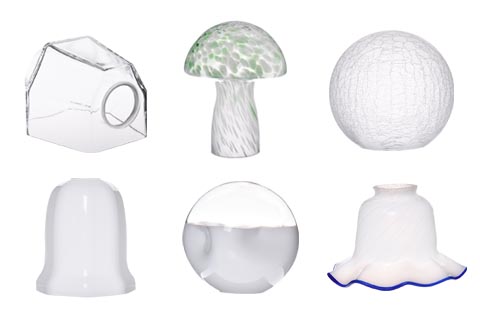
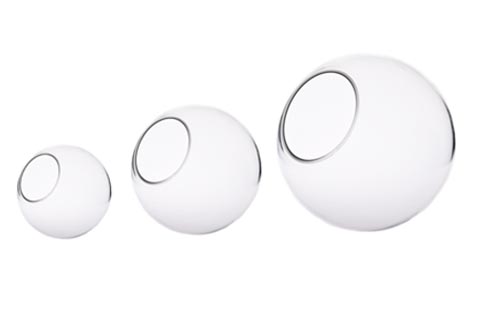
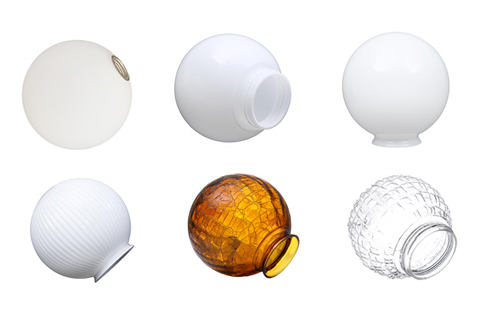
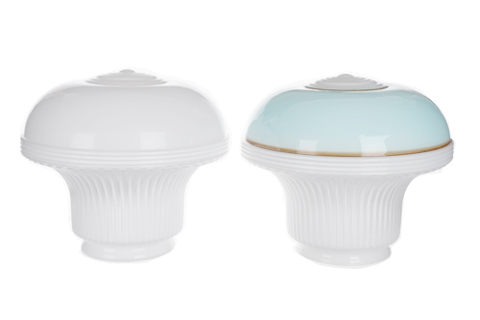
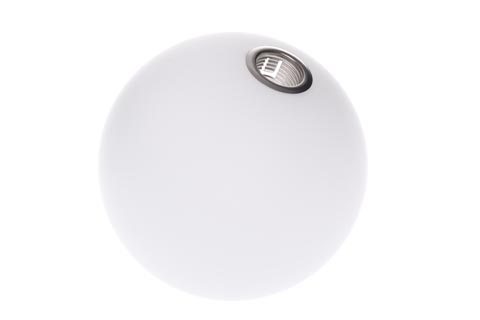
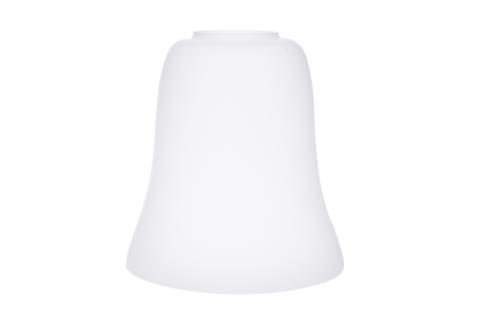
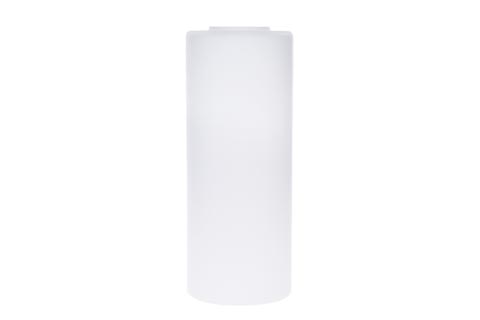
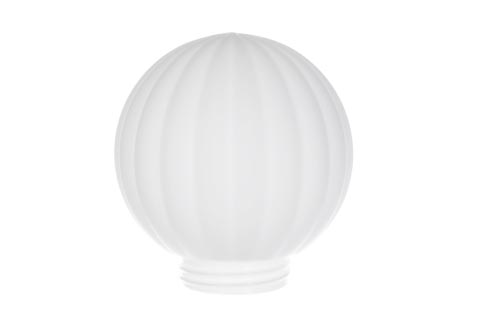
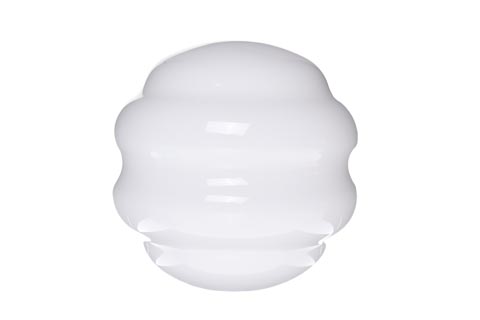
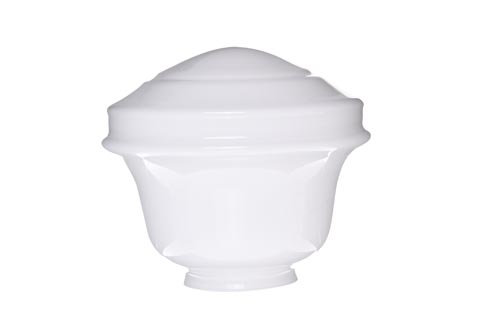
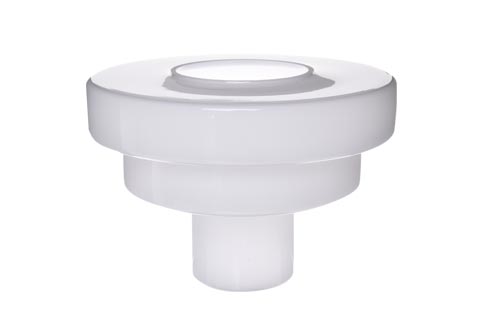
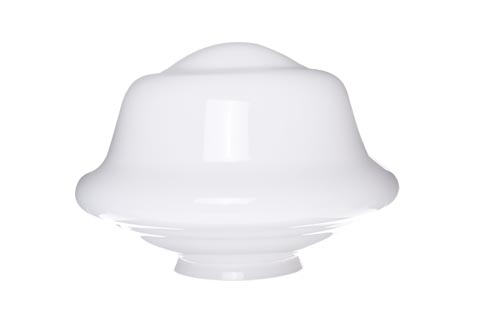
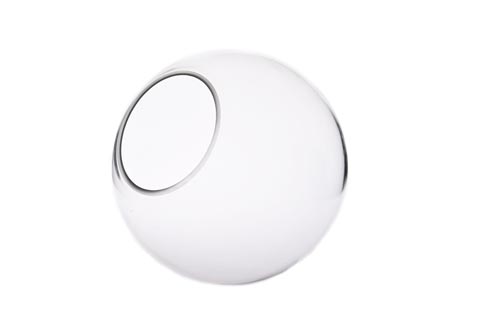
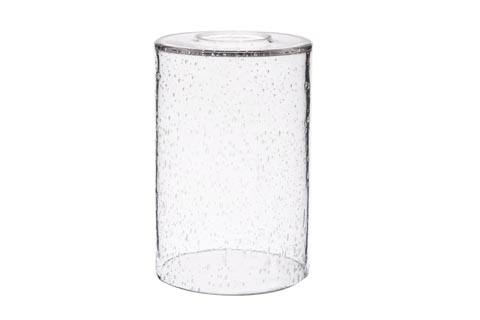
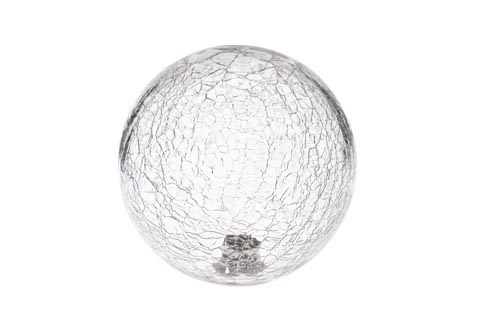
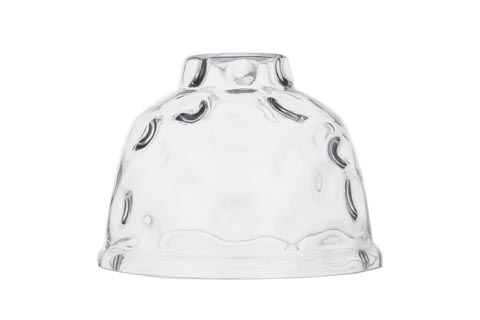
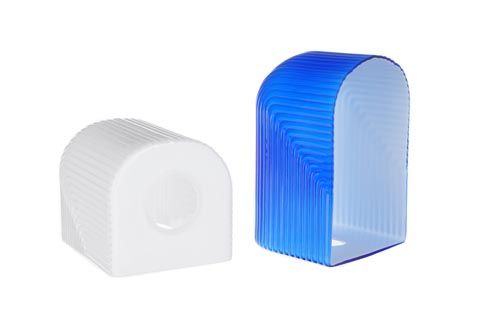
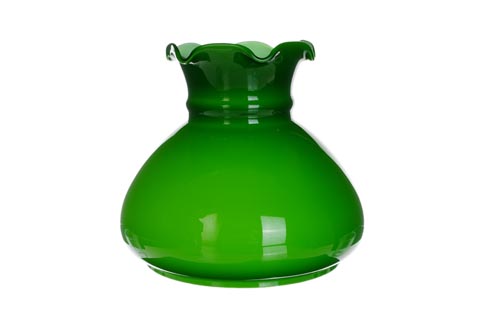
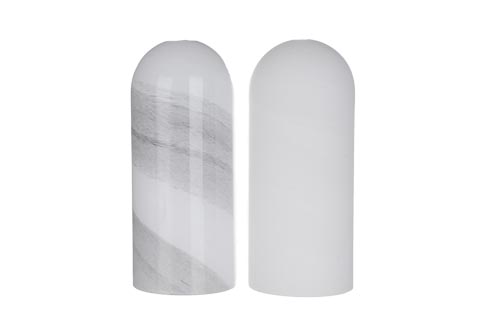
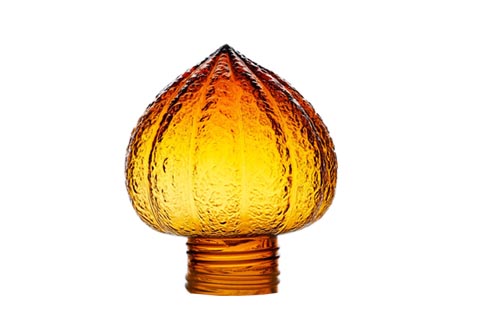
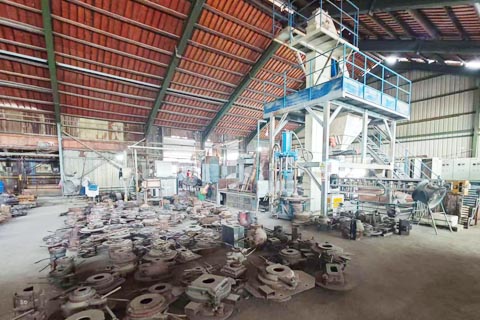
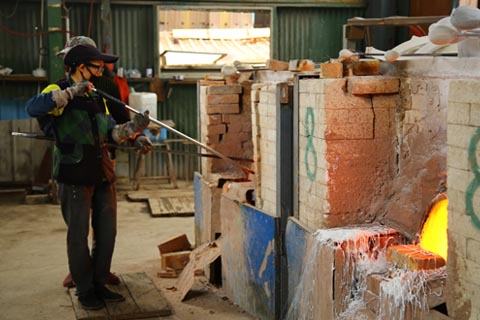
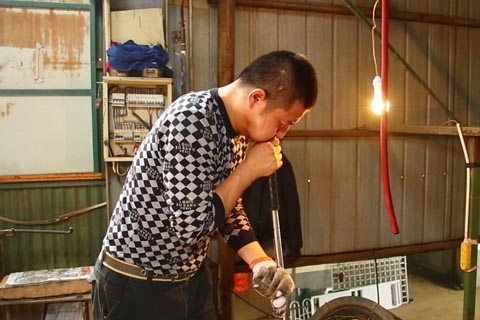
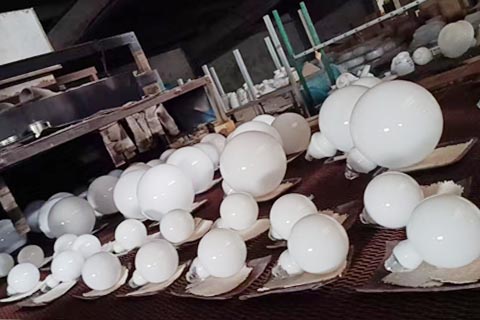
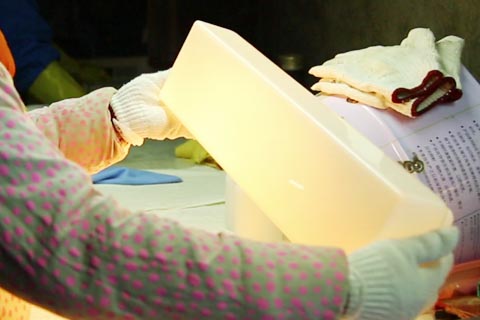
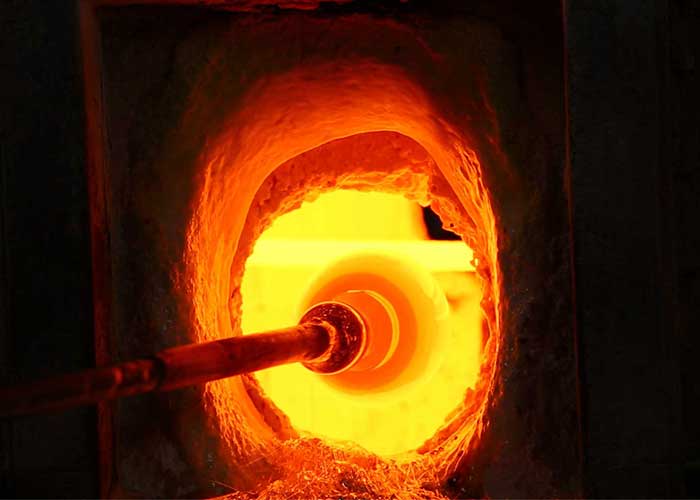
Vidro soprado à boca refere-se a cúpulas de luminárias moldadas inteiramente por um vidreiro utilizando um tubo de aço oco para inflar o vidro fundido coletado a aproximadamente 1100°C. O artesão gira o tubo continuamente enquanto aplica pressão com o sopro e utiliza ferramentas de modelagem, produzindo formas orgânicas que a prensagem mecânica não consegue replicar. Comparado às cúpulas feitas por máquina, as peças sopradas à boca apresentam variações sutis na espessura das paredes, leve assimetria e pequenas bolhas ocasionais (chamadas sementes) que são valorizadas como evidência de artesanato autêntico. As taxas de produção são dramaticamente diferentes – um artesão produz 30-60 cúpulas sopradas à boca por dia, enquanto uma máquina de prensa produz 800-1200 por turno. Cúpulas sopradas à boca têm um preço 2-4 vezes maior, mas oferecem um caráter único que alternativas produzidas em massa não conseguem igualar. Designers e compradores do setor de hospitalidade de luxo solicitam especificamente trabalhos soprados à boca para instalações onde cada luminária deve ser uma peça artística distinta, em vez de uma mercadoria uniforme.
Nosso pedido mínimo padrão (MOQ) para cúpulas de vidro sopradas à boca é de 200 a 500 peças por modelo, dependendo da complexidade. Formas simples (globos, cúpulas em formato de sino, cilindros com menos de 200mm de diâmetro) qualificam-se para o mínimo de 200 peças, enquanto formas complexas (garrafas frisadas, formatos de cabaça, camadas múltiplas) exigem no mínimo 500 peças devido ao maior tempo de preparação e investimento em ferramentas. Para amostras, fornecemos de 1 a 3 peças com preço de amostra (normalmente 4 a 8 vezes o preço unitário) com prazo de entrega de 10 a 15 dias. Clientes de marcas de design que realizam produções boutique podem negociar lotes abaixo de 200 peças com preço premium, caso se comprometam com uma previsão contínua de 12 meses. O trabalho soprado à mão possui MOQs mais altos do que o trabalho prensado por máquina, principalmente porque cada modelo exige tempo de treinamento do artesão, ferramentas personalizadas e preparação de moldes dedicados – custos que precisam ser amortizados ao longo da produção para manter o preço por peça competitivo.
Sim, cúpulas sopradas à boca podem suportar lâmpadas halógenas, incandescentes e de filamento Edison de alta potência, mas a escolha do material do vidro é importante. Cúpulas sopradas à boca de vidro sódio-cálcico suportam com segurança lâmpadas de até 60W em luminárias abertas ou 40W em designs fechados, onde as temperaturas de superfície permanecem abaixo de 180°C. Para lâmpadas incandescentes ou Edison de 75-100W operando a temperaturas de superfície de 200-260°C, recomendamos especificar vidro borossilicato 3.3 soprados à boca, que suporta choques térmicos de até 165°C sem trincar. A espessura da parede também afeta a tolerância ao calor – cúpulas sopradas à boca com 3mm ou mais suportam melhor cargas de alta potência do que versões decorativas de 2mm. Sempre inclua ventilação adequada na luminária: recomenda-se um espaço de ar mínimo de 25mm entre a superfície da lâmpada e o interior do vidro. Podemos realizar testes de queima contínua de 200 horas em amostras para verificar o desempenho térmico com a lâmpada especificada pelo comprador antes da aprovação para produção em massa.
A consistência de formato na produção soprada manualmente é mantida por meio de quatro controles: moldes padronizados (normalmente de madeira, grafite ou ferro fundido nos quais o artesão sopra), calibração do peso do bolo de vidro, onde cada porção é medida com precisão de +/-5g antes de soprar, supervisão de um mestre artesão com um trabalhador sênior revisando a cada 20ª peça, e amostragem dimensional usando paquímetros e profundímetros em 5 peças por lote de 100 unidades. A variação aceitável para peças sopradas à boca é normalmente de +/-3mm no diâmetro externo e +/-5mm na altura, o que é significativamente mais flexível do que as tolerâncias de prensagem mecânica, mas suficientemente rigoroso para instalações em pares. Compradores que exigem tolerâncias mais restritas (marcas de design com restrições de embalagem para varejo) podem solicitar tolerância de +/-1,5mm com inspeção 100% a um custo adicional de 30-50%. Mantemos registros dimensionais de cada lote por 3 anos para garantir consistência em novos pedidos enviados separadamente.
A técnica soprado à boca permite cinco efeitos distintos que não podem ser obtidos por prensagem mecânica: formas orgânicas livres sem linhas de molde, padrões internos de bolhas controladas (vidro semente) criados ao introduzir bicarbonato de sódio ou fatias de batata no vidro quente, sobreposições multicor onde camadas de vidro de diferentes cores são envolvidas juntas e parcialmente cortadas para revelar as camadas inferiores, técnicas de coleta e puxada que produzem fitas torcidas e padrões de trilha, e bicos e gargalos puxados assimétricos que dão a cada peça um caráter individual. Fritas aplicadas à mão (vidro colorido triturado) podem ser roladas sobre a coleta para criar texturas de superfície pontilhadas ou pedregosas. O sopro em molde óptico produz padrões de nervuras internas ao soprar em moldes de grafite facetados e depois soprar novamente em um molde final liso, criando efeitos de refração dimensional. Essas técnicas explicam porque cúpulas sopradas à boca dominam os mercados de hospitalidade de luxo e residenciais de designers, apesar do custo elevado.
O prazo de entrega para pedidos de cúpulas de vidro sopradas manualmente é normalmente de 35 a 50 dias, desde o pagamento do sinal até a prontidão para envio. Isso se divide em aproximadamente 5 a 7 dias para preparação do lote de vidro bruto, 3 a 5 dias para preparação dos artesãos e sopros de prática no design específico, 18 a 28 dias para a produção real a 30-60 peças por artesão por dia, 4 a 6 dias para recozimento em fornos com controle de temperatura para aliviar tensões internas, e 3 a 4 dias para inspeção de qualidade e embalagem. Pedidos maiores que exigem vários artesãos trabalhando em paralelo podem comprimir o tempo de produção, mas aumentam a necessidade de coordenação. Pedidos de design personalizado exigem mais 15 a 25 dias para desenvolvimento e aprovação do protótipo antes do início da produção em massa. O transporte marítimo a partir de Xangai ou Ningbo adiciona de 25 a 40 dias, dependendo do porto de destino. Recomendamos fazer os pedidos com 90 a 110 dias de antecedência da data de chegada desejada para garantir uma margem de agendamento de produção.
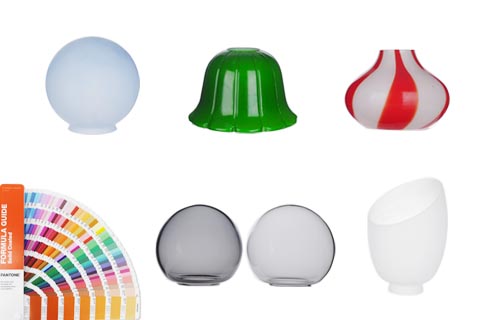
Sim, as cúpulas sopradas à mão estão disponíveis em mais de 40 cores padrão e podem ser correspondidas pelo sistema Pantone para pedidos na quantidade cotada ou superior por cor. As cores são obtidas adicionando pigmentos de óxido metálico diretamente à massa fundida (coloração na massa), produzindo uma cor permanente em toda a espessura do vidro. Para efeitos multicoloridos e em degradê, os artesãos aplicam vidro colorido secundário à massa inicial usando técnicas de laminação, imersão ou sobreposição (cased-overlay). A cor aplicada à mão produz variações sutis entre as peças individuais – essa variação orgânica é geralmente desejável para projetos de design, mas deve ser discutida durante a amostragem para que as expectativas do comprador estejam alinhadas com o caráter natural da técnica. O desenvolvimento de cores para novas correspondências Pantone geralmente leva de 25 a 35 dias, incluindo formulação de fritas, fundições de teste e aprovação da amostra de cor. Mantemos amostras de cores mestre por 5 anos para apoiar pedidos de reposição com cores consistentes em vários lotes de produção.
Cúpulas sopradas à boca normalmente não apresentam marcas de emenda de molde porque o vidro é moldado por pressão de ar e ferramentas manuais, em vez de ser prensado entre duas metades de molde. No entanto, o trabalho soprado à boca apresenta características sutis que o vidro feito à máquina não possui: uma pequena marca de pontil na base (onde a peça foi segurada pela haste durante o acabamento), eventuais microbolhas chamadas sementes (geralmente de 0,1 a 0,5 mm), leve variação na espessura da parede entre o topo e a base, e ondulações muito sutis na superfície visíveis sob luz rasante. Essas características são consideradas marcas de autêntico trabalho artesanal e são avaliadas conforme padrões de qualidade publicados, não sendo tratadas como defeitos. Os compradores devem analisar amostras para calibrar seus critérios de aceitação antes da produção em massa. Para instalações que exigem perfeição próxima à de máquina, recomendamos especificar trabalho soprado em molde óptico (que utiliza moldes lisos) em vez de trabalho soprado livre, já que a técnica de molde óptico produz superfícies mais uniformes.
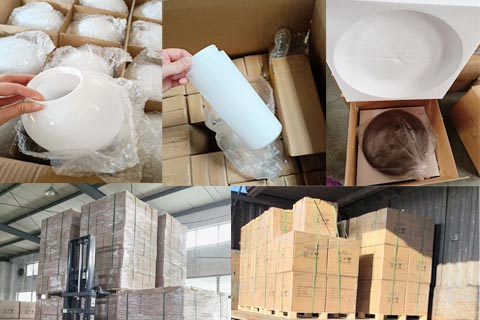
Cúpulas de luminárias sopradas à boca são embaladas utilizando um sistema de proteção de quatro camadas que considera suas paredes geralmente mais finas e formas assimétricas. Cada peça é primeiro envolvida em papel de seda livre de ácido para evitar marcas na superfície, depois em espuma EPE de 5-8mm cortada sob medida para o formato específico da cúpula, em seguida colocada em um berço de papelão ondulado recortado dentro de uma caixa interna, e finalmente carregada em uma caixa mestre de exportação de 5 camadas com reforço nos cantos. Para peças com diâmetro acima de 250mm ou formas orgânicas assimétricas, utilizamos moldagem com injeção de espuma diretamente ao redor de cada cúpula para máxima proteção. Caixas mestres são paletizadas com protetores de borda e envoltas com filme stretch para transporte marítimo. Esse protocolo manteve as taxas de quebra de cúpulas sopradas à boca abaixo de 0,51% ao longo de mais de 7 anos de exportações. Caixas de madeira com espuma interna estão disponíveis para peças de alto valor ou cúpulas de parede fina frágeis, com custo adicional de 1,50-4,00 por peça.
Cúpulas de vidro sopradas à boca custam de 2 a 4 vezes mais do que alternativas produzidas por máquina devido a diferenças fundamentais no trabalho manual, taxa de produção e rendimento de material. O trabalho manual é de aproximadamente 8-15 minutos por peça, contra 4-6 segundos para prensagem mecânica. A taxa de produção é de 30-60 peças por artesão por dia, contra 800-1200 peças por máquina de prensagem por turno. O rendimento de material é de 85-92% (algumas peças falham durante o sopro ou recozimento) contra 98-99% para prensagem mecânica. O treinamento dos artesãos leva de 5 a 8 anos para atingir a habilidade de qualidade de produção, exigindo custo significativo de mão de obra. O trabalho soprada à boca também normalmente utiliza matérias-primas de maior qualidade e mais energia por peça, já que cada porção é reaquecida várias vezes durante a modelagem. O preço premium é justificado para os mercados de design, hotelaria e residenciais de luxo, onde o caráter orgânico de cada peça contribui para a narrativa do design. Para aplicações comerciais de alto volume com restrições orçamentárias, a prensagem mecânica continua sendo a escolha prática.