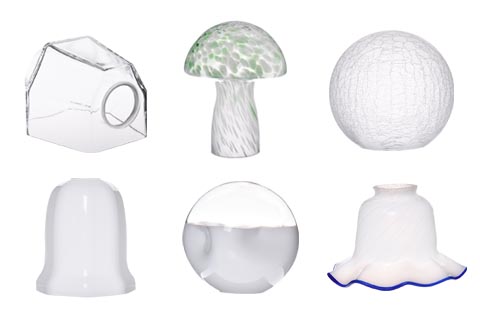
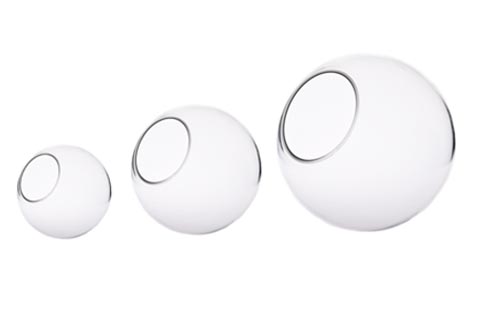
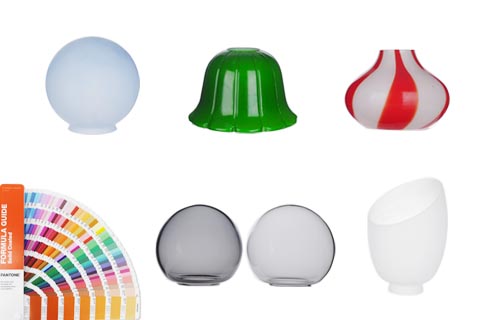
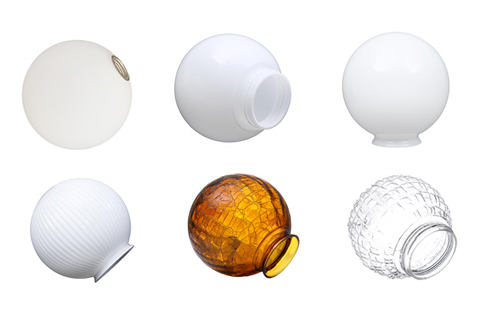
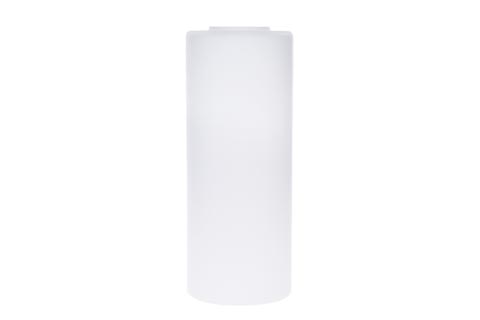
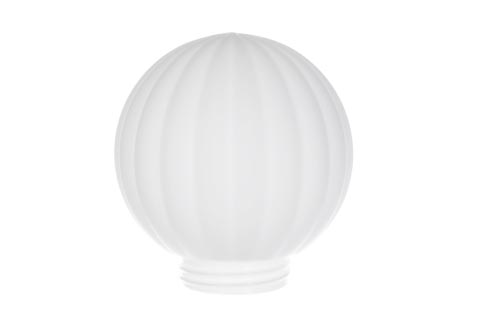
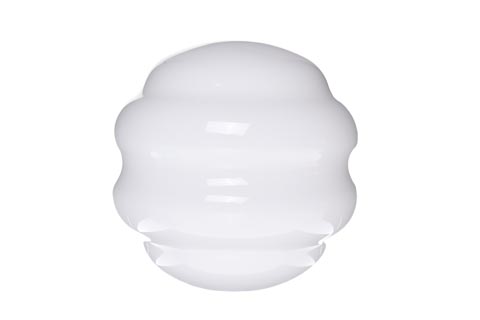
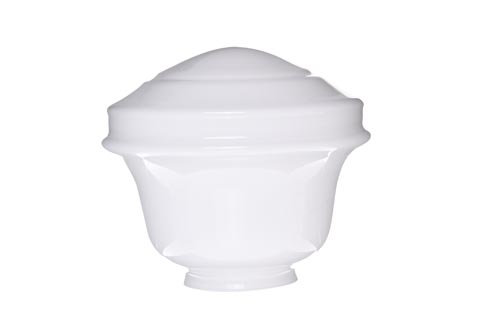
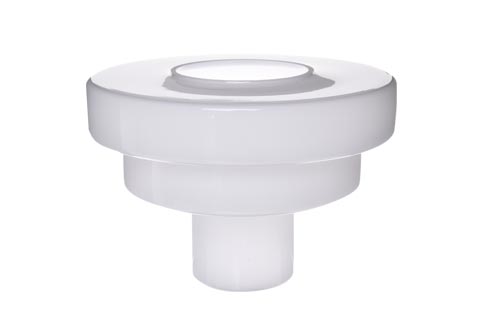
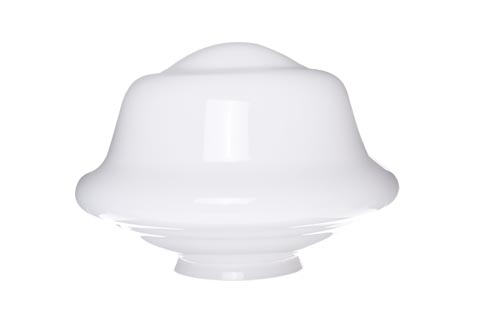
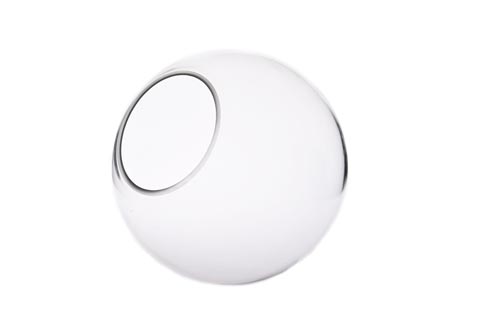
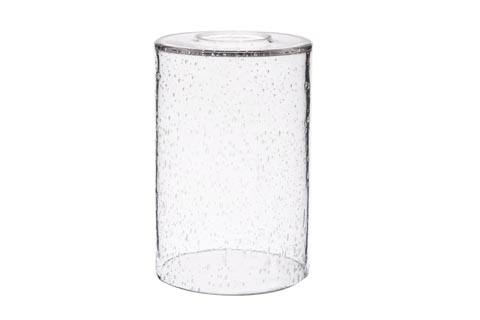
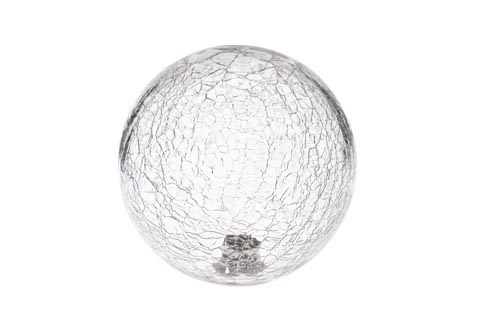
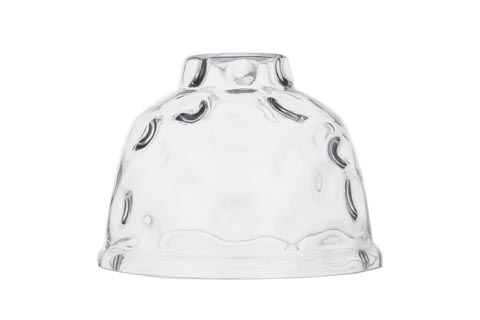
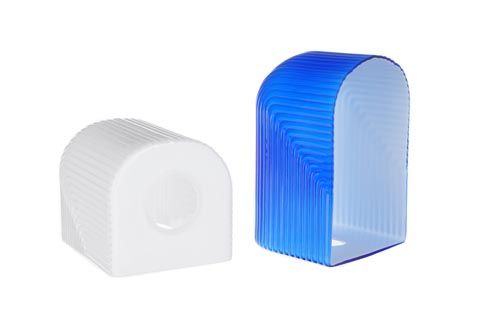
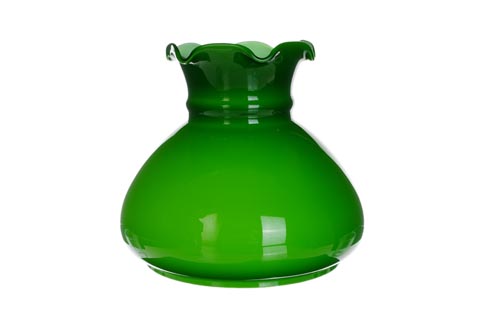
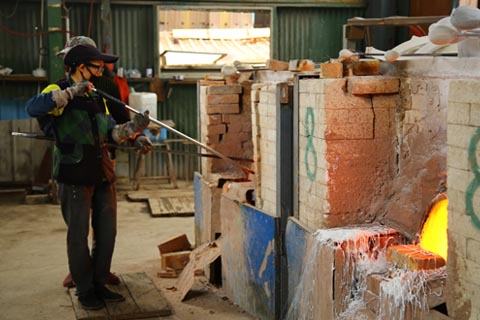
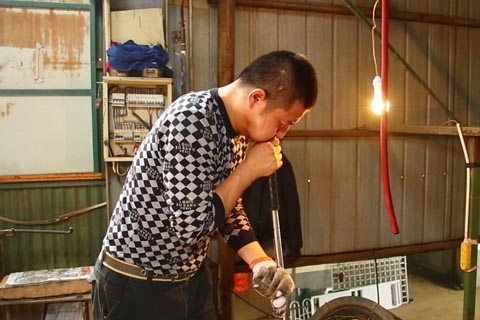
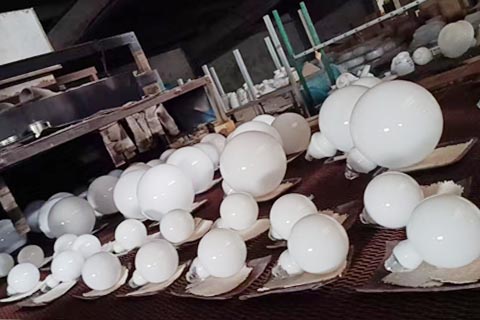
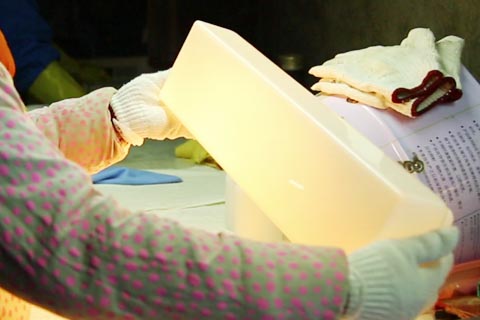
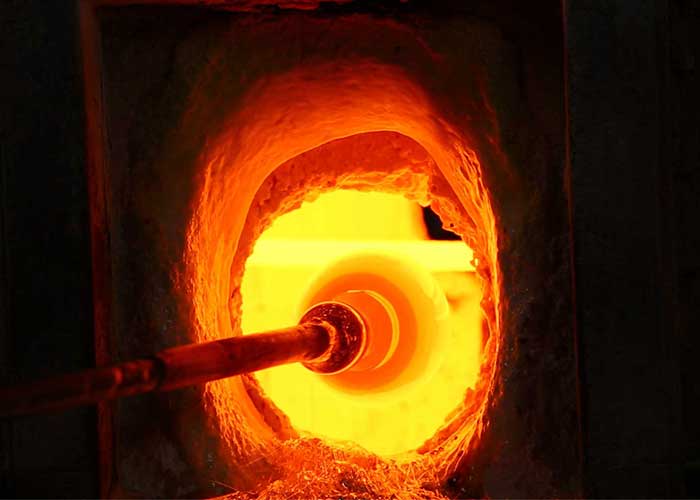
Mouth-blown glass refers to lampshades shaped entirely by a glassblower using a hollow steel blowpipe to inflate molten glass gathered at approximately 1100C. The craftsman rotates the pipe continuously while applying breath pressure and shaping tools, producing organic forms that machine pressing cannot replicate. Compared to machine-made shades, mouth-blown pieces show subtle wall-thickness variation, slight asymmetry, and occasional small bubbles (called seeds) that are valued as evidence of authentic handcraft. Production rates are dramatically different – one craftsman produces 30-60 mouth-blown shades per day, while a press machine produces 800-1200 per shift. Mouth-blown shades carry a 2-4x price premium but offer unique character that mass-produced alternatives cannot match. Designers and luxury hospitality buyers specifically request mouth-blown work for installations where each fixture is meant to be a distinct artistic piece rather than a uniform commodity.
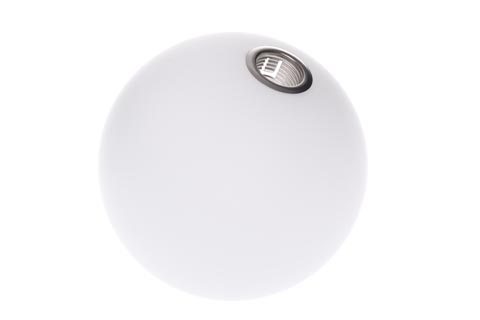
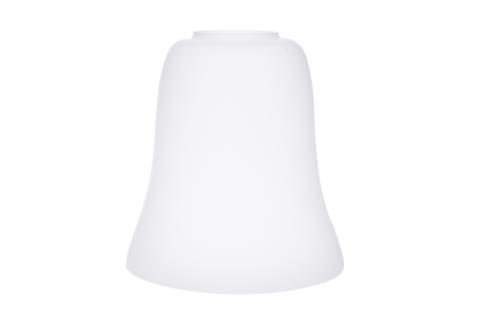
Our standard MOQ for mouth-blown glass lamp shades is 200-500 pieces per design depending on complexity. Simple shapes (globes, bell shades, cylinders under 200mm diameter) qualify for the 200-piece minimum, while complex shapes (ribbed bottles, gourd forms, multi-layer casing) require 500 pieces minimum due to longer setup time and higher tooling investment. For sampling, we provide 1-3 pieces at sample pricing (typically 4-8x unit price) with 10-15 day sample lead times. Designer brand clients running boutique production can negotiate sub-200 piece runs at premium pricing if they commit to a 12-month rolling forecast. Hand-blown work has higher MOQs than machine-pressed work primarily because each design requires craftsman training time, custom paddle tools, and dedicated mold setup – costs that must amortize across the production run to keep per-piece pricing competitive.
Yes, mouth-blown shades can handle high-wattage halogen, incandescent, and Edison filament bulbs, but the glass material choice matters. Soda-lime mouth-blown shades safely handle bulbs up to 60W in open fixtures or 40W in enclosed designs, where surface temperatures stay below 180C. For 75-100W incandescent or Edison bulbs running at 200-260C surface temperatures, we recommend specifying mouth-blown borosilicate 3.3 glass, which withstands thermal shock differentials up to 165C without cracking. Wall thickness also affects heat tolerance – 3mm and thicker mouth-blown shades handle high-wattage loads better than 2mm decorative versions. Always include adequate fixture ventilation: a minimum 25mm air gap between bulb surface and glass interior is recommended. We can perform 200-hour continuous burn testing on sample shades to verify thermal performance with the buyer’s specified bulb before mass production approval.
Shape consistency across hand-blown production is maintained through four controls: standardized mold templates (typically wood, graphite, or cast iron molds the craftsman blows into), gather-weight calibration where each glass gather is measured to +/-5g before blowing, master craftsman supervision with one senior worker reviewing every 20th piece, and dimensional sampling using calipers and depth gauges on 5 pieces per 100-piece batch. Acceptable variation for mouth-blown work is typically +/-3mm on outer diameter and +/-5mm on height, which is significantly looser than machine-pressed tolerances but tight enough for paired installations. Buyers requiring stricter tolerances (designer brands with retail packaging constraints) can request +/-1.5mm tolerance with 100% inspection at 30-50% cost premium. We retain dimensional records for each batch for 3 years to support reorder consistency across separated shipments.
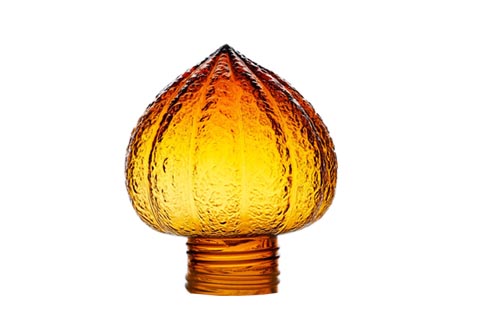
Mouth-blown technique enables five distinctive effects unavailable through machine pressing: free-form organic shapes with no mold-line seams, controlled internal bubble patterns (seed glass) created by introducing baking soda or potato slices into hot glass, cased multi-color overlays where layers of different colored glass are wrapped together and partially cut through to reveal underlayers, gather-and-pull techniques producing twisted ribbons and trailing patterns, and asymmetric pulled spouts and necks that give each piece individual character. Hand-applied frit (crushed colored glass) can be rolled onto the gather to create speckled or pebbled surface textures. Optic-mold blowing produces internal ribbing patterns by blowing into faceted graphite molds and then re-blowing into a smooth final mold, creating dimensional refraction effects. These techniques are why mouth-blown shades dominate luxury hospitality and designer residential markets despite their cost premium.
Lead time for mouth-blown glass lamp shade orders is typically 35-50 days from deposit payment to shipment readiness. This breaks down as approximately 5-7 days for raw glass batch preparation, 3-5 days for craftsman setup and practice blows on the specific design, 18-28 days for actual production at 30-60 pieces per craftsman per day, 4-6 days for annealing in temperature-controlled ovens to relieve internal stress, and 3-4 days for quality inspection and packing. Larger orders requiring multiple craftsmen working in parallel can compress production time but add coordination overhead. Custom-design orders require an additional 15-25 days for prototype development and approval before mass production begins. Ocean freight from Shanghai or Ningbo adds 25-40 days depending on destination port. We recommend placing orders 90-110 days before required arrival date to allow for production scheduling buffer.
Yes, mouth-blown shades are available in over 40 standard colors and can be Pantone-matched for orders of 1,000 pieces or more per color. Colors are achieved by adding metal-oxide pigments directly to the molten batch (in-the-mass coloring), producing permanent color throughout the full glass thickness. For multi-color and gradient effects, craftsmen apply secondary colored glass to the initial gather using rolling, dipping, or cased-overlay techniques. Hand-applied color produces subtle variation between individual pieces – this organic variation is generally desirable for designer projects but should be discussed during sampling so buyer expectations align with the technique’s natural character. Color development for new Pantone matches typically takes 25-35 days including frit formulation, test melts, and color sample approval. We retain master color samples for 5 years to support color-consistent reorders across multiple production runs.
Mouth-blown shades typically show no mold seams because the glass is shaped by air pressure and hand tools rather than pressed between two mold halves. However, mouth-blown work characteristically displays subtle features that machine-made glass lacks: a small pontil mark on the bottom (where the rod held the piece during finishing), occasional micro-bubbles called seeds (usually 0.1-0.5mm), slight wall-thickness variation between top and bottom, and very subtle surface waviness visible under raking light. These features are considered marks of authentic handcraft and are graded against published quality standards rather than treated as defects. Buyers should review sample pieces to calibrate their acceptance criteria before mass production. For installations requiring near-machine perfection, we recommend specifying optic-mold blown work (which uses smooth molds) rather than free-blown work, since optic-mold technique produces more uniform surfaces.
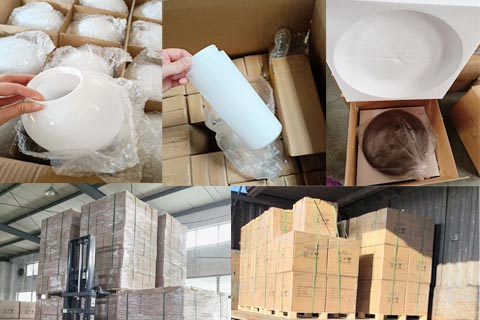
Mouth-blown lampshades are packed using a four-layer protection system that accounts for their typically thinner walls and asymmetric shapes. Each piece is first wrapped in acid-free tissue paper to prevent surface marks, then in 5-8mm EPE foam custom-cut to the shade’s specific shape, then placed in a die-cut corrugated cradle within an inner carton, and finally loaded into a 5-ply export master carton with corner reinforcement. For pieces over 250mm diameter or asymmetric organic shapes, we use foam-injected molding directly around each shade for maximum protection. Master cartons are palletized with edge guards and stretch-wrapped for ocean freight. This protocol has kept mouth-blown shade breakage rates below 0.5% across 7+ years of export shipments. Wooden crating with internal foam is available for high-value designer pieces or fragile thin-wall shades at additional cost of $1.50-$4.00 per piece.
Mouth-blown lamp shades cost 2-4x more than machine-made alternatives due to fundamental differences in labor input, production rate, and material yield. Labor input is approximately 8-15 minutes per piece versus 4-6 seconds for machine pressing. Production rate is 30-60 pieces per craftsman per day versus 800-1200 pieces per press machine per shift. Material yield is 85-92% (some pieces fail during blowing or annealing) versus 98-99% for machine pressing. Craftsmen training takes 5-8 years to reach production-quality skill, requiring significant labor cost. Mouth-blown work also typically uses higher-grade raw materials and more energy per piece since each gather is reheated multiple times during shaping. The price premium is justified for designer, hospitality, and luxury residential markets where each piece’s organic character contributes to the design narrative. For high-volume commercial applications with budget constraints, machine pressing remains the practical choice.