
What is lampwork borosilicate glass lampshade?
Precision Flame-Working Techniques for High-Performance Lighting Components
Defining Lampwork: Technique and Distinction
The Fundamentals of Flame Working
Borosilicate Selection Rationale
Manufacturing Process: From Tube to Finished Shade
Stage 1: Material Preparation and Inspection
- Dimensional compliance: Outer diameter ±0.05mm, wall thickness ±0.03mm using laser micrometry
- Stress birefringence: Polariscope examination confirming annealed, strain-free stock
- Surface quality: 100% inspection for scratches, inclusions, or drawing defects that would propagate in finished components
Stage 2: Thermal Conditioning and Initial Forming
- Neck-down formation: Controlled heating and drawing to create mounting neck diameters compatible with fixture hardware (standard 29mm, 42mm, or custom specifications)
- Body expansion: Internal air pressure introduction combined with external heat application to achieve target diameter and wall thickness
- Rim formation: Precision tooling to create finished edges with specified break-chamfer or rolled profiles
Stage 3: Optical Surface Finishing
Stage 4: Annealing and Stress Relief
- Stress relief: 560°C hold (borosilicate annealing point) with 30-minute dwell
- Controlled cooling: 2°C/minute reduction to 400°C, preventing thermal shock
- Final cooling: Unrestricted to ambient
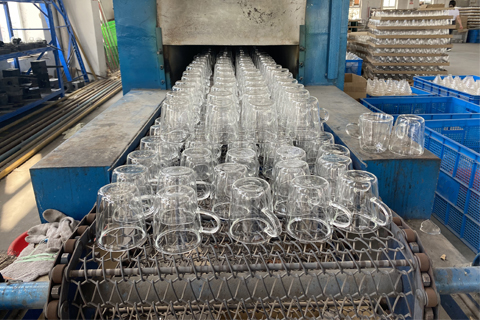
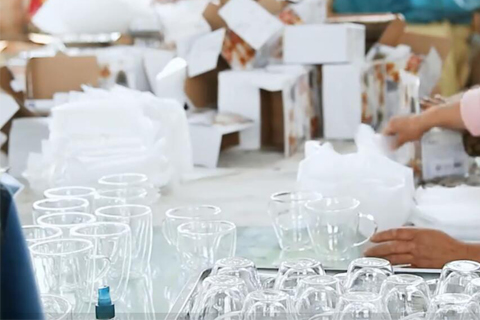
Borosilicate Glass Lamp Shade Manufacturing Process
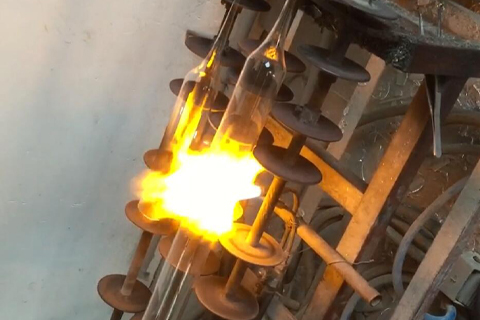
Material Cutting
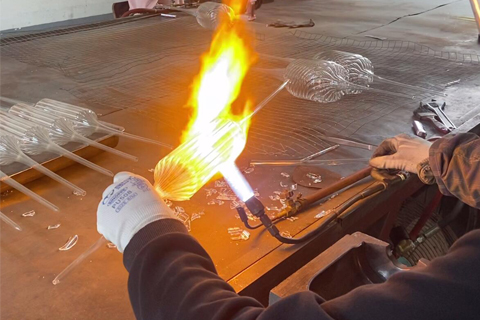
Material Softening
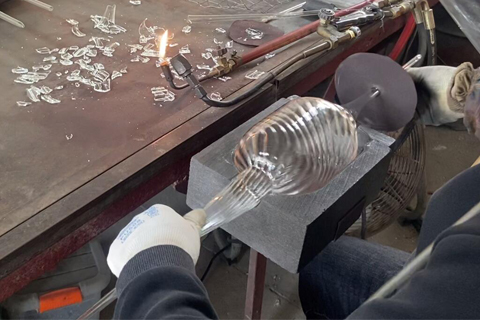
Forming with Mold
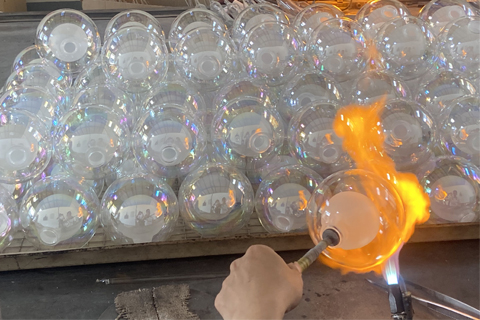
Rip & Seal
Annealing
Inspection & Packing
Technical Advantages: Why Specify Lampwork
Precision Wall Thickness Control
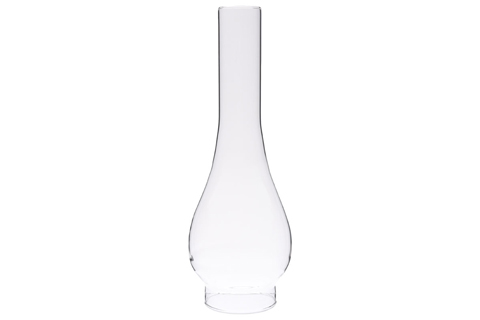
Complex Geometry Realization
Micro-Scale Feature Capability
- Filigree elements: Glass threads to 0.3mm diameter for decorative screening
- Precision apertures: Controlled orifices for light beam shaping
- Surface micro-textures: Optical diffusers with 50-200μm feature sizes
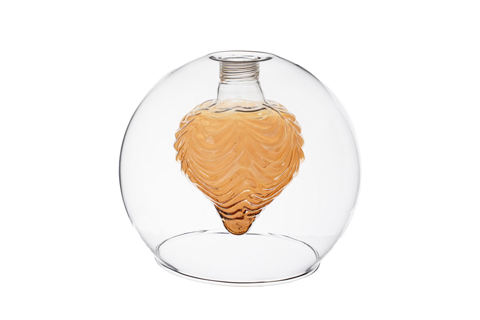
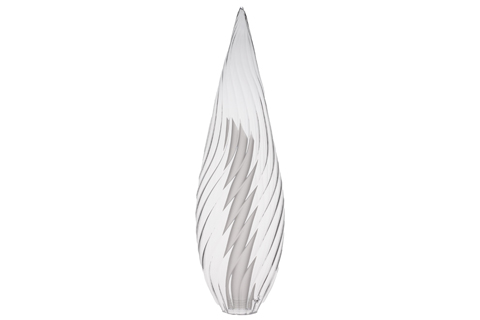
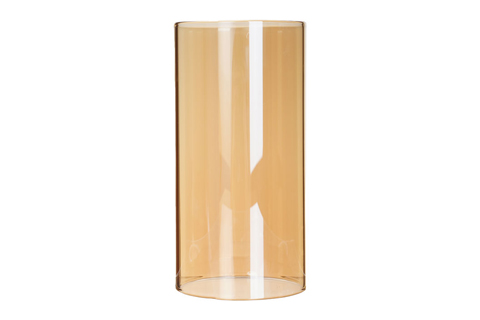
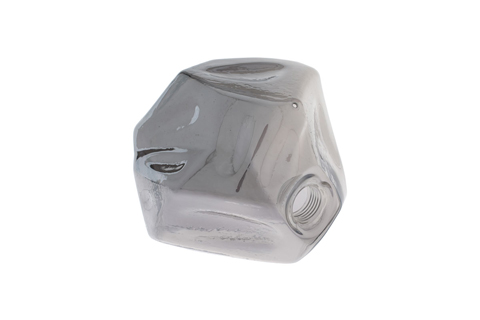
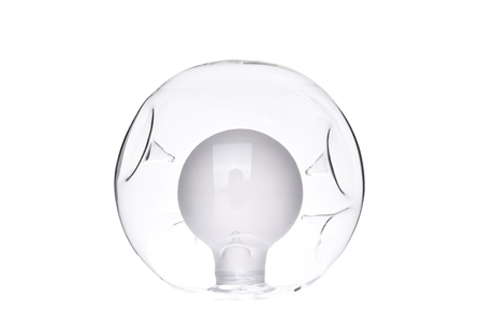
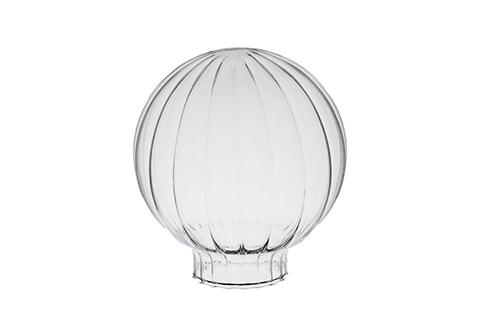
Case Studies: Lampwork in Commercial Application
Case Study 1: Surgical Lighting System (Medical Device Manufacturer)
- Absolute material purity (no heavy metals, leachable components)
- Wall thickness uniformity ±0.1mm for consistent photometric performance
- Integrated mounting threads (glass-to-glass, no metal contamination)
- Steam sterilization compatibility (134°C autoclave cycles)
- 5,000 autoclave cycle testing: 0% thread degradation, 0% optical degradation
- Particulate generation testing (USP <788>): Below detection limits
- Photometric consistency: Coefficient of variation <2% across 500-unit production lot
- FDA 510(k) submission supported with complete material traceability documentation
Case Study 2: Museum Conservation Lighting (Cultural Institution)
- Complete UV absorption below 400nm (wavelengths damaging to organic materials)
- High visible transmission (>90%) for color rendering accuracy
- Precise beam control with minimal spill light
- Aesthetic compatibility with historic gallery architecture
- Spectral transmission: <0.1% below 400nm, 91.2% 400-700nm
- 10-year accelerated aging: Zero transmission degradation, zero color shift
- Beam control: 8° spot distribution with <5% spill (vs. 12° typical for conventional reflector systems)
Case Study 3: Architectural Pendant Series (Designer Lighting Brand)
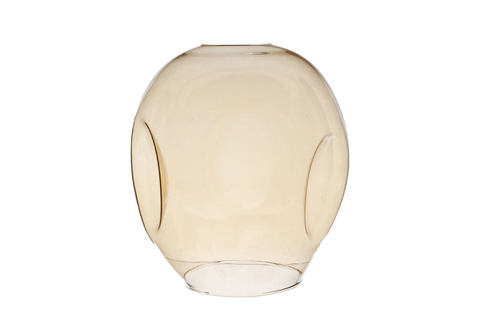
- Asymmetric “liquid metal” aesthetic with organic surface variation
- Consistent 1.5mm wall thickness for weight control (target <800g per shade)
- Internal light baffle preventing direct source visibility
- Rapid design iteration capability for collection development
- Phase 1: Hand-lampwork production (50-100 units monthly per design)
- Phase 2: Semi-automated lampwork stations with CNC torch positioning (300+ units monthly)
- Phase 3: Hybrid production maintaining hand-finished details on automated-formed bodies
- Collection launched with 8 distinct designs (impossible through conventional tooling economics)
- Retail sell-through 340% above projections, establishing brand in premium segment
- Manufacturing flexibility enabled 4 seasonal design extensions without capital investment
- Gross margins maintained 68% despite labor-intensive production, through premium positioning
Quality Systems and Validation
Process Control in Artisan Manufacturing
Documentation and Traceability
- Batch records: Complete production parameter documentation linking each shade to raw material lots, operators, equipment, and inspection results
- Certificate of Analysis: Material composition verification, thermal expansion testing, and chemical resistance validation
- Dimensional reports: CMM measurement data with statistical analysis (Cp/Cpk calculations)
- Photometric data: Transmission spectra and diffusion characteristics for optical applications
Sourcing Considerations: Evaluating Lampwork Capabilities
Capability Differentiation Among Suppliers
Scalability and Economics
- Low-to-medium volumes: 50-5,000 units annually where tooling investment for pressing/blowing is uneconomical
- High complexity: Geometries or tolerances unattainable through conventional methods
- Regulated applications: Requiring documentation and traceability incompatible with commodity supply chains
- Rapid development: Design iteration cycles measured in days rather than weeks
Conclusion: Strategic Application of Lampwork Technology
For technical consultations, prototype development, or lampwork capability assessments for your specific applications, contact our engineering team. We provide comprehensive support including design feasibility analysis, material specification, and manufacturing scale planning to optimize your lighting product development.
Author: Hannah
Hannah is a senior sales professional with over 10 years of experience in the glass industry, specializing in global B2B markets for glass products. Throughout her career, she has worked closely with lighting brands, wholesalers, and manufacturers across North America, Europe, and other international markets, gaining a deep understanding of diverse market needs and industry trends.
With strong expertise in both commercial strategy and manufacturing processes, Hannah is highly familiar with glass production techniques such as pressing, blowing, and custom fabrication. She has successfully supported clients in developing custom glass products, optimizing production solutions, and improving product performance while controlling costs.
Hannah is known for her practical, solution-oriented approach. By combining technical knowledge with real market insights, she helps customers solve complex sourcing challenges and build reliable, long-term supply partnerships. Her goal is to deliver not just products, but professional support and tailored solutions that create real value for clients.