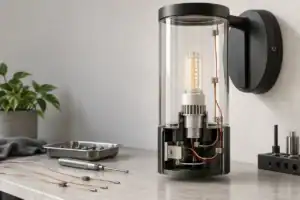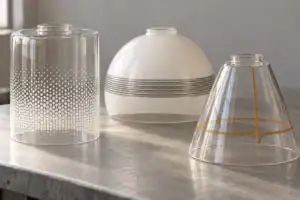
كسر الأدوات الزجاجية: الأسباب، الأنواع، وكيفية الوقاية منه
يحدث تكسر الزجاج عندما تتجاوز الضغوط الفيزيائية أو الحرارية قوة الشد للزجاج — وغالبًا ما يكون ذلك بسبب الصدمة الحرارية أو التأثير الميكانيكي أو وجود شقوق سطحية مسبقة تتوسع حتى يفشل الزجاج فجأة.
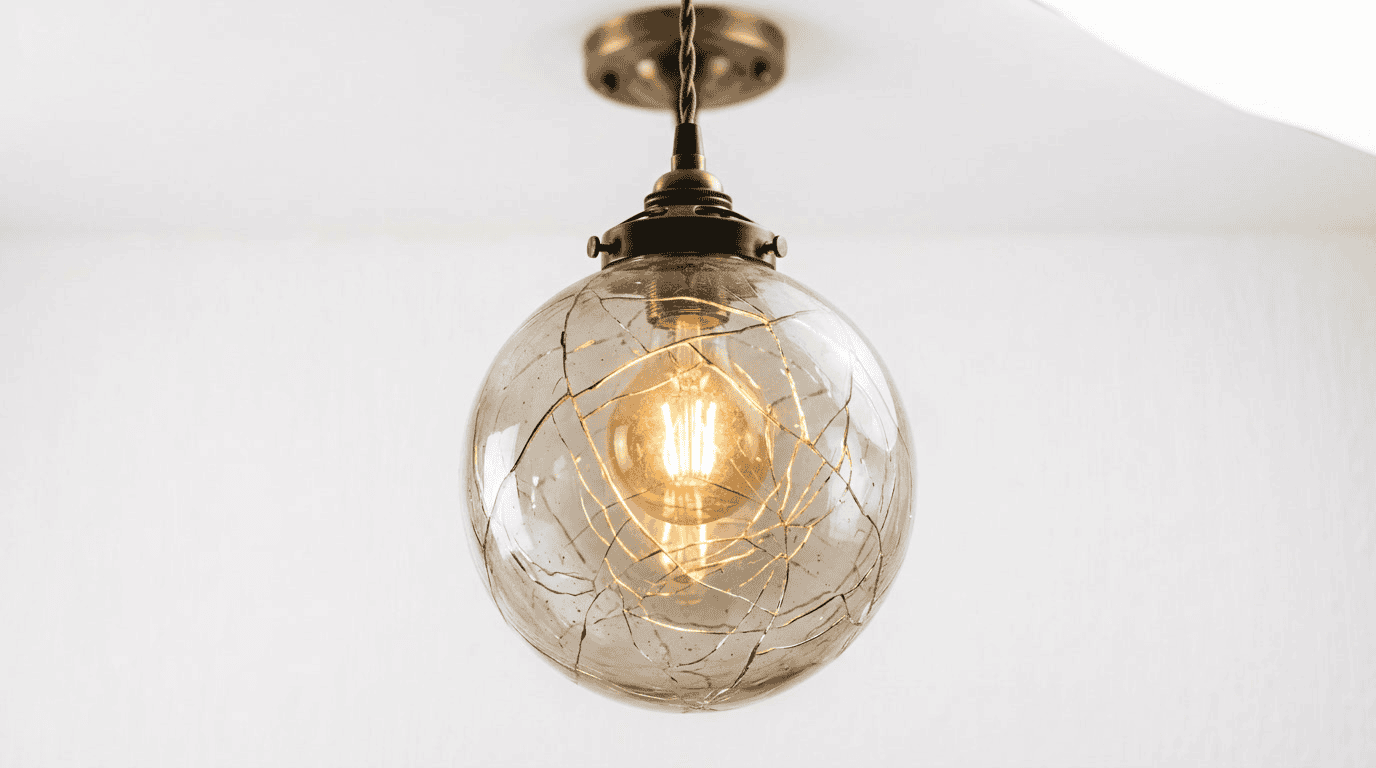
تقوم بتركيب غطاء مصباح زجاجي جميل، وتضعه بشكل مثالي في التركيبة — وبعد ثلاثة أسابيع يتشقق على الحافة دون سبب واضح. أو مجموعة من أكواب الشرب تصمد لسنوات من الاستخدام اليومي، ثم ينكسر أحدها في غسالة الصحون في يوم ثلاثاء عادي. إذا كان هذا مألوفًا لك، فأنت لست وحدك. تكسر الزجاج هو أحد أكثر المشاكل المنزلية والتجارية شيوعًا وإحباطًا، ويكلف مليارات الجنيهات سنويًا في تكاليف الاستبدال وحوادث السلامة وتوقف العمليات. فهم سبب تكسر الزجاج — وكيفية منعه — يبدأ بفهم كيف يفشل الزجاج فعليًا على المستوى الفيزيائي.
ما هو تكسر الزجاج؟
يحدث تكسر الزجاج عندما تتجاوز الضغوط الميكانيكية أو الحرارية المطبقة على جسم زجاجي قوة الشد الخاصة به، مما يؤدي إلى تشقق المادة. بخلاف المعادن، لا ينحني الزجاج أو يتشوه بشكل بلاستيكي قبل أن ينكسر — بل يفشل فجأة وبشكل كامل، وهذا السلوك يسمى الكسر الهش. وهذا يجعل الزجاج أنيقًا وصعبًا في نفس الوقت: لا يوجد انحناء تحذيري، ولا استسلام تدريجي. إما أن يصمد أو لا يصمد.
الفيزياء وراء سبب تكسر الزجاج
على المستوى الجزيئي، الزجاج هو مادة صلبة غير متبلورة. ترتب ذراته في شبكة غير منتظمة بدلاً من الشبكة البلورية المنتظمة التي تجدها في المعادن أو السيراميك. هذا الهيكل هو ما يمنح الزجاج شفافيته وسطحه الناعم وسلوكه المميز — لكنه أيضًا يعني أن الزجاج ليس لديه آلية فعالة لإيقاف انتشار الشقوق بمجرد أن تبدأ في الحركة.
وفقًا لـ بحث جامعة بن ستايت حول ميكانيكا تكسر الزجاج, معظم الأجسام الزجاجية لا تنكسر لأنها تواجه قوة تتجاوز قوتها النظرية. بل تنكسر بسبب عيوب سطحية مجهرية — خدوش صغيرة، شظايا، وشقوق دقيقة غير مرئية للعين المجردة — تعمل كمراكز تركيز للضغط. بالقرب من العيب، يمكن أن يكون الضغط المحلي أعلى من متوسط الضغط على الجسم بمقدار 100 إلى 1000 مرة. القوة التي تكون آمنة تمامًا على سطح زجاجي سليم تصبح كارثية عند طرف الخدش.
لهذا السبب يكون الزجاج الذي تعرض لشظية على الحافة أكثر عرضة للفشل بشكل كبير من قطعة مماثلة غير متضررة. يركز العيب كل الطاقة الواردة في طرف الشق الصغير، حيث يدفع الشق للأمام بسرعات تقترب من سرعة الصوت في الزجاج (حوالي 1500 متر/ثانية).
قوة الزجاج مقابل الضغوط اليومية
نظريًا، الزجاج قوي للغاية. ألياف الزجاج الطازجة في ظروف مختبرية مضبوطة يمكنها تحمل ضغوط شد تصل إلى 14,000 ميجا باسكال — أقوى من العديد من سبائك الفولاذ. عمليًا، يؤدي تلف السطح الناتج عن التعامل اليومي إلى تقليل القوة الفعالة لمعظم الزجاج المنزلي إلى ما بين 35 و100 ميجا باسكال. كل خدش، وكل تماس مع سطح صلب آخر، وكل دورة في غسالة الصحون تقلل تلك الهامش أكثر.
النتيجة العملية: الزجاج المستخدم بانتظام لمدة سنة أو سنتين يكون أضعف بشكل ملحوظ من نفس القطعة عندما كانت جديدة — ليس لأن مادة الزجاج تغيرت، بل لأن تلف السطح تراكم.
| نوع الضغط | السبب الشائع | المخاطر النسبية للزجاج |
|---|---|---|
| صدمة حرارية | سائل ساخن في كوب زجاجي بارد؛ ماء بارد على زجاج ساخن؛ نقل سريع للفرن | مرتفع جدًا |
| تأثير ميكانيكي | سقوط، اصطدام بسطح صلب، تصادم أثناء الغسيل | عالٍ |
| إجهاد التصنيع المتبقي | تلدين ضعيف، تبريد غير متساوٍ أثناء الإنتاج | متوسط-مرتفع |
| نمو الشق البطيء | تكرار دورات الإجهاد دون الوصول إلى حد الفشل | متوسط |
| هجوم كيميائي | منظف غسالة الصحون، المشروبات الحمضية، التعرض المطول للرطوبة | منخفض-متوسط |
فهم نوع الإجهاد المسيطر في حالتك الخاصة هو الطريق الأكثر مباشرة لمنع تكسر الأواني الزجاجية.
أنواع أنماط كسور الزجاج الثلاثة الرئيسية
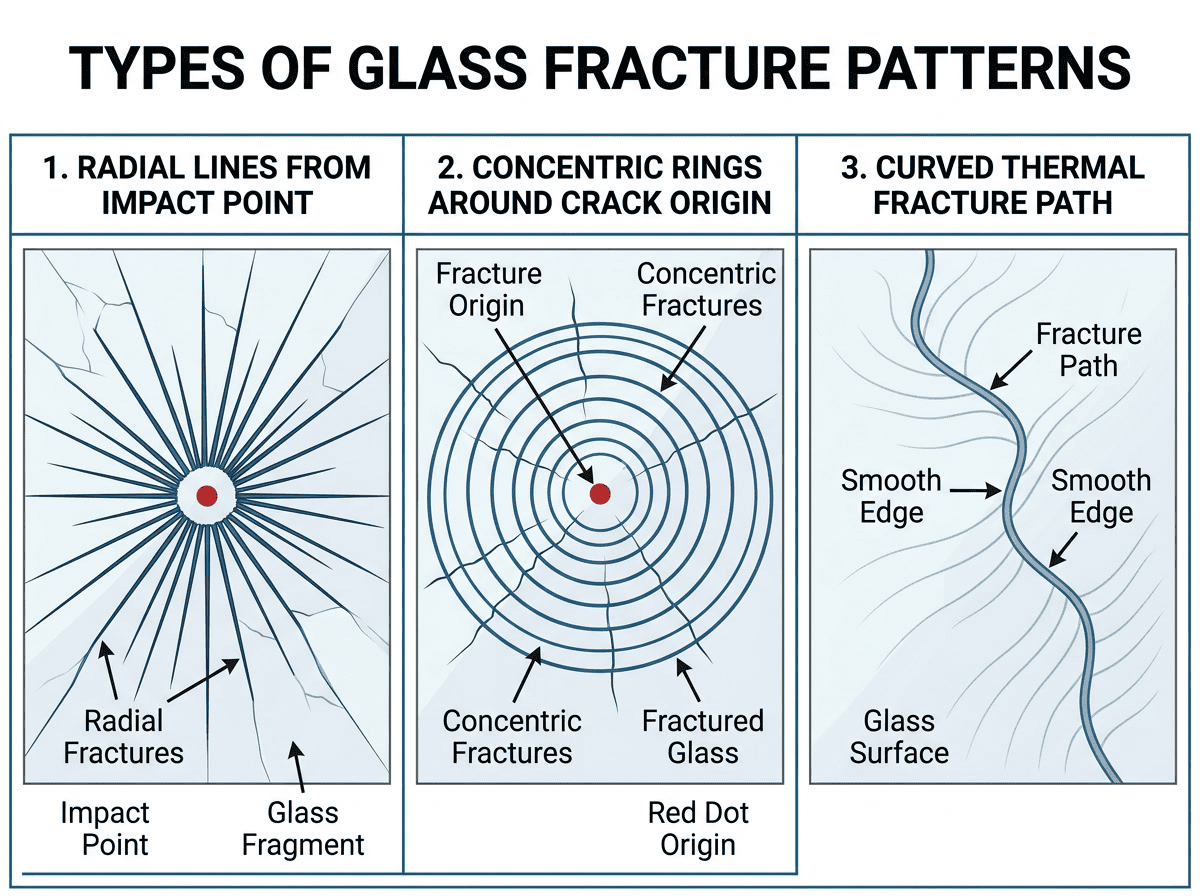
ليس كل تكسر الأواني الزجاجية يبدو بنفس الشكل. محللو الزجاج الجنائي — وأي شخص ينظر بعناية إلى الزجاج المكسور — يتعرفون على أنماط كسور مميزة تكشف سبب الفشل. وفقًا دليل المرجع الخاص بمعهد القياس الوطني المصري حول كسور السيراميك والزجاج, أنماط الكسور في الزجاج قابلة للتكرار وتشخيصية: نفس السبب ينتج نفس النمط باستمرار. قراءة النمط تخبرك بما حدث.
كسور شعاعية
الكسور الشعاعية تنتشر من نقطة الأصل مثل أشعة العجلة. إنها العلامة الكلاسيكية للتأثير الميكانيكي — تظهر عندما يسقط الزجاج أو يُضرب بقوة بواسطة جسم صلب. النقطة التي تتجمع فيها خطوط الكسر (أو تكاد تتجمع) تحدد مكان بدء الكسر. في أغطية المصابيح الزجاجية، غالبًا ما تنشأ الكسور الشعاعية عند نقاط التثبيت أو على حافة الإطار حيث يلامس الزجاج قطعة معدنية — ليس دائمًا حيث تتوقع بدء الكسر.
الميزة التشخيصية الرئيسية للكسر الشعاعي هي الاتجاهية. مرر إصبعك (بحذر، على قطعة غير متأثرة) على خط الكسر من نقطة الأصل: يجب أن يكون سطح الكسر منحنيًا قليلاً، ينحني بعيدًا عن الجانب الذي جاء منه القوة — يُسمى هذا نمط “الهاكل”، ويشير إلى موقع التأثير.
كسور دائرية (هرتزيانية)
تتشكل الكسور المتراكزة على شكل دوائر أو أقواس حول نقطة الاصطدام. وعند اجتماعها مع الكسور الشعاعية، تخلق النمط المميز المعروف باسم “عين الثور” الذي نراه في زجاج السيارات والشاشات المتشققة. تتكون الحلقات المتراكزة عندما تنعكس موجات الإجهاد عبر الزجاج بعد الاصطدام الأولي، مما يخلق مناطق توتر ثانوية على مسافات محددة من نقطة الأصل.
في الزجاج المنزلي الرقيق — مثل الأكواب، كؤوس النبيذ، زجاج أغطية المصابيح — تكون الكسور المتراكزة النقية أقل شيوعًا لأن الزجاج رقيق جدًا بحيث لا يتحمل الشكل الكامل لمخروط هيرتزيان. من المرجح أن ترى نمط عين الثور الجزئي مع خطوط شعاعية. تظهر الكسور المتراكزة الحقيقية والمتطورة غالبًا في الزجاج السميك المزخرف، وزجاج الألواح، وزجاج البناء.
الكسور الحرارية
الكسور الحرارية هي النوع الأكثر سوء فهم وربما الأكثر أهمية لمالكي أغطية المصابيح الزجاجية. تظهر على شكل شقوق ناعمة ومنحنية تتجول عبر سطح الزجاج بانحناءات لطيفة وتغيرات في الاتجاه — وغالبًا ما توصف بأنها كسور “كسولة” لأنها تفتقر إلى الحدة في الاتجاه مثل كسور الاصطدام.
وفقًا لـ التغطية التقنية في ويكيبيديا حول الكسور الحرارية في الزجاج, ، يتبع مسار الشق في الكسر الحراري مسار أقصى توتر ناتج عن تدرج درجة الحرارة في لحظة الفشل. عندما يسخن أو يبرد أحد جانبي قطعة الزجاج أسرع من الآخر، يرغب الجانبان في التمدد أو الانكماش بمعدلات مختلفة. يؤدي عدم التوافق بين الشد والضغط إلى الفشل عند النقطة التي يكون فيها التوتر أعلى — وتتحرك هذه النقطة مع تغير تدرج الحرارة، مما ينتج عنه مسار شق متعرج.
من الخصائص المهمة للكسور الحرارية: غالبًا ما تكون أسطح الكسر ناعمة ومسطحة، دون علامات الخشونة المعتادة في كسور الاصطدام. وهذا يجعل من السهل تمييزها عن الأضرار الميكانيكية حتى بعد حدوثها.
| نوع الكسر | النمط البصري | السبب الرئيسي | الأكثر شيوعًا في |
|---|---|---|---|
| شعاعي | خطوط تشع من نقطة | اصطدام، تصادم، سقوط | أكواب، أغطية مصابيح، نوافذ |
| متراكز | حلقات دائرية/قوسية حول نقطة الاصطدام | تلامس قوي حاد | زجاج سميك، زجاج سيارات، زجاج ألواح |
| حراري | شق أملس، منحني، متعرج | فرق سريع في درجات الحرارة | أغطية مصابيح، أواني الفرن، أواني الطهي |
| عفوي | عشوائي بدون نقطة منشأ واضحة | شوائب NiS في الزجاج المقسى | زجاج مقسى، زجاج معماري |
| إجهاد | شقوق دقيقة عند مراكز تركيز الإجهاد | تكرار الدورات دون الوصول للفشل | أواني زجاجية يتم التعامل معها بشكل متكرر |
أهم أسباب تكسر الأواني الزجاجية
فهم أنواع الكسور يخبرك كيف ينكسر الزجاج. هذه الأسباب الأربعة تمثل الغالبية الساحقة من حوادث تكسر الأواني الزجاجية في المنازل والمطاعم والأماكن التجارية.
الصدمة الحرارية — السبب الأول
الصدمة الحرارية هي التغير المفاجئ وغير المتجانس في درجة الحرارة الذي يخلق تمدداً مختلفاً داخل قطعة واحدة من الزجاج. يتمدد الزجاج عند تسخينه وينكمش عند تبريده — لكنه يفعل ذلك بمعدل ثابت ومتوقع (معامل التمدد الحراري). إذا تغيرت درجة حرارة جزء من الزجاج أسرع من جزء آخر، يحاول جزء أن يتمدد بينما يقاوم الجزء المجاور. الإجهاد الداخلي الناتج يمزق الزجاج.
سيناريوهات الصدمة الحرارية الكلاسيكية التي تسبب تكسر الأواني الزجاجية:
- سكب ماء مغلي في كوب زجاجي لم يتم تدفئته مسبقاً
- تمرير ماء بارد فوق كوب زجاجي ساخن خارج من غسالة الصحون
- نقل الأدوات الزجاجية من الثلاجة مباشرة إلى الميكروويف
- وضع زجاج ساخن مباشرة على سطح من الجرانيت أو المعدن البارد
- تشغيل مصباح بغطاء زجاجي بارد في غرفة باردة (جانب المصباح يسخن فوراً؛ السطح الخارجي يستغرق وقتاً أطول)
المتغير الحاسم هو فرق درجة الحرارة عبر الزجاج, وليس درجة الحرارة المطلقة. الزجاج الذي يجلس بشكل موحد عند 150 درجة مئوية لا يتعرض لأي ضغط خاص. إذا صببت عليه ماءً بارداً فقد يفشل خلال ثوانٍ.
معظم الزجاج العادي من نوع الصودا-لايم — النوع المستخدم في معظم أكواب الشرب المنزلية، المزهريات الزخرفية، وكرات المصابيح — لديه مقاومة للصدمة الحرارية تقريباً بين 40–70 درجة مئوية فرق. الزجاج البوروسيليكات (المعروف بأسماء تجارية مثل بايركس ودوران) يتحمل فروقاً تزيد عن 150 درجة مئوية. الفرق هو معامل التمدد الحراري: البوروسيليكات يتمدد تقريباً ثلاث مرات أقل من الصودا-لايم لنفس التغير في درجة الحرارة، لذا الضغط الناتج عن الفرق يكون أقل نسبياً.
نصيحة عملية: إذا كان عليك غسل الأدوات الزجاجية في ماء ساخن جداً، دعها تبرد تدريجياً على قطعة قماش بدلاً من غمرها تحت ماء بارد جارٍ. تسخين الزجاج مسبقاً بماء دافئ (وليس ساخن) قبل إضافة مشروب ساخن يستغرق 15 ثانية ويقلل بشكل ملحوظ من خطر الصدمة الحرارية.
الصدمة الميكانيكية وأضرار السقوط
الصدمة هي السبب الأكثر وضوحاً لكسر الأدوات الزجاجية. ما هو أقل وضوحاً أن الأدوات الزجاجية غالباً لا ليس تفشل في لحظة الصدمة — بل تفشل لاحقاً، أحياناً بعد ساعات أو أيام، عندما تنتشر الشقوق الدقيقة غير المرئية التي أحدثتها الصدمة تدريجياً تحت ضغط الاستخدام اليومي العادي.
هذا يفسر لماذا الزجاج الذي يبدو أنه “نجا” من السقوط ينكسر لاحقاً بشكل غامض أثناء التعامل العادي. الصدمة أحدثت شقوقاً تحت الحرجة — صغيرة جداً لتسبب الفشل الفوري لكنها كبيرة بما يكفي للنمو. كل دورة استخدام تضيف ضغطاً صغيراً إلى تلك الشقوق حتى تصل إلى الطول الحرج الذي تنتشر فيه بشكل كارثي.
ارتفاع السقوط أقل أهمية مما قد تتوقع. صلابة السطح في نقطة الصدمة أكثر أهمية بكثير. الزجاج الذي يسقط 30 سم على سطح من الجرانيت أكثر عرضة للكسر بشكل ملحوظ من نفس الزجاج الذي يسقط 60 سم على أرضية من الخشب الصلب. الجرانيت ينقل طاقة الصدمة بكفاءة إلى الزجاج؛ الخشب يمتصها ويبددها.
أبحاث من برنامج علوم المواد في جامعة كورنيل حول فشل الزجاج أظهرت أن سرعة انتشار الشقوق في الزجاج محدودة بسرعة الموجة الصوتية في المادة — مما يعني أنه تحت سرعة صدمة معينة، قد ينتج الزجاج عدة شقوق صغيرة بدلاً من كسر كارثي واحد. هذا المبدأ هو أساس تصميم الزجاج الآمن المصفح، حيث تبطئ الطبقات المتعددة انتشار الشقوق وتمنع التفكك الكامل عند الصدمة.
عيوب التصنيع والشقوق المخفية
ليست كل الأدوات الزجاجية تبدأ بقوة متساوية. الممارسات التصنيعية السيئة تدخل عيوباً تقلل بشكل كبير من عمر الخدمة:
التخمير غير الصحيح هو ربما العيب الأكثر شيوعاً وتأثيراً. بعد تشكيل الزجاج — سواء بالنفخ أو الضغط أو الصب — يجب تبريده ببطء وبشكل موحد خلال نطاق التخمير (تقريباً 450–550 درجة مئوية للزجاج الصودا-لايم). هذا يسمح بتخفيف الضغوط الداخلية التي نشأت أثناء التشكيل. التخمير السريع أو غير المتساوي يحبس الضغوط المتبقية داخل الزجاج. الزجاج الذي لم يتم تخميره جيداً يمكن أن يفشل تلقائياً تحت ضغطه الداخلي أو يفشل بجزء من قوته المصنفة تحت الأحمال الخارجية.
الشوائب — فقاعات الهواء، أو جزيئات مقاومة للحرارة، أو مواد غريبة محبوسة داخل الزجاج — تخلق نقاط تركيز للإجهاد الداخلي. في الزجاج الزخرفي وزجاج أغطية المصابيح، تعتبر الفقاعات أحيانًا ميزة جمالية. لكنها ليست محايدة من الناحية الهيكلية: كل فقاعة هي نقطة تركيز للإجهاد وموقع لضعف سمك الجدار.
خطوط القالب وعلامات الوصل — شائعة في كرات أغطية المصابيح الزجاجية المضغوطة — تمثل مواقع تم فيها دمج الزجاج أثناء التشكيل. عند هذه الوصلات، يكون البنية الدقيقة للزجاج مختلفة قليلاً ويكون الإجهاد المتبقي أعلى. غالبًا ما تنشأ الكسور الشعاعية في أغطية المصابيح الزجاجية المضغوطة عند خطوط القالب وليس عند مواقع الصدمة.
عدم انتظام سمك الجدار هو عيب أكثر دقة. عندما يختلف سمك الجدار عبر غطاء المصباح أو الوعاء الزجاجي، تسخن وتبرد الأجزاء الرقيقة أسرع من الأجزاء السميكة، مما يخلق تدرجات حرارية حتى مع تغيرات طفيفة في درجة الحرارة. لهذا السبب يكون الزجاج عالي الجودة أكثر انتظامًا في سمك الجدار — ليس فقط لأسباب جمالية.
قبل تركيب غطاء مصباح زجاجي أو شراء زجاج زخرفي، امسك القطعة أمام مصدر ضوء قوي وقم بفحصها: ابحث عن الفقاعات، خطوط الوصل المرئية، وتغيرات السمك (تظهر كشرائط فاتحة وغامقة). القطعة التي تحتوي على عدة عيوب مرئية يكون عمرها التشغيلي أقل قبل تركيبها.
شرح تكسر الزجاج المفاجئ
قليل من الأشياء أكثر إثارة للقلق من جسم زجاجي — غطاء مصباح، باب دش، لوحة فرن — يتحطم دون أن يُلمس. يُسمى هذا التكسر المفاجئ, ، وفي الزجاج المقسى حراريًا، له سبب محدد وموثق جيدًا: شوائب كبريتيد النيكل (NiS).
أثناء تصنيع الزجاج، يمكن أن يتحد النيكل من مكونات معدات الصلب والكبريت من مصادر الوقود داخل الزجاج المنصهر لتكوين جزيئات كبريتيد النيكل. في الزجاج غير المقسى، تكون هذه الجزيئات غير ضارة ميكانيكيًا. لكن أثناء عملية التقسية — حيث يُسخن الزجاج إلى حوالي 620 درجة مئوية ثم يُبرد بسرعة بالهواء — تصبح جزيئات NiS “محبوسة” في طور عالي الطاقة غير مستقر. على مدى شهور أو سنوات في درجة حرارة الغرفة، تمر هذه الجزيئات بتحول طور وتتمدد بحوالي 41%. هذا التمدد، الذي يحدث داخل الزجاج المقسى بالكامل تحت إجهاد سطحي انضغاطي عالي، يؤدي في النهاية إلى إطلاق الإجهاد المخزن — بشكل كارثي ومفاجئ، مع تحطم الزجاج إلى شظايا صغيرة تشبه النرد، وهي سمة مميزة لفشل الزجاج المقسى.
يمكن أن يحدث التكسر المفاجئ الناتج عن شوائب NiS بعد أيام أو سنوات من التركيب دون أي تحذير أو محفز خارجي. يؤثر ذلك على الزجاج المقسى حراريًا المستخدم في حواجز الدش، أبواب الزجاج، لوحات الأفران، والزجاج المعماري. اختبار النقع الحراري (الاحتفاظ بالزجاج المقسى عند حوالي 290 درجة مئوية لمدة ساعتين) يمكن أن يؤدي إلى تكسر معظم الوحدات المعرضة للخطر في ظروف محكومة — لكنه غير مطبق بشكل شامل في الصناعة، وليس فعالًا بنسبة 100%.
بالنسبة للزجاج الزخرفي غير المقسى وأغطية المصابيح، يكون التكسر “المفاجئ” الظاهر غالبًا فشل ميكانيكي متأخر — شق تحت الحرج من صدمة سابقة نما أخيرًا إلى الحجم الحرج.
تكسر الزجاج في أغطية المصابيح الزجاجية — ما المختلف
تحتل أغطية المصابيح الزجاجية موقعًا فريدًا يجمع تقريبًا كل آليات الفشل المذكورة أعلاه. فهي زجاج زخرفي (قد يحتوي على اختلافات تصنيع وعيوب سطحية)، وتتعرض لحرارة مستمرة من مصدر الضوء، وتلامس معدات معدنية تتمدد وتنكمش بمعدلات مختلفة، ويتم تنظيفها وإعادة تركيبها دوريًا بطرق قد تسبب صدمة حرارية. فهم مخاطر التكسر الخاصة بأغطية المصابيح ضروري لأي شخص يمتلك أو يركب أو يحدد إضاءة زجاجية.
لماذا يعتبر زجاج أغطية المصابيح معرضًا بشكل خاص
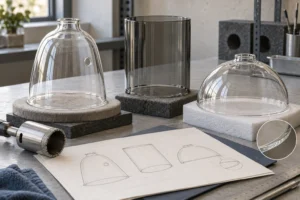
معظم أغطية المصابيح الزجاجية تستخدم زجاج الصودا-الجير المنفوخ أو المضغوط. الزجاج المنفوخ يميل إلى أن يكون أكثر انتظامًا في السمك لكن القطع المنفوخة يدويًا غالبًا ما يكون بها اختلاف طفيف في سمك الجدار. الزجاج المضغوط (يستخدم على نطاق واسع في كرات التعليق، أغطية النمط المدرسي، والمعلقات الأسطوانية) أكثر اتساقًا في الأبعاد لكنه قد يحتفظ بإجهاد خطوط القالب المتبقي.
يتراوح سمك جدار الزجاج النموذجي لأغطية المصابيح بين 2–4 مم — رقيق بما يكفي ليكون خفيف الوزن وشفافًا، لكنه أيضًا رقيق بما يكفي لتكون التدرجات الحرارية عبر الجدار صغيرة نسبيًا حتى مع فروق درجات حرارة خارجية معتدلة. هذا يعني أن الهامش بين “تدرج درجة حرارة التشغيل الآمن” و“تدرج درجة حرارة الفشل” أضيق من الأجسام الزجاجية الأكثر سمكًا.
مصادر الحرارة ومخاطر الدورات الحرارية
العامل الأكثر أهمية في خطر كسر غطاء المصباح الزجاجي هو الدورة الحرارية — التسخين والتبريد المتكرر الذي يحدث في كل مرة يتم فيها تشغيل وإطفاء المصباح. كل دورة تضغط الزجاج قليلاً. على مدى آلاف الدورات، تنمو الشقوق الدقيقة. لهذا السبب قد يتشقق غطاء المصباح الزجاجي الذي عمل بشكل مثالي لمدة عامين فجأة أثناء يوم استخدام عادي تمامًا — التعب التراكمي دفع العيب الموجود مسبقًا إلى حجم حرج.
نوع مصدر الضوء مهم للغاية. المصباح المتوهج التقليدي بقوة 60 وات يصل إلى 200 درجة مئوية أو أكثر عند سطح الزجاج. بينما يبقى مصباح LED بقوة 10 وات ينتج نفس كمية الضوء أقل بكثير من 50 درجة مئوية. إجهاد الدورة الحرارية الناتج عن المصباح المتوهج أكبر بحوالي 10–15 مرة لكل دورة مقارنة بمصباح LED مماثل. التحول إلى مصابيح LED من أكثر الخطوات فعالية لإطالة عمر غطاء المصباح الزجاجي.
بالقدر نفسه من الأهمية: قوة المصباح بالنسبة للحد الأقصى المسموح للغطاء. تجاوز القوة المسموح بها يركز الحرارة عند عنق الزجاج — نقطة التثبيت حيث يلامس الغطاء معدات التركيب — بالضبط حيث تكون ضغوط التلامس من التركيب المعدني في أعلى مستوياتها. هذا الجمع بين الإجهاد الحراري والميكانيكي في نفس الموقع هو وصفة موثوقة للكسر المبكر.
أخطاء التركيب الشائعة التي تسبب كسر الزجاج
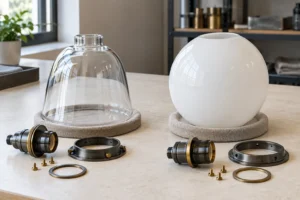
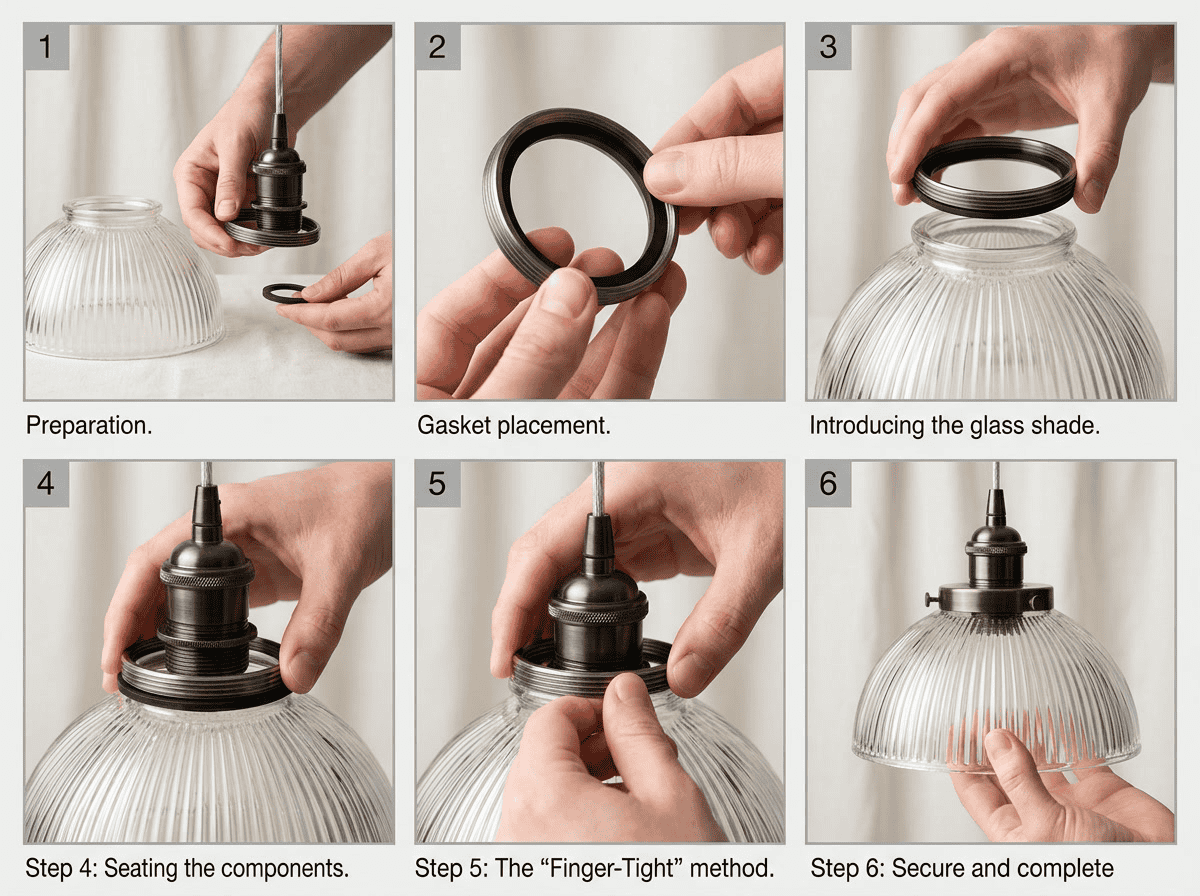
- شد حلقة التثبيت بشكل زائد. الحلقة المعدنية تضغط الزجاج عند نقطة التلامس. عندما يسخن المصباح، يتمدد المعدن للخارج بينما يرغب الزجاج في التمدد في جميع الاتجاهات. إذا كانت الحلقة مشدودة جدًا، فإنها تمنع التمدد الطبيعي للزجاج، مما يخلق إجهادًا موضعيًا عند الحافة. مع الوقت، ينتج عن ذلك كسور شعاعية تبدأ من نقطة التثبيت.
- عدم وجود حشوة بين الزجاج والمعدن. المعدن يتمدد أكثر من الزجاج عند درجات الحرارة المتساوية (معامل التمدد الحراري أعلى). بدون وجود حشوة مطاطية أو سيليكون أو لباد بين التركيب المعدني وحافة الزجاج، تجبر دورات التسخين والتبريد المتكررة الزجاج على التكيف مع حركة المعدن — والزجاج يخسر تلك المساومة.
- تركيب الزجاج البارد على تركيبة دافئة. حتى تركيبات المصابيح بدرجة حرارة الغرفة يمكن أن تكون أكثر دفئًا بـ 20–30 درجة مئوية من الزجاج القادم من جراج غير مدفأ أو تخزين خارجي. تركيب الزجاج المبرد مباشرة على تركيب دافئ يخلق تدرجًا حراريًا فوريًا عند نقطة التلامس.
- تجاهل الشقوق الدقيقة. الشق الدقيق في غطاء المصباح الزجاجي ليس عيبًا شكليًا — بل هو فشل هيكلي قيد التقدم. يجب استبدال أغطية المصابيح الزجاجية التي تحتوي على شقوق دقيقة فورًا، ولا يجب استخدامها حتى “تنكسر فعليًا”.”
كيفية منع كسر الزجاج
منع الصدمة الحرارية، الحماية الميكانيكية، والشراء الواعي هي الركائز الثلاث لمنع كسر الزجاج. لا يتطلب أي منها معدات باهظة الثمن — فقط عادات ثابتة وفهم أساسي لآليات الفشل المذكورة أعلاه.
أفضل ممارسات التخزين والتعامل
لأكواب الشرب والأواني الزجاجية الزخرفية:
- خزن الأكواب بوضعها بشكل قائم، ولا تضعها متداخلة من الحافة إلى الحافة (تكديس الحواف ينقل الأحمال النقطية إلى أكثر الحواف عرضة للتلف)
- اترك مسافة لا تقل عن 1 سم بين الأكواب المخزنة في الخزائن — الاهتزاز والاحتكاك يسببان أضرارًا دقيقة تتراكم مع الوقت
- استخدم فواصل أرفف أو فواصل من اللباد في أي بيئة تخزين بها اهتزاز متكرر (بالقرب من معدات التكييف، أو في الطوابق فوق مناطق حركة الأقدام)
- افحص الأواني الزجاجية كل بضعة أشهر — امسك كل قطعة أمام مصدر ضوء وابحث عن شقوق أو خدوش أو تشققات دقيقة على الحافة أو القاعدة
بالنسبة لأغطية المصابيح الزجاجية تحديدًا:
- استخدم دائمًا حشوة مطاطية أو سيليكون بين الزجاج وأي قطعة تثبيت معدنية — هذا الإجراء البسيط يمنع السبب الأكثر شيوعًا لتلف أغطية المصابيح
- شد حلقات التثبيت حتى تصبح محكمة بالأصابع فقط، ثم ربع لفة إضافية فقط — لا تشد أبداً قطع تثبيت الغطاء الزجاجية بقوة
- اترك أغطية المصابيح الجديدة تتأقلم مع درجة حرارة الغرفة (على الأقل 30 دقيقة بعد إخراجها من التخزين البارد أو النقل الخارجي) قبل تركيبها على المصباح المضاء
- عند التنظيف، تجنب الفروقات الحرارية الشديدة: استخدم ماء بدرجة حرارة الغرفة أو دافئ قليلاً فقط، وادعم القطعة من الأسفل بدلاً من الإمساك بالحافة
نصائح لإدارة درجات الحرارة
معظم حالات كسر الزجاج بسبب الصدمة الحرارية يمكن تجنبها بإدارة درجات الحرارة بشكل بسيط:
- سخن الأكواب مسبقًا قبل إضافة السوائل الساخنة — مرر ماء دافئ من الصنبور على الخارج لمدة 15–20 ثانية لتقليل الفارق الحراري عند صب السائل الساخن
- اترك الأواني الزجاجية الساخنة تبرد على قطعة قماش مطوية أو حصيرة سيليكون — وليس مباشرة على الحجر البارد أو المعدن أو بلاط السيراميك
- استخدم الزجاج البورسليكاتي لأي استخدام منتظم لدرجات الحرارة العالية — المشروبات الساخنة، أو استخدام الفرن، أو مصابيح الإضاءة عالية القدرة. ميزة مقاومة الصدمة الحرارية (أكثر من 150 درجة مئوية مقابل 40–70 درجة مئوية للزجاج الصودا-الجيري) حقيقية وملحوظة
- لا تضع الزجاج البارد جدًا في الميكروويف — الحرارة تتركز داخل السائل بينما يبقى جدار الزجاج أبرد، مما يسبب صدمة حرارية من الداخل إلى الخارج
- استبدل المصابيح بمصابيح LED في جميع وحدات الإضاءة ذات الغطاء الزجاجية — تقليل درجة الحرارة كبير ويمد بشكل مباشر من عمر خدمة الغطاء الزجاجي
اختيار الزجاج المقاوم للكسر
تركيبة الزجاج التي تختارها عند الشراء تحدد الحد الأعلى لمقاومة الكسر. لا يمكن لأي قدر من التعامل الحذر أن يعوض تمامًا عن الزجاج ذي الخصائص الحرارية الضعيفة في التطبيقات الشاقة.
| نوع الزجاج | مقاومة الصدمة الحرارية | مقاومة الصدمات | أفضل تطبيق |
|---|---|---|---|
| زجاج الصودا-الجير | ~40–70 درجة مئوية فرق حراري | متوسط | المشروبات الباردة، الأغراض الزخرفية، الأغطية الزجاجية منخفضة الاستطاعة |
| زجاج البورسليكات | ~150–200 درجة مئوية فرق حراري | متوسط | المشروبات الساخنة، الاستخدام في الفرن، الأغطية الزجاجية عالية الاستطاعة |
| الزجاج المقسى (المقوى) | ~200 درجة مئوية أو أكثر فرق حراري | أقوى من الزجاج الملدن بـ 4–5 مرات | أغطية الإضاءة الخارجية، الزجاج المعماري، المناطق ذات الحركة الكثيفة |
| زجاج الألومينوسيليكات | ~200 درجة مئوية أو أكثر فرق حراري | عالٍ | تطبيقات خاصة لدرجات الحرارة العالية، أواني الطهي الفاخرة |
| الزجاج الرقائقي | متوسط | مقاومة عالية جدًا — يحتفظ بالتشقق | التزجيج الآمن، التزجيج المائل، الأرضيات الزجاجية |
بالنسبة للأغطية الزجاجية الداخلية القياسية المستخدمة مع مصابيح LED، فإن الزجاج الجيد من نوع الصودا-الجير مناسب تمامًا — بشرط تركيبه وصيانته بشكل صحيح. أما للأغطية الخارجية المعرضة للأمطار وتغيرات الحرارة، فالزجاج المقسى حراريًا هو المواصفة الصحيحة. وفي تطبيقات الهالوجين عالية الاستطاعة أو المصابيح المتوهجة الخاصة، يوفر البوروسيليكات حماية فعالة.
عند تقييم ظل زجاجي للشراء، ابحث عن:
- سُمك جدار موحد — يظهر كتجانس في الشفافية عند تعريضه لمصدر ضوء
- غياب الفقاعات أو الشوائب — تظهر كبقع داكنة أو تشوهات على خلفية مضيئة
- حواف ناعمة مصقولة بالنار على الكرات وظلال المصابيح المعلقة — الحواف المقطوعة آلياً تحتوي على ميكرو-تعرجات تعمل كمواقع بدء التشقق
- تصنيف قدرة كهربائية معلنة — يجب أن تحمل أي غطاء مصباح ذات جودة مواصفة الحد الأقصى للقدرة الكهربائية
اتجاهات مستقبلية في الأواني الزجاجية المقاومة للكسر (2026+)
تعمل صناعة الزجاج بنشاط على تطوير أواني زجاجية من الجيل التالي تقل فيها حالات الكسر — مدفوعة بمطالب سلامة المستهلكين، وضغط الاستدامة لتقليل نفايات الزجاج، والتكلفة الاقتصادية للكسر في البيئات التجارية.
تركيبات زجاجية ومعالجات سطحية من الجيل التالي
تقوية الزجاج بتبادل الأيونات — والتي تُستخدم بالفعل على نطاق واسع في شاشات الهواتف الذكية تحت أسماء تجارية مثل كورنينج جوريلا جلاس وAGC دراجونتريل — يتم تكييفها بشكل متزايد للأواني المنزلية والزجاج الزخرفي. تتضمن العملية غمر الزجاج المشكل في حمام ملح بوتاسيوم منصهر، واستبدال أيونات الصوديوم الأصغر على سطح الزجاج بأيونات بوتاسيوم أكبر. يؤدي اختلاف الحجم إلى تكوين طبقة إجهاد انضغاطي في الطبقة الخارجية من الزجاج بسمك 40–80 ميكرون، والتي يجب التغلب عليها قبل أن ينتشر أي تشقق سطحي. النتيجة هي تحسين مقاومة السقوط والخدش بمقدار 3–5 مرات دون تغيير في الخصائص البصرية.
ظهرت منتجات تجارية مبكرة تطبق معالجة تبادل الأيونات على الأواني المنزلية في السوق، والتقنية تنتقل تدريجياً إلى تطبيقات الزجاج الزخرفي وأغطية المصابيح مع استمرار انخفاض تكلفة التصنيع.
المعالجات السطحية باستخدام طلاءات سول-جيل الواقية هي طريق آخر. هذه الطلاءات الرقيقة (عادة أقل من 1 ميكرون) تملأ الخدوش الدقيقة على السطح وتقلل عامل تركيز الإجهاد عند العيوب الموجودة. تُستخدم بالفعل على بعض الأواني الزجاجية المختبرية ويتم تقييمها لتطبيقات المستهلكين.
كما هو موضح في بحث جامعة نوتردام حول تكسر أواني الطهي الزجاجية, ، يحدث الفشل في معظم الأجسام الزجاجية ليس لأن المادة تفتقر إلى القوة النظرية، بل لأن التلف السطحي المتراكم مع الوقت يسمح بانتشار التشققات تحت إجهاد منخفض. تشير هذه الرؤية مباشرة إلى المعالجة السطحية كأكثر الطرق العملية على المدى القريب لإطالة عمر خدمة الأواني الزجاجية.
المراقبة الذكية والكشف التنبؤي عن الكسر
مراقبة الانبعاث الصوتي — تقنية مستخدمة منذ فترة طويلة في فحص خطوط الأنابيب الصناعية وأوعية الضغط — يتم تصغيرها الآن لتناسب تطبيقات البناء والمستهلكين. تكتشف هذه الأنظمة التواقيع الصوتية لانتشار التشققات تحت الحرجة في الزجاج قبل أن تصل التشققات إلى طول الفشل، مما يوفر إنذاراً قبل حدوث الكسر الكارثي.
بالنسبة للزجاج المعماري عالي القيمة (الجسور الزجاجية، الأرضيات الزجاجية، الدرابزينات الزجاجية الهيكلية)، تتوفر مثل هذه الأنظمة بالفعل تجارياً. أما بالنسبة للزجاج الزخرفي وأغطية المصابيح المنزلية، فمن المتوقع أن يكون الانتشار الاقتصادي لهذه التقنية خلال 5–10 سنوات قادمة — لكن الاتجاه واضح.
الأقرب على المدى القصير: أنظمة فحص الجودة بالرؤية الآلية التي يستخدمها مصنعو الزجاج يمكنها الآن اكتشاف العيوب السطحية، والشوائب، وتفاوت السماكة، وعدم انتظام التبريد التي كانت تفلت من فحص الجودة البشري. الأواني الزجاجية المصنعة بهذه الأنظمة سيكون لديها معدلات عيوب أقل بشكل ملحوظ — مما يؤدي مباشرة إلى عمر خدمة أطول قبل حدوث الكسر.
| تطوير | الجدول الزمني | التأثير المتوقع على كسر الزجاجيات |
|---|---|---|
| معالجة التبادل الأيوني للزجاج الزخرفي | الآن–2027 | تحسين مقاومة السقوط بمقدار 3–5 مرات |
| طلاءات سطحية واقية بتقنية السول-جيل | الآن–2026 | مقاومة خدش ممتدة، ونمو أبطأ للعيوب |
| فحص جودة بصرية بالذكاء الاصطناعي في المصنع | الآن (لدى الشركات المصنعة الفاخرة) | معدلات عيوب أقل، وعيوب خفية أقل |
| مراقبة الشقوق بانبعاثات صوتية | 2028–2032 لتطبيقات المستهلكين | إنذار مبكر قبل الفشل |
| طلاءات زجاجية ذاتية الإصلاح | 2030+ | إمكانية إيقاف نمو الشقوق السطحية |
الأسئلة الشائعة: كسر الزجاجيات
كيف أوقف كسر الزجاجيات بشكل متكرر؟
ابدأ بمراجعة ممارساتك في درجات الحرارة — أكثر الحلول شيوعًا هو القضاء على الصدمة الحرارية عن طريق تدفئة الأكواب قبل إضافة السوائل الساخنة وترك الزجاج الساخن يبرد تدريجيًا قبل الشطف. ثم تحقق من التخزين: تكديس الحواف فوق بعضها يضر أكثر الحواف هشاشة في كل استخدام. إذا استمر الكسر بعد هذه التغييرات، انتقل إلى نوع زجاج أقوى (بوروسيليكات للاستخدامات الساخنة) أو افحص ما إذا كانت درجة حرارة ماء غسالة الصحون وإعدادات الدورة قوية جدًا على الزجاجيات الخاصة بك.
لماذا تستمر أكواب الشرب الخاصة بي في الكسر؟
الكسر المتكرر غالبًا ما ينتج عن استخدام غسالة الصحون، أو تلف الحافة بسبب التكديس، أو تراكم أضرار الصدمات الخفية مع الوقت. تجمع غسالات الصحون بين ثلاثة عوامل ضغط على الزجاج في نفس الوقت: الماء الساخن، كيمياء المنظفات القوية، وتغيرات درجة الحرارة السريعة في نهاية الدورة. غسل الزجاجيات يدويًا في ماء فاتر يطيل عمرها بشكل كبير. كما يجب فحص ما إذا كانت الأكواب تتشقق أولاً عند الحافة — فالحافة المتشققة تركز الضغط وتسرع الفشل.
عند أي وزن ينكسر الزجاج؟
الزجاج لا يفشل عند حد وزن معين — بل يفشل عند مستوى إجهاد، والذي يعتمد على كيفية توزيع الحمل عبر مساحة التلامس. القوة الحادة والمركزة جدًا (مثل حافة السكين أو رأس الحجر) يمكن أن تكسر الزجاج عند نيوتنات قليلة فقط. نفس الزجاج قد يتحمل مئات النيوتنات إذا كان التلامس عريضًا ومبطنًا. هندسة التحميل مهمة بقدر أهمية مقدار الحمل — ولهذا السبب تقلل الحشوات المطاطية في تركيبات غطاء المصباح بشكل كبير من خطر الكسر حتى وإن لم تقلل من قوة التثبيت.
لماذا ينكسر الزجاج تلقائيًا دون أن يُلمس؟
في الزجاج المقسى حراريًا، يحدث الكسر التلقائي بسبب شوائب كبريتيد النيكل التي تخضع لتحول طوري بطيء بعد التقسية، فتتمدد بحوالي 41٪ وتؤدي إلى إطلاق مفاجئ للإجهاد الانضغاطي المخزن في الزجاج. في الزجاج غير المقسى، يكون الكسر التلقائي الظاهري غالبًا فشلًا متأخرًا نتيجة ضرر سابق من صدمة أو ضربة — شقوق دون الحد الحرج نمت مع الوقت حتى وصلت لطول الفشل دون أي محفز خارجي إضافي.
هل يمكنني الاستمرار في استخدام غطاء مصباح زجاجي بها شرخ شعري؟
لا. الشرخ الشعري في الغطاء المصباح الزجاجيية هو ضرر هيكلي نشط، وليس عيبًا تجميليًا. هذا الشرخ سينمو مع تغيرات الحرارة الناتجة عن المصباح. الفشل سيحدث — والسؤال فقط متى. الاستمرار في استخدام أباجورة بها شرخ يعرضك لخطر كسر مفاجئ للزجاج وحدوث إصابة. استبدلها فورًا.
هل يستحق زجاج البورسليكات فرق السعر في أغطية المصابيح؟
بالنسبة للأباجورات المستخدمة مع لمبات متوهجة أو هالوجين عند أو بالقرب من القدرة الاسمية، نعم — مقاومة البورسليكات العالية جدًا للصدمات الحرارية (أكثر من 150 درجة مئوية مقابل 40–70 درجة للزجاج الصودا-الجيري) تقلل بشكل ملحوظ من خطر الفشل بسبب تغيرات الحرارة. أما أغطية المصابيح المستخدمة مع لمبات LED الحديثة، والتي تعمل بحرارة أقل بكثير، فالزجاج الصودا-الجيري الجيد كافٍ تمامًا عند تركيبه بشكل صحيح مع الحشوات المناسبة وعزم التثبيت الصحيح.
كيف أتخلص بأمان من الزجاج المكسور؟
لف الزجاج المكسور بعدة طبقات من الجرائد أو ضعه في صندوق كرتون صلب قبل التخلص منه. لا تضع الزجاج المكسور مباشرة في كيس بلاستيك — سيخترق الكيس ويشكل خطر جرح لعمال النظافة. كما هو موثق في إرشادات الصحة والسلامة البيئية بجامعة آيوا حول التخلص من الأدوات الحادة والزجاج المكسور, ، وضع الزجاج في حاويات لينة هو أحد الأسباب الرئيسية لإصابات الجروح بين عمال إدارة النفايات.
ما هي أفضل طريقة لتنظيف أغطية المصابيح الزجاجية دون خطر الكسر؟
استخدم ماءً فاترًا — ليس ساخنًا ولا باردًا. ادعم الأباجورة من الأسفل بدلًا من الإمساك بالحافة. استخدم قطعة قماش ناعمة وخالية من الوبر. دع الأباجورة تجف تمامًا في الهواء قبل إعادة تركيبها على المصباح الدافئ. تجنب المنظفات القوية التي تحتوي على الأمونيا مع زجاج البورسليكات؛ فالأمونيا بتركيزات عالية قد تهاجم سطح الزجاج مع التعرض المتكرر.

الخلاصة
كسر الزجاج ليس عشوائيًا. تقريبًا كل قطعة مكسورة لها سبب يمكن تتبعه — صدمة حرارية، تلف دقيق متراكم من الاستخدام والغسيل في غسالة الصحون، عيب تصنيعي أضعف الزجاج قبل وصوله لمنزلك، أو إجهاد أثناء التركيب أدى إلى فشل الزجاج مع الوقت. فهم هذه الآليات يحول الكسر من إحباط لا مفر منه إلى مشكلة يمكن الوقاية منها إلى حد كبير.
بالنسبة لأغطية المصابيح الزجاجية تحديدًا، فإن مزيج تغيرات الحرارة الناتجة عن مصدر الضوء، والتمدد المختلف بين الزجاج والمعدن، وتركيبة الزجاج الزخرفي يخلق مخاطر يمكن تقليلها بشكل كبير باحتياطات بسيطة: تركيب صحيح مع حشوات مطاطية، قدرة لمبة مناسبة، انتقالات حرارية تدريجية أثناء التنظيف والتركيب، وفحص منتظم لعلامات الشقوق المبكرة. التحول إلى لمبات LED وحده يقلل من إجهاد تغير الحرارة على الغطاء المصباح الزجاجيية بمقدار عشرة أضعاف — وهو التغيير الأكثر فعالية الذي يمكن لمعظم المستخدمين القيام به.
في المرة القادمة التي تختار فيها غطاء مصباح زجاجي أو قطعة زجاجية زخرفية، ستعرف ما الذي تبحث عنه — سمك جدار موحد، زجاج نظيف وخالٍ من الفقاعات، حواف ناعمة مصقولة بالنار، وتصنيف قدرة واضح. هذا العلم، عند تطبيقه باستمرار، هو أكثر وسيلة فعالة لمنع كسر الزجاج.