COMMERCIAL CHANDELIER GLASS FOR LIGHTING BRANDS, HOTELS AND REPLACEMENT PROJECTS

Custom Glass Chandelier Shades

Source custom glass chandelier shades as individual cups, globes, bells, petals, leaves or complete matched sets. JX supports lighting brands, hotel and hospitality projects, fixture makers, distributors and restoration buyers with product selection, custom glass development, fitter coordination, sample approval and set-based packing.

Send the fixture drawing, number of arms, glass-piece count, attachment method, opening or center-hole details, target material and finish, project quantity and required replacement strategy. We will separate standard product references from custom components so every item follows the correct sample, tooling and approval path.
Two people enjoying dinner under a glass lampshade chandelier in a cozy dining room.

Useful first brief: fixture elevation, arm and glass count, one surviving shade or reference image, fitter or center-hole dimensions, glass color and finish, set quantity, spare policy and project destination.

Glass Chandelier Shade Programs by Buyer Need

The commercial page serves buyers who need a quoteable glass set. The existing chandelier guide remains the informational resource for styles and selection.

Lighting Brands and Fixture Makers

Develop chandelier glass shades around an arm layout, hardware interface, drawing revision, product SKU, sample and repeat-production file.

Hotel and Hospitality Projects

Coordinate lobby, restaurant, guest-room and public-area chandelier glass by fixture tag, room or zone, mockup approval, delivery phase and set packing.

Replacement and Restoration Buyers

Match a broken or missing chandelier glass shade using the surviving piece, holder, opening, neck, center hole, body dimensions and finish reference.

Distributors and Importers

Create a wholesale assortment with item codes, set quantities, mixed profiles, packing, labels and separate records for catalogue and custom products.

Glass Chandelier Shades and Components

These live products show the range from replacement chandelier glass shades to sculptural components. Each is a starting reference; the actual fitter, set count, color range, finish and manufacturing route must be confirmed.
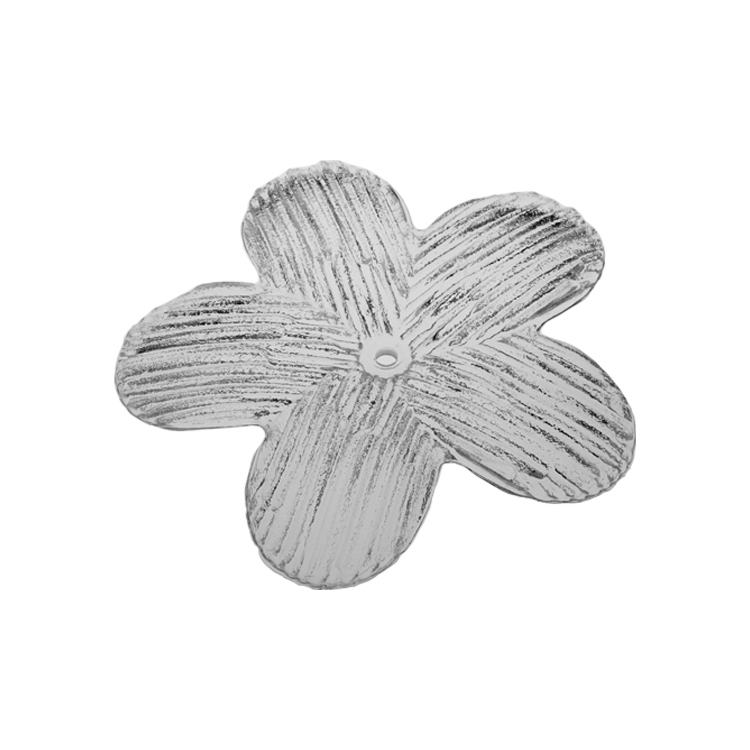
Glass flower lampshade, decorative lighting accessory for home and commercial spaces.

Glass Petals and Leaves

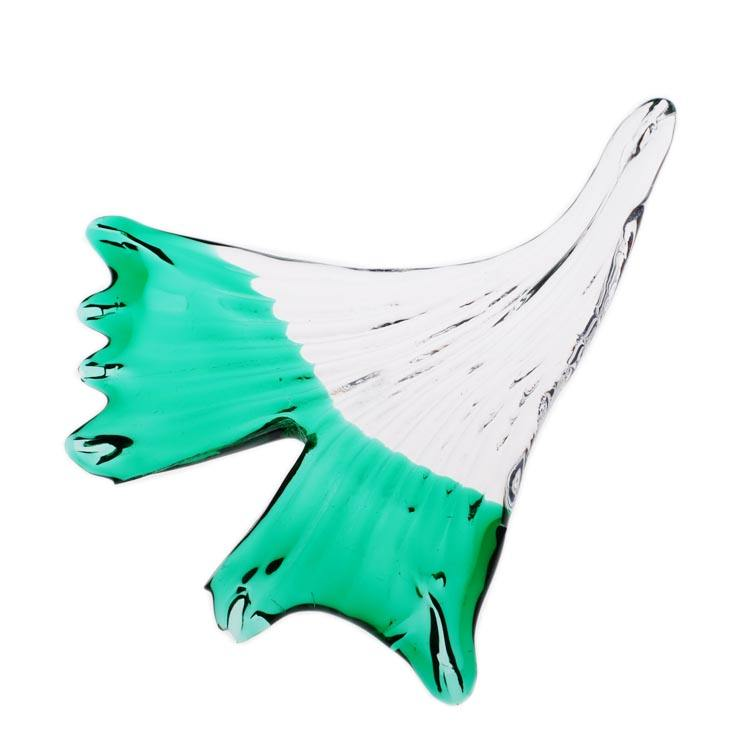
Individual glass petals, leaves and center-hole components for statement chandeliers. Define the piece count, visible face, attachment point, orientation and set packing.
Handcrafted glass lampshade with turquoise accents, perfect for custom lighting solutions.

Hotel Chandelier Leaf Components

Hand-formed leaf and wave components for lobby and feature-light installations. Approve the shape range, color reference and arrangement using the fixture schedule.
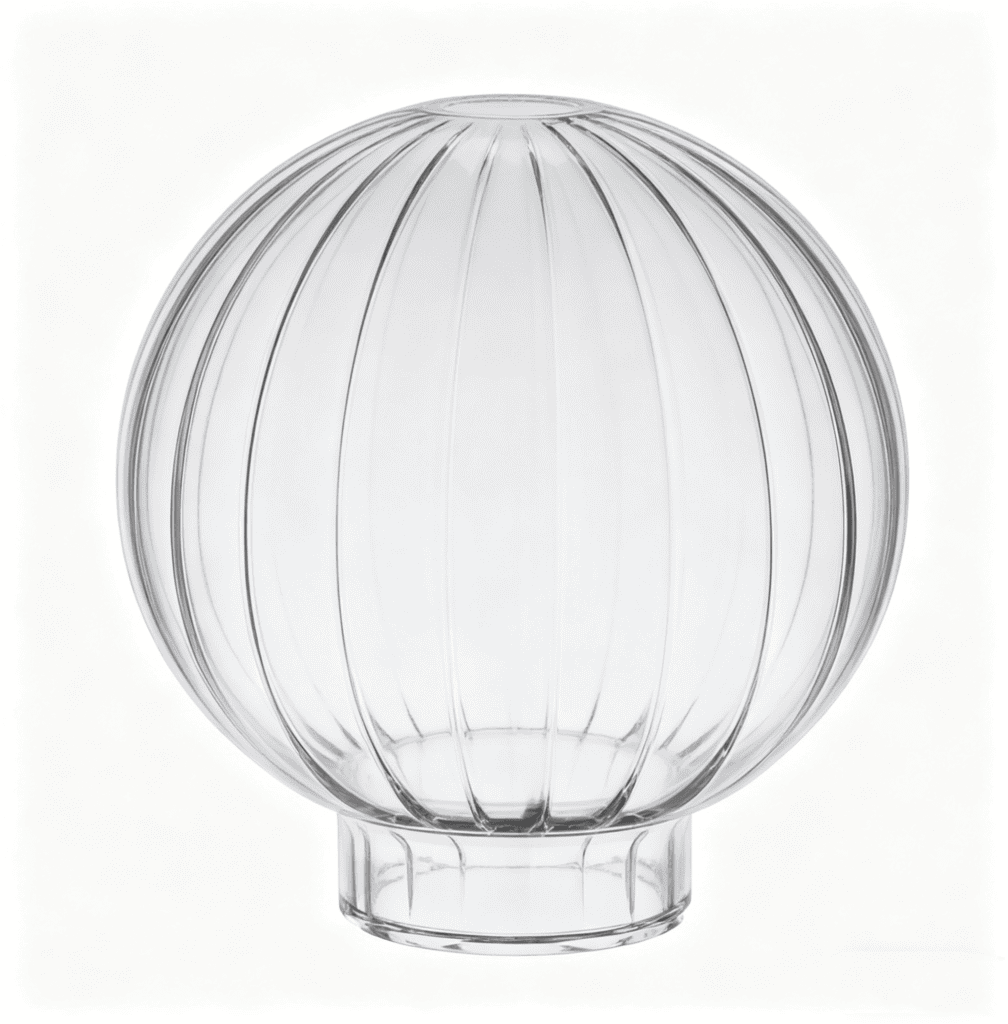
Clear ribbed glass globe lamp shade replacement for pendant light

Clear Ribbed Globe Shade

A ribbed clear globe reference for pendant and chandelier arms. Confirm screw or neck details, opening, overall diameter, rib direction and replacement-set quantity.
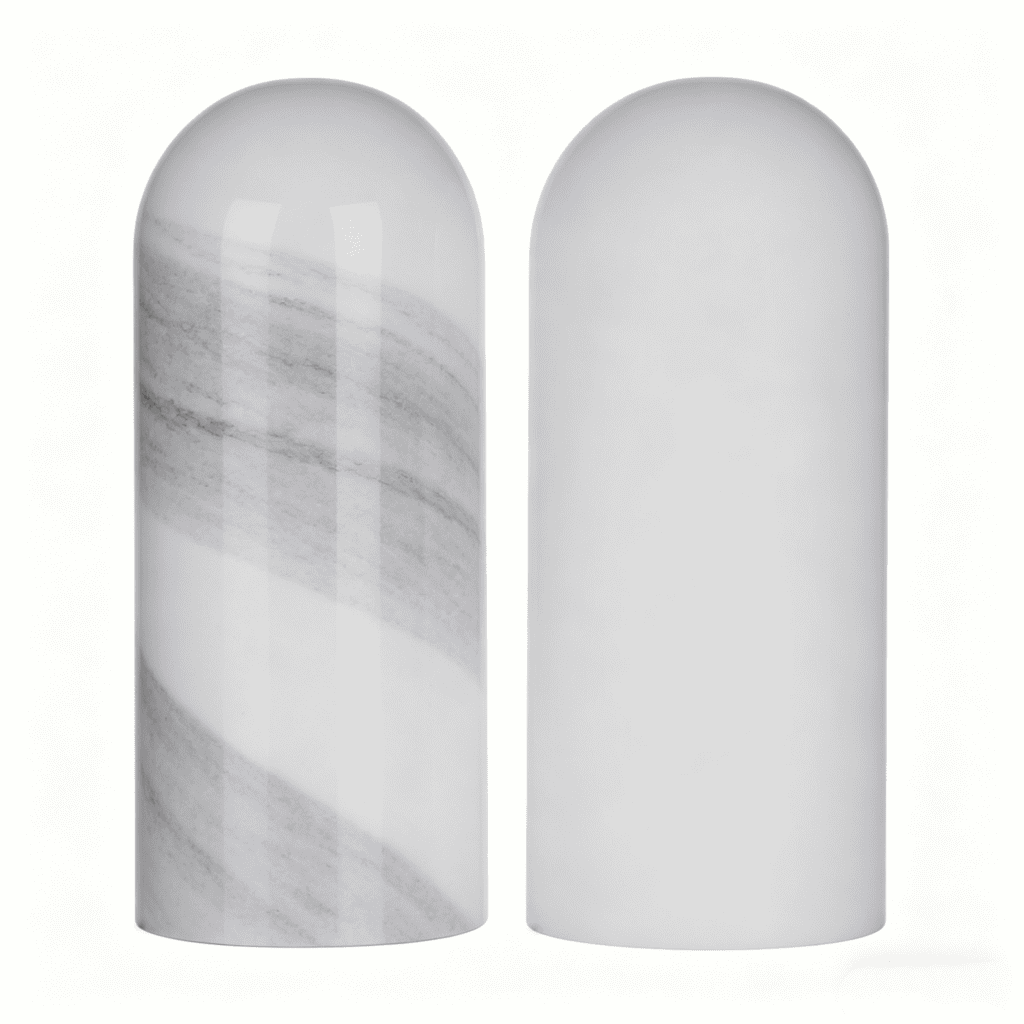
Opal white glass lampshade material for soft diffused light

Opal Chandelier Globe

An opal white globe reference for diffused chandelier lighting. For a multi-arm fixture, approve tone, opacity, fitter and body diameter across the complete set.
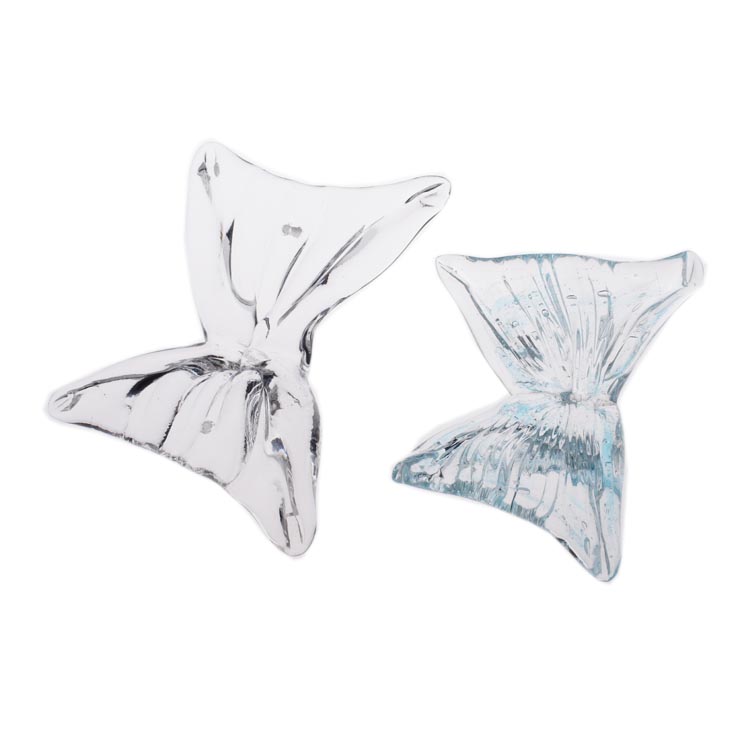
Glass lampshade with butterfly shape, perfect for stylish lighting fixtures.

Butterfly Art Glass Shade

A sculptural clear-glass reference for decorative chandeliers and grouped lighting. Record wing profile, center interface, orientation and acceptable handmade variation.
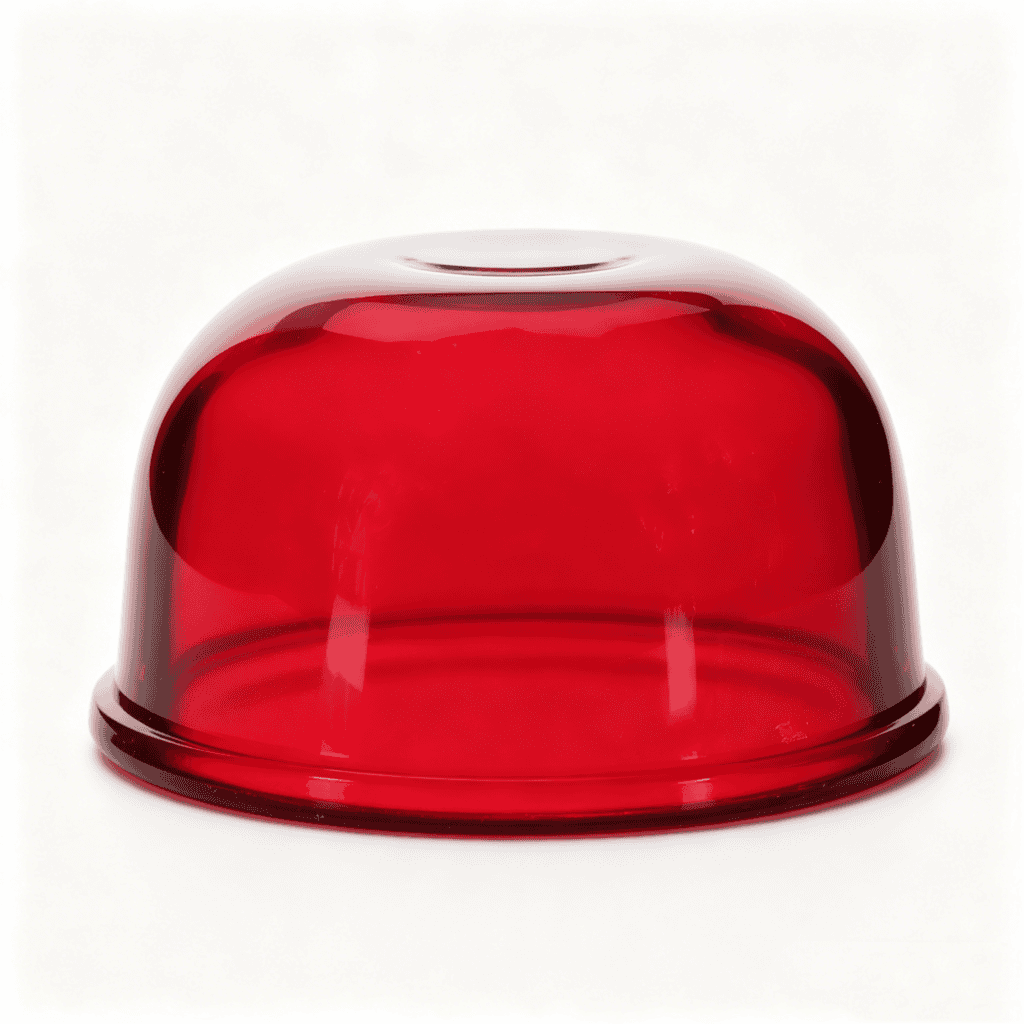
Red glass lampshade for decorative lighting and interior design accents.

Red Bell and Dome Shade

A colored bell or dome reference for restoration and design-led collections. Match opening, neck, profile, transparency, hue and surface before release.

Chandelier Glass Shade Shapes and Part Types

A chandelier may combine several kinds of glass chandelier parts. Name each component by function and interface rather than using one generic shade description for the entire fixture.

Globes and Ball Shades

Clear, opal, frosted, ribbed or colored globes for modern multi-arm fixtures and cluster chandeliers. Record diameter, opening, neck and lamp clearance.

Bell and Tulip Shades

Flared profiles for traditional, transitional and decorative fixtures. Preserve rim shape, flare, neck and the visual proportion across all arms.

Glass Cups and Bobeches

Glass chandelier cups may sit below a lamp holder or candle sleeve. Define center hole, seat, outer diameter, thickness and hardware contact.

Petals, Leaves and Flowers

Decorative components can form a complete fixture canopy or layered assembly. Record piece type, count, orientation, attachment and acceptable handmade variation.

Domes, Bowls and Ruffled Shades

Larger glass elements may act as uplight bowls or focal shades. Confirm mounting direction, weight context, edge and support hardware.

Chandelier Replacement Globes

For restoration, compare the surviving glass and holder. A visually similar globe can still fail if its opening, neck, lip or thread differs.

Fitter, Opening and Hardware Coordination

Glass shades for chandeliers must be documented at the mounting interface. The arm, lamp holder, candle sleeve, retaining ring, set screws or center stem determine how the glass is supported.

  • opening inside diameter and neck outside diameter;
  • lip, flange or shoulder height and thickness;
  • threaded neck profile or screw-contact location;
  • center-hole diameter and washer contact area;
  • shade orientation and seating surface;
  • bulb envelope, socket and ventilation clearance;
  • visible hardware and required glass coverage;
  • fixture drawing revision tied to the glass drawing.

Do not infer fitter compatibility from a retail fixture name or body diameter. Send a holder photo or hardware drawing whenever possible.
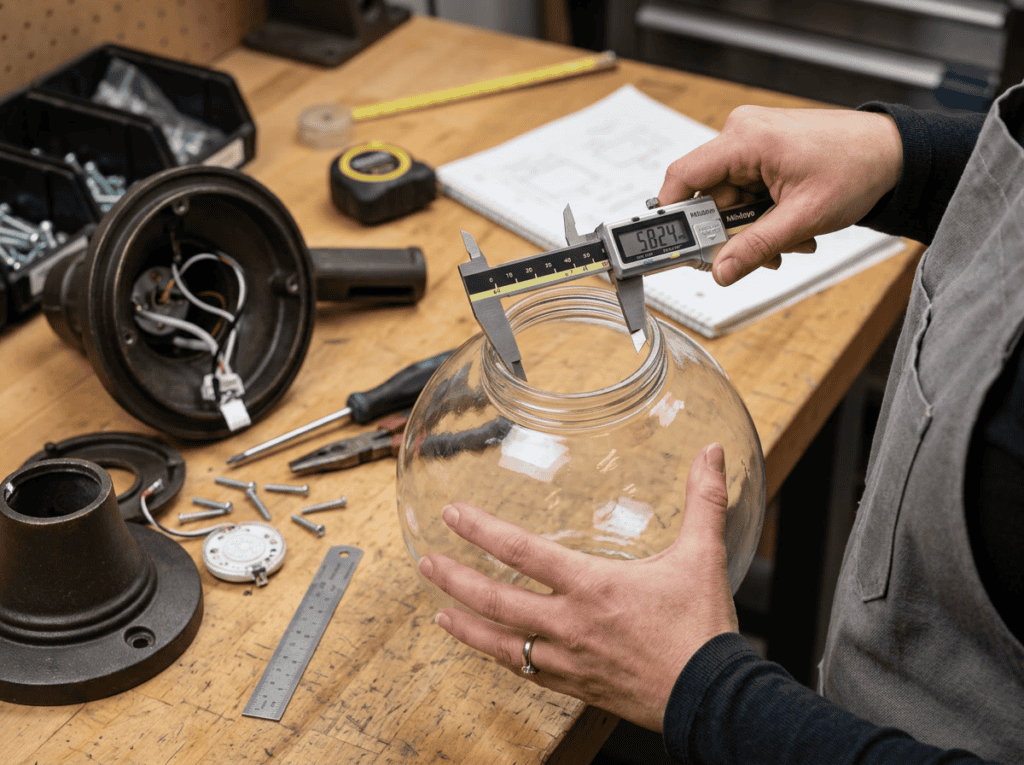
Precision measurement of glass lampshade for quality control in manufacturing.

Interface record: arm or fixture tag + holder type + opening + neck + lip or center hole + mounting direction + clearance + drawing revision.

Designing a Matched Multi-Arm Chandelier Set

A multi-arm chandelier is read as one object, so differences between adjacent shades are more visible than on separate fixtures. Set approval should cover both technical interchangeability and visual coordination.

Piece Count and Position

List every glass item by arm, tier or location. Distinguish identical repeated shades from left/right or upper/lower variants.

Color and Opacity Range

Approve clear, frosted, opal, amber or colored glass under agreed unlit and illuminated conditions. Keep the physical reference with the set revision.

Profile and Pattern Direction

Compare height, body contour, rim, rib direction, seeded effect, petal shape and the visible orientation of handmade pieces.

Fitter Interchangeability

Check that repeated shades use the same seating dimensions and can be installed on the intended arms without forced alignment.

Fixture Balance Inputs

Provide piece weight targets or limits from the fixture designer when relevant. Glass approval does not replace complete-fixture structural validation.

Buyer-Defined Spare Strategy

State the quantity of spare glass by component and whether spares must come from the same approved set or production reference.

Clear, Frosted, Opal and Colored Chandelier Glass

Clear Glass Chandelier Shades

Clear glass keeps the lamp and hardware visible. Review reflections, edge finish, bubbles or seeds and cleanliness under the actual fixture lighting.

Frosted Glass Chandelier Shades

A matte surface softens direct bulb visibility. Specify the treated surface, frosting level and acceptable appearance across the full set.

Opal and Milk Glass

Body-colored white glass supports more uniform diffusion. Approve tone and opacity with the final shade thickness and profile.

Amber Glass Chandelier Shades

Amber and smoke directions add warmer decorative color. Use a physical reference and define the acceptable illuminated and unlit range.

Ribbed, Seeded and Crackle Effects

Texture changes light distribution and visual character. Match direction, density, pitch and the acceptable handmade or molded variation.

Decorative Art Glass

Petal, leaf, butterfly and sculptural forms need a shape-range approval, especially when individual pieces are intentionally handmade.

Replacement Glass Shades for Chandeliers

Replacement glass shades for chandelier fixtures require two decisions: whether the new piece can fit the original hardware and whether one replacement will look acceptable beside the surviving set.

  • photograph the complete chandelier and the empty arm;
  • remove one surviving shade safely and photograph the holder;
  • measure opening, neck, lip, height and maximum diameter;
  • record thread, screw, center-hole or ring details;
  • compare color, frosting, rib, seeded effect and gloss;
  • state whether one piece, a tier or the complete set will be replaced.

If the original mold or color is unavailable, a complete matched set may be more practical than promising an exact one-piece visual match.
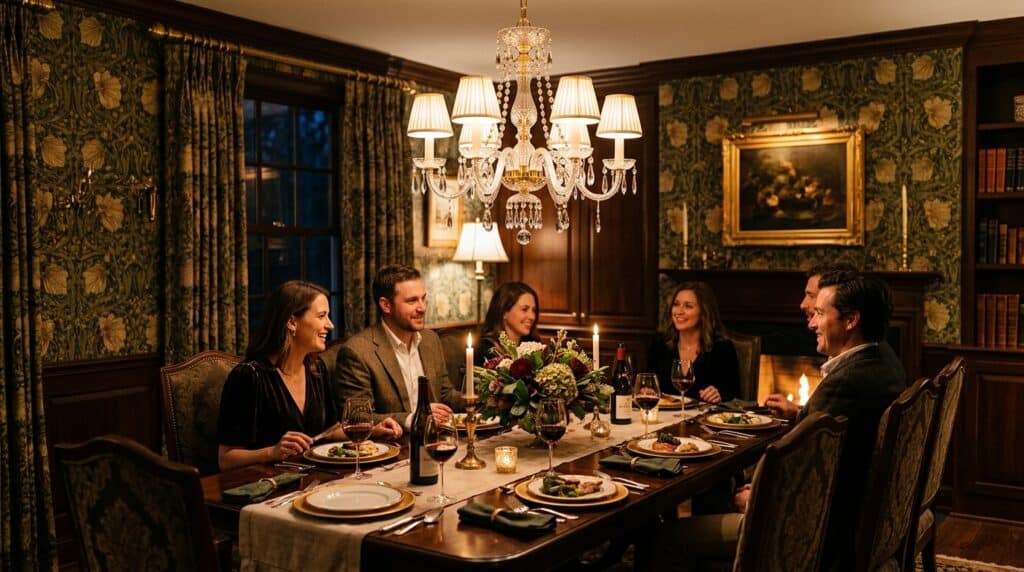
Luxurious dining room illuminated by glass lampshades and chandelier lighting.

Replacement route: existing product or mold → measurement match → appearance sample → single piece or complete set decision → packing and labeling.

Hotel and Project Chandelier Coordination

Hospitality fixtures may repeat across lobbies, restaurants, meeting rooms and suites. The glass schedule should connect each physical component to the project and installation sequence.

Fixture Schedule

Project name, room or zone, fixture tag, chandelier elevation, tier, arm count, component count and approved drawing revision.

Mockup and Sample Approval

Identify whether the review covers fitter fit, one shade, a full arm, a complete fixture mockup or an illuminated set.

Delivery Phases

Group glass by area or installation phase when requested. Keep labels and carton lists aligned with the fixture schedule.

Replacement and Attic Stock

Use the buyer-defined spare quantity and preserve the product, finish and set reference for future maintenance procurement.

Manufacturing Routes for Chandelier Glass

Mouth Blown Glass

Useful for globes, bells and crafted decorative profiles where natural variation is accepted and controlled through sample approval.

Machine Pressed Glass

Useful for repeated molded parts where the profile, pattern and seating dimensions need a defined tooling route.

Lampwork Borosilicate Glass

Useful for smaller tubular, sculptural or detailed components developed around the fixture and lamp requirements.

Handmade Decorative Glass

Useful for petals, leaves, flowers and artistic pieces where shape range, orientation and set composition are part of the approval.

Sample and Quality Checks for Chandelier Sets

Inspection criteria should follow the drawing and approved physical sample. Common checkpoints include opening and seating dimensions, body profile, rim and edge condition, center hole or attachment feature, color, opacity, pattern direction, visible surface and set quantity.

Dimensional Fit

Confirm the critical fitter or attachment measurements and the points used to measure them.

Appearance Range

Approve the acceptable color, opacity, surface and handmade variation under agreed viewing conditions.

Set Consistency

Compare repeated shades side by side and confirm orientation, component count and interchangeability.

Packing Release

Verify labels, individual protection, set grouping, carton quantity and buyer-specific exceptions before shipment.

Set Packing, Labels and Replacement Identification
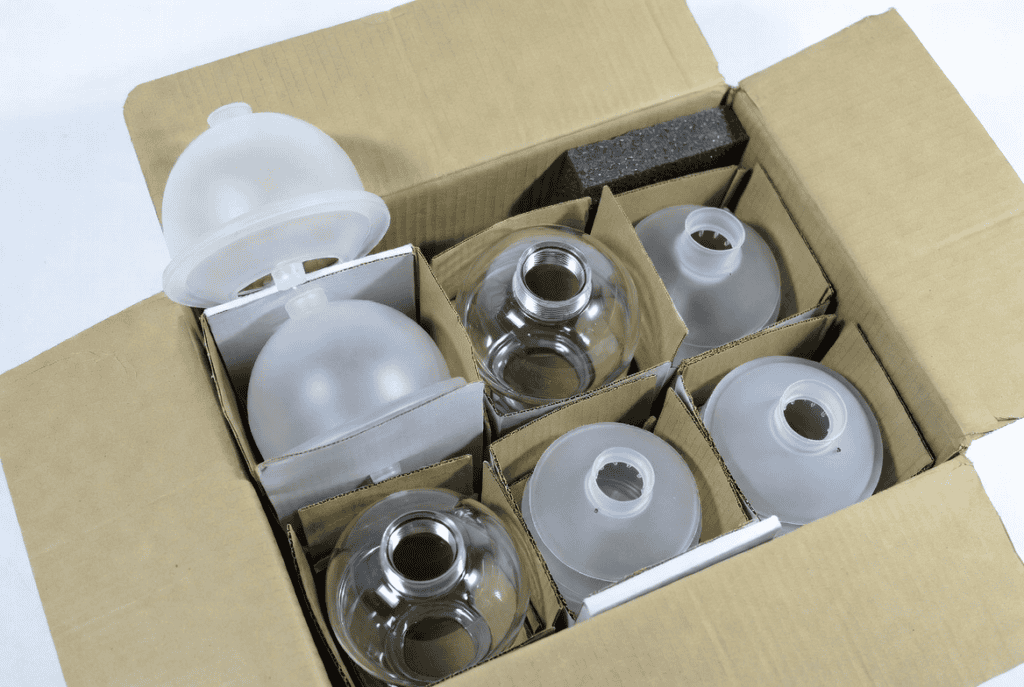
Glass lampshades in protective packaging for manufacturing and wholesale supply.

Chandelier sets can contain different profiles, sizes and fragile decorative components. The actual insert and protection should be reviewed against the approved glass and shipping route.

Individual Protection

Protect openings, rims, center holes, petals and projecting edges from direct contact.

Set and Component Codes

Label the fixture tag, tier, arm or component type when pieces are not identical.

Carton and Room Lists

Keep carton contents aligned with project location, installation phase and buyer item numbers.

Spare Glass Records

Separate spares where requested and preserve the approved product, color and revision for later replacement orders.

Information to Send for a Custom Chandelier Shade Quote

Fixture and Project

Buyer type, project, room or zone, fixture drawing, chandelier size, arm and tier arrangement, installation schedule and destination.

Glass Components

Shape, piece count, opening or center hole, dimensions, glass type, color, opacity, texture, visible faces and reference images.

Hardware and Approval

Holder drawing, mounting method, clearance, sample stage, mockup requirement, approved variation and design-team contact.

Commercial and Packing

Quantity by fixture or SKU, number of sets, buyer-defined spares, labels, set packing, carton marks and requested delivery window.

Recommended attachments: fixture elevation, arm or tier schedule, component drawing, holder photos, surviving glass sample, material reference, quantity spreadsheet and label example.

Related Chandelier and Glass Shade Resources

Chandelier Style and Selection Guide

Read the informational guide for chandelier types, proportions and selection questions.

Glass Lamp Shade Product Hub

Browse the wider product and manufacturing catalogue before narrowing the chandelier set.

Hotel Lamp Shades

Coordinate chandelier glass with other guest-room, corridor and public-area lighting packages.

Interior Designer Projects

Use the designer page when the chandelier begins with a concept, rendering, material board and color reference.

Questions About Custom and Replacement Chandelier Glass Shades

Yes, a fixture elevation and component drawing can start the review. Include the arm and tier layout, piece count, opening or center hole, holder interface, dimensions, glass direction, sample stage and approved variation criteria.
A single replacement can be reviewed using a surviving shade, holder photos and measurements. If the original color, mold or finish is unavailable, replacing a full tier or complete set may provide a more coordinated appearance.
Provide opening inside diameter, neck outside diameter, lip or shoulder, overall height, maximum diameter and any thread, screw or center-hole details. Photograph the measurement points and the empty holder.
Approve the profile, fitter, frosting surface, opacity, color tone and illuminated appearance. Repeated pieces should be reviewed together under agreed lighting conditions and linked to the same sample and drawing revision.
Different glass directions can form separate SKUs or project variants. Each needs its own material reference, fitter, profile, sample, approval range and packing record rather than relying on one generic product description.
Cups or bobeches sit around a holder or candle sleeve, while petals, leaves and flowers may form layered decorative assemblies. Define the center hole or attachment, seat, dimensions, piece count and orientation for every component.
Fixture-tag, room, zone and phase labels can be included in the RFQ. Provide the project schedule, set contents, label fields and installation sequence so the packing method can be reviewed.
Send the fixture drawing, component drawings, arm and set count, holder interface, glass and finish references, quantity, sample or mockup requirement, quality criteria, packing, labels, destination and requested delivery window.

Start a Chandelier Glass Shade Project

Send the fixture drawing, glass component list, fitter or center-hole details, material reference, set quantity, sample need and packing schedule. JX will review the correct product, replacement or custom-development route.
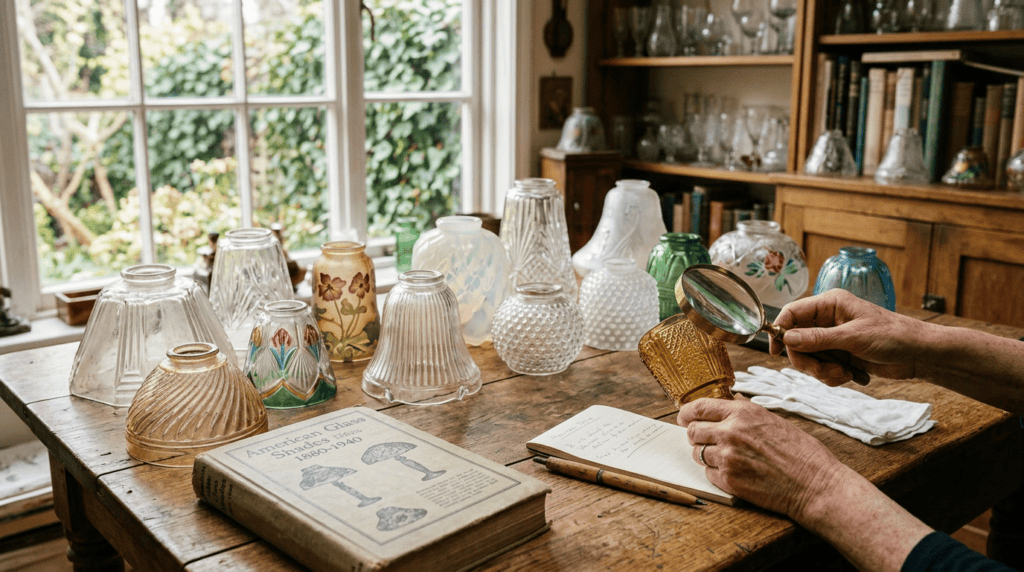
Glass lampshade manufacturer showcasing handcrafted glass shades for lighting fixtures.

Attach Drawings and Set Details

Include fixture, component and holder files, shade count, dimensions, finish, approval route, labels and delivery destination.

REQUEST A QUOTE
Scroll to Top
REQUEST A QUOTE