CUSTOM DECORATIVE LIGHTING COMPONENTS FOR DESIGN PROJECTS

Custom Glass Lamp Shades for Interior Designers

Translate a concept sketch, rendering or material direction into a glass shade brief that can be sampled and reviewed. JX supports interior designers, architects and architectural lighting consultants with custom glass lamp shades, decorative glass components, material samples, color references, fitter coordination and project packing inputs.

Send the fixture application, intended visual effect, reference image, dimensions and project schedule. We will identify the decisions needed for shape, glass process, finish, interface and approval rather than treating a mood-board image as a complete production specification.

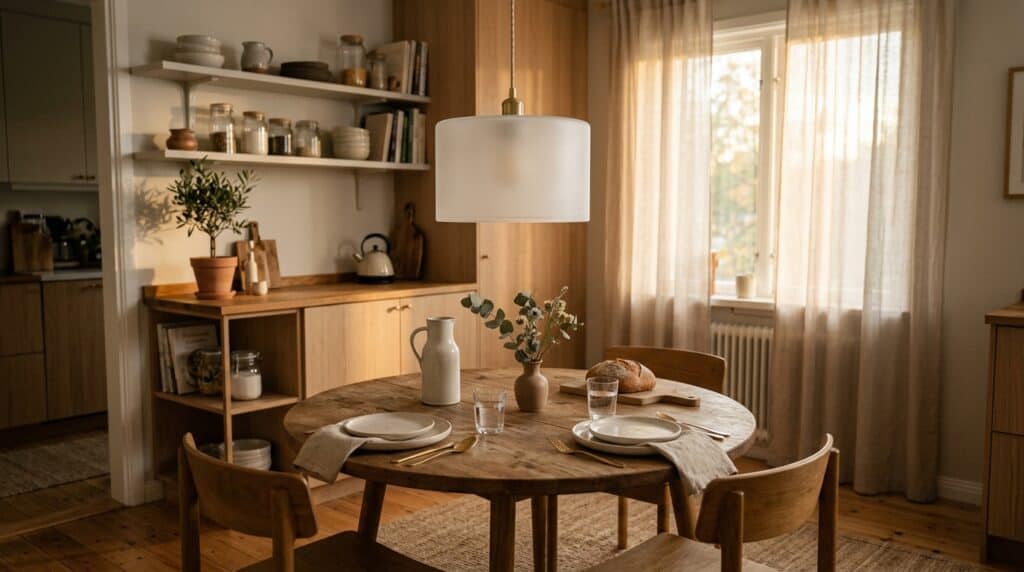
Elegant dining room with glass lampshade, wooden furniture, and natural light.

Useful first brief: concept drawing or render, fixture type, project area, target dimensions, fitter or holder, material and color direction, quantity, approval route and required delivery phase.

Glass Shade Support for Interior and Architectural Lighting Projects

Design teams search for custom glass lighting by atmosphere, fixture and room type. The technical brief must connect that visual intent to a shade that fits the fixture and can be approved for the project.

Residential Interior Design

Custom pendant light shades, table-lamp shades, wall-sconce glass and ceiling-light components for living, dining, bedroom and circulation spaces.

Hotel and Hospitality Design

Decorative glass shades for guest rooms, corridors, restaurants, bars, lounges and feature areas, coordinated by fixture type and project package.

Restaurant and Retail Interiors

Colored, clear, opal, ribbed and bespoke glass lamp shades for focal pendants, counters, tables, displays and ambient lighting zones.

Architectural Lighting Coordination

Glass wall sconce shades, curved panels and custom components developed around drawings, mounting interfaces, clearances, illuminated appearance and design-team approvals.

From Concept Drawing to a Manufacturable Glass Shade

A strong concept is the starting point. Before custom glass lamp shade sampling, the visual idea needs a small number of controlled technical decisions.

01 - Define the Design Intent

Share the rendering, fixture elevation, reference image and words that describe the desired light effect, transparency, texture and visual weight.

02 - Establish the Geometry

Confirm overall profile, diameter, height, openings, rim, neck, center hole, curved dimensions and which faces are visible after installation.

03 - Coordinate the Fixture Interface

Document how the glass sits, hangs or fastens to the fixture. Include shade rings, galleries, screws, center stems, clips, holders and required clearances.

04 - Select Process and Finish

Match the geometry and appearance to a practical process such as mouth blown, machine pressed, curved or lampwork glass, then define color and surface treatment.

05 - Build the Approval Sample

Use the sample to review fit, proportion, color, finish, illuminated appearance and visible variation before the project standard is frozen.

06 - Release the Approved Revision

Connect the signed sample to the drawing revision, finish reference, quantity, packing instructions and project location schedule.

Custom Glass Lamp Shades by Design Direction

These live products show how custom made glass lamp shades and decorative glass lamp shades can vary by light effect, texture and fixture interface. Each is a starting reference; final dimensions, fitter, color and process must follow the approved project specification.
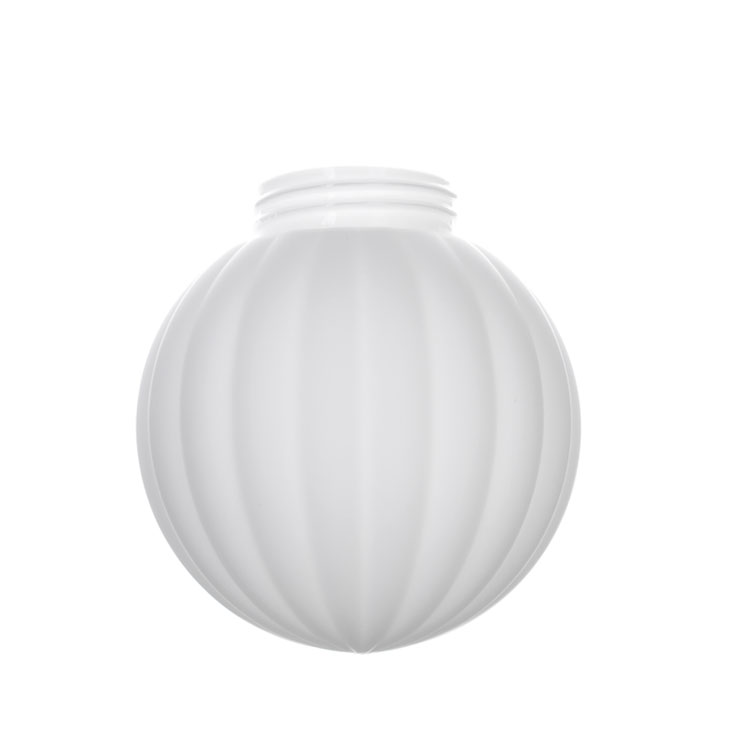
White glass lampshade with vertical ribbed design for elegant lighting.

Opal Globe Pendant Shades

Opal and milk-glass globes support soft diffusion in residential, hospitality and shared interior spaces. Confirm globe diameter, opening, neck or fitter, wall appearance and the approved illuminated sample.
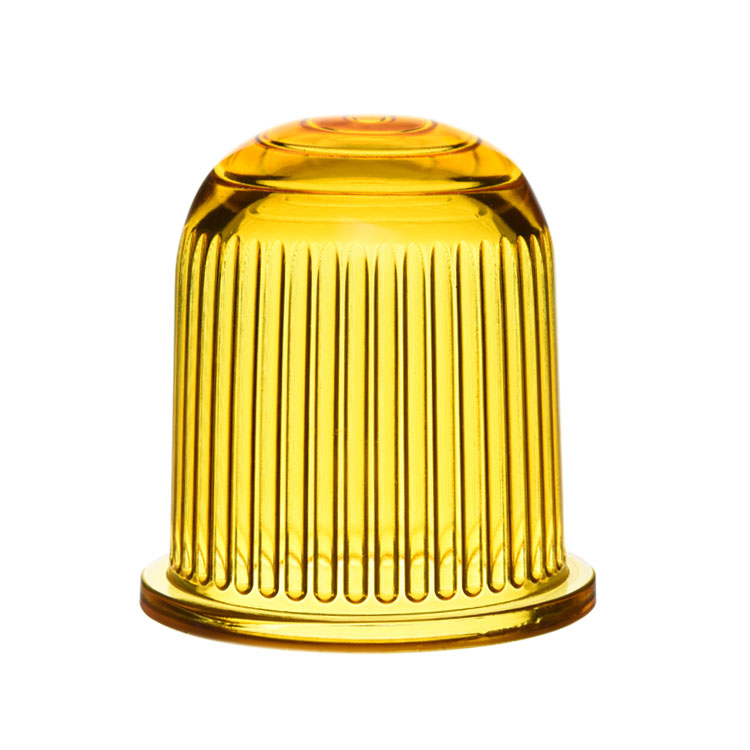
Yellow ribbed glass lampshade for decorative lighting and home decor.

Amber Ribbed Pendant Shades

A ribbed glass pendant shade in amber can create a warmer decorative effect for dining, lounge and feature-lighting zones. Record the color reference, rib direction, fitter and viewing conditions for approval.
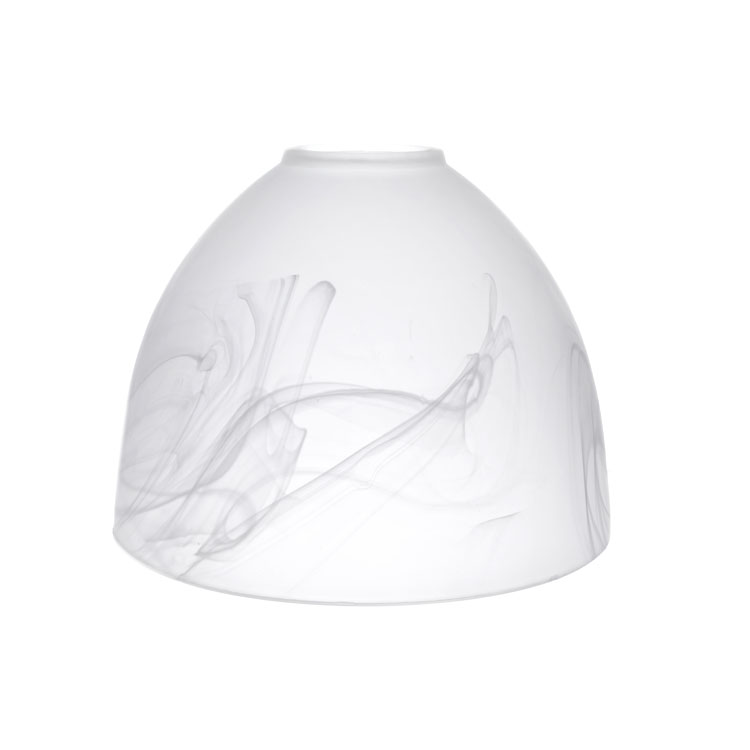
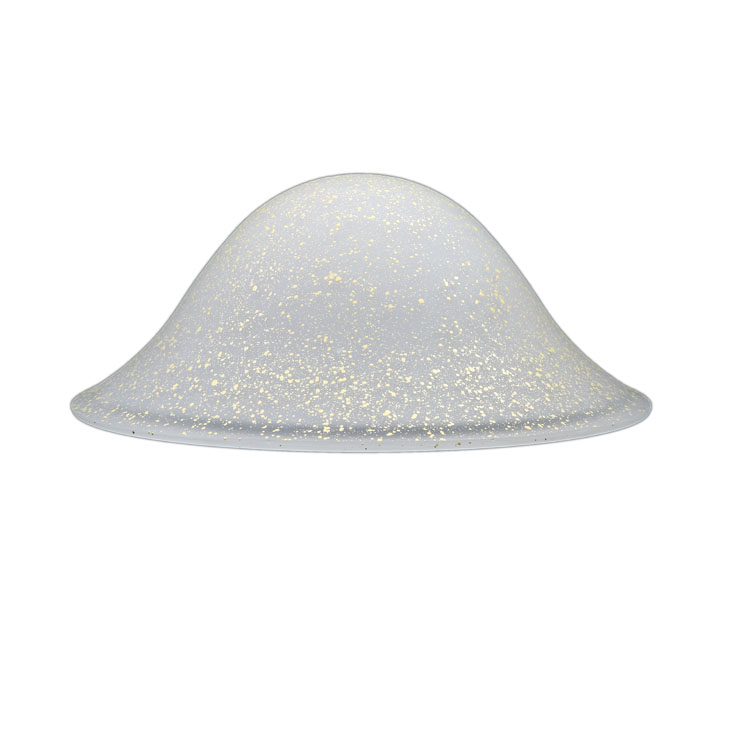
Elegant white glass lampshade with subtle marble-like patterns for stylish interior lighting.

Frosted Alabaster Bell Shades

A marble-look or alabaster-style surface can add visual texture without using natural stone. Approve the pattern range and its appearance both unlit and illuminated.
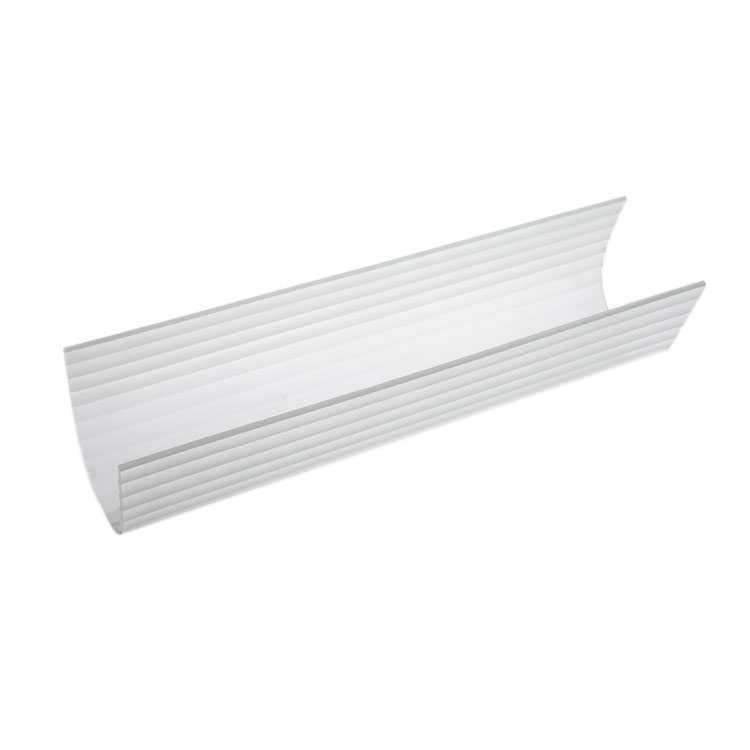
Frosted translucent lampshade material for glare diffusion

Curved Glass Wall Sconce Shades

Curved and fluted glass wall-light shields need length, width, curve, mounting detail, edge condition and wall clearance in the design package.
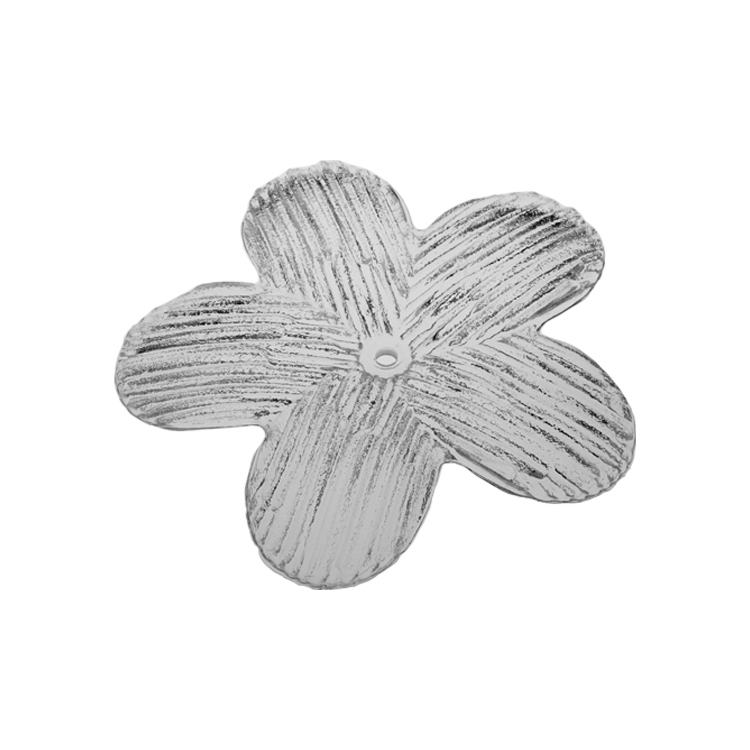
Glass flower lampshade, decorative lighting accessory for home and commercial spaces.

Decorative Glass Components

Petals, leaves, cups and center-hole components can support custom chandeliers and feature fixtures. Define the set count, attachment interface, visible face and packing order.
Glass lampshade with glitter finish, ideal for decorative lighting and home decor.

Custom Bell and Replacement Shades

A reference shade, fixture drawing or site measurement can start a restoration or replacement review. The actual seating surface and fitter matter more than the visual outline alone.

Material and Finish Samples for Interior Designers
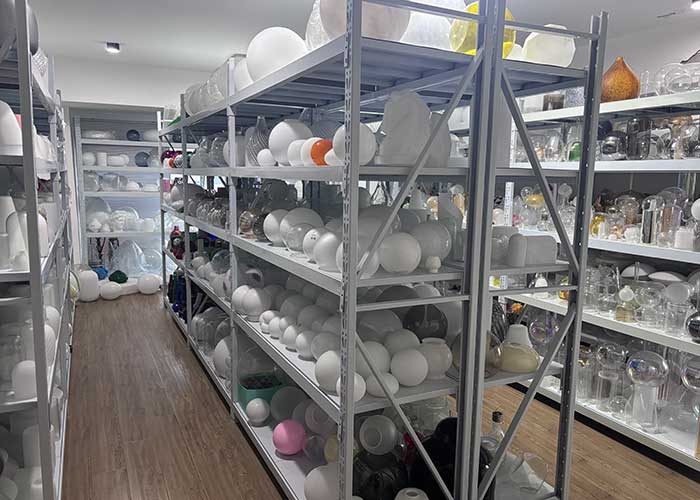
Wholesale glass lampshades for lighting fixtures, various styles and sizes available.

A sample library helps the design team compare transparency, diffusion, surface texture and color before approving a complete shade. Final approval should still use the intended profile and lighting conditions because thickness and geometry can change the visual result.

Opal and Milk Glass

A soft, diffused appearance for globe pendants, ceiling fixtures and decorative lighting where the light source should be less visible.

Clear and Seeded Glass

Higher transparency with optional bubbles or seeded character. Review bulb visibility, reflections and shadow patterns in the actual fixture.

Frosted and Etched Glass

A matte surface direction for softer glare control. Specify which surface is treated and how the finish should appear when lit.

Amber, Smoke and Colored Glass

Colored glass lamp shades add a project-specific atmosphere. Approve hue, saturation, transparency and the acceptable range using physical references.

Ribbed and Fluted Glass

A ribbed or fluted glass pendant shade changes both appearance and light distribution. Define texture direction, pitch, depth and visible seam expectations.

Alabaster and Marble-Look Effects

Decorative patterning can create a stone-like visual. Use an approved range sample because the pattern may vary across the glass body.

Color Matching for Decorative Glass Lighting

Color matching for translucent glass is different from matching an opaque painted surface. The viewed color can shift with glass thickness, shape, background, light source, color temperature and whether the shade is illuminated.

  • Send a physical chip, approved glass sample or controlled color reference when possible.
  • State whether the priority is the unlit appearance, the illuminated appearance or both.
  • Identify the lamp type and expected color temperature used for review.
  • Compare samples against the intended background and nearby materials.
  • Record an acceptable color range instead of relying only on a screen rendering.
  • Keep the signed sample or sample code linked to the project revision.

A digital Pantone or RAL reference can support communication, but it should not be treated as a universal guarantee for transparent or textured glass without a physical approval step.
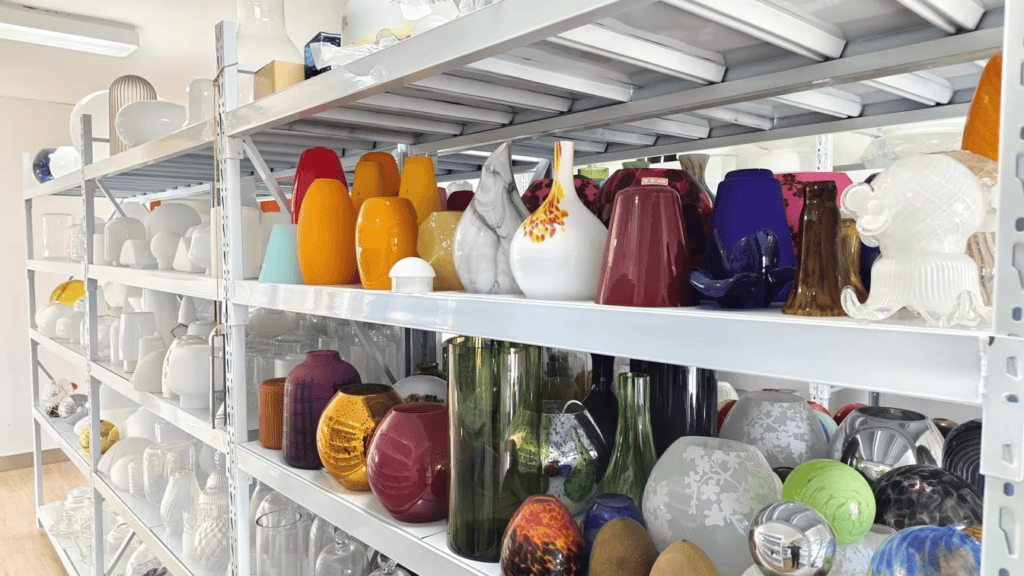
Variety of colorful glass lampshades and ceramic vases in a manufacturing warehouse.

Color approval record: sample code, glass process, target hue, transparency, finish, profile, light source, unlit view, illuminated view and approved range.

What to Put on the Glass Shade Design Specification

A design specification should let the interior designer, lighting consultant, fixture supplier and glass maker discuss the same object. The following fields reduce assumptions during sampling and project delivery.

Project and Location Tag

Project name, room or zone, fixture type, fixture schedule reference, item number and quantity for the location.

Profile and Dimensions

Overall height, maximum diameter or width, opening, neck, fitter, center hole, lip, rim, curve or other interface dimensions with measurement points.

Glass and Appearance

Glass type, transparency, color, texture, frosting, visible faces, illuminated intent and the approved material or finish sample.

Fixture and Light Source

Mounting method, holder or ring, lamp type, heat context, clearances and which hardware supplier owns the final assembly check.

Approval and Quality Criteria

Drawing revision, sample status, approved variation range, critical dimensions, visible-surface criteria and who signs off the reference.

Quantity and Delivery Package

Quantity by fixture or room, spare quantity if specified by the buyer, label fields, packing sequence, delivery phase and destination.

Mockup, Sample and Approval Workflow

The workflow below keeps visual design decisions and production data connected. Timing and sample stages should be confirmed for the actual project rather than assumed from a generic schedule.

1. Brief Review

Review concept, application, dimensions, quantity, target finish and missing information.

2. Feasibility and Process

Assess profile, interface, tooling, glass process, color and finish route.

3. Drawing Coordination

Mark critical dimensions, fitter or mounting details, visible faces and approval notes.

4. Material or Shape Sample

Prepare the agreed sample stage for color, surface, geometry, fit or illuminated review.

5. Design-Team Approval

Record comments and freeze the approved drawing, physical sample and allowable variation.

6. Project Release

Confirm revision, quantities, location labels, packing, inspection inputs and delivery phase before production release.

Coordinate Glass Shades with Fixture Hardware

A visually correct shade can still fail at installation if the mounting interface is incomplete. For custom glass light fixtures and bespoke lighting glass, send the hardware drawing or a physical holder whenever possible.

  • Identify the actual seating surface, not only the opening diameter.
  • Measure neck, lip, flange, threaded or screw-mounted details.
  • For center-hole components, define hole diameter, washer contact and visible orientation.
  • For wall sconces, include mounting slots, curve, edge clearance and wall distance.
  • Check bulb envelope, lamp holder, ventilation and assembly clearance.
  • State whether the fixture supplier will perform the final fit and safety validation.

Keep the glass drawing revision tied to the corresponding hardware revision so a later fixture change does not silently invalidate the approved sample.
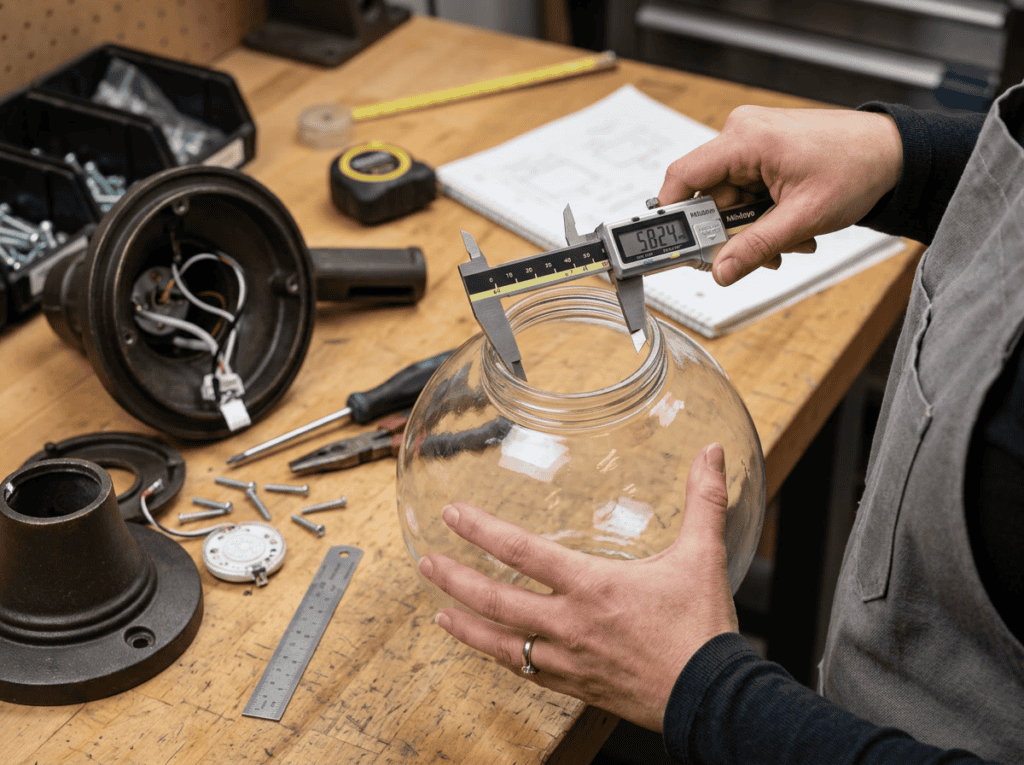
Precision measurement of glass lampshade for quality control in manufacturing.

Interface data: holder type, opening, seating diameter, neck, lip, thread or screw points, center hole, mounting direction, lamp clearance and drawing revision.

Project Packing and Delivery Coordination
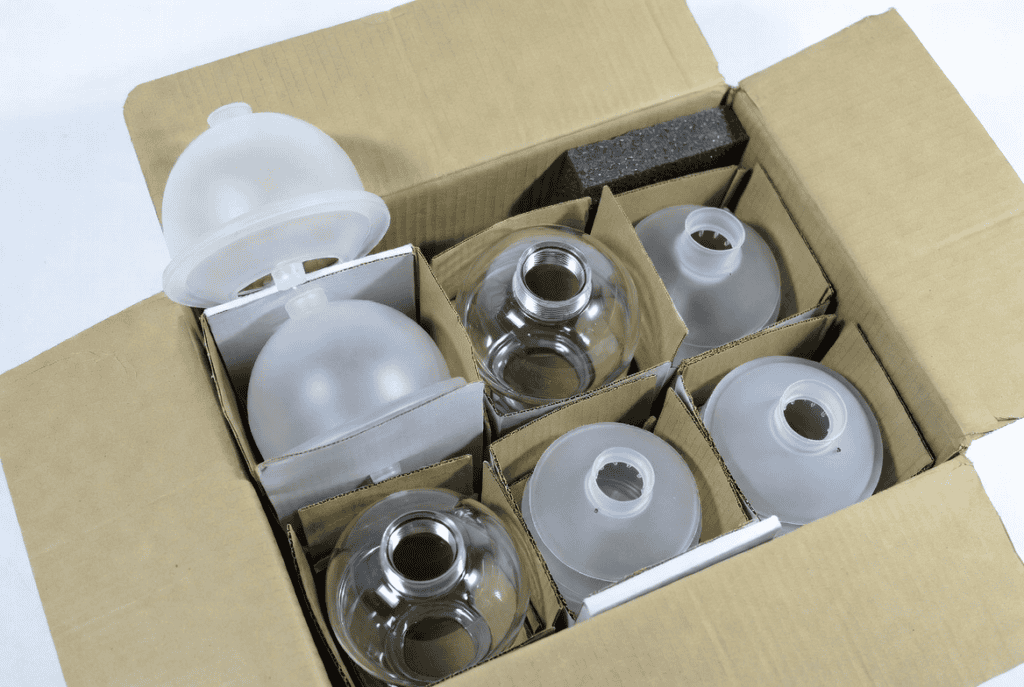
Glass lampshades in protective packaging for manufacturing and wholesale supply.

Project delivery is easier when the packing schedule reflects how the lighting contractor will receive and install the shades. The exact protection must follow the approved shape, finish and shipping route.

Room and Fixture Labels

Define project, room or zone, fixture tag, item number, quantity and language required on the inner or outer label.

Installation Sequence

If the project is phased, identify which products must be grouped or released together for each area.

Surface and Rim Protection

Review vulnerable openings, edges, decorative projections and finishes before confirming the insert and orientation.

Delivery and Spare Schedule

Provide destination, requested phase, site receiving constraints and any buyer-defined spare quantity. These should be confirmed in the quotation and order file.

Information to Send for an Interior Design Project Quote

A structured design RFQ helps separate visual preferences from mandatory dimensions and reduces the number of open questions before sampling.

Concept and Application

Concept sketch, rendering, reference image, room or zone, fixture type, intended light effect and visible viewing angles.

Drawing and Interface

Fixture drawing, shade profile, target dimensions, fitter or holder, openings, mounting details, clearances and light source.

Material and Approval

Glass type, color, transparency, texture, finish reference, material sample need, mockup stage and design-team approval contact.

Project and Delivery

Quantity by item or location, requested sample timing, project release window, packing labels, delivery phases and destination.

Recommended attachments: PDF drawing, CAD export, fixture schedule, rendered views, hardware images, material board, physical sample reference, quantity schedule and project label example.

Related Glass Lamp Shade Solution Paths

Home Lamp Shades

Review glass shades by residential room, fixture type, material and finish.

Glass Shades for Lighting Brands

Use the brand program when the same design will become a controlled product SKU with fitter, tolerance and repeat-production records.

Hotel Lamp Shades

Review decorative glass lighting applications for guest rooms, corridors, public areas and hospitality packages.

Manufacturing and Services

Compare glass manufacturing routes or send a drawing when the correct process is not yet established.

Questions from Interior Designers and Lighting Consultants

A sketch, rendering or reference image can start the feasibility review. It should then be converted into a brief covering geometry, dimensions, fitter or mounting interface, glass process, color, finish, quantity and approval criteria before a sample is treated as a project standard.
Send the project and fixture application, concept image or drawing, target dimensions, holder or fitter information, glass and finish direction, quantity, sample requirement, approval route, packing labels, delivery phase and destination.
A physical material reference can support color development. Because translucent glass changes with thickness, profile, background and illumination, approve the relevant shape under agreed unlit and illuminated viewing conditions and record an acceptable range.
Depending on the risk, the project may use a flat material or color sample, a shape sample, a fitter or hardware test, and an illuminated mockup. The quotation should state which stage is included and what decision each sample is intended to confirm.
Opal or milk glass diffuses light through the glass body, frosted glass uses a matte surface treatment, and clear glass leaves the lamp and reflections more visible. The best choice depends on glare, transparency, atmosphere, maintenance and the desired visual effect.
Ribbed and fluted profiles can be reviewed for custom geometry, but the design must define texture direction, pitch, depth, opening, fitter, overall size, seam expectations and the manufacturing route. A physical sample is useful for checking light distribution and surface appearance.
Include width, height, curve or radius, edge details, mounting slots or holes, wall clearance, light-source position, visible faces, finish, orientation and the fixture drawing. A flat front elevation alone is usually not enough for a curved shade.
Room, zone, fixture-tag and phase labels can be included in the RFQ for review. Provide the location schedule, label fields, language, grouping logic and site delivery plan so the packing method and cost can be confirmed for the real order.

Start a Custom Glass Lighting Project

Send your concept drawing, fixture schedule, reference images, holder details, material direction and project quantities. JX will review the custom glass lamp shade brief and return the technical questions needed for process, sampling, approval and packing.
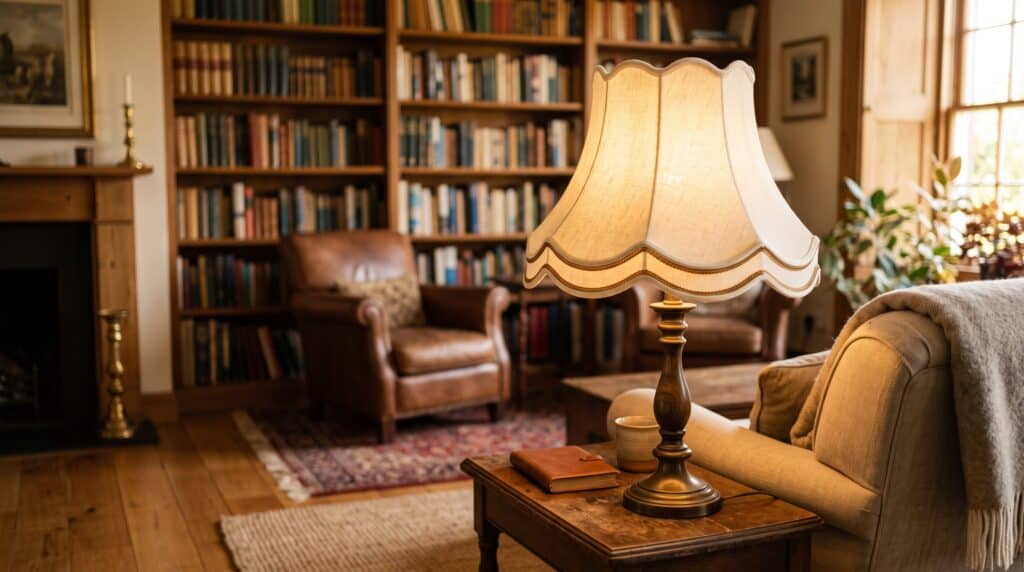
Elegant glass lampshade in cozy library setting with leather chairs and wooden bookshelves.

Attach Your Project Files

Include the concept or drawing, dimensions, fixture interface, glass direction, quantity, approval contact and requested delivery phase.

REQUEST A QUOTE
Scroll to Top
REQUEST A QUOTE