
كيف يتم تصنيع أغطية المصابيح الزجاجية: التشكيل، التلدين والتشطيب
ظلال المصابيح الزجاجية ليست جميعها مصنوعة بنفس الطريقة. قد يكون الظل منفوخًا بالفم من تجمع زجاج منصهر، أو مضغوطًا في قالب، أو مشكّلًا من أنابيب البوروسيليكات على موقد، أو مشكّلًا بالحرارة من قطعة مسطحة. بعد التشكيل، يتم تلدين الجزء، وتقليم أو طحن حيث يلزم، وإنهاءه، وفحصه مقابل الرسم أو العينة المعتمدة.
اختيار العملية مهم للمشتري. يؤثر ذلك على الأدوات، وقابلية التكرار، وتفاوت سماكة الجدار، وطبيعة السطح، وكمية الطلب، وأي الأبعاد تحتاج إلى أقرب ضبط. يجب تحديد ذلك قبل أن يقدم المورد عرضًا لظل مخصص.
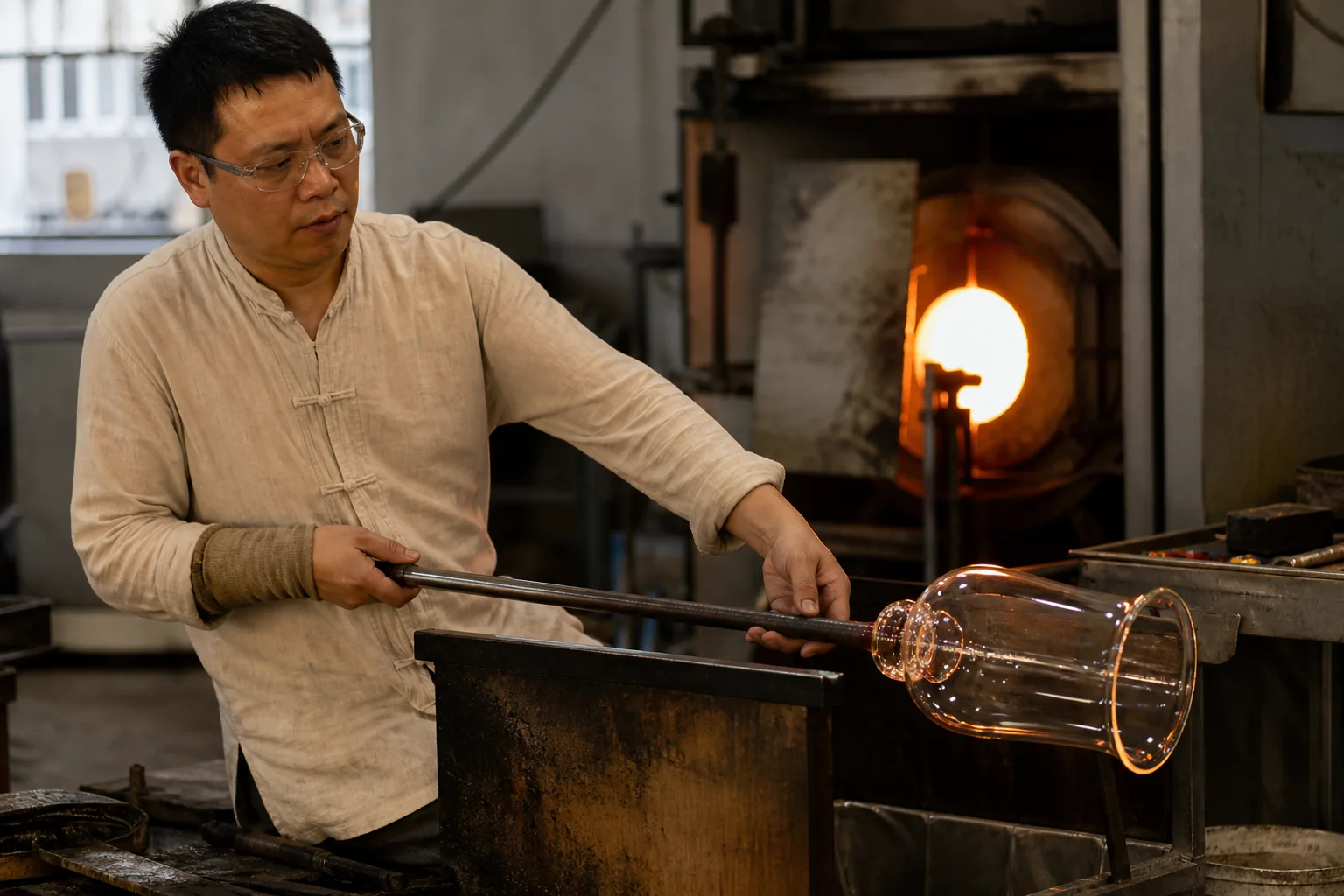
الزجاج يبدأ بدفعة، لكن ظل المصباح يبدأ بقرار العملية
معظم الزجاج الشائع يبدأ برمل السيليكا، ورماد الصودا، والحجر الجيري، وغالبًا الزجاج المعاد تدويره. يتم وزن المكونات وخلطها واذابتها وتنقيتها وتشكيلها وتبريدها. تحالف الزجاج في أوروبا يصف درجات حرارة الذوبان الصناعية تقريبًا بين 1300–1600 درجة مئوية، بينما تختلف الوصفة الدقيقة ونطاق العمل حسب عائلة الزجاج والاستخدام النهائي.
التمييز بين صناعة الزجاج الأساسية وتشكيل الظلال مفيد عند تأهيل المورد. بعض المصانع تذيب دفعة خام. أخرى تشكل أنابيب زجاجية أو قطع أو زجاج منصهر تم شراؤه. كلا الطريقتين يمكن أن تكون مناسبة، لكن يجب على المورد شرح أي مادة تدخل في عمليته وأي العمليات تتم داخليًا.
| المادة أو المدخلات | ما يفعله | ما يجب أن يؤكده المشتري |
|---|---|---|
| السيليكا | تشكل الشبكة الرئيسية للزجاج | عائلة الزجاج ومتطلبات الشفافية |
| رماد الصودا أو مادة مذيبة أخرى | تخفض درجة الحرارة اللازمة لإذابة السيليكا | ما إذا كانت التركيبة مناسبة للتطبيق |
| الحجر الجيري ومثبتات أخرى | تحسن الاستقرار الكيميائي والمتانة | تركيبة الزجاج المعلنة من المورد أو مواصفات المادة |
| الزجاج المعاد | الزجاج المعاد تدويره الذي يمكن أن يعود للذوبان | ضبط اللون وضوابط التلوث حيثما كان ذلك مناسبًا |
| الأصباغ أو المواد المعتمة | إنشاء تأثيرات شفافة أو أوبال أو كهرماني أو دخاني أو تأثيرات أخرى | ما إذا كان اللون ممتداً في كامل الجسم أو بطبقات أو مطبق على السطح |
الـ متحف كورنينج للزجاج يعطي تركيبة 70/20/10 من السيليكا – كربونات الصوديوم – الحجر الجيري للزجاج الصودا-الجير المستخدم في عروضه. هذا توضيح مفيد، وليس صيغة عالمية لمظلات المصابيح. أي نسبة محددة من المورد أو درجة حرارة الانصهار أو الحد الحراري تتطلب وثائق داعمة.
عملية تصنيع أغطية المصابيح الزجاجية ذات المراحل السبع
1. تحديد الهندسة ونقاط القبول
يجب أن يبدأ الإنتاج برسم أو مرجع مادي أو كلاهما. يجب أن يتضمن المستند فتحة التثبيت، الارتفاع الكلي، القطر الأقصى، متطلبات الجدار أو الحافة، مواقع الفتحات، التشطيب، وأي أسطح يجب أن تتطابق مع الأجهزة المعدنية.
ليس كل بُعد يستحق نفس التسامح. فتحة التثبيت التي تحدد موضع المظلة على الحامل عادة ما تكون أكثر أهمية من منحنى الجسم الزخرفي. يجب أن يميز الرسم بين الأبعاد الوظيفية وأبعاد المرجع البصري، خاصة في الأعمال المنفوخة بالفم حيث تكون التغيرات الطفيفة في الشكل جزءاً من العملية.
2. اختيار مسار الزجاج والأدوات
يقوم المورد بعد ذلك بمطابقة التصميم مع مسار التشكيل. قد يناسب النفخ بالفم مظلة مستديرة بسيطة مع اختلاف يدوي متعمد. قد يشير نمط بارز قابل للتكرار أو برنامج إنتاج عالي الحجم إلى الكبس. قد تبدأ الأشكال الصغيرة من البورسليكات كأنابيب. يمكن قطع لوح منحني ضحل من صفيحة وتسخينه فوق أو داخل قالب.
يمكن أن تشمل الأدوات قوالب النفخ، قوالب الكبس، قوالب التشكيل، تجهيزات القطع، تجهيزات الحفر، ومقاييس التثبيت. اسأل عن الأداة التي تتحكم في كل بُعد حرج وما إذا كان سيتم استخدام عينة موافقة محتفظ بها للطلبات المتكررة.
3. تشكيل المظلة
في النفخ بالفم، يجمع صانع الزجاج الزجاج المنصهر على أنبوب النفخ، ويقوم بتمركزه على سطح معدني، ويدخل الهواء، ويشكل الفقاعة المتوسعة بالأدوات والجاذبية وأحياناً بالقالب. تسلسل نفخ الزجاج في خدمة الحدائق الوطنية يوثق نفس العمليات الأساسية: الجمع، التمليس، النفخ، إعادة التسخين، التشكيل، النقل، والتشكيل النهائي.
في الكبس الآلي، يدخل جزء محدد من الزجاج الساخن إلى القالب ويدفع مكبس الزجاج إلى التجويف. يحمل القالب معظم الهندسة وتفاصيل السطح، مما يجعل هذا المسار مفيداً عندما تكون القابلية للتكرار وحجم الإنتاج مهمين. يجب أخذ وصلات القالب، الميل، هندسة الحافة، وتآكل الأدوات في الاعتبار أثناء التطوير.
يستخدم العمل بالمصباح حرارة موضعية لتليين أنبوب أو قضيب الزجاج. يرتبط عادة بمكونات البورسليكات والأشكال الصغيرة حيث يدور المشغل ويشكل الزجاج في اللهب. يبدأ التشكيل الحراري أو الترخيم بقطعة مقطوعة تلين في فرن وتتخذ شكل القالب. هذه العمليات لا تستخدم نفس الأدوات أو سلوك الجدار أو هيكل التكلفة، لذا لا يجب اقتباسها كطرق قابلة للاستبدال.
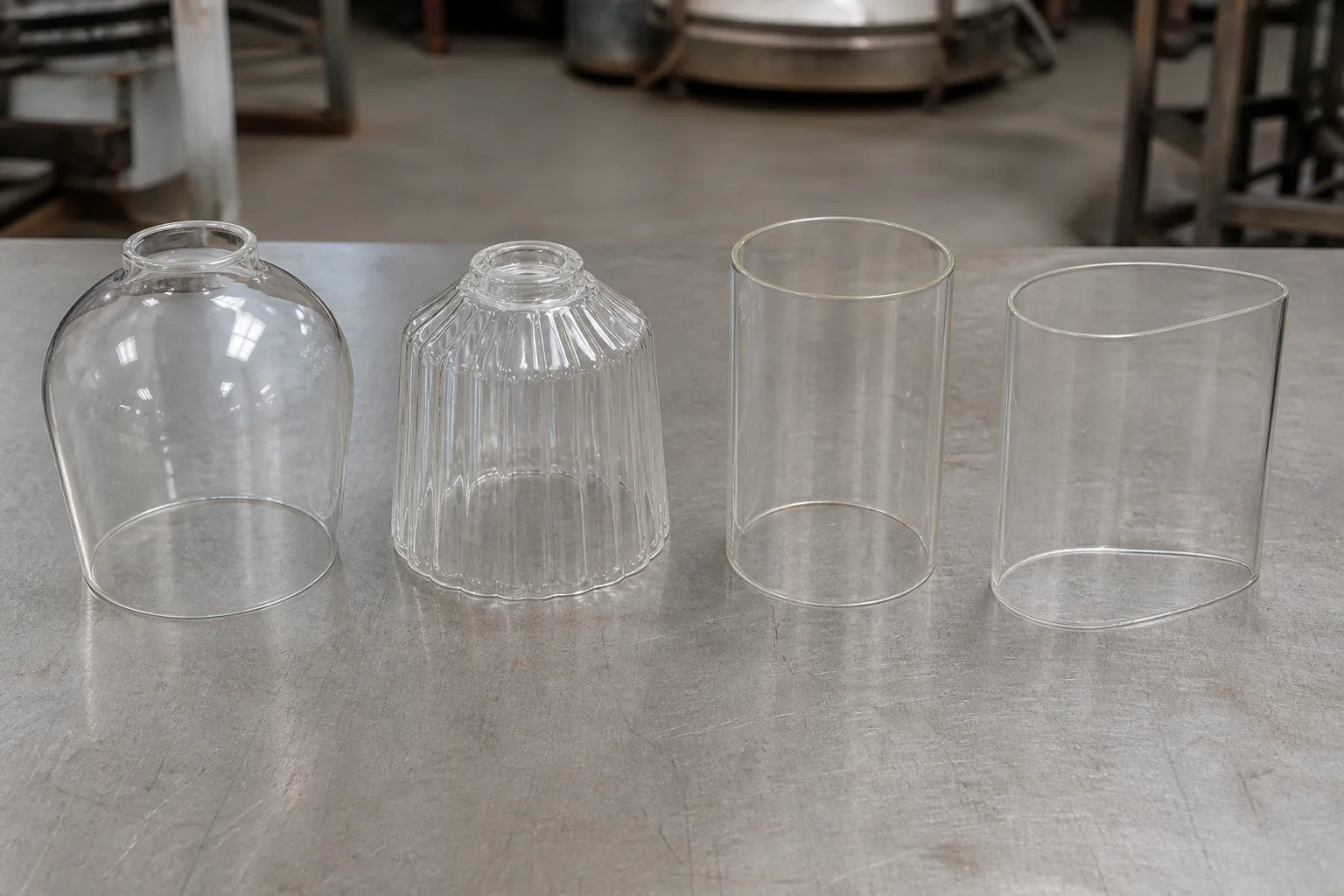
كيف تقارن طرق التشكيل الرئيسية
| طريقة التشكيل | عادة ما تؤخذ في الاعتبار لـ | الاختلاف الذي يجب مناقشته | سؤال مبكر عن التوريد |
|---|---|---|---|
| المنتجات المنفوخة بالفم | أشكال مستديرة، عضوية، مضلعة، مزروعة بالبذور، أو دفعات أصغر | توزيع الجدار، ملف الجسم، الفقاعات، أبعاد الحافة والتركيب | هل الشكل منفوخ حرًا أم منفوخ بالقالب؟ |
| مضغوط آليًا | ملفات قابلة للتكرار، تفاصيل مصبوبة، وكميات إنتاج أكبر | خطوط القالب، الزوائد، تآكل الأدوات، نقل السطح | ما هي الأدوات المطلوبة وما هي الأبعاد التي تتحكم بها؟ |
| أنابيب مصنوعة بطريقة اللمبة | ظلال بوروسيليكات أصغر وهندسة مشتقة من الأنابيب | التمركز، جودة الختم أو القطع، علامات الأدوات الموضعية | ما حجم الأنبوب ونوع الزجاج يشكلان المادة الأولية؟ |
| لوح مُشكل بالحرارة | منحنيات سطحية، دروع، لوحات، وبروفيلات مفتوحة | تشطيب الحافة، الانتفاخ، علامات التواصل مع القالب، الاستقامة | هل يُثنى البدل، أم ينهار، أم يُشكل بأي طريقة أخرى في kiln؟ |
لا يوجد طريقة واحدة الأفضل. الاختيار الصحيح هو ما يمكنه إنتاج الهندسة المطلوبة، والمظهر، والكمية، وقيود القبول دون فرض المادة في عملية غير مناسبة.
التلدين خطوة تبريد محكومة، وليس علامة تسويقية
الزجاج الساخن لا يبرد بشكل متساوٍ بمفرده. يمكن أن تتقلص مناطق مختلفة بمعدلات مختلفة وتترك ضغطاً داخلياً في القطعة. يحافظ التلدين على الزجاج ضمن نطاق مناسب ثم يبرد بمعدل محكوم حتى يتم تقليل تلك الإجهادات.
إرشادات التصنيع لاتحاد الزجاج لأوروبا يعرّف الغرض من التلدين بأنه تقليل الإجهاد المتبقي ويشير إلى أن التبريد يجب أن يكون ببطء كافٍ لمنع عودة الإجهاد. كما يحافظ متحف كورنينغ للزجاج على مشروعات الزجاج الساخن طوال الليل من أجل تبريد بطيء ومتساوٍ لتقليل التشقق والكسر.
الجدول الزمني الدقيق يعتمد على تركيبة الزجاج، والسماكة، والهندسة، والمعدات. ليست مدة عامة أو درجة حرارة منسوخة من منتج آخر بديلًا عن جدول مصدّق عليه.
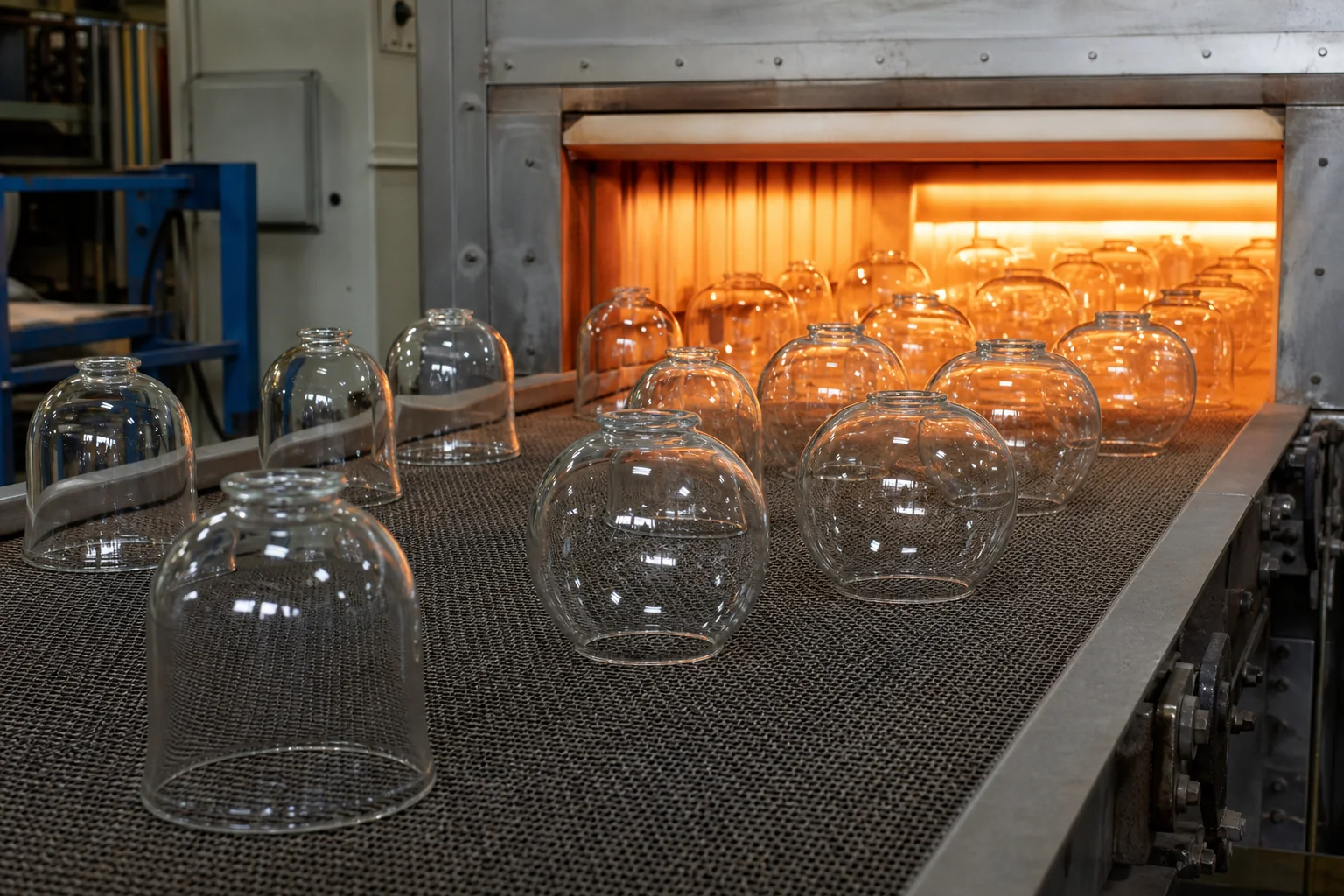
الزجاج المُلدن والزجاج المعالج بالحرارة ليسا الشيء نفسه
يهدف التلدين إلى تخفيف الإجهاد المتبقي غير المرغوب فيه. يهدف التصلب إلى خلق نمط إجهاد انضغاطي عمداً لتحسين الأداء الميكانيكي وتغيير سلوك الكسر. لا ينبغي وصف ظل زجاجي زخرفي بأنه مُصلب إلا إذا دعم المنتج، والعملية، والأدلة الاختبارية المعمول بها ذلك.
لطلب عرض أسعار، اطلب حالة الزجاج المعلنة وخطة الفحص أو الاختبار. لا تفترض أن وجود صورة فوتوغرافية، أو حافة ناعمة، أو عبارة “مقاوم للحرارة” يثبت التصلب.
يخلق العمل البارد واجهة التثبيت
بعد التلدين، قد يحتاج الظل إلى القطع أو الطحن أو التلميع أو الحفر. تعتمد العمليات على التصميم. قد ينفصل ظل مُنفخ عن الزجاج الزائد ويتم تفريغ الحافة المُثبتة إلى الحجم المطلوب. قد يحتاج الجزء المضغوط إلى إزالة البليونات. قد تحتاج لوحة مطبوعة من صفائح إلى إنهاء محيطها. يجب تشغيل الحفرة فقط عندما يطلب ذلك الرسم.
يمكن أن يغيّر العمل البارد الأبعاد النهائية، لذا ففحص الملاءمة يعود بعد عملية التشطيب ذات الصلة. يجب على المشتري تحديد كيف يتم تثبيت الجزء في التجهيز:
- قطر المُركّب وما إذا كان يجلس على حافة أو حلقة أو براغي أو مشابك؛;
- قطر الفتحة، موضعها المركزي، ومسافة الحافة حيث تكون هناك حاجة لفتحة؛;
- تسطّح الحافة أو سطح التماس المطلوب للـ holder؛;
- الفراغ عن المصباح والمقبس والمكونات المعدنية؛;
- أي مظهر لحافة يظل ظاهرًا بعد التجميع.
يمكن أن يكون اللون والسطح مدمجين أو يطبقان لاحقًا
قد يأتي اللون من تركيب الزجاج، أو التلوين بالفتلة الملونة أو التراكبات المضافة أثناء العمل الساخن، أو طلاء يُطبق بعد التشكيل. يمكن إنشاء تأثيرات التعرّق بواسطة معالجة سطح ميكانيكية أو كيميائية. تطرح الزخرفة المائلة والطلاءات العاكسة وغيرها من الطبقات أسئلة متعلقة بالالتصاق والتطابق اللوني والتنظيف.
يجب أن يذكر بند النهاية أكثر من مجرد “أبيض”، “دخاني”، أو “مُثلّج”. تحدد المواصفة المفيدة العينة المرجعية، ومستوى اللمعان أو الهدف البصري، وأي أسطح تُعالج، والخطوط الحدّية المقبولة، وظروف المشاهدة المستخدمة للموافقة. بالنسبة للظلال المضيئة، راجع النهاية عند الإطفاء والإنارة لأن فروق السماكة والشفافية قد تصبح أكثر وضوحًا عندما تكون المصباح مُشغّلًا.
يجب أن تتبع الفحص الرسم والعينة المعتمدة
خطة فحص جيدة قصيرة بما يكفي للاستخدام ومحددة بما يكفي لحسم الخلافات. يمكن أن تجمع بين فحوصات أبعاد وفحوصات بصرية والتحقق من الملاءمة وأدلة العملية. معدل العينة المحدد والحدود المقبولة هي مدخلات تجارية؛ يجب الاتفاق عليها قبل الإنتاج بدلاً من اختراعها بعد اكتمال الشحنة.
| منطقة الفحص | فحص عملي | القرار الذي يجب الاتفاق عليه |
|---|---|---|
| ميزة التركيب أو التثبيت | فحص القياس أو الكيلومتر أو التثبيت | التسامح وطريقة القياس |
| الهندسة العامة | المقارنة بين الارتفاع والقطر والملف أو القالب | الأبعاد الحاسمة مقابل المرجعية |
| المظهر البصري | مراجعة الضوء المنقول والمنعكس | فقاعات مقبولة، درزات، خيوط، علامات ونطاق اللون المقبول |
| جودة الحافة والثقب | فحص بصري وابعادي بعد العمل البارد | الشقوق، مستوى التلميع، نصف القطر الحدي، والتسامح المكاني |
| الم residual الإجهاد | الفحص الملائم للضغط عند التحديد | الطريقة والتكرار وحدود القبول |
| مجموعات مطابقة | مقارنة جنبًا إلى جنب مضاءة وغير مضاءة | التفاوت المسموح به ضمن جهاز واحد أو مشروع واحد |
فقاعات تستحق قاعدة مكتوبة. ال ي notes متحف كورنينغ للزجاج قد تتكون الفقاعات نتيجة للذوبان أو التجميع، لكنها قد تُدخل عمدًا أيضًا. قد يرفض تعليم عام “بدون فقاعات” تأثيرًا زجاجيًا مُنبتًا مقصودًا، بينما قد تسمح ملاحظة غامضة مثل “تنويع يدوي” بعيوب لم يتوقعها المشتري. المعايير التصويرية أو عينة موقعة تكون أوضح.
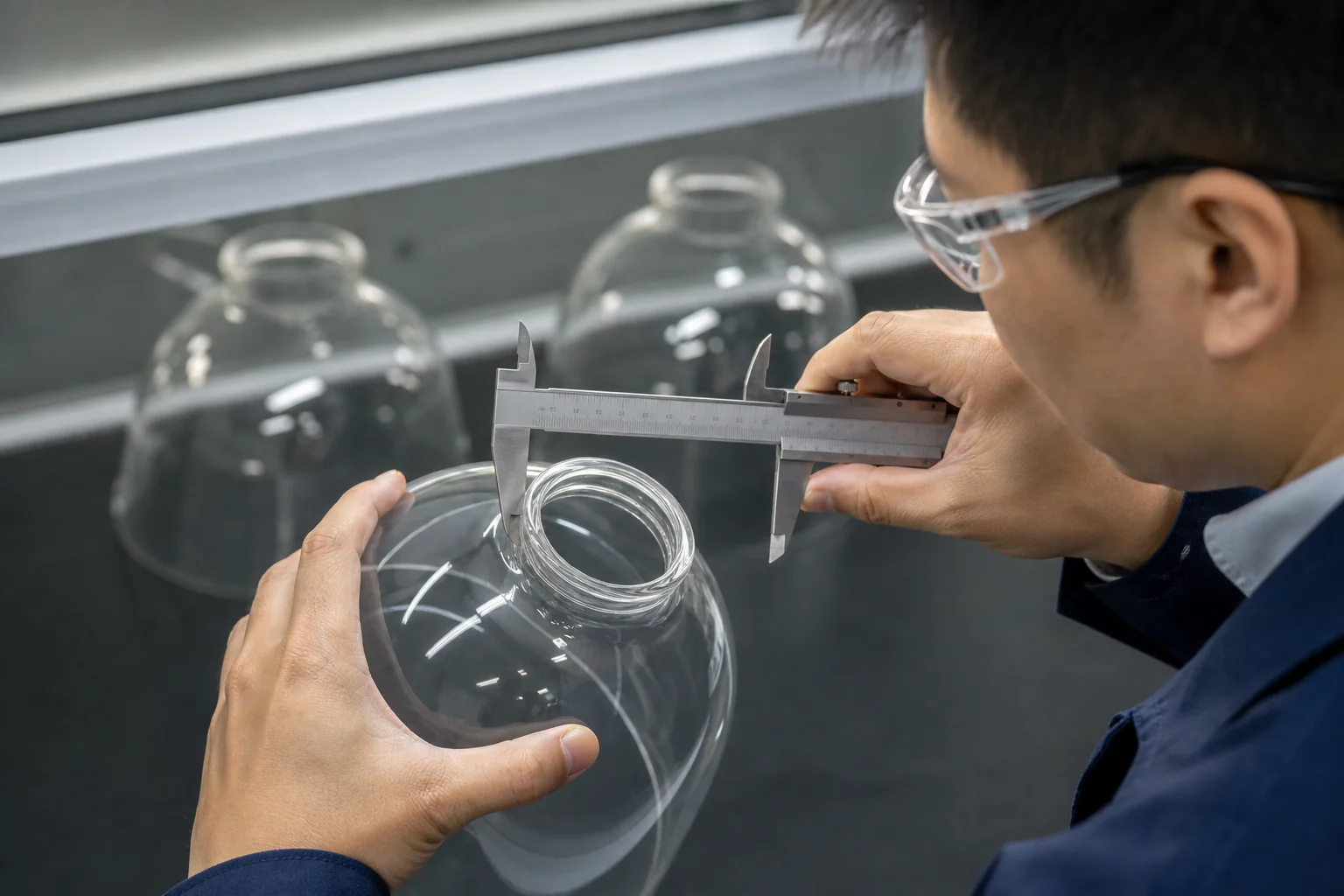
ما المشكلات الشائعة التي يمكن أن تخبرك بها
العَرَض ليس دليلًا على سبب واحد، ولكنه يوجه المشتري إلى مكان الفحص.
- المُجهّز غير المستدير يمكن أن يشير إلى تغيّر في التشكيل، تشوّه حراري، أو تثبيت إنهائي غير مناسب.
- الحافة المتأرجحة قد تشير إلى قطع غير متساوٍ أو طحن غير موحّد، أو بروفيل لم يُعرّف كسطح حاسم.
- فقاعات غير مخططة أو حصى أو رسائل خيطية يمكن أن تبرر مراجعة ذوبان أو مناولة المواد أو ممارسات العمل الساخن.
- التشققات حول ثقب أو حافة قد تستلزم مراجعة العمل البارد والمناولة.
- التشقق قد ينطوي على إجهاد متبقي، صدمة حرارية، صدمة تأثير، إجهاد التجميع، أو تطبيق غير مناسب. يجب فحص الجزء الفاشل وظروف تركيبه قبل تحديد السبب.
- خلل اللون قد ينشأ من تباين الدفعة، أو تباين السماكة، أو تباين الطلاء، أو الاعتماد في إضاءة مختلفة.
أفصح طلب إجراء تصحيحي أكثر فاعلية يتضمن الصور، معلومات الدفعة، تعديل الرسم، العينة المعتمدة، حالة التركيب، وعدد الأجزاء المتأثرة. “تحسين الجودة” غير قابل للقياس.
قائمة فحص RFQ لمظلة مصباح زجاجي مخصصة
أرسل معلومات كافية حتى يتمكن المزود من اختيار عملية والدفاع عنها:
- رسم ذو أبعاد يبين الترتيب مع مميزة واجهة التثبيت أو التثبيت بوضوح.
- عينة مادية أو صور مرجعية عندما يصعب عرض الملف التعريفي وخصائص السطح على الرسم.
- عائلة الزجاج المفضلة، اللون، الشفافية، finish السطح، أو طلب من المورد أن يوصي بخيارات.
- المرفق المقصود، نوع المصباح، بيئة التشغيل، والوثائق السوقية المطلوبة.
- كمية النموذج الأولي، الكمية المتوقعة للإنتاج، ونطاق الطلب السنوي.
- تحملات حاسمة والطريقة المخطط لها للتحقق منها.
- تنوع بصري مقبول، بما في ذلك الفقاعات، والخيوط، وآثار الأدوات، ونطاق اللون.
- متطلبات التعبئة والتغليف والملصقات ومجموعة المطابقة والبدائل والتبديل.
إذا كان أحد هذه النقاط غير معروف، فليُعيَّن كعنصر مفتوح. وهذا أكثر أماناً من السماح للمورد باستنتاج متطلب يصبح لاحقاً معيار رفض.
الأسئلة الشائعة
تستخدم العديد من الأغطية الزخرفية زجاج الصودا والجير المصنوع أساساً من السيليكا، ومادة مذيبة مثل رماد الصودا، ومثبتات مثل الحجر الجيري، بالإضافة إلى مواد اختيارية مثل الزجاج المعاد تدويره، أو الملونات، أو المواد المعتمة. يمكن اختيار زجاج البوروسيليكات أو عائلات زجاجية أخرى حسب متطلبات التشكيل أو الحرارة المختلفة. يرجى التأكد من المادة الخاصة بالجزء المحدد.
لا. يمكن أن تصنع أغطية المصابيح الزجاجية بالنفخ بالفم، أو بالنفخ الآلي، أو بالكبس، أو بتشكيل الأنابيب بالنار، أو بالتشكيل الحراري من صفائح الزجاج، أو بطرق أخرى. يؤثر الشكل والحجم والنهاية والمتطلبات الدقيقة على اختيار الطريقة.
يقلل التخمير من الإجهاد المتبقي الناتج عن تبريد الزجاج الساخن. تعتمد الجدولة الصحيحة على التركيبة والسُمك والشكل الهندسي، لذا يجب التحقق منها لكل قطعة ولكل عملية.
لا. التخمير يخفف الإجهاد المتبقي غير المرغوب فيه. التقسية تخلق ضغطًا سطحيًا بشكل متعمد لتحسين الأداء الميكانيكي وتغيير سلوك الكسر. يجب ألا يستخدم المورد المصطلحين بشكل متبادل.
لا. قد تكون الفقاعات غير مخططة، أو قد تكون ميزة مقصودة أو مصنوعة يدويًا. يجب أن يحدد مواصفات الشراء الحجم المسموح به، والعدد، والموقع، والمرجع البصري.
يتم قطع أو طحن أو تلميع أو حفر العديد من فتحات التثبيت بعد التشكيل والتخمير، لكن الترتيب يختلف حسب التصميم. يجب أن تتم الفحص النهائي بعد العملية التي تحدد أبعاد التثبيت.
اختر العمل المنفوخ بالفم عندما يكون الطابع اليدوي المتحكم فيه أو طريقة الإنتاج الصغيرة مهمة. ضع في اعتبارك الضغط عندما تبرر التفاصيل المقولبة المتكررة وحجم الإنتاج أدوات التصنيع. اطلب من المورد مقارنة الطريقتين بناءً على نفس الرسم والكمية.
أرسل رسماً أو عينة، وأبعاد التركيب، والنهاية المستهدفة، والكمية، والتطبيق، والتفاوتات الحرجة، ومتطلبات القبول البصري. هذه المدخلات تتيح للمورد أن يوصي بخطة تشكيل وفحص بدلاً من التسعير بناءً على المظهر فقط.
حول العملية إلى طلب عرض أسعار قابل للمراجعة
لعملية المراجعة، أرسل الرسم أو العينة مع الكمية المستهدفة والأبعاد التي تتحكم في التجميع. يمكن لـ JX Lampshade أن ترد بعدة مسارات تشكيل مقترحة، مع طرح أسئلة تقنية مفتوحة، والمعلومات اللازمة لاختيار العينة. أي الحد الأدنى للطلب، أوقات التسليم، التفاوت، إعلان المادة، طريقة الاختبار، أو القدرة الإنتاجية تبقى رهن التأكيد للمشروع المحدد.