
Введение: Возрождение ремесленного освещения
В качестве производитель индивидуальных стеклянных абажуров с глубоким знанием ремесленных методов производства мы понимаем, что понимание как преимуществ, так и ограничений ручного стеклования важно для брендов освещения, дизайнеров интерьеров, архитекторов и специалистов по закупкам. Этот всесторонний анализ исследует технические характеристики, практические применения, экономические аспекты и стандарты качества, связанные с стеклянным абажуром из ручного стеклования производством, подкрепленное реальными кейсами клиентов и производственными инсайтами.
Понимание Процесса производства стекла методом ручного стеклования
nЭто фабрика стеклянных ламповых абажуров процесс включает несколько критических этапов: начальное собирание и надувание, точное формование с помощью формы или ручной обработки, контролируемое охлаждение (отжиг) в печах для снятия внутренних напряжений, а также финальную отделку, включая шлифовку краев, полировку и подготовку к монтажу.. Каждый этап требует многолетней подготовки и десятилетий для мастерства, делая опытных ремесленников неоценимыми активами любого производителем стеклянных абажуров ламп .
nЧто отличает по-настоящему ремесленное стекло, созданное методом ручного стеклования, — это осознанное принятие природных вариаций. Как отмечает премиальный производитель освещения Louis Poulsen, “Создание стеклянных абажуров методом ручного стеклования — это искусство… Даже если цветовые смеси совпадают точно, разная толщина стекла тонко влияет на оттенок. Кроме того, различные узоры крошечных пузырьков, запертых в стекле, могут немного изменять внешний вид от абажура к абажуру”. Эти факторы способствуют тому, что мы называем “несовершенной красотой” — отличительной чертой подлинного мастерства.
n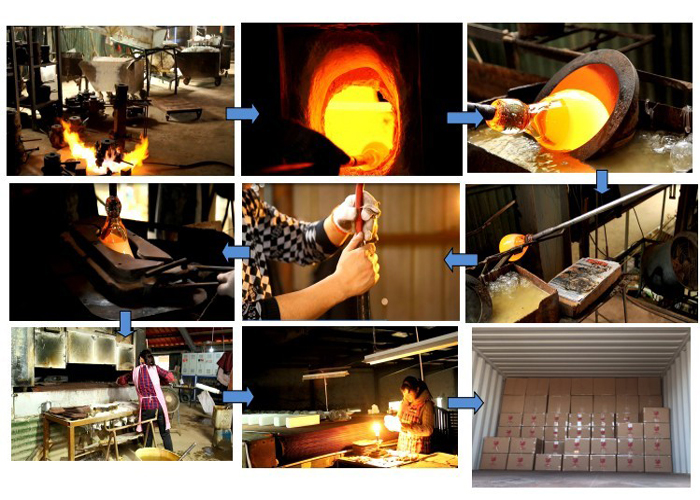
Преимущества стеклянных абажуров из ручного стеклования
1. Несравненная эстетическая индивидуальность и универсальность дизайна
- Цветные и узорчатые оттенки: с вихревыми шнурами, рифлеными текстурами, геометрическими компоновками и цветочными мотивами, превращающими освещение в динамический визуальный опыт
- Цветочные и природные мотивы: гравированные или формованные ботанические элементы, вызывающие ощущение спокойствия и тепла, особенно подходящие для интерьеров в стиле Коттеджкор и Бохо
- Индустриальные и рустикальные дизайны: текстурированные поверхности с пузырьками, рябью и неровными краями, подчеркивающие ремесленное мастерство
- Геометрические и минималистичные узоры: угловые призмы и граненые поверхности, требующие профессионального контроля во время процесса выдува
- Художественные и скульптурные дизайны: абстрактные формы, включая волнообразные изгибы, плавающие сферы и спирали, созданные с помощью передовых техник, таких как фьюминг и мраморирование стекла
2. Превосходное качество света и свойства диффузии
3. Экологическая устойчивость и минимальные отходы
4. Премиционное позиционирование на рынке и дифференциация бренда
Это премиальное позиционирование позволяет более ярко выделять бренд на насыщенных рынках. производителем стеклянных абажуров ламп специализирующиеся на техниках ручного выдува могут предложить артикулы с “высокой эстетической ценностью и дифференциацией бренда”, которых не могут достичь предприятия по машинному производству. Нарратив ремесленного мастерства — подчеркивающий годы обучения, десятилетия мастерства и индивидуальное внимание — сильно резонирует с современными потребителями, ищущими аутентичность и происхождение.
Совместимость с современной технологией освещения
Современное ртутное индивидуальных стеклянных абажуров Дизайны демонстрируют отличную совместимость с LED-лампами, системами умного освещения и диммерами. Это сочетание традиционного мастерства и современной технологии позволяет дизайнерам освещения указывать ремесленные изделия без ущерба для энергоэффективности или расширенной функциональности. Тепловые свойства правильно отожженного стекла также обеспечивают долговечность при использовании с LED-источниками, которые выделяют значительно меньше тепла, чем традиционные лампочки накаливания — важный фактор для сохранения деликатных стеклянных изделий.
Недостатки стеклянных абажуров, выполненных методом ручного выдува
Стоимость производства и экономическая доступность
Самый существенный недостаток световые абажуры из ручного стеклования их существенная ценовая надбавка по сравнению с машиностроительными альтернативами. Эта разница в стоимости обусловлена несколькими факторами: обширной подготовкой, необходимой для квалифицированных ремесленников (часто более 10 лет опыта), трудоемким процессом производства каждой отдельной вещи, более высоким уровнем дефектов, присущим ручным технологиям, и невозможностью достичь эффекта масштаба.
Для проектов с ограниченным бюджетом или приложений, требующих несколько одинаковых светильников — таких как сети гостиниц или крупные коммерческие установки — изделия из ручного стекла могут оказаться экономически невыгодными. Индустриальные рекомендации указывают, что эти изделия “менее подходят для… покупателей с ограниченным бюджетом или тех, кому нужны несколько одинаковых светильников”.
2. Проблемы несоответствия и контроля качества
3. Увеличенные сроки выполнения заказов и ограничения масштабируемости
Ремесленная природа выдувного стекла накладывает естественные ограничения на скорость производства. В то время как машинное прессование индивидуальных стеклянных абажуров производство может выпускать тысячи идентичных единиц ежедневно, квалифицированным мастерам может потребоваться несколько часов для изготовления одного сложного изделия. Это ограничение становится особенно проблематичным для крупномасштабных проектов или брендов, переживающих быстрый рост.
4. Хрупкость и требования к обращению
5. Риск подделки и проверка подлинности
Пример из практики клиента: успешное внедрение для российского бренда освещения
Чтобы проиллюстрировать практическое применение этих преимуществ и недостатков, рассмотрим опыт среднего российского бренда освещения. Эта компания стремилась разработать новую коллекцию современных настенных светильников с использованием индивидуальных стеклянных абажуров компоненты с характерными формами факелов, высокой прозрачностью, однородной толщиной и совместимостью со стандартными фитингами.
Начальные проблемы с внутренним источником поставок
Переход к специализированному производителю стеклянных абажуров для ламп
- Быстрое прототипирование: Разработка новой формы на основе спецификаций бренда с изготовлением образцов в течение нескольких недель
- Оптимизация дизайна: Совместные корректировки для улучшения свойств рассеивания света и структурной целостности
- Инновации в упаковке: Переработанная защитная упаковка, которая снизила количество повреждений при транспортировке
Экономия затрат: Производственные расходы снижены более чем на 30% по сравнению с внутренним производством при сохранении стандартов ремесленного качества
Технические характеристики и стандарты качества
Состав материалов и тепловые свойства
Премиальное стекло ручного выдува для осветительных приборов обычно использует смеси на основе кремнезема с содой и известняком, соотношения варьируются в зависимости от желаемых оптических и физических свойств. Цвет достигается за счет точного добавления металлических оксидов во время плавки, которая происходит более 14 часов при температуре около 1450°C в традиционной печи.
Отжиг — контролируемый процесс охлаждения — критически важен для долговечности. Неправильно отожженное стекло сохраняет внутренние напряжения, что может привести к спонтанному разрушению. Профессиональные Производители стеклянных абажуров для ламп проводят отжиг в течение длительных периодов, с определенными температурными кривыми, зависящими от толщины и состава стекла.
Сертификаты безопасности и соответствия
- Сертификация UL: Требуется для выхода на рынок России, охватывает электрическую безопасность и огнестойкость
- Маркировка CE: Обязательно для распространения в Европейской экономической зоне
- Сертификация CCC: Обязательная сертификация продукции в Китае для внутреннего рынка и некоторых экспортных категорий
- Обработка поверхности: Отсутствие царапин, сколов или неприемлемых включений
- Точность размеров: Соответствие допускам по дизайну (обычно ±2-3 мм для ручных изделий)
- Структурная целостность: Отсутствие трещин, напряженных рисунков или слабых точекСоответствие ROHS: Ограничение опасных веществ для экологической безопасности
- Сертификация FCC: Для продукции, содержащей радиочастотные или электромагнитные компоненты
Стандарты отделки поверхности и оптического качества
- Прозрачность: Измеренные показатели пропускания света по сравнению с спецификациями
- Обработка поверхности: Отсутствие царапин, сколов или неприемлемых включений
- Точность размеров: Соответствие допускам по дизайну (обычно ±2-3 мм для ручных изделий)
- Структурная целостность: Отсутствие трещин, напряженных рисунков или слабых точек
- Цветовая согласованность: Оценка в пределах допустимых вариаций для ручных изделий
Стратегические рекомендации для специалистов по освещению
Когда указывать на светильники с матированными стеклянными абажурами ручной работы
- Роскошных жилых проектов где уникальность и ручное происхождение оправдывают премиальную цену
- Бутик-гостиничных интерьеров (элитные рестораны, бутик-отели), ищущие характерное атмосферное освещение
- Акцентные элементы в коммерческих лобби, галереях или кабинетных пространствах
- Проекты восстановления наследия требующие использования традиционных ремесленных техник
- Ограниченные серии или коллекционные предметы освещительные коллекции
Когда рассматривать альтернативные методы производства
- Масштабных коммерческих запусков требующих сотен одинаковых единиц
- Проектов с ограниченным бюджетом где эффективность затрат превосходит ремесленную ценность
- Приложения, требующие точной размерной согласованности на нескольких приспособлениях
- Общественные пространства с высоким трафиком где долговечность важнее эстетических соображений
- Быстрое расширение рынка требующее масштабируемых цепочек поставок
Лучшие практики закупок
- Проверять производственные возможности посещая производственные площадки или проводя аудиты сторонних организаций
- Запрашивать всестороннюю оценку образцов включая стресс-тестирование и оптическую оценку
- Устанавливать четкие параметры допусков качества учитывая ремесленные вариации и определяя недопустимые отклонения
- Разрабатывать специализированные протоколы упаковки учитывая опасения по хрупкости
- Вести переговоры о гибком графике производства учетные сроки ручной работы
- Реализовать меры аутентификации защита от контрафактной продукции
Заключение: баланс между мастерством и практичностью
Недостатки — повышенные затраты, ограничения производства, вариативность качества и требования к обращению — значительны, но управляемы благодаря осознанному выбору поставщиков и стратегическим партнерствам с опытными фабрика стеклянных ламповых абажуров операциями. Как показывает успешная реализация клиентами, сотрудничество с специализированными Производители стеклянных абажуров для ламп может снизить традиционные сложности ручного производства, сохраняя при этом эстетические и повествовательные преимущества, которые отличают выдувное стекло в современном рынке.
Общие вопросы
Yancheng Jingxin Glassware Co., Ltd. является профессиональным производителем стекла основана в 1999 году. Мы управляем собственной производственной базой и офисной площадью более 44830 кв. футов (примерно 4500 м²), объединяя дизайн, производство, контроль качества и экспортные услуги.
Мы производим широкий ассортимент индивидуальных стеклянных абажуров включая ламповые абажуры из стекла, прессованные стеклянные абажуры, абажуры из боросиликатного стекла, центробежные стеклянные абажуры и т. д. Наши возможности охватывают OEM и ODM производство для различных применений и отраслей.
Да, мы предоставляем полный спектр услуг по индивидуализации OEM и ODM включая:
- Проектирование и инженерное развитие индивидуальных продуктов
- Разработку собственных форм
- Печать логотипов и брендинг
- Обработку поверхности и отделку
- Индивидуальные решения по упаковке
Да, наша команда дизайнеров может разработать индивидуальную посуду из стекла по вашей концепции. Мы предоставляем профессиональные услуги по дизайну на основе ваших идей, образцов-отсылок или функциональных требований — без необходимости технических чертежей для начала работы.
Наш процесс обеспечивает качество перед массовым производством
Подтверждение дизайна с клиентом
Разработка формы в нашем цехе
Производство образцов для утверждения
Тестирование и обратная связь от клиента
Массовое производство только после окончательного утверждения образца
Мы предлагаем комплексную индивидуальную упаковку для безопасной международной доставки:
- Защитные внутренние упаковочные материалы
- Экспортные картонные коробки
- Индивидуальные цветные коробки и розничная упаковка
- Печать этикеток и брендинг
- Упаковка, соответствующая стандартам международных перевозок
- Инспекция на каждом этапе производства
- Научные процедуры контроля качества
- Предварительная проверка каждой партии перед отправкой
- Соответствие международным экспортным стандартам
- Сертифицированные системы управления качеством
Мы работаем несколькими производственными линиями с опытными работниками, обеспечивая стабильное массовое производство для заказов любого размера. Наше предприятие гарантирует стабильное качество и надежную своевременную доставку как для небольших партий, так и для крупномасштабных заказов.
Сроки выполнения зависят от сложности и объема заказа:
- Каталог/легкая настройка: 25–30 дней для заказов до 1 000 штук
- Заказы от 1 000 до 5 000 штук: 35–45 дней
- Полная индивидуальная OEM-отделка с новыми формами: 45–65 дней; окончательное время подтверждается проектом
Текущий охват рынка подтверждается при проверке поставщика., включая:
- Северная Америка (США, Канада)
- Европа (Великобритания, Германия, Франция и др.)
- Рынки Азиатско-Тихоокеанского региона
- Ближний Восток
- Африка
- Океания (Австралия, Новая Зеландия)
Мы поддерживаем всеобъемлющую глобальную сеть распространения.