
حل إضاءة المطاعم والمقاهي · جي إكس غطاء مصباح
أغطية مصابيح زجاجية للمقاهي والمطاعم
توفر جي إكس أباجورة أغطية مصابيح مخصصة للمطاعم وأغطية زجاجية للمقاهي لطاولات الطعام، وبارات القهوة، وإضاءة الجدران، وتركيبات التعليق، وتصميمات الضيافة الداخلية. ندعم أشكال الزجاج المخصصة، والألوان، والتشطيبات، والعينات، والقوالب، والإنتاج بالجملة، وتغليف التصدير الواقي لعلامات الإضاءة التجارية، وسلاسل المطاعم، ومشاريع المقاهي، والمشترين التجاريين. قدراتنا أغطية مصابيح المطاعم و أغطية مصابيح المقاهي تغطي جميع أنواع تركيبات إضاءة الضيافة — من مصابيح التعليق فوق البار إلى مصابيح الجدران في غرف الطعام الخاصة — وكل مجموعة من أغطية مصابيح زجاجية للضيافة يمكن تطويرها حسب مواصفات التصنيع الأصلي مع أحجام أطواق متطابقة، وتشطيبات زجاجية، وتغليف تصدير.
1999
تأسست · تصنيع الزجاج
تأسست عام 1999 · مراقبة جودة موثقة
تفاصيل المنشأة
منشأة الإنتاج
ورش الزجاج · يانتشينغ، الصين
120+
الدول المخدومة
الأسواق الدولية
25–45 يومًا
مدة التنفيذ القياسية
منتجات الكتالوج/التخصيص الخفيف · يتم تأكيد مدة المشروع في عرض السعر
حلول أغطية مصابيح زجاجية مخصصة للديكورات الداخلية للطعام والمقاهي
إضاءة المطاعم والمقاهي تتطلب أكثر من مجرد السطوع. يجب أن توفر أغطية المصابيح الزجاجية المناسبة أجواء مريحة، وتدعم مفهوم التصميم الداخلي، وتتناسب مع هيكل التركيبة، وتحافظ على جودة ثابتة للتركيبات المتكررة في مناطق الطعام، وبارات القهوة، والمداخل، ومساحات الضيافة. سواء كنت تبحث عن أغطية مصابيح زجاجية للمطاعم بالجملة أو قطعة واحدة غطاء مصباح للمقهى بديل، نفس مبادئ ملاءمة التركيبة وجودة الزجاج والتناسق البصري تنطبق.
أجواء طعام دافئة
تساعد أغطية الزجاج الكهرماني والزجاج الأوبال والزجاج المخدد المطاعم على خلق بيئة طعام مريحة مع انتشار ضوء زخرفي وتأثير بصري راقي.
زجاج كهرماني · زجاج أوبال · زجاج مخدد
إضاءة المقاهي وبارات القهوة
أغطية المصابيح الزجاجية الشفافة والمدخنة والمستوحاة من الطراز القديم تساعد المقاهي على خلق أجواء مميزة فوق البار، ومناطق الجلوس، وبارات القهوة.
زجاج شفاف · زجاج مدخن · زجاج مخدد عتيق
مجموعات الضيافة المخصصة
الأشكال والفتحات والألوان والتشطيبات المخصصة تدعم سلاسل المطاعم، مشاريع المقاهي، العلامات التجارية للإضاءة ومصممي الديكور الداخلي للضيافة.
قوالب مخصصة · موافقة على العينة · إنتاج دفعات
حلول أغطية مصابيح الزجاج للمطاعم والمقاهي
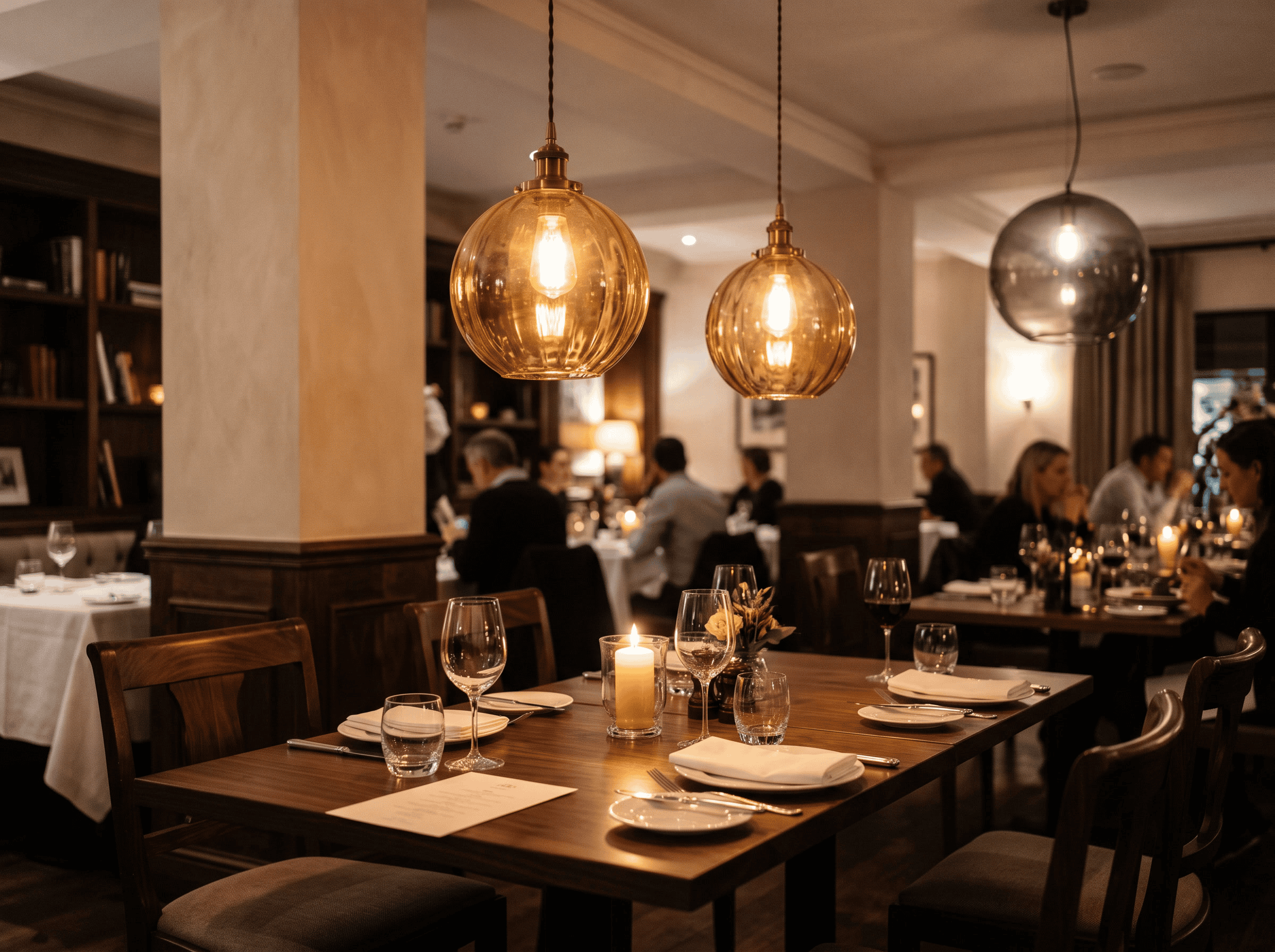
أغطية مصابيح زجاجية للمطاعم
اصنع أجواء طعام دافئة وراقية مع أغطية الزجاج المعلقة المخصصة، أغطية مصابيح الحائط والكرات الزجاجية الزخرفية. خيارات الزجاج الكهرماني، الشفاف، الدخاني والمضلع تدعم أماكن تناول الطعام غير الرسمية، المطاعم الفاخرة، غرف الطعام الخاصة وديكورات الضيافة.
زجاج كهرماني · زجاج دخاني · زجاج شفاف · زجاج مضلع
استكشف أغطية الزجاج للمطاعم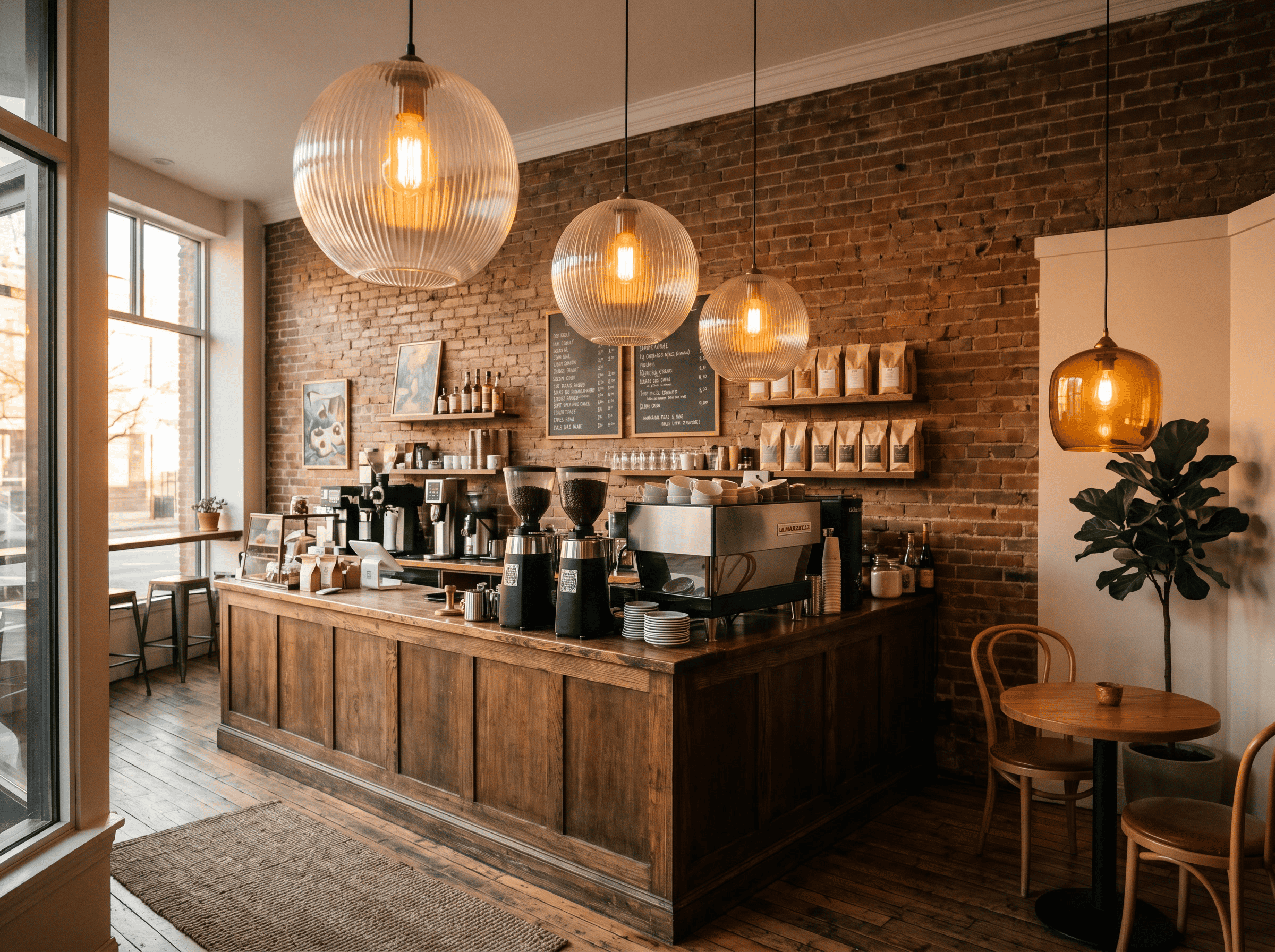
أغطية مصابيح زجاجية للمقاهي
يمكن أن تساعد أغطية المصابيح الزجاجية الزخرفية المقاهي ومحلات القهوة على خلق أسلوب داخلي مريح ومميز. أغطية الزجاج الشفاف، الكهرماني، المضلع والمستوحاة من الطراز الكلاسيكي تناسب بارات القهوة، مناطق الجلوس، المداخل والإضاءة المميزة.
زجاج شفاف · زجاج كهرماني · زجاج مضلع · زجاج كلاسيكي
استكشف أغطية الزجاج للمقاهي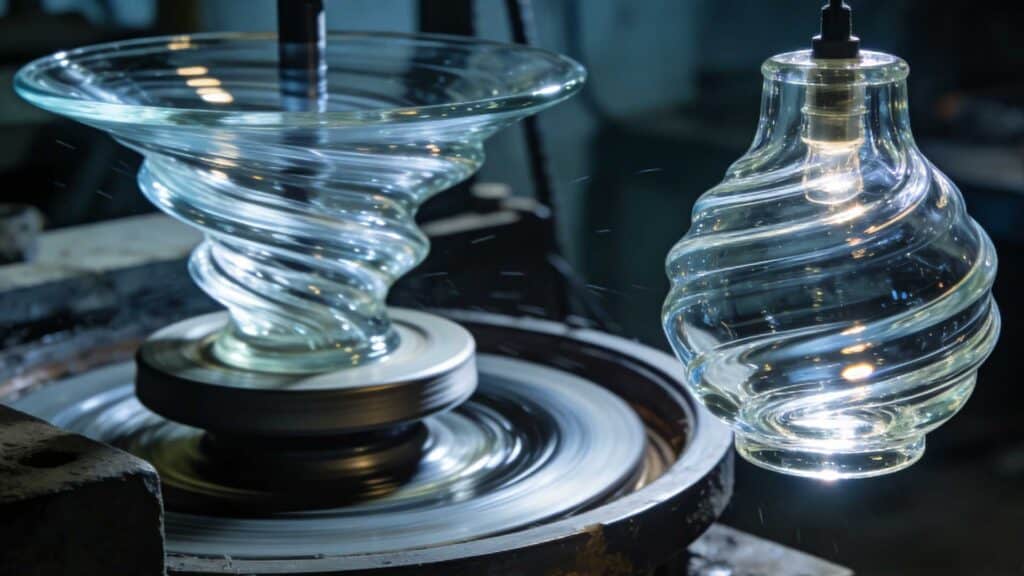
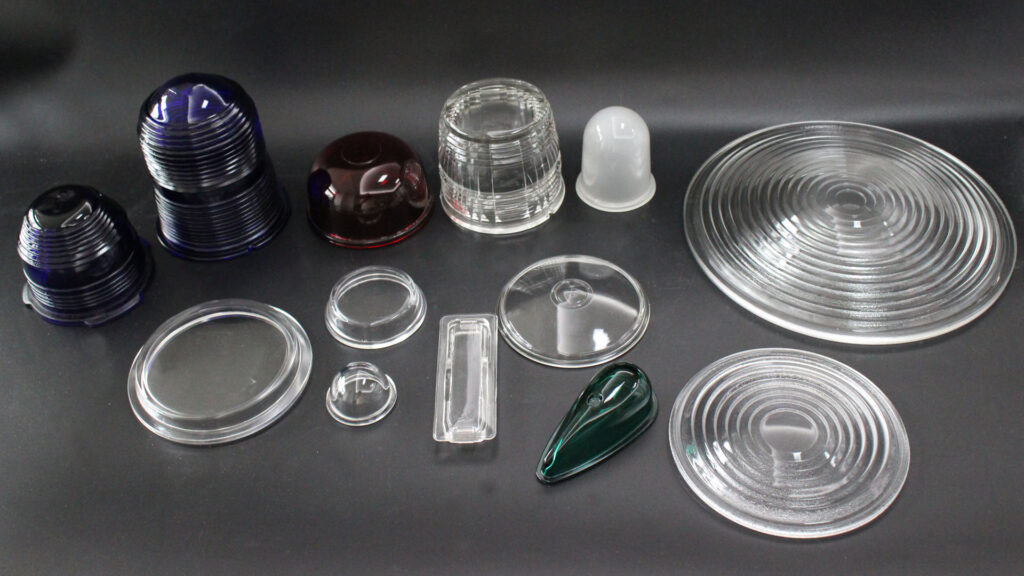
أغطية مصابيح زجاجية لكل منطقة طعام ومقهى
كل منطقة طعام ومقهى لها متطلبات إضاءة مختلفة — من إضاءة مركزة فوق طاولات الخدمة إلى توهج محيط ناعم في غرف الطعام الخاصة. أغطية مصابيح زجاجية لمساحات الطعام تحتاج إلى تحقيق التوازن بين الأجواء وتوافق التركيبات، بينما أغطية مصابيح زجاجية لمقاهي القهوة غالبًا ما تعطي الأولوية للطابع الزخرفي والتميز البصري فوق الكاونتر ومناطق الجلوس.
طاولات الطعام
تخلق أغطية الزجاج المعلقة إضاءة مركزة ومريحة فوق طاولات الطعام. يدعم الزجاج الكهرماني، الشفاف والأوبال مفاهيم المطاعم المختلفة.
زجاج كهرماني · زجاج شفاف · زجاج أوبال
بارات القهوة
تتناسب الظلال المعلقة الزخرفية والكرات الزجاجية مع بارات القهوة، وعدادات الخدمة، وإضاءة المميزات. يضيف الزجاج المخدد والشفاف تفاصيل بصرية.
زجاج شفاف · زجاج مخدد · زجاج مدخن
مداخل المطاعم
تخلق الإضاءة البارزة في مداخل المطاعم انطباعًا أوليًا أقوى. تتناسب المعلقات الزجاجية الزخرفية وأباليك الجدران مع مناطق الاستقبال والانتظار.
زجاج مدخن · زجاج كهرماني · زجاج مخدد
غرف الطعام الخاصة
تتطلب غرف الطعام الخاصة إضاءة أكثر نعومة ورقيًا. يخلق زجاج الأوبال والكهرمان والزجاج المصنفر جوًا مريحًا.
زجاج أوبال · زجاج مصنفر · زجاج كهرماني
مناطق الجلوس في المقاهي
تستفيد مناطق الجلوس في المقاهي من الإضاءة الديكورية الدافئة مع توزيع مريح. الكرات الزجاجية الشفافة، والمعلقات الكهرمانية، والظلال الكلاسيكية خيارات مناسبة.
زجاج شفاف · زجاج كهرماني · زجاج كلاسيكي
أباليك الجدران وإضاءة المميزات
تدعم أغطية المصابيح الزجاجية الجدارية الممرات، وجدران المميزات، ومناطق الجلوس. يمكن تخصيص الغطاء الزجاجية المدمجة حسب هيكل التركيب.
زجاج مصنفر · زجاج أوبال · زجاج مخدد
المواد والتشطيبات الزجاجية الموصى بها لإضاءة المطاعم
اختيار مادة الزجاج يؤثر بشكل مباشر على الأجواء والطابع البصري وجودة الإضاءة العملية في ديكورات المطاعم والمقاهي.
زجاج كهرماني
الأفضل للمطاعم، البارات، المقاهي، طاولات الطعام وديكورات الضيافة الدافئة.
التأثير: أجواء دافئة، طابع زخرفي وجو مريح لتناول الطعام
الزجاج الشفاف
مثالي لمصابيح المقاهي، حانات القهوة، التركيبات ذات المصابيح المكشوفة ومساحات الطعام الحديثة.
التأثير: شفافية عالية، مظهر نظيف وتوهج المصباح مرئي
زجاج مدخن
مثالي للمطاعم الفاخرة، المقاهي الحديثة، الحانات ومناطق الإضاءة المميزة.
التأثير: تباين أنيق، مزاج راقي وتفاصيل بصرية معاصرة
زجاج مخدد / مضلع
مثالي للمطاعم البوتيكية، المقاهي الكلاسيكية ومصابيح التعليق الزخرفية.
التأثير: توزيع ضوء محكم وطابع بصري فاخر
زجاج أوبال / حليبي
مثالي لغرف الطعام الخاصة، الإضاءة المحيطية الناعمة والتحكم في التوهج.
التأثير: انتشار لطيف وأجواء ضيافة مريحة
زجاج مصنفر
مثالي لمصابيح الحائط، الممرات، المداخل وإضاءة المطاعم الناعمة.
التأثير: انتشار موحد، تقليل التوهج وراحة إضاءة عملية
موارد حول أغطية المصابيح الزجاجية للمقاهي والمطاعم
أغطية مصابيح زجاجية زخرفية للمقاهي والمطاعم
تم تصميم هذه الأغطية الزجاجية الزخرفية للمقاهي والمطاعم وحانات القهوة ومساحات الطعام، لتوفير أجواء إضاءة دافئة وراقية. مع أشكال وألوان وتشطيبات سطحية قابلة للتخصيص، يمكنها أن تتناسب مع أنماط الديكور المختلفة مع الحفاظ على مظهر نظيف ومعاصر.
مناسبة لمصابيح التعليق، مصابيح الحائط، مصابيح الطاولة والإضاءة المميزة، تدعم هذه الغطاء الزجاجية التصميم الزخرفي ومتطلبات الإضاءة العملية للضيافة.
- تصنيع أغطية مصابيح زجاجية مخصصة
- دعم القالب، العينة، والإنتاج بالجملة
- تغليف تصديري للمنتجات الزجاجية القابلة للكسر
أغطية مصابيح زجاجية مميزة للمقاهي والمطاعم
أغطية مصابيح زجاجية بلون الكهرمان والمدخن والمضلع والشفاف لإضاءة المطاعم والمقاهي — متوفرة للتخصيص حسب الطلب، تطوير العينات والتوريد بالجملة.
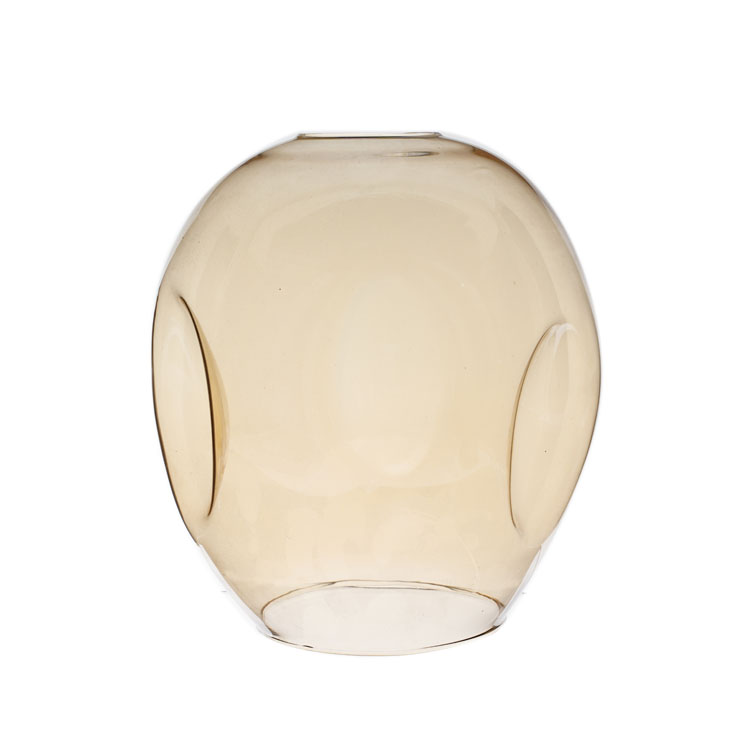
غطاء مصباح كروي من زجاج البوروسيليكات الكهرماني مصنوع يدويًا – تصميم عتيق مع تجويفات
كرة زجاجية من البوروسليكات المنفوخة يدوياً بلون الكهرمان مع سطح مجعد كلاسيكي — توهج ذهبي دافئ مثالي لطاولات الطعام في المطاعم وإضاءة التعليق في المقاهي.
عرض المنتج →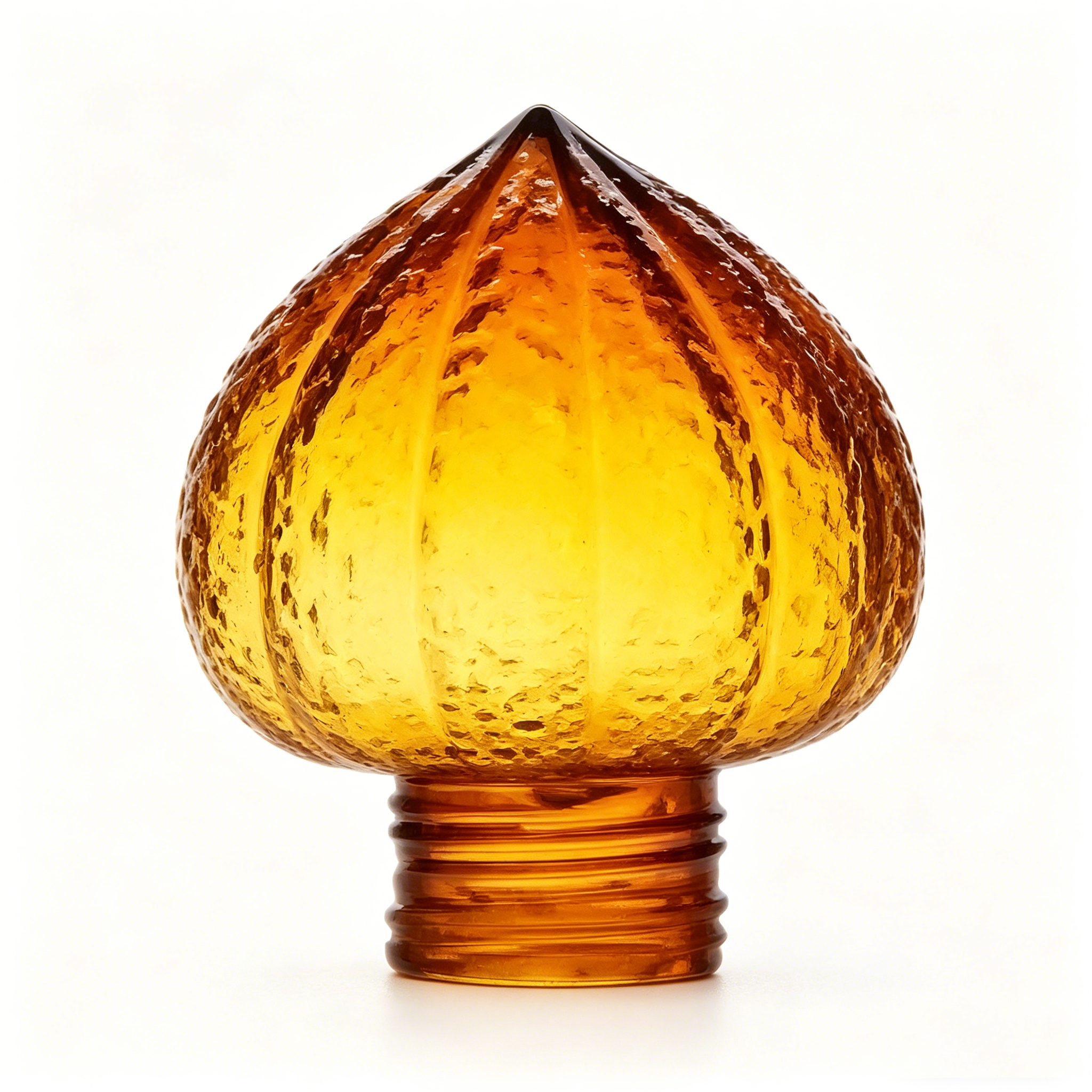
غطاء مصباح زجاجي على شكل بصلة كهرمانية — شكل خوخي كلاسيكي
ظل زجاجي كهرماني دافئ على شكل بصلة مع صورة ظلية كلاسيكية — مصباح زخرفي لمنطقة الطعام في المطاعم، أماكن الجلوس في المقاهي وإضاءة الضيافة المميزة.
عرض المنتج →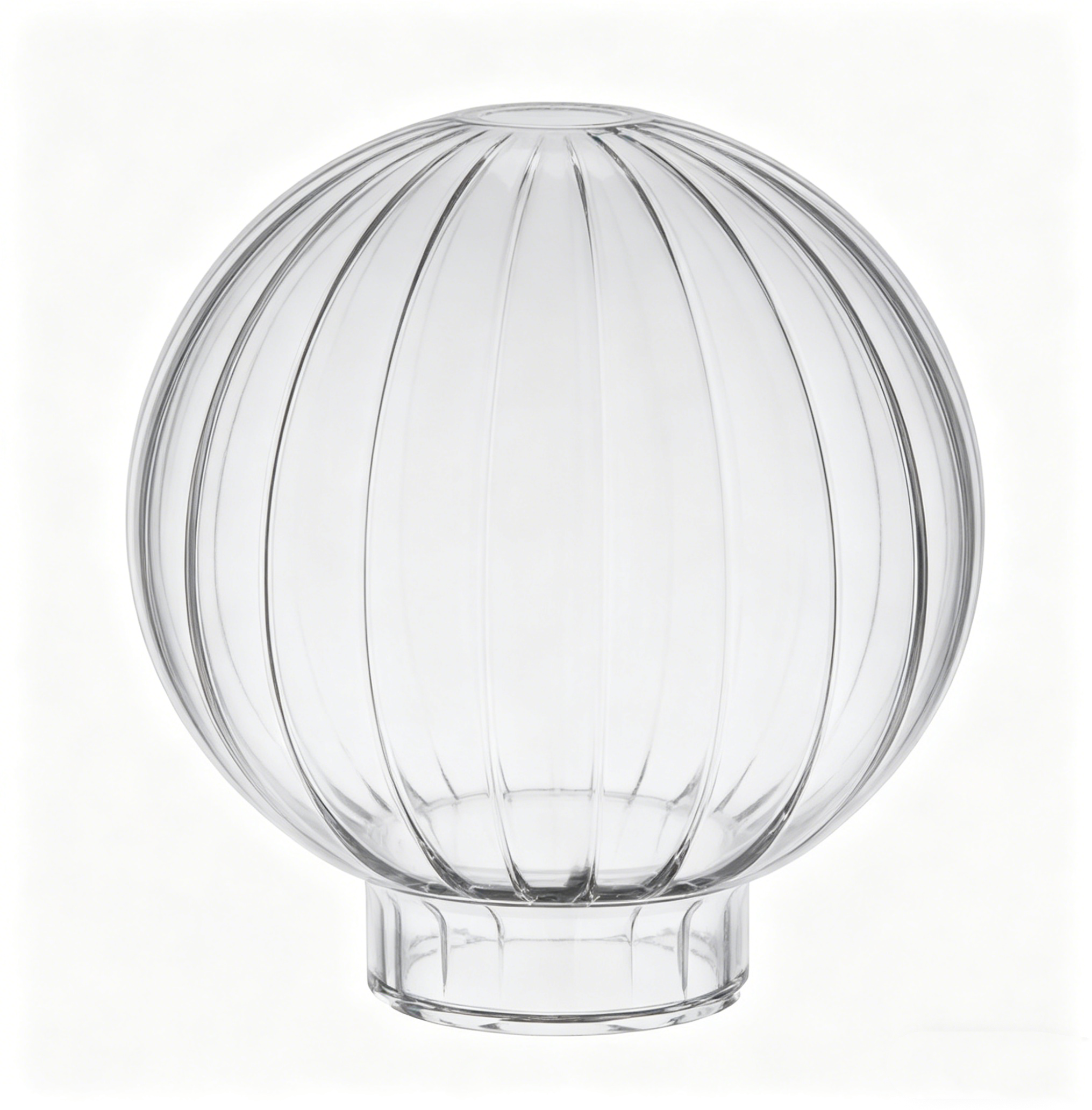
غطاء مصباح كرة زجاجية مضلعة شفافة — خطوط رأسية
كرة زجاجية شفافة مع خطوط رأسية مضلعة — انكسار ضوئي زخرفي لعدادات المقاهي، وتعليقات المطاعم، وديكورات الضيافة الحديثة.
عرض المنتج →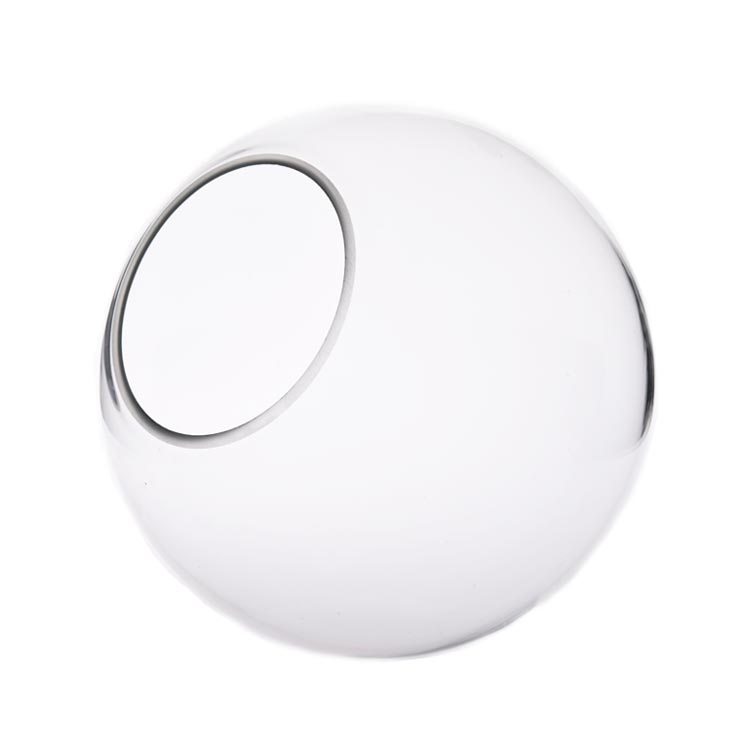
غطاء مصباح كرة زجاجية شفافة منفوخة يدويًا بشكل كروي
كرة زجاجية شفافة منفوخة يدويًا كلاسيكية لتعليقات السقف وثريات الإضاءة — تصميم شفاف ونظيف مناسب للمقاهي الحديثة وإضاءة المطاعم.
عرض المنتج →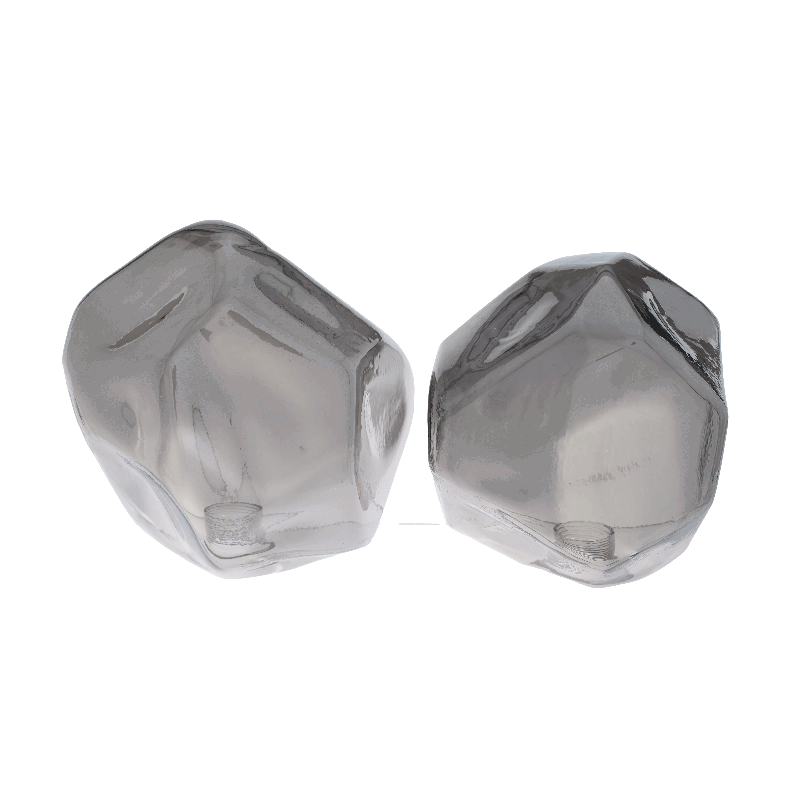
غطاء مصباح زجاجي بشكل حجر غير منتظم مدخن
غطاء زجاجي بوروسيليكات بشكل حجر فريد بلون رمادي بني مدخن — طابع زخرفي مميز للمطاعم الفاخرة وديكورات المقاهي الحديثة.
عرض المنتج →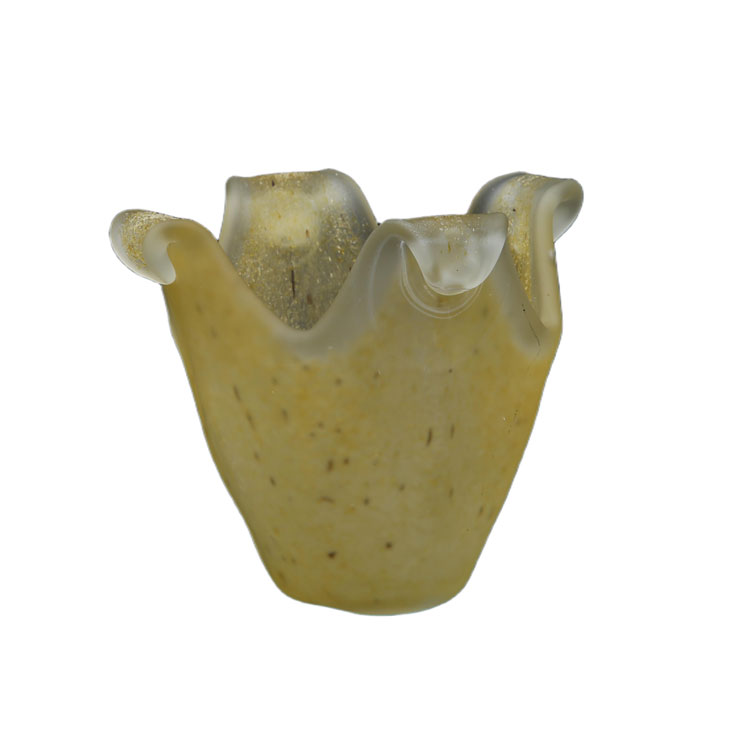
أغطية مصابيح مصنوعة يدويًا من الزجاج الأصفر الكهرماني المجعد
غطاء مصباح يدوي الصنع بلون الكهرمان الدافئ مع حافة مموجة متدفقة — تصميم مستوحى من الطراز القديم لتعليقات الإضاءة في البسترو والمقاهي والمطاعم الصغيرة.
عرض المنتج →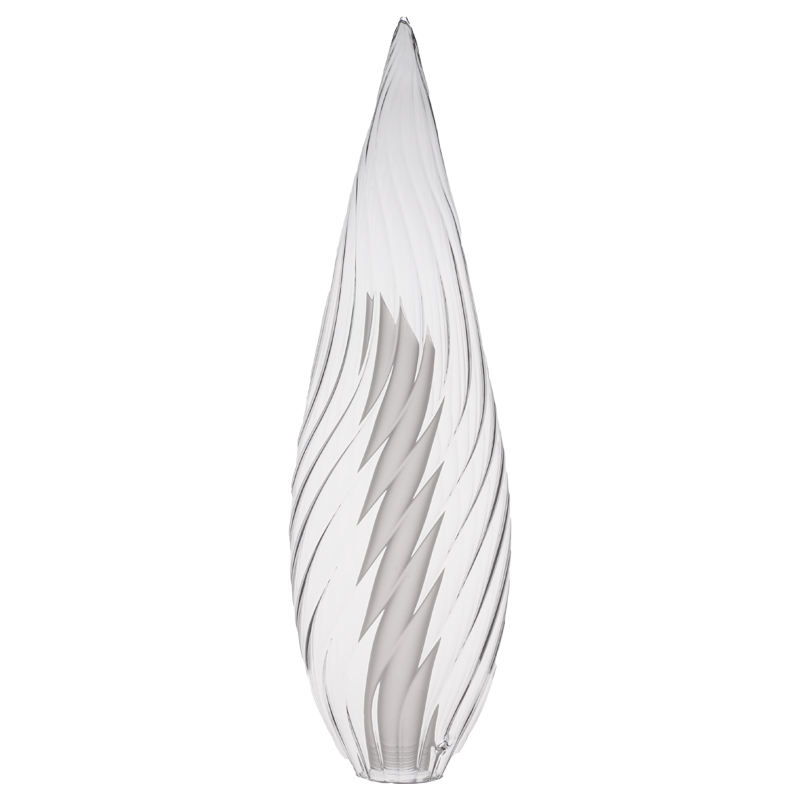
غطاء مصباح معلق دائري من زجاج بوروسيليكات شفاف مضلع منفوخ يدويًا
غطاء مصباح معلق من زجاج بوروسيليكات شفاف مضلع مع فتحة G9 — توزيع ضوء ملمس لإضاءة عدادات المقاهي وتعليقات المطاعم ومشاريع الضيافة.
عرض المنتج →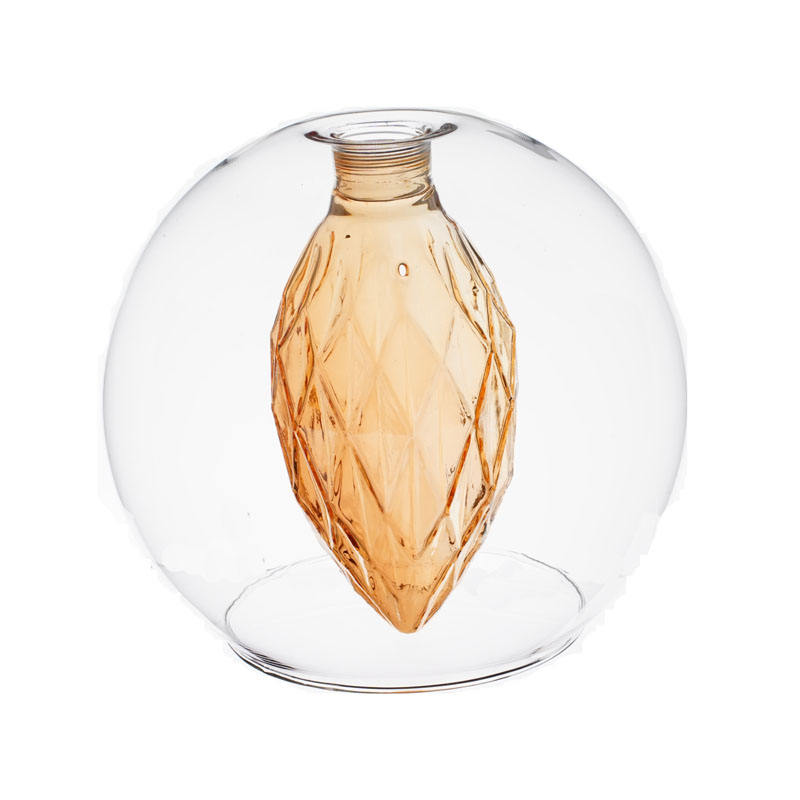
غطاء مصباح زجاجي عتيق الجدار مزدوج بوروسيليكات معلق
غطاء مصباح زجاجي بوروسيليكات بطراز عتيق بجدار مزدوج وخيط داخلي — إضاءة معلقة للمقاهي والمطاعم الصغيرة بطابع حرفي.
عرض المنتج →استكشف أغطية المصابيح الزجاجية حسب النوع
تصفح كتالوج أغطية مصابيح JX حسب نوع الغطاء والتطبيق — جميع المنتجات متاحة للتصنيع حسب الطلب لمشاريع الفنادق.
غطاء مصباح زجاجي منفوخ بالفم
أغطية زجاجية مشكّلة يدوياً لمصابيح الفنادق المعلقة، والثريات في الردهات، وإضاءة الضيافة الزخرفية حيث يتطلب المظهر المصنوع يدوياً.
غطاء مصباح زجاجي مضغوط آليًا
أغطية زجاجية مصبوبة بشكل متناسق لغرف نزلاء الفنادق، والممرات، ومشاريع الإضاءة بالجملة التي تتطلب أبعاداً ثابتة وإنتاجاً متكرراً.
غطاء مصباح زجاجي من البوروسيليكات مشكّل بتقنية اللمب وورك
خيارات زجاج البوروسيليكات التقنية لمكونات الإضاءة المتطورة، والتطبيقات المقاومة للحرارة، ومتطلبات التركيبات الفندقية المخصصة.
غطاء مصباح زجاجي مشكّل بالطرد المركزي
أشكال أغطية زجاجية ناعمة ومتوازنة لإضاءة الفنادق الزخرفية، والتركيبات الداخلية العصرية، ومكونات الزجاج المخصصة للمشاريع.
غطاء مصباح زجاجي منحني
أغطية زجاجية منحنية ومشكّلة لمصابيح الجدران، والأباليك، وإضاءة الردهات، وديكورات الفنادق ذات الخطوط البصرية الناعمة.
غطاء مصباح زجاجي مصنوع يدويًا
أغطية زجاجية مصنوعة يدوياً خصيصاً للفنادق البوتيكية، والمصابيح المعلقة الزخرفية، ومشاريع الضيافة التي تحتاج إلى ملمس زجاجي مميز وطابع خاص.
اطلب عرض سعر مخصص لأغطية المصابيح في المطاعم أو المقاهي
أرسل رسم التركيب، صورة العينة، مرجع منطقة الطعام أو الأبعاد. سنراجع شكل الزجاج، فتحة الطوق أو التركيب، اللون، التشطيب، الكمية، موقع التركيب واحتياجات التغليف للتصدير لمشروع إضاءة مطعمك أو مقهاك أو بار القهوة أو مشروع الضيافة.
- رسم التركيب، الأبعاد أو عينة معتمدة
- تطبيق على طاولة الطعام، بار القهوة، شمعدان جداري أو تعليق
- لون الزجاج، التشطيب، الطوق وفتحة التركيب
- كمية المشروع، رفع الملفات ورقم الهاتف / واتساب
استخدم النموذج لإرفاق الرسومات أو صور المرجع ووصف منطقة التركيب، متطلبات التصميم والتأثير المطلوب للإضاءة.
أرسل متطلباتك
خيارات غطاء مصباح زجاجي مخصصة لمشاريع المطاعم والمقاهي
غالبًا ما تتطلب مشاريع المطاعم والمقاهي أغطية زجاجية مطابقة لمواصفات التركيبات المحددة، ومفاهيم التصميم الداخلي، ومتطلبات العلامة التجارية للضيافة. أغطية مصابيح المقاهي المخصصة يمكن تطويرها بأبعاد طوق OEM وتشطيبات زجاجية متنوعة، بينما أغطية مصابيح زجاجية زخرفية للمطاعم متوفرة بألوان الكهرمان والمدخن والمضلع والشفاف لتناسب أي مفهوم تناول طعام.
🔷 شكل مخصص
كرة، أسطوانة، قبة، جرس، مخروط، فانوس، مربع مستدير أو أي تصميم مخصص من رسم أو عينة.
📐 حجم مخصص
تأكيد القطر، الارتفاع، حجم الفتحة، سمك الجدار، وهيكل التثبيت ليتناسب مع هيكل التركيبة.
🎨 لون الزجاج
شفاف، أوبال، حليب، مطفي، كهرماني، دخاني، أخضر، أزرق، وردي أو أي مرجع لون مخصص.
✨ تشطيب السطح
ملمس ناعم، مضلع، مخدد، منقط، مطفي، محفور بالحمض أو زخرفة مخصصة.
💡 مطابقة التركيبة
إضاءة معلقة، شمعدان جداري، مصباح طاولة، إضاءة سقفية أو تركيبة ضيافة زخرفية مخصصة.
📦 التغليف
تغليف واقي من رغوة EPE، وإدخالات قشرة مشكلة وصناديق تصدير مموجة مزدوجة الجدار للطلبات الفندقية بالجملة.
سير عمل تطوير غطاء مصباح مطعم مخصصة
عملية واضحة من ست مراحل من ملخص المشروع حتى التصدير — مصممة لسلاسل المطاعم، علامات المقاهي ومشتري الضيافة.
مراجعة المتطلبات
مراجعة منطقة المطعم، مساحة المقهى، نوع التركيب، الرسم، العينة القديمة أو صورة مرجعية.
اختيار المادة والتشطيب
اختيار لون الزجاج، الشفافية، النسيج، السماكة والتشطيب.
تقييم الرسم والقالب
تأكيد القطر، الارتفاع، الفتحة، هيكل التركيب، التسامح وإمكانية القالب.
تطوير العينة
إنتاج عينات لتأثير الإضاءة، ملاءمة التركيب والموافقة على المشروع.
فحص الجودة
فحص المظهر، الأبعاد، هيكل الفتحة، تشطيب الزجاج والتغليف.
الإنتاج بالجملة وتغليف التصدير
ترتيب الإنتاج الكمي، حماية الزجاج، الكراتين، المنصات والشحن.
المعلومات المطلوبة لتقديم عرض سعر لغطاء مصباح زجاجي للمطعم
كلما زادت التفاصيل التي تقدمها، كلما استطعنا التوصية بسرعة بنموذج غطاء زجاجي مناسب وتحضير اقتراح عينة أو عرض سعر بالجملة.
خيارات أغطية الزجاج الموصى بها لإضاءة المطاعم والمقاهي
لمناطق تناول الطعام الدافئة في المطاعم
استخدم أغطية زجاجية كهرمانية أو أوبال أو مخددة لجو مريح وإضاءة زخرفية فوق طاولات الطعام.
موصى به: زجاج كهرماني · زجاج أوبال · زجاج مخدد
للمقاهي وبارات القهوة
استخدم أغطية زجاجية شفافة أو مدخنة أو كهرمانية أو مستوحاة من الطراز القديم للطاولات، وأركان القهوة، ومناطق الجلوس.
موصى به: زجاج شفاف · زجاج مدخن · زجاج كهرماني · زجاج عتيق
للسلاسل المطعمية والمشاريع بالجملة
أكد الموافقة على العينة، حجم الفتحة، هيكل التركيب، اتساق الدفعة، كمية الاستبدال وتغليف التصدير قبل الإنتاج بالجملة.
الفحوصات الرئيسية: العينة · توافق التثبيت · فحص جودة الدفعة · التغليف
لماذا تختار JX Lampshade لتصنيع أغطية المصابيح الزجاجية المخصصة للمطاعم
شركة JX Lampshade هي مصنع أغطية مصابيح زجاجية B2B يوفر أغطية زجاجية مخصصة للمطاعم والمقاهي والعلامات التجارية الفندقية والمستوردين والمشترين للمشاريع في مصر وجميع الدول.
تصنيع أغطية مصابيح زجاجية مخصصة من الرسم أو العينة القديمة أو المواصفات البعدية.
تطوير مجموعات إضاءة الضيافة لعلامات المطاعم وسلاسل المقاهي والمستوردين.
تطوير أدوات قوالب جديدة وعينات للأشكال والأحجام غير القياسية.
خيارات الزجاج الكهرماني، الشفاف، المدخن، المخدد، الأوبال، المصنفر والألوان المخصصة.
تأكيد أبعاد طوق التركيب لتناسب وحدات التعليق، الشمعدانات الجدارية، ووحدات السقف.
تناسق الأبعاد وجودة السطح عبر دفعات مشاريع المطاعم والمقاهي بالجملة.
حماية فوم EPE، أصداف إدراج مشكلة وكرتون تصدير مزدوج الجدار.
عروض أسعار باللغة الإنجليزية، وتأكيدات الرسومات، وتتبع الطلبات للمشترين من الخارج.
مواضيع ذات صلة حول أغطية المصابيح الزجاجية للمطاعم
استكشف مواضيع أغطية المصابيح الزجاجية للمطاعم والمقاهي بما في ذلك إضاءة طاولات الطعام، وحدات تعليق أركان القهوة، أغطية الاستبدال، المواد ومتطلبات إضاءة الضيافة.
مقالات الموارد هي محتوى مخطط للمستقبل. سيتم تحديث الروابط عند نشر المقالات.
مسارات حلول أغطية المصابيح الزجاجية ذات الصلة
مرحباً بكم في مصنع أغطية المصابيح الزجاجية JX
هل تبحث عن أغطية مصابيح زجاجية مخصصة عالية الجودة لمشاريع إضاءة الفنادق أو المطاعم أو المساحات الخارجية أو المشاريع الهندسية؟ تدعم JX Lampshade العلامات التجارية للإضاءة في الخارج، ومشتري المشاريع، ومقاولي الضيافة في مصر وجميع الدول من خلال تطوير أغطية زجاجية مخصصة، وتأكيد العينات، والإنتاج بالجملة، وتغليف التصدير. استكشف حلول أغطية المصابيح الزجاجية الفندقية لدينا وتواصل معنا للحصول على عرض سعر لمشروعك.

الأسئلة الشائعة حول أغطية مصابيح الزجاج للمطاعم
أسئلة شائعة من مشتري إضاءة المطاعم، أصحاب المقاهي، مستوردي الضيافة وفرق شراء المشاريع.
أغطية الزجاج الكهرماني، الشفاف، المدخن، المخدد، الأوبال والمصنفر تُستخدم عادة في إضاءة المطاعم. الخيار الأفضل يعتمد على مفهوم تناول الطعام، نوع المصباح والتأثير الضوئي المفضل. الزجاج الكهرماني يخلق أجواء دافئة ومريحة؛ الزجاج الشفاف والمخدد يضيف تفاصيل بصرية؛ الزجاج المدخن يوفر مظهراً عصرياً راقياً.
نعم. يدعم مصنع JX Lampshade تخصيص الأحجام، الأشكال، الألوان، التشطيبات، الفتحات، العينات، القوالب والتغليف لمشاريع إضاءة المطاعم والمقاهي والضيافة. يرجى تقديم رسم للمصباح، عينة قديمة أو مواصفات الأبعاد وسنراجع إمكانية التنفيذ ونعد اقتراحاً للعينة.
أغطية الزجاج الشفاف، الكهرماني، المدخن والمخدد مناسبة للمقاهي لأنها تدعم الإضاءة الدافئة، التفاصيل البصرية وأجواء مميزة لمحل القهوة. الزجاج المخدد الشفاف يعكس الضوء لإضفاء طابع زخرفي؛ الزجاج الكهرماني يخلق توهجاً دافئاً وجذاباً؛ الزجاج المدخن يضيف تبايناً عصرياً فوق بارات القهوة ومناطق الجلوس.
الزجاج الكهرماني يخلق مزاجاً دافئاً ومريحاً لتناول الطعام. الزجاج الشفاف يدعم الإضاءة الزخرفية الأكثر إشراقاً للأماكن العصرية. الزجاج المدخن يوفر مظهراً عصرياً راقياً للمطاعم والبارات الفاخرة. الزجاج الأوبال والمصنفر يوفران انتشاراً أكثر نعومة لغرف الطعام الخاصة ومفاهيم الإضاءة الهادئة.
نعم. يمكن مراجعة أغطية الزجاج البديلة بناءً على عينة قديمة، صورة للمصباح، الأبعاد، حجم الفتحة وهيكل طوق التثبيت. أرسل الصور والقياسات وقطر الطوق وسنراجعها مع مكتبة القوالب أو نؤكد متطلبات الأدوات للحصول على بديل مطابق أو قريب.
يرجى تقديم مساحة المطعم أو المقهى، نوع المصباح، شكل الزجاج، القطر والارتفاع، حجم الفتحة، هيكل طوق التثبيت، لون الزجاج، التشطيب السطحي، الكمية، رسم أو صورة للعينة، متطلبات التغليف ووجهة التسليم. كلما زادت التفاصيل المقدمة، كلما أسرعنا في إعداد عرض سعر دقيق.
الزجاج الكهرماني والزجاج المدخن كلاهما خيارات شائعة لإضاءة البندول في المطاعم والمقاهي، لكنهما يخلقان أجواء مختلفة جداً. الزجاج الكهرماني ينقل ضوءاً ذهبياً دافئاً يجعل الطعام يبدو أكثر شهية ويخلق بيئة تناول طعام مريحة وجذابة — يعمل جيداً في البسترو التقليدي، المقاهي ذات الألوان الدافئة والمطاعم من المستوى المتوسط إلى العادي. الزجاج المدخن — ويشار إليه أيضاً بالزجاج المدخن أو الزجاج الرمادي — ينقل ضوءاً أكثر برودة وحياداً مع مظهر عصري راقٍ يناسب المطاعم الفاخرة العصرية، البارات الفاخرة وديكورات المقاهي الحديثة. كلاهما متوفر بأحجام مخصصة للملف والطوق لمصابيح البندول.
تختلف كميات طلب الأغطية الزجاجية البديلة لمصابيح المطاعم بشكل كبير حسب حجم المكان ونوع التركيب. عادةً ما تطلب المقاهي الصغيرة والمطاعم المستقلة من 20 إلى 60 ظلًا بديلاً لكل مشروع، لتغطية مصابيح الطاولات المعلقة، والمصابيح المعلقة على البار، وأباليك الجدران. غالبًا ما تطلب مجموعات المطاعم المتوسطة الحجم من 100 إلى 300 ظل لكل مكان للتركيب الأولي بالإضافة إلى مخزون احتياطي بديل. قد تطلب سلاسل المطاعم الكبيرة ومشاريع المطاعم الفندقية من 500 إلى 2000 ظل أو أكثر في كل دفعة لتغطية عدة مواقع مع الحفاظ على تناسق الدفعات وتطابق التغليف. يمكن لشركة JX Lampshade دعم جميع هذه الكميات بدءًا من تطوير العينات وحتى الإنتاج والتصدير بالجملة.
نعم. تنسيق أشكال الغطاء الزجاجية عبر المصابيح المعلقة وأباليك الجدران ومصابيح الطاولات هو مطلب شائع في مشاريع تصميم المقاهي وافتتاح المطاعم. يمكن لشركة JX Lampshade إنتاج مجموعات متطابقة حيث يظل لون الزجاج، والتشطيب السطحي، والطابع البصري العام متناسقًا عبر أشكال الغطاء المختلفة المصممة لأنواع التركيبات المختلفة. على سبيل المثال، يمكن تنسيق كرة زجاجية مضلعة بلون كهرماني للمصابيح المعلقة مع نصف كرة أصغر مضلعة بنفس اللون لأباليك الجدران وشكل جرس بنفس اللون لمصابيح الطاولات. يرجى تزويدنا بمواصفات كل نوع من التركيبات وسنؤكد إمكانية التنفيذ ونعد اقتراح عينة موحد يغطي جميع الأشكال الثلاثة.
تتراوح أكثر أحجام الغطاء الزجاجية شيوعًا لمصابيح المطاعم المعلقة بين 100 مم و250 مم كقطر أقصى، مع ارتفاعات إجمالية بين 120 مم و300 مم حسب الشكل. بالنسبة لمصابيح الطاولات المعلقة في مجموعات، فإن الكرات أو الغطاء الجرسية بحجم 150 مم إلى 180 مم هي الأكثر طلبًا — فهي كبيرة بما يكفي لإحداث تأثير بصري دون أن تهيمن على الطاولة. أما لمصابيح البار والمصابيح المعلقة فوق الكاونتر، فالأحجام الأصغر بين 100 مم و140 مم شائعة. أما المصابيح المعلقة الفردية المميزة فوق الكبائن أو المناطق البارزة فقد تصل إلى قطر 250 مم أو 300 مم. عند تقديم الطلب، يرجى دائمًا التأكد من قطر طوق التثبيت بالإضافة إلى الأبعاد الكلية لضمان التوافق مع هيكل التركيب.
تعتمد جداول إنتاج الأغطية الزجاجية المخصصة لمصابيح المطاعم على ما إذا كان هناك حاجة إلى قوالب جديدة. بالنسبة للأشكال المتوفرة في مكتبة القوالب الحالية لدينا — بما في ذلك الكرات القياسية، والأغطية الجرسية، والأشكال الأسطوانية المضلعة — يستغرق إنتاج العينة من 7 إلى 14 يوم عمل، ويستغرق الإنتاج بالجملة من 25 إلى 35 يوم عمل بعد الموافقة على العينة. أما الأشكال المخصصة التي تتطلب قوالب جديدة، فيرجى السماح بـ 15 إلى 25 يوم عمل إضافية لتصنيع القالب قبل إنتاج أول عينة. عادةً ما تستغرق الشحنات الدولية من الصين من 20 إلى 35 يومًا بحرًا أو من 5 إلى 10 أيام جوًا. لمشاريع افتتاح المطاعم ذات المواعيد النهائية المحددة، نوصي بالتواصل معنا قبل 3 إلى 4 أشهر على الأقل من تاريخ التسليم المطلوب لإتاحة الوقت لمراجعة العينات والإنتاج بالجملة.
هل تحتاج إلى أغطية زجاجية مخصصة لمصابيح مطعم أو مقهى؟
أرسل رسم التركيب، صورة العينة، مساحة منطقة الطعام، الأبعاد، الكمية، ومتطلبات تشطيب الزجاج. يمكن لشركة JX Lampshade مساعدتك في اقتراح حل مناسب لغطاء زجاجي مخصصة لمشروع إضاءة مطعمك أو مقهاك أو مشروع الضيافة.