The best glass shades for cafe pendant lights are frosted white glass at 3000K for productivity-balanced daytime lighting, seeded or textured glass for artisan and third-wave coffee aesthetics, clear glass with filament LED for industrial-style cafes, and amber glass for evening bar-menu service — hung 28–32 inches above counter and table surfaces.
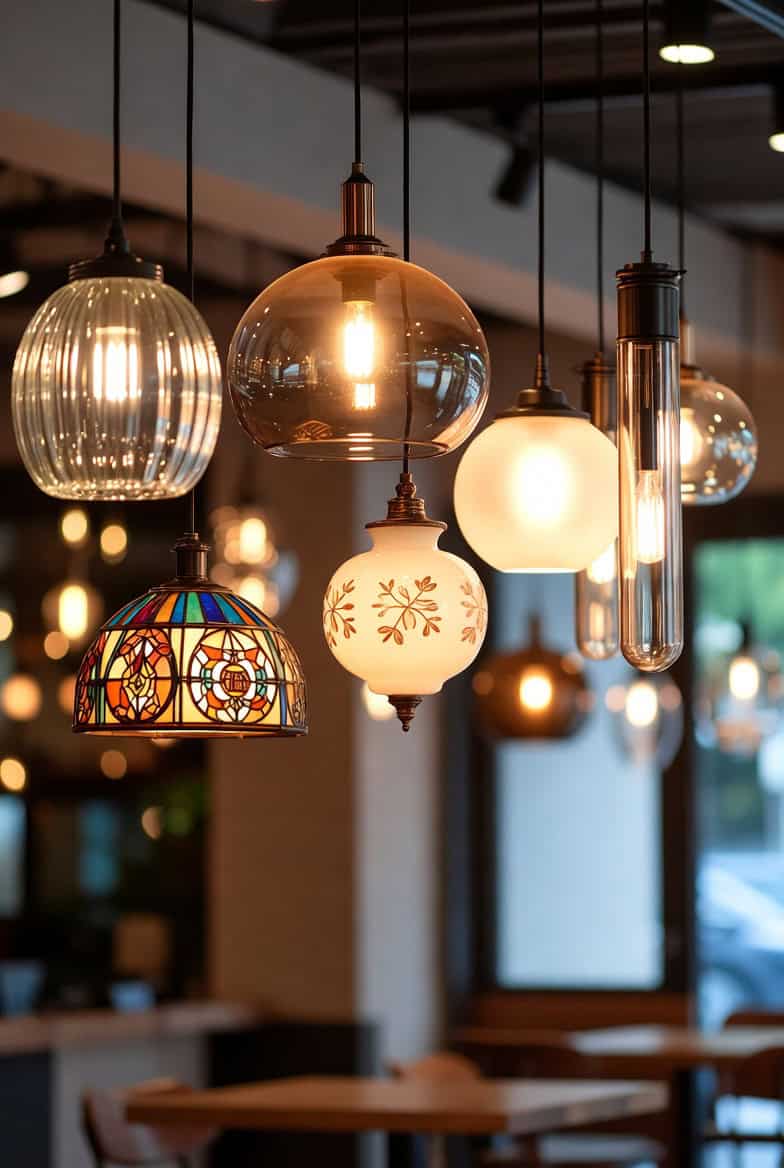
The cafe lighting problem is genuinely harder than restaurant lighting. A restaurant has one mode — dinner service. A cafe has four or five: early-morning commuter coffee, midday laptop worker, weekend social brunch, afternoon espresso bar, and evening cocktail-adjacent lounge. The glass shade you choose for the pendant over the counter has to work through all of them, or at least the ones your cafe primarily serves.
This guide covers the best glass shades for cafe pendant lights by cafe concept — the third-wave specialty coffee bar, the neighborhood neighborhood café, the industrial-style coffee shop, and the café-bar hybrid — with specific glass shade recommendations for each context.
Why Cafe Pendant Lighting Is Different from Restaurant Pendant Lighting
Cafe pendant lighting occupies a unique position in commercial lighting design:
Multiple lighting modes in one session. A restaurant service lasts 2–3 hours in a single mode. A cafe operates across a 12–16 hour window with completely different customer segments and behaviors at different times. The glass shade choice for a cafe pendant needs to work for the focused laptop worker at 10 AM and the social evening crowd at 8 PM — or the cafe needs a dimmer system that can shift the same glass shade between modes.
Work surface proximity. Cafe tables and counters serve as both food/drink surfaces and work surfaces. The glass shade must provide comfortable luminance for screen work (which requires low ambient reflection off surfaces) without creating the under-illuminated dimness that fails for laptop work.
Photography is constant. Coffee is the most photographed food/beverage category on social media. Every glass shade that appears in a flat-lay coffee photo, a latte art shot, or a cafe atmosphere shot is contributing (or detracting from) the cafe’s visual brand. Clear glass pendants with filament LEDs appear in more specialty coffee photography than any other fixture type — the visible warm glow of the filament is the “specialty coffee shop aesthetic” in a single visual element.
Brand identity is the product. For a cafe competing on premium positioning — specialty coffee, artisan baking, curated music — the glass shade is a brand element as much as the furniture or the cups. The glass shade type says something about what kind of coffee experience this is.
Cafe Concept to Glass Shade Match
Third-Wave Specialty Coffee Bar
Third-wave coffee shops position coffee as craft — origin-specific beans, precise brewing methods, trained baristas. The visual environment reinforces the quality signal.
Best glass shade: seeded glass or hand-blown glass, 3000K LED
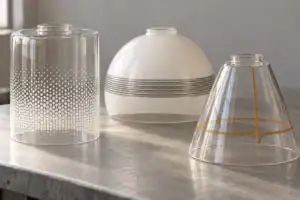
Seeded glass (with visible air bubbles suspended in the glass body) has an inherent handmade quality that resonates with the third-wave coffee aesthetic. The slight visual texture creates a gentle light effect on surrounding surfaces — more character than frosted glass, less nakedness than clear glass.
Alternatively, hand-blown glass globes with slight organic imperfection and natural color variation (pale amber, slight swirl) pair with the origin-story, craft narrative of specialty coffee without reading as overtly rustic.
Pendant height: 30–34 inches above counter surfaces and brew bars. At this height, the seeded glass shade creates a warm pool of light that makes the barista’s work surface feel like a stage without creating glare for seated customers at adjacent tables.
Color temperature: 3000K is the right balance for specialty coffee — warm enough to be inviting, bright enough to appreciate the actual color and clarity of the coffee without the yellow cast that 2700K produces.
Neighborhood Café (Community Hub Model)
The neighborhood cafe serves the daily regular — morning coffee pickup, extended weekend stay, work-from-cafe afternoon sessions. The lighting must be warm and welcoming without being so atmospheric that laptop workers can’t see their screens.
Best glass shade: frosted white glass, 3000K LED
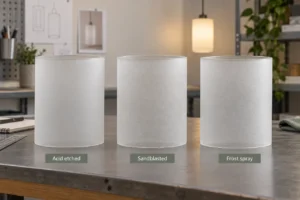
Frosted glass at 3000K hits the sweet spot for neighborhood cafe lighting: warm enough to feel welcoming, bright enough for screen work, diffuse enough to eliminate glare from laptop screens. The matte white appearance of frosted glass looks clean and neutral — it doesn’t compete with the visual personality the café establishes through other means (food displays, furniture, artwork).
For neighborhood cafes with high laptop-worker traffic, 3000K is definitively better than 2700K — the cooler color temperature measurably improves screen readability and maintains the mental alertness that work-from-cafe customers are there to maintain.
Per the Illuminating Engineering Society’s workplace and hospitality lighting standards, areas that serve dual purposes (dining and task work) should deliver 300–500 lux at the work surface — achievable with frosted glass pendants at 10–15 watt LED at 30 inches above the table.
Industrial-Style Coffee Shop
Exposed brick, concrete counters, blackened steel fixtures, and Edison bulbs. This aesthetic is the dominant framework for independent urban coffee shops over the past decade.
Best glass shade: clear glass globe with filament LED, 2200–2700K
In an industrial coffee shop, the filament LED visible through clear glass is not a lighting choice — it’s a style element. The warm orange glow of the filament at 2200K, visible through clear borosilicate glass, produces the defining visual signature of the aesthetic.
That said, clear glass with a standard LED chip (not filament) creates uncomfortable glare at cafe counter height. The filament LED specifically — with its distributed, warm, low-luminance source — is what makes clear glass work in a cafe context. If filament LEDs are not in the plan, use frosted glass instead.
Can you put a shade on a pendant light in an industrial cafe? Yes — in fact, gallery-ring glass shades on black metal pendant cords are the authentic industrial fixture form. The glass shade with the gallery ring, metal cord, and exposed ceiling junction box is the industrial pendant as originally designed for factory and warehouse applications.
Café-Bar Hybrid (Evening Menu Service)
Cafes that transition into evening bar service — wine, cocktails, light bites — need lighting that can shift from daytime cafe atmosphere to evening lounge ambiance. This is most easily achieved with a dimmer system on frosted or opal glass pendants, rather than a glass type change.
Best glass shade: frosted glass (daytime) with dimmer for evening amber shift, or dedicated amber glass for evening sections
If the cafe has physical separation between daytime cafe seating and evening lounge seating, specify frosted glass at 3000K for the cafe section and amber glass for the lounge section. If the entire space serves both modes, frosted glass on a dimmer system — shifting from full brightness at 3000K during the day to 40–50% power at effective 2400K in the evening — covers both modes with the same fixture.
Glass Shade Types for Cafe Pendants: Comparison
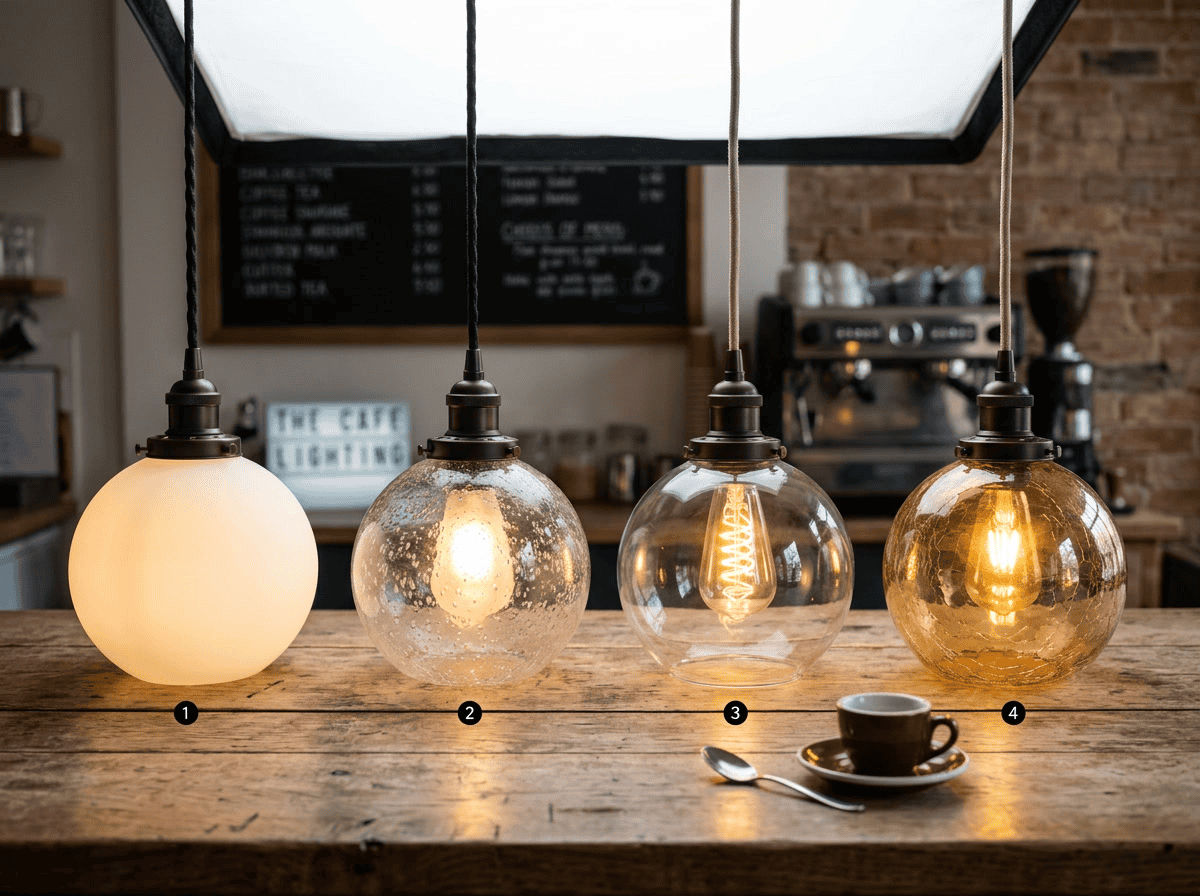
The five glass shade types relevant for cafe pendant applications:
| Glass Type | Transmittance | Cafe Application | Color Temperature Pairing |
|---|---|---|---|
| Clear (filament LED) | 88–92% | Industrial, third-wave bar | 2200–2700K filament LED only |
| Frosted white | 75–82% | Neighborhood, community hub | 3000K |
| Seeded/textured | 65–78% | Specialty coffee, artisan | 2700–3000K |
| Opal/milk glass | 60–75% | Upscale café, patisserie | 2700K |
| Amber tinted | 50–65% | Evening bar section, lounge | Any warm LED |
Globe Sizes for Cafe Pendants
Globe diameter for cafe pendant shades should reflect the counter and table scale:
- Counter bar pendants: 8–10 inch diameter globes, hung 24–28 inches above the counter surface, spaced every 24–30 inches along the bar length
- Cafe table pendants (small 2-seat tables): 10–12 inch diameter globes, 28–32 inches above table
- Island or communal table pendants: 8–10 inch diameter in rows, 28–32 inches above table, spaced every 24–30 inches
- Feature pendant over a brew bar: 14–16 inch diameter single pendant, 30–36 inches above the brew bar surface
For cafe spaces with both counter and table seating, using the same glass shade type in different sizes (8-inch over counter, 12-inch over tables) creates visual consistency while addressing the different height requirements.
Sizing and Height Specifications for Cafe Pendant Shades
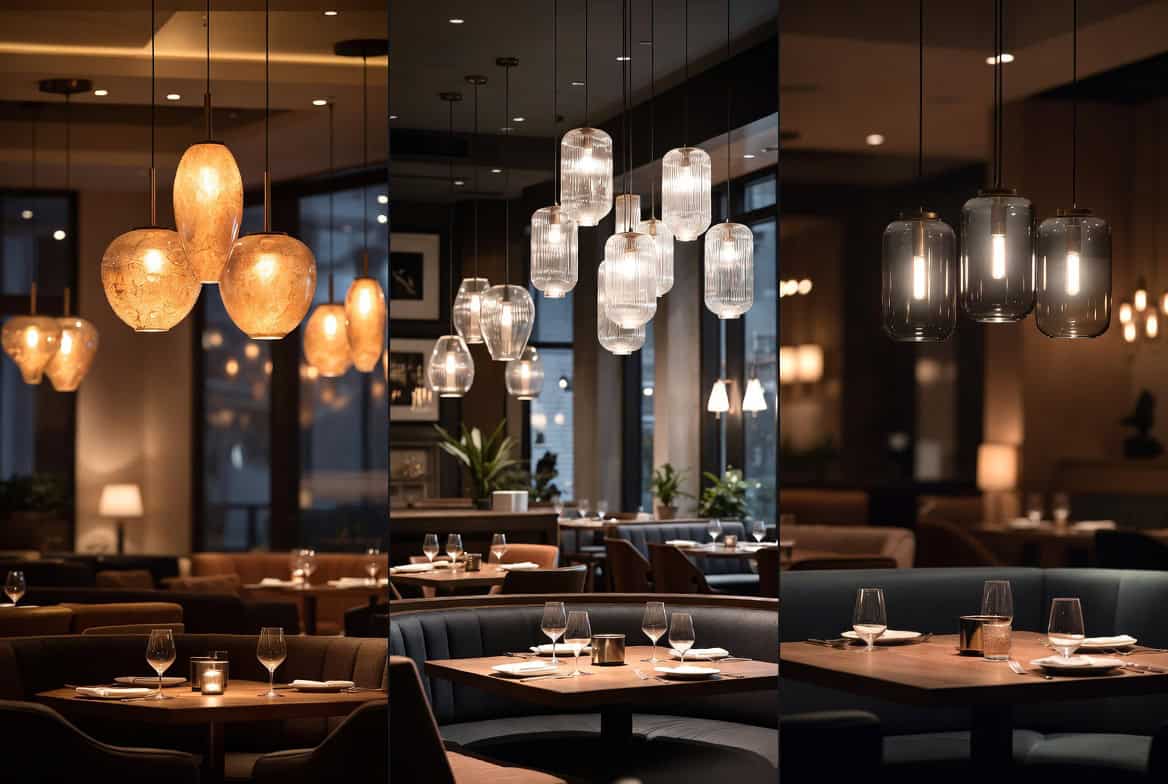
Getting the pendant height right in a cafe is more complex than in a restaurant because cafe fixtures must work for standing baristas, seated counter customers, and seated table customers simultaneously.
Counter bar (barista side): Pendant bottom 30–38 inches above the counter surface (counter height typically 42 inches from floor). At this height, the pendant is below the barista’s eye level but above the espresso machine and brewing equipment.
Counter bar (customer side): Pendant bottom 22–26 inches above the bar-stool seating surface (bar stool seat height typically 28–30 inches from floor). This places the pendant at approximately eye level for a seated counter customer — the appropriate height for intimate counter-service lighting.
Table pendants: Pendant bottom 28–32 inches above the table surface (table height 28–30 inches from floor). Standard for all seating areas.
Ceiling height adjustment: For cafe spaces with ceilings below 9 feet (common in converted retail spaces), use 24–28 inches above counter/table and confirm clearance for standing customers. For loft or converted industrial spaces with ceilings above 12 feet, increase pendant height proportionally — but maintain the 28–32 inch above-table measurement as the constant.
Per Energy.gov commercial lighting guidance for retail and food service spaces, pendant task lighting at the correct height delivers 3–4× the lux per watt of equivalent ceiling fixtures at the same wattage — directly relevant to the energy efficiency of cafe counter and table lighting.
Commercial Considerations for Cafe Pendant Glass Shades
Cleanability. Cafe glass pendant shades accumulate coffee steam, milk vapor, and kitchen oil that residential shades never encounter. Frosted glass is easier to maintain than seeded glass (the textured surface of seeded glass traps residue between bubble formations). Clear glass shows residue easily and requires more frequent cleaning but is easiest to clean completely. Amber glass hides residue better than clear due to the color depth.
Batch consistency. A cafe fit-out may require 12–20 identical pendant glass shades. All shades should be from the same production batch for consistent appearance when lit simultaneously. A batch-to-batch variation in frosted glass opacity, for example, creates a visible inconsistency when 16 pendants are lit in the same space.
Replacement planning. Commercial cafe environments involve physical contact with pendant shades during cleaning and occasional accidental impact. Order 15–20% additional shades at the time of the initial fit-out — sourcing exact matches from the same batch months or years later is difficult.
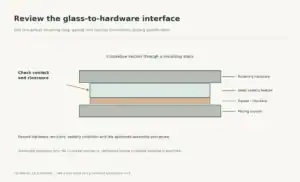
Fitter size for cafe pendant fixtures. Most cafe pendant fixtures use 4-inch fitter gallery rings for standard globe sizes (10–14 inch globes). Smaller cafe pendants (6–8 inch globes) typically use 2¼-inch fitters. Confirm the fitter size of the pendant fixture before ordering replacement glass shades.
According to NEMA standards for commercial luminaire hardware, commercial pendant fixtures in food and beverage service areas should carry damp location or wet location ratings appropriate for the proximity to steam, splashing, and cleaning operations — the glass shade’s IP rating should be specified to match the fixture’s location rating.
Trends in Cafe Glass Pendant Shades for 2026
Ribbed and fluted glass returning. Ribbed glass (with vertical channels pressed into the glass surface) produces a distinctive light pattern that recalls mid-century modernism — it creates a more designed, intentional look than plain frosted glass while providing similar diffusion. Ribbed glass cafe pendants are gaining ground in contemporary coffee shop design.
Mouth-blown glass as brand differentiation. As cafe interiors become more designed and brand-conscious, handmade glass shades are being specified as brand elements — the slight dimensional variation and surface character of mouth-blown glass creates an authenticity signal that matters in specialty coffee contexts.
Smoke and dark glass expanding. Smoked grey and near-opaque dark glass pendant shades are appearing in high-concept cafe and coffee bar design — paired with dramatic concrete and blackened steel, dark glass pendants create an atmosphere that visually differentiates from the bright-and-airy aesthetic that dominated coffee shop design in the 2010s.
| Trend | Glass Type | Cafe Context |
|---|---|---|
| Ribbed/fluted glass | Pressed ribbed pattern | Contemporary, mid-century influenced |
| Mouth-blown artisan | Hand-blown seeded or swirl | Specialty coffee, artisan brand |
| Dark and moody | Smoked grey glass | High-concept, urban café-bar |
| Industrial revival | Clear globe + filament LED | Industrial, warehouse conversion |
| Warm community hub | Frosted white, 3000K | Neighborhood, community focus |
Frequently Asked Questions
Can I put a shade on a pendant light in my cafe?
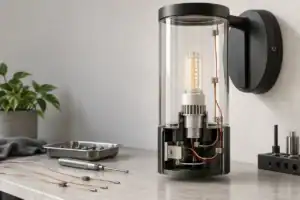
Yes. Gallery-ring glass shades mount on the pendant’s holder ring via set screws — the glass collar seats in the ring and is secured without tools. Most pendant light fixtures in commercial cafe environments use standard 4-inch or 2¼-inch gallery rings that accept standard globe glass shades. Confirm the fixture’s gallery ring inner diameter before ordering replacement glass shades.
What size glass shade should I use for cafe pendant lights?
Globe diameter of 8–10 inches for bar counter and espresso bar pendants; 10–12 inches for cafe table pendants. Pendant height should be 24–28 inches above counter stool seating surface and 28–32 inches above table surface. For industrial-style pendants with filament LEDs, 8–10 inch clear glass globes at 26–30 inches above counter surfaces produce the correct visual scale.
What glass shade gives cafe pendant lights the best atmosphere?
Seeded or hand-blown glass at 2700–3000K produces the most distinctive and appealing cafe atmosphere — the subtle light play from the glass texture creates warmth and character without the clinical brightness of clear glass or the flatness of plain frosted glass. For productivity-focused neighborhood cafes, frosted glass at 3000K is more appropriate. For evening ambiance sections, amber glass at any warm LED color temperature.
How do I choose between frosted and clear glass for cafe pendant lights?
Use clear glass only if the pendant fixture will use a decorative filament LED — the visible filament is the visual element that makes clear glass work in a cafe context. Standard LED chips through clear glass create uncomfortable glare at cafe table and counter heights. Frosted glass works with any LED source type and produces better light quality for both laptop work and social dining.
Do I need special glass shades for a cafe near a coffee machine?
Pendants over or adjacent to espresso machines and steam equipment should use borosilicate glass shades (thermal shock resistant to steam contact) and be specified with an IP44 or IP54 rating for damp location use. Standard residential glass shades in this location will develop surface etching or thermal micro-fractures within 2–3 years of regular steam exposure.
How many pendant lights over a cafe counter?
One pendant per 24–30 inches of counter length is standard for linear bar seating. For a 12-foot espresso bar, 5–6 pendants in a row produces a consistent visual rhythm. All pendants should be identical glass shades from the same production batch to maintain consistent appearance when lit simultaneously.
What wattage LED for cafe pendant glass shades?
10–15 watts for frosted and seeded glass pendants at 28–32 inches above cafe tables. 8–12 watts for clear glass pendants with filament LEDs over bar counters (filament LEDs produce more visual warmth than lux). 15–20 watts for opal glass pendants where the lower transmittance (60–75%) requires higher wattage to achieve adequate table surface illuminance.
Conclusion
The best glass shades for cafe pendant lights depend on what kind of cafe experience the space is designed to deliver: frosted glass at 3000K for the neighborhood productivity-and-community hub, seeded or hand-blown glass for the artisan third-wave coffee bar, clear glass with filament LED for the industrial-style espresso concept, and amber glass for evening bar-service sections.
The pendant height is constant across cafe types — 28–32 inches above table surfaces, 24–28 inches above bar stool seating — and the glass shade should be specified in commercial-grade glass (borosilicate for steam-adjacent positions) with batch consistency across all fixtures in the space.
For cafe pendant glass shades in frosted, seeded, clear, opal, and amber glass in standard gallery ring fitter sizes for commercial cafe fit-outs, our glass lampshade product line at jxlampshade.com covers hospitality-grade glass shades with batch consistency and material documentation.