
Glass lampshade material sourcing tool
Glass Lamp Shade Material Selector & Finish Guide
Compare clear, frosted, opal, colored, textured and borosilicate glass by light diffusion, glare control, environment, temperature conditions, manufacturing route and order requirements.
This page focuses on glass lamp shade materials for buyers and product developers—not fabric, PVC backing or DIY lampshade covering.
Step 1
Define the light effect
Decide whether the shade should expose the bulb, soften glare, hide hardware or add decorative color.
Step 2
Screen the operating conditions
Record humidity, cleaning, ventilation, heat source, temperature change and installation direction.
Step 3
Confirm a manufacturable sample
Approve composition, finish, wall thickness, fitter dimensions, color and batch tolerances before production.
Interactive glass specification tool
Glass finish & material selector
Choose the light effect, environment, thermal condition, construction preference, forming process, quantity and color. The selector returns a primary glass lamp shade material, an alternate option and the items a supplier should confirm before sampling.
- Focuses on glass lampshade materials and finishes for sourcing or product development.
- Compares clear, frosted, opal, colored, textured and borosilicate glass candidates.
- Does not replace thermal, electrical, impact or weather-rating review.
Lampshade material types for glass shades
What Material Are Glass Lampshades Made Of?
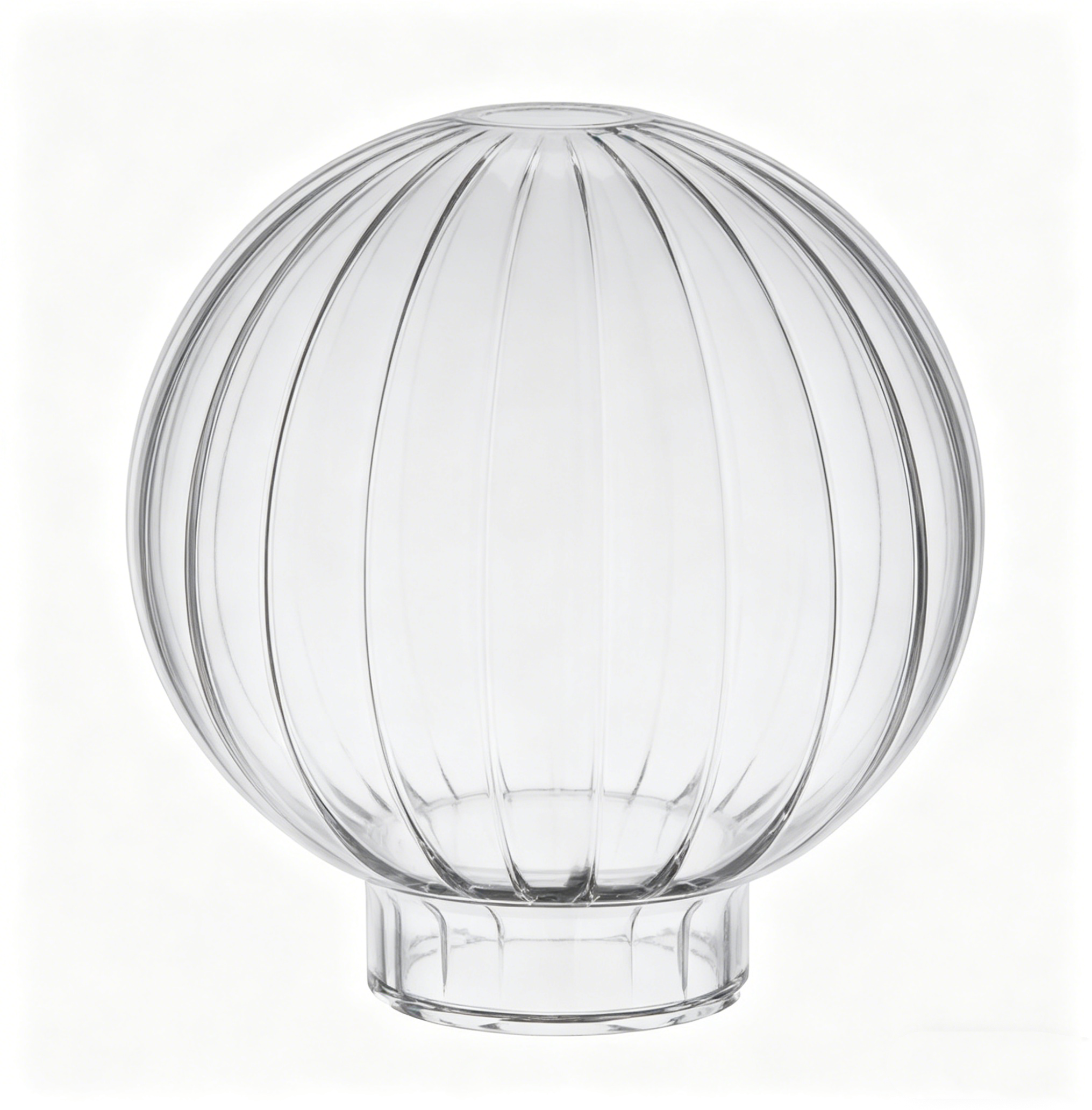
Most decorative glass lampshades begin with soda-lime glass or borosilicate glass, then use a clear, frosted, opal, colored or textured finish to control appearance and light. The “best material for a lampshade” depends on the complete fixture, not a single universal ranking.
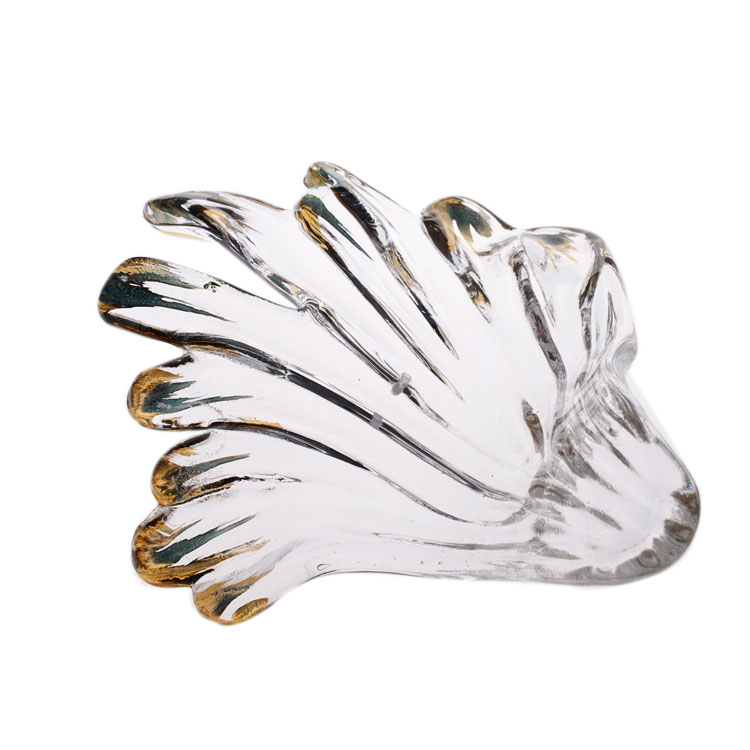
Clear Soda-Lime Glass
Best starting point for: clarity, sparkle and visible decorative bulbs.
Buyer checks: glare, optical defects, wall thickness, edge finish and cleaning.
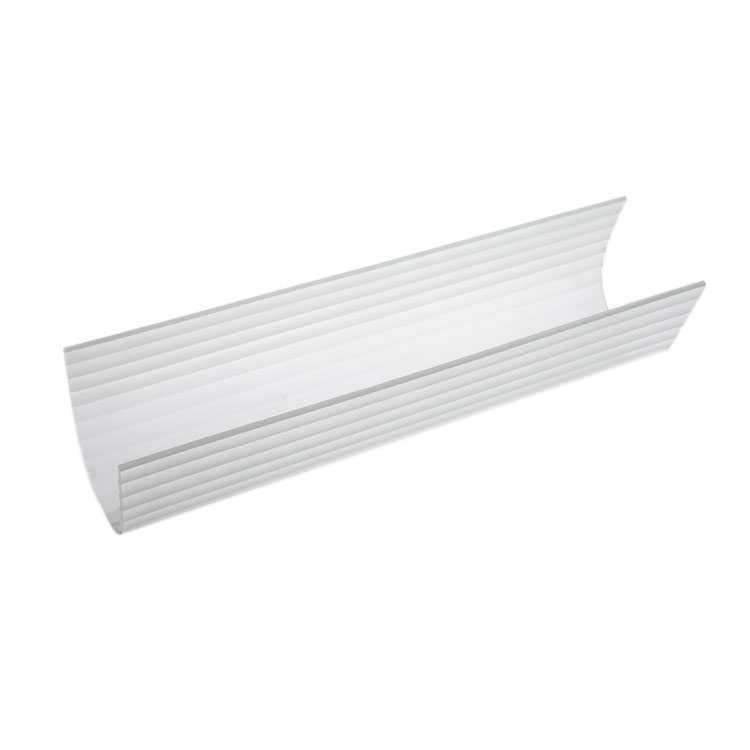
Frosted Glass
Best starting point for: balanced diffusion with a visible but softened light source.
Buyer checks: etched, blasted, coated or molded finish; outward surface; cleaning method.
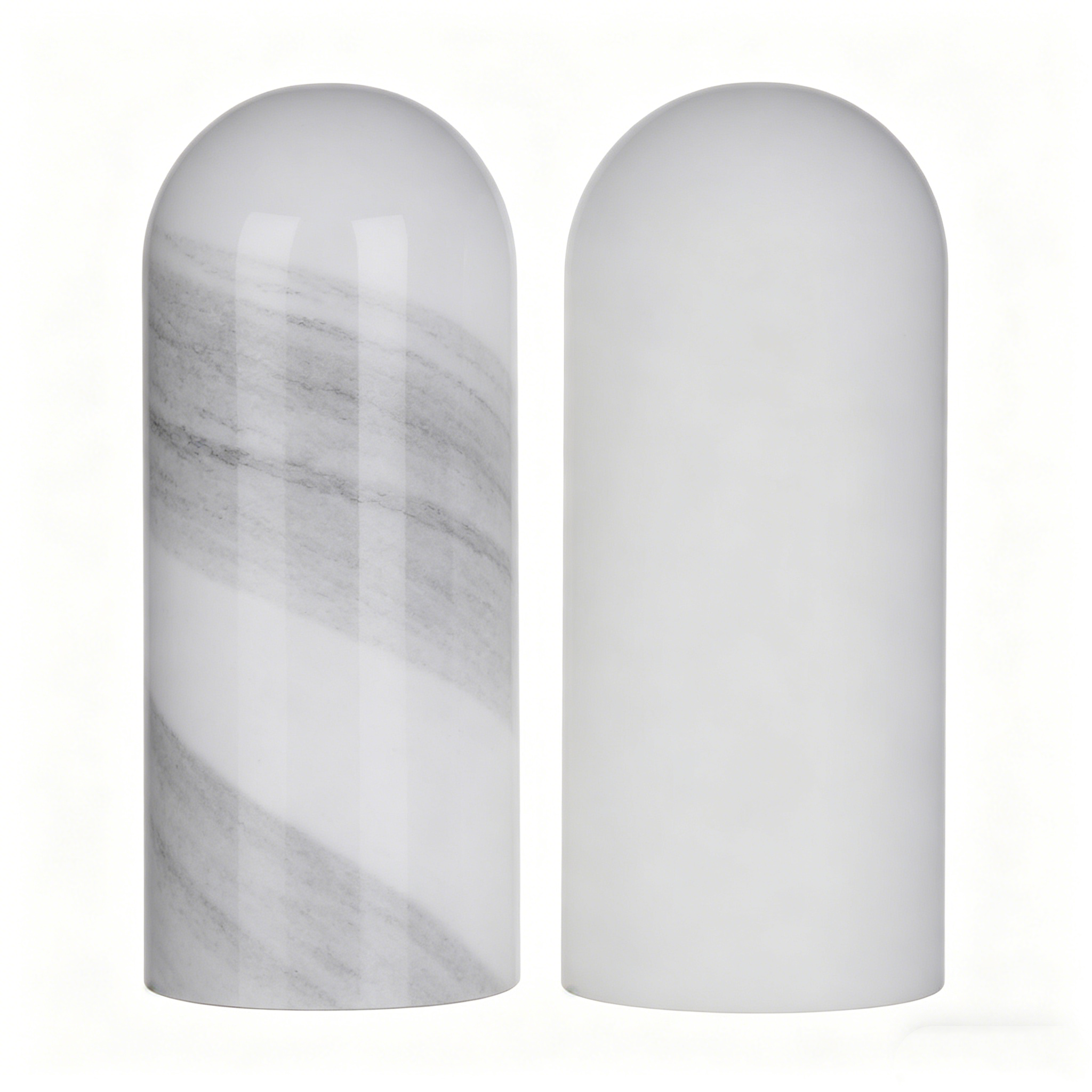
Opal Glass
Best starting point for: strong glare control, bulb concealment and an evenly luminous surface.
Buyer checks: opacity, color tone, wall thickness and acceptable batch variation.
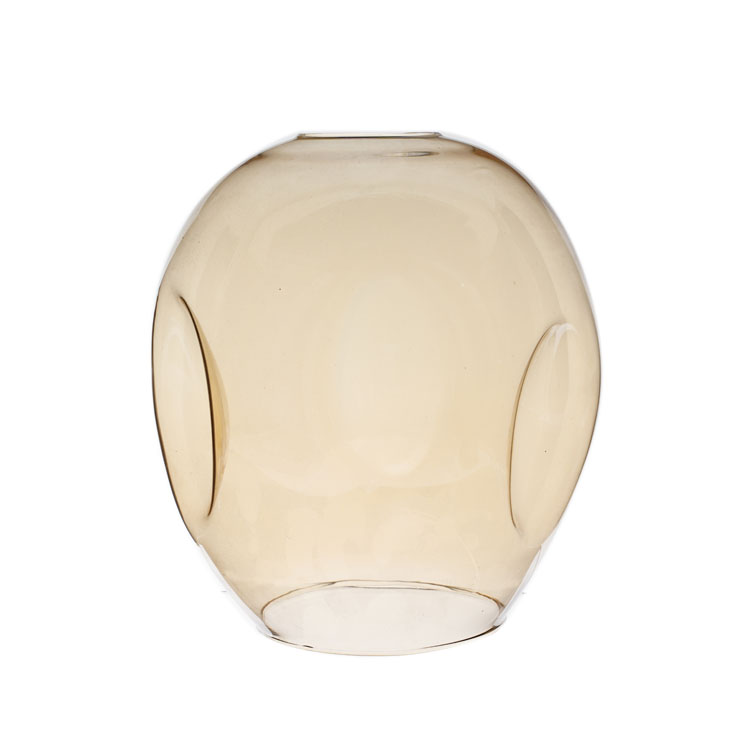
Colored or Smoked Glass
Best starting point for: atmosphere, warm tint, smoke effects and decorative collections.
Buyer checks: through-body color vs coating, transmission, sample standard and color tolerance.
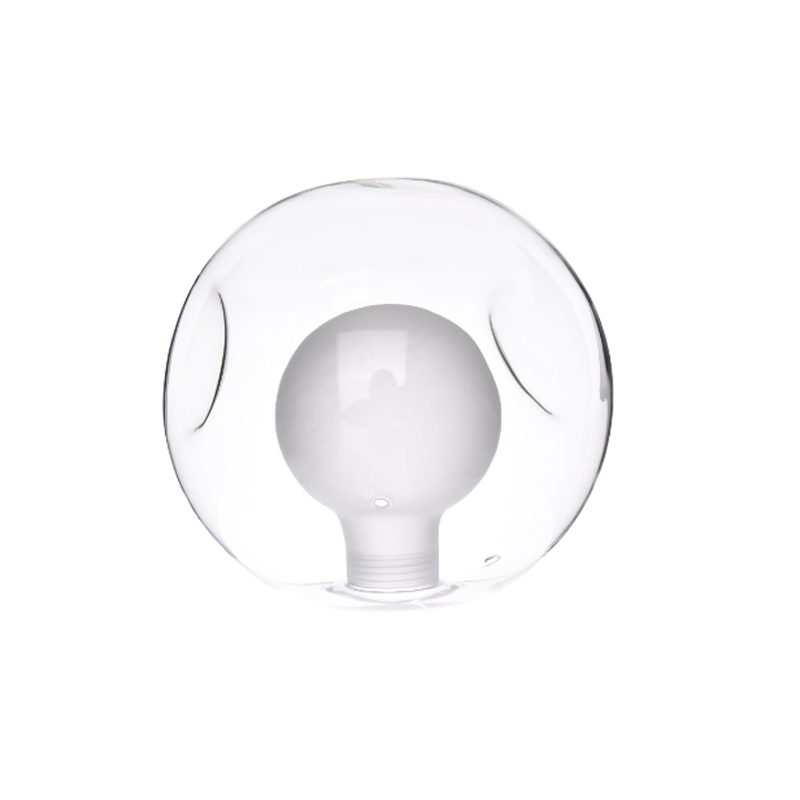
Textured Glass
Best starting point for: decorative light breakup, partial bulb concealment and distinctive surface detail.
Buyer checks: pattern depth, repeatability, mold route, orientation and cleanability.
Borosilicate Glass
Best starting point for: projects that require thermal-performance review, lighter walls or special forming.
Buyer checks: actual temperature profile, shape capability, wall thickness, finish availability and applicable tests.
How to choose lampshade material
Six Factors That Change the Recommendation
Light transmission
Clear glass preserves sparkle; frosted and textured glass spread hotspots; opal glass provides stronger diffusion.
Glare and bulb visibility
Use the finish to decide how much of the bulb, socket and internal hardware should remain visible.
Heat and temperature change
Record the real source, wattage, distance, ventilation and measured temperatures before selecting glass composition.
Cleaning and environment
Smooth clear or opal surfaces are often easier to maintain; texture and external frosting need cleaning-method review.
Shape and process
Mouth-blown, pressed, bent and lampworked processes support different shapes, textures, wall ranges and order economics.
Quantity and repeatability
A prototype may use a flexible process, while OEM repeat production needs tooling, approved samples and tolerance control.
Material sample and production confirmation
What Buyers Should Send to a Glass Lampshade Supplier
For an actionable material confirmation, include:
- Fixture type, mounting direction and intended environment
- Fitter, top diameter, bottom diameter, height and wall-thickness target
- Bulb or LED module, wattage, clearance and ventilation information
- Target finish: clear, frosted, opal, colored, smoked, seeded, ribbed or patterned
- Approved color or appearance reference under the intended light source
- Preferred forming process, or permission for the supplier to propose one
- Required quantity, sample stage, packaging and repeat-order expectations
- Any verified impact, weather, thermal or regulatory requirement
Do not approve a glass lamp shade material from a website photo alone. Use a signed sample, drawing or agreed specification as the production reference.
Glass lampshade material FAQ
Frequently Asked Questions
What is the best material for a glass lampshade?
There is no universal best material. Clear soda-lime glass suits maximum clarity, frosted or textured glass balances diffusion, opal glass gives stronger glare control, colored glass creates atmosphere, and borosilicate is a candidate when thermal conditions or special geometry require review.
What material are lampshades made of?
Lampshades can be made from glass, fabric, paper, metal, plastic and natural materials. This selector is intentionally limited to glass shades, where common base materials include soda-lime and borosilicate glass with clear, frosted, opal, colored or textured finishes.
Is frosted glass a different material from clear glass?
Not necessarily. Frosting is often a surface treatment applied to clear glass, such as acid etching or sandblasting. It can also be created through coating or molded texture. Specify both the base glass and the finish method.
What is the difference between opal and frosted glass lampshades?
Opal glass normally diffuses light through the glass body, while frosted glass often uses a treated surface. Opal usually hides the bulb more completely; frosted glass may retain more visible brightness. Actual results depend on opacity, wall thickness and finish process.
When should borosilicate glass be considered for a lamp shade?
Consider it when the project has significant heat, temperature change, thin-wall requirements or a forming route suited to borosilicate. It is not an automatic safety approval; the complete fixture and operating conditions still need review.
Can I select a lampshade material from a photo?
A photo can establish direction but not production approval. Confirm glass composition, transparency, color, finish, texture, wall thickness and tolerances with a real sample viewed under the intended light source.
Related tools and material resources
Continue the Glass Shade Specification
Glass Material Technical Guide
Compare soda-lime, tempered and borosilicate glass considerations in more detail.
Glass Lamp Shade Fitter Checker
Confirm the mounting system and critical fitter dimensions before finalizing material or finish.
Lamp Shade Size Calculator
Estimate overall shade proportions, then verify shape, fitter and glass weight with the supplier.
Need Material Samples for a Custom Glass Shade?
Send the fixture application, dimensions, light goal, finish direction, thermal conditions and required quantity. The final material and finish should be confirmed against a physical sample or agreed specification.