
مقارنة هندسية بين زجاج الصودا-لايم والزجاج البوروسيلكات لمظلات المصابيح الكهربائية
عندما يقارن المشترون بين زجاج البوروسيلكات وزجاج الصودا-لايم لمظلات المصابيح، فإن أول فرق هندسي يجب فحصه هو التمدد الحراري. عادةً ما يتميز زجاج البوروسيلكات بدرجة تمدد أقل من درجة الصودا-لايم لنفس التغير في درجة الحرارة، مما يقلل من الإجهاد الحراري عندما تتعرض المظلة لتسخين غير متساوٍ أو متكرر. لا يزال زجاج الصودا-لايم خيارًا جيدًا لتصميم مستقر ومتوسط الحرارة يمر بالاختبارات اللازمة للتجميع. لا يثبت اسم المادة وحده أن المصباح الخارجي النهائي مقاوم للعوامل الجوية، أو مقاوم للصدمات، أو مناسب لمصباح معين.
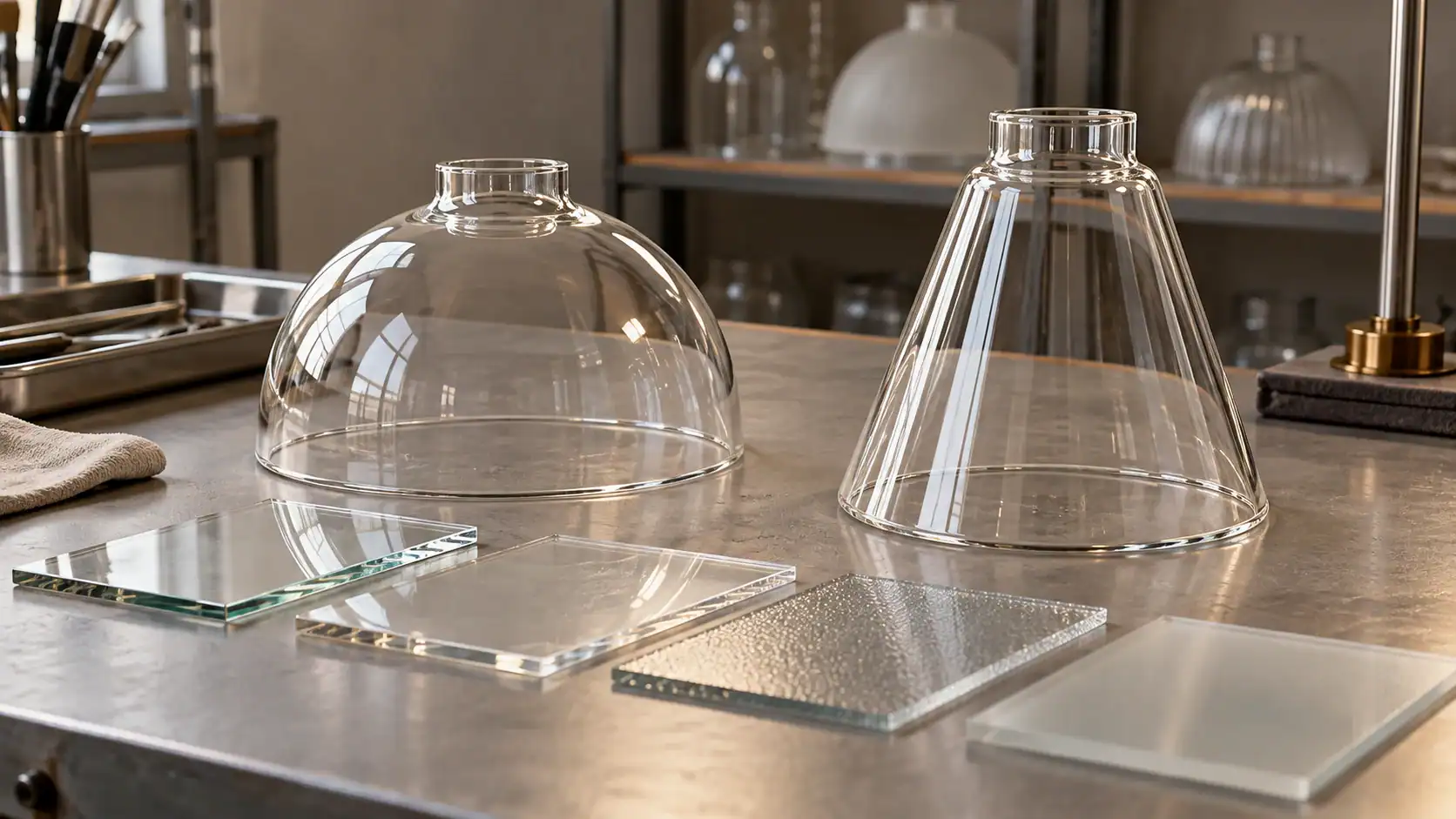
الصور في هذا المقال هي رسومات توضيحية تم إنشاؤها للمرجع البصري. فهي ليست صور منتجات JX، أو سجلات اختبار، أو شهادات مواد.
إجابة سريعة: أي نوع من الزجاج يجب على مشتري الإضاءة تحديده؟
ابدأ بحالة الفشل التي تحتاج إلى السيطرة عليها. إذا كان من المحتمل أن يتطور الزجاج إلى تدرج حراري حاد أو تغييرات حرارية متكررة وسريعة، قم باختصار قائمة درجات البوروسيلكات المحددة وتحقق من المظلة النهائية. إذا بقيت التجميع ضمن نطاق درجة حرارة معتدل ومستقر، فقد يلبي نوع الصودا-لايم المناسب الحاجة التصميمية بتكلفة مادة أقل. لا تختار بناءً على كلمات “بوروسيلكات” أو “صودا-لايم” فقط.
بالنسبة للإضاءة الخارجية، فإن التعرض بمفرده لا يحدد اختيار المادة. لا يزال التصميم بحاجة لمعالجة الأمطار ومسارات المياه، والدورات الحرارية، والتركيب، وخطر الصدمات، وتآكل الأجهزة المحيطة، وطبقات الطلاء السطحي، ومتطلبات الدخول والكهربائية الخاصة بالمصباح. المظلة الزجاجية هي جزء من ذلك التجميع.
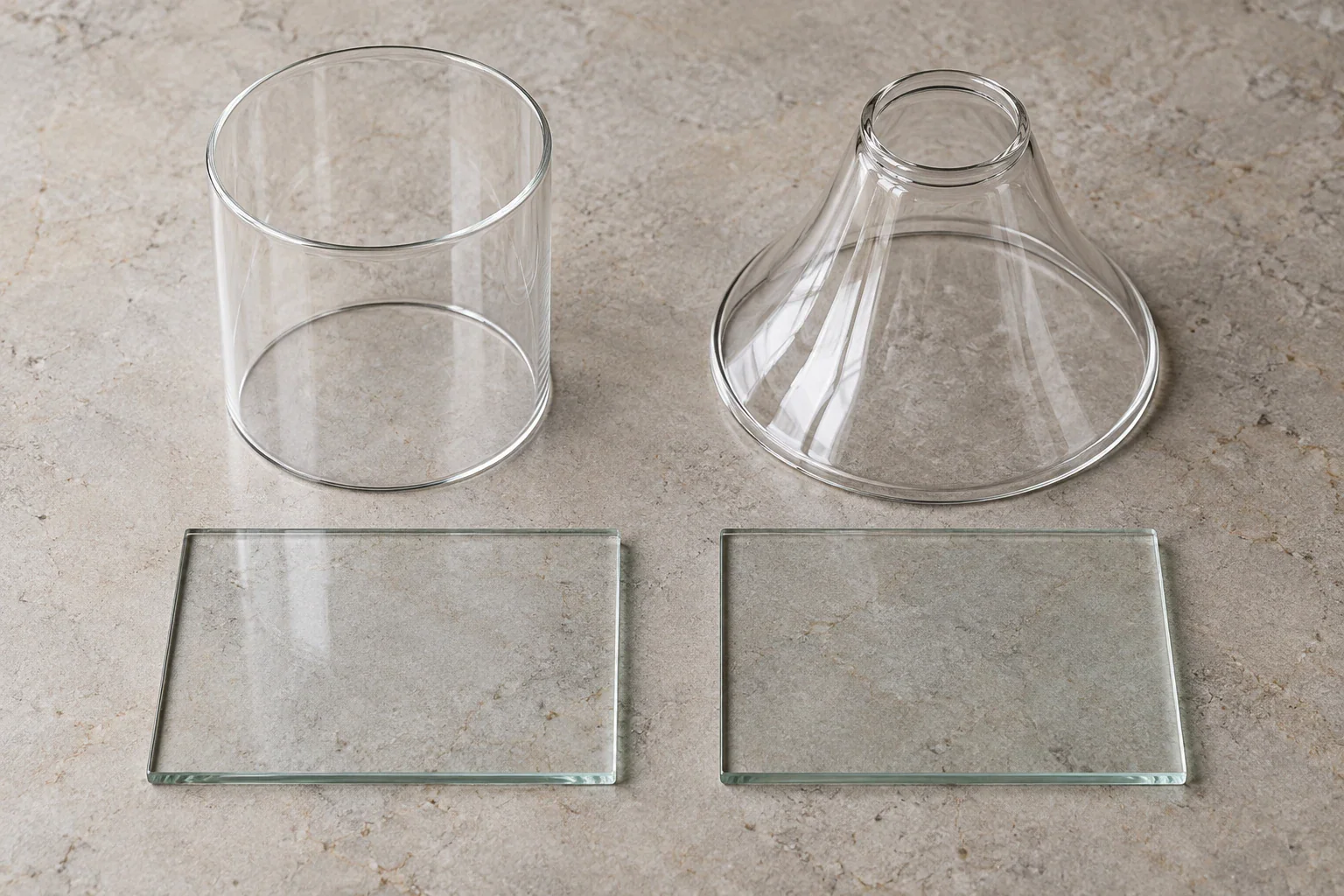
قارن بين درجات الزجاج المسماة، وليس فقط العائلات المادية
“صودا-لايم” و“بوروسيلكات” يصفان عائلات زجاجية واسعة. يمكن أن تختلف المنتجات التجارية ضمن كل عائلة في الكيمياء، وطريقة التشكيل، والسماكة، والتلدين، والتشطيب، والتحملات. ورقة خصائص الدرجة المسماة تعتبر نقطة انطلاق أفضل من مقارنة فئة عامة.
للمرجع من درجة إلى أخرى،, تذكر شركة شووت AR-GLAS كزجاج صودا-لايم بمعامل تمدد خطي حراري متوسط قدره 9.1 × 10⁻⁶ ك⁻¹ على مدى 20-300 درجة مئوية. ورقة بيانات شووت BOROFLOAT 33 تذكر 3.25 × 10⁻⁶ ك⁻¹ على نفس الفترة. هذه خصائص المنتجين المسميين من شووت، وليست قيمًا مضمونة لكل مظلة زجاجية من الصودا-لايم أو البوروسيلكات. المواصفة ISO 3585 تحدد خصائص زجاج البوروسيلكات 3.3؛ فهي لا تحول كل منتج يُباع كزجاج بوروسيلكات إلى تلك الدرجة.
اطلب من المورد تحديد الدرجة أو التكوين بدقة، وورقة البيانات الفنية التطبيقية، ونطاق السماكة، وطريقة التشكيل، وأي حدود درجة حرارة خاصة بالدرجة. إذا لم يتمكن المورد من تحديد الزجاج أكثر من اسم العائلة، فاعتبر ادعاء المادة غير موثوق به لأغراض المواصفات.
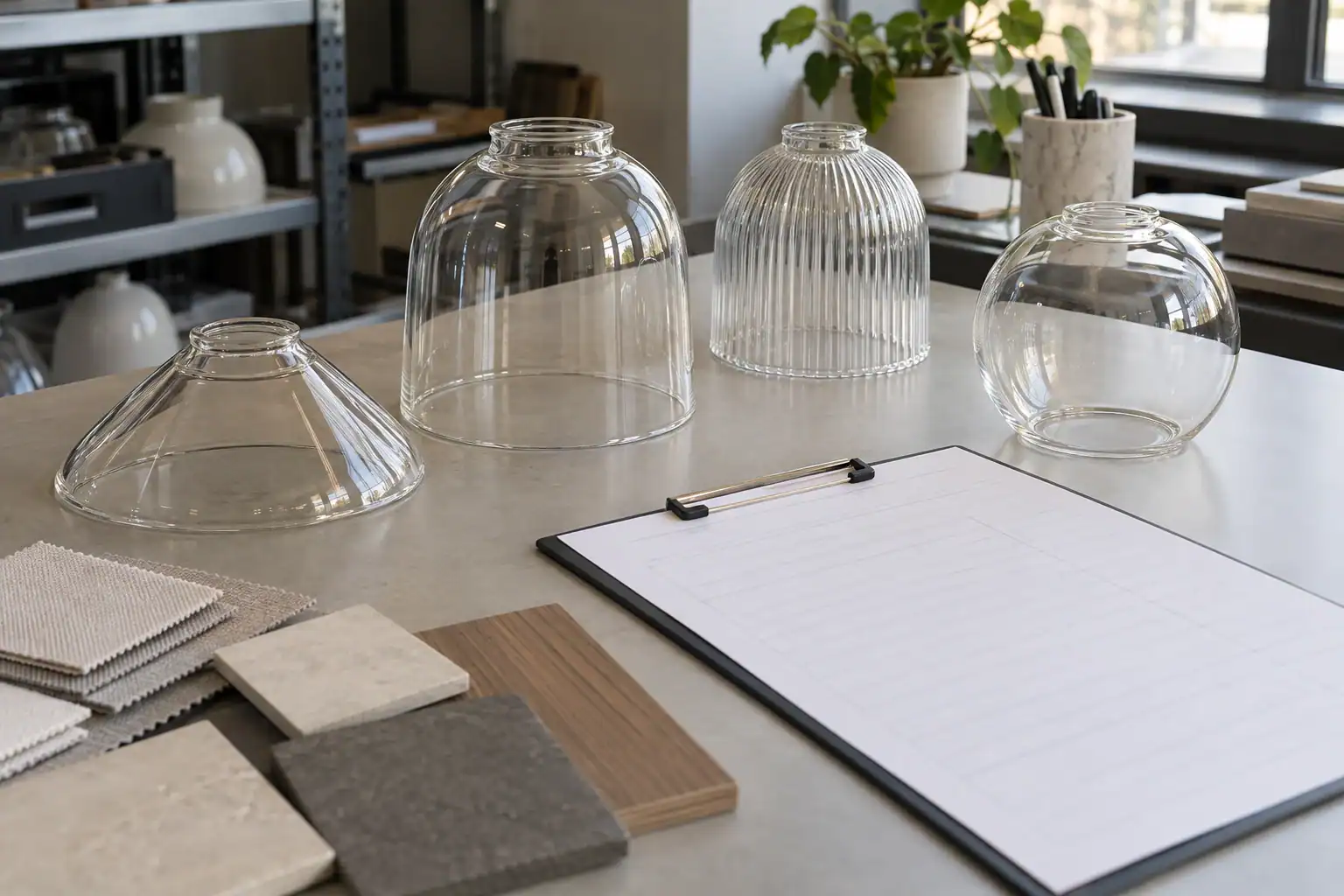
التمدد الحراري: ماذا تخبرك القيم المرجعية
معامل التمدد الحراري الخطي (CTE) يقدر مدى تغير طول المادة مع تغير درجة حرارتها. باستخدام القيم المرجعية أعلاه، فإن النسبة تقريبًا 2.8 إلى 1: معامل التمدد لورقة BOROFLOAT 33 هو تقريبًا ثلث معامل AR-GLAS.
مثال بسيط على التمدد الحر الحر يجعل المقياس أوضح. لامتداد 100 مم يتعرض للحرارة بشكل موحد بمقدار 100 درجة مئوية، تكون التقديرات حوالي 0.091 مم ل AR-GLAS و0.0325 مم ل BOROFLOAT 33. الفرق حوالي 0.0585 مم. هذا الحساب يقارن بين هاتين الدرجيتين من الزجاج تحت تغير درجة حرارة موحد مفترض. هو ليس حساب إجهاد ولا يتنبأ بما إذا كانت المظلة المشكّلة ستتكسر.
يعتمد الإجهاد على أكثر من التمدد الحر. يمكن تدرج من المركز الأكثر حرارة إلى الحافة الأبرد أن يقيد الحركة؛ وكذلك يمكن أن يكون الضيق في التركيب، أو الاتصال بنقطة، أو الثقوب، أو حلقة الاحتفاظ الصلبة، أو الحشية غير المستوية. الشكل، سمك الزجاج، الإجهاد المتبقي، وتلف الحافة كلها مهمة. اعتبر معامل التمدد الحراري المنخفض كدليل على الاختيار. لا تزال الظل النهائي بحاجة إلى التحقق من ملاءمته الفعلية وظروفه الحرارية.

الصدمة الحرارية ودرجة حرارة التشغيل هما فحصان مختلفان
تصف الصدمة الحرارية الضرر الناتج عن تغير سريع أو غير متساوٍ في درجة الحرارة. يمكن لمبة أن تسخن الزجاج بالقرب من مصدر الضوء بينما تظل الحافة أبرد. قد يسخن الظل أيضًا في ضوء الشمس ثم يواجه هواء أو ماء أبرد. يمكن أن يقلل التمدد الحراري المنخفض من مصدر واحد للإجهاد الحراري، لكن تدرج درجة الحرارة والقيود الميكانيكية لا تزال تحدد سلوك التجميع.
لا تستخدم درجة حرارة الانتقال الزجاجي أو خط درجة حرارة التشغيل القصوى للمنتج كدرجة حرارة مسموح بها للمصباح كاملًا. على سبيل المثال،, تذكر شركة شوت بوروفلوات 33 درجات حرارة التشغيل القصوى 450°C للاستخدام طويل الأمد و500°C للاستخدام قصير الأمد. هذه بيانات زجاجية خاصة بالمنتج، وليست تصنيفًا لتجميع الظل أو حدًا آمنًا لواط المصباح، أو نتيجة اختبار لمصباح مكتمل. قد تفرض التركيبة، الطلاء، المقبس، الأسلاك، الأختام ومتطلبات المنتج المحلية حدودًا أدنى.
للمقارنة الحقيقية، قس أو حدد أكثر مكان في الزجاج سخونة في التركيب وظروف التشغيل المقصودة. سجل طراز المصباح أو LED، الطاقة المدخلة، حالة التعتيم، الاتجاه، نطاق البيئة، دورة التعرض ومعايير قبول الاختبار. اختبر الشكل الهندسي الفعلي للزجاج وترتيب التركيب.
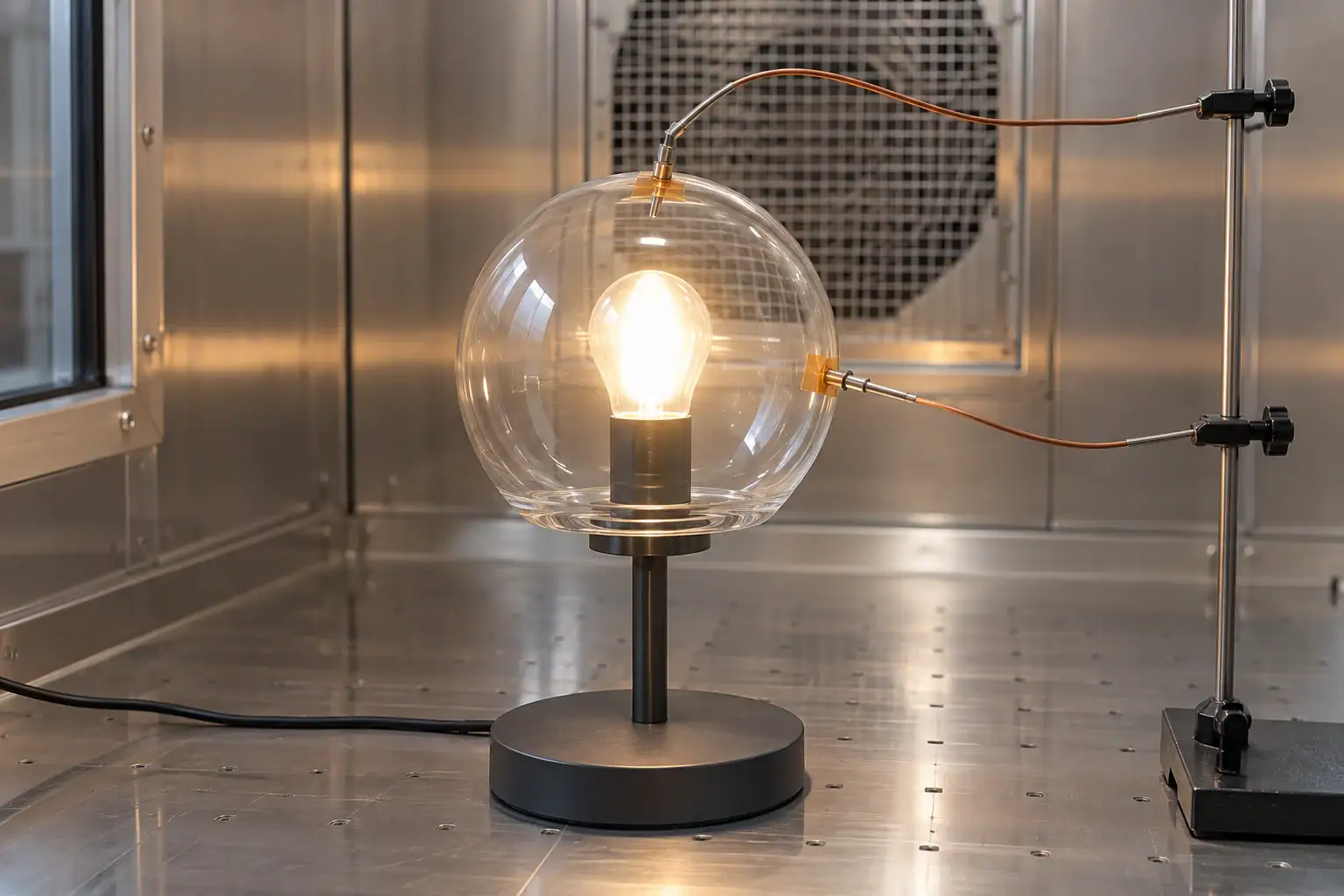
هل البوروسيلكات أفضل لظلال المصابيح الخارجية؟
يمكن أن يكون البوروسيلكات مرشحًا جيدًا عندما يكون هناك خطر دوري حراري محدد في التصميم الخارجي قد تساعد درجة معينة على معالجته. كلمة.
افحص التركيب الكامل: كيف يتصرف الماء، هل الظل محكم الإغلاق أو مهوى، كيف يُثبت، هل تتآكل معدات التركيب، هل تتعرض الطلاءات أو التشطيبات الملونة للأشعة فوق البنفسجية، وما هو تأثير المخاطر المحتملة. أكد على متطلبات الطقس والكهرباء للمصباح بشكل منفصل. المادة الأساسية للزجاج لا توفر تصنيف حماية من الاختراق.
إذا كانت دورة الحرارة هي القلق، حدد الدورة قبل طلب توصية مادة: درجة حرارة الزجاج الأولية، الحدود الساخنة والباردة، معدل التغير، زمن التوقف، عدد الدورات، ملامسة الماء إذا كانت ذات صلة، ومعايير النجاح أو الفشل. يمكن للمورد بعد ذلك مراجعة ما إذا كانت الدرجة والتصميم المقترح مناسبين للاختبار.
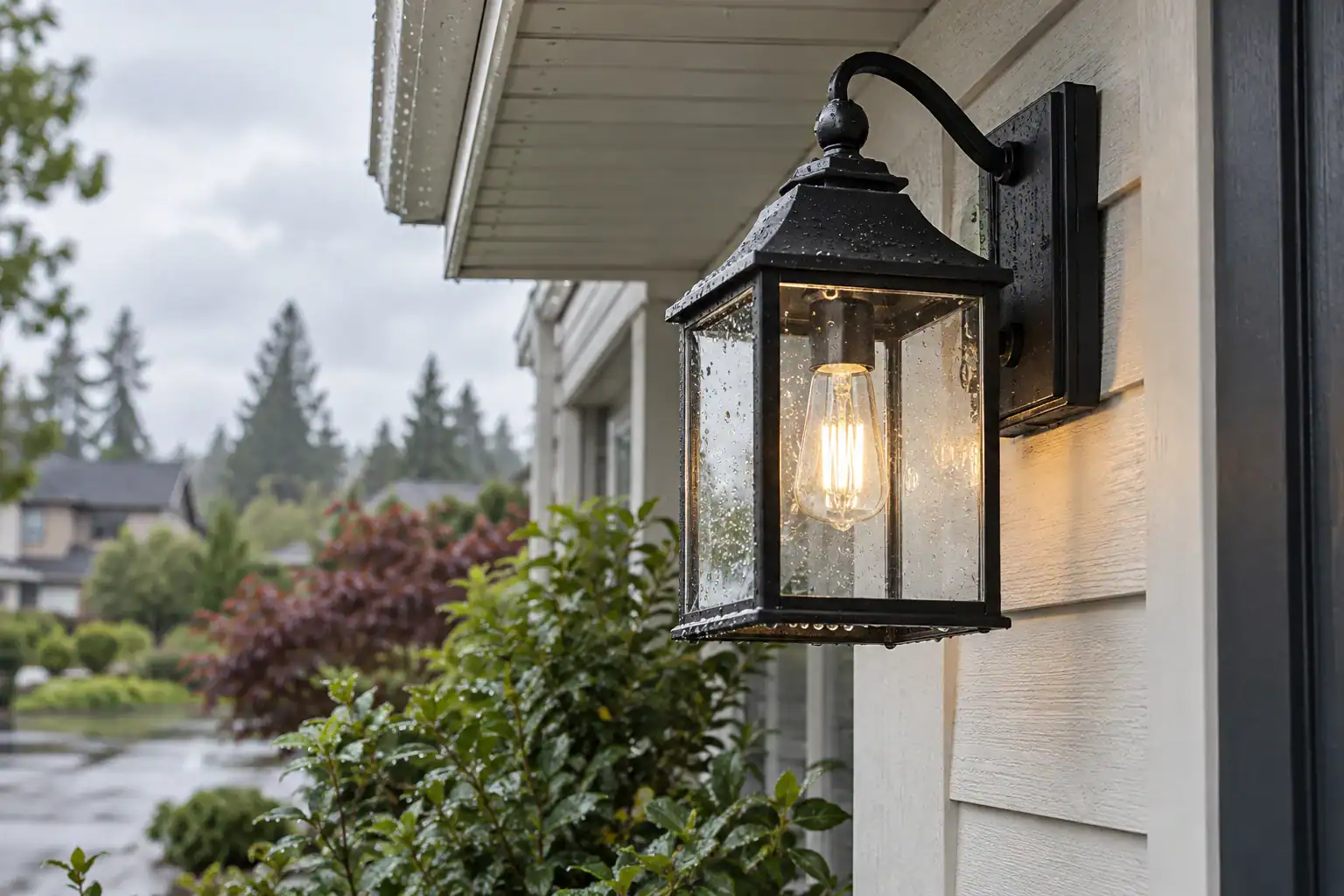
مقاومة الصدمات تعتمد على الظل وتركيبه
البوروسيلكات لا تعني مقاومة للكسر أو التصلب. تذكر شركة شوت أن مقاومة الصدمات ل BOROFLOAT 33 تعتمد على الملاءمة، حجم اللوح وسمكه، نوع الصدمة، الثقوب المحفورة وترتيبها، من بين عوامل أخرى. للظل المصنوع من الزجاج المشكل خصائصه الهندسية، حوافه ونقاط الدعم الخاصة به، لذلك لا يمكن لبيانات الزجاج المسطح أن تحل محل اختبار التجميع.
راجع كيف يدعم المُركب أو حلقة الاحتفاظ الظل. تجنب الأحمال النقطية والمحاذاة القسرية. تحقق مما إذا كانت الحافة منتهية بشكل صحيح، والحشية متوافقة ومضغوطة بشكل متساوٍ، والأجزاء المحتفظة تسمح بالتفاوتات. إذا كانت الصدمة أو الاهتزاز مهمة، حدد طريقة الاختبار ذات الصلة، موقع الصدمة، حالة التركيب، والنتيجة المقبولة. لا تستنتج أداء الصدمة من ملصق المادة.
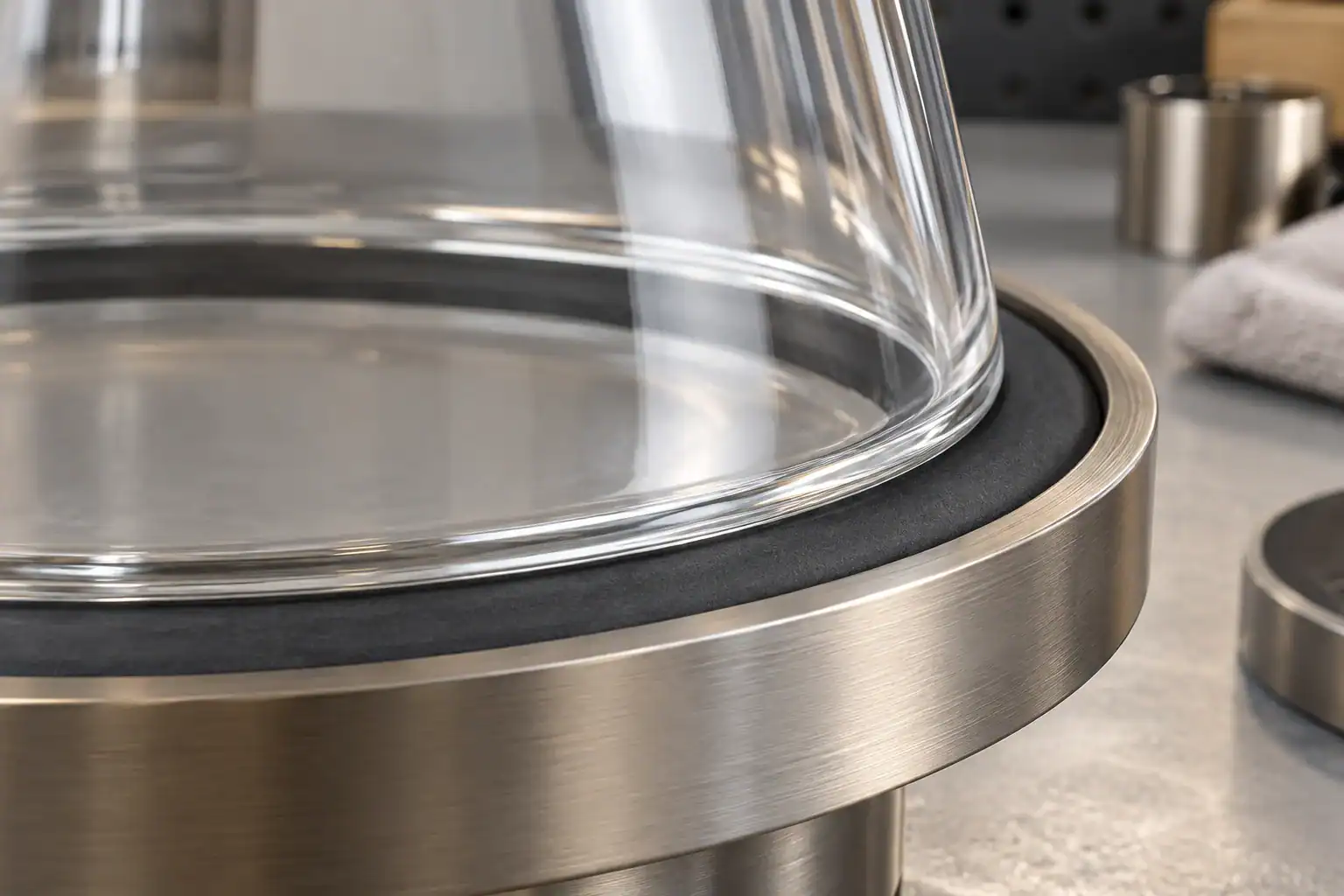
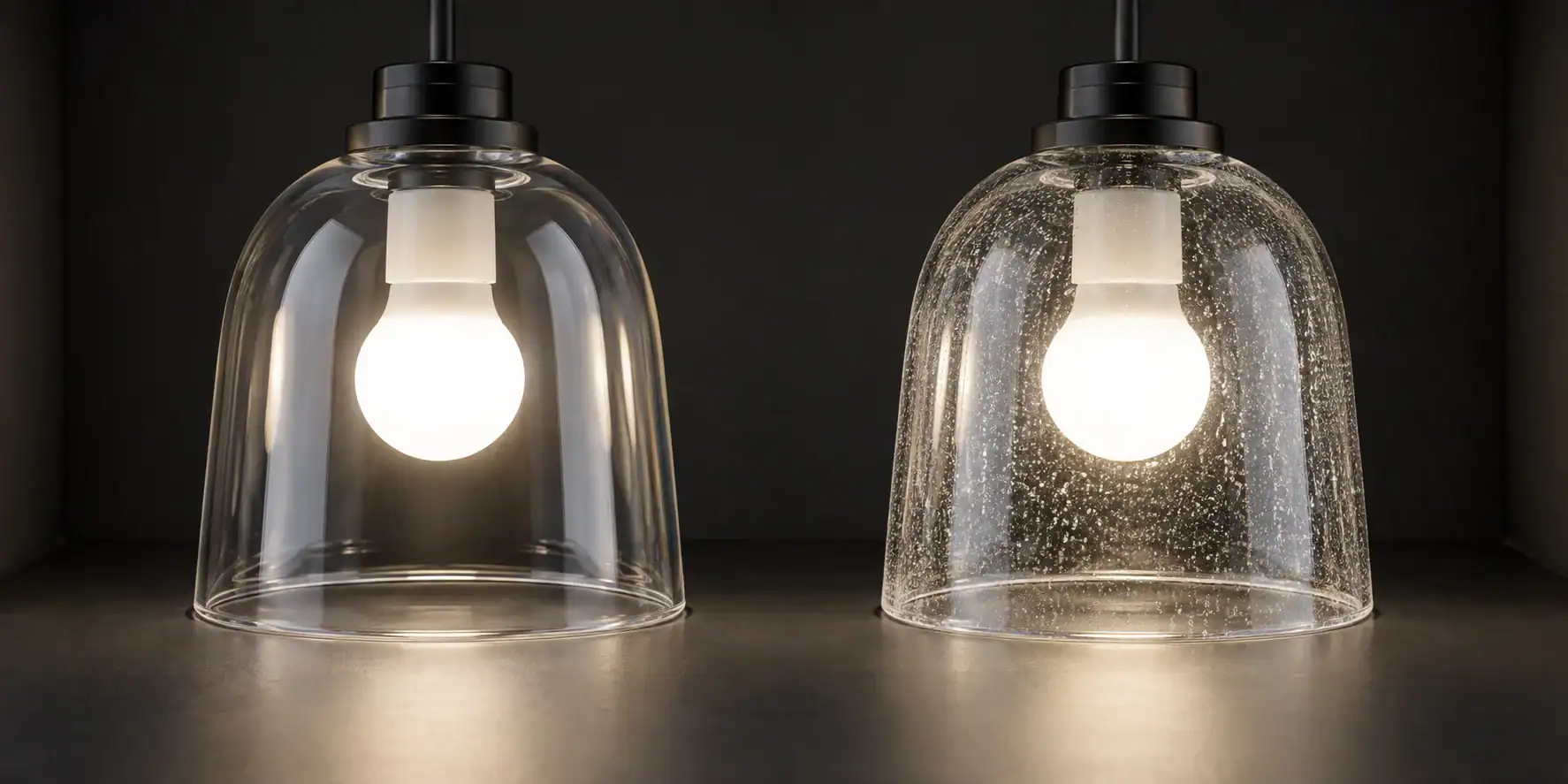
نقل الضوء، اللون والتشطيب بحاجة إلى فحص عينة
عائلة المادة وحدها لا تحدد مدى سطوع أو دفء الظل. لون الزجاج، سمكه، نسيج السطح، الطلاءات، التجميد، طيف المصدر وزاوية المشاهدة كلها تؤثر على الضوء المنقول. يمكن أن تبدو عينتان شفافتان مختلفتين عندما تكون غير مضاءة وعند وضعهما حول LED أو مصباح مقصود.
بالنسبة لبرنامج OEM، قارن العينات في التركيب الفعلي تحت مصدر الضوء المقصود. سجل ما إذا كان الهدف واضحًا، مشتتًا، أوبال، ملونًا، منقوشًا أو مطليًا. وافق على العينة الفيزيائية والتعديل؛ لا يمكن لصورة المنتج أن تثبت المظهر عبر الإنتاج.
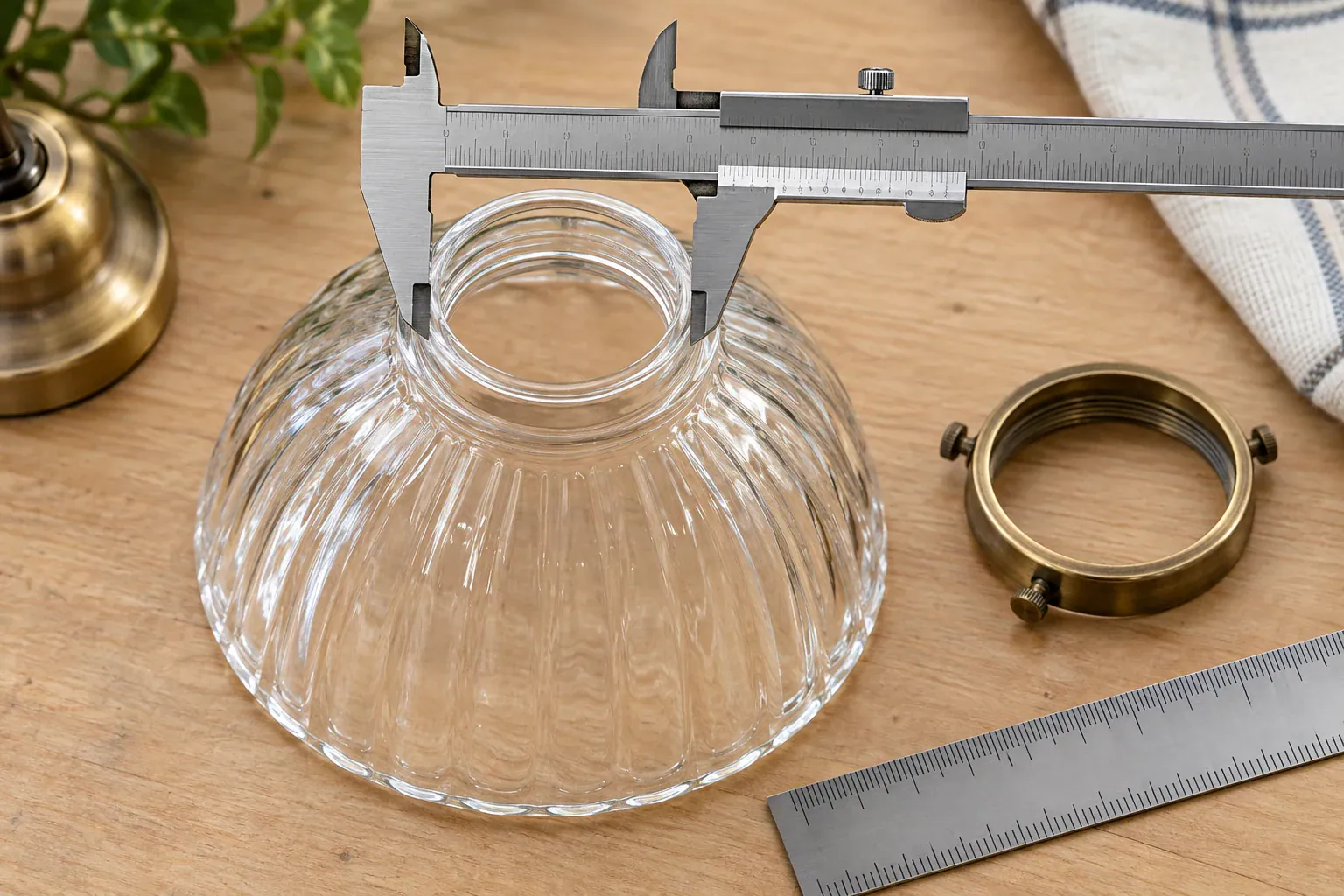
يمكن أن تتفوق تفاصيل الملاءمة والسمك والحافة على ملصق المادة
قبل تغيير عائلة الزجاج، تحقق من أن الاستبدال أو التصميم الجديد يتناسب مع التركيب. لظل بديل، قم بتسجيل قطر التركيب أو الفتحة، وطريقة الاحتفاظ، والارتفاع الكلي، وأعرض قطر، وسمك الجدار، وتشطيب الحافة، والمسافة إلى المصباح. قم بتضمين صور أمامية وجانبية ومركبة مع مسطرة للمقياس.
يجب أن تثبت التركيبة أن الظل ثابت دون إجباره على التوافق. أكد عرض الحشية وصلابتها، واتصال الحلقة، وموقع المسمار، وتراكم التحمل، وما إذا كانت الحافة مكشوفة. يمكن أن يتلف الزجاج منخفض التمدد الذي يُثبت بإحكام شديد؛ يمكن لظل الصودا-لايم المدعوم بشكل صحيح أن يؤدي بشكل جيد ضمن ظروف التشغيل المعتمدة له.
تسلسل اختيار المادة العملي للمهندسين
استخدم هذا التسلسل قبل تحديد مادة في الرسم:
- حدد البيئة ووضع الفشل: دورة درجة الحرارة، الصدمة، الاهتزاز، التعرض للماء، الاتصال الكيميائي، المظهر البصري، أو مزيج منها.
- حدد درجات الزجاج المتاحة وقارن خصائصها المنشورة عبر نطاق درجة الحرارة المهم.
- تحقق من هندسة الظل الفعلية، السمك، الفتحات، تشطيب الحافة، وقيود التركيب.
- قم بقياس أكثر المواقع سخونة وبرودة ذات صلة بالزجاج في التركيب المقصود، ثم وصف دورة التشغيل.
- اختبر عينة تمثل الإنتاج باستخدام معايير التركيب المحددة ونجاح/فشل.
- اعتمد تسمية المادة، وتعديل الرسم، والعينة، ونقاط التفتيش، ومتطلبات التعبئة والتغليف معًا.
يمنع هذا الطلب فجوة شائعة في المواصفات: طلب ظل زجاج مقاوم للحرارة دون تحديد مكان الحرارة، مدى تغيرها بسرعة، أو ما يجب أن يتحمله التجميع.
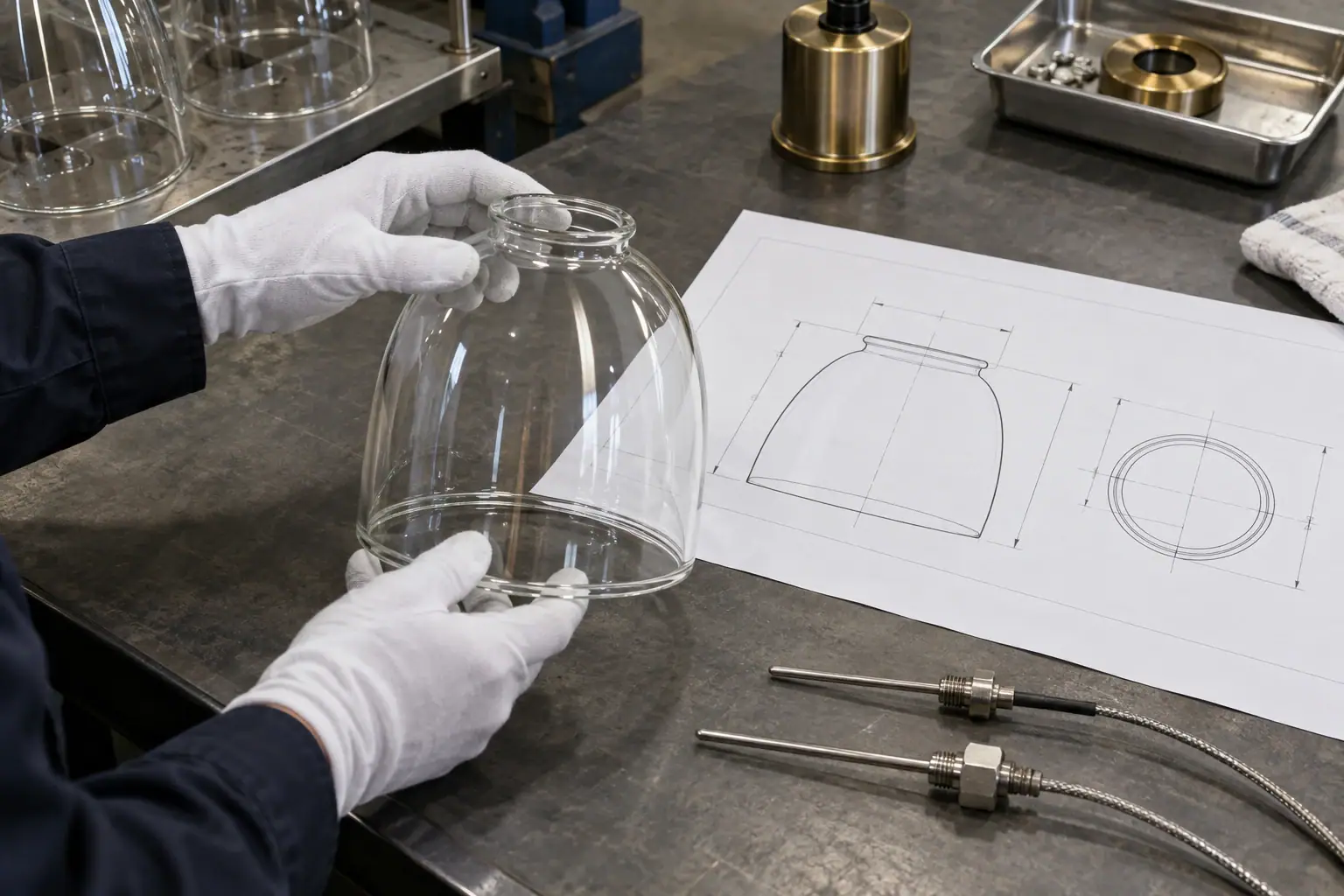
ما يجب تضمينه في طلب عرض أسعار لزجاج مصباح وظل
أرسل معلومات كافية للمورد لتقييم المادة ومسار التصنيع بدلاً من تقديم عرض سعر بناءً على اسم العائلة. يتضمن:
- رسم مقنن بالأبعاد أو عينة، بما في ذلك الفتحة، الارتفاع، أقصى قطر، السمك، وتفاصيل الحافة.
- درجة الزجاج المطلوبة أو الخصائص التي تحدد الاختيار، مثل CTE المستهدف أو متطلبات دورة الحرارة.
- طراز المصباح أو LED، المدخل الكهربائي، الاتجاه المقصود، ونطاق درجة حرارة الزجاج المقاس أو المطلوب.
- الظروف المحيطة والاختبارات الحرارية، المائية، الصدم أو الاهتزاز التي يجب أن يمر بها التجميع النهائي.
- طريقة التركيب، تفاصيل الحشية والحلقة الاحتجازية، الفتحات، وأي ثقوب مثقوبة.
- اللون المطلوب، الشفافية، الانتشار، النمط أو الطلاء، بالإضافة إلى مرجع مادي حيث يهم المظهر.
- الكمية المقدرة، توقعات إعادة الطلب، سوق الوجهة ومتطلبات التعبئة والتغليف.
إذا تم تحديد معيار مثل ISO 3585، فسمِ فئة الزجاج المطلوبة وقدم الرسم التوضيحي ومعايير التحقق ذات الصلة. لا يُحَلّ المرجع القياسي محل الاتفاق على الظل النهائي، أو التسامح، أو اختبار التجميع.
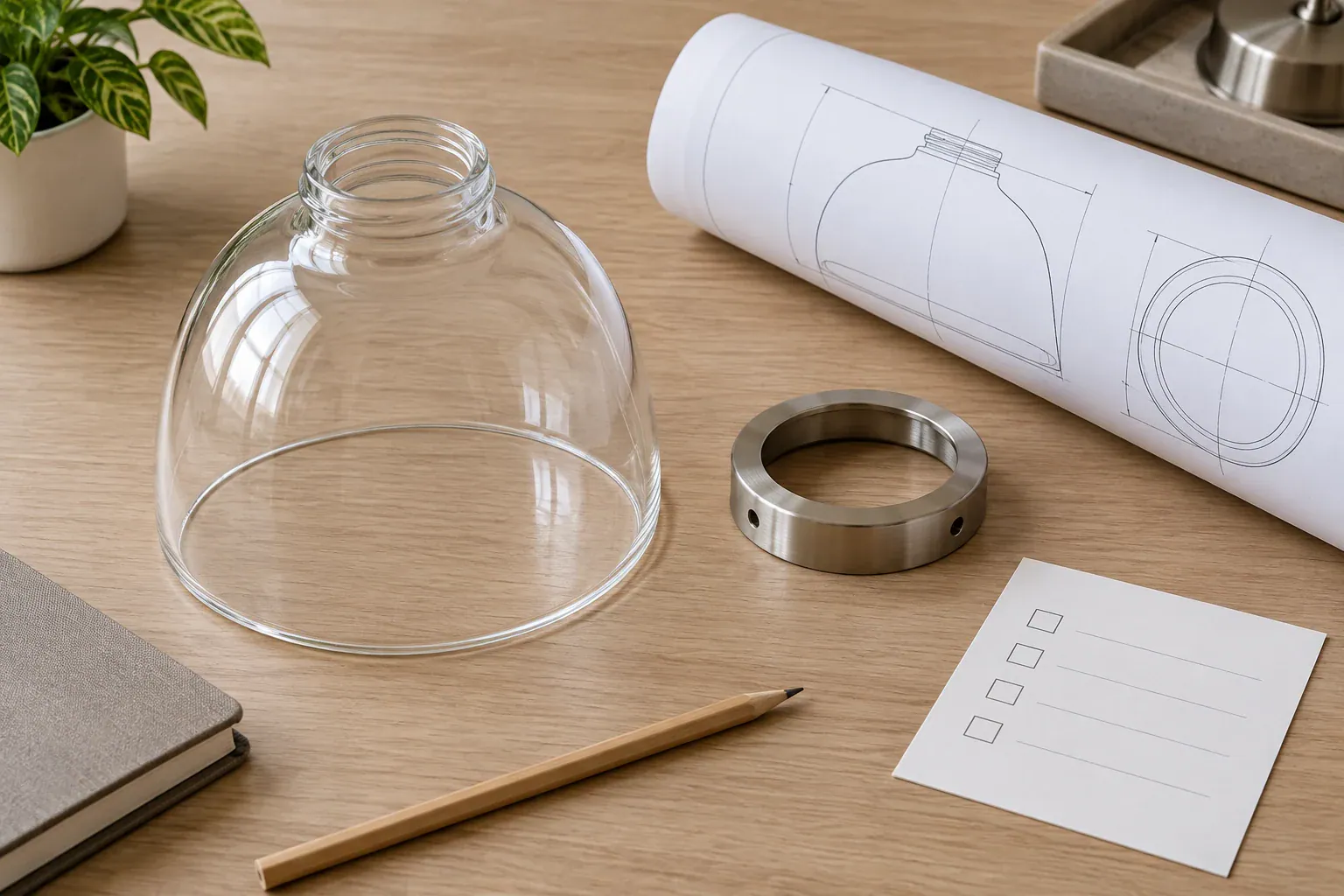
كيف يجب تحديد الزجاج وفحص جودته؟
لا يمكنك التعرف بشكل موثوق على زجاج البوروسيلكات أو زجاج الصودا-لايم من المظهر فقط. اطلب إعلان الدرجة والوثائق الداعمة من المصنع. لطلب إنتاج، اربط تلك المعلومات بالعينة المعتمدة والرسم التوضيحي للمراجعة، واتفق على كيفية السيطرة على البدائل.
يمكن أن تغطي فحوصات الوارد والعينة الأبعاد، الوزن، السماكة، تشطيب الحافة، العيوب البصرية، الملاءمة في الحلقة المطابقة، والمظهر تحت المصدر المحدد. أضف الاختبارات الحرارية أو الصدمية فقط عندما يتطلب التطبيق ذلك، باستخدام طريقة محددة وقاعدة قبول. شهادة المادة دليل على المادة التي يذكرها؛ ليست دليلاً على أن المصباح المكتمل اجتاز اختبارًا.
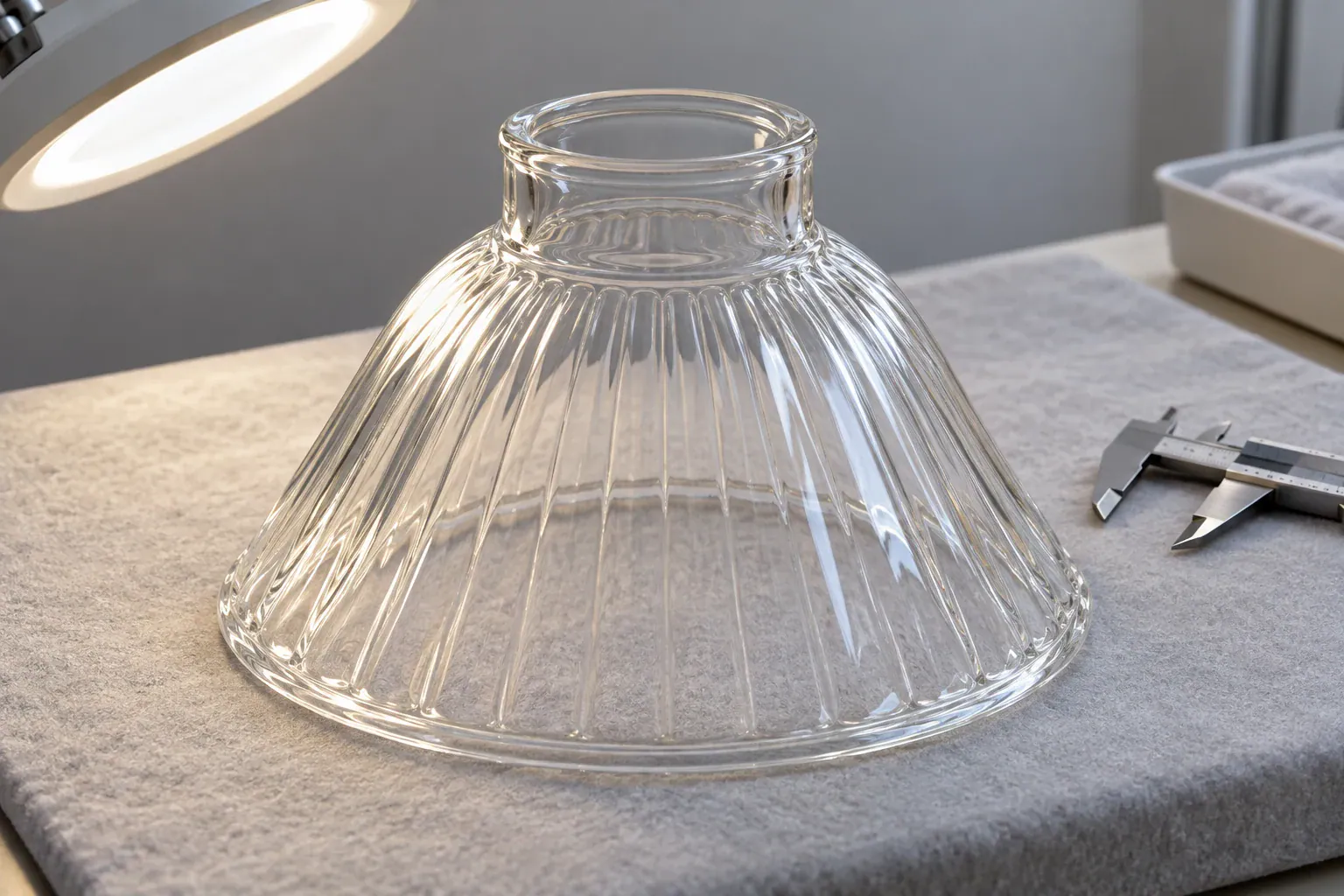
اطلب مراجعة رسم وتقييم المادة
بالنسبة لمظلة مصباح زجاجية مخصصة أو طلب متكرر، أرسل الرسم أو العينة المادية مع درجة الزجاج، ظروف التركيب، أبعاد التركيب وأي متطلبات دورة حرارية. يدعم مسار مظلة JX المخصص مراجعة الرسم وطلب عرض السعر؛ المادة المطلوبة، طريقة التشكيل، الأدوات، الحد الأدنى للكمية ووقت التنفيذ بحاجة إلى تأكيد خاص بالمشروع. لا تفترض أن كل درجة أو شكل من أشكال الزجاج متاح قبل المراجعة الفنية.
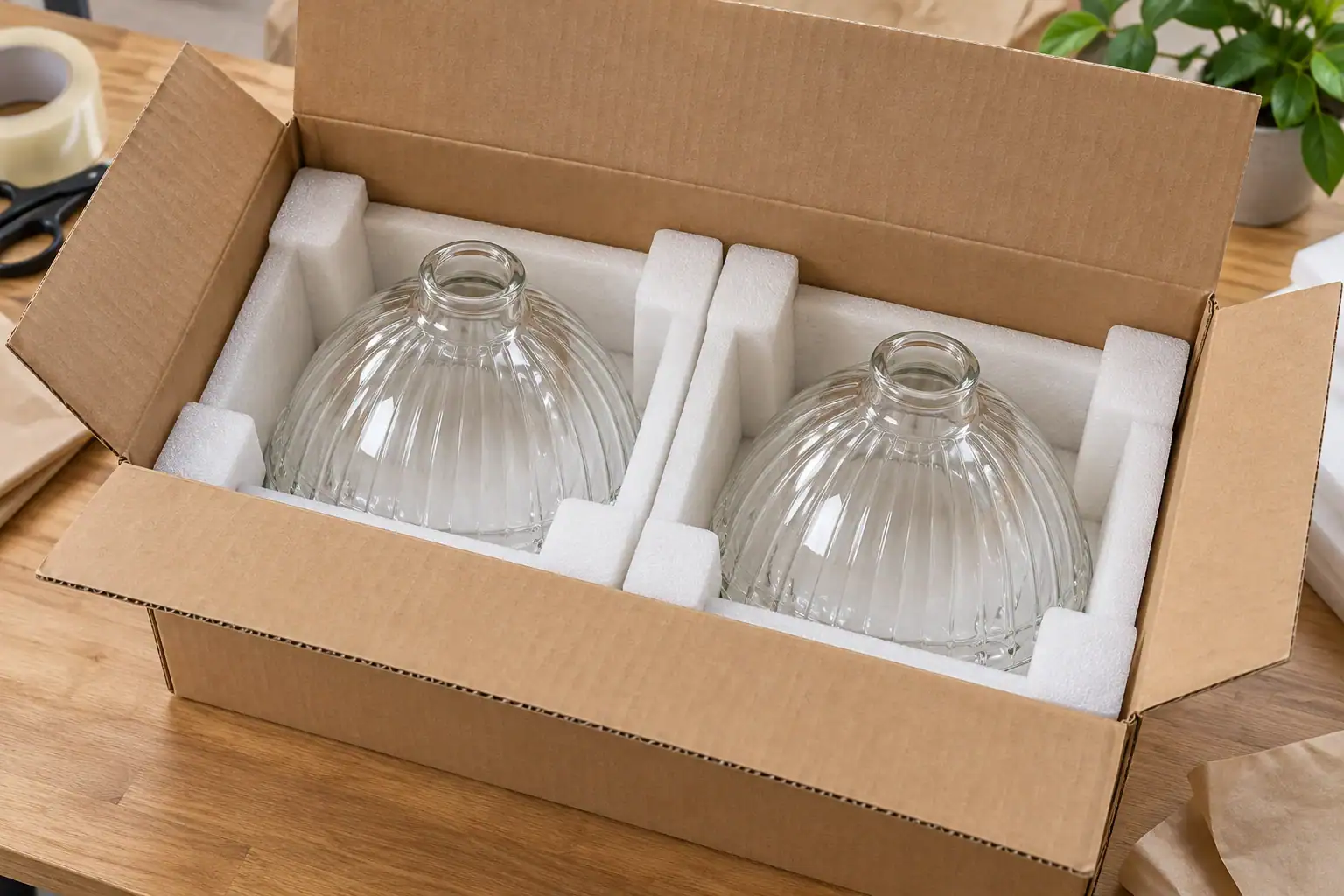
استخدم صفحة مُصنِّع أغطية مصابيح زجاجية مخصصة لإرسال الرسم للمراجعة. قم بتضمين الكمية السنوية والوجهة حتى يمكن أن تتناول العرض التقديمي تفاصيل العينة والإنتاج والتعبئة والتغليف المطلوبة.
أسئلة المشتري حول زجاج البوروسيلكات وزجاج الصودا-لايم
ما هي عيوب زجاج الصودا-لايم؟
مقارنةً مع درجتي SCHOTT المحددتين هنا، فإن AR-GLAS لديه معامل تمدد حراري أعلى من BOROFLOAT 33. يمكن أن يهم ذلك عندما يتعرض الظل لتغير كبير أو غير منتظم في درجة الحرارة. لا يعني ذلك أن جميع ظلال الصودا-لايم غير مناسبة؛ لا تزال الدرجة والتصميم النهائي بحاجة إلى تلبية حالة الاستخدام.
هل زجاج الصودا-لايم عالي الجودة؟
يمكن أن يكون مناسبًا لمظلة مصباح عندما تفي الدرجة المحددة، وجودة التشكيل، والتلدين، والأبعاد، والتشطيب بمتطلبات الرسم والاختبار.
كيف يمكنني معرفة ما إذا كانت مظلة المصباح من زجاج البوروسيلكات أم زجاج الصودا-لايم؟
اطلب من المصنع تحديد الزجاج والوثائق الداعمة. المظهر الواضح، الوزن أو فحص بصري بسيط لا يمكن أن يؤكد بشكل موثوق تركيب الظل النهائي.
أي زجاج أفضل للإضاءة الخارجية؟
لا يوجد جواب عالمي. اختر من بين دورة حرارية محددة، التركيب، التعرض للصدمات، مسار الماء، التشطيب ومتطلبات المصباح. قد يكون زجاج البوروسيلكات مرشحًا عندما يعالج التمدد المنخفض خطر التدرج الحراري المُثبت؛ لكنه لا يجعل التركيب مقاوم للعوامل الجوية بمفرده.
هل يمنع زجاج البوروسيلكات تكسر مظلة المصباح؟
لا يضمن ذلك ضمان العائلة الزجاجية. يمكن أن يساعد التمدد المنخفض في بعض ظروف الصدمة الحرارية، لكن الضرر لا يزال ممكنًا نتيجة للصدمة، رقائق الحواف، القيد، العيوب، التسخين غير المنتظم أو التركيب غير المناسب. تحقق من تجميع المنتج التمثيلي للإنتاج.
هل يحدد الحد الأقصى لدرجة حرارة التشغيل لمورد الزجاج قدرة المصباح الآمنة على الواط؟
لا. الحد المادي في ورقة المنتج لا يحدد الحد الآمن للتشغيل لمصباح كامل. المصباح، المقبس، شكل الظل، تدفق الهواء، الأسلاك، الطلاءات ومتطلبات المصباح المناسبة كلها مهمة.
حدد الدرجة، ثم تحقق من صحة التجميع
قارن درجات الأسماء واستخدم بيانات التوسعة فقط للزجاج الذي يصفه. اختبر الظل في ظروف التركيب والإضاءة المقصودة. سجل الرسم المعتمد، العينة، تسمية الزجاج ومعايير القبول حتى يمكن فحص الإنتاج وفقًا لنفس المواصفات.