
RESTAURANT- & CAFÉ-BELEUCHTUNGSLÖSUNG · JX LAMPENSCHIRM
Glaslampenschirme für Cafés und Restaurants
JX Lampenschirm bietet maßgefertigte Restaurant-Lampenschirme und Café-Glaslampenschirme für Esstische, Kaffeebars, Wandleuchten, Pendelleuchten und Innenräume im Gastgewerbe. Wir unterstützen individuelle Glasformen, Farben, Oberflächen, Muster, Formen, Serienproduktion und schützende Exportverpackungen für Beleuchtungsmarken, Restaurantketten, Caféprojekte und gewerbliche Käufer. Unser Restaurant-Lampenschirme und Café-Lampenschirme decken alle Arten von Beleuchtungsarmaturen im Gastgewerbe ab – von Pendelleuchten über der Bar bis zu Wandleuchten im privaten Speisebereich – und jede Kombination von Lampenschirme aus Glas für das Gastgewerbe können nach OEM-Spezifikationen mit passenden Kragenmaßen, Glasoberflächen und Exportverpackungen entwickelt werden.
1999
Gegründet · Glasherstellung
Gegründet 1999 · Dokumentierte Qualitätskontrolle
Einzelheiten zur Einrichtung
Produktionsstätte
Glaswerkstätten · Yancheng, China
120+
Bediente Länder
Internationale Märkte
25–45 Tage
Standardlieferzeit
Katalogartikel/leichte Anpassung · Projektdauer wird im Angebot bestätigt
Maßgeschneiderte Lösungen für Glaslampenschirme für Restaurant- und Café-Innenräume
Beleuchtung in Restaurants und Cafés erfordert mehr als nur Helligkeit. Ein geeigneter Glaslampenschirm sollte eine angenehme Atmosphäre schaffen, das Interior Design-Konzept unterstützen, zur Struktur der Leuchte passen und eine stabile Qualität für wiederholte Installationen in Speisebereichen, Kaffeebars, Eingängen und Gastgewerberäumen gewährleisten. Glaslampenschirme für Restaurants im Großhandel oder einzeln Café-Lampenschirm Ersatz, die gleichen Prinzipien für Passgenauigkeit, Glasqualität und optische Konsistenz gelten.
Warme Atmosphäre im Speisebereich
Bernsteinfarbene, opale und gerippte Glaslampenschirme helfen Restaurants, komfortable Essumgebungen mit dekorativer Lichtstreuung und einem edlen visuellen Effekt zu schaffen.
Bernsteinglas · Opalglas · Geripptes Glas
Beleuchtung für Cafés und Kaffeebars
Klare, rauchfarbene und vintage-inspirierte Glaspendelschirme können Cafés dabei unterstützen, eine unverwechselbare Atmosphäre über Theken, Sitzbereichen und Kaffeebars zu schaffen.
Klares Glas · Rauchglas · Vintage geripptes Glas
Maßgeschneiderte Gastgewerbe-Kollektionen
Individuelle Formen, Öffnungen, Farben und Oberflächen unterstützen Restaurantketten, Café-Projekte, Beleuchtungsmarken und Innenarchitekten im Gastgewerbe.
Individuelle Formen · Musterfreigabe · Serienproduktion
Lösungen für Glaslampenschirme in Restaurants und Cafés
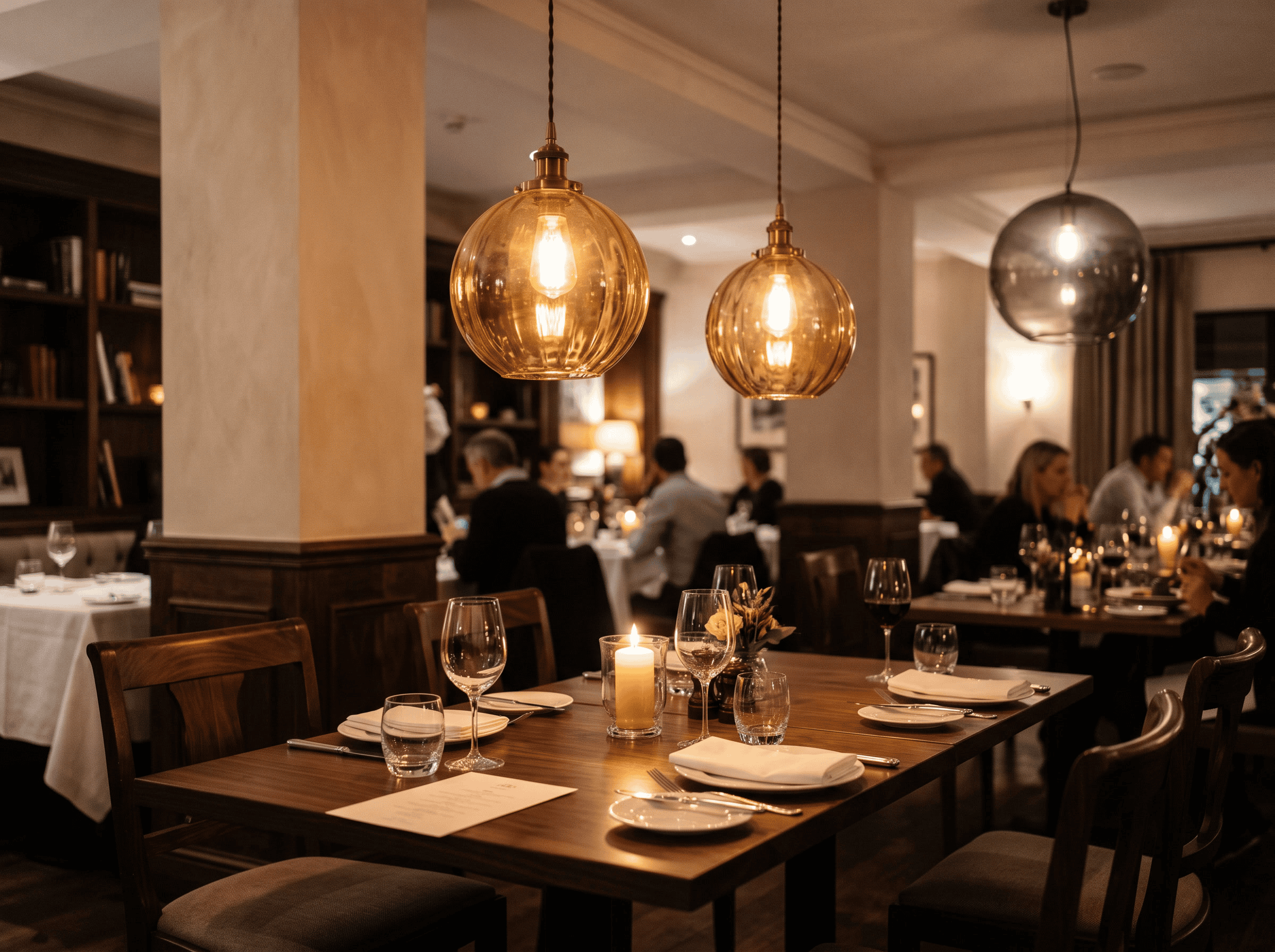
Glaslampenschirme für Restaurants
Schaffen Sie eine warme und edle Atmosphäre im Speisebereich mit maßgefertigten Glaspendelschirmen, Wandlampenschirmen und dekorativen Glaskugeln. Bernstein-, klares, rauchfarbenes und geripptes Glas eignen sich für zwanglose Speiseräume, gehobene Restaurants, private Speiseräume und Gastgewerbe-Innenräume.
Bernsteinglas · Rauchglas · Klares Glas · Geripptes Glas
ENTDECKEN SIE RESTAURANT GLASLAMPENSCHIRME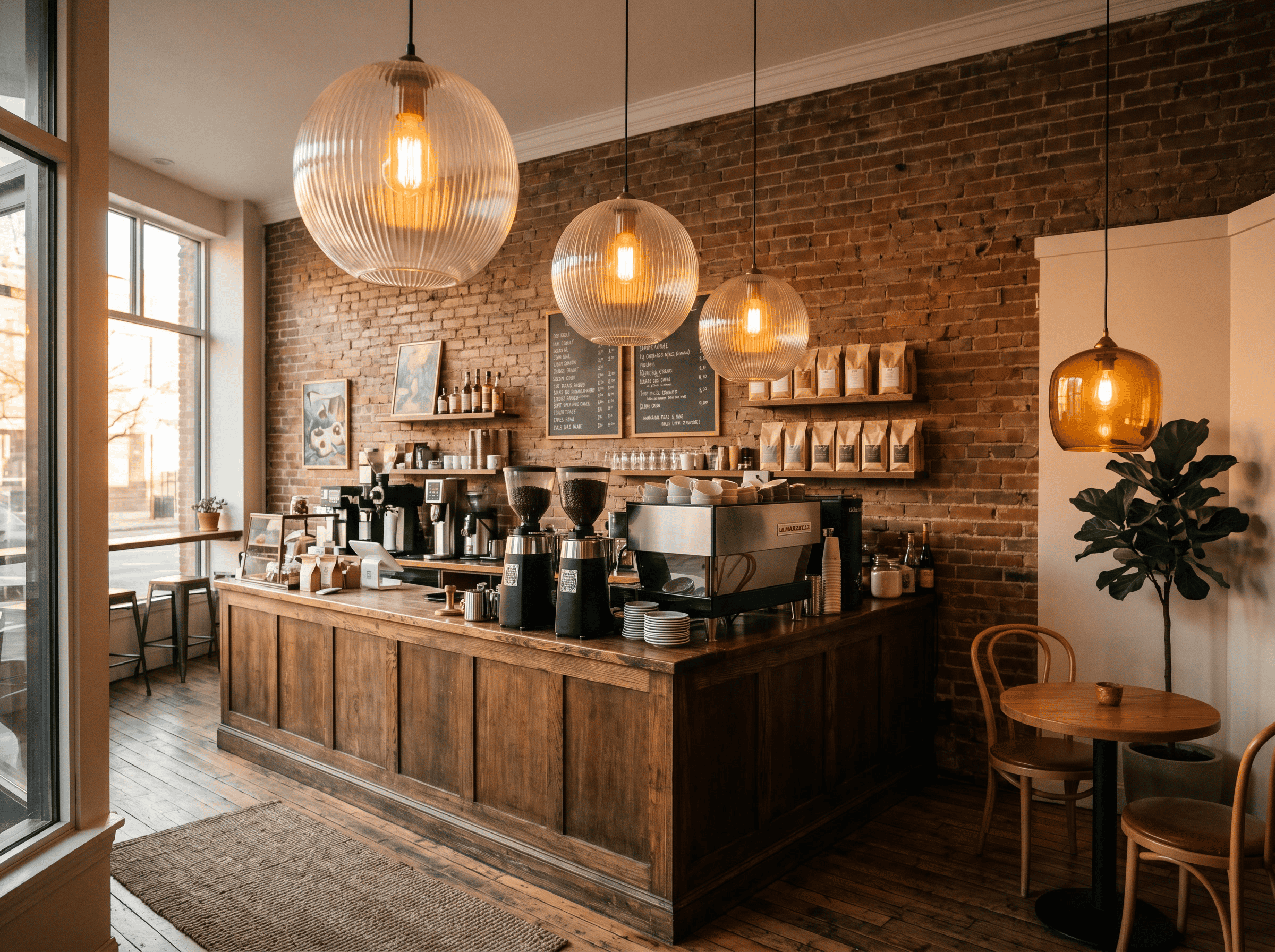
Glaslampenschirme für Cafés
Dekorative Glaslampenschirme können Cafés und Coffeeshops dabei helfen, einen entspannten und unverwechselbaren Einrichtungsstil zu schaffen. Klare, bernsteinfarbene, gerippte und vintage-inspirierte Glaslampenschirme passen zu Kaffeebars, Sitzbereichen, Eingängen und Akzentbeleuchtung.
Klares Glas · Bernsteinglas · Geripptes Glas · Vintageglas
ENTDECKEN SIE CAFÉ GLASLAMPENSCHIRME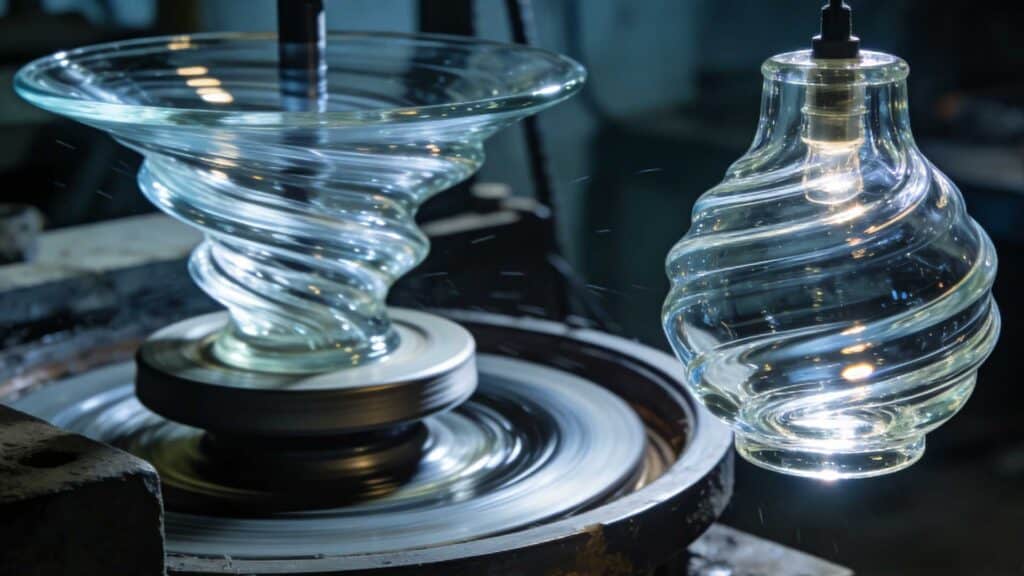
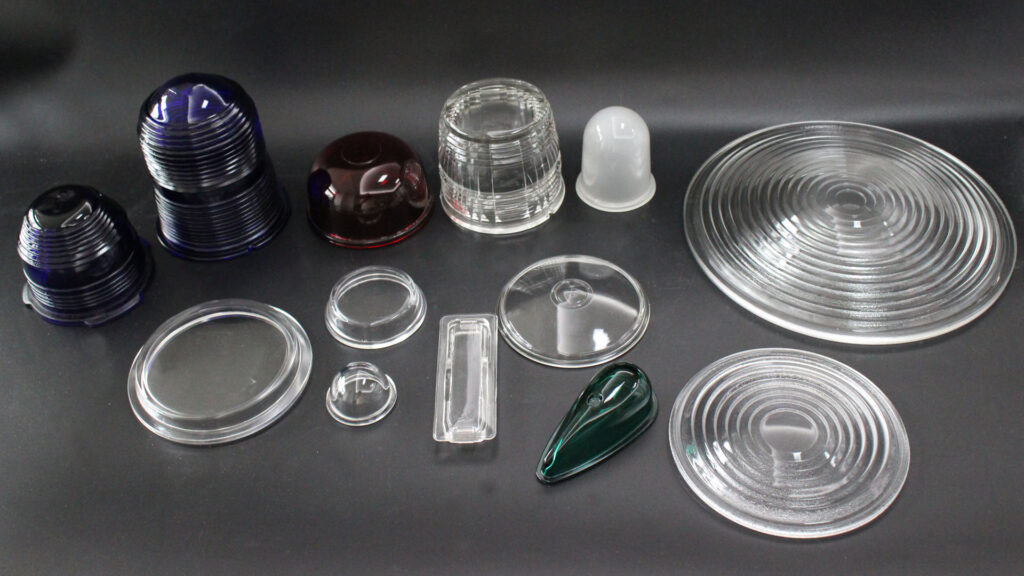
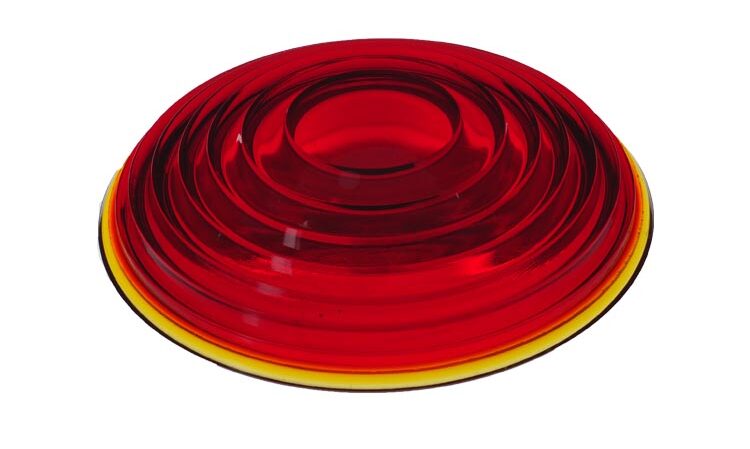
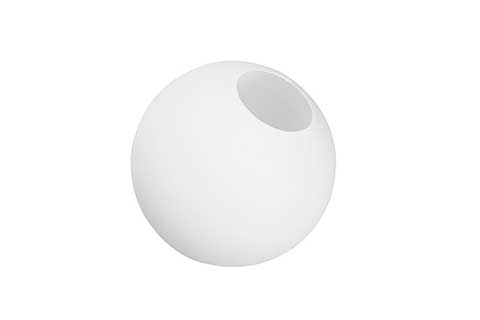
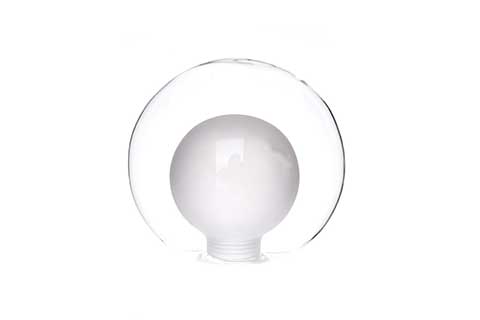
Glaslampenschirme für jeden Ess- und Cafébereich
Jeder Ess- und Cafébereich hat unterschiedliche Anforderungen an die Beleuchtung – von gezieltem Arbeitslicht über Servicetheken bis hin zu sanftem, ambientem Licht in privaten Speiseräumen. Glaslampenschirme für den Essbereich müssen Atmosphäre mit Armaturenkompatibilität ausbalancieren, während Glaslampenschirme für Coffeeshops oft dekorativen Charakter und visuelle Unverwechselbarkeit über den Tresen- und Sitzbereichen priorisieren.
Esstische
Pendelleuchten mit Glasschirm sorgen für gezielte und angenehme Beleuchtung über Esstischen. Bernstein-, Klarglas und Opalglas unterstützen verschiedene Restaurantkonzepte.
Bernsteinglas · Klarglas · Opalglas
Kaffeebars
Dekorative Pendelleuchten und Glasgloben eignen sich für Kaffeebars, Servicetheken und Akzentbeleuchtung. Geriffeltes und Klarglas sorgen für visuelle Details.
Klarglas · Geriffeltes Glas · Rauchglas
Restaurant-Eingänge
Statement-Beleuchtung am Restaurant-Eingang sorgt für einen stärkeren ersten Eindruck. Dekorative Glaspendel und Wandleuchten passen zu Empfangs- und Wartebereichen.
Rauchglas · Bernsteinglas · Geriffeltes Glas
Private Speiseräume
Private Speiseräume benötigen weichere und raffiniertere Beleuchtung. Opal-, Bernstein- und mattiertes Glas schaffen eine angenehme Atmosphäre.
Opalglas · Mattiertes Glas · Bernsteinglas
Café-Sitzbereiche
Café-Sitzbereiche profitieren von warmer, dekorativer Beleuchtung mit angenehmer Lichtstreuung. Klarglas-Globen, Bernsteinpendel und Vintage-Schirme sind passende Optionen.
Klarglas · Bernsteinglas · Vintageglas
Wandleuchten und Akzentbeleuchtung
Glaslampenschirme für Wandleuchten unterstützen Flure, Akzentwände und Sitzbereiche. Kompakte Glaslampenschirme können an die Leuchtenstruktur angepasst werden.
Mattiertes Glas · Opalglas · Geriffeltes Glas
Empfohlene Glasmaterialien und Oberflächen für Restaurantbeleuchtung
Die Auswahl des Glasmaterials beeinflusst direkt die Atmosphäre, den visuellen Charakter und die praktische Lichtqualität von Restaurant- und Café-Innenräumen.
Bernsteinglas
Ideal für Restaurants, Bars, Cafés, Esstische und gemütliche Gastfreundschaftsbereiche.
Effekt: warme Atmosphäre, dekorativer Charakter und ein angenehmes Ambiente zum Essen
Klares Glas
Ideal für Café-Pendelleuchten, Kaffeebars, Leuchten mit sichtbaren Glühbirnen und moderne Essbereiche.
Effekt: hohe Transparenz, sauberes Erscheinungsbild und sichtbarer Glühbirnenschein
Rauchglas
Ideal für gehobene Restaurants, moderne Cafés, Bars und Akzentbeleuchtungsbereiche.
Effekt: eleganter Kontrast, edle Stimmung und zeitgemäße visuelle Details
Rippen- / Fächerglas
Ideal für Boutique-Restaurants, Vintage-Cafés und dekorative Pendelleuchten.
Effekt: strukturierte Lichtverteilung und hochwertiger visueller Charakter
Opal-/Milchglas
Ideal für private Speiseräume, sanfte Ambientebeleuchtung und Blendungsreduzierung.
Effekt: sanfte Diffusion und eine angenehme Atmosphäre für Gastfreundschaft
Mattiertes Glas
Ideal für Wandleuchten, Flure, Eingänge und weichere Restaurantbeleuchtung.
Effekt: gleichmäßige Diffusion, reduzierte Blendung und praktischer Lichtkomfort
Ressourcen zu Glaslampenschirmen für Cafés und Restaurants
Dekorative Glaslampenschirme für Cafés und Restaurants
Diese dekorativen Glaslampenschirme sind für Cafés, Restaurants, Kaffeebars und Essbereiche konzipiert und schaffen eine warme und elegante Lichtatmosphäre. Mit anpassbaren Formen, Farben und Oberflächen können sie verschiedene Einrichtungsstile ergänzen und gleichzeitig ein sauberes und modernes Erscheinungsbild bewahren.
Geeignet für Pendelleuchten, Wandleuchten, Tischlampen und Akzentbeleuchtung, unterstützen diese Glaslampenschirme sowohl dekorative Designs als auch praktische Anforderungen der Gastgewerbebeleuchtung.
- Herstellung von maßgefertigten Glaslampenschirme
- Unterstützung bei Form-, Muster- und Serienproduktion
- Exportverpackung für zerbrechliche Glasprodukte
Ausgewählte Glaslampenschirme für Cafés und Restaurants
Bernsteinfarbene, rauchige, gerippte und klare Glaslampenschirme für Restaurant- und Cafébeleuchtung – erhältlich für OEM-Anpassung, Musterentwicklung und Großhandelslieferung.
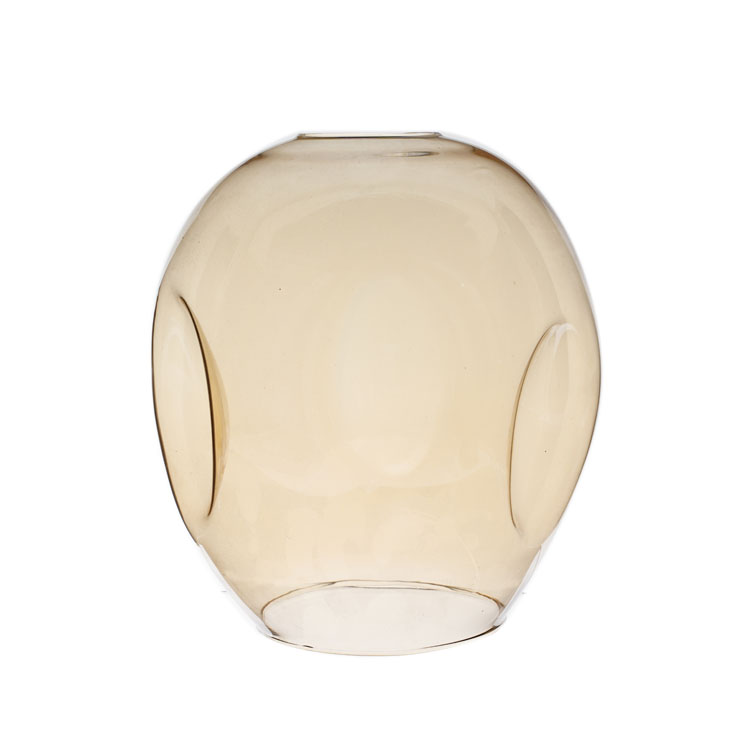
Mouth-blown bernsteinfarbener Borosilikatglas Globus Lampenschirm – Vintage-Dimple-Design
Bernsteingetönte, mundgeblasene Borosilikat-Glaskugel mit vintagegenopptem Oberfläche – warmes, goldenes Leuchten, ideal für Restaurant-Esstische und Café-Pendelleuchten.
Produkt ansehen →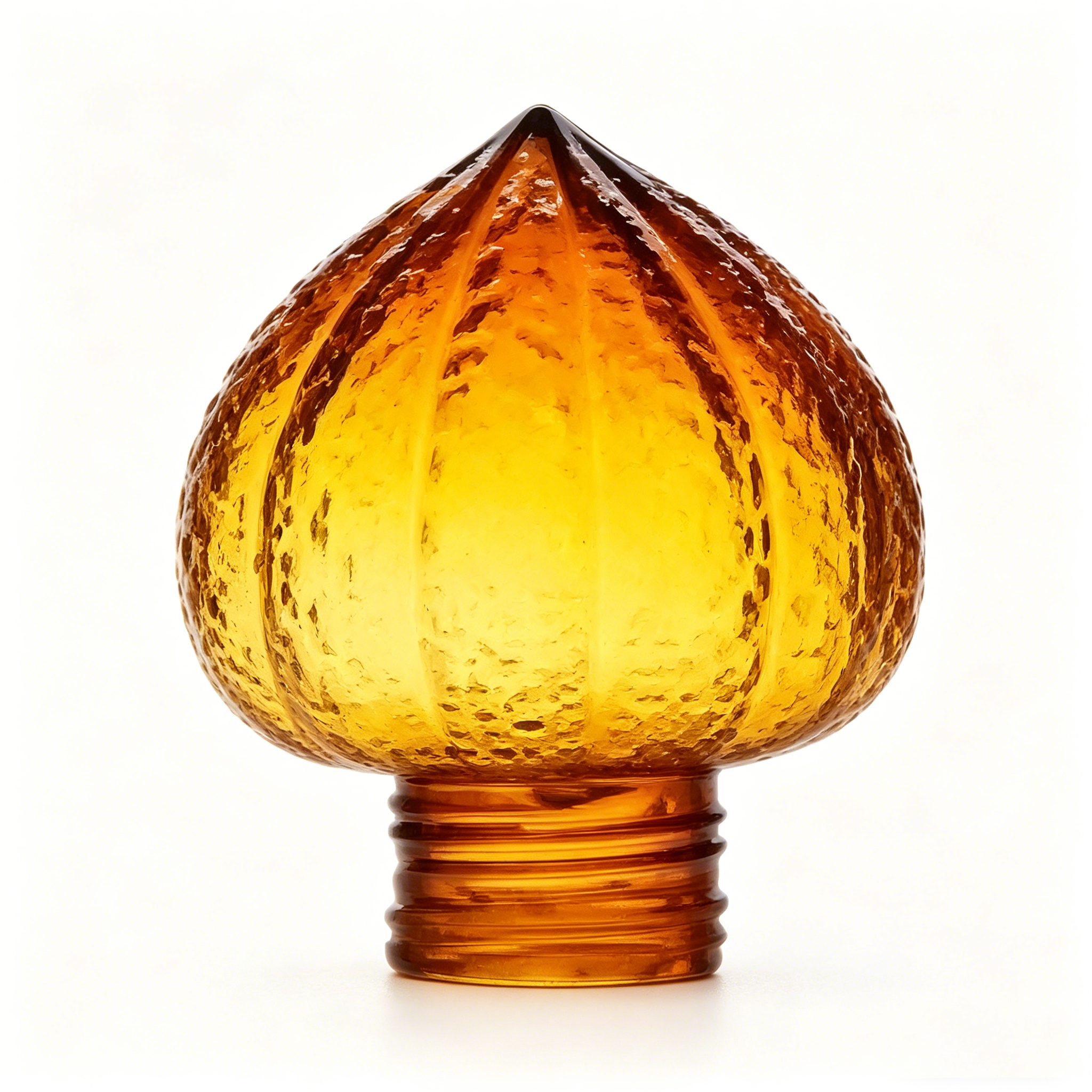
Bernsteinfarbener Zwiebelförmiger Glaslampenschirm – Vintage-Pfirsichform
Warmer bernsteinfarbener Zwiebellampenschirm mit Vintage-Silhouette – dekoratives Pendel für Restaurant-Essbereiche, Café-Sitzplätze und besondere Beleuchtung im Gastgewerbe.
Produkt ansehen →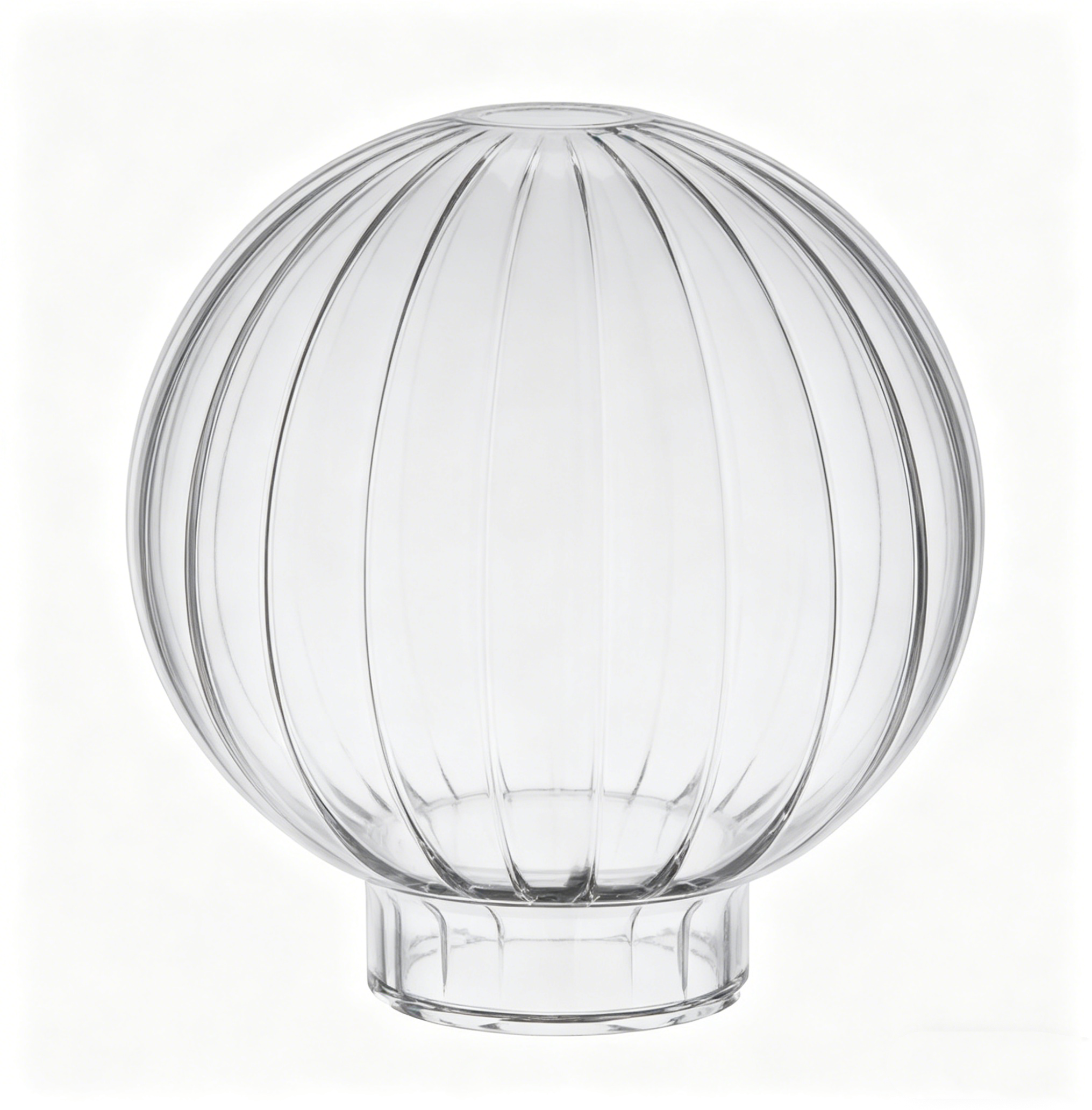
Klarer Gerippter Glaskugel-Lampenschirm – Vertikal Gestreift
Klare Glaskugel mit vertikal gerippter Riffelung – dekorative Lichtbrechung für Cafétheken, Restaurant-Pendelleuchten und moderne Gastgewerbe-Innenräume.
Produkt ansehen →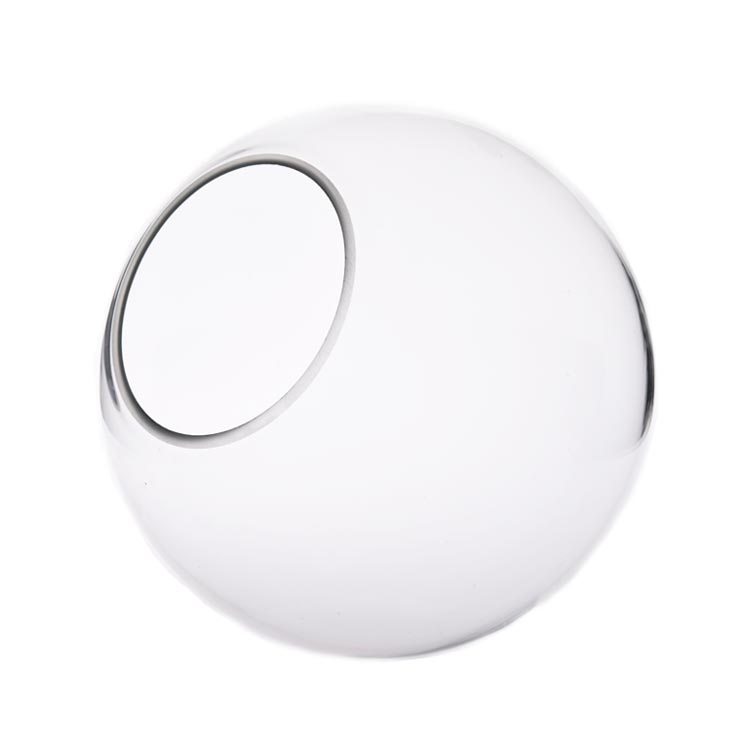
Klarer Glaskugel-Lampenschirm Mundgeblasen Sphärisch
Klassische, mundgeblasene klare Glaskugel für Pendel- und Kronleuchterfassungen – klares, transparentes Profil, geeignet für moderne Cafés und Restaurantbeleuchtung.
Produkt ansehen →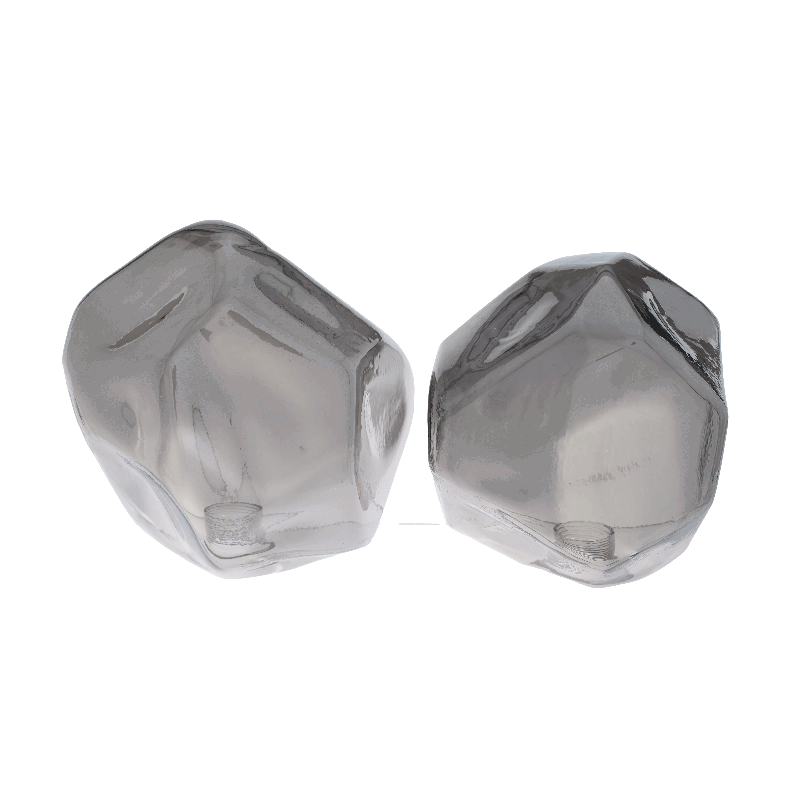
Unregelmäßig Steinförmiger Rauchglas-Lampenschirm
Einzigartiger steinprofilierter Borosilikat-Glaslampenschirm in rauchig grau-brauner Tönung – markanter dekorativer Charakter für gehobene Restaurants und moderne Café-Innenräume.
Produkt ansehen →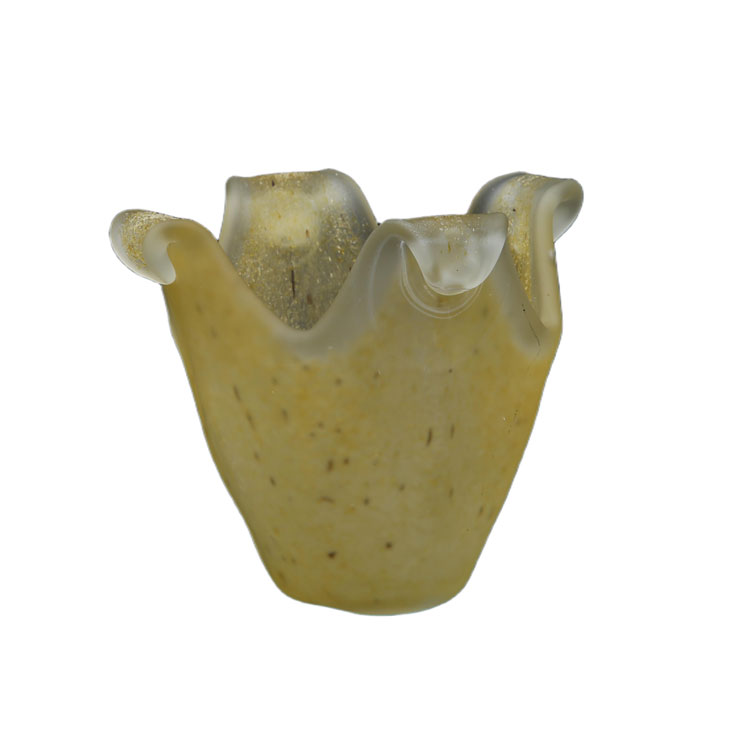
Handgefertigte bernsteinfarbene gewellte Glaslampenschirme
Warmer bernsteinfarbener handgefertigter Schirm mit fließendem, gewelltem Rand – vintage-inspiriertes Profil für Bistro-, Café- und Boutique-Restaurant-Pendelleuchten.
Produkt ansehen →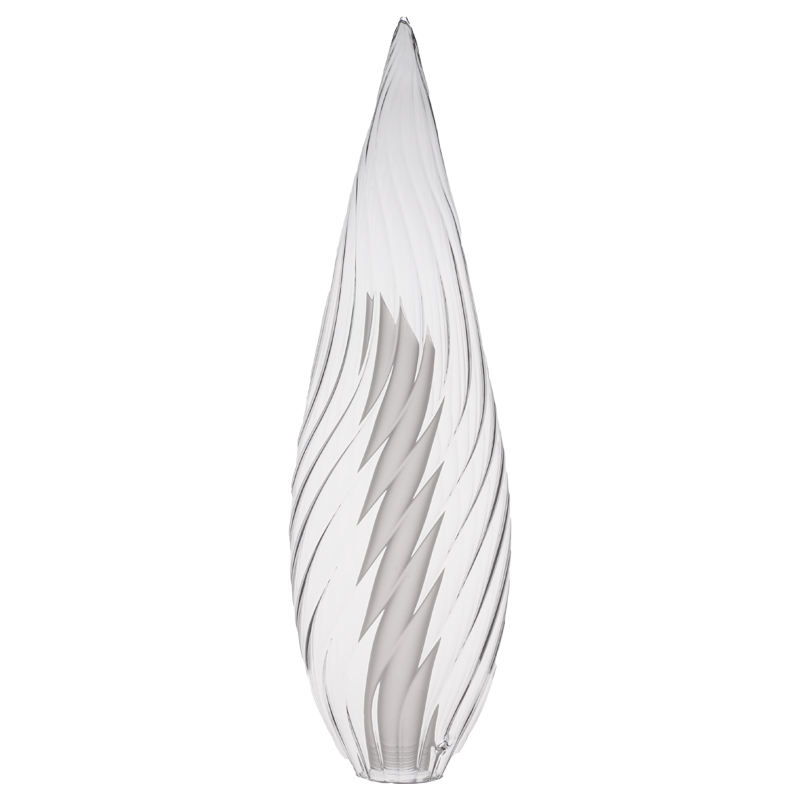
Mundgeblasener Runder Klarer Gerippter Borosilikatglas-Pendellampenschirm
Klarer gerippter Borosilikatglas-Pendelschirm mit G9-Gewinde – strukturierte Lichtstreuung für Caféthekenbeleuchtung, Restaurant-Pendelleuchten und Gastgewerbeprojekte.
Produkt ansehen →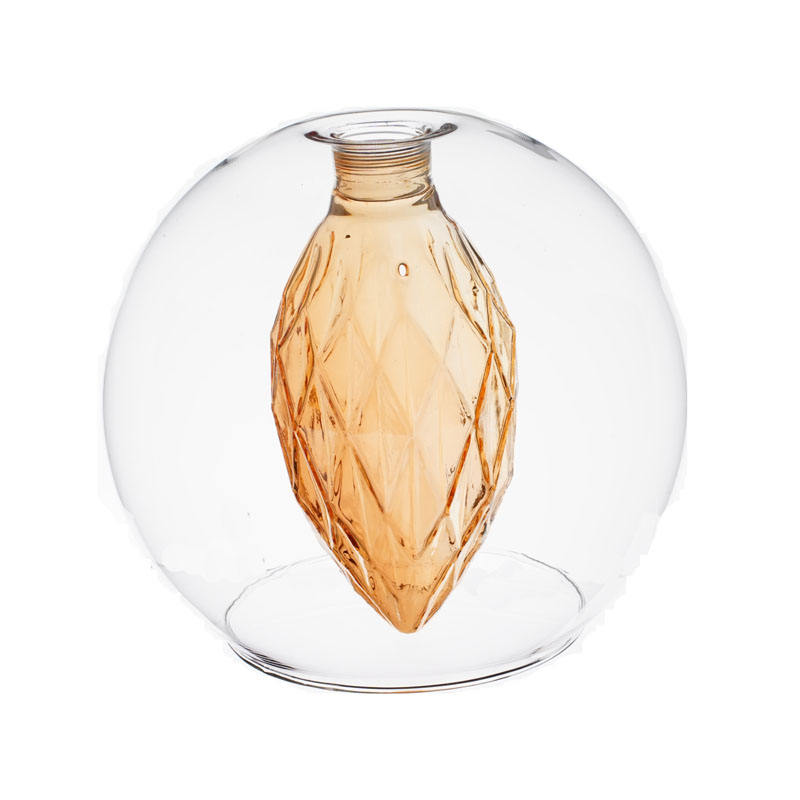
Antiker Glaslampenschirm Doppelwandiger Borosilikat-Pendel
Antikstil-Doppelwand-Borosilikatglaslampenschirm mit Innengewinde – Vintage-Café- und Boutique-Restaurant-Pendelleuchten mit handwerklichem Charakter.
Produkt ansehen →Entdecken Sie Glaslampenschirme nach Typ
Durchstöbern Sie den JX-Leuchtenschirm-Katalog nach Schirmtyp und Anwendung — jedes Produkt ist für OEM/ODM bei Hotelprojekten verfügbar.
Mundgeblasener Glasschirm
Handgeformte Glasschirme für Hotel-Pendelleuchten, Lobby-Kronleuchter und dekorative Beleuchtung im Gastgewerbe, bei denen ein handwerkliches Erscheinungsbild gewünscht ist.
Maschinengepresster Glasschirm
Konsistente, geformte Glasschirme für Hotelzimmer, Flure und Großbeleuchtungsprojekte, die stabile Maße und wiederholbare Produktion erfordern.
Lampwork-Borosilikatglas-Schirm
Technische Borosilikatglas-Optionen für hochwertige Beleuchtungskomponenten, hitzebeständige Anwendungen und individuelle Anforderungen an Gastgewerbe-Leuchten.
Zentrifugaler Glasschirm
Gleichmäßige und ausgewogene Glasschirmformen für dekorative Hotelbeleuchtung, moderne Innenraumleuchten und projektbasierte, individuelle Glaskomponenten.
Gebogener Glasschirm
Gebogene und geformte Glasschirme für Wandleuchten, Wandleuchter, Lobbybeleuchtung und designorientierte Hotel-Innenräume mit weicheren visuellen Linien.
Handgefertigter Glasschirm
Individuelle handgefertigte Glasschirme für Boutique-Hotels, dekorative Pendelleuchten und Gastgewerbeprojekte, die eine besondere Glasstruktur und Charakter benötigen.
Fordern Sie ein individuelles Angebot für Restaurant- oder Café-Lampenschirme an
Senden Sie Ihre Leuchtenzeichnung, Musterfoto, Referenz des Essbereichs oder Maße. Wir prüfen die Glasform, den Kragen oder die Öffnung für den Halter, Farbe, Oberfläche, Menge, Standort der Leuchte und Exportverpackungsbedarf für Ihr Restaurant-, Café-, Kaffeebar- oder Gastgewerbe-Beleuchtungsprojekt.
- Leuchtenzeichnung, Maße oder freigegebenes Muster
- Anwendung für Esstisch, Kaffeebar, Wandleuchte oder Pendelleuchte
- Glasfarbe, Oberfläche, Kragen und Öffnung für den Halter
- Projektmenge, Dateiupload und Tel / WhatsApp
Nutzen Sie das Formular, um Zeichnungen oder Referenzfotos anzuhängen und den Leuchtenbereich, die Designanforderung und den gewünschten Lichteffekt zu beschreiben.
Senden Sie Ihre Anforderungen
Individuelle Glaslampenschirm-Optionen für Restaurant- und Café-Projekte
Restaurant- und Café-Projekte erfordern häufig Glaslampenschirme, die auf spezifische Leuchtenspezifikationen, Innenraumkonzepte und Anforderungen von Gastronomiemarken abgestimmt sind. Individuelle Café-Lampenschirme kann mit OEM-Kragenmaßen und Glasoberflächen entwickelt werden, während dekorative Glaslampenschirme für Restaurants sind in Bernstein, Rauch, geriffeltem und klarem Profil erhältlich, um jedem Gastronomiekonzept zu entsprechen.
🔷 Individuelle Form
Kugel, Zylinder, Kuppel, Glocke, Kegel, Laterne, abgerundetes Quadrat oder jedes individuelle Profil nach Zeichnung oder Muster.
📐 Individuelle Größe
Bestätigen Sie Durchmesser, Höhe, Öffnungsgröße, Wandstärke und Befestigungsstruktur, um das Leuchtengehäuse abzustimmen.
🎨 Glasfarbe
Klar, opal, milchig, satiniert, bernstein, rauch, grün, blau, rosa oder jede individuelle Farbreferenz.
✨ Oberflächenfinish
Glatte, gerippte, geflötete, gesprenkelte, mattierte, säuregeätzte oder individuell dekorative Textur.
💡 Leuchtenabstimmung
Pendelleuchte, Wandleuchte, Tischlampe, Deckenleuchte oder individuell dekorative Gastronomieleuchte.
📦 Verpackung
Schützende EPE-Schaumverpackung, geformte Schaleneinsätze und doppelwandige Wellpapp-Exportkartons für Großbestellungen in der Gastronomie.
Individueller Entwicklungsablauf für Restaurant-Lampenschirme
Ein klarer Sechs-Stufen-Prozess vom Projektbrief bis zum Export — entwickelt für Restaurantketten, Cafémarken und Gastronomiekunden.
Anforderungsprüfung
Überprüfen Sie Restaurantbereich, Caféfläche, Leuchtentyp, Zeichnung, altes Muster oder Referenzbild.
Material- & Oberflächenwahl
Wählen Sie Glasfarbe, Transparenz, Struktur, Dicke und Oberfläche.
Zeichnungs- & Formenbewertung
Bestätigen Sie Durchmesser, Höhe, Öffnung, Befestigungsstruktur, Toleranz und Formbarkeit.
Musterentwicklung
Erstellen Sie Muster für Lichteffekt, Leuchtenpassform und Projektfreigabe.
Qualitätskontrolle
Überprüfung von Aussehen, Maßen, Öffnungsstruktur, Glasoberfläche und Verpackung.
Großserienproduktion & Exportverpackung
Organisation der Serienproduktion, Glasschutz, Kartons, Paletten und Versand.
Informationen für ein Angebot zu Restaurant-Glaslampenschirmen
Je mehr Details Sie angeben, desto schneller können wir ein passendes Glaslampenschirmprofil empfehlen und einen Muster-Vorschlag oder ein Großangebot vorbereiten.
Empfohlene Glas-Schirm-Optionen für Restaurant- und Cafébeleuchtung
Für warme Restaurant-Essbereiche
Verwenden Sie bernsteinfarbene, opale oder gerippte Glasschirme für eine angenehme Atmosphäre und dekorative Beleuchtung über Esstischen.
Empfohlen: Bernsteinfarbenes Glas · Opalglas · Geripptes Glas
Für Cafés und Kaffeebars
Verwenden Sie klare, rauchfarbene, bernsteinfarbene oder vintage-inspirierte Glasschirme für Theken, Kaffeebars und Sitzbereiche.
Empfohlen: Klarglas · Rauchglas · Bernsteinfarbenes Glas · Vintageglas
Für Restaurantketten und Großprojekte
Bestätigen Sie Musterfreigabe, Öffnungsgröße, Fassungskonstruktion, Chargenkonstanz, Ersatzmenge und Exportverpackung vor der Serienproduktion.
Wichtige Prüfungen: Muster · Fassungspassung · Chargen-QS · Verpackung
Warum JX Lampenschirm für individuelle Restaurant-Glaslampenschirme wählen
JX Lampenschirm ist ein B2B-Hersteller von Glaslampenschirmen und bietet maßgeschneiderte Glasschirme für Restaurants, Cafés, Hospitality-Marken, Importeure und Projektkäufer weltweit.
Maßgeschneiderte Herstellung von Glaslampenschirmen nach Zeichnung, altem Muster oder Maßvorgabe.
Entwicklung von Hospitality-Beleuchtungskollektionen für Restaurantmarken, Caféketten und Importeure.
Neues Werkzeug für Formen und Musterentwicklung für nicht standardisierte Formen und Größen.
Bernsteinfarbenes, klares, rauchfarbenes, geripptes, opales, satiniertes und individuell gefärbtes Glas zur Auswahl.
Fassungshalsmaße bestätigt zur Anpassung an Pendel-, Wandleuchten- und Deckenleuchtengehäuse.
Konstante Maßtoleranzen und Oberflächenqualität bei Großserien für Restaurant- und Caféprojekte.
EPE-Schaumschutz, geformte Einlagen und doppelwandige Wellpappe-Exportkartons.
Angebote, Zeichnungsbestätigungen und Auftragsverfolgung auf Englisch für Käufer im Ausland.
Verwandte Themen zu Glaslampenschirmen für Restaurants
Entdecken Sie Themen zu Glaslampenschirmen für Restaurants und Cafés, einschließlich Tischbeleuchtung, Pendelleuchten für Kaffeebars, Ersatzschirme, Materialien und Anforderungen an die Beleuchtung im Gastgewerbe.
Ressourcenartikel sind als zukünftige Inhalte geplant. Links werden aktualisiert, sobald Artikel veröffentlicht werden.
Verwandte Lösungswege für Glaslampenschirme
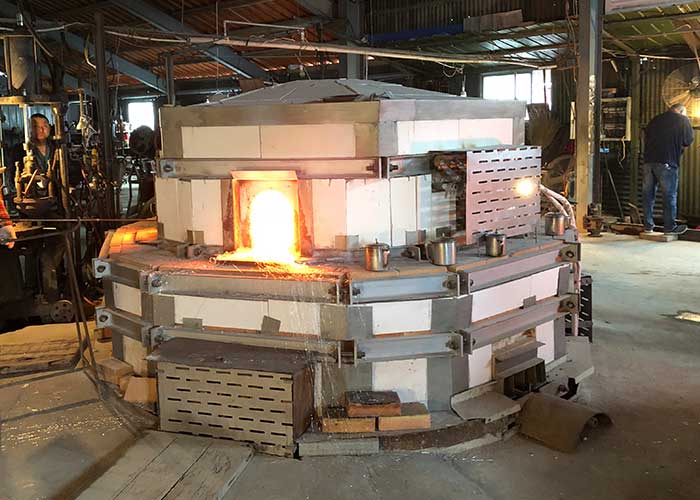
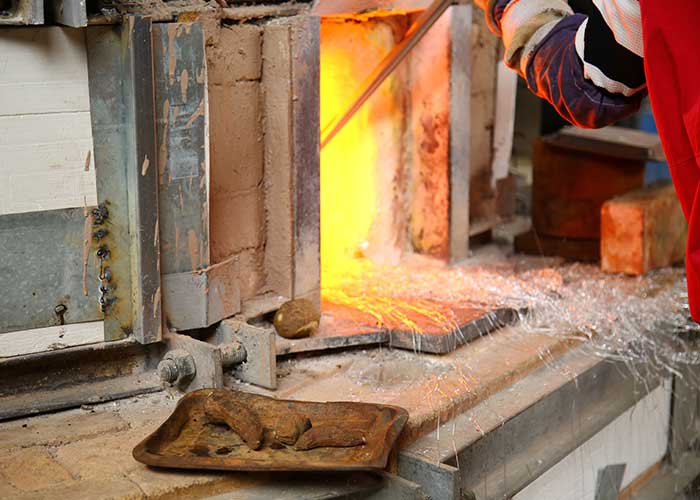
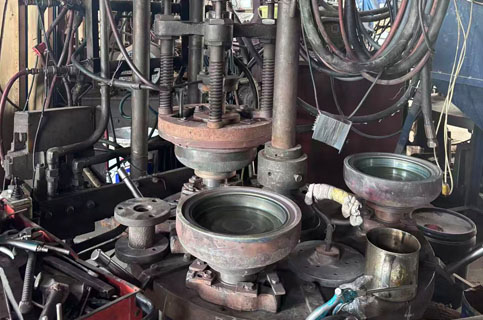
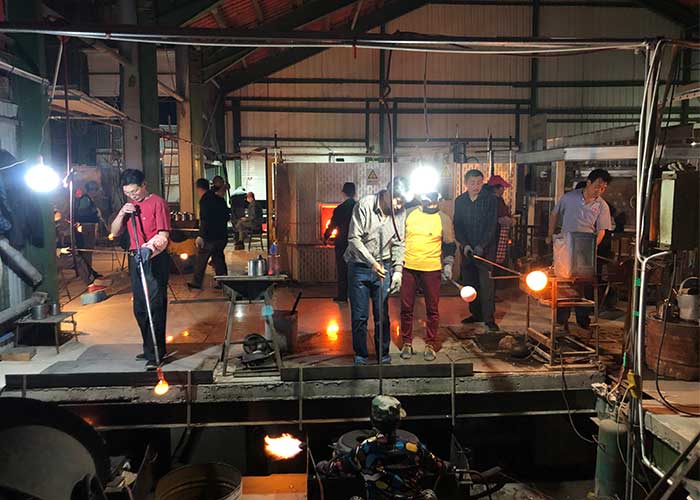
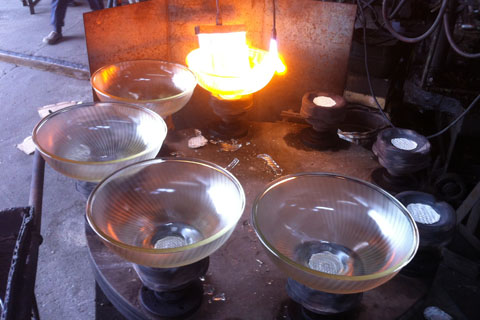
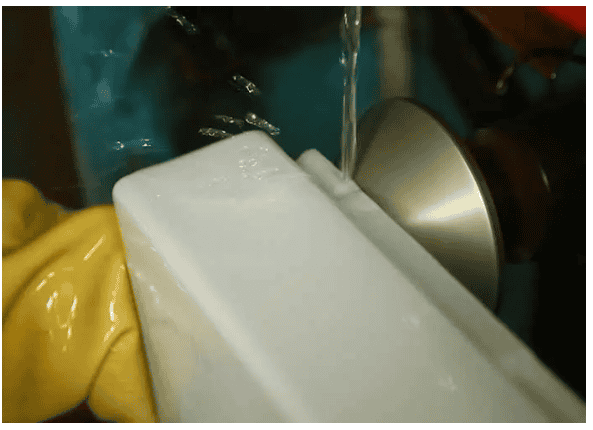
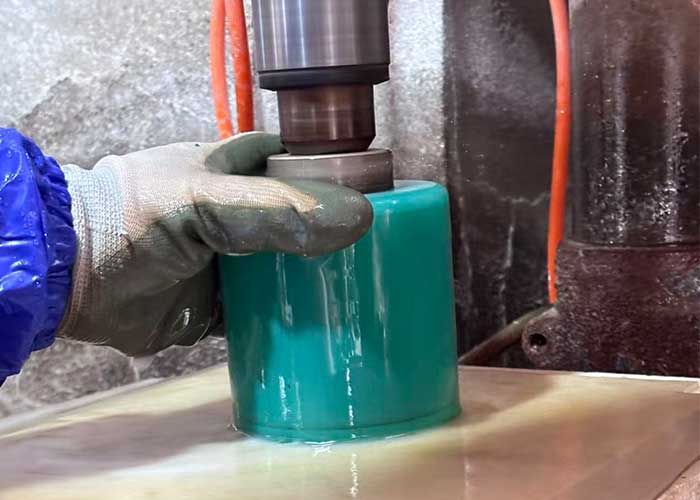
Willkommen in der JX Lampenschirm-Glasschirmfabrik
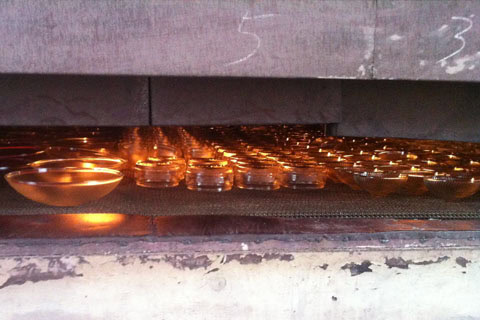
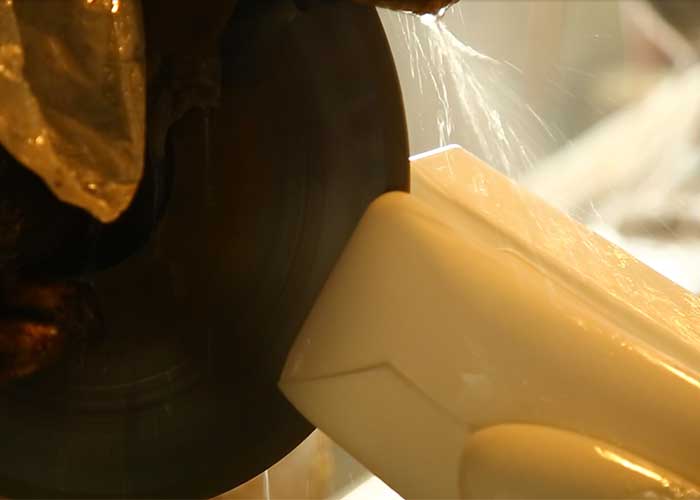
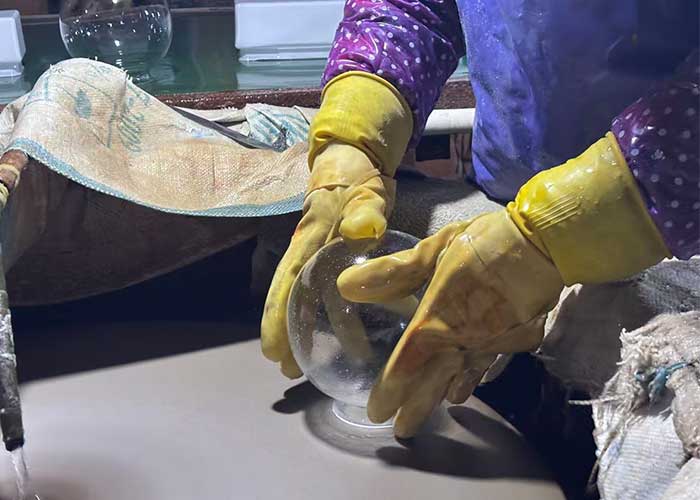
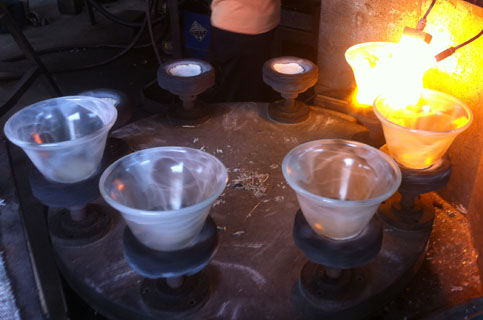
Suchen Sie hochwertige, maßgefertigte Glaslampenschirme für Hotel-, Restaurant-, Außen- oder Ingenieurbeleuchtungsprojekte? JX Lampshade unterstützt USA Lichtmarken, Projektkäufer und Hospitality-Auftragnehmer bei der Entwicklung individueller Glaslampenschirme, Musterbestätigung, Serienproduktion und Exportverpackung. Entdecken Sie unsere Lösungen für Hotel-Glaslampenschirme und kontaktieren Sie uns für ein Projektangebot.

Häufig gestellte Fragen zu Glaslampenschirmen für Restaurants
Häufige Fragen von Käufern von Restaurantbeleuchtung, Cafébesitzern, Importeuren aus dem Gastgewerbe und Beschaffungsteams für Projekte.
Bernsteinfarbene, klare, rauchfarbene, gerippte, opale und satinierte Glaslampenschirme werden häufig für Restaurantbeleuchtung verwendet. Die beste Option hängt vom Gastronomiekonzept, Lampentyp und gewünschtem Lichteffekt ab. Bernsteinglas schafft eine warme, gemütliche Atmosphäre; klares und geripptes Glas sorgen für visuelle Details; Rauchglas verleiht einen eleganten, modernen Look.
Ja. JX Lampshade unterstützt Sondergrößen, Formen, Farben, Oberflächen, Öffnungen, Muster, Formen und Verpackungen für Beleuchtungsprojekte in Restaurants, Cafés und im Gastgewerbe. Stellen Sie eine Leuchtenzeichnung, ein altes Muster oder eine Maßangabe zur Verfügung und wir prüfen die Machbarkeit und erstellen einen Muster-Vorschlag.
Klare, bernsteinfarbene, rauchfarbene und gerippte Glas-Pendelschirme eignen sich für Cafés, da sie warmes Licht, visuelle Details und eine unverwechselbare Coffeeshop-Atmosphäre unterstützen. Geripptes Klarglas bricht das Licht dekorativ; Bernsteinglas erzeugt einen warmen, einladenden Schein; Rauchglas setzt moderne Akzente über Kaffeebars und Sitzbereichen.
Bernsteinfarbenes Glas schafft eine warme und gemütliche Atmosphäre beim Essen. Klarglas unterstützt hellere dekorative Beleuchtung für moderne Räume. Rauchglas sorgt für ein elegantes, zeitgemäßes Erscheinungsbild in hochwertigen Restaurants und Bars. Opal- und Milchglas bieten eine sanftere Lichtstreuung für private Speiseräume und weichere Lichtkonzepte.
Ja. Ersatzglasschirme können anhand eines alten Musters, eines Fotos der Leuchte, der Maße, der Öffnungsgröße und der Befestigungsstruktur geprüft werden. Senden Sie Fotos, Maße und den Durchmesser des Befestigungskranzes, und wir prüfen dies anhand unserer Formenbibliothek oder bestätigen die Werkzeuganforderungen für einen Ersatz.
Bitte geben Sie den Leuchtentyp, die Glasform, Durchmesser und Höhe, Öffnungsgröße, Befestigungskranzstruktur, Glasfarbe, Oberflächenfinish, Menge, Zeichnung oder Musterfoto, Verpackungsanforderung und Lieferziel an. Je mehr Details Sie bereitstellen, desto schneller können wir ein genaues Angebot erstellen.
Bernsteinglas und Rauchglas sind beide beliebte Optionen für Pendelleuchten in Restaurants und Cafés, erzeugen jedoch sehr unterschiedliche Atmosphären. Bernsteinglas gibt warmes, gold-orangefarbenes Licht ab, das Speisen appetitlicher erscheinen lässt und eine gemütliche, einladende Umgebung schafft – ideal für traditionelle Bistros, warmtonige Cafés und zwanglose bis mittelpreisige Restaurants. Rauchglas – auch als getöntes oder grau getöntes Glas bezeichnet – gibt kühleres, neutraleres Licht mit moderner, eleganter Optik ab, das zu zeitgenössischen Fine-Dining-Restaurants, gehobenen Bars und designorientierten Café-Innenräumen passt. Beide sind in OEM-Sonderprofilen und Kragengrößen für Pendelleuchten erhältlich.
Die Bestellmengen für Ersatz-Glaslampenschirme in Restaurants variieren erheblich je nach Größe des Lokals und Art der Leuchte. Kleine unabhängige Cafés und Bistros bestellen in der Regel 20 bis 60 Ersatzschirme pro Projekt, um Pendelleuchten über Esstischen, Barpendel und Wandleuchten abzudecken. Mittelgroße Restaurantgruppen bestellen häufig 100 bis 300 Schirme pro Standort für die Erstinstallation sowie einen Ersatzpuffer. Große Restaurantketten und Hotelgastronomieprojekte bestellen möglicherweise 500 bis 2.000 oder mehr Schirme pro Charge, um mehrere Standorte mit Chargenkonsistenz und abgestimmter Verpackung zu versorgen. JX Lampshade kann alle diese Mengen vom Muster bis zur Serienproduktion unterstützen.
Ja. Die Abstimmung von Glaslampenschirmprofilen über Pendel-, Wandleuchten und Tischleuchten hinweg ist eine gängige Anforderung bei Café-Inneneinrichtungen und Restaurant-Rollouts. JX Lampshade kann abgestimmte Sets produzieren, bei denen Glasfarbe, Oberflächenfinish und Gesamterscheinung über verschiedene Schirmprofile und Leuchtentypen hinweg konsistent bleiben. Zum Beispiel kann eine bernsteinfarbene, geriffelte Glaskugel für Pendelleuchten mit einer kleineren, bernsteinfarbenen, geriffelten Halbkugel für Wandleuchten und einem Glockenprofil in derselben Farbe für Tischleuchten kombiniert werden. Geben Sie die Spezifikationen für jede Leuchtenart an und wir prüfen die Machbarkeit und erstellen ein konsolidiertes Musterangebot für alle drei Profile.
Die gängigsten Größen für Glaslampenschirme bei Restaurant-Pendelleuchten liegen zwischen 100 mm und 250 mm im maximalen Durchmesser, mit Gesamthöhen zwischen 120 mm und 300 mm je nach Profil. Für Esstischpendel, die in Gruppen aufgehängt werden, sind Kugeln oder Glockenschirme von 150 mm bis 180 mm die am häufigsten spezifizierten Größen – groß genug für einen optischen Akzent, ohne den Tisch zu dominieren. Für Kaffeebar- und Tresenpendel sind kleinere Profile zwischen 100 mm und 140 mm üblich. Einzelne Statement-Pendel über Sitznischen oder besonderen Bereichen können bis zu 250 mm oder 300 mm Durchmesser erreichen. Bei der Bestellung sollten Sie immer den Kragendurchmesser neben den Gesamtabmessungen angeben, um die Kompatibilität mit dem Leuchtengehäuse sicherzustellen.
Die Produktionszeiten für maßgefertigte Glaslampenschirme für Restaurants hängen davon ab, ob neue Werkzeugformen benötigt werden. Für Profile aus unserem bestehenden Formenarchiv – darunter Standardkugeln, Glockenschirme und geriffelte Zylinderprofile – dauert die Musterproduktion 7 bis 14 Werktage und die Serienproduktion 25 bis 35 Werktage nach Musterfreigabe. Für Sonderprofile, die neue Werkzeugformen erfordern, rechnen Sie mit zusätzlichen 15 bis 25 Werktagen für die Werkzeugherstellung, bevor das erste Muster produziert werden kann. Der internationale Versand aus China dauert in der Regel 20 bis 35 Tage per Seeweg oder 5 bis 10 Tage per Luftfracht. Für Restaurant-Eröffnungsprojekte mit festen Terminen empfehlen wir, uns mindestens 3 bis 4 Monate vor dem gewünschten Liefertermin zu kontaktieren, um Zeit für die Musterprüfung und Serienproduktion einzuplanen.
Benötigen Sie individuelle Glas-Lampenschirme für ein Restaurant- oder Café-Projekt?
Senden Sie Ihre Leuchtenzeichnung, Musterfoto, Essbereich, Maße, Stückzahl und Anforderungen an die Glasoberfläche. JX Lampshade kann Ihnen eine passende Lösung für individuelle Glas-Lampenschirme für Ihr Restaurant, Café oder Ihr Beleuchtungsprojekt im Gastgewerbe empfehlen.