
플루티드 글래스 램프셰이드: 프로파일, 빛 그리고 피팅
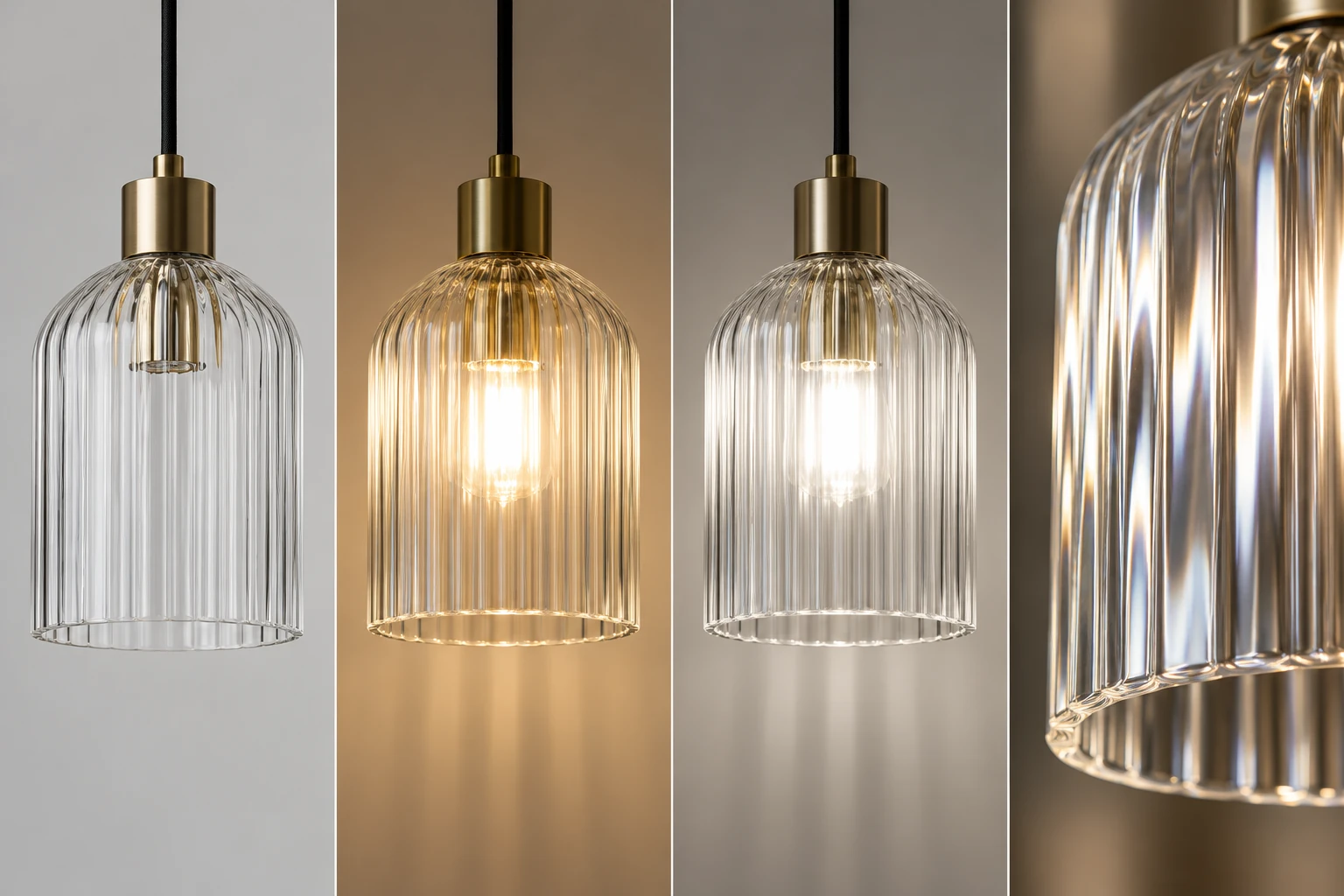
A fluted glass lampshade has repeated ridges and channels. Specify the shade profile, flute direction, finish, fitter interface and light source; the design name alone does not confirm fit or light output.
These images are concepts, not JX product, factory, inspection or packaging evidence. JX lists an 엠보싱된 꽃무늬 플루트 투명 유리 램프쉐이드; confirm its part, dimensions and options in the current product record or a supplier drawing.
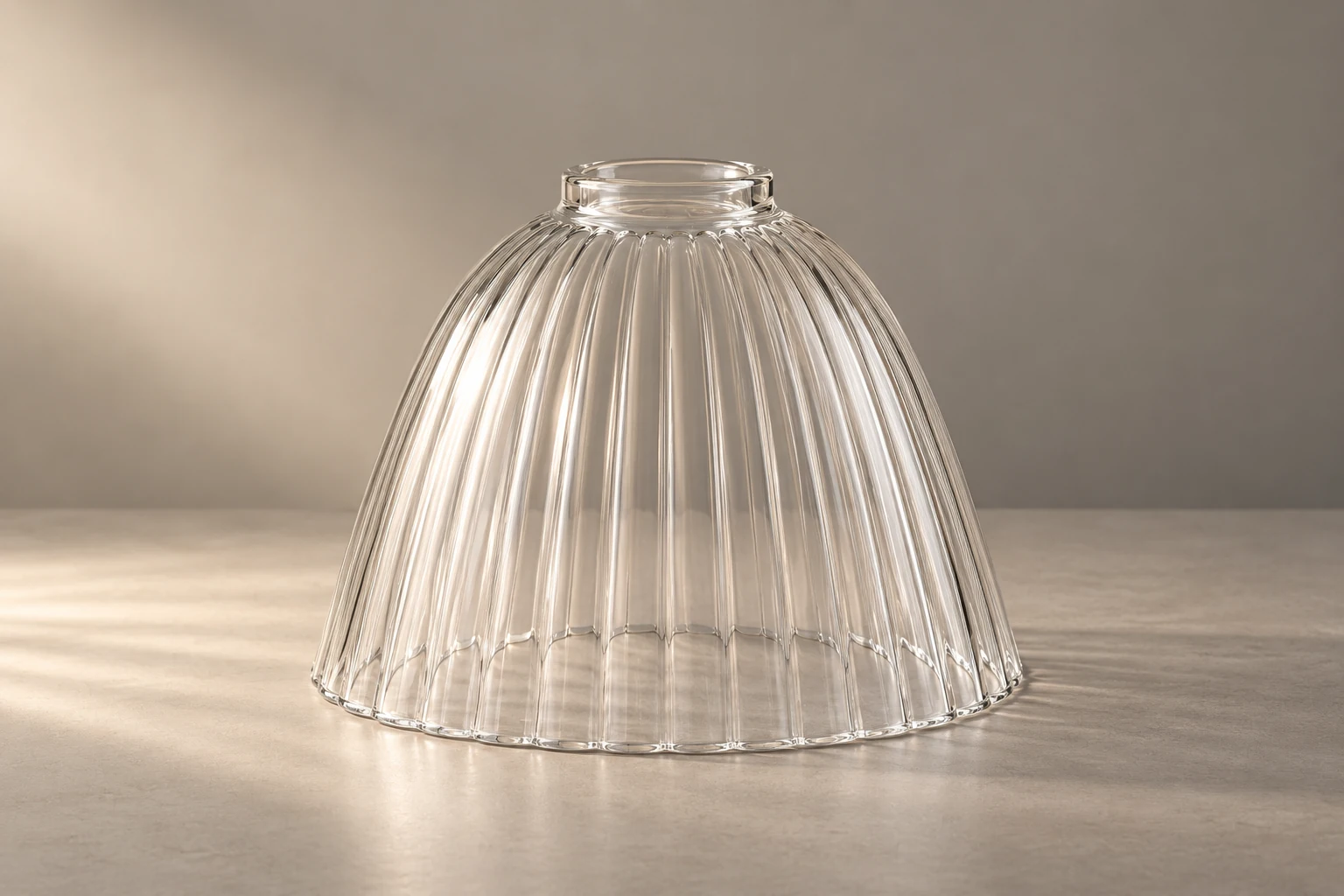
Illustrative concept image; it is not a JX product photograph.
What makes a glass lampshade fluted?
Fluting is a repeated linear relief: raised lands alternate with recessed channels. On a lampshade, the pattern may run vertically, horizontally or around the body, and it may stop before the neck or continue toward the rim. Those details shape the silhouette and the way highlights move across the glass.
The word alone does not say how the glass was formed. The National Glass Association's decorative-glass glossary defines patterned glass by its surface texture and describes rolled glass as a recurring pattern impressed between rollers. Saint-Gobain describes roller-formed textures in its DECORGLASS architectural range. These sources explain the terminology and one process family; they do not establish how a particular lamp shade was made. Confirm the supplier's actual forming route when tooling or repeatability matters.
For a purchase brief, treat “fluted” as the design starting point, then describe what the approved part must look like. A reference image is useful, but a side profile and a close view of the pattern resolve more ambiguity.
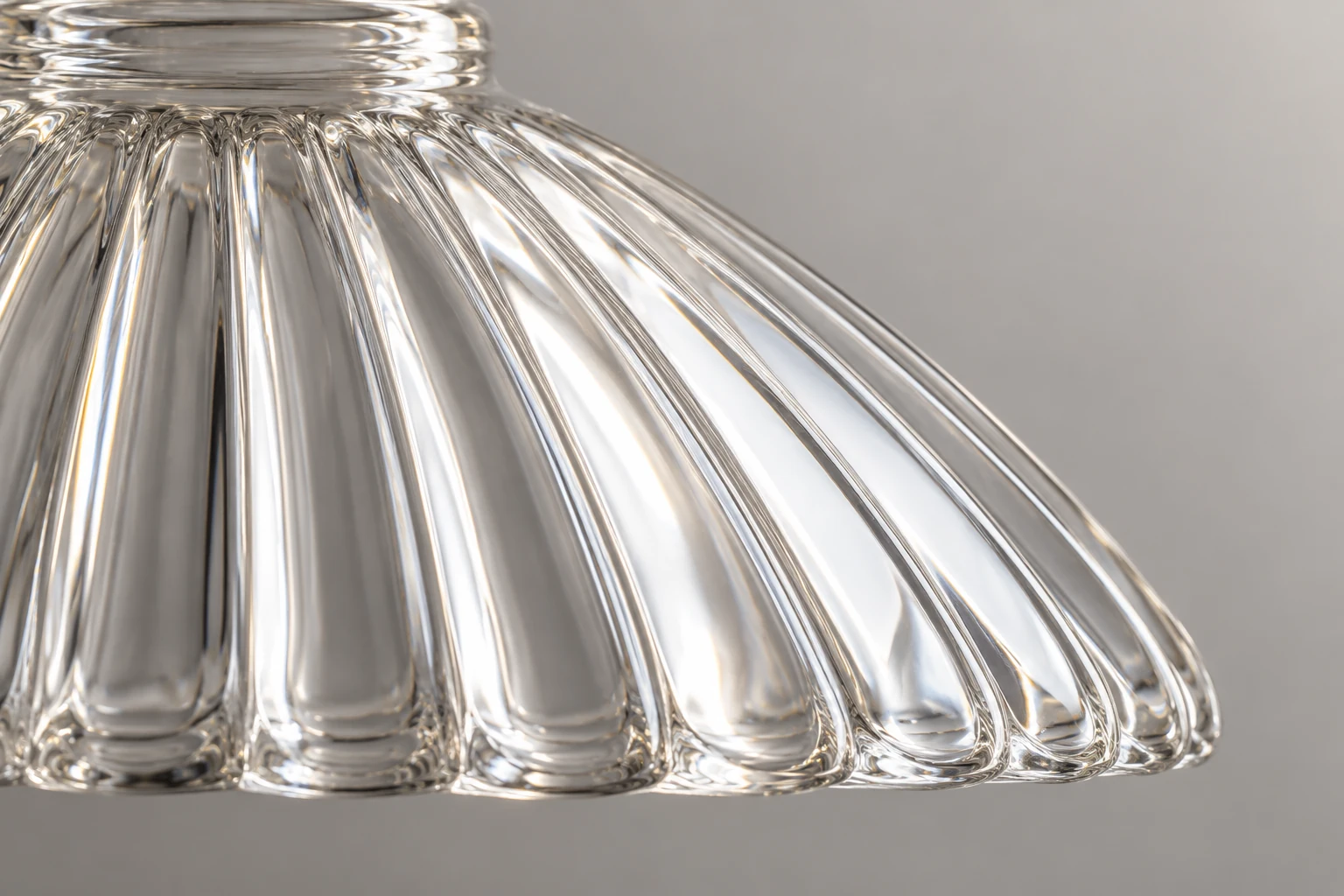
The visible pattern is the starting point for a drawing or sample review.
Which flute details belong in the specification?
Record the features that change the part, the fit or the illuminated appearance. Do not expect two suppliers to interpret a product name in exactly the same way.
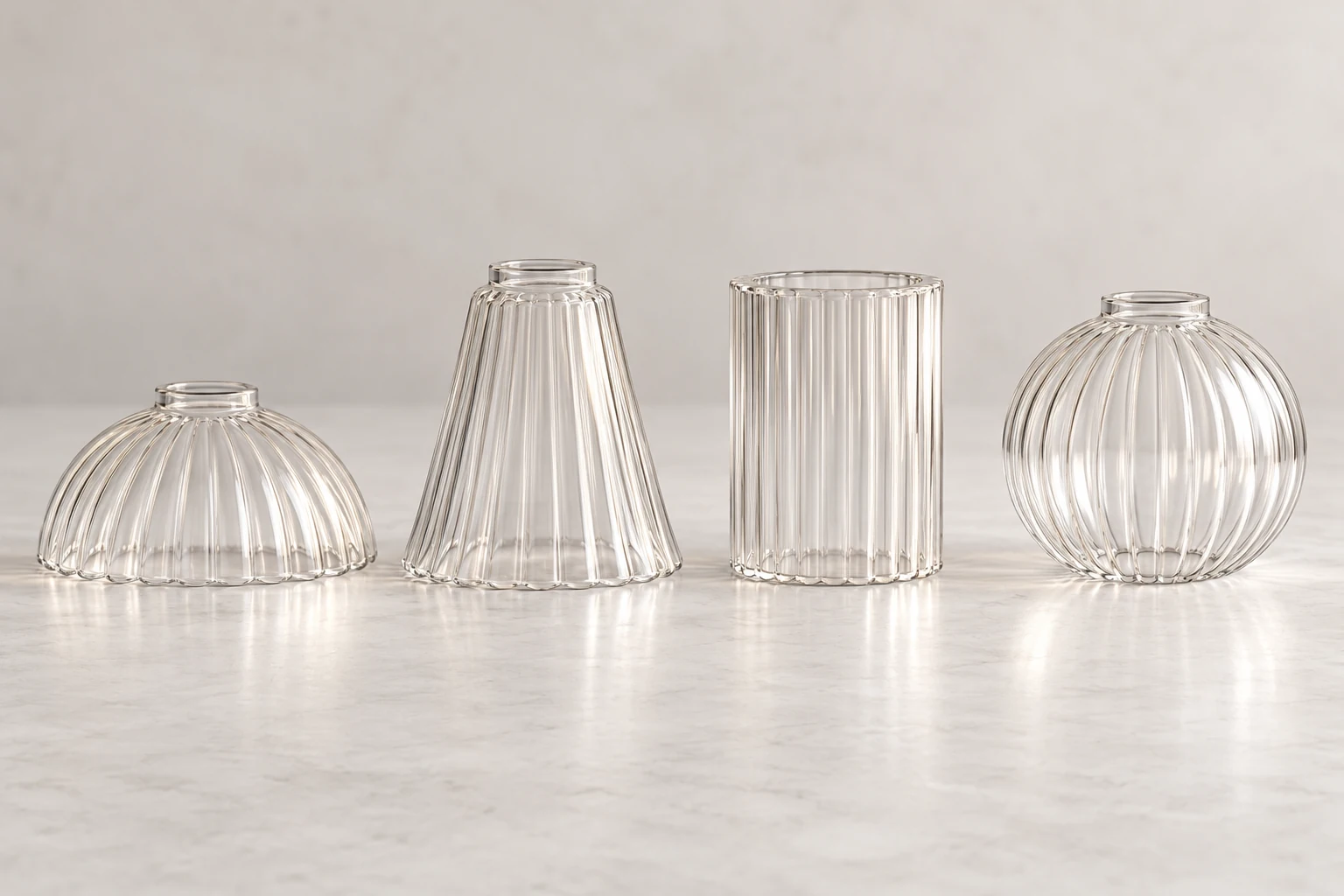
- Direction: vertical, horizontal, radial or another direction, shown in a reference view. It changes the visible rhythm and where reflections gather.
- Cross-section: rounded, squared, shallow or pronounced, preferably shown in a drawing or sample. The word “fluted” does not set groove depth or edge shape.
- 간격: approximate pitch or the number and placement of channels on the approved profile. This makes the intended pattern density reviewable around the body.
- Pattern limits: where the channels start and stop at the neck, shoulder and rim. A pattern that runs into a fitter seat can change the contact area.
- Surface: which face carries the relief, when inside/outside orientation matters. This can affect cleaning, reflections and how the detail reads when lit.
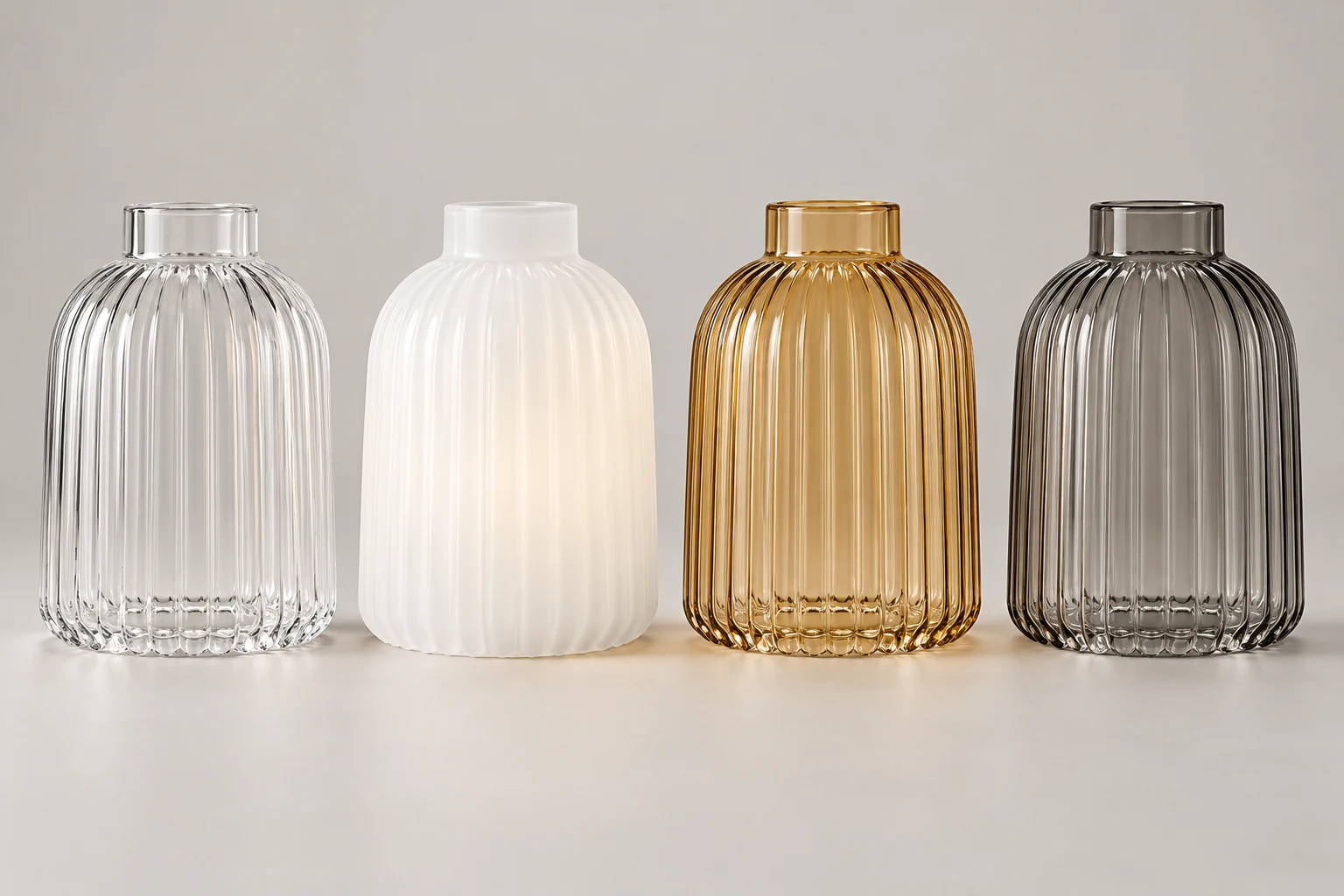
- 유리 외관: clear, translucent, opal, tinted or another approved appearance. The body and surface pattern work together; one does not define the other.
If dimensions or flute spacing must repeat across a collection, ask the supplier to mark them on the same drawing used for sample approval. A photo alone cannot define a tolerance.
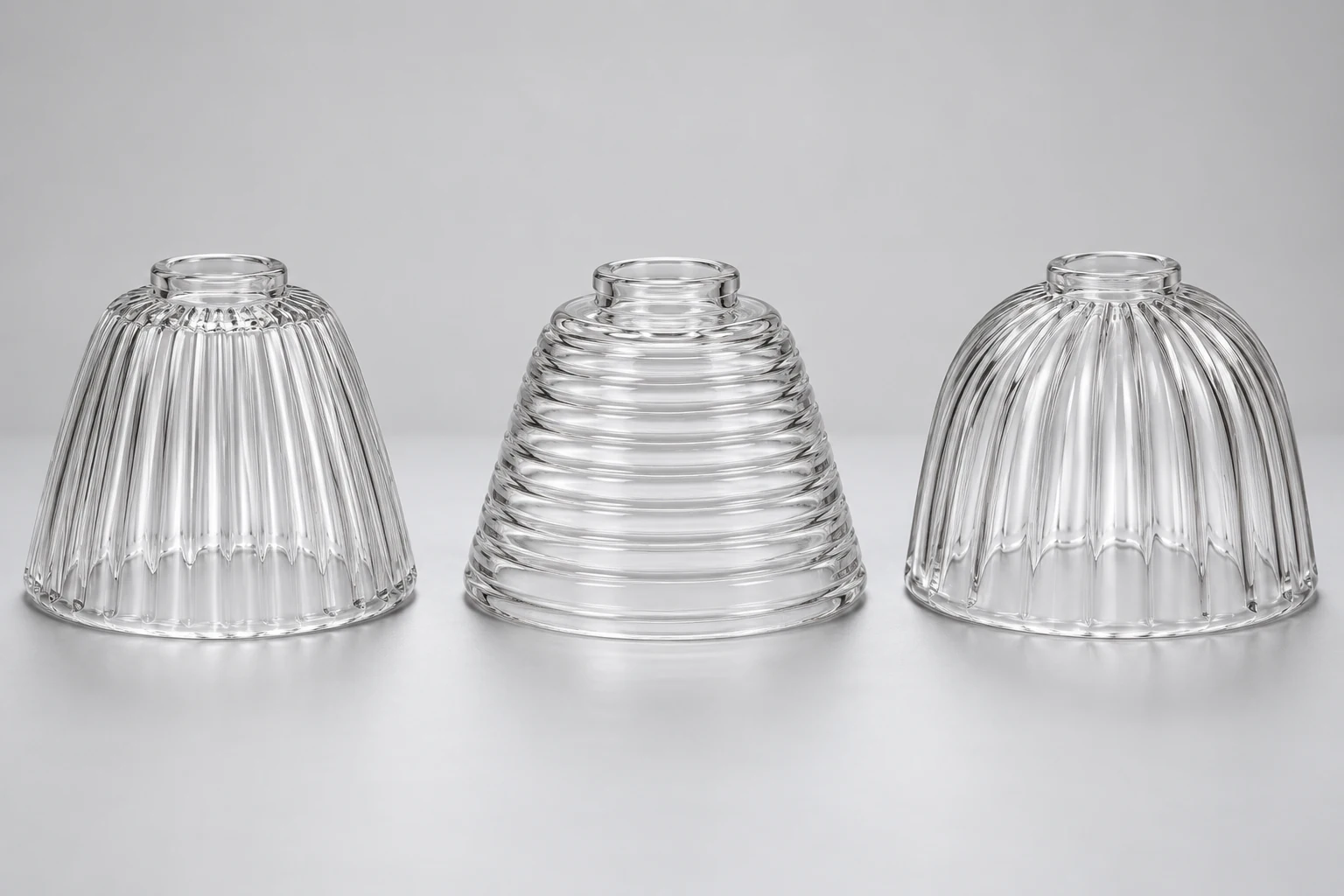
The examples compare flute direction on different profiles; no flute count or dimension is implied.
Fluted, ribbed, reeded and etched glass: what is the difference?
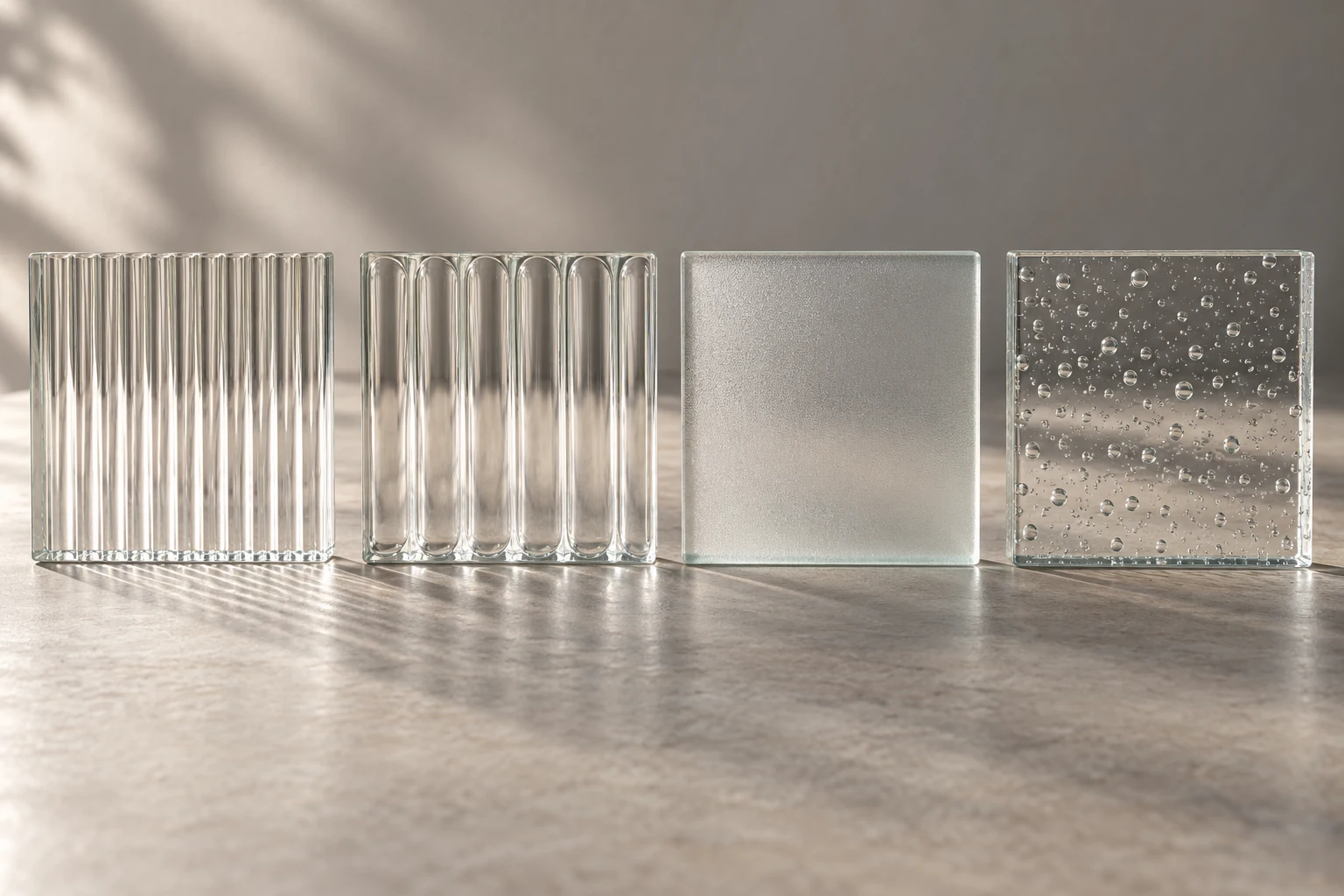
Retail listings sometimes use “fluted,” “ribbed” and “reeded” for similar linear textures. Those labels can help with discovery, but they may not define an identical cross-section. “Etched” describes a surface treatment rather than a set of continuous ridges. Seeded glass has discrete bubbles or inclusions rather than a repeated channel pattern.
- 플루티드: repeated channels or ribs, commonly arranged in a regular direction. The word does not settle pitch, depth, cross-section or where the pattern ends.
- Ribbed or reeded: a series of raised lines or grooves. Product naming often overlaps with “fluted”; check whether the ridges are rounded, squared, shallow or continuous.
- Etched or satin: a treated area with a matte or diffusing appearance. This does not specify the shade shape, fitter or pattern geometry.
- Seeded or bubbled: separate visible bubbles or points within the glass, rather than a continuous linear relief.
- Pressed or patterned: a surface design made with a patterning process. Ask to see whether the finished shade matches the particular flute profile you need.
그 National Glass Association's decorative-glass glossary cURL Too many subrequests by single Worker invocation. To configure this limit, refer to https://developers.cloudflare.com/workers/wrangler/configuration/#limits.
cURL Too many subrequests by single Worker invocation. To configure this limit, refer to https://developers.cloudflare.com/workers/wrangler/configuration/#limits.
cURL Too many subrequests by single Worker invocation. To configure this limit, refer to https://developers.cloudflare.com/workers/wrangler/configuration/#limits
cURL Too many subrequests by single Worker invocation. To configure this limit, refer to https://developers.cloudflare.com/workers/wrangler/configuration/#limits.
cURL Too many subrequests by single Worker invocation. To configure this limit, refer to https://developers.cloudflare.com/workers/wrangler/configuration/#limits cURL Too many subrequests by single Worker invocation. To configure this limit, refer to https://developers.cloudflare.com/workers/wrangler/configuration/#limits cURL Too many subrequests by single Worker invocation. To configure this limit, refer to https://developers.cloudflare.com/workers/wrangler/configuration/#limits.
cURL Too many subrequests by single Worker invocation. To configure this limit, refer to https://developers.cloudflare.com/workers/wrangler/configuration/#limits.
cURL Too many subrequests by single Worker invocation. To configure this limit, refer to https://developers.cloudflare.com/workers/wrangler/configuration/#limits“
cURL Too many subrequests by single Worker invocation. To configure this limit, refer to https://developers.cloudflare.com/workers/wrangler/configuration/#limits.
cURL Too many subrequests by single Worker invocation. To configure this limit, refer to https://developers.cloudflare.com/workers/wrangler/configuration/#limits
cURL Too many subrequests by single Worker invocation. To configure this limit, refer to https://developers.cloudflare.com/workers/wrangler/configuration/#limits.
- cURL Too many subrequests by single Worker invocation. To configure this limit, refer to https://developers.cloudflare.com/workers/wrangler/configuration/#limits cURL Too many subrequests by single Worker invocation. To configure this limit, refer to https://developers.cloudflare.com/workers/wrangler/configuration/#limits.
- cURL Too many subrequests by single Worker invocation. To configure this limit, refer to https://developers.cloudflare.com/workers/wrangler/configuration/#limits cURL Too many subrequests by single Worker invocation. To configure this limit, refer to https://developers.cloudflare.com/workers/wrangler/configuration/#limits.
- cURL Too many subrequests by single Worker invocation. To configure this limit, refer to https://developers.cloudflare.com/workers/wrangler/configuration/#limits cURL Too many subrequests by single Worker invocation. To configure this limit, refer to https://developers.cloudflare.com/workers/wrangler/configuration/#limits.
- cURL Too many subrequests by single Worker invocation. To configure this limit, refer to https://developers.cloudflare.com/workers/wrangler/configuration/#limits cURL Too many subrequests by single Worker invocation. To configure this limit, refer to https://developers.cloudflare.com/workers/wrangler/configuration/#limits.
cURL Too many subrequests by single Worker invocation. To configure this limit, refer to https://developers.cloudflare.com/workers/wrangler/configuration/#limits.
cURL Too many subrequests by single Worker invocation. To configure this limit, refer to https://developers.cloudflare.com/workers/wrangler/configuration/#limits.
cURL Too many subrequests by single Worker invocation. To configure this limit, refer to https://developers.cloudflare.com/workers/wrangler/configuration/#limits
cURL Too many subrequests by single Worker invocation. To configure this limit, refer to https://developers.cloudflare.com/workers/wrangler/configuration/#limits.
- cURL Too many subrequests by single Worker invocation. To configure this limit, refer to https://developers.cloudflare.com/workers/wrangler/configuration/#limits.
- cURL Too many subrequests by single Worker invocation. To configure this limit, refer to https://developers.cloudflare.com/workers/wrangler/configuration/#limits.
- cURL Too many subrequests by single Worker invocation. To configure this limit, refer to https://developers.cloudflare.com/workers/wrangler/configuration/#limits.
- cURL Too many subrequests by single Worker invocation. To configure this limit, refer to https://developers.cloudflare.com/workers/wrangler/configuration/#limits.
- cURL Too many subrequests by single Worker invocation. To configure this limit, refer to https://developers.cloudflare.com/workers/wrangler/configuration/#limits.
- cURL Too many subrequests by single Worker invocation. To configure this limit, refer to https://developers.cloudflare.com/workers/wrangler/configuration/#limits.
cURL Too many subrequests by single Worker invocation. To configure this limit, refer to https://developers.cloudflare.com/workers/wrangler/configuration/#limits.
cURL Too many subrequests by single Worker invocation. To configure this limit, refer to https://developers.cloudflare.com/workers/wrangler/configuration/#limits.
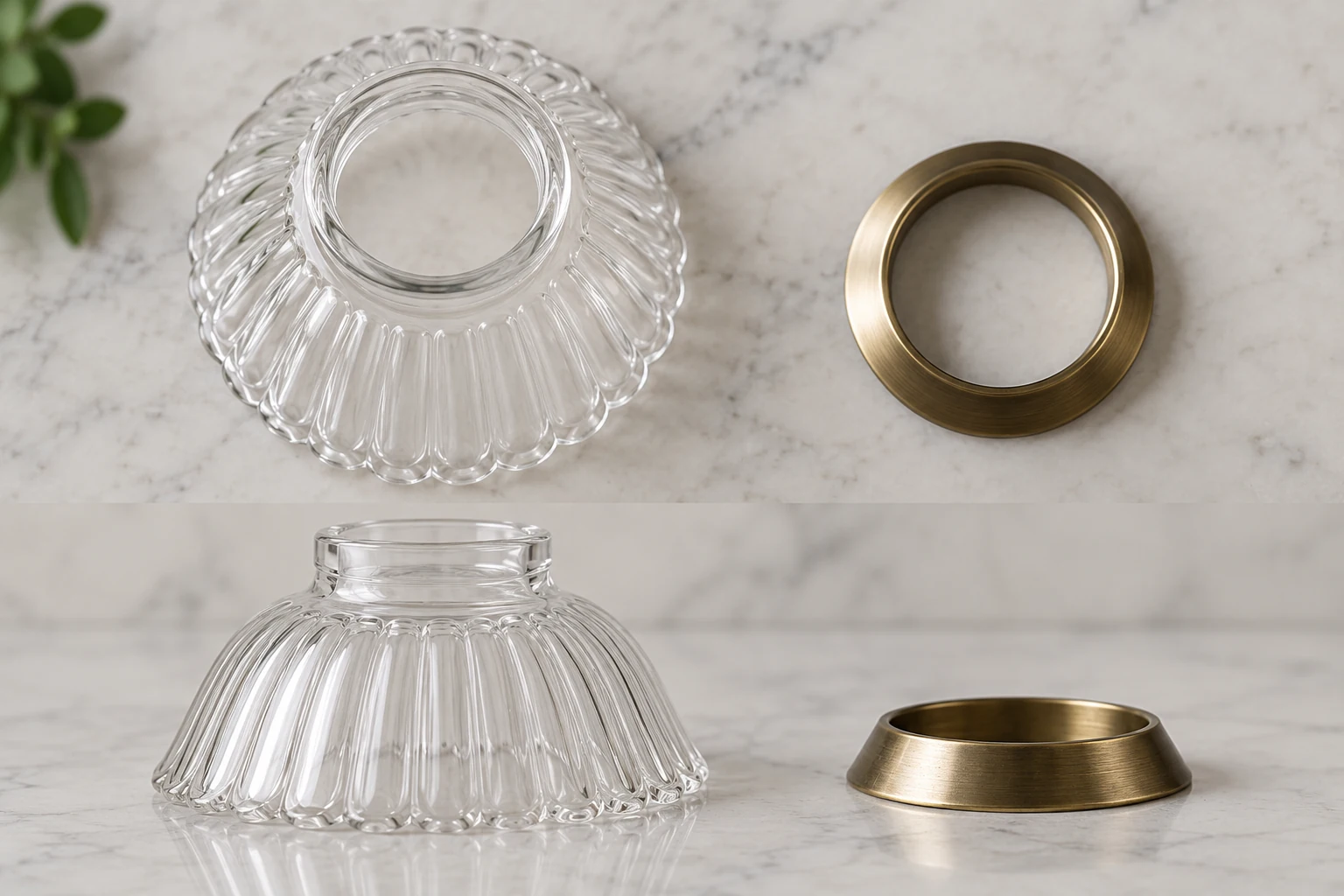
cURL Too many subrequests by single Worker invocation. To configure this limit, refer to https://developers.cloudflare.com/workers/wrangler/configuration/#limits.
cURL Too many subrequests by single Worker invocation. To configure this limit, refer to https://developers.cloudflare.com/workers/wrangler/configuration/#limits
cURL Too many subrequests by single Worker invocation. To configure this limit, refer to https://developers.cloudflare.com/workers/wrangler/configuration/#limits.
- cURL Too many subrequests by single Worker invocation. To configure this limit, refer to https://developers.cloudflare.com/workers/wrangler/configuration/#limits.
- cURL Too many subrequests by single Worker invocation. To configure this limit, refer to https://developers.cloudflare.com/workers/wrangler/configuration/#limits.
- cURL Too many subrequests by single Worker invocation. To configure this limit, refer to https://developers.cloudflare.com/workers/wrangler/configuration/#limits.
- cURL Too many subrequests by single Worker invocation. To configure this limit, refer to https://developers.cloudflare.com/workers/wrangler/configuration/#limits.
- cURL Too many subrequests by single Worker invocation. To configure this limit, refer to https://developers.cloudflare.com/workers/wrangler/configuration/#limits.
cURL Too many subrequests by single Worker invocation. To configure this limit, refer to https://developers.cloudflare.com/workers/wrangler/configuration/#limits cURL Too many subrequests by single Worker invocation. To configure this limit, refer to https://developers.cloudflare.com/workers/wrangler/configuration/#limits covers viewing conditions and visual inspection terminology. For a lamp shade, add the fixture and bulb to that review; they are not present in architectural-glass viewing guidance.
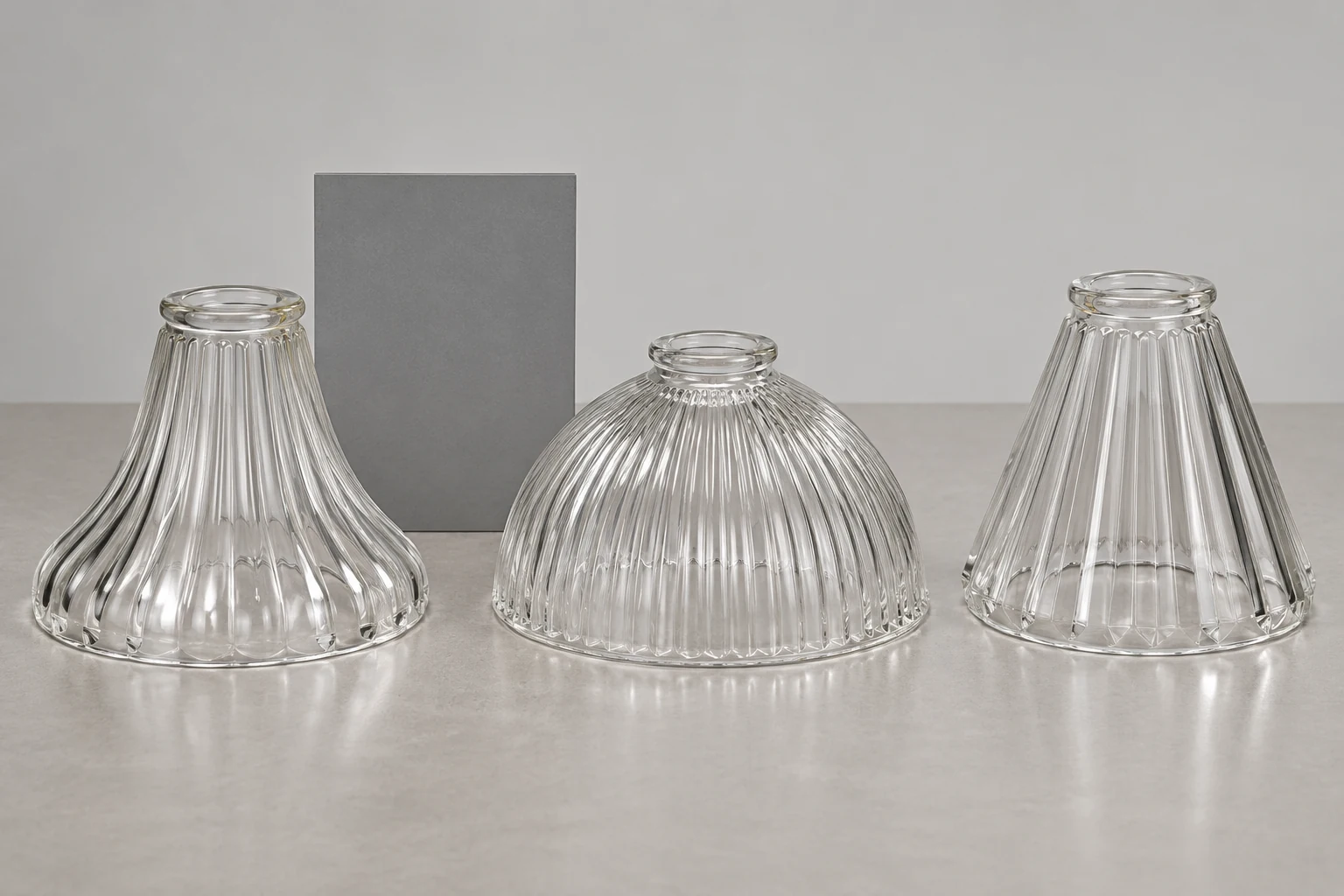
Illustrative sample-review setup; it is not an actual JX inspection.
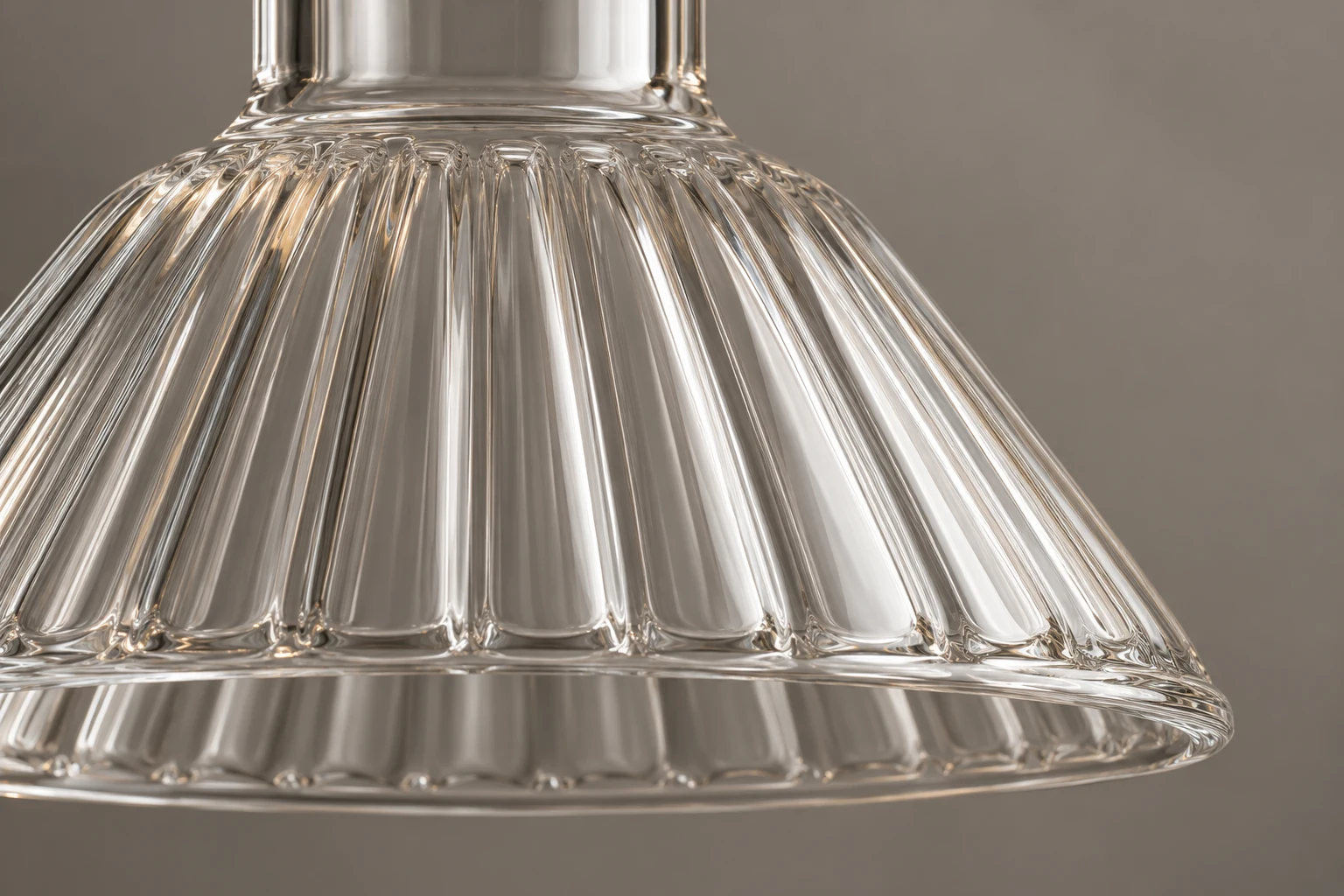
Use the actual approved sample to assess edge condition and pattern termination.
What should an OEM fluted-shade RFQ include?
Attach the reference image and answer the details below. If a field is still open, label it for supplier confirmation instead of guessing.
- Fixture application and whether the request is for a replacement part or a new design.
- Side and top views, a fixture photo, and a dimensioned profile drawing if available.
- Shade silhouette, flute direction, cross-section, spacing, depth and termination points.
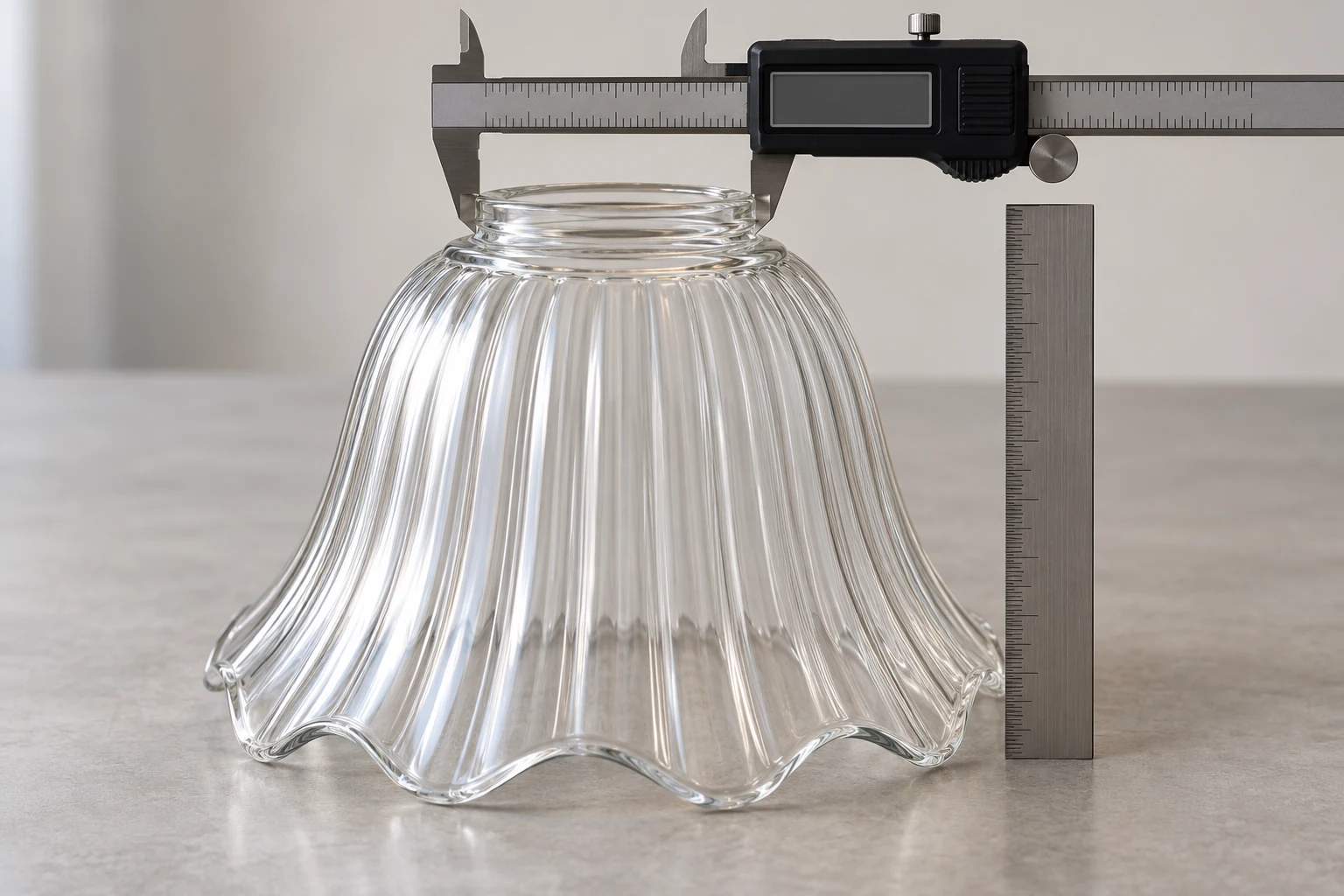
- Fitter or retaining interface, opening size, seating depth, overall height and widest diameter.
- Requested glass appearance, such as clear, translucent, opal or a specified tint; attach the color reference.
- Intended lamp source, shade orientation and any clearance requirements supplied by the luminaire maker.
- Target quantity, destination market, packing requirements and requested sample date.
- Acceptance method: reference sample, drawing dimensions, visual checkpoints and any allowable variation to confirm.
Ask the supplier to confirm whether an existing mold or forming route can meet the requested profile, whether a new tool would be needed, and what sample, quantity and timing conditions apply. Do not assume MOQ or lead time from a product photo.
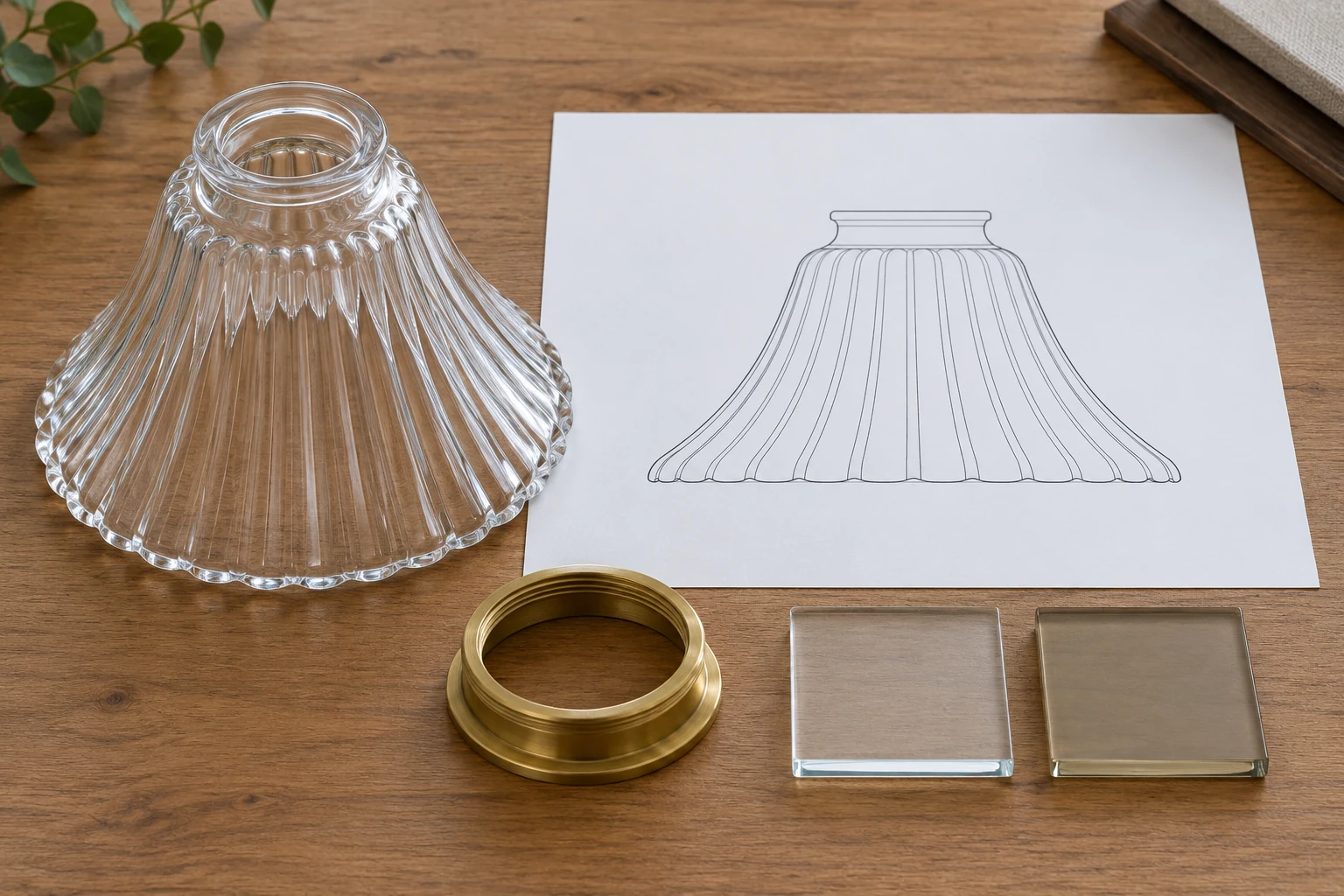
The drawing is a concept and contains no verified dimensions or manufacturing tolerances.
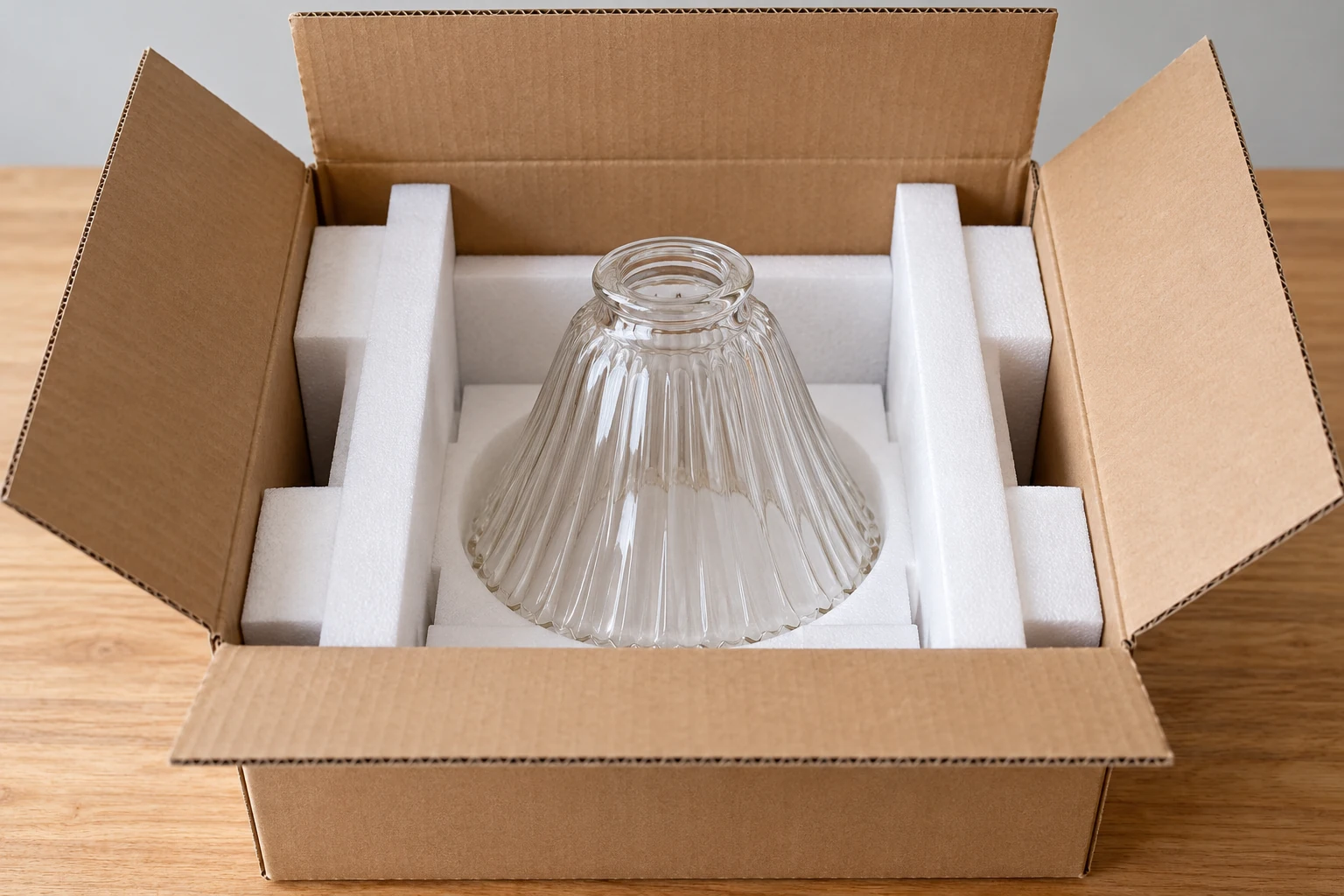
Packaging illustration only; confirm the actual packing method for the part and shipping route.
Questions buyers ask about fluted glass lampshades
Is fluted glass the same as ribbed glass?
Product listings may use the words for similar linear textures. The labels do not reliably establish an identical groove profile. Compare a cross-section drawing or approved sample and record the intended flute shape, direction and spacing.
Does a fluted glass lampshade diffuse light?
It may change highlights or transmitted light, but the result depends on the glass body, pattern, bulb and fixture. Review the assembled shade with the intended lamp instead of assuming that every fluted surface softens light in the same way.
Can any fluted glass shade replace my old shade?
No. The replacement must match the holder or retainer, opening, seating depth, overall profile and available clearance. A similar outside shape does not confirm a compatible fit.
Does “fluted” tell me how the shade was made?
No. It describes the visible pattern. Ask the supplier to confirm the forming method and whether the pattern requires existing or new tooling for the requested size.
What information should I send with a quote request?
Send the fixture application, photos, profile drawing, opening and body dimensions, flute reference, preferred glass appearance, expected quantity and destination. Mark unconfirmed details clearly.
How do I compare colors or finishes?
Compare the actual samples under the same lighting and background. Record whether the part is reviewed lit or unlit, the bulb source and viewing angle. A screen image alone can misrepresent color and transparency.
Request a fluted-glass lampshade quote
Put the flute profile beside the shade outline and fitter measurements so a supplier can review them together. For a collection or replacement program, send the drawing, reference photos, opening dimensions and intended light source in one request. JX's 맞춤 램프갓 RFQ 빌더 can collect those details; the supplier must still confirm tooling, sample, quantity and lead-time conditions for the design.
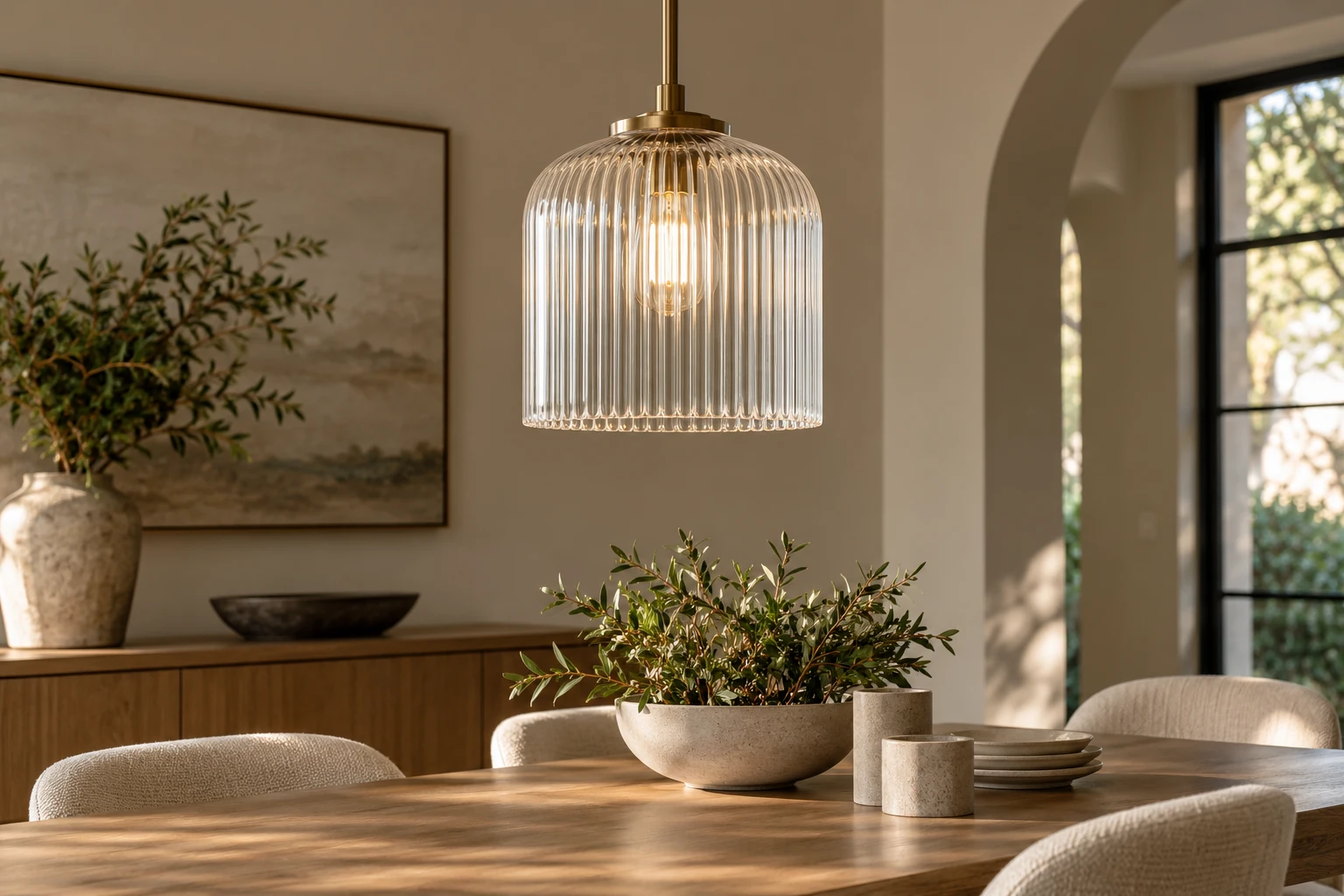
Illustrative application, not a customer installation or JX project.