Wall Bulb Shade: Complete Guide to Types, Sizing & Replacement (2025)
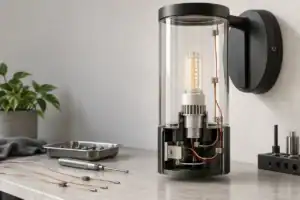
A wall bulb shade is a decorative cover fitted over a bulb on a wall-mounted light fixture to diffuse glare, direct light, and enhance the visual style of any room.
Walk into almost any well-lit bedroom and you’ll notice it: a soft cone of fabric glowing beside the bed, shaping the light so it feels warm rather than harsh. That’s a wall bulb shade doing exactly what it was designed to do. But pick the wrong size, wrong fitter type, or wrong material, and the shade either won’t attach, will overheat, or will look completely out of place with the fixture beneath it.
This guide covers everything — the types of wall bulb shades available today, how to size one correctly for any wall fixture, which materials suit which rooms, and how to replace an old shade in under ten minutes.
What Is a Wall Bulb Shade?
A wall bulb shade sits over or around the bulb on a wall-mounted light fixture — a sconce, swing-arm lamp, buffet lamp, or picture-light arm — and does three jobs at once: it cuts raw-bulb glare, it shapes the direction of the light beam, and it adds a visual element that ties the fixture into the room’s décor.
Unlike a ceiling shade or floor lamp shade, a wall bulb shade is typically smaller (6–12 inches in diameter) and designed to be viewed from eye level or slightly above, which means the interior color of the shade matters as much as the exterior. A white or cream interior bounces more light downward; a black interior creates a dramatic focused beam.
How Wall Bulb Shades Differ from Ceiling Lamp Shades
The core structural difference is the fitter — the hardware that attaches the shade to the bulb or socket. Ceiling shades often use a spider fitter that rests on a harp. Wall sconce shades typically use a clip-on fitter that grips directly onto the bulb, or a euro fitter (a simple ring that sits on top of a candelabra or medium-base socket). Because wall fixtures are often lower-wattage and use smaller candelabra E12 bulbs rather than medium E26 bulbs, you’ll frequently see smaller, lighter shades engineered specifically for that application.
The other difference is heat management. Wall fixtures in enclosed or semi-enclosed designs trap more heat than an open ceiling pendant, so the material of the shade matters for safety as well as aesthetics.
Key Components of a Wall Bulb Shade
Understanding the anatomy of a wall bulb shade saves you from buying the wrong replacement. Here are the parts:
- The shade body — the outer shell (fabric, paper, glass, or rattan) that shapes and colors the emitted light
- The frame — internal wire structure (usually steel) that gives the shade its form and holds the fitter
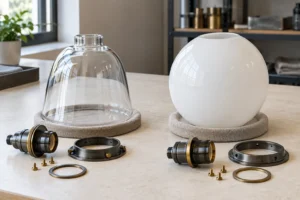
- The fitter — the hardware type that determines how the shade mounts (clip-on, spider, euro/UNO)
- The top opening (washer) — the diameter of the hole at the top, important for heat dissipation
- The bottom opening — affects how wide the light pool spreads downward
TABLE 1: Wall Bulb Shade Parts and Their Functions
| Component | Function | Why It Matters |
|---|---|---|
| Shade body | Filters and colors the light | Material affects warmth, diffusion, and heat tolerance |
| Wire frame | Structural support | Cheap frames warp; look for welded (not crimped) joints |
| Clip-on fitter | Attaches to bulb directly | Must match bulb size — loose fit is a fire risk |
| Euro/UNO fitter | Sits on socket top | Most common on candelabra E12 wall sconces |
| Spider fitter | Rests on harp | Found on swing-arm lamps; needs a washer nut |
| Top opening | Heat escape | ≥2-inch opening recommended for incandescent bulbs |
| Bottom opening | Light spread | Wider = more light on surfaces below; narrower = focused |
Types of Wall Bulb Shades
The market segments into several clear categories. Knowing which type suits which situation keeps you from ordering the wrong shade twice.
Fabric and Linen Wall Bulb Shades
Fabric shades — particularly linen, cotton, and linen-blend — remain the most popular choice for wall sconces and swing-arm bedroom lamps. They diffuse light beautifully, reducing the harsh “hot spot” that paper or glass shades can create.
Linen is the premium choice: it’s dimensionally stable (it doesn’t stretch or sag the way cotton does), naturally flame-resistant compared to synthetic fabrics, and has a warm off-white tone that flatters incandescent and warm LED bulbs. In practice, linen shades age gracefully — slight yellowing over years adds warmth rather than looking degraded.
Cotton is softer and available in a wider range of dyes and prints. It’s a good option for bedroom or nursery settings where pattern matters, though it will fade faster under sustained UV exposure near windows.
Faux silk and polyester are budget-friendly and come in saturated colors. They are fine for rooms without direct sunlight but can look plasticky in high-end settings.
Drum and Cylinder Shades
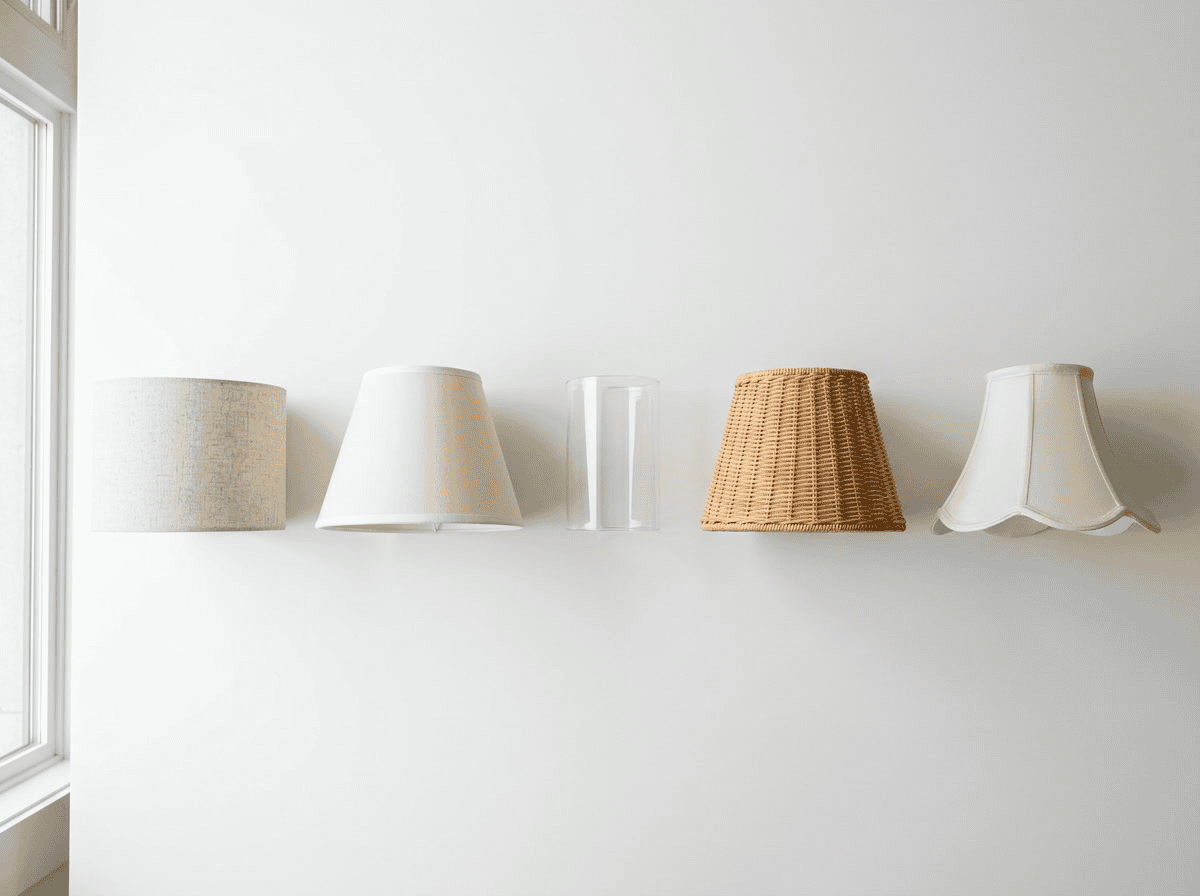
Drum shades have equal top and bottom diameters, which sends light equally up and down rather than predominantly in one direction. This makes them well-suited for hallway sconces where you want ambient fill-light rather than task lighting. A standard drum wall bulb shade for a sconce typically runs 6–8 inches in diameter.
Cylinder shades are taller and narrower, creating a column of diffused light. They work particularly well on bathroom vanity bars and flanking bathroom mirrors, where even vertical lighting distribution matters more than directionality.
Empire and Bell-Shaped Shades
The empire shade — wider at the bottom than the top, with gentle outward flare — is the classic wall lamp silhouette. The wider bottom opening pushes more light downward, making empire shades ideal for bedside reading lamps and task lighting on a writing desk. The bottom diameter is typically 1.5–2× the top diameter.
Bell-shaped shades are a stylized variant with a distinct curved profile. They skew toward traditional and Victorian décor and are commonly seen on brass wall sconces in older homes being renovated to period style.
Clip-On vs. Spider-Fitter Shades
This is a buying mistake that trips up a lot of people. The two most common fitter types for wall bulb shades are:
Clip-on fitters clamp directly onto the bulb with a spring clip. They require no harp or other hardware — the shade simply snaps onto the bulb. They’re common on small candelabra sconces. Important: a clip-on shade can only be used with a standard-shaped bulb; it won’t work with a globe, flame-tip, or LED retrofit that has no cylindrical neck to grip.
Spider fitters sit on a central harp (a U-shaped wire bracket inside the fixture) and are secured with a washer nut. Spider-fitter shades are interchangeable across a much wider range of fixture types and are the standard for swing-arm lamps and most table-lamp-style wall brackets.
Euro/UNO fitters have a single washer-style ring that drops straight onto the socket top, held by the weight of the shade and sometimes a retaining nut. They’re the most common fitter on European-origin sconces and on many contemporary fixtures.
TABLE 2: Wall Bulb Shade Types — Style, Fitter & Best Use
| Shade Type | Typical Fitter | Light Direction | Best Room Application | Key Limitation |
|---|---|---|---|---|
| Fabric/Linen | Clip-on or Euro | Diffuse all-around | Bedroom, living room | Avoid near high-heat incandescent |
| Drum | Spider or Euro | Equal up/down | Hallway, bathroom | Less directional for reading |
| Empire | Spider or Clip-on | Mostly downward | Bedside reading, study | Classic style only |
| Bell-shaped | Euro | Downward + ambient | Traditional décor, heritage homes | Limited modern appeal |
| Cylinder | Euro | Upward + narrow beam | Bathroom vanity, accent lighting | Narrow light pool |
| Rattan/Woven | Spider | Patterned/dappled | Bohemian, coastal, natural style | Not washable |
Interior Design Applications for Wall Bulb Shades
Wall bulb shades are more versatile across room types than most buyers realize. The mistake is treating them as a pure bedroom product. Here’s how interior designers actually deploy them.
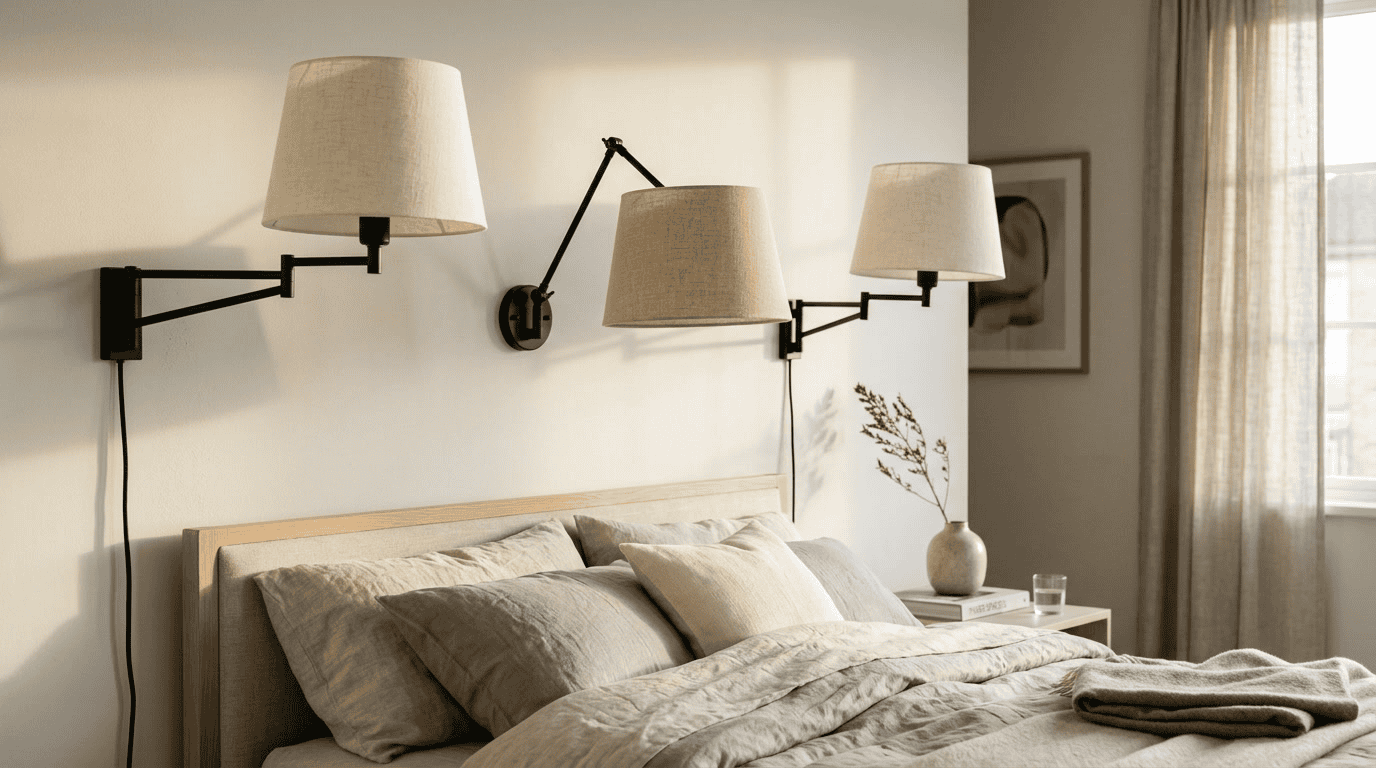
Bedroom Bedside Wall Lights
This is where wall bulb shades most commonly appear, and for good reason. Mounting a swing-arm lamp with a fabric wall bulb shade frees the nightstand of a table lamp, creates a reading zone of light that doesn’t disturb a sleeping partner, and puts the on/off switch within reach. According to the Illuminating Engineering Society’s lighting handbook, bedside task lighting works best at 50–100 lux at the reading surface — a 4–5 inch empire shade over a 40W-equivalent LED produces exactly that range when placed 20 inches from the pillow.
For bedside use, warm white (2700K–3000K) bulbs with a linen or cotton shade produce the most restful light. Avoid cool white (4000K+) — it suppresses melatonin production and makes the room feel clinical.
Living Room Accent Lighting
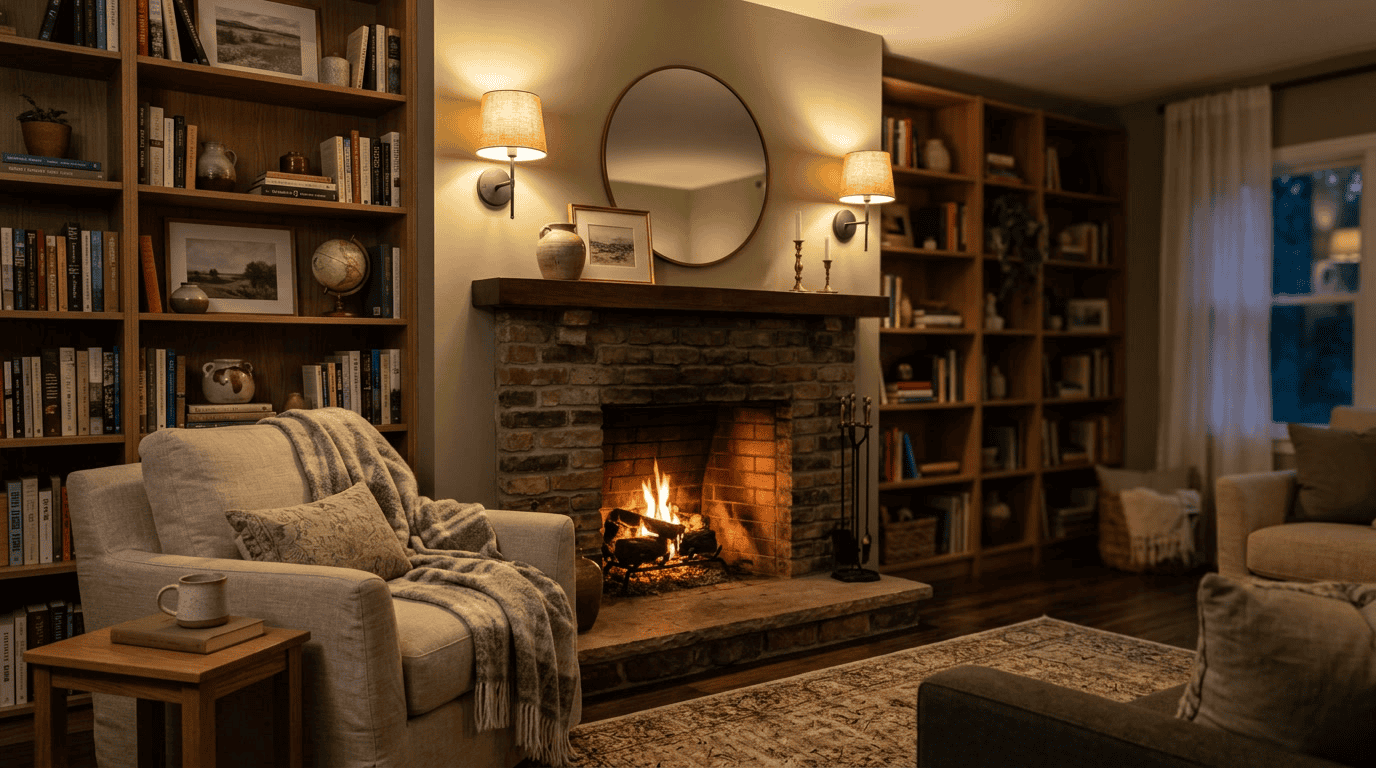
On either side of a fireplace or flanking a large artwork, wall sconces with fabric shades create layered ambient light that ceiling fixtures can’t achieve alone. The key design principle here is symmetry and height: mount sconces at 60–66 inches from the floor (eye level when standing) so the shade is the focal point, not the bracket.
Drum shades in natural linen or cream cotton work best in living rooms because they distribute light in a wide, even glow rather than creating dramatic up/down contrast. For a more dramatic effect — such as flanking a large mirror or gallery wall — an empire shade in black or deep charcoal creates high-contrast pools of downward light that frame artwork effectively.
Hallway and Staircase Sconces
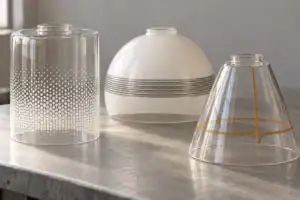
Hallways present a heat-buildup challenge: sconces in a narrow corridor collect warm air and the shades experience higher ambient temperatures than in an open room. For this application, choose a glass shade (borosilicate or milk glass) or a fire-retardant fabric rather than standard cotton or paper. Glass also has a practical advantage: it’s easy to wipe clean in high-traffic corridors.
For staircases, stagger sconces at alternating heights on opposite walls rather than installing them at uniform height — this creates rhythm and reduces the “runway” visual effect of identical heights in a row.
How to Choose the Right Size Wall Bulb Shade
Sizing is the most common failure point when buying a replacement wall bulb shade. This is also the PAA question — “What size shade for a wall light?” — and the answer is more nuanced than most people expect.
The Three Measurements That Matter
Every shade purchase requires three measurements:
Bottom diameter — the width of the shade’s widest point. For a bedside wall lamp, this is typically 7–10 inches. For a small sconce, 5–7 inches. Rule of thumb: the bottom diameter should be roughly equal to the height of the base/fixture body.
Top diameter — the narrower opening at the top. This determines heat escape. For incandescent bulbs, never go below 2 inches on the top opening; for LED, 1.5 inches is acceptable because LED runs much cooler.
Slant height (or straight height) — measured down the slope of the shade from top to bottom rim. This determines visual proportion relative to the fixture arm. A shade that’s too tall makes the fixture look top-heavy; too short and the bulb will be visible below the shade bottom.
Bulb Size, Fitter Type, and Compatibility
Before ordering, check both the fitter type (see the section above) and the bulb base size your fixture uses:
- E12 candelabra base — small sconces, chandelier-style wall fixtures. Clip-on shades sized for candelabra bulbs typically have a 1–1.5 inch clip ring. Max recommended shade weight: 8 oz.
- E26 medium base — swing-arm lamps, buffet lamps, most plug-in wall lights. Spider-fitter shades work here. Max shade weight: 16 oz.
- E14 small Edison screw — common in European fixtures and now appearing on many contemporary imported wall lights. Euro/UNO fitters are standard.
Weight matters more than people realize. A heavy rattan or ceramic shade on a clip-on fitter will slide down the bulb under its own weight, creating uneven light and a fire risk. Clip-on shades should weigh under 8 oz (225g). When in doubt, choose a spider or UNO fitter.
Common Sizing Mistakes to Avoid
In practice, the three sizing mistakes we see most often are:
- Ordering by style photo alone — a shade that looks right in a studio photo may be 12 inches wide on a fixture designed for 7 inches.
- Forgetting the harp height — if your fixture has a harp, the harp height adds to the total fixture height. A 7-inch shade on a 6-inch harp looks proportionally correct; the same shade on a 10-inch harp looks stubby.
- Ignoring the fitter type — ordering a clip-on shade for a spider-fitter lamp means the shade simply won’t attach without buying adapter hardware.
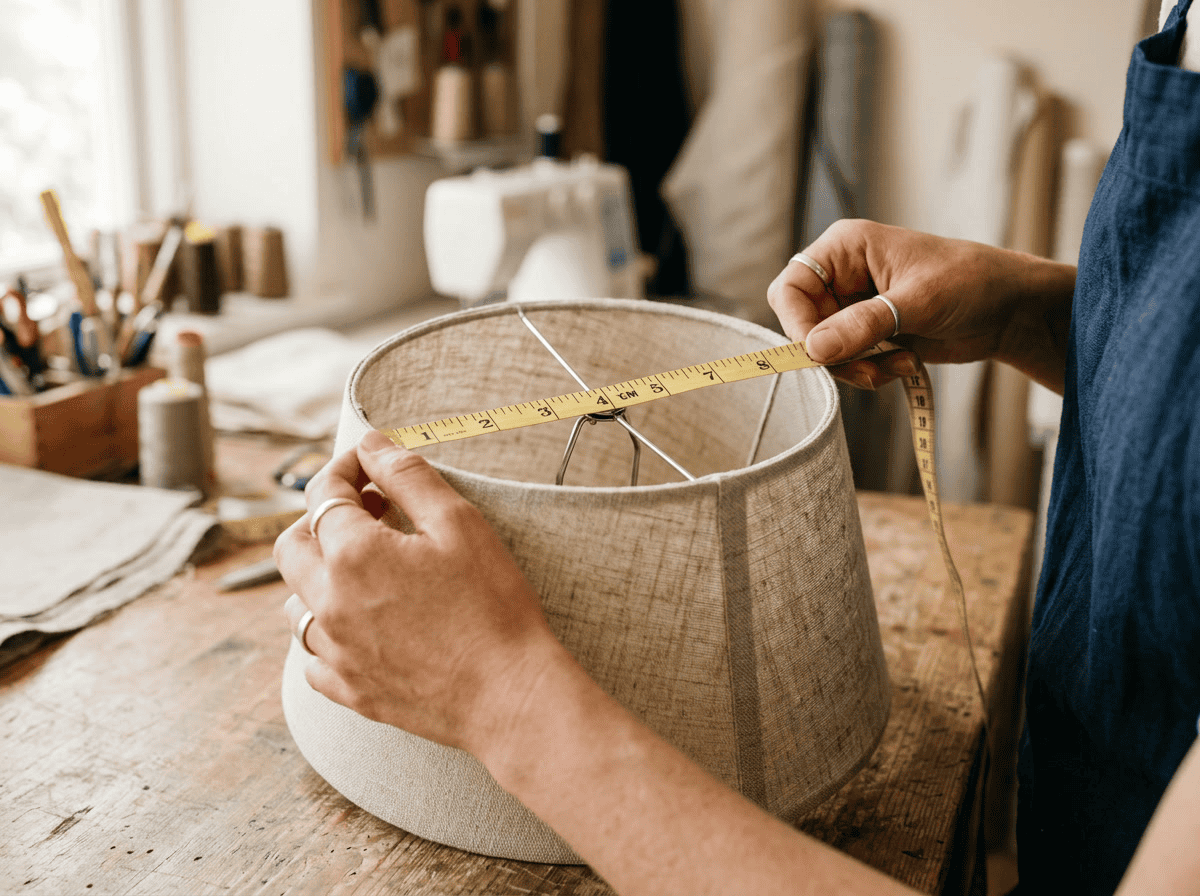
TABLE 3: Wall Bulb Shade Sizing Quick Reference
| Fixture Type | Recommended Bottom Diameter | Typical Shade Height | Fitter Type | Max Bulb Wattage (Incandescent Equiv.) |
|---|---|---|---|---|
| Small candelabra sconce | 4–6 inches | 4–6 inches | Clip-on (E12) | 40W |
| Medium wall sconce | 6–9 inches | 6–8 inches | Euro/UNO or Clip-on | 60W |
| Swing-arm bedroom lamp | 8–12 inches | 8–11 inches | Spider (E26) | 75W |
| Buffet lamp / plug-in | 10–14 inches | 9–12 inches | Spider (E26) | 100W (LED equiv.) |
| Bathroom vanity bar | 4–5 inches per shade | 5–7 inches | Clip-on or Euro | 40W per bulb |
How to Replace a Wall Bulb Shade in 8 Steps
Replacing a wall bulb shade is genuinely a ten-minute job when you have the right shade on hand. Here’s the process:
- Turn off the fixture and let the bulb cool for 5 minutes. Even LED bulbs get warm; clip-on shades go right over the bulb.
- Identify the fitter type on the old shade (clip-on, spider, or Euro). If you’re unsure, photograph the mounting hardware before you remove the old shade.
- Remove the old shade — for clip-on shades, gently squeeze the spring clip and pull upward. For spider shades, unscrew the washer nut counterclockwise and lift the shade off the harp. For Euro/UNO, lift straight up.
- Check the harp (if applicable) — if the harp is bent, replace it now rather than fighting a warped frame. Harps cost under $5 at any hardware store.
- Check the new shade’s fitter opening against the harp saddle or bulb size. A spider shade’s center hole should sit flat on the harp saddle without rocking.
- Mount the new shade — reverse the removal process. For clip-on, align the clip ring with the bulb neck and push down until the springs grip. For spider, lower onto the harp and hand-tighten the washer nut. Finger-tight is sufficient — over-tightening can crack the washer.
- Adjust vertical position if the shade is slightly tilted — a common issue with asymmetric clip-on shades. Slight adjustment of the clip orientation corrects this.
- Turn on the fixture and check that the bulb is centered within the shade and no raw bulb glow bleeds below the bottom rim. If it does, the shade is too wide for the bulb height and you’ll need a taller shade.
The U.S. Consumer Product Safety Commission notes that improperly fitting lamp shades — particularly clip-on types that make direct contact with bulb glass — are a common contributor to residential lighting fires. A properly fitted shade should never touch the bulb surface directly.
Future Trends in Wall Bulb Shades (2025–2026)
The wall bulb shade market is shifting in two directions simultaneously: toward sustainability and toward smart-home integration.
Sustainable Materials and Natural Fibers
The most significant product trend we’ve seen coming into 2025 is the shift away from synthetic fabrics toward natural fiber shades: linen, raffia, seagrass, woven bamboo, and rice paper. This is partly aesthetic (the “organic modern” interior design movement continues to gain share) and partly driven by consumer demand for lower-carbon home furnishings.
According to Statista’s 2024 home lighting market report, the global sustainable home lighting segment is growing at approximately 8% annually, outpacing conventional lighting products. Natural fiber wall bulb shades represent a disproportionate share of that growth — they’re one of the easiest “green swap” upgrades a homeowner can make.
For buyers, the practical implication is that natural-fiber shades require slightly different care (no steam cleaning on rice paper; woven seagrass can be lightly dusted but not washed) and may be less fire-resistant than treated synthetics. Always check the shade’s fire-retardant rating before purchase.
Smart Bulb Compatibility and Heat Tolerance
The second major trend is the near-universal adoption of smart LED bulbs (Philips Hue, LIFX, Govee, and others) in wall fixtures. These bulbs run significantly cooler than incandescent and even standard LED bulbs, which opens up options for previously excluded shade materials — thin rice paper and very dense woven rattan, for example, are both more viable with smart LEDs.
However, smart bulbs present a new challenge: many have a slightly wider or different silhouette than standard A19 or B11 bulbs, which can affect clip-on fit. Philips Hue White and Color Ambiance bulbs, for example, have a bulged neck that some narrow clip-on rings can’t grip securely. When buying a clip-on wall bulb shade for use with a smart bulb, verify the clip ring diameter against the bulb manufacturer’s specifications.
The Energy Star program also provides useful guidance on LED bulb temperature ratings — relevant when selecting shades for tightly enclosed wall fixtures.
FAQ
Q: What size shade should I use for a wall light?
The bottom diameter should be roughly equal to the height of the fixture base. For small E12 candelabra sconces, 4–6 inches works. For medium sconces, 6–9 inches. For swing-arm bedroom lamps, 8–12 inches. Always measure the existing shade or fixture before ordering — a common mistake is relying on room photos alone.
Q: What is the difference between a clip-on and a spider fitter?
A clip-on shade grips directly onto the bulb with a spring ring — no harp required. A spider shade has a central ring that rests on a harp (a U-shaped wire inside the fixture), secured with a washer nut. Clip-on shades are lighter and quicker to swap; spider shades are more stable and support heavier materials.
Q: Can I use any wall bulb shade with an LED bulb?
Nearly all modern wall bulb shades are compatible with LED bulbs, which run much cooler than incandescent. The main exception is very tightly enclosed shades with minimal top-opening ventilation — check that the shade’s top opening is at least 1.5 inches and that the total enclosed volume allows some airflow.
Q: What material is best for a bedroom wall bulb shade?
Linen and cotton are the top choices for bedrooms. Linen diffuses light beautifully, resists sagging, and has a warm tone that flatters 2700–3000K bulbs. Cotton offers more pattern options. Avoid very dense woven materials in enclosed fixtures — they can trap heat if ventilation is limited.
Q: How do I clean a fabric wall bulb shade?
Most fabric shades can be lightly dusted with a soft-bristle brush or a lint roller. Spot-clean with a barely damp cloth and mild detergent, then allow to air dry fully before reattaching. Never immerse a shade with a wire frame in water — the frame will rust and warp. For rattan or woven shades, compressed air removes dust from the weave effectively.
Q: Why does my wall bulb shade look tilted or uneven?
Tilt is almost always a clip-on fitter issue. The spring clip isn’t centering properly on the bulb neck, causing the shade to list to one side. Try rotating the clip 90° before reattaching. If the tilt persists, the clip ring may be worn and no longer gripping symmetrically — replacement clip-on rings cost under $3 at hardware stores.
Q: How do I find the right replacement shade for an old wall fixture?
Measure the existing shade’s bottom diameter, top diameter, and height before it’s discarded. Photograph the fitter type (clip-on, spider, or Euro). Then match by fitter type first, then size. If the original shade is already gone, measure the socket type (E12 vs. E26) and the fixture arm’s visual scale to estimate the appropriate shade diameter.
Conclusion
A wall bulb shade is a small component with an outsized impact on how a room feels. Get the fitter type wrong and it won’t attach; get the size wrong and the proportions undermine the whole fixture; get the material wrong and you’ll be replacing it again inside a year.
The path to the right shade is straightforward once you know the three measurements (bottom diameter, top diameter, slant height), your fitter type, and the bulb base your fixture uses. Start there, match the material to the room’s light requirements and décor style, and you’ll end up with a wall bulb shade that looks intentional rather than incidental. Browse our full range at jxlampshade.com to find fabric, linen, and natural-fiber wall bulb shades sized for every fixture type — ready to ship with same-week delivery on most styles.