Custom Studio Lighting | Handmade Craft | OEM/ODM

オーダーメイド手作りガラスランプシェード

Handmade glass lamp shade manufacturer combining traditional mouth blowing and precision lampwork. Customized sizes, shapes, layered colors, and unique textured finishing. 

Handmade Glass Lamp Shade Customization Options

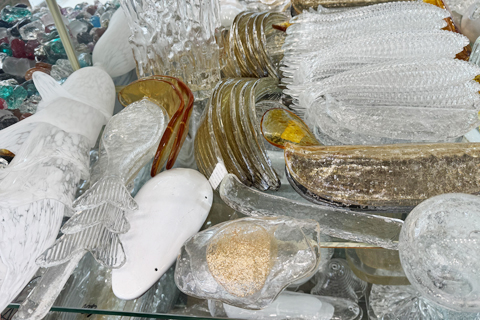
Glass lampshade manufacturer specializing in custom and decorative glass lampshades for residential.
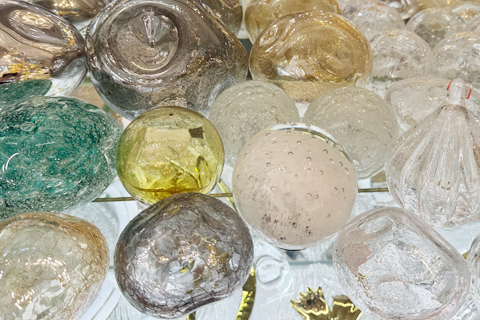
High-quality glass lampshades and decorative glass orbs for lighting and interior design.
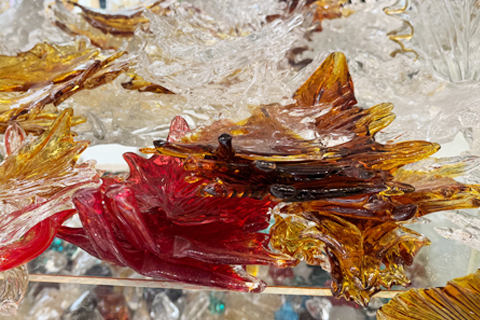
Elegant glass lampshade with vibrant red, amber, and clear glass accents. Perfect for custom lightin.
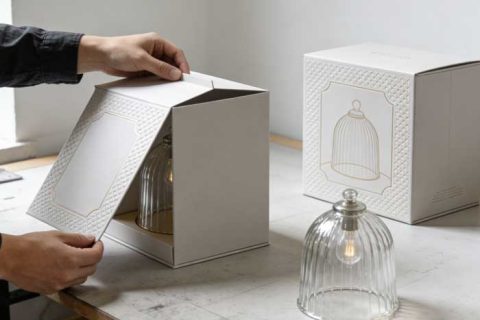
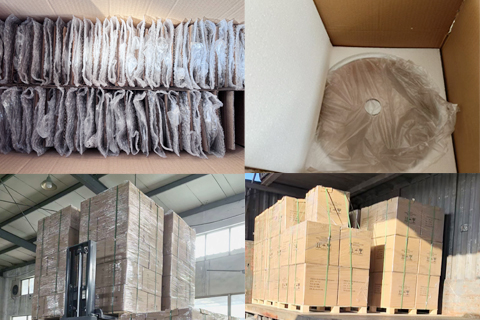
ガラスランプシェードを製造・出荷用の白い箱に梱包する工程。.

形状

Surface Texture

Packaging

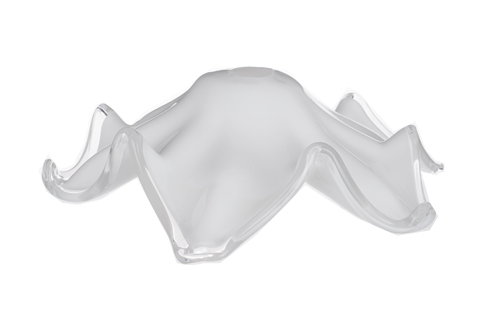
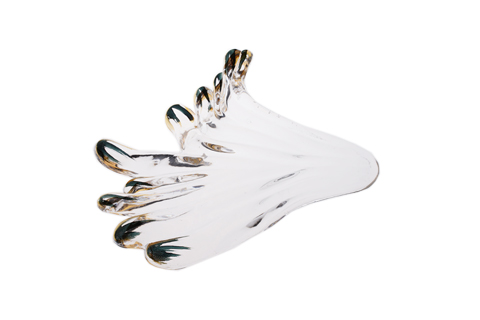
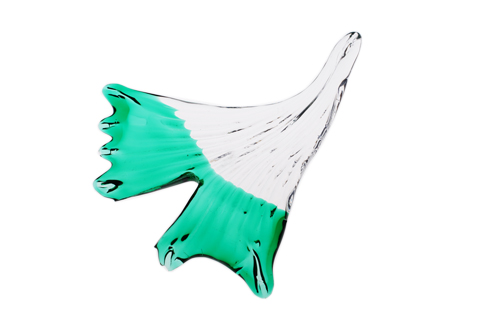
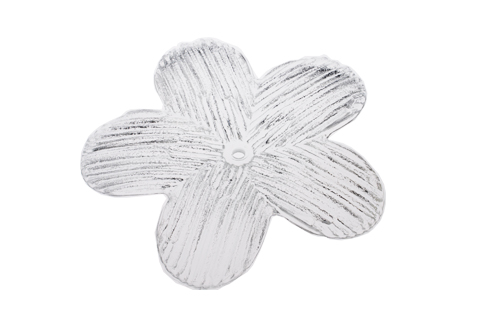
Handmade Glass Lamp Shade Product Collections

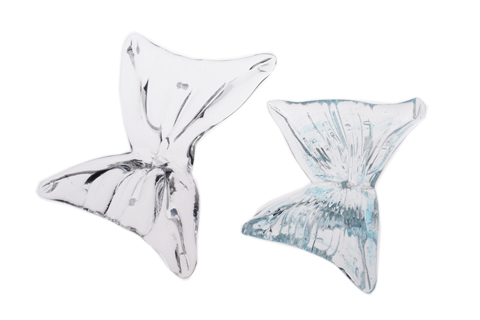
Handmade Butterfly

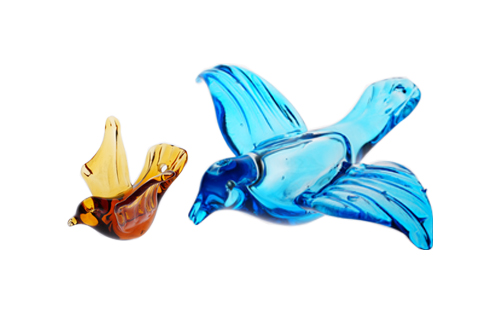
Handmade Bird

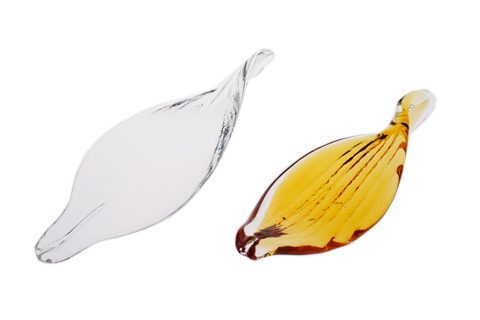
Handmade Small Leaf

8-Step Handmade Glass Lamp Shade Manufacturing Process

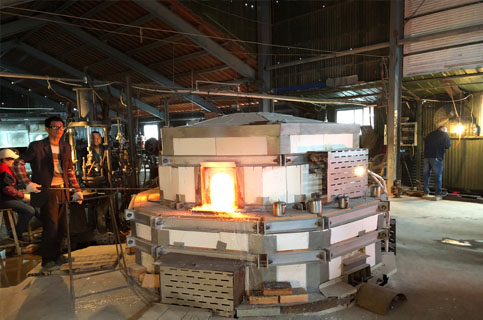
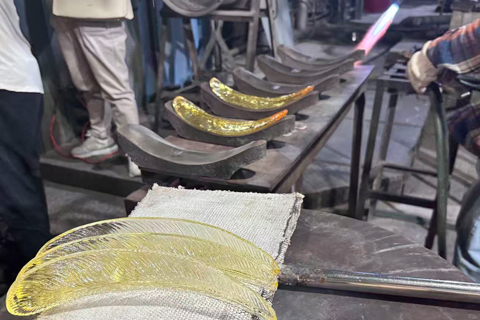
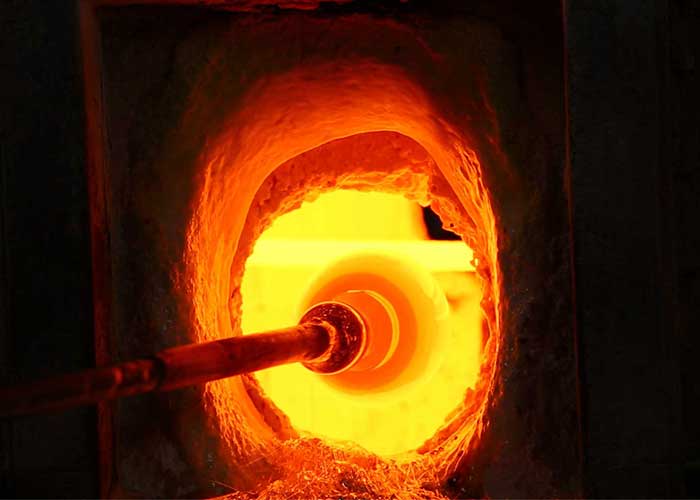
Industrial glass lampshade production in a factory setting.
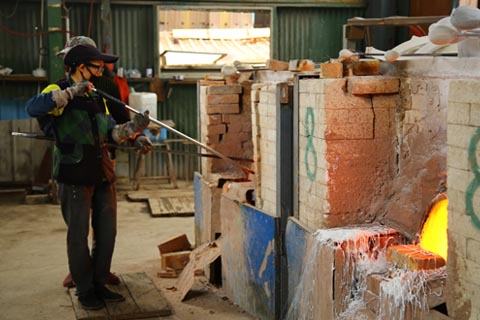
High-quality glass lampshade manufacturing process with skilled artisans shaping glass for unique li.
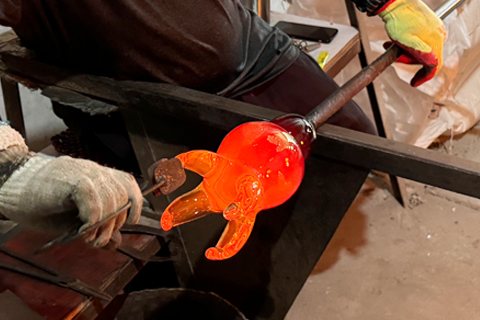
High-quality glass lampshade being crafted by skilled artisans at a leading manufacturer.
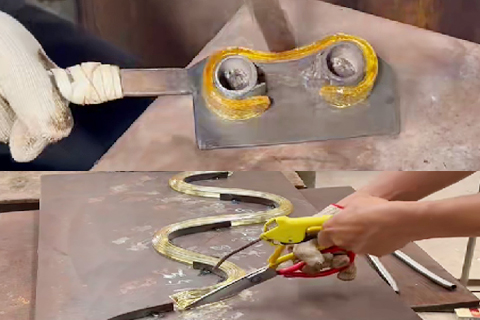
High-quality glass lampshade being crafted with precision tools at a leading manufacturer.

Batch Preparation

Gathering

Forming

Shaping

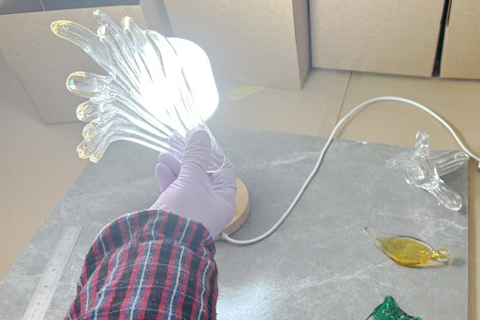
High-quality glass lampshades being crafted in a professional manufacturing workshop.
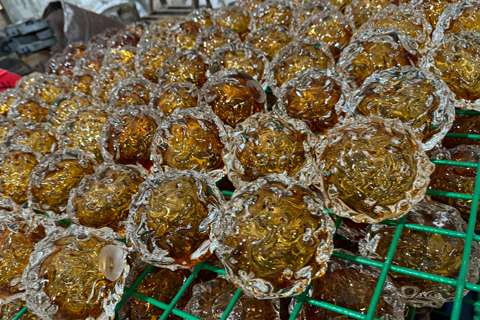
Glass lampshade with intricate, textured surface showcasing craftsmanship and artistic design.
Glass lampshade manufacturing process showcasing intricate design and craftsmanship.
Glass lampshade in protective plastic packaging, ready for shipment.

Fire Polishing

Annealing & Cooling

Inspection

Packing & Delivery

In-House Glass Lamp Shade Factory Overview

Glass Lamp Shade Manufacturing Process at Our Factory

From raw glass selection to precision finishing, we control every step to deliver consistent and high-quality glass lamp shades.

·Professional glass lamp shade manufacturer with full production capabilities
·In-house furnace, molding, annealing and finishing lines
·Suitable for OEM, ODM and project-based glass lamp shade solutions

Our fully integrated glass lamp shade manufacturing process allows us to deliver stable quality, flexible customization, and reliable lead times for global customers.

0 +

Square feet area

0 +

PCS / Day Output

0 +

Countries coverd

0 +

Successful clients

What Clients Say About Us

Customer feedback is our confidence and belief that we are getting better and better

私たちは数年間にわたりJingxin Glasswareと取引しており、非常に信頼できるガラスランプシェードメーカーであることが証明されています。 彼らは私たちのデザインアイデアを理解し、一貫した高品質な製品に仕上げてくれる能力が素晴らしいです。サンプル作成から量産まで、コミュニケーションは常に明確かつプロフェッショナルです。 最も重要なのは、異なる注文でも製品品質が安定していることです。.

スティーブン・フローレス 照明ブランドオーナー

Jingxinは複数のホテル照明プロジェクトで私たちをサポートし、客室やパブリックスペース向けにカスタマイズされたガラスランプシェードを供給してくれました。 製品は外観、光の拡散、耐久性の面で私たちの期待を満たしていました。梱包も安全で長距離輸送に適していました。 チームはレスポンスが早く、細部にまで気を配り、プロジェクトベースの注文にも経験豊富です。私たちはJingxinをホスピタリティプロジェクトの長期的なパートナーと考えています。.

マリッサ・ヤング ホテルプロジェクトサプライヤー

商社として、一貫性と透明性は非常に重要です。Jingxinは安定した品質、明確な生産スケジュール、誠実なコミュニケーションを一貫して提供してくれます。 カスタマイズ、MOQ、梱包にも柔軟に対応してくれるため、私たちはお客様により良いサービスを提供できます。 信頼できる納品とプロフェッショナルなサポートのおかげで、私たちは複数の市場でガラスランプシェード事業を拡大することに成功しました。.

ホイットニー・ロメロ 商社購買マネージャー

カスタマイズ対応力

協力までの6ステップ

設計図/オリジナルコンセプトのご提供

お客様の図面、サンプル、またはアイデアに基づき、経験豊富なデザインチームが専門的な評価と最適化を行います。 製品構造、ロゴ適用、表面処理、パッケージデザインなど、OEM・ODMサービスに対応しています。.
ステップ1

金型製作・サンプル確認

承認された設計に基づき、社内で金型を製作します。 量産前に、寸法・外観・機能の正確性を確保するため、サンプルを製作しご確認いただきます。.
ステップ2

カスタム包装ソリューション

内装パッケージ、カートン、カラーボックス、ラベル、印刷など、オーダーメイドの包装ソリューションを提供し、製品の保護、ブランドの演出、国際輸送基準への適合を実現します。.
ステップ3

大量生産

生産拠点とオフィスの実際の面積は48,430平方フィート(約4,500㎡)以上あり、当社チームはOEM、卸売、プロジェクトバイヤー向けにガラスランプシェードの製造を行っています。 厳格な工程管理により、安定した品質と納期を保証します。.
ステップ4

品質検査

生産全体にわたり、完全かつ科学的な品質管理システムを適用しています。 各ロットは厳しい検査を受け、国際品質および輸出要件を満たしています。.
ステップ5

国際配送

120カ国以上への輸出経験を活かし、安全かつ効率的な国際物流を手配します。 海上輸送、航空輸送、複合輸送に対応し、製品が時間通りに完璧な状態で到着することを保証します。.
ステップ6

Handmade Glass Shade FAQs

Handmade glass lamp shades are produced through traditional craft techniques where each piece is individually shaped by a skilled craftsman rather than formed in automated machinery. The category encompasses several specific techniques including mouth-blowing (gathering molten glass on a blowpipe and inflating with breath), lampworking (shaping borosilicate tubing with a torch flame), and hand-pulling (drawing molten glass into custom shapes with hand tools). Each handmade shade carries subtle individual variation in wall thickness, dimensional precision, and surface character that distinguishes it from identical machine-made counterparts. Production rate is dramatically lower than automated forming – typically 30-80 pieces per craftsman per day depending on complexity, versus 800-1500 pieces per shift for machine pressing. The handmade designation represents both a manufacturing method and a design aesthetic favored by luxury hospitality, designer residential, and boutique retail markets where unique character is more valuable than uniform mass-production consistency.
Every handmade glass lampshade is unique in subtle ways even when made to the same design specification, because the manual forming process introduces small variations that machine production eliminates. Typical natural variations include wall thickness varying by 0.5-1.5mm between top and bottom sections, outer diameter varying by +/-3mm even within the same production batch, slight asymmetry of 1-3mm between opposite sides, occasional small bubbles (called seeds, 0.1-0.5mm) trapped during forming, and subtle surface waviness visible under raking light. These variations are graded against published quality standards rather than treated as defects – they are evidence of authentic handcraft valued in luxury and designer markets. Buyers should review sample pieces to calibrate acceptance criteria before mass production approval. For installations requiring perfectly matched pairs or sequences, we offer matched-set production where craftsmen produce extra pieces and the closest-matching subset is selected and packaged together.
Handmade glass and machine-made glass have comparable durability when made from the same base material (both typically soda-lime or borosilicate), with no significant difference in tensile strength, scratch resistance, or service life under normal use. However, handmade shades often have variable wall thickness that creates localized stronger and weaker zones – the thicker sections are slightly more impact-resistant while thinner sections are slightly more vulnerable to breakage. In practical use, this variation rarely matters because both types of shades face the same impact and thermal challenges in lighting installations. What does differ between handmade and machine-made is replacement availability – machine-made shades typically remain in production for 5-10+ years with consistent reorder availability, while handmade shades depend on the specific craftsman and may become unavailable if that artisan retires or the design is discontinued. For high-value installations, consider ordering 10-15% extra inventory at original purchase for future replacement needs.
Handmade glass shades work with most common bulb types including LED (recommended), CFL, halogen, incandescent, and Edison filament bulbs, with material selection determining specific compatibility limits. Soda-lime handmade shades safely handle bulbs producing surface temperatures up to 180C, covering all LED and CFL bulbs and most halogen and incandescent bulbs under 60W in open fixtures. For Edison filament bulbs (often running at 200-260C surface temperature) or any enclosed fixture where heat accumulates, we recommend specifying borosilicate handmade construction, which withstands continuous service temperatures up to 450C. We strongly recommend LED bulbs for handmade glass installations because LED light output complements the optical character of handmade glass without exposing the shade to unnecessary heat stress. LED rated 800-1100 lumens (8-12W) typically provides the equivalent illumination of a traditional 60-75W incandescent while running 70% cooler, extending shade service life and reducing energy cost over the installation lifetime.
Handmade lamp shade orders typically require 35-55 days lead time from deposit payment to shipment readiness, varying with order quantity, design complexity, and current production scheduling. Lead time breaks down as 5-8 days for raw material preparation including glass batch melting or borosilicate tubing procurement, 3-5 days for craftsman setup and design-specific tooling, 20-35 days for actual production at typical rates of 30-80 pieces per craftsman per day depending on complexity, 4-6 days for controlled annealing in temperature-managed ovens to relieve internal stress, and 3-4 days for inspection, quality verification, and packing. Custom-design orders require an additional 20-35 days for prototype development, sample approval, and production-method confirmation before mass production begins. Ocean freight from Shanghai or Ningbo ports adds 25-40 days to delivery destinations in Europe, North America, or other regions. Total door-to-door timeline is typically 80-110 days, so plan major handmade purchases well in advance of required installation dates.
Handmade glass shades are available across an extensive range of sizes from 60mm small decorative pendants up to 600mm large architectural feature pieces, with shapes including spheres, bell forms, conical shades, gourd shapes, organic free-form artistic designs, ribbed and faceted textures, and custom shapes from designer specifications. The size practical limit depends on technique – mouth-blowing supports shades up to 400-500mm before becoming impractical for craftsman handling, while lampworking is best for pieces under 350mm. Larger sizes can be produced through specialized techniques or by assembling multiple components but typically require custom development. Shape complexity is limited primarily by craftsman skill and production economics – very complex shapes increase per-piece cost by 30-100% over simple geometric designs and may require longer training periods for the production team. We maintain a catalog of 200+ standard handmade designs and develop approximately 30-50 new custom designs annually for designer brand clients.
Yes, we routinely reproduce handmade glass shades to match existing designs, samples from other manufacturers, vintage pieces requiring replacement, or original designer concepts provided as sketches or physical prototypes. The reproduction process begins with detailed measurement and analysis of the reference piece, including dimensional documentation, wall thickness mapping, color spectrophotometry, and surface texture characterization. From this analysis we develop production specifications and create 3-5 sample pieces for buyer comparison against the original. Typical match accuracy is within 95-97% of the original visual appearance, though exact reproduction of antique pieces or unique artistic originals may require iterative refinement over 2-4 sample rounds. Reproduction development costs typically range from $400 to $1,800 depending on complexity, with subsequent production at standard handmade pricing. We respect intellectual property rights and require documentation of design ownership before reproducing branded or copyrighted designs.
Handmade glass shades receive enhanced packaging protection beyond standard machine-made shipments due to their typically thinner walls, asymmetric shapes, and higher per-piece value. Each shade is first wrapped in acid-free tissue paper to prevent surface contact marks, then in custom-cut 5-10mm EPE foam shaped to the specific piece geometry, then placed in die-cut corrugated cradles holding 6-24 pieces per inner carton depending on size, and finally loaded into 5-ply export master cartons with corner reinforcement and bottom padding. For pieces over 300mm diameter, exceptional value, or fragile organic shapes, we use foam-injected molding directly around each shade and add wooden crating with internal foam padding. Master cartons are palletized with edge guards and stretch-wrapped for ocean freight. This enhanced packaging protocol has kept handmade shade breakage rates below 0.5% across 7+ years of designer brand and luxury hospitality export shipments to over 60 countries.
Handmade glass shades cost 2-4x more than machine-made alternatives due to fundamental differences in labor input, production rate, material yield, and craftsman training investment. Labor input is approximately 8-20 minutes per piece versus 4-6 seconds for machine pressing, representing 80-200x more labor cost per unit. Production rate is 30-80 pieces per craftsman per day versus 800-1500 pieces per machine shift, requiring more production capacity for equivalent volume. Material yield is typically 85-92% (some pieces fail during forming or annealing) versus 98-99% for machine production, increasing material cost per finished piece. Craftsman training to production-quality skill takes 5-8 years, with our master craftsmen having 15-25 years of experience. The price premium is justified for luxury hospitality, designer residential, and boutique retail markets where each piece’s individual character supports premium product positioning. For high-volume commodity lighting, machine pressing remains the practical economic choice.
Yes, handmade glass shades can meet glass component requirements for major certifications including UL 1598 (US luminaire standard), CE EN 60598 (European luminaire standard), CCC (China Compulsory Certification), and CB Scheme certification, with the underlying glass material complying with general lighting industry requirements. The certification process applies to the complete fixture assembly rather than just the glass component, so handmade glass shades typically integrate into certified luminaire designs supplied by fixture manufacturers. We provide glass component test reports covering thermal endurance per IEC 60068, dimensional sampling per the buyer’s specification, material composition analysis, and batch traceability documentation required for certification audits. For high-volume designer brand clients pursuing UL or CE certification of their final fixtures, we supply technical files including detailed glass drawings, batch records, and certificates of analysis. Third-party laboratory testing through SGS, Intertek, or TUV is available at additional cost when independent verification is required for certification submissions.

見積もり依頼 一緒に働く準備はできていますか?私たちとプロジェクトを作りましょう!

見積もり依頼
トップへスクロール
見積もり依頼