
オーダーメイド曲面ガラスランプシェード
曲面ガラス製のランプシェードは、高温加熱と専門的な曲げ技術を用いて、透明ガラスまたは着色ガラスを高品質に加工しています。表面は滑らかで、光の透過性が均一、構造は安定しています。.
建築用曲面ガラスランプシェード・ソリューション
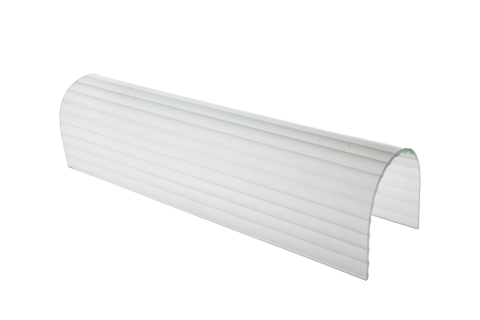
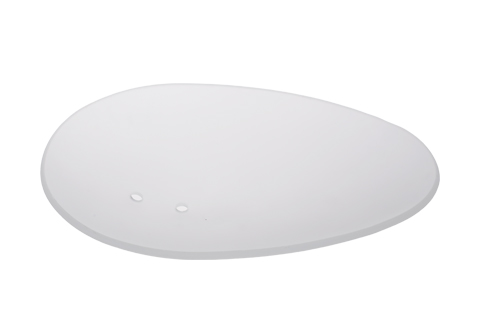
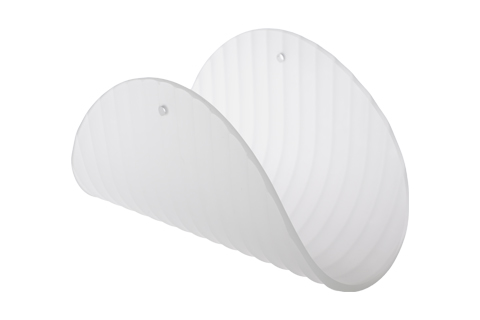
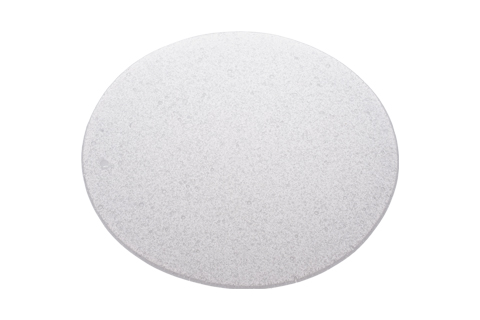
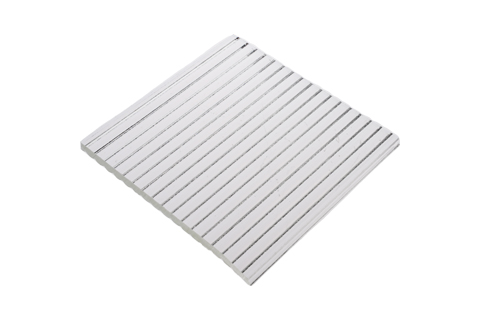
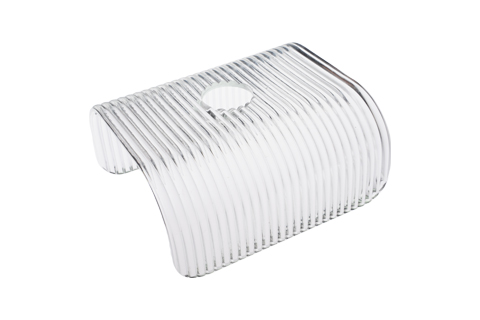
6段階の曲面ガラスランプシェード製造プロセス
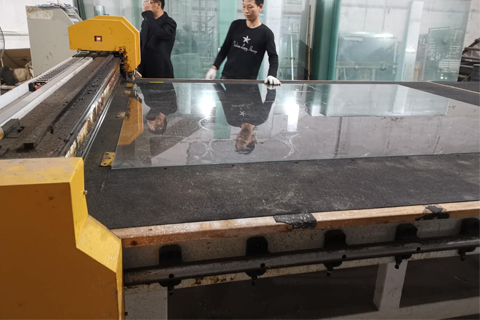
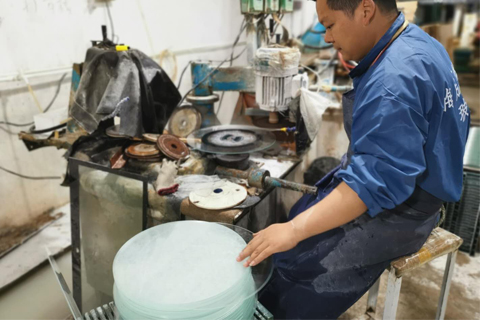
材料の切断
型形成とモールド
エッジ研磨
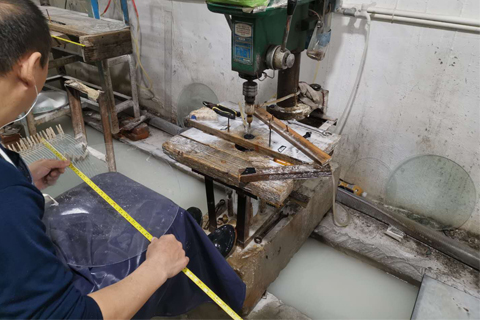
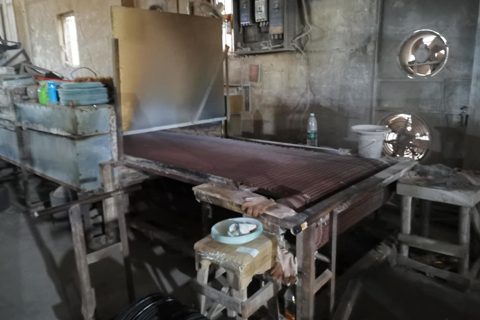
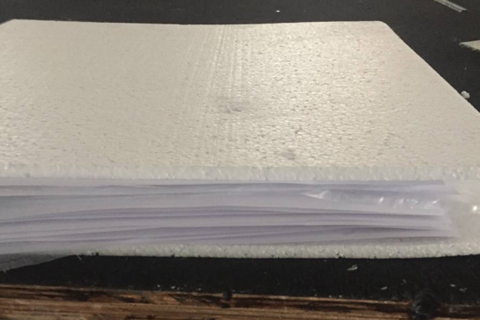
穴あけ
アニーリング(徐冷)
梱包
0
+
工場・オフィス面積
0
+
1日あたりの生産数
0
+
輸出先国・地域数
0
+
取引実績のある顧客数
お客様の声
顧客のフィードバックは私たちの自信と、私たちがますます向上していると信じる信念です
私たちは数年間にわたりJingxin Glasswareと取引しており、彼らは非常に信頼できるガラスランプシェードメーカーであることが証明されています。私たちのデザインアイデアを理解し、それを一貫した高品質な製品に仕上げる能力は素晴らしいです。サンプル作成から量産まで、コミュニケーションは常に明確かつプロフェッショナルです。最も重要なのは、異なる注文でも製品品質が安定していることです。.
スティーブン・フローレス
照明ブランドオーナー
カスタマイズ対応力
協力までの6ステップ
設計図/オリジナルコンセプトのご提供
お客様の図面、サンプル、またはアイデアに基づき、経験豊富なデザインチームが専門的な評価と最適化を行います。
製品構造、ロゴ適用、表面処理、パッケージデザインなど、OEM・ODMサービスに対応しています。.
ステップ1
金型製作・サンプル確認
承認された設計に基づき、社内で金型を製作します。
量産前に、寸法・外観・機能の正確性を確保するため、サンプルを製作しご確認いただきます。.
ステップ2
カスタム包装ソリューション
内装パッケージ、カートン、カラーボックス、ラベル、印刷など、オーダーメイドの包装ソリューションを提供し、製品の保護、ブランドの演出、国際輸送基準への適合を実現します。.
ステップ3
大量生産
当社のチームは、OEM、卸売、プロジェクトバイヤー向けにガラスランプシェードの製造を行っています。厳格な工程管理により、常に安定した品質と納期厳守を保証します。.
ステップ4
品質検査
生産全体を通じて文書化された品質手順を適用しています。各注文ごとに検査ポイントと適用される輸出要件を確認しています。.
ステップ5
国際配送
プロジェクト注文に対する国際物流を手配します。現在の市場カバレッジと配送時期は、サプライヤーの審査時に確認されます.
ステップ6
曲面ガラスランプシェード 技術的FAQ
熱曲げ曲面ガラスは、平板ガラスを約600-720℃まで加熱し、耐火モールド上に Gravity Slumping、真空支援、または圧力成形技術を用いて成形します。成形温度でガラスは十分に軟化し、制御された応力下でモールドの形状へ流動しますが、本質的な寸法安定性や光学特性を損なうことはありません。成形後、曲面ガラスはアニーリングサイクルを通じて540°Cから室温まで60-120分かけて徐々に冷却し、亀裂を防ぐ内部応力を緩和します。熱成形は、半筒、四分円、複合サドル曲線、建築的ウェーブ形状など、正確な曲面ランプシェードの形状を作る際に好まれる技術です。この技術は、寸法精度(+/-0.5mm程度)の高い再現性、均一な壁厚の維持、滑らかな磨き表面を提供します。熱曲げガラスシェードは、モダンなウォールランプ、建築用ペンダントライト、彫刻的な曲面形状を要求するデザイナーズ照明ブランドで広く使用されています。.
曲面ガラスランプシェードは、平面ガラスと同様に、フロスト加工、酸エッチング、サンドブラスト、スクリーン印刷、セラミックエナメルコーティング、デジタルインクジェット印刷などの表面処理を受けることができます。酸エッチングによるフロスト加工は、電球フィラメントを隠しつつ70〜85%の光を透過する均一な拡散仕上げを生み出し、現代の室内照明用途で最も一般的な処理です。サンドブラストは、装飾デザインやロゴ、ブランドマーク用のパターンマスキングをオプションで施し、同様の拡散効果を生み出します。セラミックエナメル焼成は、光透過率が0%(完全不透明)から75%(半透明装飾)までの永久的なカラーまたは不透明白コーティングを生成します。デジタルセラミックインクジェット印刷は、建築用特注照明やブランド店舗什器向けに曲面上でフルカラー写真画像を可能にします。各処理は、熱曲げ温度がほとんどの表面コーティングの焼成範囲を超えるため、曲面成形後に施す必要があります。複数処理の組み合わせ(例:フロスト加工+印刷ロゴ)は、各層の密着性を維持するために慎重な工程順序が求められます。.
熱曲げランプシェードは、用途に応じて選択される3種類のガラス素材から一般的に製造されます。標準のソーダ石灰フロートガラス(最も一般的で、装飾用照明に使用)、低鉄分・高透明フロートガラス(高い光学的透明度が求められる場合に推奨、標準ソーダ石灰の85-88%に対し、90-92%の光透過率)、およびホウケイ酸3.3板ガラス(高温用途や屋外器具、熱衝撃耐性が重要な場合に指定)です。標準の厚みは、小型の装飾用ウォールランプで3mm、大型の建築用カーブペンダントで最大8mm、最も一般的な生産厚みは4-5mmです。各素材には最適な成形温度が異なり、ソーダ石灰は620-680℃、低鉄分は640-700℃、ホウケイ酸は軟化点が高いため700-780℃が必要です。素材の選択は1枚あたりのコストにも影響し(低鉄分は標準より25-40%高く、ホウケイ酸は60-100%高い)、長期的な性能や外観にも関わります。.
はい、曲面ガラスランプシェードは、熱曲げおよびアニール工程の後に強化ガラス化することができ、アニール済み曲面ガラスと比べて4~5倍の耐衝撃性向上が得られます。強化ガラス化の工程では、曲面シェードを620~650℃に再加熱し、制御されたエアジェットで表面を急冷することで、圧縮応力層を形成します。曲面ガラスの強化は、平面ガラスよりも複雑であり、曲面形状全体を均一に冷却するためには、専用のノズル配置が必要となります。そのため、この技術は半径約150mm以上の曲面に限定されます。半径100mm未満のより急な曲面は、従来の強化ガラス化ができず、代わりに化学強化(カリウムイオン交換)を用いて、形状制限なく2~3倍の強度向上を実現します。強化曲面シェードは、耐破壊性が求められる屋外ブラケット、学校や病院の照明、法規制のある天井取付けガラス器具などに必要です。強化ガラスは強化処理後に加工できないため、すべての穴あけや仕上げは強化前に完了しておく必要があります。.
曲面ガラスのランプシェードは、主に5つのデザイン用途カテゴリで最も一般的に指定されています。現代的な壁付けブラケットでの半円筒形や四分球形の光シールド、複合サドル曲面を持ち特定のパターンで光を導く建築用ペンダントライト、複数の曲面要素を組み合わせたデザイナーズシャンデリアのパーツ、下方向に光を拡散する曲面ディフューザー付きの洗面化粧台用ストリップライト、商品ディスプレイ照明用の小型曲面シェードを使った小売店のアクセント照明です。ホスピタリティ分野では、曲面ガラスはホテルの廊下用ブラケット、レストランのボックス席照明、受付エリアのペンダントライトなどで主流となっており、柔らかな指向性の光が特定の空間演出意図をサポートします。住宅用途では、玄関の天井照明、ベッドサイドの読書用ブラケット、キッチンアイランドのペンダント、ホームオフィスのタスク照明などがあります。デザイナーブランドは、曲面ガラスをシグネチャーコレクションのアイテムによく使用しており、彫刻的な曲線が独特のシルエットを生み出し、照明ショールームやオンライン販売リストで製品を視覚的に際立たせます。曲線の形状は光の分布パターンに直接影響を与えるため、デザイナーは美的・機能的な成果の両方を指定することができます。.
カスタム曲面ガラスシェードのご注文は、単一軸のシンプルなカーブの場合は1デザインあたり300個から、複数部品の金型を使用した複雑な複合カーブの場合はデザインごとに見積もり数量から承ります。カスタム金型の開発費用は、シンプルなスランプカーブで$1,200から、複数のドラフト角や分割金型を伴う高度な複合形状では$5,500まで幅があります。サンプル開発には通常3~5個の物理プロトタイプが必要で、量産開始前に25~40日の承認期間を要します。単価はサイズ、ガラス素材、表面処理、カーブの複雑さによって異なります。例えば、幅200mmの半円筒型カーブシェード(クリアソーダライムガラス・フロスト仕上げ)の場合、見積もり数量でのご注文時はFOB上海で$4~$8となります。ホウケイ酸ガラス、低鉄ガラス、強化加工、複雑な複合カーブの場合は、組み合わせにより価格が50~150%上昇することがあります。デザイナーブランドの専用カーブ形状については相互NDAを締結し、カスタム金型はご依頼主様専用で保管いたします。.
曲面ガラスのランプシェードは、平面または円筒形の代替品と比べ、光の分布パターンを大きく変更し、特定の曲率ジオメトリに基づいて、光源の出力を集束・拡散・再配光するレンズとして機能します。凹曲線(ボウル形状、ドーム形状)は、器具下の中心点へ光を集め、台所のアイランド、作業デスク、店頭ディスプレイ台のための30〜60度の狭いビーム角を作り出します。凸曲線(外側に膨らむドーム形状)は、光を広く広げ、90〜160度のパターンで周囲を照らし、エントランス、廊下のブラケット、一般的な居住空間の照明に適した環境光を生み出します。凹部と凸部を組み合わせた複合曲線は、建築照明効果のための特殊なビームパターンを生み出すことができます。正確な光度予測を必要とする照明デザイナーのために、統合球で測定したIESファイルの光度データを、800ルーメンのLED電球を参照として提供します。.
ヒートベンド曲げガラスシェードは、最小約60mmの曲率半径(きつい半円筒状の曲げ)から数メートル級の緩やかな建築的曲線まで達成可能で、ランプシェード用途の現実的なシビックポイントは半径80mm〜400mmの範囲です。実際に達成可能な半径はガラスの厚さに依存します。2mmガラスは信頼性を持って60mm半径に曲げられますが、4mmガラスは最小100mm半径、6mmガラスは品質を損なうことなく少なくとも180mm半径が必要です。これらの最小値より小さな半径は、表面のしわ、光の透過に現れる光学的歪み、内部応力の集中を引き起こし、生産後数週間での遅発的亀裂の原因となるおそれがあります。レンズの材料厚さごとに推奨最小値を下回る半径の場合、スランピングの代わりに口吹きによる曲げ成形やプレス成形などの別の成形方法を指定すべきです。二軸で同時に曲げる複雑な複合曲線には、カスタムの複数部品型型を要し、標準開発期間に25〜40日を追加します。.
はい、曲面ガラスのランプシェードは、二つの主な方法で着色またはトーンを付けたガラスとして入手可能です。熱曲げ前に予め着色された板ガラスから始める方法、または成形後にセラミックエナメルコーティングを適用する方法です。予め着色された板ガラス(板ガラス本体に金属酸化物顔料を含有して製造される)は、曲げ加工中の色の恒久性と深さを保ち、退色したり剥がれたりしない豊かな均一色を生み出します。5,000平方メートル以上のカラーごとの受注の場合、アンバー、グレイ・スモーク、ブロンズ、ブルー、グリーン、そして選択されたPantoneカラーが利用可能です。成形後のセラミックエナメルコーティングは、より広い色の柔軟性(マルチカラーのグラデーションやパターンを含む任意のカスタムカラー)を提供しますが、コーティング側のガラス厚さに30-50ミクロンの表面処理を追加します。コーティングの耐久性は、適切に焼成された場合600°Cで優れており、通常の室内照明環境で20年以上の保持を文献記録として示しており、退色、剥がれ、化学的劣化はありません。.
曲面ガラスの生産品質と一貫性は、6段階の品質管理システムによって維持されます。入荷した平板ガラスは、成形前に厚さ、表面欠陥、光学的透明度を寸法検査します。成形中は、熱電偶を複数点に配置して加熱サイクル中のモールド温度を継続的に監視し、均一な成形温度を±15℃の範囲で維持します。曲面サンプルは原本のCADモデルと比較して3Dデジタルスキャナーでスキャンされ、デザイナー用途の許容差は通常±0.5mmです。表面品質はD65日光下で偏光子検査により、適切な焼鈍が不足している兆候となり得る内部応力の残留を検出します。5個/100枚のバッチごとの寸法サンプリングは重要な寸法を品質記録として記録し、5年間保管します。標準化された照明下での最終目視検査により、各ピースがバイヤー承認のマスターサンプルに適合することを確認します。書見用アプリケーションのような一致ペアの取り付けには、左右ピースが視覚的に同一となるよう一致ペア生産プロトコルを適用します。.