Industrial & Designer Lighting 

オーダーメイド機械プレスガラスランプシェード

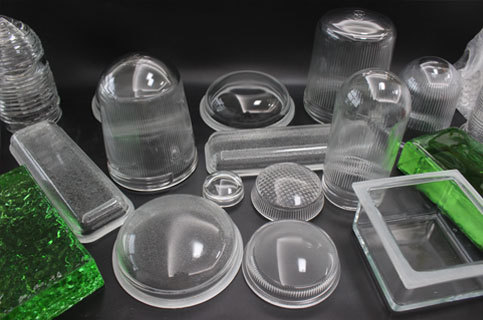
Industrial machine pressed glass lamp shade factory. Tempered, alabaster & opal finishes. Hospitality & retail lighting solutions.

Customization Options for Commercial Lighting

カスタム照明器具用のクリアガラスランプシェード部品および試作品。.
Glass lampshade for decorative and functional lighting solutions. Custom manufacturing for various s.
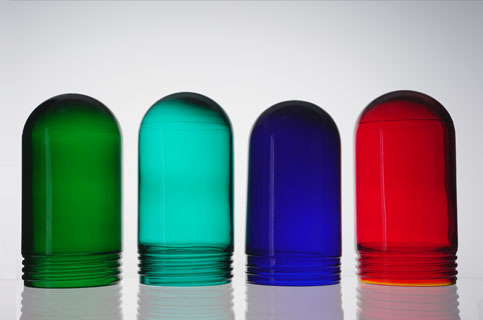
Vibrant glass lampshades in green, turquoise, blue, and red for stylish lighting solutions.

形状

Dome, Dish, Cylinder, Cone, Pyramid, Custom CAD

Mold Pressed

Φ40mm – Φ400mm (standard), Φ600mm+ (extra-large mold)

clear,amber, smoke gray,red,blue,green, custom solid or painted color

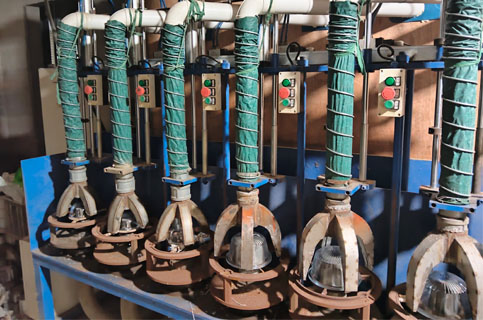
High-quality glass lampshades being produced with advanced machinery at a leading manufacturer.
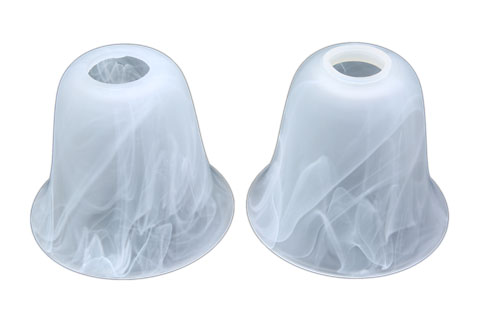
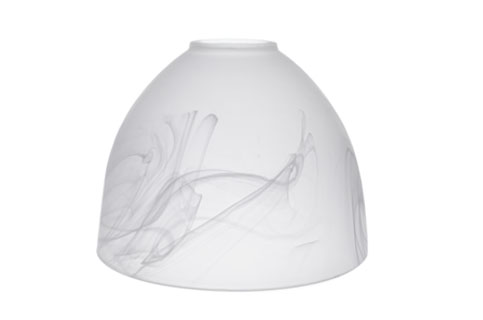
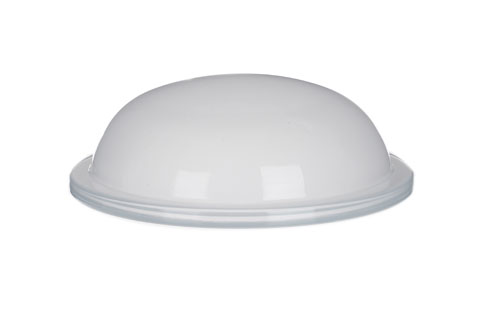
High-quality white glass lampshades for decorative lighting and home decor.
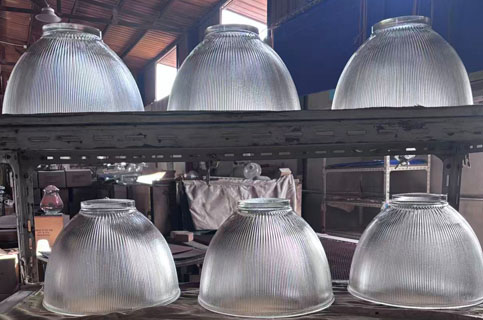
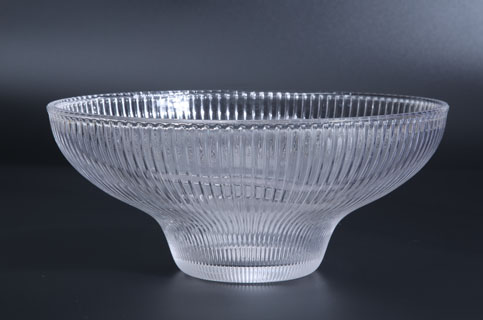
Clear glass lampshade with ribbed design for stylish lighting fixtures.

Tempered

Physical or chemical tempering,explosion-proof

Surface Texture

High-gloss fire polishing, matte sandblasting, acid etching satin, laser logo

Lined Pattern

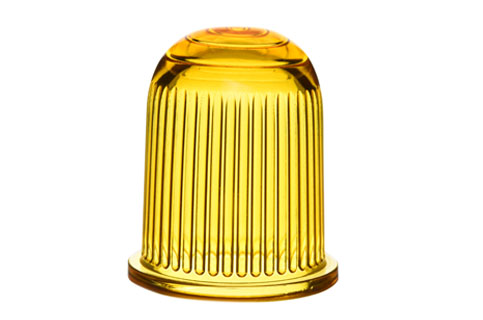
Classic lined ribbed glass 

機械プレスガラスランプシェード

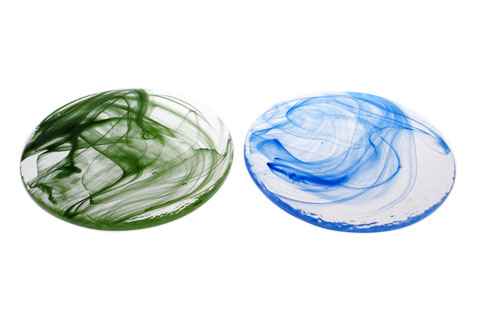
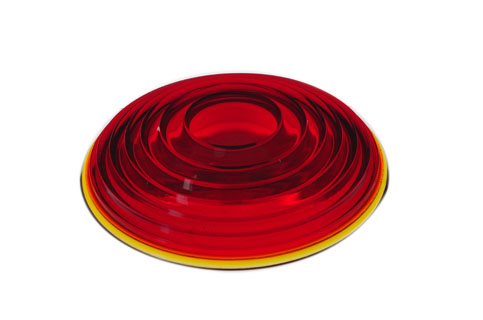
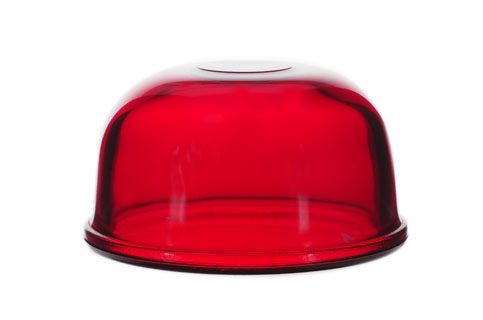
Solid Red Glass Lamp Diffuser

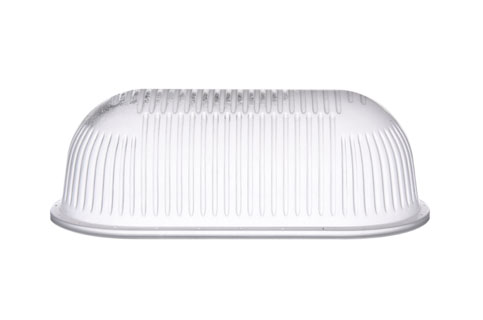
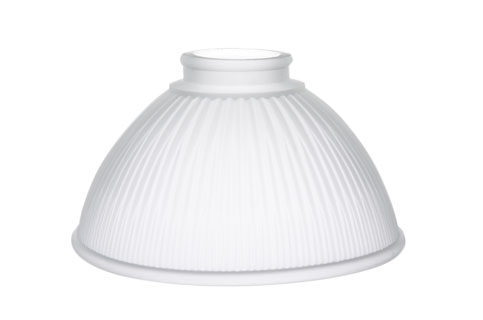
Frosted Glass Lined Lamp Shade

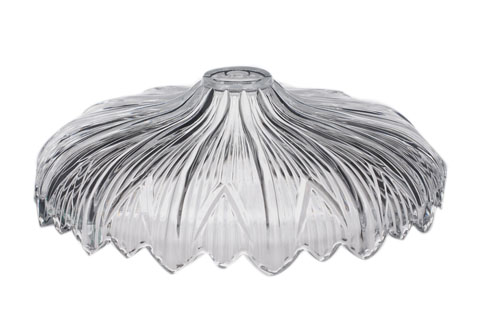
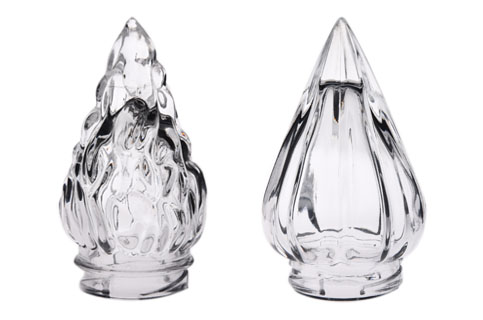
Clear Torch Glass Lamp Shade

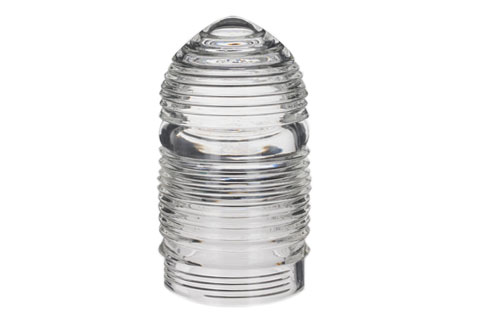
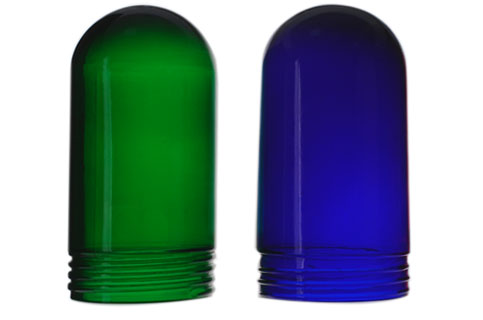
Threaded Glass Dome Lamp Cover

Clear Mouth Blown Glass Ball

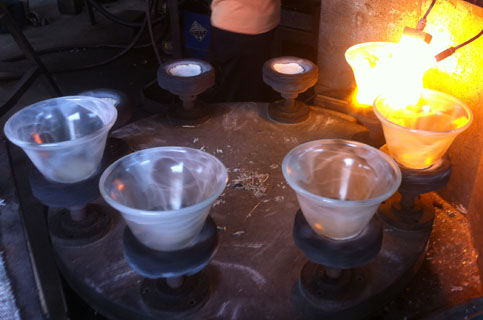
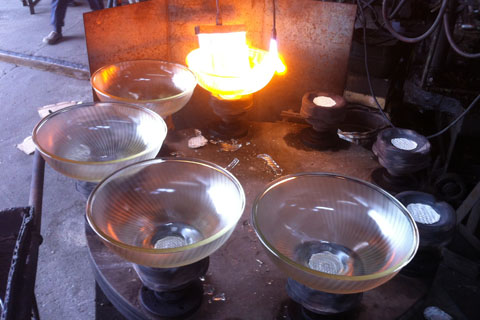
Machine Pressed Glass Lamp Shade Production

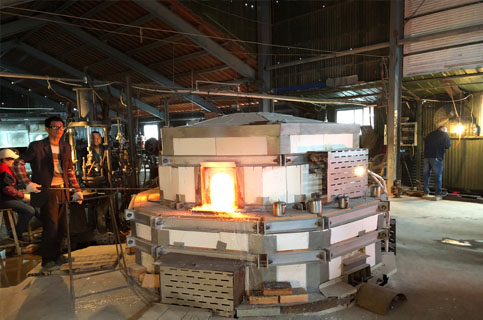
Industrial glass lampshade production in a factory setting.
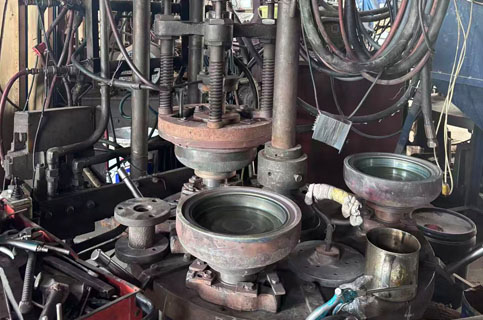
Industrial glass lampshade manufacturing equipment and molds in a factory setting.
Glass lampshades being crafted in a workshop for custom lighting solutions.

Batch Mixing

Mold Pressed

Fire Polishing

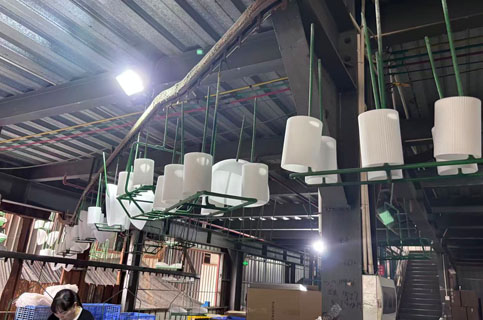
Modern glass lampshades hanging in a manufacturing facility for custom lighting solutions.
High-quality glass lampshades being produced with advanced machinery at a leading manufacturer.
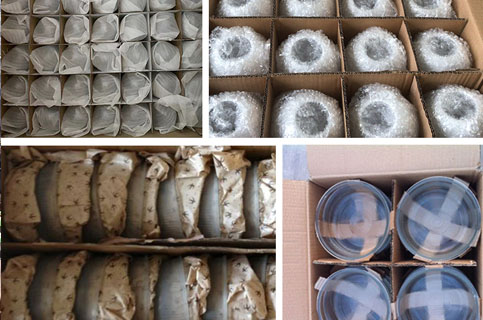
ガラスランプシェードを箱に梱包し、安全な輸送と保管を実現。.

Acid Frosted

Tempering

梱包

In-House Glass Lamp Shade Factory Overview

Glass Lamp Shade Manufacturing Process at Our Factory

From raw glass selection to precision finishing, we control every step to deliver consistent and high-quality glass lamp shades.

·Professional glass lamp shade manufacturer with full production capabilities
·In-house furnace, molding, annealing and finishing lines
·Suitable for OEM, ODM and project-based glass lamp shade solutions

Our fully integrated glass lamp shade manufacturing process allows us to deliver stable quality, flexible customization, and reliable lead times for global customers.

0 +

Square feet area

0 +

PCS / Day Output

0 +

Countries coverd

0 +

Successful clients

Testimonials

Customer feedback is our confidence and belief that we are getting better and better

私たちは数年間にわたりJingxin Glasswareと取引しており、非常に信頼できるガラスランプシェードメーカーであることが証明されています。 彼らは私たちのデザインアイデアを理解し、一貫した高品質な製品に仕上げてくれる能力が素晴らしいです。サンプル作成から量産まで、コミュニケーションは常に明確かつプロフェッショナルです。 最も重要なのは、異なる注文でも製品品質が安定していることです。.

スティーブン・フローレス 照明ブランドオーナー

Jingxinは複数のホテル照明プロジェクトで私たちをサポートし、客室やパブリックスペース向けにカスタマイズされたガラスランプシェードを供給してくれました。 製品は外観、光の拡散、耐久性の面で私たちの期待を満たしていました。梱包も安全で長距離輸送に適していました。 チームはレスポンスが早く、細部にまで気を配り、プロジェクトベースの注文にも経験豊富です。私たちはJingxinをホスピタリティプロジェクトの長期的なパートナーと考えています。.

マリッサ・ヤング ホテルプロジェクトサプライヤー

商社として、一貫性と透明性は非常に重要です。Jingxinは安定した品質、明確な生産スケジュール、誠実なコミュニケーションを一貫して提供してくれます。 カスタマイズ、MOQ、梱包にも柔軟に対応してくれるため、私たちはお客様により良いサービスを提供できます。 信頼できる納品とプロフェッショナルなサポートのおかげで、私たちは複数の市場でガラスランプシェード事業を拡大することに成功しました。.

ホイットニー・ロメロ 商社購買マネージャー

カスタマイズ対応力

協力までの6ステップ

設計図/オリジナルコンセプトのご提供

お客様の図面、サンプル、またはアイデアに基づき、経験豊富なデザインチームが専門的な評価と最適化を行います。 製品構造、ロゴ適用、表面処理、パッケージデザインなど、OEM・ODMサービスに対応しています。.
ステップ1

金型製作・サンプル確認

承認された設計に基づき、社内で金型を製作します。 量産前に、寸法・外観・機能の正確性を確保するため、サンプルを製作しご確認いただきます。.
ステップ2

カスタム包装ソリューション

内装パッケージ、カートン、カラーボックス、ラベル、印刷など、オーダーメイドの包装ソリューションを提供し、製品の保護、ブランドの演出、国際輸送基準への適合を実現します。.
ステップ3

大量生産

生産拠点とオフィスの実際の面積は48,430平方フィート(約4,500㎡)以上あり、当社チームはOEM、卸売、プロジェクトバイヤー向けにガラスランプシェードの製造を行っています。 厳格な工程管理により、安定した品質と納期を保証します。.
ステップ4

品質検査

生産全体にわたり、完全かつ科学的な品質管理システムを適用しています。 各ロットは厳しい検査を受け、国際品質および輸出要件を満たしています。.
ステップ5

国際配送

120カ国以上への輸出経験を活かし、安全かつ効率的な国際物流を手配します。 海上輸送、航空輸送、複合輸送に対応し、製品が時間通りに完璧な状態で到着することを保証します。.
ステップ6

Machine Pressed Glass Shade Technical FAQs

Machine pressing is a high-volume glass forming technique where a measured gob of molten glass at approximately 1100C is dropped into a steel or cast-iron mold, then compressed by a plunger that forces the glass to fill the mold cavity and take its final shape in approximately 4-6 seconds. The technique was developed in the 1820s-1830s and revolutionized glass manufacturing by enabling mass production at costs far below traditional blowing methods. Modern automated press machines produce 800-1500 pieces per shift with consistent dimensional tolerances of +/-0.3mm. After pressing, shades pass through an annealing lehr (a temperature-controlled tunnel oven) for 30-60 minutes to slowly cool the glass and relieve internal stress, preventing later cracking. Machine pressing is the standard production method for lamp shades requiring large volumes, dimensional consistency, and competitive pricing, accounting for roughly 70% of global commodity lampshade production.
機械プレスガラスランプシェードの標準MOQ(最小注文数量)は、カタログにある既存金型を使用する場合は1デザインあたり500個、新規カスタム金型を開発する場合は1デザインあたり1,000~3,000個です。既存金型のご注文は、入金後25~35日以内に出荷されますが、カスタム金型の場合は、金型開発を含めて合計40~65日必要です(通常、金型設計・加工・試作プレスに25~40日かかります)。新規金型開発費用は、シンプルなストレートウォールシェードで約1,800ドル、複雑な多空洞・内部パターン付き金型で約3,500ドルです。非常に大量(1デザインあたり年間50,000個以上)をご注文の場合は、生産速度を1シフトあたり2,000個以上に高める多空洞プログレッシブ金型の開発が可能で、単一空洞金型に比べて1個あたりのコストを15~25%削減できます。海上輸送期間は、仕向け港により生産リードタイムに25~40日追加されます。.
Color consistency across large machine-pressed orders is maintained through batch-controlled glass melting and continuous quality monitoring. Each color is produced from a master batch formula with metal-oxide pigments weighed to +/-0.5% accuracy and mixed thoroughly before charging into the furnace. The furnace runs continuously at 1450-1480C with consistent residence time of 12-18 hours to ensure full pigment dissolution. During production, our QC team measures color using a spectrophotometer on samples taken every 30 minutes, comparing against the master color reference standard with acceptable Delta-E variance of 1.5 (imperceptible to the human eye). Pieces falling outside specification are diverted before packing. For multi-shipment projects requiring color match across separated production runs, we retain master color samples and batch documentation for 5 years, supporting reorders that match the original specification within Delta-E 2.0 across years.
Machine-pressed glass lamp shades are typically produced in wall thicknesses from 3mm to 8mm, with 4-5mm being the most common production range for general lighting applications. Wall thickness selection balances structural strength, weight, light transmittance, and per-piece cost. Thinner walls (3mm) reduce material cost by 15-20% and produce slightly better light transmittance, but offer lower impact resistance suitable mainly for decorative pendants in low-risk locations. Thicker walls (6-8mm) provide premium appearance with substantial edge refraction, higher impact resistance, and longer service life under heat exposure – typical choices for commercial lighting and high-end residential. Press machines can produce variable wall thickness within a single shade by designing the mold cavity accordingly, allowing thicker bases for stability with thinner top sections. We provide thickness recommendations based on bulb wattage, fixture mounting, and intended environment during the design consultation phase.
Yes, machine-pressed lamp shades can be tempered after the initial pressing and annealing cycle to provide 4-5x impact strength improvement over standard annealed glass. Tempering involves reheating the pressed shade to 620-650C and then rapidly cooling the surface with controlled air jets, creating compressive surface stress that resists impact and thermal shock. Tempered machine-pressed shades meet IK08 to IK10 impact ratings depending on wall thickness and shade geometry, suitable for vandal-resistant outdoor luminaires, school cafeterias, gymnasiums, transit shelters, and any installation with elevated impact risk. Tempered shades cost approximately 25-40% more than annealed equivalents due to the additional heat treatment cycle. When broken, tempered glass fragments into small rounded granules rather than sharp shards, significantly reducing injury risk. Tempered shades cannot be modified after tempering – all drilling, cutting, and edge finishing must be completed before the tempering process.
Machine pressing produces extensive surface finishes and patterns directly from the mold design, eliminating need for secondary surface treatment. Common pattern options include vertical and spiral ribbing, hexagonal and diamond faceting, prismatic light-refracting patterns, decorative reliefs (florals, geometrics, custom logos), pebbled textures, and integrated brand markings such as logos and SKU codes. The pattern is permanently formed into the glass surface during pressing and never wears off, unlike acid-etched or sandblasted alternatives. Surface finish options include polished glossy (default for clear glass), satin matte achieved by sandblasting after pressing, and acid-etched frosted finishes for diffused light effects. For multi-color decorative effects, machine-pressed shades can be partially painted, screen-printed with ceramic inks, or dipped in colored glaze coatings. Each surface treatment is applied as a separate production step after the pressing and annealing cycles.
Machine-pressed shades are packaged using a standardized three-layer protection system optimized for high-volume export shipments. Each piece is individually wrapped in 3-5mm EPE foam, placed in die-cut corrugated cells holding 12-48 pieces per inner carton, then loaded into 5-ply export master cartons typically holding 4-12 inner cartons depending on shade size. Master cartons include corner reinforcement and bottom padding, and are palletized in standard 40HQ or 20GP container dimensions for optimal shipping density. This packaging system has kept our machine-pressed shade breakage rate below 0.3% across more than 15,000 export shipments. For retail-ready packaging, we offer printed color boxes with barcodes, instruction inserts, and shrink-wrap finishing suitable for direct sale through Amazon FBA, eBay, brick-and-mortar lighting stores, and home improvement chains. Retail packaging adds approximately $0.40-$1.20 per piece depending on design complexity.
Our machine pressing operation has production capacity of approximately 3.2 million pieces per year across multiple press lines, with individual single-cavity press machines producing 800-1500 pieces per 8-hour shift. For high-volume orders (10,000+ pieces per design), production typically schedules within 30-45 days from deposit and runs 12-18 days through the press and annealing cycles, followed by 5-7 days for quality inspection and packing. Very large orders exceeding 100,000 pieces per design may be split across multiple shipments to optimize container loading and buyer warehouse capacity. We can dedicate specific press lines exclusively to large customers’ production for extended periods, allowing predictable delivery scheduling and tighter quality control. Annual purchase agreements above 500,000 pieces unlock preferential capacity allocation, priority production scheduling during peak season (March-August), and volume-tier pricing typically 15-25% below standard wholesale rates.
Yes, machine-pressed shades can be produced to meet glass component requirements for UL 1598 (US luminaire standard), UL 153 (portable lamps), CE EN 60598 (European luminaire standard), CCC (China Compulsory Certification), CB Scheme certification (IEC 60598), and various country-specific standards. The glass material itself complies with general lighting industry requirements without modification – certification primarily concerns the complete fixture assembly. We provide glass component test reports covering thermal endurance per IEC 60068, dimensional conformity, and material composition documentation. For luminaire manufacturers integrating our shades into UL or CE certified fixtures, we supply technical files including drawings, batch traceability data, and material certificates of analysis required for their certification audits. Test reports from accredited third-party labs (SGS, Intertek, TUV) are available at additional cost of $300-$800 per test category. We have supplied glass components to luminaire brands with active UL, CE, and CCC certifications for over 12 years.
Machine pressing offers four advantages over hand-blowing: cost (typically 60-75% lower per-piece pricing for equivalent designs), dimensional consistency (+/-0.3mm versus +/-3mm for hand-blown), production capacity (800-1500 pieces per shift versus 30-60 per craftsman per day), and predictable lead times due to standardized process steps. Trade-offs include lack of organic character that hand-blowing provides (each press-pressed shade is nearly identical), limited design flexibility for asymmetric or compound-curve shapes, and minimum order quantities required to amortize mold tooling investment. For commodity lighting applications (volume retail, building developer projects, hotel chain rollouts), machine pressing is the standard choice due to its cost-quality balance. For boutique designer brands, luxury residential projects, and one-off artistic installations where each piece’s individual character contributes to the design narrative, hand-blowing remains preferred despite the cost premium. Most successful lighting brands use both techniques across their product range.

見積もり依頼 一緒に働く準備はできていますか?私たちとプロジェクトを作りましょう!

見積もり依頼
トップへスクロール
見積もり依頼