Decorative Lighting | 3D Relief Patterns | Luxury Hospitality OEM

遠心ガラスランプシェード

Premium centrifugal cast glass lamp shade manufacturer. Custom molds for luxury hotels & heritage restoration.

Centrifugal Glass Lamp Shade Designs & Solutions

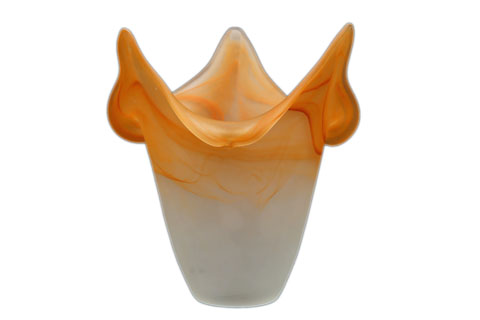
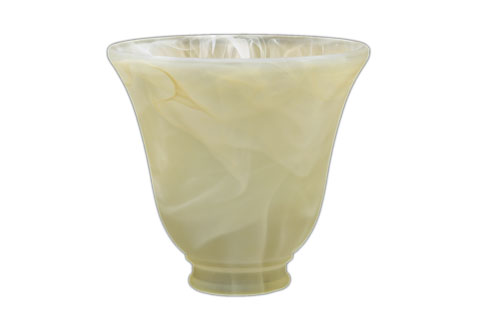
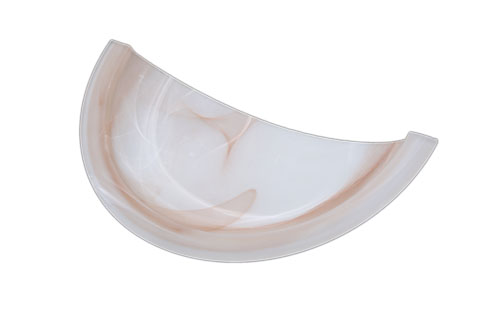
Amber Alabaster Glass Bell Lampshade

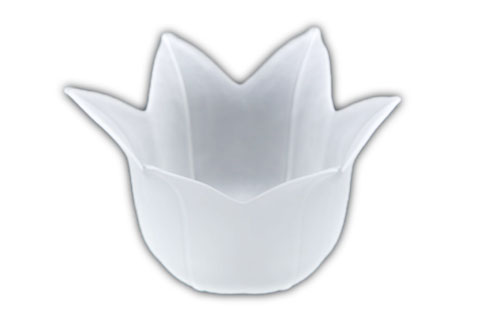
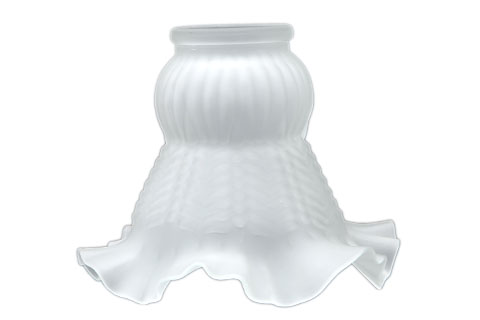
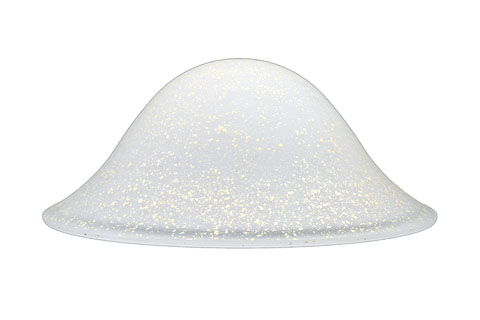
Glass Flower Lamp Shade

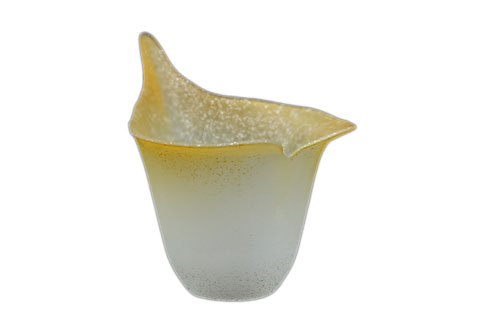
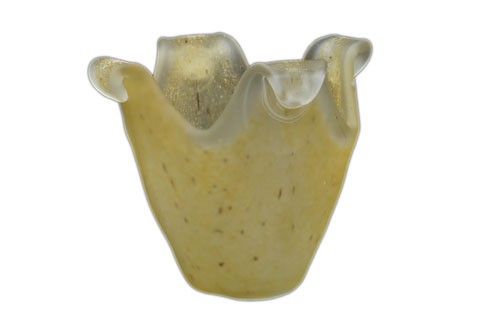
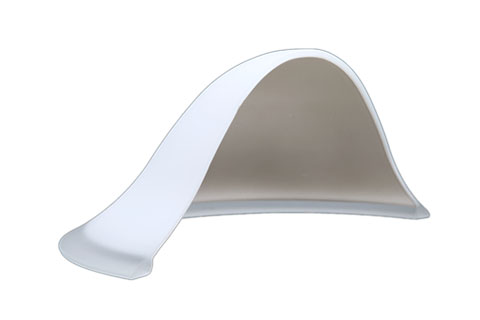
Golden Glass Shade

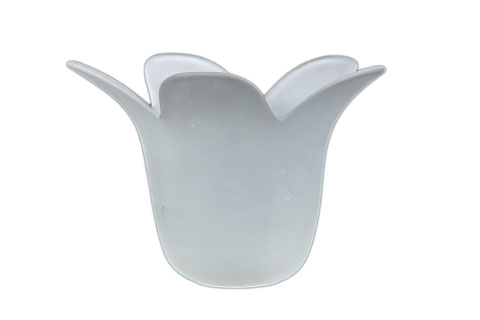
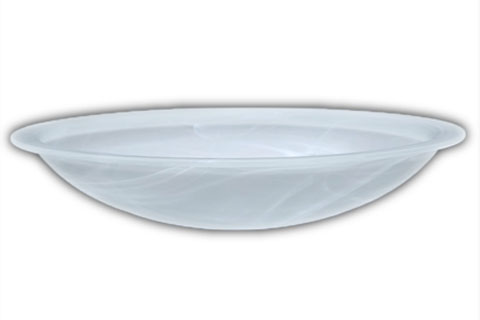
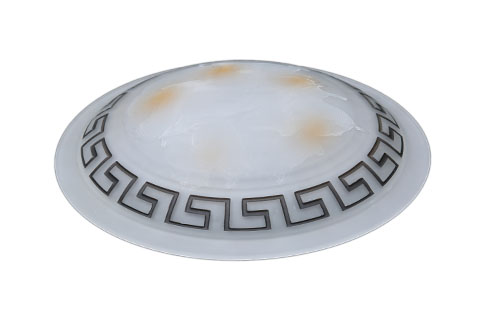
Round Glass Ceiling Lamp Shade

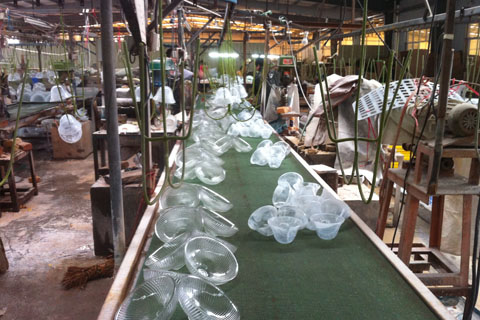
Centrifugal Glass Lamp Shade Manufacturing Process

Custom glass lampshades being crafted in a manufacturing facility for lighting design.
High-quality glass lampshades crafted by leading manufacturer for elegant lighting designs.
High-quality glass lampshades being crafted in a factory setting.

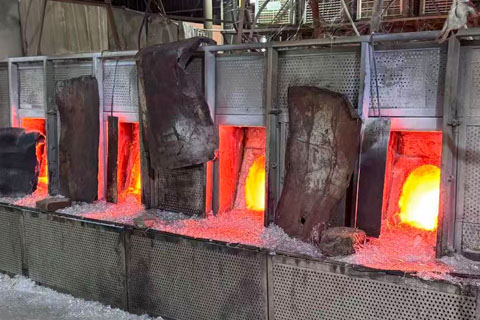
Electronic Stove

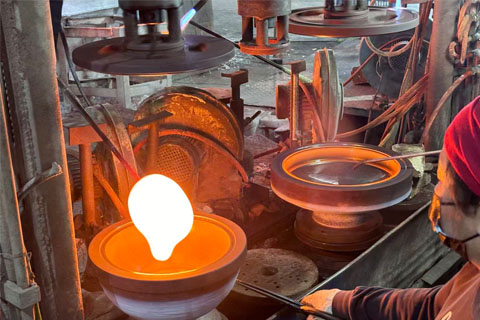
Mold Forming

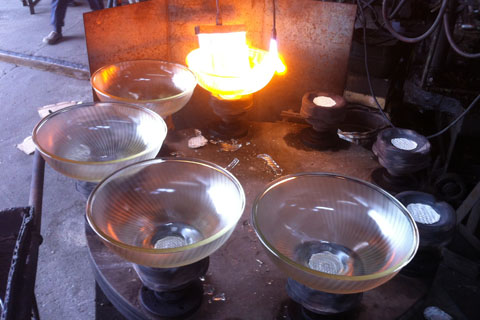
Fire Polishing

Glass lampshades in production at a manufacturing facility.
Glass lampshade production line showcasing raw glass components and assembly area.
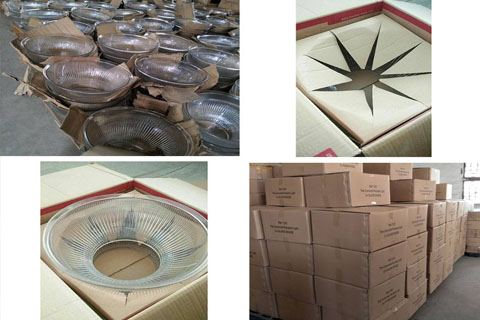
High-quality glass lampshades for lighting fixtures and decor. Custom manufacturing for residential.

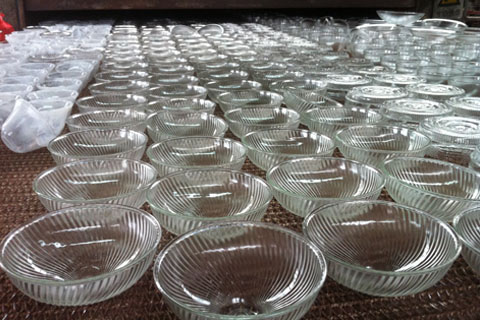
Anealling​

Acid Frosted

梱包

In-House Glass Lamp Shade Factory Overview

Glass Lamp Shade Manufacturing Process at Our Factory

From raw glass selection to precision finishing, we control every step to deliver consistent and high-quality glass lamp shades.

·Professional glass lamp shade manufacturer with full production capabilities
·In-house furnace, molding, annealing and finishing lines
·Suitable for OEM, ODM and project-based glass lamp shade solutions

Our fully integrated glass lamp shade manufacturing process allows us to deliver stable quality, flexible customization, and reliable lead times for global customers.

0 +

Square feet area

0 +

PCS / Day Output

0 +

Countries coverd

0 +

Successful clients

Testimonials

Customer feedback is our confidence and belief that we are getting better and better

私たちは数年間にわたりJingxin Glasswareと取引しており、非常に信頼できるガラスランプシェードメーカーであることが証明されています。 彼らは私たちのデザインアイデアを理解し、一貫した高品質な製品に仕上げてくれる能力が素晴らしいです。サンプル作成から量産まで、コミュニケーションは常に明確かつプロフェッショナルです。 最も重要なのは、異なる注文でも製品品質が安定していることです。.

スティーブン・フローレス 照明ブランドオーナー

Jingxinは複数のホテル照明プロジェクトで私たちをサポートし、客室やパブリックスペース向けにカスタマイズされたガラスランプシェードを供給してくれました。 製品は外観、光の拡散、耐久性の面で私たちの期待を満たしていました。梱包も安全で長距離輸送に適していました。 チームはレスポンスが早く、細部にまで気を配り、プロジェクトベースの注文にも経験豊富です。私たちはJingxinをホスピタリティプロジェクトの長期的なパートナーと考えています。.

マリッサ・ヤング ホテルプロジェクトサプライヤー

商社として、一貫性と透明性は非常に重要です。Jingxinは安定した品質、明確な生産スケジュール、誠実なコミュニケーションを一貫して提供してくれます。 カスタマイズ、MOQ、梱包にも柔軟に対応してくれるため、私たちはお客様により良いサービスを提供できます。 信頼できる納品とプロフェッショナルなサポートのおかげで、私たちは複数の市場でガラスランプシェード事業を拡大することに成功しました。.

ホイットニー・ロメロ 商社購買マネージャー

カスタマイズ対応力

協力までの6ステップ

設計図/オリジナルコンセプトのご提供

お客様の図面、サンプル、またはアイデアに基づき、経験豊富なデザインチームが専門的な評価と最適化を行います。 製品構造、ロゴ適用、表面処理、パッケージデザインなど、OEM・ODMサービスに対応しています。.
ステップ1

金型製作・サンプル確認

承認された設計に基づき、社内で金型を製作します。 量産前に、寸法・外観・機能の正確性を確保するため、サンプルを製作しご確認いただきます。.
ステップ2

カスタム包装ソリューション

内装パッケージ、カートン、カラーボックス、ラベル、印刷など、オーダーメイドの包装ソリューションを提供し、製品の保護、ブランドの演出、国際輸送基準への適合を実現します。.
ステップ3

大量生産

生産拠点とオフィスの実際の面積は48,430平方フィート(約4,500㎡)以上あり、当社チームはOEM、卸売、プロジェクトバイヤー向けにガラスランプシェードの製造を行っています。 厳格な工程管理により、安定した品質と納期を保証します。.
ステップ4

品質検査

生産全体にわたり、完全かつ科学的な品質管理システムを適用しています。 各ロットは厳しい検査を受け、国際品質および輸出要件を満たしています。.
ステップ5

国際配送

120カ国以上への輸出経験を活かし、安全かつ効率的な国際物流を手配します。 海上輸送、航空輸送、複合輸送に対応し、製品が時間通りに完璧な状態で到着することを保証します。.
ステップ6

Centrifugal Glass Lamp Shade Technical FAQs

Centrifugal glass forming is a technique where a measured gather of molten glass at approximately 1150C is placed in a rotating metal mold, which spins at 200-600 RPM to force the glass outward against the mold walls through centrifugal force. The technique produces precise dome, bowl, and half-sphere shapes with extremely uniform wall thickness, since the rotation distributes glass evenly. After spinning, the mold continues rotation for 8-15 seconds while the glass partially cools, then the shade is removed and transferred to an annealing lehr for stress relief. Centrifugal forming was originally developed in the 1920s for industrial light reflectors and is now widely used for lamp shades requiring symmetric circular geometry, smooth interior surfaces for optimal light reflection, and consistent optical performance across production runs. The technique produces 200-400 pieces per machine per hour, making it economically competitive with machine pressing for symmetric designs.
遠心ガラスシェードは、プレス成形や吹きガラスと比べて、壁厚の均一性、表面仕上げの品質、形状の制限という3つの重要な点で異なります。遠心成形では回転運動によってガラスが均等に分布されるため、壁厚の均一性が非常に高く、全体で±0.15mmのばらつきが一般的です(プレス成形では±0.3mm、手吹きでは±1mm)。内外両面の表面仕上げも非常に滑らかで、ガラスが制御された外向き圧力で型に接触するため、精密な光分布が求められる器具に最適な光学グレードの表面が得られます。主な制限は形状で、遠心成形は回転対称形状(ドーム、ボウル、半球、放物線反射器形状)のみを製造でき、非対称や有機的なデザインには対応できません。対称反射器用途では、遠心成形はプレスや吹きガラスよりも光学的に優れており、産業用高天井反射器、放物線ドームライト、建築用埋込ダウンライトの標準技術として採用されています。.
Centrifugal glass shades work with all common bulb types including LED, halogen, CFL, incandescent, and HID metal-halide, with bulb compatibility primarily determined by the shade material (soda-lime vs borosilicate) rather than the forming technique itself. Soda-lime centrifugal shades safely handle bulbs producing surface temperatures up to 180C, covering most LED and CFL bulbs in open or vented fixtures. For higher-output halogen, incandescent above 60W, or enclosed-rated fixtures where heat accumulates, we recommend specifying borosilicate centrifugal forming. The smooth interior surface produced by centrifugal forming offers excellent light reflectance characteristics, with measured reflectance of 88-92% for white-coated interiors and 65-75% for plain glass interiors. This makes centrifugal-formed reflector shades particularly valuable for fixtures where light distribution pattern and beam control are critical – including industrial high-bay lighting, retail display spotlights, and architectural accent fixtures.
Centrifugal glass lamp shades are typically produced in diameter ranges from 80mm to 600mm, with the practical sweet spot for lighting applications between 150mm and 400mm. Smaller shades below 80mm diameter become difficult to form due to insufficient centrifugal force at practical spinning speeds, while shades above 600mm require very large equipment and significant mold tooling cost that limits economic viability below high-volume orders. The technique is particularly cost-effective in the 200-350mm range, where most industrial high-bay reflectors, architectural recessed downlights, and pendant fixture domes are specified. Height/depth of centrifugal shades is constrained to roughly 40-60% of the diameter dimension, since deeper shapes require more complex multi-axis mold motion. For deeper dome shapes, two-piece centrifugal forming (two half-domes bonded together) or hybrid centrifugal-pressing techniques can extend the practical depth range without redesigning the production equipment.
Centrifugal forming and press molding compete in similar high-volume production ranges, with centrifugal offering quality advantages for symmetric shapes at slightly higher unit costs. Centrifugal production rate is typically 200-400 pieces per hour versus 800-1500 pieces per hour for single-cavity press molding, making centrifugal roughly 2-3x slower. However, centrifugal produces superior wall thickness uniformity (+/-0.15mm vs +/-0.3mm), better interior surface finish for reflector applications, and lighter overall weight since less glass is needed for equivalent structural integrity. Mold tooling for centrifugal forming costs $1,200-$4,500 per design versus $800-$3,500 for press molding, reflecting the more complex spinning mechanism. For high-volume symmetric reflector applications where optical performance matters, centrifugal forming is the standard choice despite the cost premium. For decorative shades where appearance dominates and uniform wall thickness is less critical, press molding remains more cost-effective.
Yes, centrifugal glass shades can be color-tinted through in-the-mass coloring during the glass melting stage or surface-coated after forming for specific decorative or functional effects. In-the-mass coloring produces permanent uniform tint throughout the glass thickness using metal-oxide pigments (cobalt for blue, iron for amber, chromium for green, manganese for purple) – this is the preferred method for lighting applications since color cannot fade or peel. Post-forming surface coatings include white opaque enamel applied to interior surfaces for high-reflectance reflector applications, exterior sprayed paints for decorative finishes, screen-printed logos and patterns, and specular metallic coatings for designer luxury effects. White interior coating is the most common centrifugal shade treatment, increasing measured light reflectance from 65-75% (plain glass) to 88-92% (white-coated), which significantly improves fixture lumen output. Coating thickness is typically 50-150 microns and is fired at 600C to bond permanently to the glass surface.
Yes, centrifugal glass shades are particularly well-suited for industrial and commercial applications because the technique excels at the symmetric reflector geometries common in these environments. Industrial high-bay fixtures (warehouses, manufacturing floors, gymnasiums) typically use 300-500mm diameter centrifugal-formed parabolic reflectors paired with high-output LED or metal-halide bulbs. Commercial retail lighting uses 150-250mm centrifugal dome shades in track-mounted spotlights and recessed downlights for precise light distribution onto merchandise displays. Office building lighting often uses centrifugal-formed lens covers for recessed troffer fixtures. For these applications, the wall thickness uniformity and interior surface quality produced by centrifugal forming provide measurable benefits in fixture lumen efficiency (typically 8-15% higher than press-formed alternatives) and beam angle control. Specifications for industrial use typically require borosilicate material with white interior coating, tempered for impact resistance, and CRI photometric data validating beam performance.
Centrifugal-formed reflector shades can be finished with five main coating options targeting different lighting and design requirements. White opaque ceramic enamel produces 88-92% reflectance and is the standard for industrial high-bay reflectors – applied as 80-150 micron coating and fired at 600C for permanent adhesion. Silver mirror coating uses vacuum-deposited aluminum or silver achieving 95-97% reflectance, used for premium architectural fixtures requiring maximum lumen efficiency. Diffuse white coating with controlled micro-texture produces 75-82% reflectance with softer light distribution preferred for retail and hospitality lighting. Specular polished interior with no coating preserves clear glass appearance at 65-75% reflectance for designer fixtures where the glass itself is a visual element. Custom colored interior coatings (blue, amber, gold) produce dramatic tinted light effects for accent and decorative applications. Each coating option has different application costs, durability characteristics, and operating temperature limits that we discuss during fixture specification.
Centrifugal glass lamp shades typically last 20-30 years in industrial service, often outlasting the luminaire housings and electrical components they pair with. Service life depends primarily on the working environment – dry indoor industrial spaces (warehouses, mechanical rooms, parking garages) see typical lifespans of 25-30+ years with minimal degradation. Wet or chemically active environments (food processing, swimming pools, manufacturing with airborne chemicals) shorten lifespan to 15-20 years due to coating degradation or surface etching. Common failure modes include coating delamination (5-8% of shades after 10+ years in humid environments), surface fogging from cleaning chemical residue, and impact damage from forklift or maintenance contact. We recommend annual inspection checking for coating uniformity, edge chips, and any visible surface cloudiness. Replacement glass shades are available for most standard luminaire models for at least 10 years after original purchase, supporting long-term maintenance economics for industrial buyers.
Yes, centrifugal glass shades can be designed to produce specific photometric distributions defined by IES (Illuminating Engineering Society) files or similar lighting design specifications. The process begins with the lighting designer providing the target beam angle, candela distribution, and any required cut-off characteristics, typically as an IES file from lighting design software (DIALux, AGi32, Relux). Our engineering team translates these requirements into glass geometry parameters – parabolic curve equations, reflector depth, focal point location, and interior coating specifications – that produce the required light distribution. Prototype samples are validated using integrating-sphere measurement at our optics lab, comparing actual photometric performance against the target IES file with typical accuracy within +/-5% of specified candela values. Custom photometric development takes 25-40 days including prototype iterations. Validated photometric files are then registered with major lighting design software libraries to support architects specifying our shades in luminaire designs.

見積もり依頼 一緒に働く準備はできていますか?私たちとプロジェクトを作りましょう!

見積もり依頼
トップへスクロール
見積もり依頼