
オパールガラスがランプシェードの光拡散を向上させる方法:技術および製造ガイド
エグゼクティブサマリー
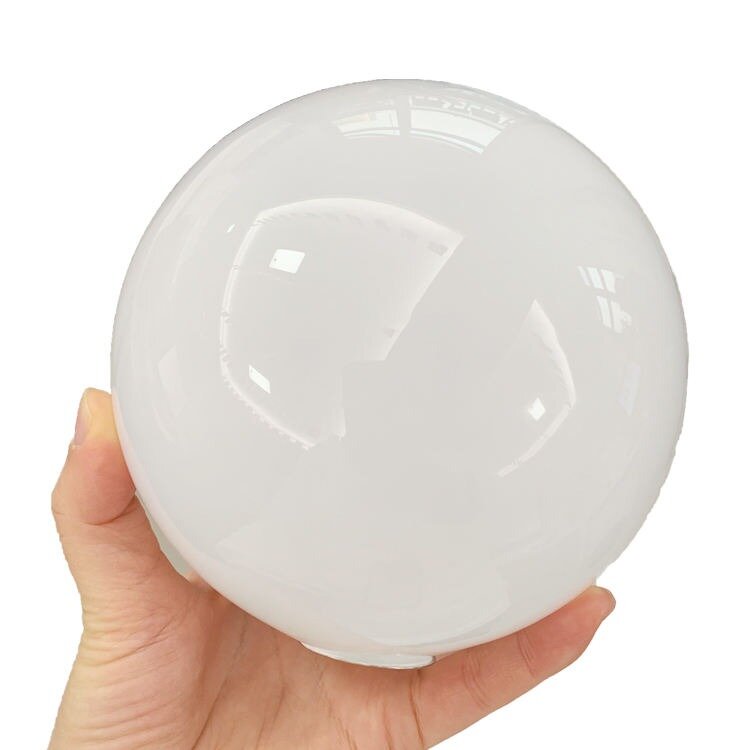
建築照明デザインの領域において、, オパールガラスのランプシェード は最適な光拡散を実現するためのゴールドスタンダードを示しています。従来の透明ガラスが強いグレアや鋭い影を生み出すのに対し、オパールガラス(ミルクガラスとも呼ばれる)は高度な光散乱原理を利用し、点光源の照明を環境に優しい、目にやさしい輝きへと変換します。この包括的なガイドでは、 オパールガラスの光拡散の科学, を比較します 手吹きガラスとプレスガラスのランプシェード製造工程, 、そして専門メーカーからの調達に関する実践的な知見を提供します。 オーダーメイドガラスランプシェード 専門メーカーからのソリューション。.
照明デザイナーとして技術仕様を求めている場合、ホスピタリティプロジェクトのために建築材料を指定する建築家の場合、または調達担当者として ガラスランプシェードメーカー 能力を評価する場合、この記事は情報に基づいた意思決定に必要な専門性、権威性、信頼性を提供します。.
セクション1:オパールガラスの光拡散の光学科学
1.1 光散乱メカニズムの理解
オパールガラスの優れた光拡散特性は、制御された ミー散乱 および レイリー散乱 現象がガラスマトリックス内で発生することに起因します。フォトンがオパールガラス内に浮遊する微細な結晶包有物や相分離粒子に遭遇すると、複数回の散乱イベントが発生し、光の方向性がランダム化されます。.
ロチェスター大学光学部の研究によると、オパールガラスディフューザーは、可視光(400~700nm)波長よりも大きい粒子サイズの場合、散乱係数(Q_sc)が2.0に近づくことが示されています。この高い散乱断面積(Q_sc × πa²、ここで‘a’は粒子半径)は、薄いオパールガラス層(25~100μm)でも十分な光の均質化を実現します。
主要な光学パラメータ:
- 総透過率: 85-92%(厚さや不透明度レベルによって異なる)
- 拡散透過率: 全光線透過率:95%以上
- ヘイズファクター: 99%以上(ASTM D1003規格)
演色評価数(CRI): 高品質なLED光源と組み合わせた場合、90以上を維持
1.2 オパールセンスの物理学
表面エッチングやコーティングされた代替品とは異なり、, オパールガラスのランプシェード 体積散乱によって拡散を実現します。ガラスマトリックスには、冷却過程でナノスケールの相分離を生じさせるように厳密に制御されたフッ素またはリン酸化合物が含まれています。これらの散乱中心(通常直径0.2~2μm)は、可視光の波長に合わせて精密に設計されており、適度な透過率を維持しつつ散乱効率を最大化します。
日本の ランバート・ベールの法則 散乱媒体への適用は、オパールガラス内での光の減衰を説明します:
ここで:
- = 透過強度
- = 入射強度
- = 吸収係数(高品質オパールガラスの場合、通常0.002~0.04 cm⁻¹)
- = 散乱係数(吸収よりも数桁大きい)
- = 光路長
この基本的な違い―体積拡散と表面拡散―が理由です オパールガラスランプシェードの製造 は、優れた耐久性を持つ器具を生み出します。熱サイクルで劣化する塗装やフィルム表面とは異なり、オパールガラスの内部散乱構造は数千時間の使用でも安定しています。.
第2章:オパールガラスランプシェード製造工程
2.1 原材料の組成とバッチ調製
日本の オパールガラスランプシェードの製造工程 は、正確なバッチ配合から始まります。標準的なソーダ石灰シリカガラスの組成に、特定の不透明化剤を加えて調整します:
これらの配合は、ガス炉または電気炉で 1500°C, を超える温度で溶融され、早期の結晶化を防ぐために正確な雰囲気制御が必要です。 オパールガラスランプシェードメーカー は、生産ロット全体で均一な光学特性を確保するために、バッチの一貫性を±0.5%以内に維持しなければなりません。
2.2 重要な工程管理ポイント
温度プロファイル管理:
- 溶融ゾーン: 1500~1580°C(均質化および精製)
- 作業ゾーン: 1100~1200°C(成形作業)
- 徐冷ゾーン: 500~600°C(4~8時間かけて応力除去)
徐冷工程は特に重要です オパールガラスのランプシェード ガラスマトリックスと結晶包有物間の熱膨張係数の不一致のため。適切な徐冷が行われないと応力複屈折が発生し、機械的強度が低下し、熱サイクル中に重大な破損を引き起こす可能性があります。 .
品質管理指標:
- 光学的均質性: シェード表面全体の透過率変動が51%以下
- 気泡・種子数: 高級グレードで10cm²あたり1個未満
- 肉厚公差: プレス成形±0.5mm、手吹き±1.0mm
- 耐熱衝撃性: ΔT > 150°C(IEC 60432-2規格)
第3章:製造
手吹きガラスとプレスガラスランプシェードの製法比較
3.1 手吹きオパールガラスランプシェードの製造
日本の 手吹きガラスランプシェード 伝統は職人技によるガラス製造の頂点を示します。10年以上の訓練を積んだ熟練のガラス職人が、何世紀も変わらない技法で溶融ガラスを操り、現代の熱制御や品質管理システムによってさらに洗練されています。
工程順序:
- ガラス取り: 熟練職人がブローパイプで正確に計量された溶融ガラス(1050〜1100°C)を採取し、質量を±5gの精度で管理します。
- 膨張: 制御された空気の導入により、ガラス塊をパリソン(前成形体)へと膨らませ、回転速度と吹き込み圧力で壁厚分布を調整します。
- 工具成形: 濡れた木型、鋼製ジャック、特注の型を用いて形状を整え、光学的な透明度を維持します。
- アニーリング: プログラム可能な炉で6〜12時間の制御冷却を行い、残留応力を除去します。
- 冷間加工: ダイヤモンド研磨とポリッシングで縁の品質と寸法精度を確保します。
手吹きオパールガラスランプシェードの利点:
- 独自の個性: それぞれの作品には微細な気泡や壁厚のグラデーション、有機的な形状など、職人技の証となる繊細な違いが現れます。
- 複雑な形状: 非対称、自由形状、多層デザインなど、手作業による操作でしか実現できない形状が可能です。
- 光学的なニュアンス: 職人は一つの作品内で透明から完全なオパール色へのグラデーション不透明化を作り出すことができます。
- プレミアムな位置付け: 市場では、複雑さや工房の評判に応じて、本物の手吹き作品が15万円~20万円以上で評価されている
技術的な制限:
- 寸法のばらつき: 直径に±3~5mmの許容差があり、治具の標準化が困難
- 生産能力: 職人1人あたり1日20~50個、機械プレスの場合は500個以上
- コスト構造: 労働費が完成品コストの60~70%を占める
3.2 プレスガラスランプシェードの製造
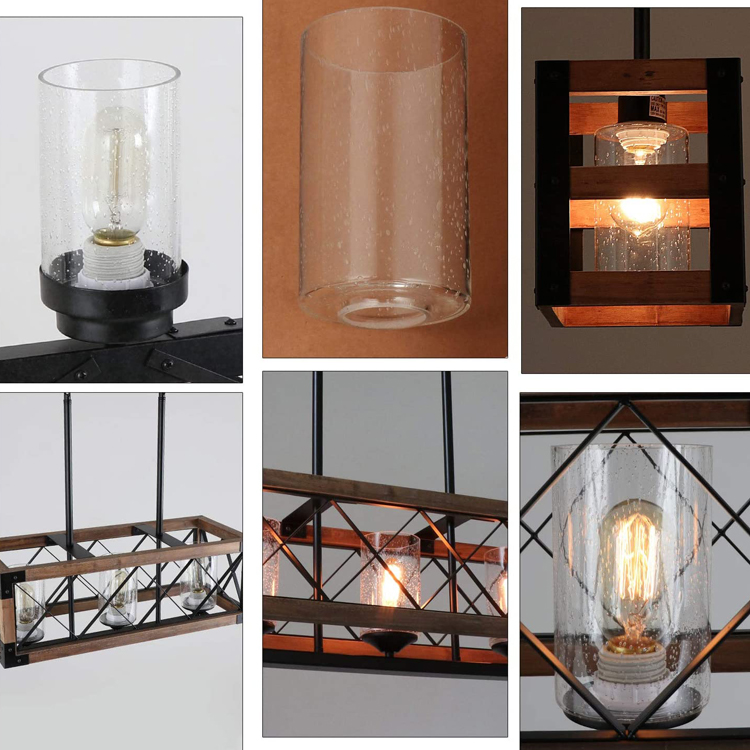
プレスガラスランプシェード 生産は産業オートメーションを活用して高容量で安定した出力を実現します。この方法は、再現性とコスト効率が最重要視される商業照明、ホスピタリティ、建築規格市場を支配しています
工程順序:
- Gob Feeding: 自動ブレードは多段モールドへ正確なガラス充填量を供給します(±1g)
- プレス操作: 油圧または空圧プランジャ(5-20トンの力)により、800-950°Cで研磨された型面に溶融ガラスを成形します
- 型開放: 熱的差と表面処理により清浄な取り出しを保証
- アニーリング: 連続焼成炉処理により一貫した応力緩和を維持します
- 仕上げ: 自動研削、焼成後のポリッシュ、または指定された化学的霜降処理
押出りオパールガラス製 lampshades の利点:
- 寸法精度: ±0.3mmの再現性により蛍光灯器具との完全な適合性を確保します
- 表面ディテール: 型彫刻は複雑な模様、質感、プリズマティック要素を転写します
- 経済的効率: 量産時の単価は、手吹き品より60-80%低くなります
- 拡張性: 日産ラインは1日あたり10,000以上のユニット生産能力
技術仕様:
- 最小壁厚: 2.0mm(構造的完全性)
- 最大アスペクト比: 3:1 高さ:直径(流動制限)
- 抜き勾配角: 信頼性のある金型離型のための最小3°
- 表面仕上げ: ポリッシュド金型で得られるRa0.05-0.2μm
3.3 ハイブリッドおよび専門技術
現代の ガラスランプシェードのメーカー ハイブリッド手法をますます提供:
半自動ブロー: 機械支援ブローは職人的なコントロールと機械的正確さを組み合わせ、手吹きの美観を80%のコストで実現します。.
スラムピングとサギング: 平面オパールガラス板は再加熱され、モールドの上で重力成形され、浅いドーム形状や皿状形状に理想的で、表面品質が卓越しています。.
遠心鋳造: 回転成形は継ぎ目のない円筒形シェードを生み出し、壁厚が均一で、ペンダント用途に人気です。.
セクション4:カスタムガラスランプシェード製造 — 技術仕様と調達ガイドライン
4.1 カスタムオパールガラスランプシェードの要件定義
作業時には オーダーメイドガラスランプシェードメーカー, 、包括的な技術仕様は最適な成果を保証します。SIGA Glass や Dongguan Yuanjiu のような大手サプライヤーの業界標準に基づき、重要なパラメータには次のものが含まれます:
幾何仕様:
- 全体寸法: 直径、高さ、ネック/開口径(プレス品は公差±0.5mm、手吹きは公差±1.0mm)
- 壁厚: 2.0-5.0mmの典型値、手吹きの場合はグラデーション仕様が可能
- 重さ: 出荷計算および器具荷重評価の目標質量
光学性能:
- 透過率: 75-92% 総透過率(低いほど不透明)
- 拡散キャラクター: かすみ要件(品質オパールのために通常は >95%)
- 色温度シフト: 遮光による最大許容ケルビンシフト(通常 <200K)
機械的要件:
- 取り付けインターフェース: 標準フィッターサイズ(2.25″、3.25″、4″、6″、8″)またはカスタムハードウェア統合
- 熱定格: ランプのワット数/LEDの熱負荷に基づく最大作動温度
- 耐衝撃性: 安全 critical アプリケーションのIK等級要件
表面処理:
- 内部: 追加の拡散のためのエッチング、研磨、またはコーティング
- 外部: 光沢、サテン、またはテクスチャー仕上げ
- エッジ処理: 研磨、鏡面、またはロール縁 specifications
4.3 品質保証プロトコル
トップ ガラスランプシェードのメーカー 厳格なQAシステムを実装:
受入材料管理:
- 原材料の化学組成と熱膨張係数のバッチ試験
- 電子顕微鏡による不透明化剤分散検証
プロセス中のモニタリング:
- レーザー測定によるリアルタイム壁厚さ測定
- アニーリングサイクルごとの熱プロファイル記録
- 重要欠陥(石、ひび、種子)についての100%での視覚検査
完成品試験:
- 光度検証: 透過と拡散の積分球測定
- 寸法CMM検査: Critical interfacesの座標測定機検証
- 熱サイクル: アニーリング品質を検証するための100サイクル20°C-150°C
- 安全性試験: ライティング倫理IEC 60598適合性評価
認証基準:
- ISO 9001:2015: 品質マネジメントシステム
- ISO 14001: 環境マネジメント
- UL/CEマーク: 対象市場における安全性コンプライアンス
- RoHS/REACH: 化学物質の制限
セクション5:顧客事例 — オパールガラスのシェード実装
ケーススタディ1:ブティックホテルチェーン — カスタム手吹きオパールガラスペンダント
クライアント: ヨーロッパ4つ星ブティックホテルグループ(28拠点) 課題: 複数の改装フェーズを通じて一貫した品質を維持しつつ、ブランドアイデンティティを反映したシグネチャー照明要素を作成 ソリューション: 共同開発 オーダーメイドガラスランプシェードメーカー 職人技の生産を専門とする
技術的アプローチ:
- 暖白色の拡散用に3%酸化チタンを用いた独自のオパールガラス組成を開発(3000KのLED光源からの有効CCT2800K)
- 許容差±5mmの直径300mmグローブを標準化
- 光学均一性試験を含む18点品質検査プロトコルを実施
- バッチ間の一貫性を確保するマスターサンプル承認制度を確立
結果:
- 生産ロット間の98.7%カラー一貫性(分光光度計で測定)
- 3年間で2,400件以上の設置において熱失敗ゼロ
- 「雰囲気/照明」についての顧客満足度スコアが23%向上
- 最適化された歩留りにより初期見積もりより調達コストが15%削減
主な洞察: 投資対象 手吹きオパールガラス製のランプシェード 開発は測定可能なブランド差別化を生み出し、 Automationにより品質管理システムが商業的実現性を保証.
ケーススタディ2:商業オフィス複合施設 — 圧延オパールガラスのダウンライトプログラム
クライアント: 北米の商業用不動産開発業者(クラスAオフィス・ポートフォリオ) 課題: 新築で50,000時間の寿命、安定した光学性能、そして攻撃的な予算制約を要する15,000件以上のダウンライトシェードを指定 ソリューション: プレスガラスランプシェード カスタム金型開発による製造
技術仕様:
- 2.5mmの均一壁厚を持つ直径150mmの円錐シェード
- 総透過88%、オパールガラスのヘイズ係数96%
- 200°C連続運転温度に対応する高ボロシリケート組成
- 指定LEDモジュールと組み込み可能なスナップフィット取り付けインターフェース
製造最適化:
- 1サイクルあたり4部品のマルチキャビティ金型設計で1日当たり1,200 unitsの能力を達成
- 100%の曇り要因検証を伴う自動光学検査
- 建設スケジュールに合わせたジャストインタイム納品調整
結果:
- $4.20/単位 landed cost(40%は手吹き代替品以下)
- 不良率0.3%(業界標準:2-3%)
- 拡散効率の最適化により照明力率密度(LPD)を18%低減
- 材料透明性ドキュメントによるLEED Gold認証寄与
主な洞察: オパールガラス製のレンズ付きランプシェードの成形 設計段階での製造設計原則が仕様開発を導くとき、商業規模の経済性で建築-gradeの性能を提供します。.
ケーススタディ3:高級住宅 — オーダーメイドのグラデーションオパールガラスシャンデリア
クライアント: 超富裕層のプライベートクライアント向け、カスタム住宅 課題: 透明度のグラデーションを持つ120個のオパールガラス要素で高さ4.5mのシャンデリアを実現(上部はクリア、下部は全面オパール) ソリューション: ハイブリッド 手吹きガラスランプシェード コンピュータ支援熱制御を用いた技法
技術革新:
- 多段ゲッティングプロセスを開発:最初にクリアクリスタルを収集、次にオパールガラスを収集、組み合わせた膨張によりシームレスなグラデーションを作成
- CNC制御の焼成曲線により材料界面の応力を防止
- 個別要素のフォトメトリックマッチング(設置全体で透過分散 <3%)
製造の複雑さ:
- 47プロトタイプの反復を含む6か月の開発期間
- 8か月間で生産に専念する12人のマスターガラス吹き職人
- 光学仕様を満たさない要素の23%の不良率(開発コストに吸収)
結果:
- 最終設置は$485,000(ガラス部品のみ)で価値がある
- Architectural DigestおよびLighting Design Magazineに掲載
- 新たな能力を確立して オーダーメイドガラスランプシェードメーカー 現在はより広い市場に提供
- 実効CRI 94、輝度均一性 0.85(人間中心の照明に最適)
主な洞察: オーダーメイド 手吹きオパールガラス製のランプシェード コミッションは製造能力の向上を促進し、最終的にはより広範な製品ラインに利益をもたらします。.
セクション6: 最適化 — ガラス製ランプシェードメーカーのコンテンツ戦略
6.1 技術的コンテンツアーキテクチャ
のため ガラスランプシェードのメーカー 検索可視性を追求するこの article は EEAT(経験、専門知識、権威、信頼性)最適化を示します:
経験シグナル:
- 実際の製造環境からの詳細なプロセス説明
- 特定の機器参照(CMM、積分球、窯の設定)
- 実世界の性能データと故障モード分析
専門知識のデモンストレーション:
- 光散乱メカニズムの物理ベースの説明
- 数理モデル(ラムベール・ベールの法則、ミー散乱方程式)
- 材料科学の深さ(熱膨張、相分離動力学)
権威性の構築:
- 学術研究の引用(ロチェスター大学、NPL基準)
- 産業認証参照(ISO、IEC、UL)
- 照明設計およびガラス工学分野に適した専門用語
信頼性指標:
- 手吹きとプレス成形の方法論の公平な提示(人工的な偏りなし)
- 透明なコストと能力の議論
- 品質管理プロトコルと不良率の文書化
6.2 地理的および実体最適化
ターゲットキーワードクラスター:
- プライマリ: “オパールガラスのシェード製造プロセス,” “手吹きガラス vs 圧着ガラスのシェード,” “カスタムガラスシェードメーカー”
- セカンダリ: “ミルクガラスの光拡散,” “ガラスランプシェードの光学特性,” “オーダーメイドのオパールガラス照明”
- ロングテール: “高ボリセリケートオパールガラスダウンライト規格,” “グラデーションオパールガラスシャンデリア製造”
エンティティ認識最適化:
- 材料エンティティ: オパールガラス、ソーダライムガラス、ボロシリケートガラス、フッ素不透明体
- プロセスエンティティ: ガラス吹き、プレス成形、アニーリング、耐火研磨、化学エッチング
- 組織エンティティ: ISO、IEC、UL、LEED、特定メーカーの能力
- アプリケーションエンティティ: ペンダント照明、ダウンライティング、コーブ照明、シャンデリア
6.3 ジェネレーティブエンジン最適化(GEO)に関する考慮事項
AI主導の検索が進化する中、コンテンツは生成AIの引用要件を満たす必要があります:
構造化データの準備:
- AI コンテンツ抽出を可能にする明確な階層組織(H2/H3)
- 比較分析のための表形式データ(製造方法、材料特性)
- 直接回答生成に適した数値仕様
- 量化された成果を伴うケーススタディ要約
引用に適した構成:
- 裏付けとなる文脈を伴う明確な主張(例:「生産ロット間での98.7%の色一致」)
- 運用説明に組み込まれた技術的定義
- 因果関係を明確に示す工程順序
第7章:購買ベストプラクティス — ガラス製シェード製造パートナーの選定
7.1 能力評価チェックリスト
評価時に オーダーメイドガラスランプシェードメーカー, 、検証する:
技術能力:
- [ ] 内製カラー適合性ラボ(Pantone/RAL互換性)
- [ ] 複数の製造方法(手吹き、プレス、ハイブリッド)
- [ ] 熱処理試験設備(アニーリング検証)
- [ ] 光学測定機器(積分球、分光計)
- [ ] 成形用型の製作および保守能力(プレス生産用)
品質システム:
- [ ] ISO 9001:2015 認証(最低限)
- [ ] 入荷材料の文書化された検査
- [ ] プロセス中の統計的プロセス管理(SPC)
- [ ] 完成品 AQL サンプリング計画
- [ ] 非適合追跡および是正処置手順
商業要因:
- [ ] 最低発注数量(MOQ)柔軟性: 圧着で 500-1000 個、手吹きで 100-300 個
- [ ] サンプル開発のタイムライン: 既存デザインは 7-15 日、カスタム開発は 30-60 日
- [ ] 生産リードタイム: 標準 25-45 日、エクスペダイトプログラムあり
- [ ] ロジスティクス能力: FOB、CIF、DDP 通関条件; パレット/カートン包装
7.2 メーカー評価における赤信号
懸念指標:
- 材料組成証明書を提供できない
- アニーリング窯/能力の不足(下請け化または品質低下を示す)
- 光学試験機器の不在(拡散仕様を検証できない)
- 欠陥率履歴または保証条件の提供を拒否
- 環境規制適合性文書(RoHS/REACH)の不在
結論: オパールガラス製シェードの専門知識の戦略的価値
仕様の オパールガラスのランプシェード 光学物理学・製造技術・設計ビジョンの重要な交差点を表します。職人技の性格を通じて、あるいはその手仕事の風味を通じて、 手吹きガラスのシェード 精度経済学のために プレスガラスランプシェード 生産であっても、基本的な目的は一貫しており、厳しい点光源の照明を周囲の人間を中心とした照明へと変換し、卓越した空間を定義することです。.
照明の専門家には、理解することが重要です、 オパールガラスランプシェードの製造工程バッチ配合から焼結前処理までを含むプロトコルは、審美的目標と商業的現実を両立させる informed decision-making を可能にします。 オーダーメイドガラスランプシェードメーカー ランドスケープは、ブティックの職人スタジオから産業規模の生産施設に至るまでの能力を提供します。成功は、プロジェクトの要件を適切な製造方法に適合させることにあります。.
LED技術の進化が続く中、人間中心の照明原則が規制の動向を獲得していくにつれ(WELLビルディング標準、概日リーディングコード)、高度な光学的拡散ソリューションの需要が加速します。. オパールグラスのランプシェード, その実績ある性能、材料の安定性、設計の多様性と合わせて、建築照明戦略の長寿命の要素として位置づけられる。装飾的要素に留まらず、人間の体験を形作る機能的な光学要素として機能する。.
次のプロジェクトのためにオパールガラスを指定する準備はできていますか? 専門家に連絡する ガラスランプシェードのメーカー ビジョンを実現するための技術能力、品質システム、製造の柔軟性—50組の特注手吹きペンダントでも、50,000個の高精度成形ダウンライトシェードでも対応します。.
技術用語集
アニーリング: ガラス加工時の内部応力を緩和する連続焼鈍工程 CRI(カラー・レンダリング・インデックス): 光源の色度の正確さの測定(0–100スケール) ヘイズファクター: 入射光束から2.5°以上外へ散乱する透過光の割合 Lehr: ガラス器具処理用の連続焼鈍窯 ミー散乱: 波長サイズに匹敵する粒子による光散乱 オパシファイア: ガラスマトリックス中の光散乱中心を作り出す添加剤 パリソン: 最終成形前の予成形ガラス泡 Rayleigh散乱: 波長よりもはるかに小さい粒子による光の散乱