
グローブガラスランプシェードの表面処理とコーティング:包括的な技術および製造ガイド
エグゼクティブサマリー
処理ガラス照明部品の世界市場は、建築照明のトレンド、ホスピタリティ業界の回復、環境条件に応じて反応するスマートコーティング技術の導入により、急速な成長を遂げています。
.
第1章:ガラスランプシェード製造における表面処理の戦略的重要性
1.1 ガラスランプ表面処理の機能的目的
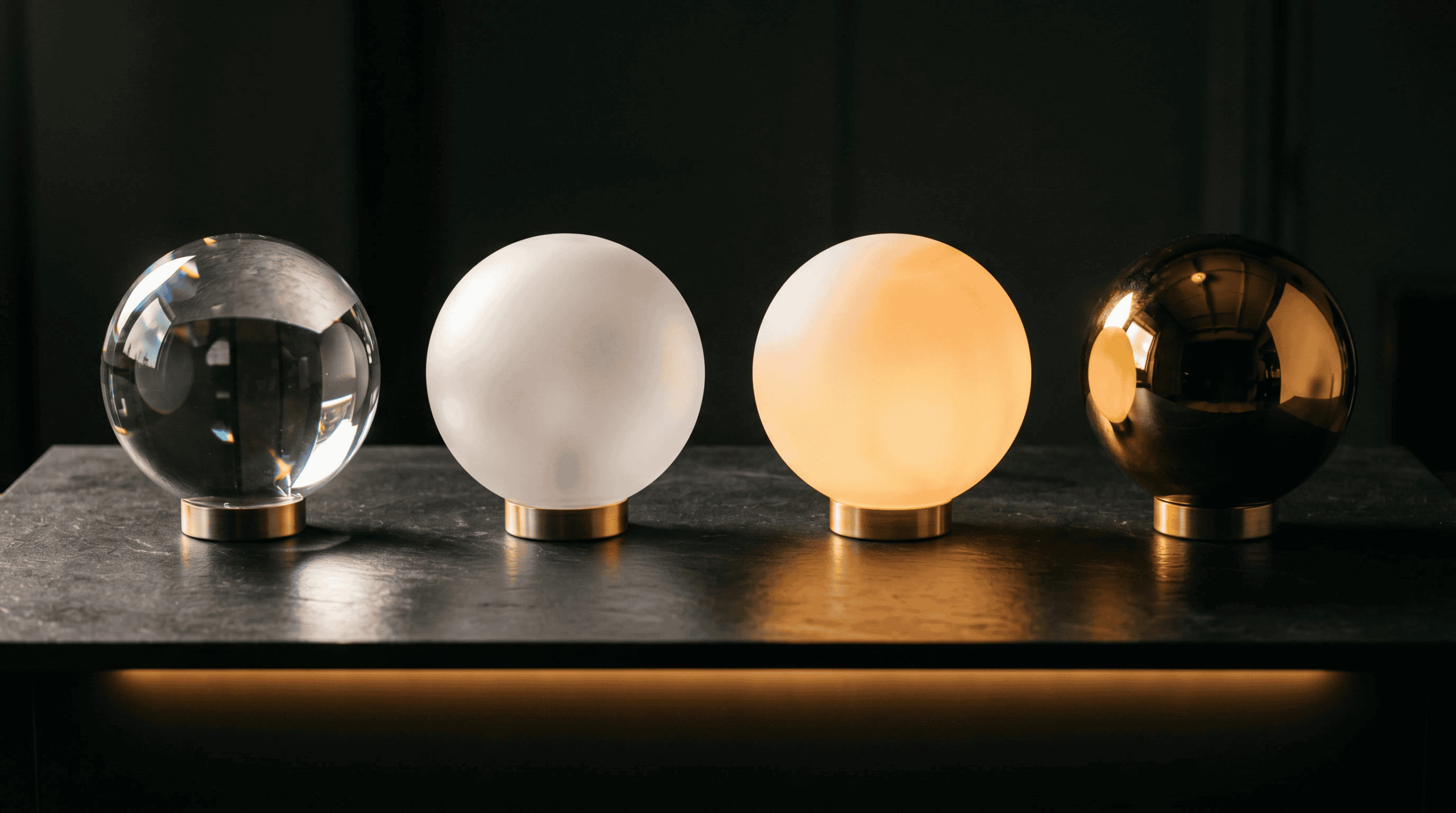
- 拡散性向上: 鏡面透過を拡散透過(ヘイズファクター85-99%)に変換
- グレア低減: 総光束を維持しながら輝度ピークを低減
- 色温度の調整: 選択的吸収または干渉コーティングによる有効CCTのシフト
- 指向性制御: グラデーション不透明度やパターン化された透過ゾーンの作成
- 耐傷性: ハードコーティング(SiO₂、Al₂O₃)により表面硬度をモース硬度5-6から7-8に向上
- 耐衝撃性: 焼き戻しおよび化学強化処理
- 熱衝撃保護: 高温LED環境向け応力緩和コーティング
- 防食: 大気中の硫黄化合物による劣化を防ぐフッ素樹脂コーティング
- 防汚性: 指紋やほこりをはじく撥水・撥油性ナノコーティング
- UV安定性: 下層の装飾層の光劣化を防ぐ遮断コーティング
- 質感の創出: エングレービングまたはエンボス加工によるマット、サテン、またはパターン付き表面
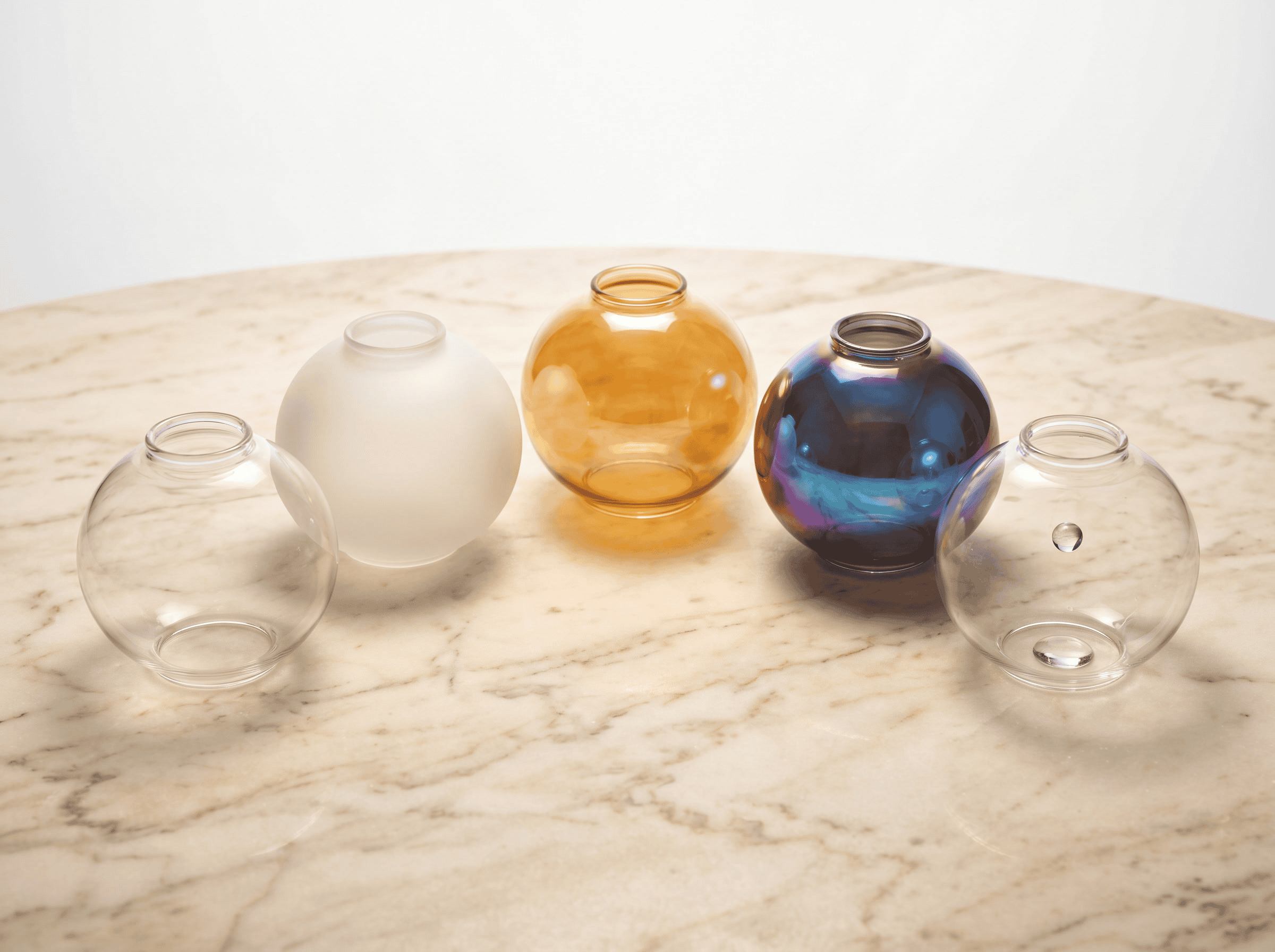
- カラー適用: 陶器インク、天然染料、または金属フィルム
- 輝度向上: 火炎研磨およびRa<0.01μmを達成する光学グレード研磨
1.2 市場背景:処理ガラス製ランプシェードの価値提案
| 表面処理レベル | 付加価値 | ターゲットセグメント | 価格プレミアム |
|---|---|---|---|
| 基本(清掃/火炎研磨) | 5-10% | 量産住宅用、機能性 | 基準値 |
| 標準(エッチング/サンドブラスト) | 25-40% | 商業、ホスピタリティ | +30% |
| プレミアム(セラミックプリント/PVD) | 60-120% | 高級住宅、ブティック | +80% |
| 高度な(スマート/ナノコーティング) | 150-300% | 建築の、美術館の、医療の | +200% |
日本の オーダーメイドガラスランプシェードメーカー 高度な表面処理を提供できる能力は、コモディティ競合他社との差別化を図りつつ、かなり高いマージンを確保します。
.
セクション2:ガラス製ランプシェードのコア表面処理技術
機械表面処理
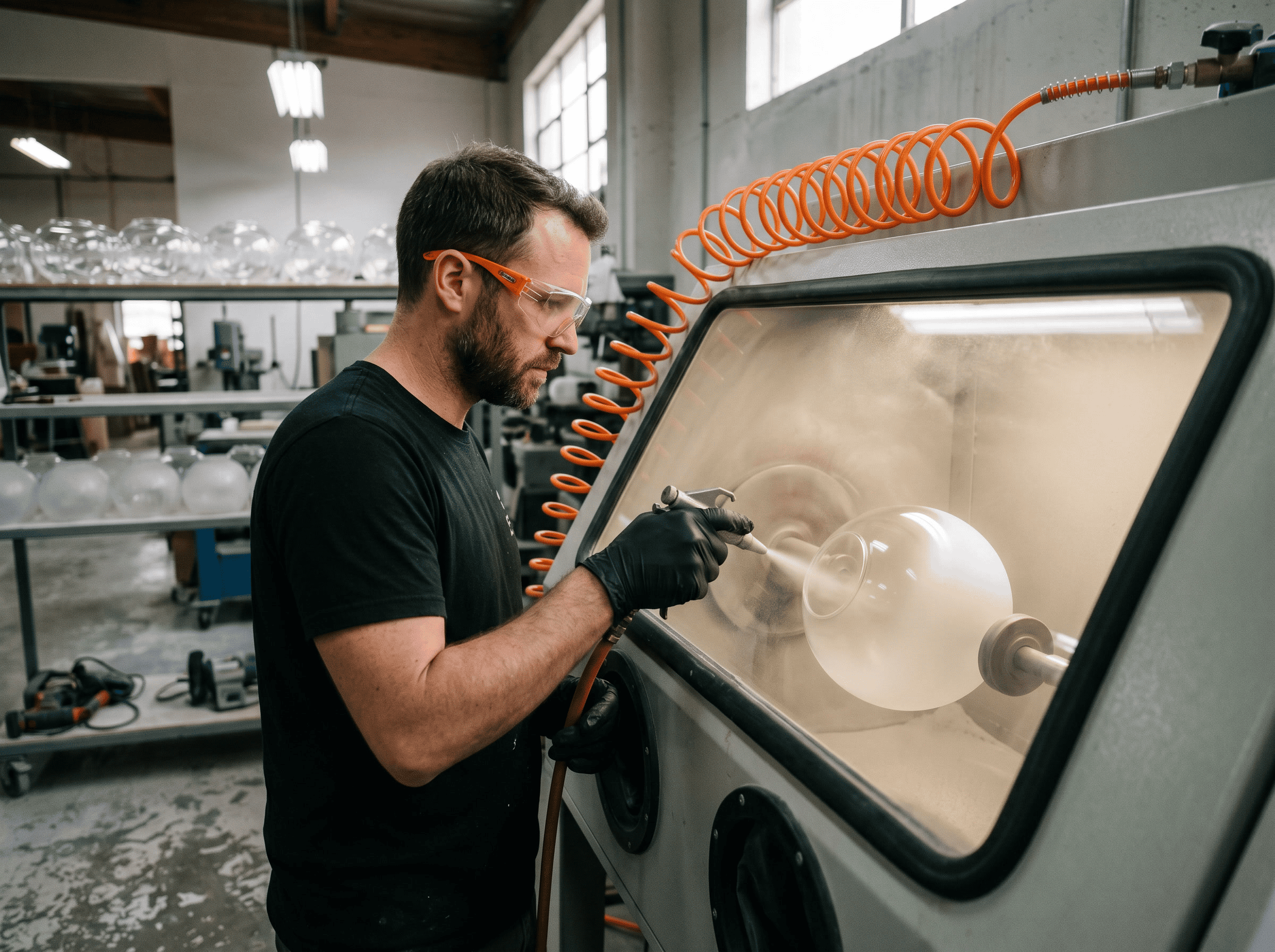
サンドブラスト(研磨吹き付け)
- メディアサイズ: 60メッシュ(粗い、250μm)から220メッシュ(細い、65μm)
- 空気圧: ガラスの厚さと希望する効果に応じて4-8 bar
- スタンドオフ距離: 150〜400mm
- 被覆速度: 0.5-2.0 m²/分
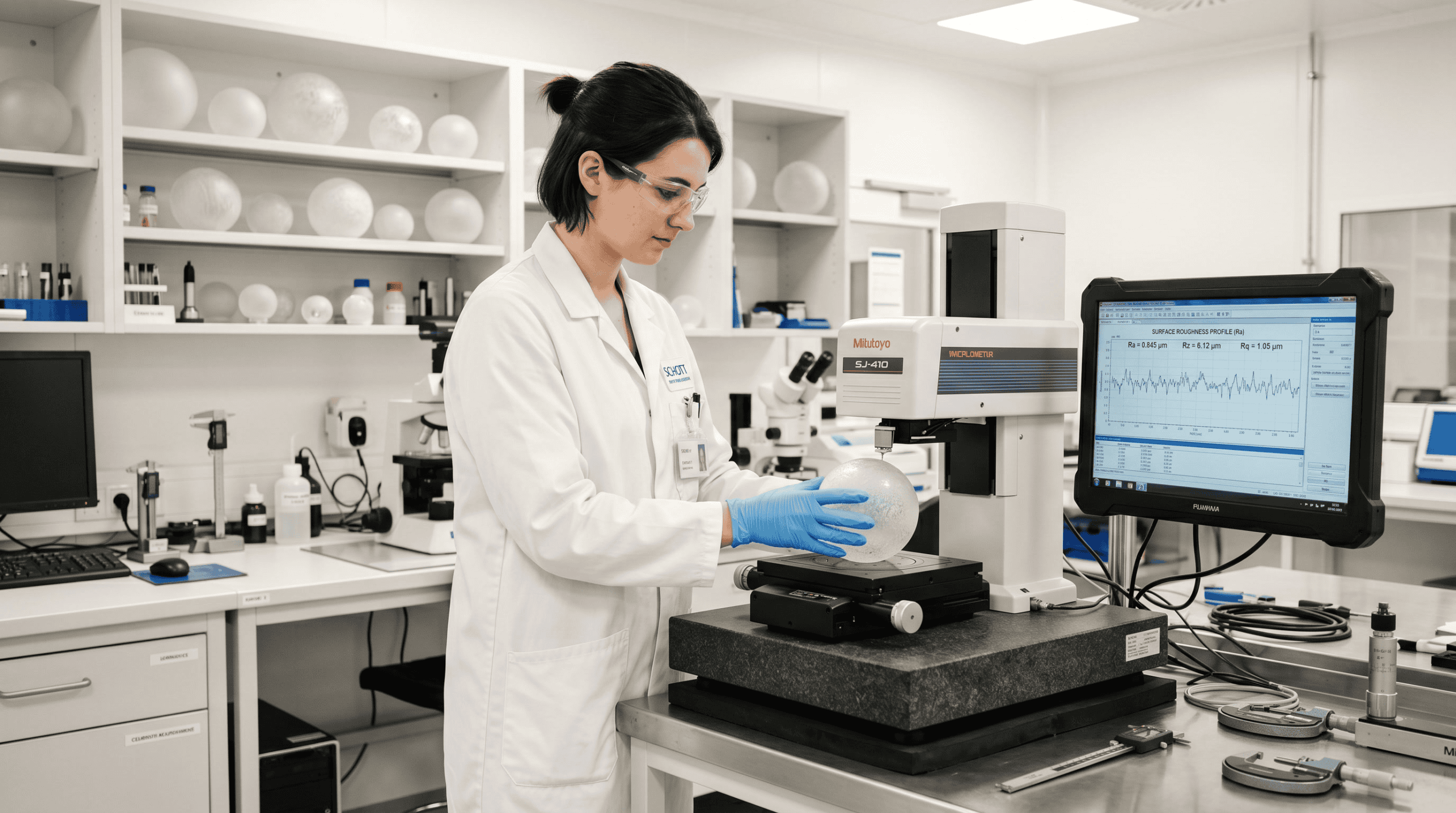
- 表面粗さ(Ra): 達成可能な2-15μm
- 全体的なマット仕上げ: 均一な拡散、ヘイズ要因90-98%
- 選択的パターニング: マスキング技術により光沢/マットのコントラストを持つデザインを作成
- グラデーション効果: 可変圧力または距離によって不透明度が徐々に薄れる
- 外観検査: 均一性と欠陥検出のための100%
- プロフィロメトリ: 一貫性のためのRa測定
- ヘイズ測定: 拡散性能の検証のための積分球
研削と研磨
- 粗仕上げ研削: ダイヤモンドの砥石(80-180目 pes) すみません誤生成?
- 細目仕上げ研削: 320-600番のダイヤモンドまたはサイアムカーバイド
- 研磨: フェルト/ピッチラップ上のセリウム酸化物または鉄酸化物化合物
- 発火研磨(任意): 光学級仕上げのための表面再加熱800-900°C
- 研削仕上げ: Ra 0.5〜2.0μm
- ポリッシュ仕上げ: Ra 0.01〜0.05μm
- 発火研磨: Ra <0.01μm, 光学的透明性
2.2 化学的表面処理
酸性エッチング(マットエッチング)
- HF濃度: 10-40%(市販の70%を希釈)
- 浴温度: 20〜40℃
- 浸漬時間: 30秒〜30分
- エッチ深さ: 期間と濃度に応じて2-50μm
- より滑らかな表面: 酸エッチングは丸みを帯びた微細形状を生み、サンドブラストは鋭いピークを作ります
- 指紋防止: より滑らかな表面は指紋の保持を抑制
- 応力集中なし: 化学プロセスは機械衝撃による subsurface cracking を回避
- パターンの精度: フォトレジストマスキングにより複雑な設計が可能
- HF は極めて毒性が高く腐食性があるため、専門的な換気と中和システムを必要とする
- 廃棄物処理必須(フッ化物の水酸化カルシウム沈降)
- 代替案: フッ素不使用のエッチングペースト(アンモニウムビフルオリドベース、危険性低め)
セラミックフリットとエナメルコーティング
- シリカ(SiO₂): 50-70%
- 鉛/ホウ素酸化物: 15-25%(フラックス、融点低下剤):
- 顔料: コバルト(青)、 クロム(緑)、 鉄(茶色)、 チタン(白)
- スクリーン印刷: 80-200メッシュのスクリーン、湿膜厚 20-100 μm
- スプレーコーティング: 自動または手作業、湿膜厚 50-200 μm
- デジタル印刷: セラミックインクジェット、解像度 600-1200 dpi
- 予熱: 100-150°C(溶剤蒸発)
- 焼成: 550-650°C(フリット融解、顔料融合)
- アニーリング: 熱ショックを防ぐための Controlled cooling
- 接着性: >20MPa(ASTM C633)
- 硬度: 6-7 モース硬度
- UV耐性: >10,000時間のQUV試験
- 耐薬品性: ISO 10545-13(酸、アルカリ、溶剤)に適合
2.3 先進コーティング技術
物理気相蒸着(PVD)
| 方法 | 原材料 | コーティング厚 | 用途 |
|---|---|---|---|
| 熱蒸着 | アルミニウム、銀、金 | 50〜200nm | 反射鏡、金属的美学 |
| 電子ビーム(Eビーム) | チタン、ジルコニウム酸化物 | 10〜100nm | 硬質コーティング、干渉色 |
| マグネトロンスパッタリング | クロム、窒化チタン | 20〜500nm | 装飾仕上げ、耐摩耗性 |
| カソードアーク | チタン、ジルコニウム | 50〜300nm | 超硬質装飾コーティング |
- 金属的: 銀、金、ローズゴールド、ガンメタル、ブラッククローム
- 干渉: 酸化チタン層が青、紫、緑の虹彩を作り出す
- グラデーション: 変数の堆積速度またはマスキングによるカラーの遷移
- 接着性: >50N(スクラッチ試験、ISO 1518)
- 硬度: >1000 HV(ビッカース)
- 耐腐食性: >1000時間の耐塩水噴霧試験(ASTM B117)
- 耐熱性: 連続運転で最大300°C
ナノコーティングと機能性膜
- 組成: フルオロ化シランまたはペルフルオロポリエーテル
- 接触角: >110°(水)、>70°(油)
- 厚さ: 10-50nmモノ層
- 用途: スプレー、ディップ、または蒸着
- 利点: 清掃頻度の低減、光学的透明度を維持
- 原理: λ/4光学厚の層が破壊的干渉を創出
- 構造: SiO₂/TiO₂多層スタック(2-5層)
- 性能: 表面あたり<1%反射率(未処理ガラスの4%と比較)
- 用途: 博物館照明、ショーケース、高級住宅
- 有効材料: 二酸化チタン(TiO₂)アナターゼ相
- 仕組み: UV活性化により親水性表面 + 酸化ラジカルを生成
- 利点: 有機汚染物質の分解、保守作業の低減
- 制限: UV照射が必要(屋内用途は限定的)
スクリーン印刷とデジタル印刷
- 解像度: スクリーン:60-120lpi;デジタル:360-720dpi
- カラー範囲: 安定した金属酸化物顔料に限定(有機染料不可)
- 焼成: 永久的な融合のために580-620°C
- デザイン能力: 写真再現、ベクターグラフィック、カスタムパターン
- 利点: 低い硬化温度(ガラスへの熱ストレスなし)
- 制限: 陶器に比べて耐久性が低い(屋外5-7年の耐用寿命)
- 用途: 屋内装飾、仮設設置、プロトタイピング
セクション3:手吹きガラス vs 圧着ガラスランプシェード — 表面処理の考慮点
3.1 表面処理結果に影響を与える基板特性
| 特性 | 手吹きガラスランプシェード | プレスガラスランプシェード | 治療の含意 |
|---|---|---|---|
| 壁厚変動 | ±20-40%(有機) | ±5-10%(Uniform) | エッチング深さは手吹きによる厚さのばらつきを考慮する必要があります。 |
| 表面汚染 | 高い(工具痕、油分) | 低い(脱型剤) | 前処理クリーニングプロトコルは大きく異なる |
| 内部ストレス | 職人技法に依存する変数 | 均一性(制御冷却) | コーティング前の応力-relieve annealing may be required before coating |
| 寸法公差 | ±3〜5mm | ±0.5mm | マスキングと治具設計の複雑さ |
| 表面テクスチャ(成形時の状態) | 工具跡、わずかなリップル | 金型のテクスチャ、分離線 | 仕上げ開発の基準線の変更 |
3.2 プロセス固有の処理プロトコル
手吹きガラスランプシェード表面処理
- 検査: 100% 視覚検査、コーティング付着に影響する種子・気泡の確認
- 洗浄: アルカリ洗浄(pH 11-13)で形成油分を除去し、その後去離水で洗浄
- アニーリング検証: 残留応力のポラリスコープ検査; retardation が 50 nm/cm を超える場合はやり直し
- 表面処理: 光学研磨(600番)で高度な工具痕を除去、鏡面仕上げが必要な場合
- 酸エッチング: 研磨前処理よりも厚さ変動耐性の点で優位
- セラミック印刷: 有機形状には可撓性マスキングまたは手作業適用が必要
- PVD: 尺度変動が困難; 固定治具は ±5mm の公差を考慮する必要あり
- フ fire ポリッシュ: 形成面の光学的鮮明さを回復するのに優れている
- エッチング均一性: 厚い領域はエッチングが遅くなる;最大厚さに合わせたプロセス時間が必要
- コーティングの付着性: 手作業成形による有機表面汚染は積極的な前清浄が必要
- 色の一貫性: 厚さのばらつきは半透明処理の見かけの色に影響を与える
押出しガラスシェード表面処理
- 分離ライン除去: グラインディング/ポリシング型目地(0.2-0.5mmの隆起ライン)
- 型抜き残留物除去: 溶剤洗浄または穏やかなアルカリ性洗浄
- 寸法分別: 効率的なバッチ処理のためのサイズ別グルーピング
- 表面検査: 欠陥検出の自動ビジョンシステム
- サンドブラスト: 均一なマット仕上げに優れ、壁厚が均一で均等な侵食を確保
- セラミック印刷: 自動スクリーン印刷で高効率;正確な位置合わせが可能
- PVD: 理想的な基材;均一な寸法により治具固定を効率化しコーティング厚を一貫
- デジタル印刷: 複雑な多色デザインの高い再現性
- 型抜き模様の再現: 任意のモールド表面欠陥は最終製品へ転写される;モールド維持管理が重要
- バッチ一貫性: プロセス制御に最適; SPC(統計的プロセス管理)を高度に有効
- 高容量効率: 自動処理ラインは1日あたり500-2,000個のスループットを達成
3.3 ハイブリッド処理戦略
- 基板: 寸法整合性のための機械ブロー(±1.0mm)
- ベース処理: 90%のかすみを生むため下半球部を酸エッチング
- グラデーション処理: 移行域をスプレーエッチング(30-60%のかすみ)
- 上部処理: 98%の透明感のための耐火磨
- 結果: 三つの異なる光学ゾーンを持つ単一ピース、均一処理では不可能
セクション4: カスタムガラス製ランプシェード表面処理 — 高度な機能
4.1 多層コーティングシステム
| 層 | 機能 | 素材 | 厚さ | 工程 |
|---|---|---|---|---|
| プライマー/粘着 | 結合促進 | シランカップリング剤 | 50〜100nm | ディップまたはスプレー |
| 機能的 | 一次特性 | 適用によって異なる | 100nm〜10μm | PVD、CVD、ソル–ゲル |
| 保護 | 耐 wear/化学薬品 | SiO₂、DLC | 50〜200nm | PVD、プラズマCVD |
| トップコート | 親水性/疎油性 | フルオロポリマー | 10〜30nm | 蒸気または溶液 |
- 基板: ボロシリケートガラス,火花仕上げ
- レイヤー1: SiO₂ 基板コート(付着促進,50nm)
- レイヤー2: TiO₂ 高屈折率層(λ/4光学厚さ,550nm時60nm)
- レイヤー3: SiO₂ 低屈折率層(λ/4,550nm時90nm)
- レイヤー4: TiO₂ 高屈折率層(λ/4,60nm)
- レイヤー5: SiO₂ 低屈折率層(λ/4,90nm)
- トップコート: 疎水性オ nano層(15nm)
4.2 スマートで反応性のあるコーティング
- 原理: 酸化タングステン(WO₃)層は印加電圧により光学密度が変化
- 用途: プライバシー照明、調整可能な雰囲気、エネルギー管理
- 遷移時間: 全域で2-5分
- サイクル: >50,000 回のスイッチングサイクル
- 統合: 透明導電性電極(ITO、FTO)と制御エレクトロニクスを必要とする
- 原理: バナジウム酸化物(VO₂) 68°Cで相変化
- 用途: 建築照明における自動日射取得制御
- 制限: 限定的なカラーオプション、ヒステリシス効果
- 原理: UV照射下で暗くなる銀ハロゲン微結晶
- 用途: 適応型眩しさ制御、屋外照明
- 応答時間: 暗くなるまで30秒、クリアまで2-5分
4.3 表面処理におけるサステナビリティ
| 従来プロセス | 持続可能な代替案 | 利点 | 状況 |
|---|---|---|---|
| HF酸エッチング | アンモニウムビフルオリドペースト | 毒性の低減、廃棄物処理の容易化 | 商業用 |
| 有機溶媒洗浄 | 水アルカリ性+DI水 | VOC除去、廃棄コスト低減 | 商業用 |
| 六価クロムPVD | 三価クロム、TiN | 発がん性プロセスを排除 | 商業用 |
| 熱硬化(600°C以上) | UV硬化有機塗膜 | 80% エネルギー削減 | 新興 |
| ビジョンシリカコーティング | 再生ガラス由来の SiO₂ | 循環型材料フロー | 研究開発 |
- ISO 14001: 環境マネジメントシステム
- RoHS/REACH: 化学物質の制限
- クレードル・トゥ・クレードル: 素材の健康とリサイクラビリティ
- B コープ: 社会・環境パフォーマンス
セクション5: クライアント事例 — 表面処理実装
事例1: ラグジュアリーホスピタリティチェーン — カスタムグラデーションエッチングガラスペンダントプログラム
- 基板: 直径300mmの手吹きボロシリケートガラス球、壁厚3.0-4.5mm
- 処理課題: 壁厚のばらつき(±25%)によりエッチング深さが不均一になるリスク
- イノベーション: リアルタイム厚さ補償付きのコンピュータ制御スプレーエッチングシステム
- 処理:
- 各ピースのレーザー厚さマッピング(120点)
- 可変滞留時間のアルゴリズム生成スプレーパス
- 多軸ロボットによるスプレー適用(HF系エッチャント、15%濃度)
- 自動洗浄および中和サイクル
- 勾配の一貫性: Δヘイズ <5% 同等高さでのバッチ全体
- エッチ深さ範囲: 8-25μm(厚さ変動を補正)
- 生産速度: 1日あたり45個(手作業プロセスの12個と比較)
- 不良率: 3.2%(手作業プロセスの18%と比較)
- 単価: $127(完全手作業プロセスの$185の見積りと比較)
- 総プロジェクト価値: $304,800
- 仕様保持: フランチャイズ物件全体で94%
- ブランド差別化: 「インスタ映えの照明」による予約問合せの増加が、ホスピタリティデザイン誌に掲載“
ケーススタディ2:商業オフィス複合体 ― 眩しさ軽減プレスガラスダウンライト仕様
- 基板: 直径180mmのプレス済みソーダライムガラス、壁厚2.5mmが均一
- ベース形状: 初期拡散のためのプリズマティック内部表面(金型一体型)
- 表面処理: 制御表面粗さを生み出す化学的マイクロエッチ(深さ4μm、Ra 2μm)
- 光学性能:
- 総透過率: 87%
- 拡散成分: 82%(総計94%)
- ヘイズ因子: 96%
- UGR 評価: 14.2 (16 以上の要件を超過)
- プレス成形: 4キャビティ自動プレス、1日あたり1,600個
- アニーリング: 連続焼成炉、ポラリスコープによる応力解放の検証
- 前処理: アルカリ洗浄、DIリンス、強制乾燥
- マイクロエッチング: 管理された HF浴への浸漬(12%、4.5分、28°C)
- 後処理: 中和、カスケードリンス、エアナイフ乾燥
- 品質管理: 100% ミスト測定を積分球で、AQL 0.65 視覚評価
- 単価: $14.50(処理済み)対 $8.20(未処理)=77% プレミアム
- 総契約価値: $123,250
- エネルギー影響: 18W LED を有効化(22W仕様に対して)等価のタスク照度を達成
- 年間エネルギー削減: ポートフォリオ全体で$47,000(10年NPV: $312,000)
- LEED寄与: 日光と品質の眺望に関するクレジットサポート
ケーススタディ3:美術館改修 — 超低反射カスタムガラスシェード
- 基板: 手吹きと押出しボロシリケートガラス(形状依存)
- コーティングシステム: 5層のマグネトロンスパッターARPスタック+静電防止トップコート
- パフォーマンス目標:
- 反射率: 表面あたり <0.3% (450-650nm)
- 透過率: >99.2%
- 色差: ΔE <0.5 (未 coated ガラスと比較)
- 耐磨耗性: >1000サイクル (消しゴム試験, ASTM D2486)
- フェーズ1 (月1-2): 基板適格性—コーティング適合性を評価するために4種類のガラス組成をテスト
- フェーズ2 (月3-4): コーティング設計—光学モデリング(Essential Macleod ソフトウェア)、堆積パラメータ最適化
- フェーズ3 (月5): プロトタイプ製作—サンプル15個、加速劣化試験
- フェーズ4 (月6): スケールアップ—120種類の形状に対する治具設計、バッチ処理プロトコル
- 手吹きガラス片(45個): PVDチャンバーでの個別治具付け、2時間サイクル
- 圧着片(75個): バッチ治具付け(1サイクルあたり6個)、サイクル時間45分
- 品質検証: 分光法(PerkinElmer Lambda 950)、100%検査
- 開発費用: $78,000(能力投資としてメーカーが負担)
- 生産価値: $340,000($2,833 平均1個あたり)
- キュレーションの影響: 遺物の可視性スコアは23%で改善しました(来訪者アンケート)
- メディア露出: 博物館照明 quarterly に掲載、追加の博物館問い合わせを4件獲得
セクション6:品質管理と試験プロトコル
6.1 表面処理検査方法
| 試験方法 | 標準 | 用途 | 設備 |
|---|---|---|---|
| 外観検査 | ISO 9022 | 欠陥検出(傷、気泡、含有物) | ライトブース、1000-2000ルクス |
| ヘイズ測定 | ASTM D1003 | 拡散定量 | 球面分光測定計 |
| 光沢測定 | ASTM D523 | 表面光沢度の定量化 | 60°/85° 光沢計 |
| プロフィロメトリ | ISO 4287 | 表面粗さ(Ra、Rz) | 接触式または光学式プロフィロメータ |
| 付着性試験 | ASTM D3359 | 塗膜結合強度 | クロスハッチテープ試験 |
| 硬さ試験 | ASTM D3363 | 鉛筆硬度 | 6B-9Hの鉛筆セット |
| 耐摩耗性 | ASTM D2486 | 耐摩耗性 | Taber摩擦試験機または直線研磨機 |
| 塩水噴霧 | ASTM B117 | 耐腐蝕性 | 中性塩水噴霧試験槽 |
| UV曝露 | ASTM G154 | 耐候性シミュレーション | QUV加速耐候試験機 |
| 熱サイクル | IEC 60068-2-14 | 塗膜の熱安定性 | -40°Cから+85°C、100サイクル |
一貫性のための6.2 プロセス管理
- 管理図: 霞度、厚さ、色座標の X-bar および R チャート
- Cp/Cpk分析: 重要パラメータのプロセス能力指数 >1.33
- DOE(設計実験): エッチング時間、濃度、温度の相互作用の最適化
- FMEA(故障モード影響分析): 治療プロセスのリスク優先順位付け
セクション7:FAQ — ガラス Lampshade 表面処理&コーティング
Q1: 高い交通量の商業用ガラスランプシェードに対して最も耐久性のある表面処理は何ですか?
Q2: 手吹きガラスの壁厚のばらつきは、エッチングの均一性にどのように影響しますか。
Q3: 表面処理を施したガラス製ランプシェードは損傷した場合修理または再仕上げできますか?
- 機械的処理(サンドブラスト、研磨): 一般に不可逆。損傷部を局所的に再処理して馴染ませることはあるが、完全な一致は難しい
- 化学エッチング: 光沢へ“元に戻す”ことはできない。損傷したマット部は再エッチングして一致させることはできるが、境界線が見える場合がある
- 陶磁 frit: 欠損部は一致するエナメルで修復し再焼成(550-620°C)できるが、色の一致は熟練した技術者を要する
- PVDコーティング: 現場での修理不可; 損傷した部品は真空チャンバーで再コーティングが必要
- ナノコーティング(撥水性): 家庭用スプレー製品で再適用可能だが、専門的な適用が望ましい
Q4: 標準表面処理とカスタム表面処理のリードタイムの差は?
| 処理タイプ | サンプル開発 | 生産リードタイム | 最小注文数 |
|---|---|---|---|
| 標準酸エッチング | 3〜5日 | 1〜2週間 | 50ピース |
| 標準サンドブラスト | 2-3日 | 1週間 | 50ピース |
| セラミックスクリーン印刷 | 1-2週間(スクリーン作成) | 2-3週間 | 100個 |
| セラミックデジタル印刷 | 3〜5日 | 2-3週間 | 50ピース |
| PVDコーティング(標準カラー) | 1週間 | 2-3週間 | 100個 |
| カスタムPVDカラー合わせ | 3〜4 週間 | 3〜4 週間 | 200個 |
| 多層光学コーティング | 4〜6 週間 | 4〜6 週間 | 50ピース |
| スマート/応答性コーティング | 8〜12 週間 | 6〜8 週間 | 既存のΦ150mm誘導路エッジデザインの場合500個です。 |
Q5: 屋外用ガラス製ランプシェードの表面処理をどのように指定しますか?
- 基板: 耐熱強化ガラスまたは熱強化ガラス(衝撃抵抗4〜5倍)
- 処理耐久性: セラミックフリットまたはPVDのみ(有機コーティングは1〜2年で劣化)
- UV安定性: 顔料は無機系(コバルト、クロム、鉄系酸化物)で、有機染料は不可
- 熱ショック: ΔT >100°C 耐性を指定(优先的には焼成ボロシリケートガラス)
- IP等級: 最低 IP44(飛沫水に対応); 外部設置は IP65+
- ベース:耐熱ソーダライムまたはボロシリケートガラス
- 装飾:セラミックフリット(600°C焼成)またはPVDコーティング
- 保護:クリアセラミック上薬剤コーティングまたはSiO₂保護PVD層
- 表面:撥水ナノコーティング(水垢を抑え、清掃間隔を延長)
Q6: 高度な表面処理のコストプレミアムは処理なしガラスと比較してどの程度ですか?
| 処理レベル | コストプレミアム( untreated に対して) | バリュープロポジション |
|---|---|---|
| 基本的なクリーニング/ポリッシュ | 基準値 | 標準的な光学的透明度 |
| 酸洗(標準) | +25-40% | 拡散、指紋耐性 |
| サンドブラスト(標準) | +20-35% | 拡散、テクスチャ |
| セラミックプリント(1-2色) | +40-60% | ブランディング、装飾、耐久性 |
| セラミックプリント(フルカラー、複雑) | +80-120% | 写真品質、カスタムデザイン |
| PVD(標準金属) | +60-100% | 高級感のある美観、耐摩耗性 |
| PVD (カスタムカラー対応) | +100-150% | ブランド別仕上げ、独占性 |
| マルチレイヤー光学(AR) | +150-300% | 最大透過率、ミュージアムグレード |
| スマート/応答性コーティング | +300-500% | 適応機能、テクノロジープレミアム |
Q7: 手吹きガラスと押出ガラスの両方に同じ表面処理を適用できますか?
- 酸エッチング(手吹きガラスの厚み補償を含む)
- セラミックフリット印刷(手吹きガラスには柔軟な固定具が必要)
- 基本的なPVDカラー(寸法変動を考慮)
- 撥水ナノコーティング
- 厳密なマスキングを伴う精密サンドブラスト
- 正確な位置決めで自動スクリーン印刷
- 均一な基材を要する多層光学コーティング
- 予測可能な厚みを要求するグラデーション処理
- ファイアポリッシング(形成表面の光学的透明性を回復)
- 手作業で施された金箔押しまたはエナメル塗装
- 厚みの変化を取り込む有機的で不規則な刻印パターン
- 職人技の表面技法(工具跡の保存、選択的研磨)
Q8: ガラス製シャンデリアカバーの表面処理工程に影響を与える環境規制は?
- REACH(EC 1907/2006): 特定のPVD前駆体およびエッチング副産物を含むSVHC(高度に懸念される物質)を制限
- RoHS指令(2011/65/EU): コーティング中の鉛、カドミウム、水銀を制限(陶磁器のフリット改良が必要)
- EUエコデザイン: 修理可能性、リサイクル性を要求—分解の際のコーティング選択に影響
- 産業排出指令(2010/75/EU): エッチング作業からのHF排出を規制
- 環境省NESHAP: 国家的排放标准(PVDにおける六価クロム)
- 労働安全衛生法PEL: HFの許容暴露限界(3 ppm TWA)
- カリフォルニア州65号法案: 陶磁器装飾の鉛/カドミウムの警告要件
- ISO 14001: 環境マネジメントシステム(任意だが市場で期待される)
- Cradle to Cradle認証: 材料の健康とリサイクル性の評価
- 三価クロムPVD(六価クロムの代替)
- アンモニウムビフルオライドエッチング(HF使用の削減)
- 鉛レス陶磁 frits(バリウム/亜鉛系フラックス)
- 水系クリーニング(有機溶剤脱脂の代替)
Q9: 表面処理はガラスランプシェードの熱性能にどのように影響しますか?
- 金属系PVDコーティング: 高発光率(ε >0.8)はLED源からの放射熱を改善する
- セラミックコーティング: 中程度の発 emit 率(ε 0.6-0.8)、一般に中立的な熱影響
- 有機/ナノコーティング: 低発光率(ε <0.3)は熱を閉じ込める可能性があり、熱設計の調整が必要
- 疎水性コーティング: 表面を滑らかにすることによる対流係数のわずかな減少(2-5%)
- テクスチャード表面(エッチング/サンドブラスト): 表面積を増加させ、対流を5-10%向上させる可能性
- 高出力LED(>15W): 内部表面の金属系または暗色PVDコーティングは熱伝導の拡散を改善
- 密閉型フレーム: 熱を閉じ込める低放射率コーティングを避け、換気設計を指定
- 熱サイクル: コーティングと基板の拡張係数の不整合は剥離を引き起こすため、CTE適合システムを指定
Q10:照明機器メーカーが注目すべき新興表面処理技術は何ですか?
- 原子層堆積(ALD): 複雑な形状へ完全追従性を持つ超薄機能層(抗反射、導電性)を実現するサブナノメートル精度のコーティング。現在は大面ガラス向けの研究開発段階で、商用化は2027-2028年を見込む。.
- プラズマ誘起化学気相堆積法(PECVD): 従来のCVDより低温(200-400°C、従来CVDは600°C以上)での堆積が可能となり、耐熱性を欠くガラス組成へのコーティングを実現。小型光学部材向けに商用化済み、2026年までにランプシェードサイズへのスケーリングを見込む。.
- 自己修復ナノコーティング: 傷がついた際に修復剤を放出するマイクロカプセル由来のコーティング。照明用途で3-5年の開発期間を想定。.
- 生体模倣表面構造: 蛾の目構造の抗反射機能(サブ波長ピラー)をナノインプリントリソグラフィーで作製し、多層構造を伴わずに反射率を0.11%以下に抑える。2025-2026年にパイロット生産。.
- 導電性透明コーティング: 銀ナノワイヤーまたはグラフェンコーティングにより、統合型タッチ/ジェスチャー制御、電気変化による切換、或いは結露防止用加熱機能を実現。自動車分野で普及が進み、照明用途へのクロスオーバーは2026-2027年を想定。.
セクション8:最適化—表面処理トピックのコンテンツ戦略
8.1 キーワードアーキテクチャ
- “ガラスランプシェード表面処理”
- “カスタムガラスランプシェードコーティング”
- “手吹きガラスランプシェードの仕上げ”
- “プレスガラスランプシェードの表面処理”
- “ガラス照明表面処理メーカー”
- “酸エッチング vs サンドブラスト:ガラスランプシェード”
- “ガラス照明のPVDコーティング耐久性”
- “セラミックフリット印刷によるガラスランプシェード加工”
- “博物館照明用の反射防止コーティング”
- “ガラスペンダント用撥水ナノコーティング”
- “ガラス表面処理の光学性能:ヘイズ”
- “LEDの熱衝撃に対するガラスランプシェードコーティング”
- “持続可能なガラス仕上げ REACH適合”
- “多層光学コーティングスタック設計”
8.2 ジェネレーティブ エンジン オプティマイゼーション
- “酸エッチングは水素フッ化物を用いて化学的な表面処理を行い、マットで拡散したガラス表面を作り出します…”
- “PVD(Physical Vapor Deposition)とは、薄い金属膜またはセラミック膜を真空蒸着で堆積させるコーティングプロセスです…”
- 手吹きとプレス処理の結果を比較する表
- 処理選択のためのコスト対効果マトリクス
- 性能仕様のレンジ
- 時間・温度パラメータを含む番号付きプロセス手順
- 測定可能な基準を備えた品質管理の検査ポイント
- 因果関係を含む原因と結果のトラブルシューティングガイド
- “PVDコーティングは>1000 HV硬度を達成する”
- “酸蝕は表面粗さを2-50μmに創出する”
- “580-620°Cで焼成されたセラミックフリットは>20 MPaの付着強度を達成する”
8.3 EEAT信号強化
結論:競争力のための表面処理の習得
技術用語集
よくある質問
塩城晶信ガラス製品有限公司は、ガラス製品を専門とするメーカーです 1999年に設立。自社の生産拠点とオフィスエリア(約4,500㎡、48,430平方フィート以上)を運営し、デザイン、製造、品質管理、輸出サービスを一体化しています。.
幅広い種類の製品を製造しています。 オーダーメイドガラスランプシェード 吹きガラスランプシェード、機械プレスガラスランプシェード、ホウケイ酸ガラスランプシェード、遠心ガラスランプシェードなどを含みます。OEMおよびODM生産に対応しており、様々な用途や業界向けに提供しています。.
はい、当社は完全なOEMおよびODMカスタマイズサービスを提供しています 含まれる内容:
- カスタム製品設計およびエンジニアリング
- 社内金型開発
- ロゴ印刷およびブランディング
- 表面処理および仕上げ
- カスタマイズされたパッケージングソリューション
はい、当社のデザインチームはお客様のコンセプトからカスタムガラス製品を開発できます。. お客様のアイデア、参考サンプル、または機能要件に基づき、専門的なデザインサービスを提供します。技術図面は不要です。.
当社のプロセスは量産前に品質を確保します。
お客様によるデザイン確認
自社施設での金型開発
承認用サンプルの製作
お客様によるテストとフィードバック
最終サンプル承認後のみ量産を開始します
私たちは提供します 安全な国際配送のための包括的なカスタムパッケージ:
- 保護用の内側梱包材
- 輸出用グレードの段ボール箱
- カスタムカラーボックスと小売用パッケージ
- ラベル印刷とブランディング
- 国際配送基準に合わせて設計されたパッケージ
- 各生産段階での検査
- 科学的な品質管理手順
- 各ロットの出荷前検査
- 国際輸出基準への準拠
- 認証された品質管理システム
私たちは運営しています 経験豊富な作業員による複数の生産ライン, これにより、あらゆる規模の注文に対して安定した大量生産が可能です。私たちの施設は、小ロットから大量注文まで、一貫した品質と信頼できる納期を保証します。.
リードタイムは複雑さや数量によって異なります:
- カタログ/ライトカスタマイズ:1,000個までの注文は25~30日
- 1,000~5,000個のご注文:35~45日
- 新しい金型による完全カスタムOEM:45~65日;最終納期はプロジェクトにより確定
現在の市場カバレッジはサプライヤーレビュー中に確認されます。., 例として:
- 日本(日本国内)
- ヨーロッパ(イギリス、ドイツ、フランスなど)
- アジア太平洋市場
- 中東
- アフリカ
- オセアニア(オーストラリア、ニュージーランド)
当社は包括的なグローバル流通ネットワークを維持しています。.