ガラスは何でできているのか?ランプシェードやガラス製品の完全材料ガイド
ガラスは主に砂から得られる二酸化ケイ素(SiO₂)と、炭酸ナトリウム(Na₂CO₃)、石灰石(CaCO₃)を1700°C以上で加熱し、その後急冷して透明で硬い非晶質固体にしたものである。.
あなたはガラスのランプシェードを手に持ち、その特有の透明感の理由を知りたいと思っているだろう。なぜ光を伝えるのか、なぜ滑らかで冷たく感じるのか、そして窓ガラスやワイングラスのガラスと根本的に異なるのか。その答えは、私たちが毎日歩いている原材料にある:砂、石灰、炭酸ナトリウム。ガラスの材料を理解することは、その物理的特性だけでなく、なぜ特定のガラスタイプが装飾照明用途に適しているのかも説明している。.
ガラスは何でできているのか?基本的な原材料
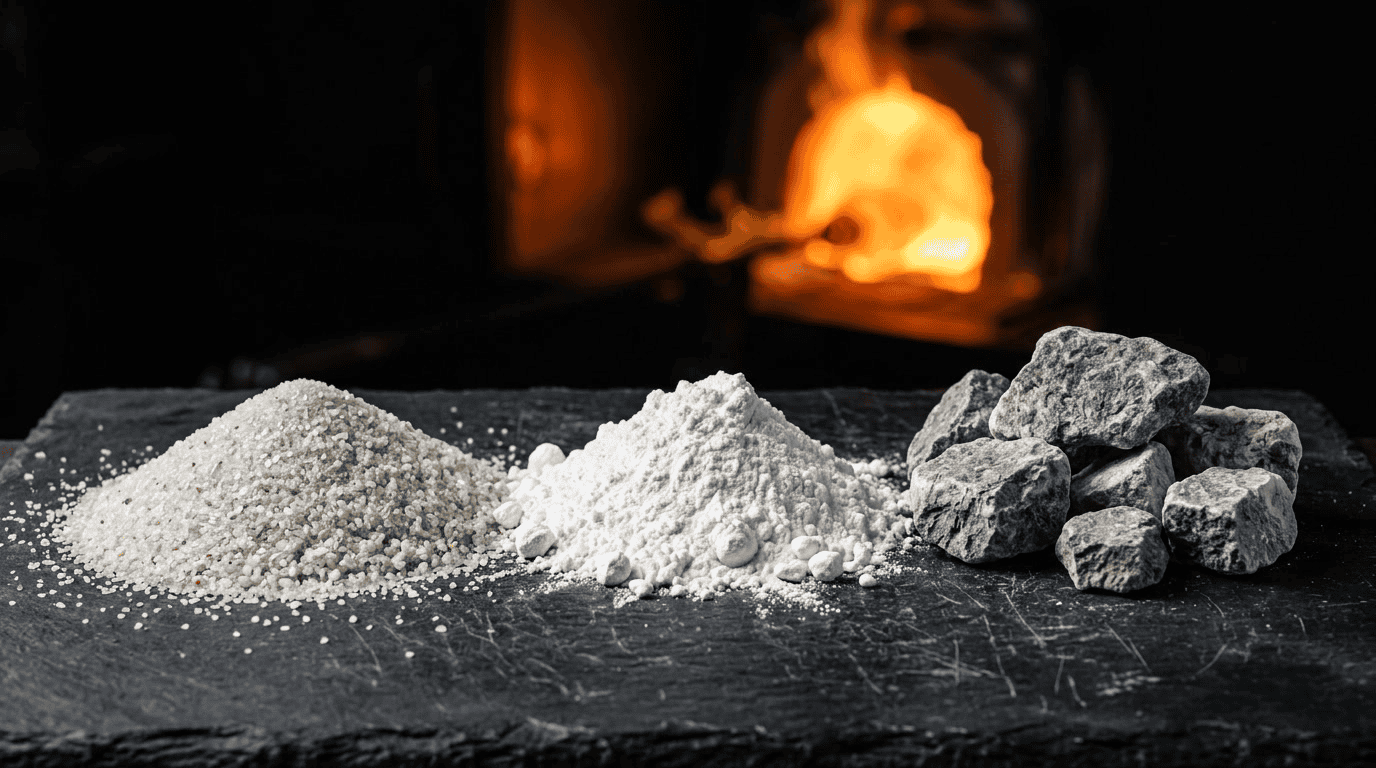
ガラスは主に三つの原材料から作られる:二酸化ケイ素(70–74%)、炭酸ナトリウム(12–16%)、石灰石またはドロマイト(10–12%)、および微量のアルミナとスクラップ(リサイクルガラス)で、性質を微調整している。.
ほとんどのガラス—窓、瓶、ランプシェードの球体、装飾用ガラス器—はソーダ石灰珪酸塩系に属している。それはガラスの世界の主力である。しかし、その組成は偶然ではなく、各成分は正確な化学的役割を果たしている。.
二酸化ケイ素(SiO₂)— ガラス形成の基盤
二酸化ケイ素はガラスの構造ネットワーク形成物である。純粋な二酸化ケイ素は単独でガラスを形成できるが、その融点は1700°Cを超え、工業生産には実用的ではない。によると ウィキペディアのガラスに関する項目, 、二酸化ケイ素はガラスに特徴的な非晶質(非結晶性)構造を与える四面体ネットワークの基礎を形成している。.
ガラス製造に使用される二酸化ケイ素は、高純度の石英砂から得られ、鉄分を慎重に選別している。微量の鉄(0.0151%)でもガラスを緑や茶色に着色してしまうため、光学的に透明または正確に着色された出力が必要なランプシェードの製造者にとっては問題となる。.
重要な仕様: 高品質なガラス器具用のケイ砂は通常、Fe₂O₃(酸化鉄)含有量が< 0.0101%である。.
炭酸ナトリウム(Na₂CO₃)— 融剤
炭酸ナトリウムは ネットワーク修飾剤. である。これをケイ素に加えると、一部のSi-O結合が破壊され、融点が約700〜900°Cに大幅に下がる。これにより製造コストが経済的に実現可能となる。.
欠点は:ナトリウムイオンはガラスネットワークを弱める。純粋な炭酸ナトリウムとケイ素のガラスは水に溶けてしまう—文字通りである。だからこそ、第三の成分が不可欠なのだ。.
石灰石とドロマイト(CaO / MgO)— 安定剤
石灰石から得られる酸化カルシウムは、化学的耐久性を回復させる。ナトリウムによって残されたイオンの“穴”を塞ぎ、ガラスを湿気や穏やかな酸に対して耐性のあるものにする。. ドロマイト (CaMg(CO₃)₂)は、現代の製造において石灰石の代替としてよく使用されます。これは、ドロマイトが供給するマグネシウムが熱安定性を向上させるためであり、ガラスが熱源の近くにあるランプシェード用途において重要です。.
バランスの取れたソーダ石灰ガラスはおおよそ以下の成分を含みます:
- SiO₂:73%
- Na₂O:14%
- CaO:9%
- MgO:4%
重要な微量添加物
| 添加物 | 役割 | ガラスへの効果 |
|---|---|---|
| アルミナ(Al₂O₃) | ネットワーク中間体 | 硬度と耐候性を向上させる |
| ホウ酸化物(B₂O₃) | ネットワーク形成剤 | 熱膨張を低減する(ホウケイ酸ガラス) |
| 酸化鉛(PbO) | ネットワーク修飾剤 | 屈折率を高める(クリスタルガラス) |
| 着色剤(CoO、CuO、Fe₂O₃) | 発色団 | コバルトブルー、ターコイズ、アンバーを生成する |
| 脱色剤(MnO₂、Se) | 鉄の色味を中和する | 光学的な透明度を達成する |
組成によるガラスの種類
最も一般的なガラスの種類は、ソーダライムガラス(窓、ボトル、標準的なランプシェード)、ホウケイ酸ガラス(耐熱性の実験器具やペンダントライト)、鉛クリスタル(高屈折率の装飾品)です。.
ガラスの原材料を理解することは、基本的なソーダライムガラスを超えるとより複雑になります。用途によって異なる配合が求められ、ランプシェードに適さないガラスを選ぶリスクもあります。.
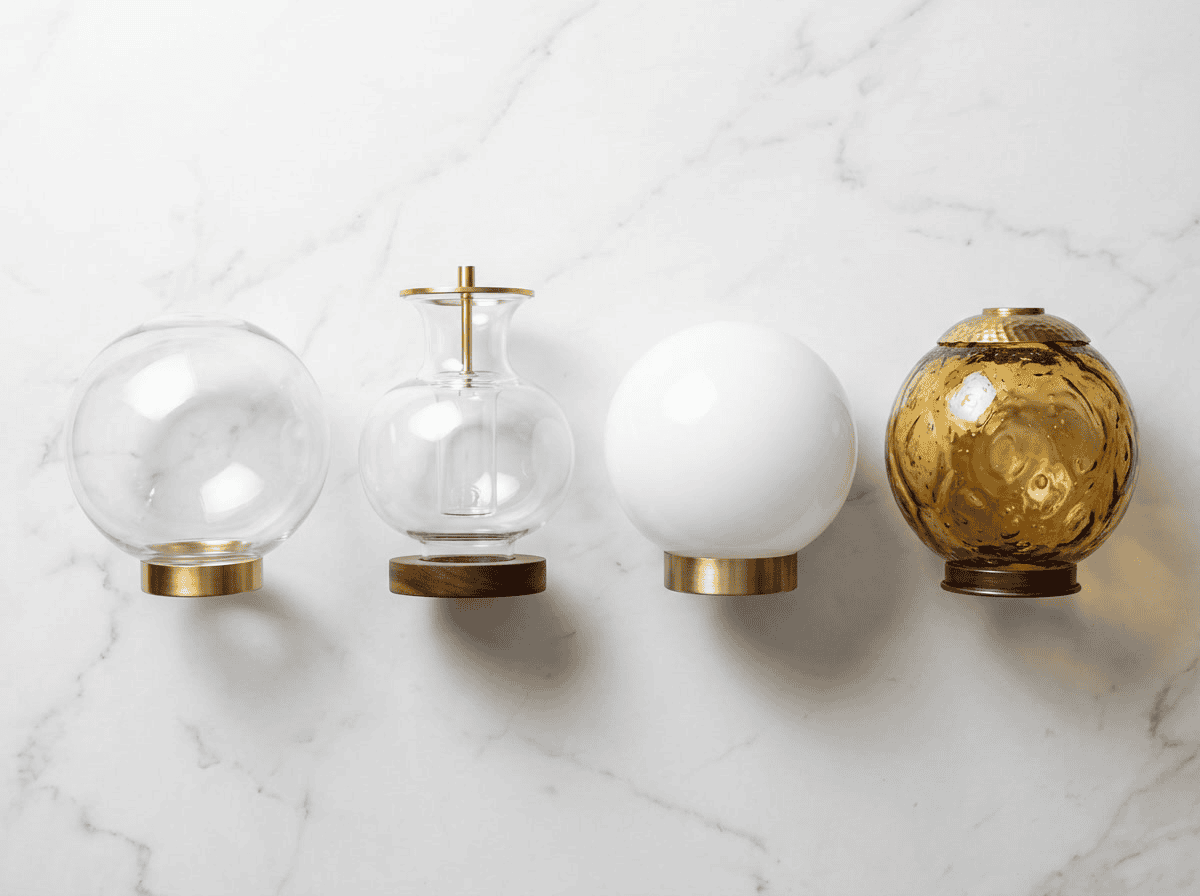
ソーダ石灰ガラス
世界的に主流のガラスの種類で、全ガラス生産の約90%を占めます。その組成(SiO₂ 約73%、Na₂O 約14%、CaO 約9%)により、溶融・成形・強化が容易です。.
ランプシェード用: ソーダライムガラスは、吹き込み、成形、プレス成形されたガラスグローブの標準的な選択肢です。安価で、着色剤を容易に受け入れ、耐衝撃性を向上させるために強化することができます。その熱膨張係数(約9×10⁻⁶/°C)はホウケイ酸ガラスよりも高く、温度変化による膨張・収縮が大きいため、高ワット数の白熱電球との組み合わせでは重要な要素となります。.
ホウケイ酸ガラス
シリカの一部を酸化ホウ素(B₂O₃)に置き換える(通常、B₂O₃を12〜15%添加する)と、ホウケイ酸ガラスが得られます。代表的なブランド名は パイレックス, ですが、この化学組成は、このファミリーのどのガラスにも当てはまります。.
ホウケイ酸ガラスは 熱膨張係数が約3.3×10⁻⁶/°C であり、ソーダライムガラスの約3分の1です。これは、急速な温度変化(熱衝撃)に far better に対応できることを意味し、ガラスがLEDやハロゲン光源の近くで、急速に加熱・冷却を繰り返す用途では重要な特性です。.
実際には、ホウケイ酸ガラス製のランプシェードは、通常の条件下で室温から300°Cまで割れることなく使用できます。同じ条件下では、ソーダライムガラスは応力破壊を起こします。ペンダントライト、電球が露出したテーブルランプ、または高輝度光源から5cm以内にガラスが配置されるあらゆる器具では、ホウケイ酸ガラスが技術的に正しい選択です。.
鉛クリスタルガラス
伝統的な鉛クリスタルは、酸化カルシウムを酸化鉛(PbO、通常重量比24〜35%)に置き換えたものです。酸化鉛は、標準的なソーダライムガラスの1.52と比較して、 屈折率 (屈折率)を約1.56〜1.60に劇的に増加させます。この高い屈折率が、カットクリスタルランプシェードに見られる独特の「輝き」とプリズム分散を生み出します。.
しかし、鉛クリスタルには規制上の問題があります。EUのRoHS指令およびREACH指令により、ほとんどのメーカーは 無鉛クリスタル 重金属を使用せずに同様の屈折率を達成するために、酸化バリウム(BaO)または酸化亜鉛(ZnO)を使用した代替品.
に移行しています。鉛フリークリスタルと鉛クリスタルの品質の違いは、ほとんどの装飾用途では最小限です。
石英ガラス(溶融石英).
純粋な溶融石英(実質的に99.9%以上のSiO₂)は、性能スペクトルの最高位に位置します。融点は1650°Cを超え、熱膨張はほぼゼロ(0.55×10⁻⁶/°C)であり、従来のガラスが遮断する紫外線を透過します。.
石英ガラスは装飾用ランプシェードにはめったに使用されませんが(コストがかかりすぎるため)、特殊な紫外線透過器具、科学用ランプハウジング、高輝度産業用照明に使用されています。
ランプシェードおよび装飾ガラス製品におけるガラス材料.
装飾用ガラスランプシェードでは、標準的な吹き込みグローブにはソーダライムガラス、熱負荷の高い器具にはホウケイ酸ガラス、そして特定の拡散効果や美的効果のために、時折特殊ガラス(ミルクガラス、オパールガラス、アートガラス)が使用されます。.
ここで、原材料の問題が、ランプシェードを選択または購入するすべての人にとって直接的かつ実用的になります。ランプシェードの外観、耐久性、安全性はすべて、そのガラス組成に由来します。
ミルクガラス(オパリンガラスとも呼ばれる)は、ソーダライムベースに フッ化物 (フッ化ナトリウムまたはフッ化カルシウム)や リン酸塩 を添加して内部の光散乱を生み出します。添加剤は冷却時に微細なフッ化カルシウム結晶を析出させ、これらの微粒子が透過光を散乱させて特徴的な乳白色の拡散した輝きを生み出します。.
ランプシェードでは、ミルクガラスはLEDや白熱灯の光源を柔らかく拡散させ、ホットスポットを排除するために特に重宝されています。拡散の質は散乱剤の濃度によって決まり、少なすぎるとガラスは半透明で電球が見え、濃すぎると不透明になります。.
色付きアートガラス
アートガラスのランプシェード(ティファニーや現代のステンドグラススタイルを含む)は、ソーダライムベースに金属酸化物の着色剤を溶融時に焼き付けて使用します:
| 色 | 着色剤 |
|---|---|
| コバルトブルー | 酸化コバルト(CoO) |
| アンバー/イエロー | 鉄+硫黄(FeS) |
| グリーン | 酸化クロム(Cr₂O₃)または銅 |
| レッド/ルビー | セレンまたは金のコロイド粒子 |
| ターコイズ | 酸化銅(CuO) |
ゴールドルビーガラス(コロイド金粒子を使用)は特に製造が難しく、赤色を発色させるためには成形後に再加熱(ストライク)する必要があり、金粒子のサイズも慎重に管理しなければなりません。.
エッチングガラスとフロストガラス
ランプシェードのフロスト仕上げは異なるガラスタイプではなく、標準的なソーダ石灰ガラスの表面処理です。. 酸エッチング フッ化水素酸またはフッ化アンモニウムペーストを使用して表面を微細に粗くし、拡散光散乱を生み出します。. サンドブラスト 機械的に同様の光学効果を実現します。.
どちらの工程も、ガラスの組成や光透過率を変えることなく、表面光沢を(約100グロッシーから60°グロススケールで約15~30マットへ)低減します。.
ガラスの製造方法 ― 原材料からランプシェードまで
ガラスは原材料(シリカ、ソーダ灰、石灰石、カレット)を計量・混合し、1500~1600℃の炉で溶融し、溶けたガラスを成形し、アニーリング(徐冷)して内部応力を除去して作られます。.
製造工程を理解することで、なぜ組成が重要なのかが明確になります。原材料の比率がわずかに変わるだけで、粘度、加工性、最終的な特性に影響します。.
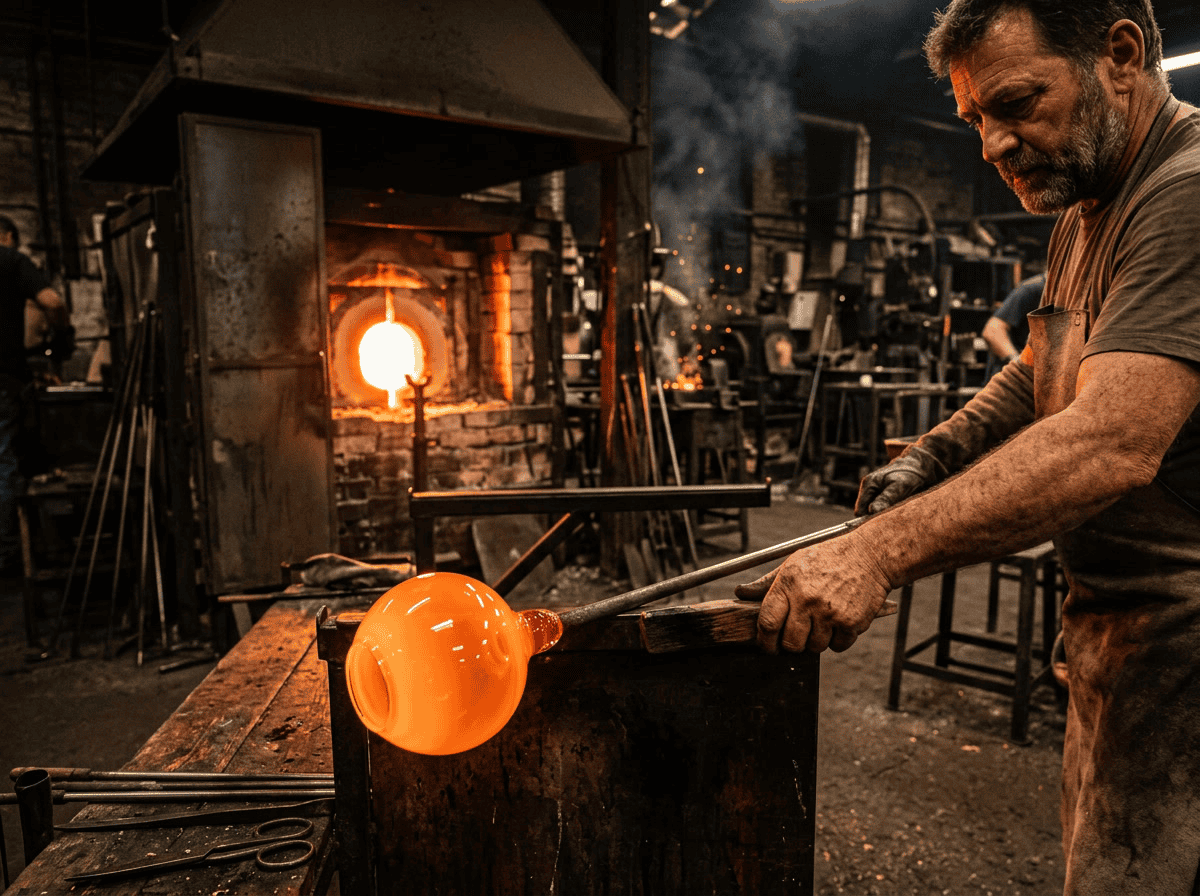
ステップ1 ― バッチ準備
原材料を正確に計量し、カレット(リサイクルガラス、通常バッチの25~40%)と混合します。カレットを10%加えるごとに溶融エネルギーが約2.5%削減され、大規模生産において実際のコスト削減につながります。.
ステップ 2 — 融解
原料は1500–1600°Cの炉へ投入される。現代の連続槽炉は同時に数百トンの溶融ガラスを保持できる。完全な均質化を達成するための融解時間は24–48時間に及ぶ。.
ピーク温度時にはガラス溶融物は非常に流動性が高い(粘度約100 Pa·s)。冷却に伴い粘度は急激に増加する — この性質のウィンドウをガラス吹き職人と機械成形者は活用する。.
ステップ 3 — 成形
特にランプシェードの場合:
- 口吹きガラス: 溶融ガラスのまとまり(約1200°C)をガラス吹き職人が型に膨らませるか、自由吹きする。この技法は壁厚に自然な変化を生み出し、アートガラスのランプシェードに独特の風合いを与える。.
- 機械圧出: 溶融ガラスを制御された力の下で型に押し固める — 商業用の均一なガラス球体に用いられる。.
- 遠心スピニング: 筒形のランプカバーの一部に用いられ、ガラスの塊を型の中で回転させて成形する。.
ステップ 4 — アニーリング
新しく形成されたガラスには不均一な冷却から来る内部応力が significant に含まれている。アニーリング(ライン Lehr窯での制御された徐冷、通常600°Cから室温まで20–60分程度)を行わなければ、ガラスは自然に破裂する。.
強化ガラスは別の過程を経る:再加熱して約620°Cまで上げ、急速に空気噴流で急冷することで、表面に圧縮応力を生み出し、アニーリングガラスの4–5倍の衝撃耐性を与える。.
ステップ5 — 品質管理と表面処理
ガラスシェードは、種の泡、含有物、ひずみ、寸法公差を検査します。表面処理(フロスティング、コーティング、塗装)はこの段階で適用されます。.
シェードに適したガラス材料の選び方
高温または露出電球用途にはホウケイ酸ガラスを、標準の密閉式器具にはソーダライムガラスを、拡散的な周囲照明にはミルクガラスを、装飾用の声明作品には鉛フリークリスタルまたはアートガラスを選びます。.
ほとんどの購買決定は、次の4つの実用的な質問に集約されます:
1. どの電球タイプとワット数ですか?
| 電球タイプ | 最大表面温度 | 推奨ガラス |
|---|---|---|
| LED(標準) | < 100°C | ソーダライム(適切) |
| ハロゲン(25–100W) | 250–300°C | ホウケイ酸ガラス必須 |
| 白熱電球(60W超え) | 150–200°C | ホウケイ酸ガラスを推奨 |
| 蛍光灯 | < 120°C | ソーダライム(適切) |
ここが多くの消費者が間違える点です。密閉型LED器具用に規定されたソーダライム球は、ハロゲン光源とともに使用すべきものとは同じではありませんが、棚では外観が同じに見えます。.
2. どの光質が必要ですか?
- クリアガラス: 最大ルーメン出力、可視灯、劇的な影を作る。エジソン風の露出球に最適。.
- すりガラス/エッチング: フィラメントの見え方を和らげ、眩しさを抑え、わずかな透過損失(約10%)を生じる。.
- ミルクガラス: 強い拡散、暖かく均一な発光、透過損失が大きい(30–50%の損失)。.
- 着色: 装飾的な色相効果を生み、ボルトカラー温度と組み合わせて使用する。.
3. どこで使用しますか?
屋外用ランプシェードは紫外線曝露、温度循環、湿度にさらされます。. UV耐性コーティングを施したホウケイ酸ガラス or ソーダライム強化ガラス 外部用途には有利である。屋外条件下での標準的なアニーリング済みソーダライムは、長年のUV曝露により表面の微結晶化(曇り)を生じる。.
4. 美的優先順位は?
- 伝統的/ビンテージ: クリアなソーダライム、吹き込み模様、アンバー色着色剤
- 現代的ミニマリスト: すりガラス状のホウケイ酸ガラス、薄壁、幾何学的形状
- ステートメント/アート: 手吹き彩色ガラス、ティファニースタイルの鉛ガラスパネル
- 産業用: クリアなホウケイ酸ガラス管またはケージ継手
制作チームからのプロのヒント: 商業プロジェクト(ホテル、レストラン)のためにガラス製のランプシェードを調達する場合、必ず指定の器具とガラス種別を照合してください。装飾ディストリビューターが、ボロシリケートとソーダライムの球を同じ製品ライン内で混在させ、差異を明確に表示していないケースを私たちは一貫して発見します。.
ガラス材料技術の未来動向(2026年以降)
照明用の次世代ガラス材料は、スマートガラス、超低鉄系光学ガラス、植物由来の添加剤配合に焦点を当てており、高級建築・装飾照明にもすでに見られるトレンドです。.
スマートおよび電気着色ガラス
電気的電圧に反応して透明度を変える電気着色ガラスは、大型の建築用ガラスからランプや器具の用途へと移行しています。技術は標準ガラス基板上に薄い酸化タングステン(WO₃)の膜を積層します。低い電流を印加すると、ガラスはクリアから深い青がかった不透明へ変化します。.
ランプシェードの場合、開放的なアンビエント照明(クリアモード)と、拡散性の柔らかな光の mood 照明(ティンテッドモード)を、単一の器具でスイッチまたはスマートホームの指令で切替可能になることを意味します。商業規模のランプシェード用途は、膜コストが$15/m²を下回る2027–2028年に見込まれています。.
最大限の明瞭度を目指す超低鉄系ガラス
標準のフロートガラスの鉄分は0.015–0.025% Fe₂O₃で、エッジにかすかな緑がかった色調を与えます。. 超透明(低鉄)ガラス — プレミアムソーラーパネルや美術館の展示ケースで使用され、鉄分を<0.005%まで低減し、透過率を91%以上に、標準ガラスの84–86%と比較して達成します。.
色特性の光要求が高い高級装飾用ランプシェードには、低鉄ガラスが色再現性を劇的に向上させます。. コーニング社のガラス材料科学リソースによると, 原材料の精製の進展は、装飾用途における超透明ガラスをますますコスト競争力の高いものへとしています。.
リサイクル材と循環型製造
EU での環境規制の強化(北米での新たな基準も間もなく導入)により、ガラスメーカーはガラスくず再利用含有量を高める方向へ進んでいます — 容器用ガラスのくず再利用比率60–70%の目標は、すでに複数のEU加盟国で政策として採用されています。灯具用ガラスでは、混合廃棄物由来の再利用くず再利用は色の汚染を引き起こすため、色の一貫性確保が課題となり、より積極的な脱色剤の添加が求められます。.
クローズドループ式のくず再利用プログラム(自社の製品回収を収集・再処理する)は、持続可能性目標を満たしつつ光学的品質を維持できます。.
FAQ — ガラス材料の解説
ガラスは何でできているのですか?
ガラスはシリカ砂(二酸化ケイ素)、ソーダ灰、石灰石を、1500°C超で溶かして急速に冷却して作られます。. シリカは構造的ネットワークを形成します;ソーダ灰は融解温度を下げ、石灰石は化学的安定性を提供します。ほとんどの家庭用ガラス(窓、ボトル、灯具のシェード)はソーダ石灰ガラスで、重量比でおおよそ SiO₂ 731、Na₂O 141、CaO 91 程度です。.
実際のガラスと人工的な代替品は何が違うのですか?
実際のガラスは無機鉱物原料(シリカ、ソーダ灰、石灰石)を用いて非晶質固体に溶融させたものです。. アクリル樹脂やポリカーボネートは日常的には“ガラス”と呼ばれることもありますが、基本的には有機高分子であり、軽量で衝撃に強い一方、傷がつきやすく、紫外線下で黄変し、ガラスの耐熱性には及びません。灯具のシェードには、衝撃耐性が絶対条件でない限り、真のガラスが常に望ましいです。.
ガラスは鋼材より毒性が低いのですか?
ガラスは化学的に惰性で溶出しないため、食品や湿度接触が懸念される場面で優れた選択肢です。. 反応性金属や表面コーティングを含みません。ステンレス鋼(304、316)は非常に安全ですが、酸性条件下では微量のニッケルやクロムを溶出する可能性があります。装飾用のガラス灯具では、毒性は実質的には気にする必要がない場合が多く、比較は食品・飲料用途において最も relevantです。.
なぜ灯具用シェードにはボロシリケートガラスが適しているのですか?
borosilicateガラスの熱膨張係数は約3.3 × 10⁻⁶/°Cであり、ソーダライムの3分の1以下—熱衝撃に対して非常に耐性がある。. これは、ガラスが電球の近くで急速に加熱される場合や周囲温度の変化によって急速に冷却される場合に重要です。標準的なソーダライムガラス製のランプシェードは、設計仕様の一部ではなかったハロゲン灯や高ワット incandescent ソースを使用するとひび割れすることがあります。.
なぜガラスの縁は緑色に見えるのですか?
ガラスの縁に緑がかった色が見えるのは、原材料である珪砂中的鉄酸化物(Fe₂O₃)の不純物が原因です。. 標準のフロートガラスにはおおむね0.015–0.025%の鉄酸化物が含まれており、薄い断面ではほとんど見えませんが、光がより多くのガラスの厚さを通る縁では視覚的に目立つようになります。超クリアの低鉄ガラスは、縁の色が重要な用途ではこれを< 0.005%にまで減らします。.
ガラスのランプシェードはリサイクルできますか?
ガラスのランプシェードはリサイクルできますが、通常、 curbsideの容器ガラスリサイクルの流れには受け入れられません。. 平板ガラスとボロシリケートガラスは、容器ガラス(瓶、ジャー)とは異なる組成と融点を持っており、それらを混ぜると容器ガラスのバッチを汚染します。専門のガラスリサイクル業者と一部のメーカーの回収プログラムは、装飾用ガラスを再処理のために受け入れます。. Redditの r/askscience におけるガラスのリサイクルと再利用に関するコミュニティ討論 実用的な課題を浮き彫りにしています。.
ガラスは自然にどのように作られるのですか?
自然のガラスは、珪素を豊富に含む材料が急速に溶融して冷却されると形成されます—火山性ガラス(黒曜石)は溶岩の冷却から、闪電が砂に衝突することでフルグライトが形成されます。. 黒曜石は本質的には天然のソーダ-ケイ酸ガラスであり、歴史的にメソアメリカから地中海地域の文化は、3500 BCE頃にメソポタミアで人工ガラス生産が始まる以前、工具や装飾品としてそれを用いていました。.
結論
ガラスはどの材料からできているのですか?核となる答えはシンプルです:珪砂、ソーダ灰、石灰石—熱によって変形され、人類が最も多様に利用してきた材料のひとつ。しかし実際の応用はニュアンスがあります。ソーダライムガラス、ボロシリケート、鉛フリークリスタル、ミルクグラス、アートグラスはそれぞれ特定のニッチを占めており、それらの成分の違いは安全性、光学性能、長期的耐久性に影響します。.
ガラスのシェード特有の選択は、熱源、光の品質の要求、そして美的意図に帰着します。熱が関与する場合はホウケイ酸ガラス、拡散が重要ならミルクガラス、視覚的特徴を優先する場合はクリアなソーダライムガラスまたはアートグラス。購入するガラスに何が含まれているかを理解することが、すべての仕様決定を自信をもって、そして選ぶシェードがその目的により適合するようにします。.