壁用電球シェード:種類、サイズ選び、交換方法の完全ガイド(2025年)
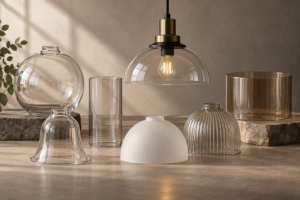
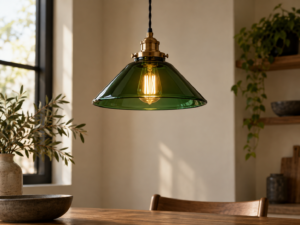
壁用電球シェードは、壁に取り付けられた照明器具の電球にかぶせる装飾カバーで、まぶしさを和らげ、光を調整し、部屋の雰囲気を高めます。.
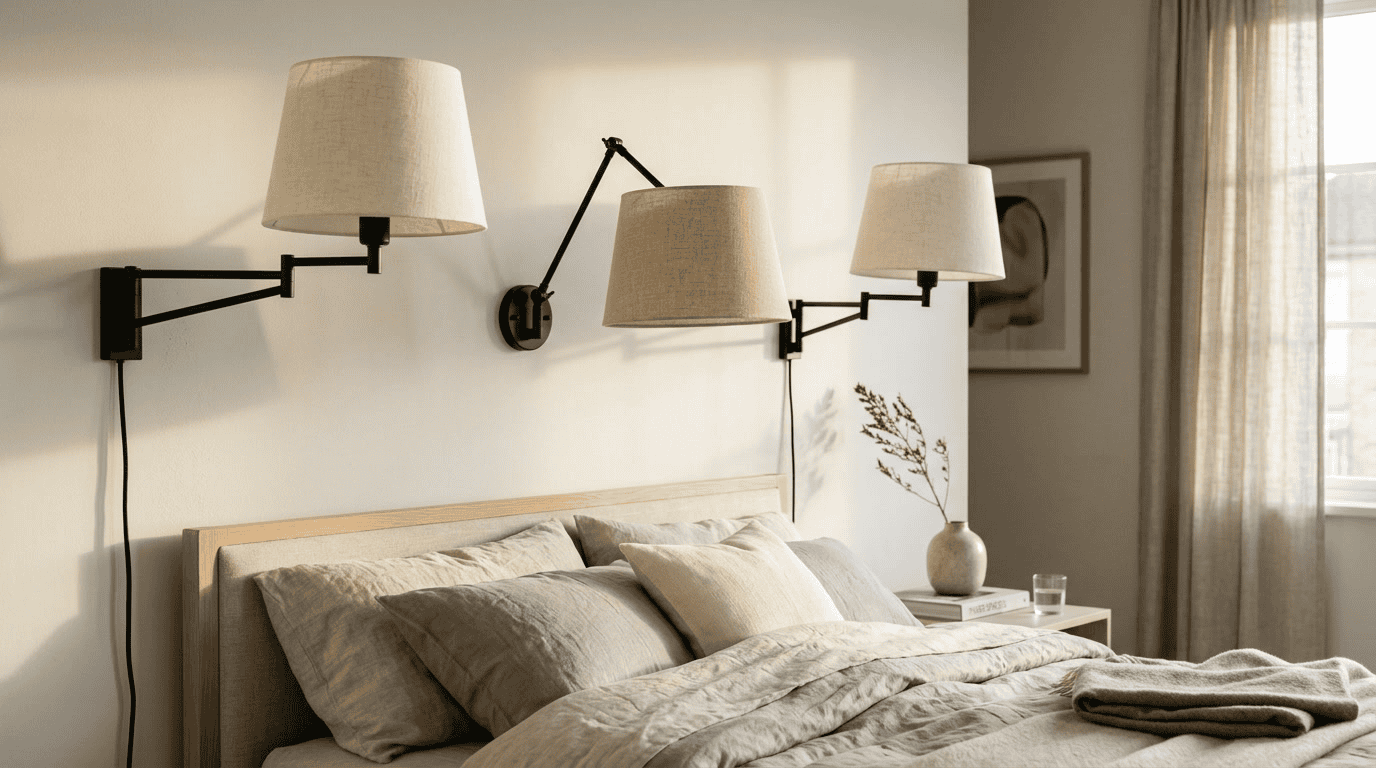
ほとんどの明るい寝室に入ると目にするのが、ベッドの横で柔らかく光る布製のコーン型シェードです。光を暖かく感じさせるように形作っています。これが壁用電球シェードの役割です。しかし、サイズや取り付け金具、素材を間違えると、シェードが取り付けられなかったり、過熱したり、照明器具と合わず違和感が出てしまいます。.
このガイドでは、現在入手できる壁用電球シェードの種類、どんな壁用照明にも合うサイズ選び、部屋ごとに適した素材、10分以内で古いシェードを交換する方法まで、すべてを解説します。.
壁用電球シェードとは?
壁用電球シェードは、壁に取り付けられた照明器具(ブラケット、スイングアームランプ、バフェランプ、ピクチャーライトアームなど)の電球の上や周囲に設置され、まぶしさを抑え、光の方向を調整し、照明器具を部屋のインテリアに調和させる視覚的要素を加える役割を持っています。.
天井用シェードやフロアランプ用シェードと異なり、壁用電球シェードは通常直径6〜12インチと小さく、目線またはやや上から見るように設計されています。そのため、シェードの内側の色も外側と同じくらい重要です。白やクリーム色の内側は光を下方向に反射し、黒い内側はドラマチックな集光効果を生みます。.
壁用電球シェードと天井ランプシェードの違い
構造上の主な違いはフィッター(シェードを電球やソケットに取り付ける金具)です。天井用シェードはハープに乗せるスパイダーフィッターを使うことが多いですが、壁用ブラケットシェードは通常 クリップオンフィッター 電球に直接挟むタイプや、 ユーロフィッター (シャンデリアや中型ソケットの上に乗せるリング型)を使用します。壁用照明は低ワットで小型のE12シャンデリア電球を使うことが多いため、専用に設計された小型・軽量のシェードがよく見られます。.
もう一つの違いは熱管理です。壁用照明は密閉または半密閉型のデザインが多く、天井ペンダントより熱がこもりやすいため、シェードの素材は安全性と見た目の両面で重要です。.
壁用電球シェードの主要構成部品
壁用電球シェードの構造を理解しておくと、交換時に間違ったものを買うリスクを防げます。主な部品は以下の通りです:
- シェード本体 — 光の形や色を決める外側の部分(布、紙、ガラス、ラタンなど)
- フレーム — シェードの形を保ち、フィッターを支える内部ワイヤー構造(通常はスチール製)
- フィッター — シェードの取り付け方法を決めるハードウェアタイプ(クリップ式、スパイダー、ユーロ/UNO)
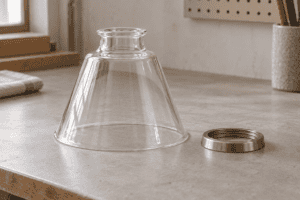
- 上部開口部(ワッシャー) — 上部の穴の直径、放熱に重要
- 下部開口部 — 光の広がり方に影響する
表1:壁付け電球シェードの部品とその機能
| 部品 | 機能 | なぜ重要か |
|---|---|---|
| シェード本体 | 光をフィルターし、色付けする | 素材は暖かさ、拡散、耐熱性に影響する |
| ワイヤーフレーム | 構造的な支持 | 安価なフレームは変形しやすい;溶接(圧着でない)ジョイントを選ぶこと |
| クリップオンフィッター | 電球に直接取り付ける | 電球サイズに合わせる必要がある — ゆるいと火災の危険 |
| ユーロ/UNOフィッター | ソケット上部に乗せる | 最も一般的なのはE12キャンドル型壁付け照明 |
| スパイダーフィッター | ハープの上に乗せる | スイングアームランプに使用;ワッシャーナットが必要 |
| 上部開口部 | 熱の逃げ道 | 白熱電球には2インチ以上の開口部を推奨 |
| 下部開口部 | 光の広がり | 幅広=下の面により多くの光、狭い=集中的な光 |
壁付け電球シェードの種類
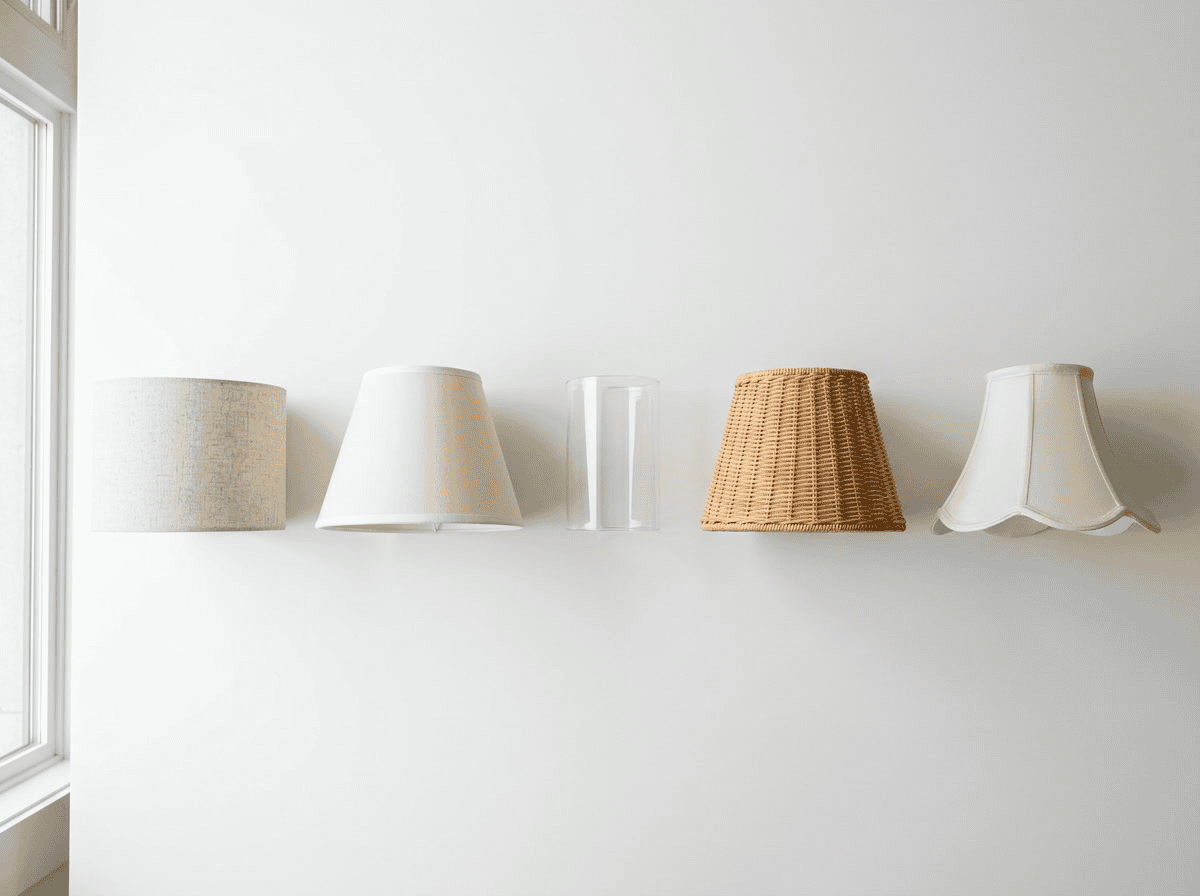
市場は明確なカテゴリーに分かれています。どのタイプがどの状況に適しているかを知ることで、間違ったシェードを二度注文することを防げます。.
ファブリック・リネン製壁付け電球シェード
ファブリックシェード、特にリネン、コットン、リネン混紡は最も人気のある選択肢です 壁付けブラケットやスイングアーム式ベッドランプに最適です。光を美しく拡散し、紙やガラスのシェードが生み出す強い“ホットスポット”を和らげます。.
リネン プレミアムの選択肢であり、寸法的に安定している(綿のように伸びたりたるんだりしません)、合成ファブリックと比べて自然に耐炎性があり、暖かいオフホワイトのトーンで白熱灯や温かいLED電球を美しく映えさせます。実際にはリネンのシェードは時の経過とともに上品に aging し、年を経てわずかに黄変する程度が温かみを加え、劣化して見えることはありません。.
コットン より柔らかく、染料とプリントの種類が広いです。パターンが重要になる寝室や託児所の設定に適した良い選択肢ですが、窓際で長時間UVにさらされると退色が早くなります。.
フェイクシルクとポリエステル 予算に優しく、彩度の高い色合いのものが多いです。直射日光の当たらない部屋には適していますが、高級な雰囲気の設定だとプラスチックのように見えることがあります。.
ドラム型・シリンダー型シェード
ドラムシェードは上下の直径が等しく、光を上下に均等に送ります(特定方向に偏らない)。これにより、タスク照明よりも周囲の空間を満たす照明を求める廊下のブラケットには適しています。ブラケット用の標準的なドラム型壁灯シェードは、直径が通常6〜8インチです。.
シリンダー型のシェードは高さがあり細く、拡散光の柱を作ります。特にバスルームの洗面台バーや鏡の両側に最適で、縦方向の照明分布が方向性よりも均一さを重視します。.
エンパイア型とベル型のシェード
日本の エンパイアシェード — 底が上部よりも広く、外側へ緩やかに広がる形状は、クラシックな壁灯のシルエットです。底部の開口が広いほど下方向へ光が多く出るため、就寝前の読書用ライトや書斎のタスク照明に最適です。下部の直径は通常、上部の1.5〜2倍です。.
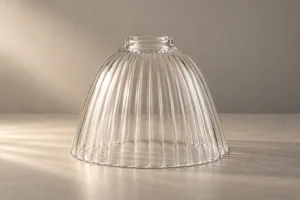
ベル型のシェードは、独特の曲線的なプロファイルを持つスタイリッシュなバリアントです。伝統的・ヴィクトリア朝風のインテリアに傾くデザインで、改装されて年代風のスタイルに合わせる古い家の真鍮製壁ブラケットでよく見られます。.
クリップオンとスパイダー金具のシェード
これが多くの人を戸惑わせる購入ミスです。壁用シェードの最も一般的な金具タイプは2種類です:
クリップオンフィッター バネクリップでボディに直接挟むタイプ。ハープや他の金具は不要で、シェードはそのまま電球にパチッと取り付けられます。小型のシャンデリア用ブラケットに一般的です。重要:クリップオンのシェードは 標準形状の 電球でのみ使用可能です。グローブ型、炎口型、筒状ネックを把持できないLED改造電球には対応できません。.
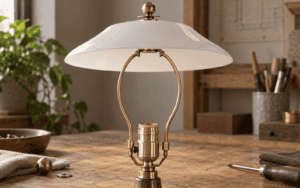
スパイダーフィッター 中央のハープ状のワイヤーブラケット(器具内部のU字型ワイヤーブラケット)に座り、ワッシャーナットで固定されます。スパイダーフィッター系のシェードは、より広い範囲の器具タイプに互換性があり、スイングアームランプや多くの卓上ランプスタイルの壁ブラケットの標準です。.
ユーロ/UNOフィッター ソケット上部に垂直に落ちる単一のワッシャー風リングを持ち、シェードの重量と時には保持ナットで固定されます。ヨーロッパ origin の壁付け燭台や多くの現代的な器具で最も一般的なフィッターです。.
TABLE 2: 壁付け電球シェードのタイプ — スタイル、フィッター&最適使用
| シェードタイプ | 標準フィッター | 光の方向 | 最適な部屋の適用 | 主な制限 |
|---|---|---|---|---|
| 布/リネン | クリップオンまたはユーロ | 全方位を拡散 | 寝室、リビングルーム | 高温の白熱灯の近くを避ける |
| ドラム型 | スパイダーまたはユーロ | 上下対称 | 廊下、バスルーム | 読書にはあまり指向性が強くない |
| エンパイア型 | 蜘蛛型またはクリップオン | 主に下方向 | ベッドサイドの読書、勉強用 | クラシックスタイルのみ |
| ベル形 | ユーロ | 下向き+間接光 | 伝統的な装飾、伝統住宅 | 現代的魅力は限定的 |
| シリンダー | ユーロ | 上向き+細い光束 | バスルームの洗面台、アクセント照明 | 狭い光のプール |
| 籐製/編み込み | スパイダー | 模様付き/まだら模様 | ボヘミアン、海岸風、自然スタイル | 洗えません |
壁の電球シェードのインテリアデザイン用途
壁の電球シェードは、ほとんどの購入者が気づく以上に部屋タイプを跨いで活用できます。誤りは、それを純粋なベッドルーム製品として扱うことです。実際にインテリアデザイナーがどのように配置しているか、以下に示します。.
ベッドルームのナイトスタンド壁照明
ここが壁の電球シェードが最もよく現れる場所であり、それには正当な理由があります。ファブリックの壁球シェードを備えたスイングアームランプを取り付けると、ナイトスタンドのテーブルランプを解放し、睡眠中のパートナーを妨げない読書用の光ゾーンを作り、オン/オフのスイッチを手の届くところに置くことができます。 Illuminating Engineering Societyの照明ハンドブック, ベッドサイドの作業照明は、読書面で50〜100ルクスが最適です。枕から20インチ離れた位置に設置された40W相当のLEDに4〜5インチのエンパイアシェードを組み合わせると、まさにその範囲になります。.
ベッドサイドでの使用には、リネンまたはコットンのシェードを組み合わせた暖白色光(2700K–3000K)の電球が最も安らぐ光を生み出します。クールホワイト(4000K以上)は避けてください — メラトニン生成を抑制し、部屋を臨床的に感じさせます。.
リビングルームのアクセント照明
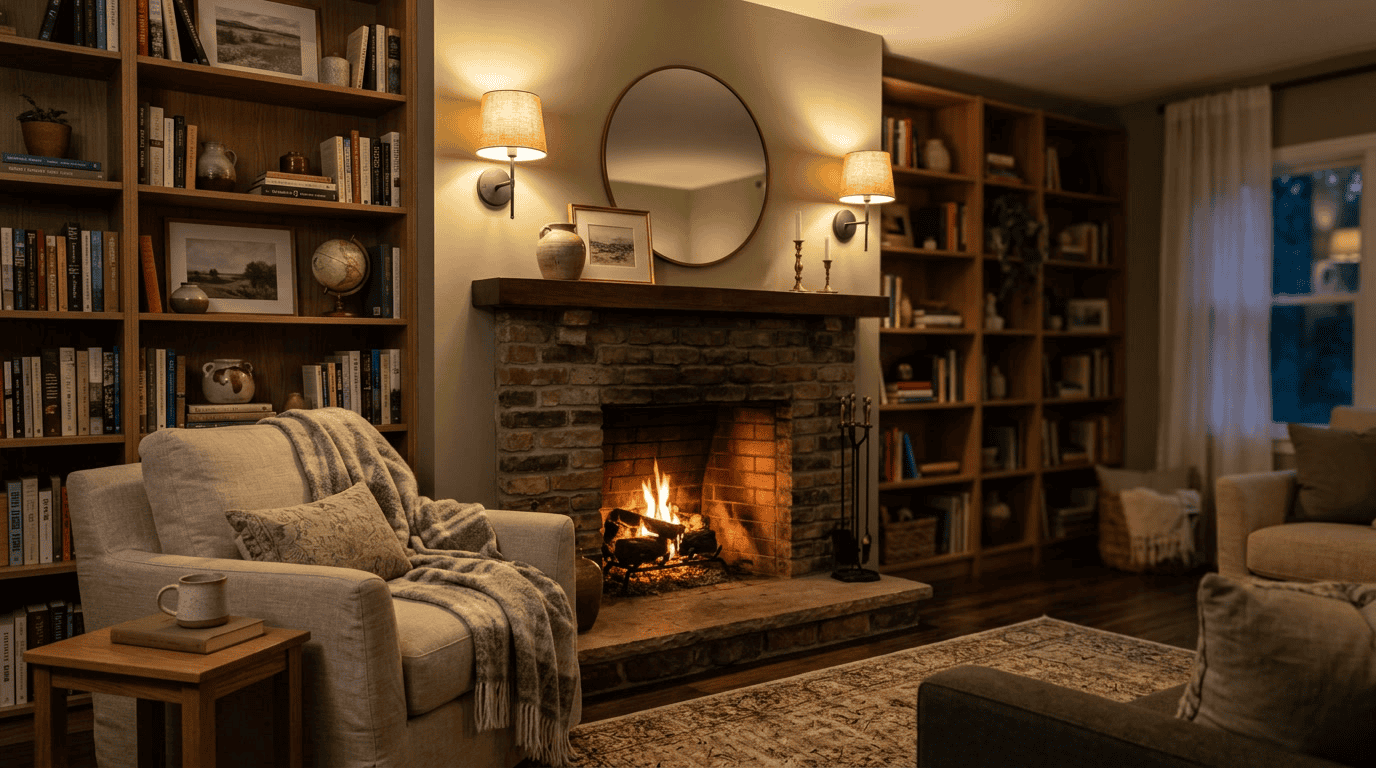
暖炉の両側または大きなアート作品を挟むように、布製シェードのウォールブラケットは天井灯だけでは得られない層状の周囲光を作り出します。ここでの重要なデザイン原則は対称性と高さです。床から60–66インチ(立って eye level に近い高さ)にブラケットを取り付け、シェードを焦点に、ブラケット自体を目立たせないようにします。.
リビングルームでは、ナチュラルリネンやクリーム色のコットンを用いたドラムシェードが広く均一な光を拡散するため最適です。大きな鏡やギャラリーウォールを挟むなど、よりドラマチックな効果を狙う場合は、ブラックまたは濃い charcoal のエンパイアシェードが、下方へ落ちる光の高コントラストを作り、作品を効果的に縁取ります。.
廊下と階段のブラケット
廊下は熱蓄積の課題があります。狭い廊下のブラケットは暖かい空気を集め、シェードが周囲温度の上昇を受けやすくなります。この用途には、標準のコットンや紙ではなく、ボロシリケート硝子やミルクガラスのガラスシェード、あるいは耐火性ファブリックを選んでください。ガラスには実用的な利点もあり、通路が混雑する場所でも拭き取りやすいという利点があります。.
階段には、同じ高さに並べるよりも、反対の壁で高さを交互にずらして取り付けるとリズムが生まれ、列で同一の高さが生み出す“滑走路”の視覚効果を抑えられます。.
適切なサイズの壁用シェードの選び方
サイズは交換用の壁用シェードを購入する際に最も一般的な失敗点です。これはまたPAAの質問でもあります — 「壁ライトに適したシェードのサイズは?」 — で、答えはほとんどの人が思うより微妙です。.
重要な3つの寸法
すべてのシェード購入には3つの寸法が必要です:
下部直径 — シェードの最も広い点の幅。ベッドサイドの壁灯では通常7–10インチ。小さなブラケットなら5–7インチ。経験則として、下部の直径はベース/本体の高さにほぼ等しくなるべきです。.
上部直径 — 上部の狭くなる開口部。これが熱の逃げ道を決定します。白熱灯の場合、上部開口は2インチ以下にしないこと。LEDの場合は1.5インチが許容されます。LEDははるかに冷却されるためです。.
斜めの高さ(またはまっすぐな高さ) 斜面の上端から下端の陰影のリムに沿って測定します。これは器具アームに対する視覚的プロポーションを決定します。シェードが高すぎると器具全体が頭上に見え、低すぎると電球がシェードの下端の下に露出します。.
電球サイズ、取り付けタイプ、互換性
ご注文前に、 フィッタータイプ (上のセクションを参照)と 電球のベースサイズ あなたの器具が使用する:
- E12キャンドルラ base — 小型のブラケット、シャンデリア風の壁面器具。キャンドル電球用のクリップ付きシェードは通常1〜1.5インチのクリップリングを持ちます。推奨シェード最大重量:8 oz。.
- E26ミディアムベース — スウィングアームのランプ、ビュッフェランプ、ほとんどのプラグイン式壁灯。スパイダーフィッターのシェードがここで機能します。最大シェード重量:16 oz。.
- E14小型エジソンねじ — ヨーロッパの器具で一般的で、現在多くの現代輸入壁灯にも現れています。ユーロ/UNOフィッターが標準です。.
重量は人が思うよりも重要です。. クリップオンフィッターの重たいラタンまたは陶器のシェードは自重で電球の下へ滑り落ち、均一でない光を生み出し火災リスクを高めます。クリップオンシェードは重量を8 oz(225 g)未満にするべきです。迷ったときはスパイダーまたはUNOフィッターを選んでください。.
避けるべき一般的なサイズ選びのミス
実務上、私たちが最も頻繁に見る3つのサイズ選択のミスは次のとおりです:
- スタイル写真だけで注文すること — スタジオ写真で適切に見える色合いでも、7インチ用の器具には12インチ幅になることがあります。.
- ハープの高さを忘れること — 器具にハープが付いている場合、ハープの高さが器具の総高さに加算されます。7インチのシェードが6インチのハープには見た目に割合が取れて見える一方、10インチのハープには同じシェードが窮屈に見えることがあります。.
- フィッタータイプを無視すること — スパイダーフィッター用のクリップオンシェードを注文すると、アダプタハードウェアを購入しない限りシェードを取り付けられません。.
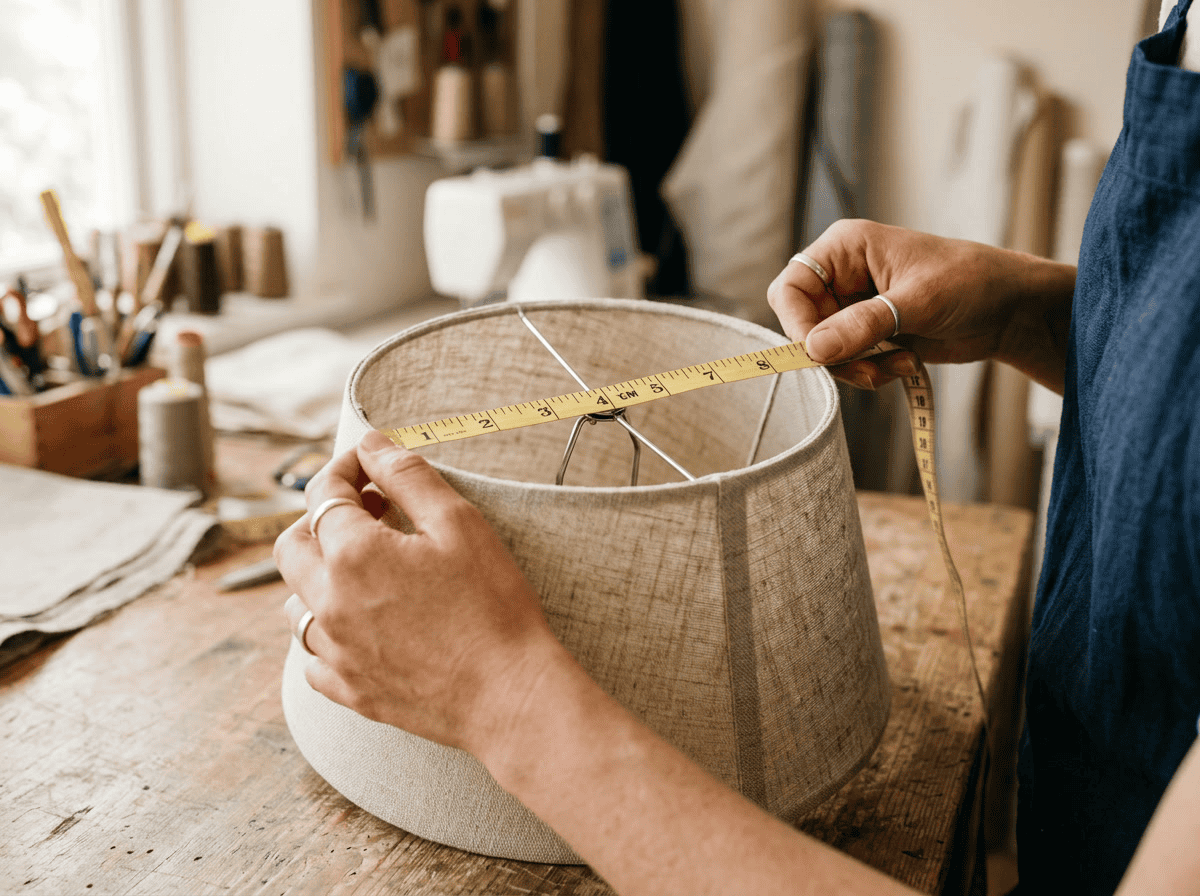
TABLE 3: 壁用電球シェードのサイズのクイックリファレンス
| 器具タイプ | 推奨の下直径 | 標準的なシェードの高さ | フィッタータイプ | 最大電球ワット数(白熱灯相当) |
|---|---|---|---|---|
| 小型カンデラブラ Sコンセント | 4〜6インチ | 4〜6インチ | クリップオン(E12) | 40ワット |
| 中型のウォールブラケット | 6〜9インチ | 6~8インチ | ユーロ/UNOまたはクリップオン | 60ワット |
| スイングアームのベッドルーム用ランプ | 8〜12インチ | 8~11インチ | 蜘蛛形状(E26) | 75ワット |
| ビュッフェランプ / プラグイン | 10〜14インチ | 9〜12インチ | 蜘蛛形状(E26) | 100W(LED相当) |
| バスルーム用バニティバー | シェードあたり4〜5インチ | 5〜7インチ | クリップオンまたはユーロ | 電球あたり40W |
壁付け電球シェードの交換方法(8ステップ)
壁付け電球シェードの交換は、適切なシェードを用意していれば本当に10分で完了します。手順は次のとおりです:
- 器具の電源を切る そして電球を5分間冷ます。LED電球も暖かくなることがあります。クリップオンシェードは電球の上に直接かぶせます。.
- フィッターの種類を確認する 古いシェードのフィッタータイプ(クリップオン、スパイダー、ユーロ)を確認します。わからない場合は、古いシェードを外す前に取り付け金具の写真を撮っておきましょう。.
- 古いシェードを取り外す — クリップオンシェードの場合は、スプリングクリップを優しくつまんで上に引き上げます。スパイダーシェードの場合は、ワッシャーナットを反時計回りに緩めてハープからシェードを持ち上げます。ユーロ/UNOの場合は、まっすぐ上に持ち上げます。.
- ハープを確認する(該当する場合) 歪んでいる場合は、歪んだフレームと格闘するのではなく、すぐに交換してください。ランプシェードはどの金物店でも5ドル未満で購入できます。.
- 新しいシェードのフィッター開口部を確認する ハープサドルまたは電球のサイズに対して。スパイダーシェードの中心穴は、ぐらつくことなくハープサドルに平らに置く必要があります。.
- 新しいシェードを取り付ける 取り外しプロセスを逆にします。クリップオンの場合は、クリップリングを電球のネックに合わせて、スプリングがグリップするまで押し下げます。スパイダーの場合は、ハープに下げてワッシャーナットを手で締めます。指で締めるだけで十分です。締めすぎるとワッシャーが割れる可能性があります。.
- 垂直位置を調整する シェードがわずかに傾いている場合。非対称クリップオンシェードでよく見られる問題です。クリップの向きをわずかに調整することで修正できます。.
- 器具の電源を入れて確認する 電球がシェードの中心にあり、生の電球の光が下端から漏れていないことを確認します。漏れている場合は、シェードが電球の高さに対して幅が広すぎるため、より背の高いシェードが必要になります。.
日本の 消費者製品安全委員会 不適切にフィットしたランプシェード、特に電球ガラスに直接接触するクリップオンタイプは、住宅照明火災の一般的な原因であることを指摘しています。適切にフィットしたシェードは、電球の表面に直接触れてはなりません。.
壁掛け電球シェードの将来のトレンド(2025〜2026年)
壁掛け電球シェード市場は、持続可能性とスマートホーム統合の2つの方向に同時にシフトしています。.
持続可能な素材と天然繊維
2025年に向けて私たちが見てきた最も重要な製品トレンドは、合成繊維から 天然繊維シェードへの移行です。リネン、ラフィア、シーグラス、竹編み、和紙などです。これは、美的理由(「オーガニックモダン」インテリアデザイン運動がシェアを伸ばし続けている)と、消費者の低炭素な家庭用家具への需要によって推進されています。.
日本の Statistaの2024年ホームライティング市場レポートによると, 、世界の持続可能なホームライティングセグメントは年間約8%で成長しており、従来の照明製品を上回っています。天然繊維の壁掛け電球シェードは、その成長のかなりの部分を占めています。これらは、住宅所有者が行うことができる最も簡単な「グリーン交換」アップグレードの1つです。.
バイヤーにとって、実用的な意味合いは、天然繊維シェードは少し異なる手入れが必要であり(和紙はスチームクリーニング不可、編みシーグラスは軽くほこりを払うことはできますが、洗うことはできません)、処理された合成繊維よりも耐火性が低い可能性があるということです。購入前に必ずシェードの難燃性定格を確認してください。.
スマート電球の互換性と耐熱性
二つ目の主要なトレンドは、ほぼ普遍的に採用されていることです スマートLED電球 (フィリップスヒュー、LIFX、Goveeなど)が壁面照明器具に使用されています。これらの電球は白熱電球や標準的なLED電球よりもはるかに冷却されており、従来除外されていたシェード素材の選択肢を広げています — 薄い米紙や非常に密な編みラタンなどもスマートLEDとより適合します。.
しかし、スマート電球には新たな課題もあります:多くは標準のA19やB11電球よりもわずかに幅広または異なるシルエットを持ち、クリップオンフィットに影響を与える可能性があります。例えば、フィリップスヒューのホワイト&カラーアンビエンス電球は膨らんだネックを持ち、一部の狭いクリップリングではしっかりと掴めないことがあります。スマート電球用のクリップオン壁面シェードを購入する際は、電球メーカーの仕様とクリップリングの直径を確認してください。.
日本の エナジースター・プログラム もまた、LED電球の温度評価に関する有用なガイダンスを提供しています — 密閉された壁面照明器具用のシェード選びに関連します。.
よくある質問
Q: 壁付けライトに適したシェードのサイズはどれくらいですか?
底直径は照明器具の高さとほぼ同じにするのが良いです。小型のE12キャンドルスタイルのブラケットには4〜6インチが適しています。中型のブラケットには6〜9インチ。スイングアームの寝室用ランプには8〜12インチ。注文前に必ず既存のシェードや照明器具を測定してください — よくある間違いは部屋の写真だけに頼ることです。.
Q: クリップオンとスパイダータイプのフィッターの違いは何ですか?
クリップオンシェードはスプリングリングで直接電球に固定され、ハープは必要ありません。スパイダーシェードは中央のリングがハープ(器具内のU字型ワイヤー)の上に乗り、ワッシャーナットで固定されます。クリップオンシェードは軽量で交換が簡単ですが、スパイダーシェードはより安定しており、重い素材もサポートします。.
Q: LED電球にどんな壁面電球シェードを使えますか?
ほとんどすべての現代的な壁付け電球シェードは、白熱電球よりもはるかに冷却効果の高いLED電球に対応しています。主な例外は、上部の通気口が最小限の密閉されたシェードであり、シェードの上部開口部が少なくとも1.5インチであることと、全体の密閉空間に空気の流れがあることを確認してください。.
Q: 寝室の壁付け電球シェードに最適な素材は何ですか?
リネンとコットンは寝室に最適な選択肢です。リネンは光を美しく拡散し、たるみを防ぎ、2700〜3000Kの電球に似合う暖かみのある色調を持っています。コットンはより多くのパターンオプションを提供します。密閉された照明器具には非常に密に織られた素材を避けてください — 通気性が制限されている場合、熱がこもる可能性があります。.
Q: ファブリックの壁付け電球シェードはどう掃除すればいいですか?
ほとんどのファブリックシェードは、柔らかいブラシや粘着ローラーで軽くほこりを払うことができます。目立つ汚れは、ほとんど湿らせた布とマイルドな洗剤で部分的に掃除し、完全に空気乾燥させてから再取り付けしてください。金属フレームのシェードを水に浸すことは絶対に避けてください — フレームが錆びたり歪んだりします。ラタンや織りのシェードには、圧縮空気を使って織り目からほこりを効果的に取り除きます。.
Q: なぜ私の壁付け電球シェードは傾いているように見えるのですか?
傾きはほとんどの場合、クリップオンフィッターの問題です。スプリングクリップが電球のネックに正しく中央に位置していないため、シェードが片側に傾いてしまいます。再取り付け前にクリップを90°回転させてみてください。傾きが続く場合、クリップリングが摩耗しており、対称的に掴めなくなっている可能性があります — 交換用のクリップリングはホームセンターで$3未満で購入できます。.
Q: 古い壁付け照明器具に適した交換用シェードをどう見つけますか?
既存のシェードの底径、上径、高さを廃棄前に測定してください。フィッターの種類(クリップオン、スパイダー、ユーロ)を写真に撮っておきます。その後、まずフィッターの種類で一致させ、次にサイズを合わせます。既にシェードがない場合は、ソケットのタイプ(E12対E26)と照明器具のアームの見た目のスケールを測定して、適切なシェードの直径を推定します。.
結論
壁付け電球シェードは、部屋の雰囲気に大きな影響を与える小さな部品です。フィッターの種類を間違えると取り付けられず、サイズを間違えると全体のバランスが崩れ、素材を間違えると1年以内に交換が必要になります。.
適切なシェードへの道は、3つの測定値(底径、上径、斜め高さ)、フィッターの種類、そして照明器具が使用する電球のソケットタイプを知ることで簡単です。そこから始めて、素材を部屋の光の要件やインテリアスタイルに合わせて選び、意図的に見える壁付け電球シェードを見つけましょう。全ラインナップは当店でご覧ください。 jxlampshade.jp ファブリック、リネン、天然繊維の壁付け電球シェードを、あらゆる照明器具タイプに合わせてサイズ展開しており、多くのスタイルは同週配送で発送可能です。.