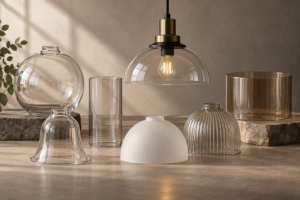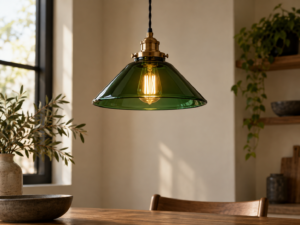
ヴィンテージランプ用のランプシェードは、ランプの時代スタイル、フィッタータイプ(スパイダー、UNO、クリップオン、または煙突)、およびベースの比率に合わせる必要があります——この3つを正しく選べば、シェードは時代に合った見た目となり、しっかりと装着されます。.
1920年代のアールデコテーブルランプを受け継いだり、エステートセールで美しいヴィクトリアンフロアランプを見つけたりした場合、すでに問題をご存知でしょう:オリジナルのシェードが失われている、損傷している、または色あせて全体の印象を損なっている。代替品を見つけるのは「古く見えるもの」を選ぶほど簡単ではありません。間違ったシェード——たとえ見栄えが良くても——は、$400のアンティークランプをガレージセール品のように見せてしまいます。.
このガイドでは、ランプの時代に合ったシェードスタイルの特定、正確なフィットのための測定、素材(シルク、マイカ、ガラス、リネン)の比較、フィッタータイプの理解、専門店や職人によるカスタム製作の調達まで、すべての判断ポイントを網羅しています。最後には、あなたの特定のランプに合ったヴィンテージランプ用シェードの購入方法が明確になり、避けるべき失敗のリストも得られます。.
ヴィンテージランプシェードとは何ですか?
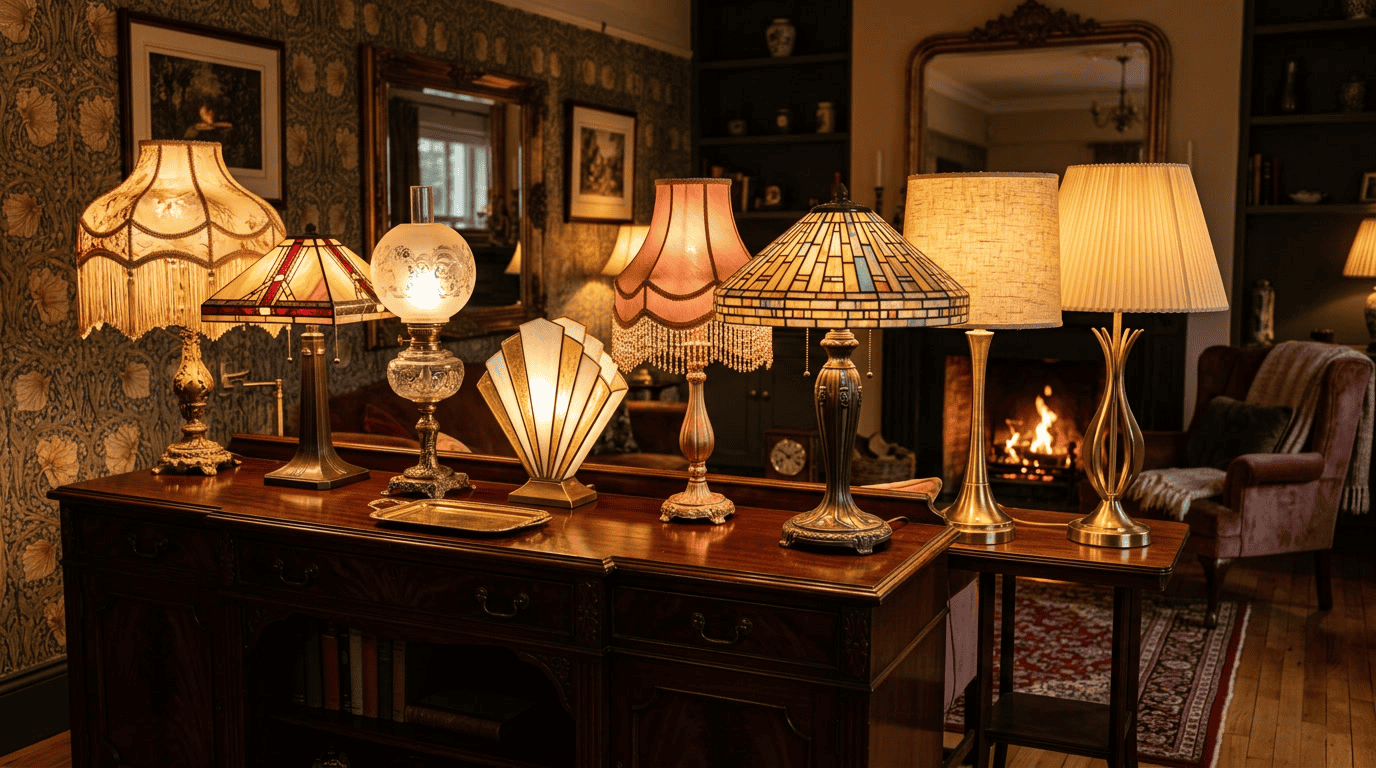
ヴィンテージランプシェードは、特定の歴史的時代の美的規範に基づいて設計された、または忠実に再現されたシェードです。この用語はヴィクトリアン(1837–1901)、エドワーディアン(1901–1910)、アールヌーヴォー(1890–1910)、アーツ&クラフツ(1900–1920)、アールデコ(1920年代–1930年代)、ミッドセンチュリーモダン(1940年代–1960年代)を含みます。現代のシェードとは、シルエット、素材、ハードウェアの3つの点で大きく異なります。.
現代のドラム型シェードは大量生産に最適化されたシンプルな円筒形です。ヴィンテージランプ用のシェードは、時代ごとの装飾的な文法に従っています——エンパイアベル、パゴダ型、プリーツシルクパネル、マイカセグメント、手描きガラスグローブなど。その違いは単なる装飾の好みではなく、構造的なものです。ヴィクトリアンランプのハープとスパイダーフィッティングは、特定のシェードの重さと底径に合わせて設計されています。現代のドラム型シェードに交換すると、見た目の違和感だけでなく、機械的な不安定さも生じます。.
ヴィンテージシェードと現代シェードの違い
最も目立つ違いはシルエットです。ヴィクトリアンシェードは通常、底部が大きく広がる「ベル」や「エンパイア」型で、フリンジやビーズ装飾が施されることが多いです。アールデコシェードは幾何学的で、段差のある角度、不透明パネル、流線型のコーンが特徴です。ミッドセンチュリーシェードはドラム型が主流で、デンマークモダンやスカンジナビアのベースに合うシンプルな布張り円筒形です。.
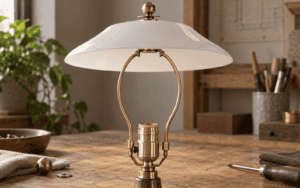
ハードウェアも形状と同じくらい重要です。古いランプはよく 煙突フィッター (灯油バーナーの煙突にかぶせるガラスシェード用)、 クリップオンフィッター (シャンデリア電球用)、または UNOフィッター (ソケットシェルにねじ込むリング)を使用します。現代のシェードはほぼ例外なく スパイダーフィッター ——ハープの上に乗せるクロスバー型フレーム——を使用します。ヴィンテージランプにハープがない場合、標準のスパイダーフィッターシェードはアダプターなしでは使えません。.
ヴィンテージランプシェードに時代の正確さが重要な理由
美観だけでなく、時代の正確さは機能にも影響します。アーツ&クラフツ期のマイカシェードは、60–100Wの白熱電球用に設計されており、熱に非常に強いです。薄いシルクのヴィクトリアンシェードは低ワットの光源が必要です。現代のLED(9–12Wで60W白熱電球を代替)は熱問題をほぼ解決していますが、ランプを無人で使用する前に確認する価値があります。.
比率の面でも、ヴィンテージランプのベースは現代品より重く、縦長な傾向があります。底部が2インチ狭いシェードはベースをずんぐり見せ、2インチ広いと全体が頭でっかちに見えます。ヴィンテージランプ用シェードの目安は: シェードの下部直径はランプベースの高さとほぼ同じであるべきです (シェード自体を除く)。正確な測定方法は次のセクションで説明します。.
| 特徴 | ヴィンテージランプシェード | モダンランプシェード |
|---|---|---|
| シルエット | 時代特有(エンパイア、ベル、パゴダ、コーン、ドラム) | 主にドラム型またはテーパードシリンダー型 |
| 素材 | シルク、マイカ、手吹きガラス、プリーツリネン | ポリエステル、コットン、リネン(機械製) |
| フィッターの種類 | 煙突型、クリップオン、UNO、スパイダー(時代による) | ほぼスパイダー型のみ |
| 重量 | 重い(ガラス、マイカ)から非常に軽い(シルク)まで | 均一に軽い(合成繊維) |
| 光の質 | 暖かく拡散し、しばしば指向性がある | 均一で平坦、拡散 |
| 交換のしやすさ | 専門市場、オーダーメイドメーカー | 大量生産品 |
時代別ヴィンテージランプシェードのスタイル
異なる時代は全く異なるランプシェードのスタイルを生み出しました。ヴィンテージランプ用のランプシェードを選ぶ際、これらを混ぜてしまうことが最も一般的な間違いです。各時代の視覚的な特徴を理解することで、正しい選択が明らかになります。.
ヴィクトリア時代(1837–1901):フリンジ、シルク、ドラマ
ヴィクトリア時代のランプシェードは、富と職人技を同等に示すためにデザインされていました。主な形状は、 エンパイア (狭い上部から広がるベル型)と、 パーラーグローブ (油や初期の電気ベースの上に丸いガラスシェード)です。素材はシルク、ベルベット、手刺繍の生地が多く、ビーズやシルクのフリンジで仕上げられることが多いです。このデザインのディテールは機能も兼ねており、フリンジが風で揺れることで、初期の電気の強い光を和らげる柔らかな動きを生み出しました。.
ヴィクトリア時代のガラスシェードは、ブラケットランプ、バンケットランプ、電化ガスランプなどに使用され、しばしばフロストガラスやミルクガラスのベースに手描きの花柄が施されています。色はクランベリー、アンバー、淡いグリーン、白などです。ランプに真鍮のカラーと4インチの煙突口がある場合、ほぼ確実にヴィクトリアスタイルのガラスグローブまたは煙突シェードが必要です。フィッター径は非常に重要で、これらの開口部は3.25インチ、3.5インチ、4インチ、6インチのいずれかです。注文前に必ず測定してください。.
アール・ヌーヴォーとアール・デコ(1890–1940):雲母と幾何学
アール・ヌーヴォーのシェード(おおよそ1890~1910年)は、有機的な形状を好みます:キノコ型、ティファニー様式のトンボのモチーフ、流れるスイレンのパネルなどです。これらは最も認知度の高いヴィンテージシェードであり、本格的に交換する場合、最も高価になることが多いです。. 雲母 — 自然に透明な鉱物で、薄くて温かみのある琥珀色のシートに分かれる — は、アーツ&クラフツや初期アール・デコのシェードの代表的な素材となりました。によると、 ウィキペディアの雲母の項目, 、この鉱物は完全な底面劈開によって薄く柔軟なシートに分かれるため、20世紀初頭を通じて電気絶縁や装飾用ランプシェードの用途に不可欠でした。.
アール・デコ(1920年代~1930年代)は幾何学的なデザインへと転換し、 ウィキペディアのアール・デコの概要. で記録されています。シェードのシルエットは角ばったものになり、段状の八角形ドラム、フルート状のコーン、段重ねのエンパイア型などが登場しました。クロームや黒漆塗りのベース金具には、対照的なアイボリー、黒、または幾何学模様のプリント生地のシェードが求められました。ガラスも引き続き人気でしたが、今度は エッチング加工されたフロストガラスパネル or スラッグガラス (不透明で不規則な色合い)を鉛のケイムで組み合わせたものが使われました。.
実際には、雲母のシェードは経年劣化に強いですが、縁がもろくなりやすく、フレーム沿いに欠けがよく見られます。雲母パネルが割れたシェードは、熟練したランプシェード職人によって$80~$180で修復可能であり、美術館級の交換品よりもはるかに安価です。.
ミッドセンチュリーモダン(1940年代~1960年代):クリーンなラインとドラムシェード
ミッドセンチュリーのランプは機能的なデザインを取り入れました:チーク材のベース、真鍮の三脚、陶器の彫刻的なフォルムなどです。この時代のヴィンテージランプ用のシェードも同様で、シンプルな ドラムシェード がナチュラルリネン、バールアップ、またはテクスチャードコットンで作られ、時にはわずかに下部が広がったテーパー型もあります。色はナチュラルなオフホワイト、温かみのあるグレー、落ち着いたアースカラーが主流です。フリンジやビーズ、手描き装飾は完全に姿を消します。.
注目すべき特徴の一つ:ミッドセンチュリーのランプはしばしば、 ノッチ付きサドルフィッター を標準的なハープの代わりに使用したり、 UNOフィッター ソケットに直接ねじ込むタイプ.
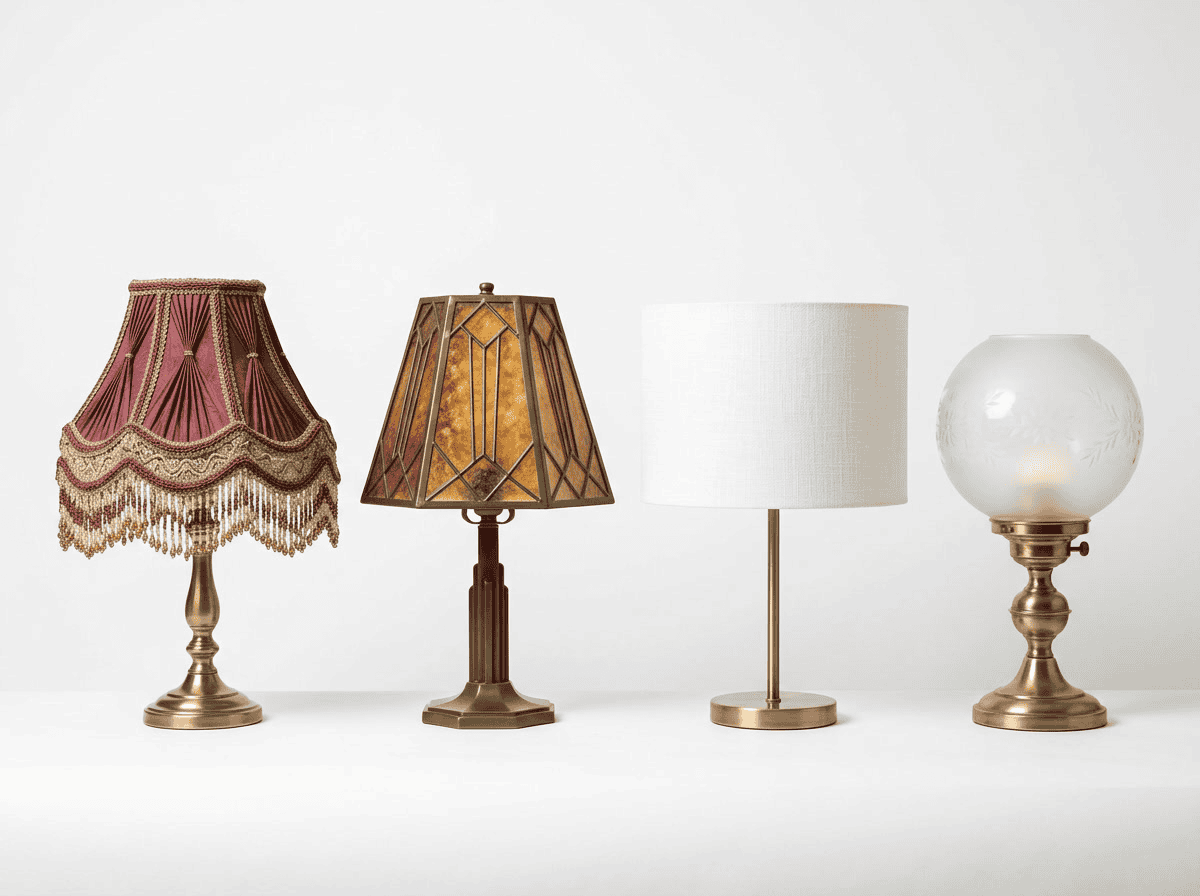
| スタイル時代 | 形状 | 素材 | フィッター | シグネチャーディテール |
|---|---|---|---|---|
| ヴィクトリア朝(1837–1901) | エンパイアベル、グローブ | シルク、ベルベット、手描きガラス | 煙突、クリップオン | フリンジトリム、花柄ガラスモチーフ |
| アール・ヌーヴォー(1890–1910) | マッシュルーム、ドーム | 雲母、ティファニー・ステンドグラス | スパイダー(ハープ上) | 有機的な形、トンボ/ユリのモチーフ |
| アール・デコ(1920年代–1930年代) | 段付きコーン、階段型ドラム | 雲母、フロストガラス、プリント生地 | スパイダー、UNO | 幾何学模様、クロームアクセント |
| ミッドセンチュリーモダン(1940–1965) | ドラム、わずかなテーパー | リネン、麻布、テクスチャードコットン | スパイダー、UNO、サドル | 清潔で飾り気のない、自然な色合い |
ヴィンテージランプの交換用シェードの測り方
ほとんどの失敗したシェード購入は、測定ミスによるものです。購入者はベースのサイズを測り、シェードを推測しました。ヴィンテージランプ用のシェードを探すには、4つの正確な数値が必要です。.
必要な4つの寸法:
1. 上部直径 — 上部開口部のフレーム内側(フィッターが座る場所)で測定
2. 下部直径 シェードの下端の最も広い点で測定
3. 斜高 シェードの側パネルに沿って斜めに測定、下へ直線には測らない
4. フィッターの開口部 外枠ではなく、上部の金具フィッティングの直径
シェードの listings は次の形式を使用します 上部径 × 下部径 × 傾斜 インチ単位。「6 × 18 × 12」と表示されるリストは、上部6インチ、下部18インチ、斜辺12インチの帝国標準サイズを意味します。これが探すべき表記です。.
比率に対する指針: 下部直径 ≈ 台座の高さ(足元から harp のサドルまで)。ベースが16インチの場合、下部直径は約16〜18インチのシェードが必要です。.
実践での四つの主要寸法
harp またはフィッターに接するシェードの内側リムの直径を測定します。外部フレームではなく、ガラスチムニーシェードの場合はフィッターカラー自体(ランプのチムニー開口部に滑り込むガラスリング)を測定します。これら二つの寸法はヴィクトリアン風のグローブでは2〜3インチ異なることがあり、誤って測定するとシェードが座りません。.
斜辺の高さは布製シェードでは重要です。パネルは正確な角度に裁断・縫製されなければなりません。「高さ12インチ」と表示される帝国風シェードは、縦の12インチを意味することもあれば斜辺の12インチを意味することもあり、別寸法です。常に販売者にどの慣例を用いているかを確認してください。アメリカ系の多くのシェードメーカーは斜辺の高さを使用します。一部の欧州リストは垂直高を使用します。迷った場合は明示的に尋ねてください。.
ヴィンテージランプ用フィッタータイプの説明
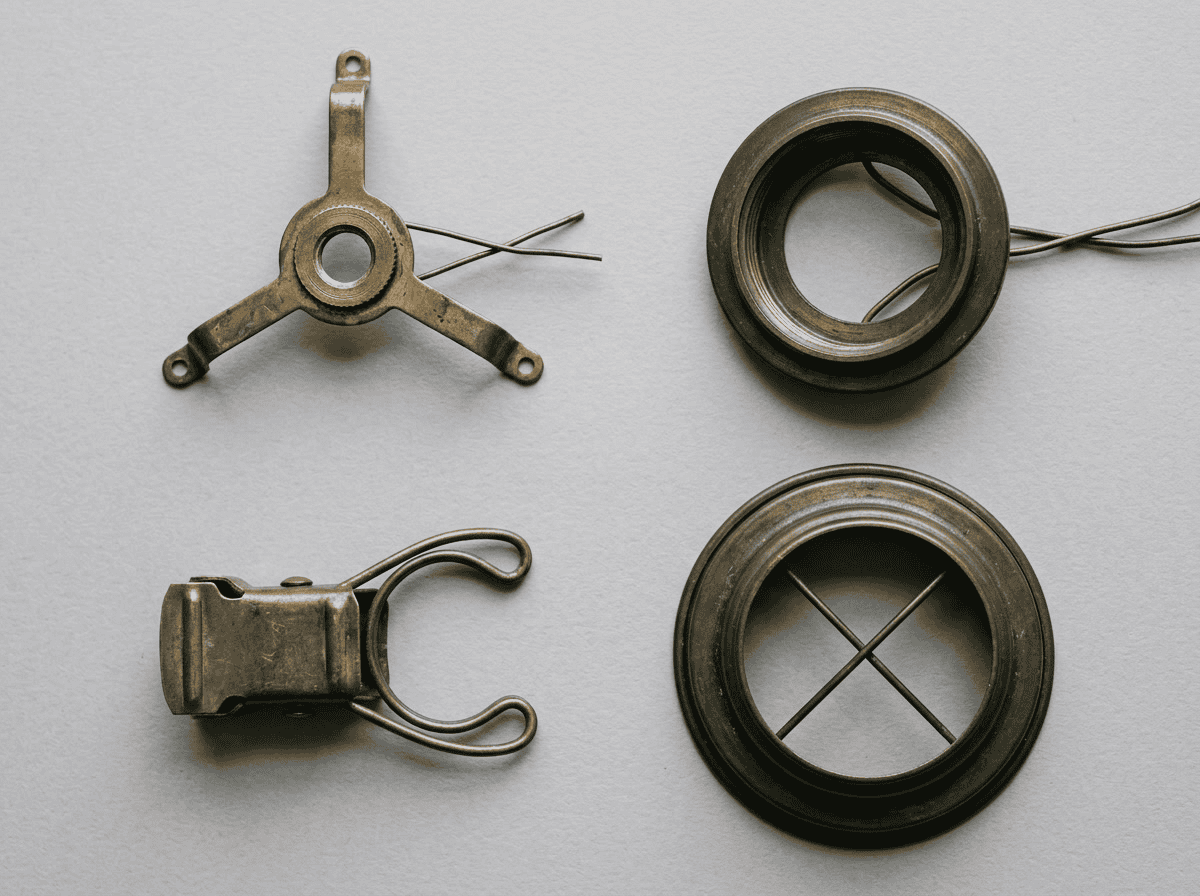
ヴィンテージランプのシェードを調達する際にはフィッタータイプを理解することは譲れません。 periods のランプで出会う四つのタイプ:
スパイダーフィッター: 中心のワッシャーを持つクロスバー枠で、 harP (ランプソケットに取り付けられたU字ワイヤー) の上に休むように設計されています。1950年以降のアメリカのランプのほとんどと多くのアールデコ作品で標準です。あなたのランプにハープがある場合、それはスパイダーシェードを取り付けます。.
UNOフィッター: ソケットのシェルに直接ねじ止めされる中心穴つきの円形リングで、ソケットリングを置き換えます。ハープは不要です。ミッドセンチュリーモダンのテーブルランプ、スイングアームのデザイン、一部のアールデコ作品で一般的です。UNOシェードはアダプターなしではスパイダーシェードと互換性がありません——注文前に確認してください。.
クリップオンフィッター: 花瓶型クリップまたは標準電球の上に直接クリップするスプリング式のリングです。壁付けのブラケット、シャンデリアのアーム、小型アクセントランプで使用されます。適切な電球径でのみ機能します——ほとんどのヴィンテージのクリップオンフィットは特定の電球サイズに合わせて校正されています。.
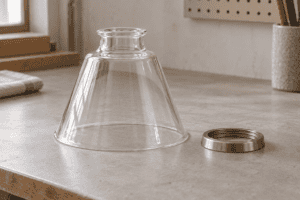
チムニーフィッター: ランプのチムニーリングの内側に座るガラス製のカラーです。オイルランプの改造、初期の電気テーブルランプ、ヴィクトリア朝・エドワン時代のブラケットランプのデザインに特有です。¼インチ刻みでサイズ表示され、最も一般的なのは3.25″、4″、6″です。.
ヴィンテージ風ランプシェードの材料
スタイル時代とフィッタータイプを確認したら、材料の選択が光の品質と長期的な耐久性を決定します。各材料には独自の特性があります。.
ファブリックシェード:シルク、リネン、バーラップ
シルク ヴィンテージランプのヴィクトリア朝・エドワン朝の時代に合った時代通りの選択です。暖かく、やや金色がかった光を伝え、部屋を劇的に柔らかくします。トレードオフ:本物の絹は高価で(カスタムシェードの場合$150–$400+)、UV光の下で合成繊維よりも劣化が早く、ほこりを引きつけます。窓の近くのランプには、シルクデュプリオーニまたは絹/ポリエステル混紡の方が長期的には見た目の品質低下が少なく機能します。.
リネンとコットン ミッドセンチュリーモダンのドラムシェードには適切な材料です。重量級のリネンは暖かく、やや拡散する光を生み出し、耐久性にも優れています。1950年代のチークベース用のベルギーリネンのドラムシェードは、ほとんどの合成素材より長持ちし、数十年の間形状を保ちます。.
バーラップ 1960年代〜1970年代のフォーク&素朴なランプスタイルで一般的でした。テクスチャのある暖かい光を生み出しますが、時間とともに繊維が shed します。裏打ちされたバーラップシェード— バーラップの背後にコットンまたはスチレンライナー— は shed の問題を解決し、信頼できるメーカーでの標準的な構造です。.
ミカシェード:アーツ&クラフト規格
ミカシェードは authentic Arts & Crafts(1900–1920)および初期アール・デコのランプにとって機能的に代替不可能です。材料は、薄い天然のミカ鉱物の薄片をフレームに組み込んだもので、布地や着色ガラスではほとんど再現できないオレンジ-アンバーの輝きを生み出します。これを踏まえると、 Smithsonian American Art Museum のコレクション資料, によれば、Arts & Crafts の照明デザインは特にキャンドルの光の質を再現するためにミカを使用しており、初期の白色青色の白熱灯の鋭い光を避けて素材の真正性を period aesthetic の中心に据えています。.
現代のミカシェードは天然ミカ(時代感ある本物の外観、コスト高)または合成ミカ(ガラス繊維強化、より均一な外観、コスト低)を使用します。本物の時代作品、たとえば Handel ランプのレプリカ、Dirk Van Erp 風、Stickley に近い台座には、正しいフレームプロファイルを備えた天然ミカが適切な選択です。.
ガラスシェード:霜降り、アンバー、手描き
ガラスランプシェードは職人系メーカーの専門分野で、時代に合った修復の耐久性ある定番です。 Smithsonian のアメリカ装飾美術の歴史 は、アメリカ国内のガラスシェード生産は1890年から1930年の間にピークを迎えたと指摘しており、この時期には象徴的なビクトリア朝時代の手描きグローブとティファニー風リードガラスがこの分野を定義し続けています。.
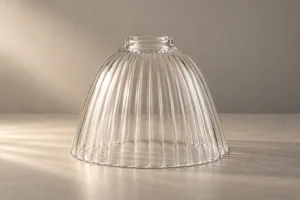
フロストガラス シェードは地球表面全体に均等に光を拡散させ、柔らかな、まぶしさのない輝きを生み出します。ビクトリア朝のブラケットランプ、アールデコのデスクランプ、工業用ペンダントで広く使用されました。霜降りガラスは通常の使用下で無期限に耐えます — 絹や burlap のように黄変したり、熱によって劣化したりしません。.
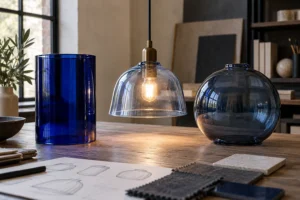
アンバーと着色ガラス シェード — クランベリー、コバルト、グリーンが最も歴史的に一般的でした — はビクトリア朝およびエドワーディアンの家のステータスシンボルでした。着色ガラスは白熱灯の光を暖かく劇的な色調にフィルターしました。現在、アンバーとクランベリーのガラスシェードは東ヨーロッパ、米国、および中国の専門メーカー(江西省や浙江省の生産者を含む)によって生産されており、本物のように見える交換品を過去数十年で最も入手しやすくしています。.
手描きガラス シェード — ミルクガラスの花モチーフ、霜降り球体の風景画などが最も装飾的で、真の再現が最も難しいです。オリジナルの手描きビクトリア朝グローブは一般的に機能的な交換品としてではなく収集対象として扱われます。再現品質は2020年以降大幅に向上しましたが、筆致の細部とエナメルの接着はメーカーごとに依然として大きく異なります。手描きガラスの交換品を注文する前には、必ず実物のシェードの写真を要求してください(製品のレンダリングは不可)。 装飾美術の Wikipedia 記事 ガラスへの手作業による装飾はローマ時代から絶えず行われてきた—今日の職人ガラス工は二千年にわたり技術を磨いてきた伝統の中で作業を行う。.
| 素材 | 光の質 | 耐久性 | 典型的な費用(USD) | 最適な時代の一致 |
|---|---|---|---|---|
| 純粋なシルク | 暖かく、金色で、エレガント | 低い(UV、ほこり) | $150–$400 | ビクトリアン、エドワーディアン |
| シルク混紡 | シルクと同等、耐久性向上 | 中級 | $80–$200 | ビクトリアン、エドワーディアン、アールデコ |
| リネン | 暖かい、質感、わずかな霞み | 高い | $60–$150 | ミッドセンチュリーモダン |
| マイカ(天然) | オレンジアンバー、非常に暖かい | ダメージがなければ高い | $200–$500 | アーツ&クラフツ、初期アールデコ |
| フロストガラス | 均一、柔らかい、 glare-free | 非常に高い | $40–$180 | ビクトリアン、アールデコ、工業的 |
| 着色/塗装ガラス | 劇的な、色味のある輝き | 非常に高い | $60–$300 | ビクトリアン、アールヌーヴォー |
ヴィンテージランプ用のランプシェードの入手先
ヴィンテージランプに適したランプシェードを見つけるには、価格、リードタイム、真贋保証に大きく差がある4つの出典タイプのいずれかを選ぶことになる。.
専門小売店と確認すべき点
オンライン・実店舗の両方で、専門のランプシェード販売店は標準化されたサイズの時代風シェードを取り扱っています。利点は即時入手可能で、確立されたQAプロセスによる寸法精度と、古いフィッティングに関する質問を理解するカスタマーサービスです。欠点は、標準サイズが珍しいヴィンテージベースに適合しない場合があることと、本当に時代を感じさせる素材(天然雲母、手吹き着色ガラス)はプレミアム価格になることです。.
次のような小売業者を探す 詳細な寸法表 Top × Bottom × Slant 表記を使用し、フィッタータイプを明示して記載していること。単に“高さ”のみを提供するリストは、ほぼ間違いなく垂直高さを示しており、ヴィンテージランプ市場で返品の原因となることがよくあります。高価なランプの場合は注文前に電話して、フィッターの適合性を直接確認してください。.
アンティーク市場、遺品販売、オンラインプラットフォーム — eBay、Etsy、1stDibs が最も活発 — は、ヴィンテージランプ用の本物の時代風シェードを得られる最も信頼できる情報源です。価格は、状態の悪いビクトリアン絹エンパイアが$15、名高いArts & Craftsメーカーのプリズムであるミカシェードの pristine なものが$800+ となることがあります。.
アンティーク市場で購入する際は、四つの寸法と適合タイプを書き留めて持参してください。売り手が許可する場合は、現場で適合開口部を測定します。以下を確認します:フレームの歪み(布張りシェードに多い)、退色や黄変(絹は不均一に劣化)、雲母の亀裂パターン(小さな縁の欠けは修理可能;貫通パネルの亀裂は構造的)、適合ネック部のガラス亀裂(欠けたネックはしっかりと、安全に座りません)。.
カスタムおよび手作りのシェードオプション
非標準の寸法、損傷したり紛失したハードウェア、特定の時代の外観など、珍しいヴィンテージのベースには、 カスタムメイドのシェード が最適な解決策となることが多いです。カスタムメーカーは、寸法や元の写真、または時代の参考画像から作成します。.
カスタム生地のシェードは、サイズ、素材、トリムの複雑さに応じて通常$200–$800です。職人組みのガラスシェードは幅広く変動します:簡単な交換用の霜降りグローブは$80–$150、特定のヴィクトリア朝の宴会用ランプの手描きミルクグラスのシェードは$400–$900に達することがあります。カスタム注文の納期は、確立したメーカーで4–12週間程度です。.
時代再現を専門とするEtsyベースの職人ランプシェードメーカーは、2023年以降増加・品質向上しています。最高の写真付きの実プロセス写真を提供し、合理的な最小注文でサイズのカスタムが可能で、適合器具の互換性について明確に伝えます。ヴィンテージランプのシェードを評価する際は、同様の時代と素材のシェードの買い手からのレビューを specifically 読んでください。一般的な「美しいアイテム」というフィードバックだけでは、寸法の正確さや適合器具についてほとんど情報がありません。.
| ソースタイプ | 価格帯 | 納期 | 最適用途 |
|---|---|---|---|
| 専門小売業者 | $40–$350 | 2–7日 | 標準サイズ、適合器具の互換性を確認 |
| アンティーク市場 / エステートセール | $15–$800+ | 即納 | 純正の時代家具の逸品、珍しいバリエーション |
| カスタム生地シェードメーカー | $200–$800 | 4–10週間 | 非標準寸法、時代に合ったトリム |
| 職人ガラスシェードメーカー | $80–$900 | 6–12週間 | ガラス交換、手描きの再現品 |
| エッツィー職人メーカー | $60–$400 | 2〜6週間 | 中価格帯のカスタム、期間再現 |
ヴィンテージランプシェード交換時の一般的な間違い
ヴィンテージ照明を扱う際、同じ調達ミスが繰り返し現れる。失望する購入の大部分は三つのミスに起因している。.
誤ったフィッタータイプ
ヴィンテージランプ用のシェードを調達する際に最も一般的なミスは、 UNOまたは煙突フィッターランプ用のスパイダー・フィッターシェードを注文すること. スパイダーシェードには、ソケットハウジングから立ち上がるU字型のワイヤーであるハープが必要です。ランプにハープがない場合、スパイダーシェードは不安定にバランスを取るか、傾いてしまいます。.
ヴィンテージランプのシェードを注文する前に、まずフィッタータイプを特定してください。不明な場合は、ソケット部分をはっきりと写した写真をヴィンテージランプのトレードフォーラムに投稿するか、小売店にメールしてください。良い小売店は、シェードを推奨する前にフィッターについて尋ねます。そうしない小売店は要注意です。.
実用的な解決策: ハープ金具は別売りです。ヴィンテージランプがUNOソケットを使用しており、完璧なスパイダーフィッターシェードを見つけた場合、UNOソケットリングにねじ込むサドルマウントハープアダプターが、ほとんどのランプ金具サプライヤーから8ドルから15ドルで購入できます。必ずしも当時の正確な金具ではありませんが、ほとんどの人が気づかない、すっきりとした機能的なブリッジです。.
時代の不一致
ミッドセンチュリーのドラムシェードとヴィクトリア朝のベースを組み合わせることは、フォーマルなドレスにランニングシューズを合わせるようなものです。どちらも良いものですが、組み合わせることで互いの良さを損なってしまいます。.
この間違いのより微妙なバージョン:正しい広い時代のものではあるが、間違った地域の伝統のシェードを組み合わせること。アメリカのArts & Craftsシェード(スティックリー、リンバート、ロイクロフトの美学)は、イギリスのArts & Crafts(モリス商会の美学、より有機的で花柄)よりも重く、より幾何学的です。間違った伝統のシェードは、時代のラベルには合っていても、特定のランプの視覚言語には合わないかもしれません。.
迷ったときは、ベースの装飾的なディテールを見てください。鋳造は幾何学的ですか、それとも有機的ですか?水平の帯(アールデコ)または垂直のリブと自然由来の形状(アーツ&クラフツ)を好みますか?シェードは、単に時代の範囲だけでなく、ベースの支配的な装飾文法を反映している必要があります。.
熱とワット数を無視する
現代のLED電球は、ヴィンテージランプ用のヴィンテージランプシェードの熱に関する懸念を軽減しましたが、完全にはなくしていません。天然シルクとベルベットのシェードは、ランプシェードの上部開口部に近すぎる9W LED(白熱電球換算で約60W)以上のものからは依然としてリスクがあります。上部開口部が4インチ以下で、標準的なA19 LEDが内部に収まる場合、シェードの上部は数ヶ月かけてシルクをゆっくりと黄色くし、乾燥させる温度に達する可能性があります。.
使用 キャンドルランプベースLED (E12ソケット)を小さなファブリックシェードに使用します。これらはより低温で動作し、シェードのファブリックから離れて配置されます。マイカシェードの場合、マイカは家庭用電球よりもはるかに高い温度に耐えるため、熱の心配はほとんどありませんが、全ワット数で動作させる前にマイカフレームのはんだ付け部分が損傷していないか確認してください。.
ガラスシェードの場合、熱は素材上の懸念ではありませんが、 熱衝撃 急激な温度変化は古いガラスをひび割れさせることがあります。点灯したばかりのガラスシェードを冷たい水で洗わないでください。.
将来のトレンド:2026年のヴィンテージランプシェード
2026年現在のヴィンテージランプシェード市場は、反対方向に引っ張る2つの異なる力を反映しています。本物の時代の素材(手吹きガラス、天然マイカ、本物のシルク)に対するコレクターの需要により、本物の部品の価格は数十年間で最高値に達しました。一方、職人によるガラス細工やテキスタイル工房の製造技術の向上により、高品質のレプリカがより入手しやすくなり、博物館の展示ではなく日常の使用において重要な、本物とレプリカの間のギャップが縮まっています。.
今年ヴィンテージランプのランプシェードを探している人は、注目すべき3つのトレンドがあります。
ガラスシェードの復活。. 日本、チェコ共和国、中国の職人によるガラス細工は、製造技術の向上と輸送コストの削減により、5年前よりも低価格で、ヴィクトリア朝様式のすりガラス、琥珀色、手描きのガラスグローブを製造しています。品質のばらつきは依然として大きいですが、天井は著しく上昇しています。.
カスタム短期生産のファブリックシェード。. ソーシャルプラットフォームを利用してマーケティングを行う小規模バッチのランプシェードメーカーは、従来の大規模なカスタム工房で最低注文数$500、納期12週間の期間限定のシルクやリネンのシェードを、カスタム寸法で手に入れることができるようにしました。.
サステナブル素材の推進。. ヴィンテージ衣料から再生されたシルクや、責任ある採取による天然雌礬土は、専門のシェードメーカーの間で販売ポイントとなっており、ヴィンテージの由来に関わる複雑さを避けて、時代に合った素材を求める買い手にアピールしています。.
よくある質問 — ヴィンテージランプ用ランプシェード
ヴィンテージのフロアランプに合うシェードのサイズは?
ヴィンテージのフロアランプには、底径16〜22インチのシェードが一般的です。ランプの台座の高さを足からハープサドルまで測定し(電球やシェードは含まない)、その高さに対して2〜3インチ以内の底径を選びます。ほとんどの時代様式では、20インチの台座には18〜22インチの底径のシェードが適しています。.
ヴィンテージランプに必要なフィッタータイプはどうやって確認すればいいですか?
ハープ(ソケットから立ち上がるU字型のワイヤー)があるか確認してください。あればスパイダータイプのフィッターが必要です。ソケットにねじ込み式のリングがあり、シェードがねじ込まれる場合はUNOフィッターが必要です。トップに煙突状のチューブがある場合は、その外径に合った煙突タイプのガラスシェードが必要です。これらがなく、ソケットが露出している場合は、電球に直接取り付けるクリップオンフィッターが必要です。.
ヴィンテージのランプシェードは、現代のLED電球と安全に使用できますか?
ほとんどの素材で安全です。LEDは同等のルーメン出力の白熱電球より80〜90%低温で動作し、シルク、雌礬土、ガラスのシェードに適しています。9〜12W(60〜75W相当)またはそれ以下の電球を使用し、Aシェイプのプロファイルを選んでください。密閉されたガラスシェード内での指向性LEDスポットライトは、同じワット数でも標準のAシェイプ電球より熱を集中させるため避けてください。.
雌礬土のランプシェードとは何ですか?また、なぜ高価なのですか?
ミカは自然に存在する鉱物で、薄くて耐熱性があり、半透明のシートに割れる特徴的な琥珀色を持つ。天然ミカは採掘、等級付け、切断、手作業でシェード枠に組み立てられる必要がある — この工程は完全に手作業で行われる。高品質なミカシェードには6〜10時間の熟練した労働が必要だ。$200〜$500の価格は、その労働コストを反映しており、材料のマークアップではない。合成ミカ(ガラス繊維強化)ははるかに安価で、コレクター向けではない用途に適している。.
モダンドラムシェードをヴィクトリア時代のランプに取り付けることはできますか?
機械的には可能で、フィッターが合えば問題ない。ただし、見た目は通常失敗する — 比例やスタイルの不一致は無視しにくい。予算が制約の場合、中立的なクリームリネンやオフホワイトコットンのテーパーエンパイアシェードは、円筒型ドラムよりも時代に近いもので、多くの専門店で$60〜$120で見つかる。.
ヴィンテージランプの交換用ガラスシェードはどこで買えますか?
専門のランプハードウェア供給業者、アンティークランプディーラー、ヴィクトリアやアールデコのレプリカを製作するガラス工房が最良の供給源だ。オンラインマーケット(eBay、Etsy)では本物のヴィンテージガラスシェードが定期的に出品されている — フィッターサイズと時代でフィルタリング可能。煙突タイプのガラスシェードの場合、注文前にフィッターのコラード直径を正確に測定すること:3.25インチと4インチが最も一般的だが、特定のランプモデルには3.5インチや6インチのバリエーションもあり、互換性はない。.
ヴィンテージの布製ランプシェードを傷つけずに掃除するにはどうすればいいですか?
柔らかい毛のブラシや低吸引の掃除機(張り地用アタッチメント)で定期的にほこりを取り除く。シルクのシミには、ほとんど湿らせた布でスポットクリーニングを行う — 押し当てて持ち上げ、決してこすらない。布製シェードを水に浸すことは絶対に避けるべきだ;接着剤が布とフレームを結合しているため、失敗する。プリーツシェードの場合は、プリーツの方向に沿って作業する。 アメリカ議会図書館のテキスタイル保存ガイドライン ヴィンテージの織物オブジェクトは直射日光を避け、安定した湿度の場所に保管することを推奨する — これは使用間の保管時にシルクやリネンのランプシェードにも当てはまる。.
結論
ヴィンテージランプ用の適切なシェードを見つけるには、測定、素材知識、歴史的理解の3つが必要だ。変数はフィッタータイプ、時代スタイル、比率、素材であり、これらが相互に作用するため、たった一つの誤った選択が、他は優れていてもランプの全体的な印象を台無しにすることがある。.
まずフィッターから始める。そこからすべてが始まる。スパイダー、UNO、クリップオン、煙突フィッターのいずれかを知れば、調達の半分はすでに決まっている。時代スタイルを層にし、4つの寸法(上部×下部×斜め角度×フィッター開口部)を正確に把握し、時代と光の質の好みに合った素材を選ぶ — ヴィクトリアやアーツ&クラフツの作品には暖かいシルクや天然ミカ、アールデコにはフロストまたはカラーガラス、ミッドセンチュリーモダンには清潔感のあるリネン。.
特にガラスシェードの交換用として — 多くのヴィクトリアやアールデコのランプにとって最も耐久性が高く時代に合った選択肢は、今日の職人のガラス工房が製造する高品質なもので、オリジナルのメーカーに匹敵する品質だ。ヴィクトリアのミルクガラスのグローブやアールデコのフロストシリンダーに合わせる場合でも、適切なガラスシェードは部屋の他のシェード素材よりも長持ちし、ほとんどメンテナンス不要で、時折ほこりを払うだけで済む。.