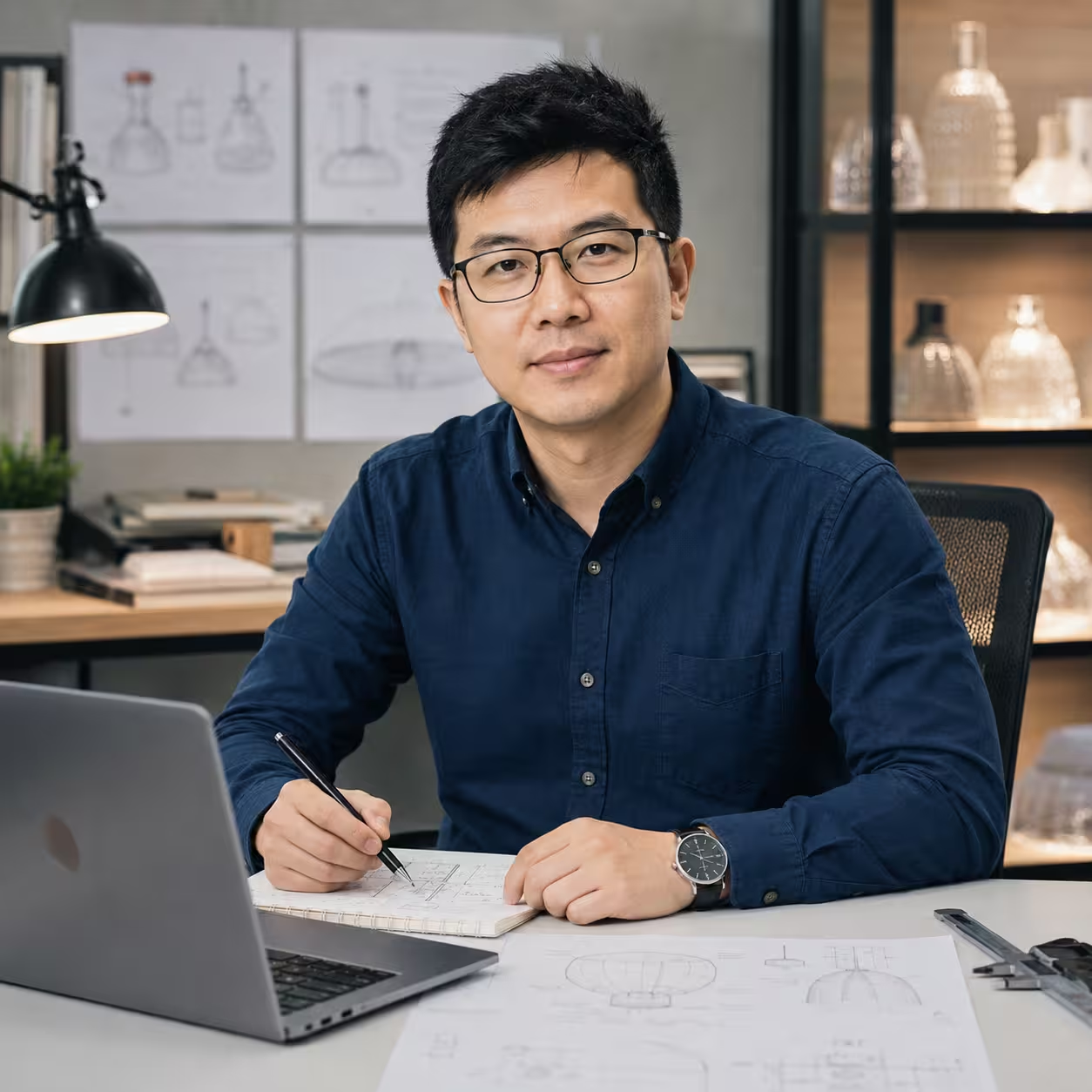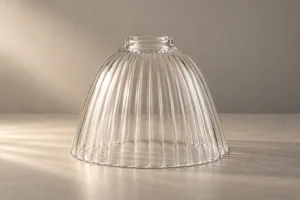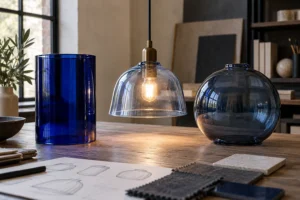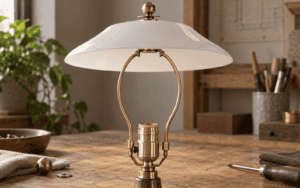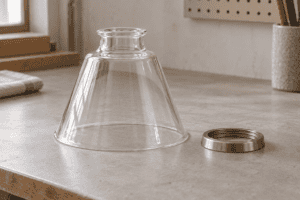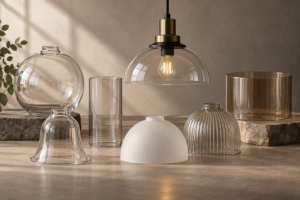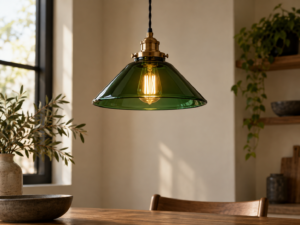
ガラス製のランプシェードは、吹きガラス、圧縮ガラス、鋳造ガラスから作られた装飾的な光拡散器であり、ペンダント、グローブ、ドーム、特殊な形状など、あらゆる照明器具やインテリアスタイルに合わせて利用できます。.
個性的な家に入ると、家具よりも先に照明に目が行きます。適切なガラス製シェードは、裸電球を会話のきっかけに変えることができ、間違った選択は美しいランプさえも安っぽく見せてしまいます。壊れたペンダントシェードの交換、ヴィンテージ復元用のガラスの調達、新築の装飾など、すべての必要な情報をこのガイドでカバーします:主要なスタイル、ガラスの種類が光の質に与える影響、正しいサイズの測定方法、そして長期間ガラスを鮮明に保つケア方法。.
ガラス製シェードの市場はかつてないほど広がっており、買い物が難しくなっています。私たちはその雑音を取り除きます。.
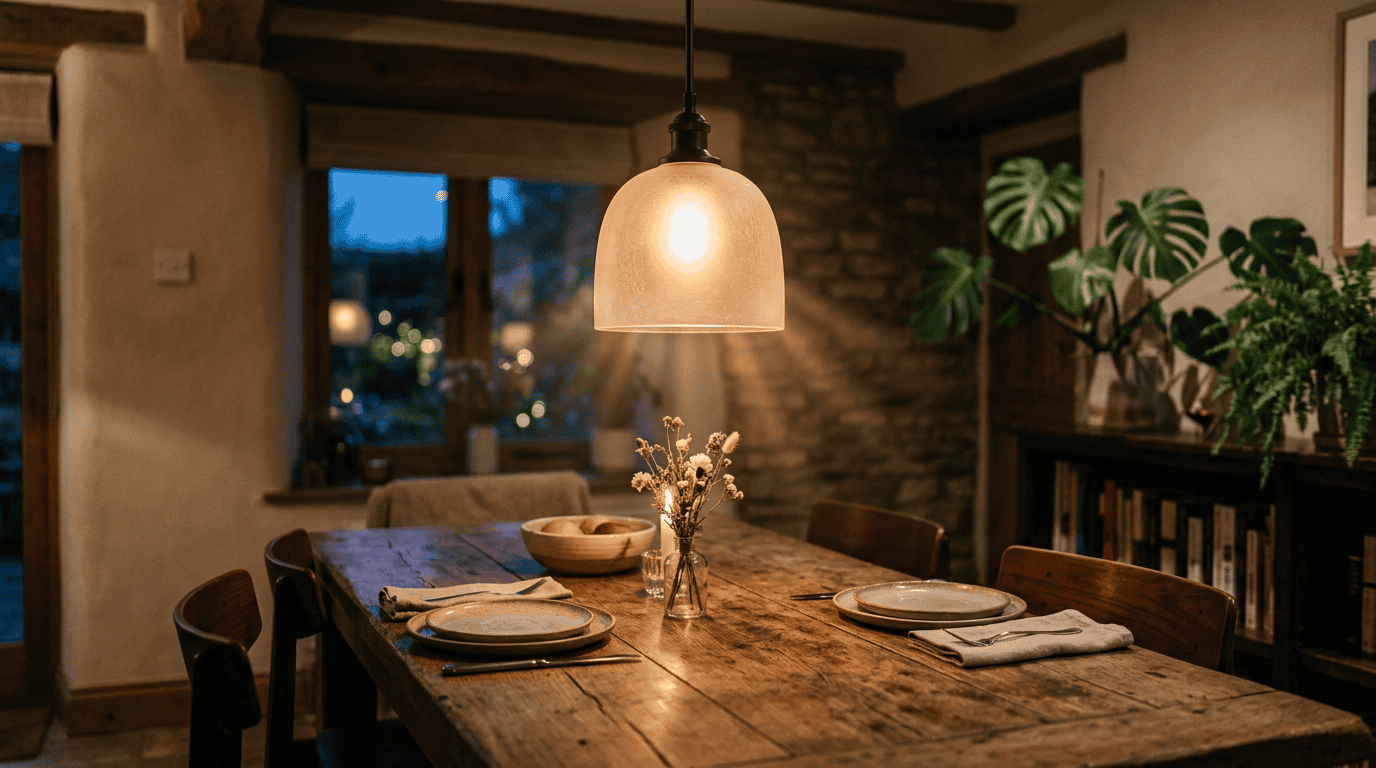
ガラス製シェードとは何ですか?
ガラス製シェードは、光源の上に取り付けられた半透明または不透明のカバーで、放射される光を拡散、直射、または装飾します。布や紙の代替品とは異なり、ガラスシェードは硬く、耐熱性があり、形状と色を永久に保持できるため、色あせやたるみ、近すぎる電球による火災リスクがありません。.
Wikipediaの ランプシェードに関する記事は シェードは形状(ドラム、エンパイア、ベル、クーリー)とフィッタータイプ(シェードとランプの機械的接続)によって分類されます。ガラス製シェードは、これら4つの基本形状カテゴリーのすべてに存在し、さらに多くの特殊形状もあります:フリルエッジ、渦巻きボディ、エッチング表面、手描きのモチーフなど。.
ガラス製シェードの仕組み
ガラスシェードを通過する光は、3つの作用をします:散乱(拡散)、フィルター(色/ティント)、反射(内部がテクスチャードまたはフロストされている場合)。透明なガラスシェードはほぼ100%のルーメンを部屋に放ちます。密度の高い白いフロストシェードは60〜70%の光を透過し、より柔らかく均一な輝きを作り出します。琥珀色や色付きのガラスシェードは、一部の波長を吸収し、残りを再放射します。これがコバルトブルーのグローブが白色LEDをよりクールで劇的に見せる理由です。.
実際には:フロストガラスシェードはフィラメントを隠し、グレアを排除します。透明なガラスは装飾的なエジソンまたはグローブ電球を見せることができ、模様入りのガラスは壁や天井に動く光の効果を作り出します。.
ガラスと布とプラスチックのシェードの違い
それぞれの素材は異なる役割を果たします。ガラスは永続性と美観が最も重要な場合のプレミアムな選択肢です。布は暖かく、音響的に静かです。プラスチックは衝撃に強いですが、熱の影響で劣化しやすいです。.
| 特徴 | ガラス製シェード | 布製シェード | プラスチック製シェード |
|---|---|---|---|
| 耐熱性 | 優秀 — 250°C以上に耐える | 適度 — 75W超の白熱電球で火災リスク | 不良 — 60°C以上で変形 |
| 耐色性 | 永久的 — ガラス顔料は色あせしません | 紫外線により色あせる(2〜5年) | 熱で黄ばむ(1〜3年) |
| 光の拡散 | 優秀 — ガラスの種類で調整可能 | 良好 — 暖かく柔らかい | 普通 — しばしばムラがある |
| お手入れ | 石鹸と水、食洗機対応(無地) | 部分洗いのみ、デリケート | 拭き取り、傷つきやすい |
| 耐用年数 | 割れなければ数十年 | 5〜10年 | 2~5年 |
| 価格帯 | $15〜$500以上 | $10〜$200 | $5〜$50 |
毎日頻繁に使用される照明器具(キッチンペンダント、洗面所のバニティリング、レストランのテーブルランプなど)には、ガラスシェードが最適です。ファブリックは、耐久性よりも暖かい質感が重要な寝室の柔らかな照明に向いています。.
ガラスシェードの種類
シェードの形状、仕上げ、ガラスの組成によって、光の当たり方や器具への適合が決まります。知っておくべきガラスシェードの主な5つのファミリーがあります。.
ペンダントシェードとドームシェード
ドームシェードはランプシェードガラスのカテゴリーで主力となる存在です。ドームシェードは天井器具やペンダントコードから吊り下げられ、開口部が下向きになっているため、ほとんどの光を下の面に集中的に照らします。これはキッチンアイランド、ダイニングテーブル、タスク照明に最適です。ドームシェードの内側は通常滑らかで反射性があり、外側はフロスト加工、クリア、またはカラー仕上げが選べます。.
ドームの直径は通常20cm(ベッドサイドやアクセント用)から45cm(キッチンアイランドのメインペンダント用)までです。45cmを超えるものは通常ボウルシェードとなり、天井直付け器具用に設計された浅型バリエーションです。.
グローブシェードとボールシェード
グローブシェード(球形またはほぼ球形のランプシェードガラス)は全方向に光を放つため、一般的な間接照明として最も汎用性の高い選択肢です。浴室のバニティストリップ、アールデコ調のフロアランプ、ミッドセンチュリーモダンのテーブルランプによく使われます。クラシックなグローブはクリア、フロスト、ホワイトミルクガラス、シード入りやテクスチャータイプがあります。.
ボールシェードは本物のグローブと異なり、やや小さめ(直径8〜15cm)で、廊下の天井直付け器具の交換用ガラスとしてよく使われます。シード入りガラスグローブシェード(意図的に小さな気泡が入ったガラス)は、布やプラスチックでは再現できない独特の光の拡散を生み出します。.
フロスト、クリア、特殊ガラス仕上げ
ランプシェードガラスの表面処理は、光の質を大きく左右します:
- クリアガラス:最大限の光透過性があり、電球の細部まで見せます。装飾用フィラメント電球やグローブ電球を見せたい場合に最適です。.
- フロストガラス:サンドブラストや酸エッチング加工された表面が光を均一に拡散します。電球を完全に隠します。まぶしさが問題となる浴室やバニティ器具の標準的な選択肢です。.
- ホワイトミルクガラス:不透明なプレスガラスで、歴史的には骨灰や酸化スズを使用して作られていました。非常に柔らかく均一な光を放ちます。ミルクガラスのペンダントシェードは、ファームハウスやコテージスタイルのインテリアの定番です。.
- シードガラス:意図的に気泡を閉じ込めたガラス。温かみのある手作り感を演出します。ラスティックやクラフトマンスタイルの照明器具で人気です。.
- 色付きガラス:製造時に着色されています。アンバー、コバルト、グリーン、スモークがランプシェード用ガラスで最も一般的です。アンバーは色温度を暖かくし、コバルトは冷たくし、グリーンは20世紀初頭のバンカーランプや図書館ランプの標準色でした。.
- アートガラス/ティファニー風:鉛入りまたは融合した色ガラスパネルを複雑なパターンに組み立てたもの。オリジナルの ティファニーランプ シェードは、1893年から1920年代にかけてティファニースタジオで製造され、オークションでは数千万円から数億円の価格がつきます。高品質なティファニー風ガラスランプシェードのレプリカは、1万円から数万円程度です。.
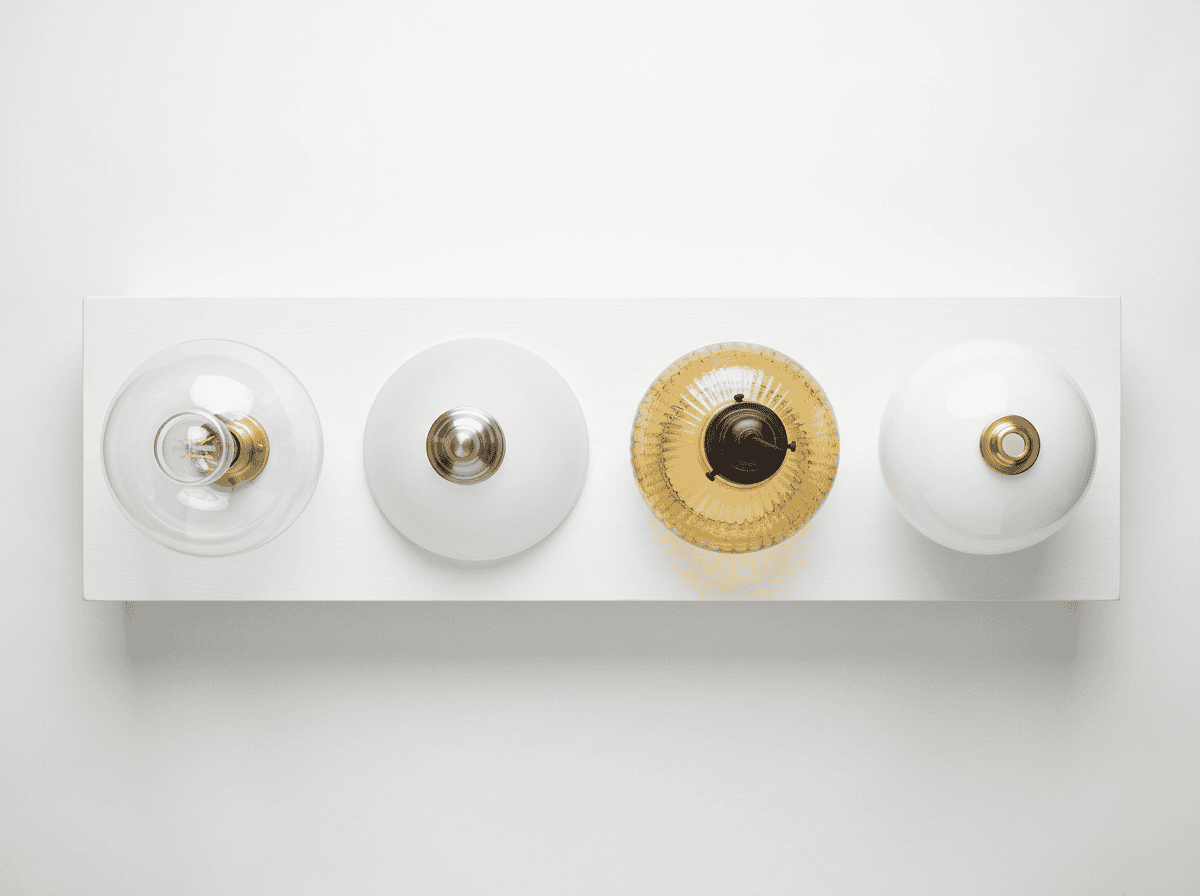
| スタイル | おすすめの部屋 | 標準直径 | 光の特徴 |
|---|---|---|---|
| クリアペンダントドーム | キッチン、ダイニング | 25〜40cm | 明るく指向性のある下向き光 |
| フロストグローブ | バスルーム、廊下 | 10〜20cm | 柔らかく均一でまぶしさのない光 |
| ミルクガラスボール | キッチン、コテージ | 8〜15cm | 暖かく、拡散されたアンビエント |
| シードガラス | ファームハウス、ラスティック | 15〜35cm | 微妙な質感のある暖かさ |
| ティファニー風 | アクセント、伝統的なリビング | 30〜55cm | カラフルでパターン入り |
| 色付きドーム | バー、レストラン | 20〜35cm | ムードに合わせた指向性 |
特殊・ヴィンテージガラスランプシェード
ヴィンテージやアンティークのガラスランプシェードは独自のカテゴリーです。学生用オイルランプシェード、リンカーンドレープシェード、ゴーン・ウィズ・ザ・ウィンドのグローブシェードは、積極的に収集・復刻されています。これらは通常、現代のスパイダーフィッターではなく、「スリップフィッター」で接続されます—シェードが金属リングに滑り込み、セットスクリューで固定されます。アンティーク器具用の交換ガラスは専門業者から入手可能ですが、100年前の酸エッチング仕上げを正確に再現するには特注が必要です。.
カーニバルガラス—歴史的に「貧者のティファニー」と呼ばれる虹色のプレスガラス—は1907年から1920年代に大量生産され、現在も復刻されています。ティファニーほど高価でなく、アートガラスの個性を求めるコレクターにとって、特徴的なランプシェードガラスとなります。.
業界用途とインテリアデザインでの利用
ガラスランプシェードは住宅用製品だけではありません。耐久性と美観が求められる商業、ホスピタリティ、施設などでも使用されています。.
住宅照明:ダイニング、キッチン、寝室
住宅環境では、ガラスランプシェードは人々が最も意識的に時間を過ごす空間—ダイニングルーム、キッチンアイランド、寝室—でその存在感を発揮します。 スミソニアンによるガラスの歴史, ガラスは3,500年以上にわたり高級素材として重宝されてきました。ファラオたちが価値を見出した特性(透明性、耐久性、半透明性)は、現代の照明用途でも最優先の選択肢となっています。.
ダイニングルームには、テーブルの上に30インチ間隔で3つのペンダントガラスシェードを配置することで、雰囲気と作業用の光を両立し、デザインの焦点となります。クリアガラスシェードにマットブラックの金具はモダンなインテリアに適し、アンティークブラスとシードガラスはクラフトマンやファームハウス風の部屋に合います。.
キッチンアイランドには、直径14~16インチのドーム型ガラスシェードを、シェードの底がカウンター表面から30~36インチの高さになるように吊るすことで、十分な作業用照明と座っているゲストへの眩しさを防ぐバランスが取れます。.
寝室には、ベッドサイドテーブルランプにグローブ型やベル型のガラスシェードを使用することで、読書灯の強い光を和らげ、アンバーガラスがもたらす色の変化を避けることができます。フロストホワイトガラスは中立的で汎用性の高い選択肢です。.
当社の全ラインナップをご覧いただけます ペンダントガラスシェード お部屋に合ったサイズやスタイルを見つけてください。.
商業施設・ホスピタリティ向け
レストランやバーでは、2010年代のインダストリアルデザイン復興以来、カラーや特殊ガラスシェードの需要が大きく伸びています。クリアドームシェードの下に露出したエジソン電球、バーの上のグリーンエナメルバンカーズランプ、ブース席の上のアンバーガラスペンダントなどは、「インダストリアルファームハウス」レストランの美学の視覚的特徴であり、2026年の新規オープンでも主流となっています。.
商業用ガラスシェードは、業務用洗剤による日々の清掃や、常時オンオフによる熱サイクルに耐える必要があります。ホウケイ酸ガラスシェードは、通常のソーダライムガラスよりもこれらの条件下ではるかに優れた耐久性を発揮します。ホウケイ酸ガラスの熱膨張係数はソーダライムガラスの約3分の1であり、急激な温度変化にさらされても割れにくい特性があります。これは、長時間使用後に冷水で毎日清掃する照明器具にとって重要な特性です。.
ホテルやイベントスペースでは、ガラスのシェードがついたブラスランプ、テーブル用フィクスチャ、天井ペンダントを使用して、プラスチックや布では達成できない仕上がりのレベルを示します。ガラスの重量感と光の屈折は、安価な素材では単純には再現できないプレミアム感として読み取られます。.
ビンテージとアンティークのガラス製ランプシェード:修復とコレクション
アンティークのランプシェード用ガラス市場は活発で成長しています。 According to the 照明技術の年代順, 、1850年代から1900年代のガス灯およびオイルランプの器具は、構造部材としてガラスシェードを前提に設計されており、シェードを取り外したり交換したりすることは任意ではありませんでした。19世紀の多くの器具は良好な状態で現存しており、所有者は時代に合った交換用ガラスを見つける課題に直面しています。.
authentic Victorianランプシェードは、厚さにわずかな不均一さを持つ手吹きガラスを使用しており、それが視覚的に興味深い要素の一部です。現代の複製ガラスははるかに均一で、同じ部屋に古いガラスと新しいガラスが混在していると、知覚上の違いが顕著です。専門のガラス工房では、時代の技法を用いてまだ口吹きのランプシェードガラスを生産しています。 authentic reproduction 作業にはシェード1個あたり$150–$400の費用がかかると見込まれます。.
コレクター向け:状態は年齢よりもはるかに重要です。欠け、ひび割れ、鉱物沈着による曇りがあるランプシェードは、同年代の完品のほんの一部の価値しかありません。正真正銘の Carnival ガラスの虹彩面は、指向性の光の下での輝きの深さと複雑さで現代の複製と区別されます。 authentic 20世紀初頭の Carnival ガラスは金属塩溶液でスプレーされ、現代のスプレー塗装よりも複雑な光学効果を生み出していました。.
適切なガラス製シェードの選び方
シェードのガラスを選ぶ際の要素は4つで、フィッタータイプ、直径、ガラス仕上げ、電球適合性です。これらのいずれかを誤ると、取り付けられないシェード、比率が不自然に見えるもの、光が強すぎるまたは暗すぎる照明、あるいは熱のリスクが生じます。.
フィッターサイズとソケットタイプの適合
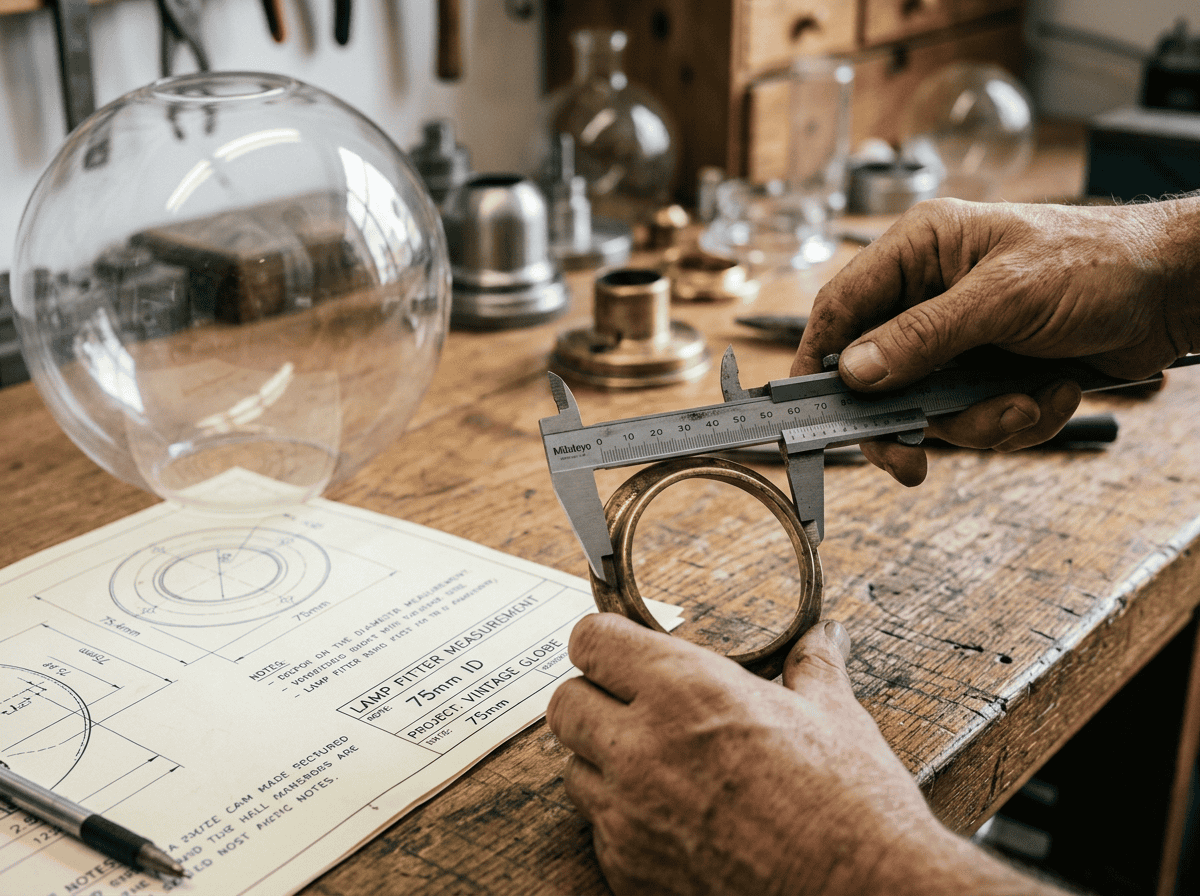
「フィッター」はシェードとランプ本体の接続点です。これを正しく測ることが最も重要な1つの測定値です。間違ったフィッターサイズでは、シェードが物理的に取り付けられません。.
ガラスシェード用で最も一般的な4種類のフィッタータイプ:
- スパイダーフィッター: 蚊のような三脚のような金属スパイダーがランプハープの上に載ります。シェードのスパイダーリングはハープの上に乗り、フィニアルで固定されます。テーブルランプや床置きランプで最も一般的なフィッターです。ハープを備えた任意のランプに対応します。.
- Unoフィッター: シェード内にリングがあり、直接電球のソケットリングにねじ込まれます—ハープは不要です。トーチエアランプや一部のテーブルランプベースで一般的です。もしランプベースのソケットシェルがハープの代わりにネジ付きである場合は、Unoフィッターのシェードが必要です。.
- クリップオンフィッター: スプリングクリップは電球を直接挟みます。小さなアクセントシェードやシャンデリア用ソケットの fixtures に使用。白熱灯またはハロゲン電球でのみ機能します — CFL および LED 電球はクリップで確実に挟むには冷たすぎ、または過熱してシェードを不均一に加熱することがあります。.
- スリップフィッター: シェードの開口部は金属のフィッティングリングの上を滑り、セットスクリューで固定されます。アンティークオイルランプのハードウェアや一部の屋外ポストフィクスチャーの標準です。開口直径(通常は6または12インチ)は、フィクチャのマウントリングと正確に一致する必要があります。.
計測: スパイダー・フィッターシェードの場合、シェードの内径(スパイダーの穴)を測定します。標準サイズは2.25インチと3.25インチで、ハープ幅に合わせてください。スリップフィッターの場合は、フィッター部でのシェード開口部の内径を、最も広い部分ではなく測定してください。.
ランプベースに合わせたグラスランプシェードのサイズ
多くの購入者が間違えるのは比率です。小さすぎるシェードは帽子が間違って載せられたように見え、逆に大きすぎるとランプベースが見えなくなります。.
経験則: シェード直径 ≈ ベースの高さの2× および シェードの高さ ≈ シェード直径 ÷ 1.5. たとえば高さ12インチのランプベースには、直径が約18–24インチのシェードが適しています。シェードの下端はソケットの水平位置と同じかやや下に来るようにし、座った視線から電球が見えなくなるようにします。.
ペンダントおよび天井付けのフィクスチャーの場合、高さの方が直径より重要です。ダイニングテーブルの上に吊るすペンダントグラスのシェードは、テーブル表面から30–36インチ上に位置するべきです — 集中照明のために低すぎず、テーブルを横切る視線を遮らない程度に。.
購入者が犯しがちな誤り
購入前にフィッターを測らないこと。. オンラインで美しいガラス製のランプシェードを購入した後、ランプには Uno ソケットがあり、シェードにはスパイダー・フィッターがあることに気づく。これらは取り替え可能ではありません。.
大きすぎる、あるいは小さすぎるワット数の選択。. ガラスシェードは熱を空気中へ伝えるため、熱を吸収するのではないが、限界はある。ほとんどのガラスペンダントシェードは60W白熱球または同等の明るさまでの電球を対象としている。完全に密閉されたグローブ型シェードでは、LEDの等価ワット数(通常は60W相当で8–10W)が重要になる。なぜなら一部のLEDは発熱を電球表面ではなくベースから放出するためであり、シェードの換気を確認すること。.
すりガラスは柔らかい印象を与えるとされるが。. すりガラスは光を均一に拡散するが、総光束を大幅に減少させることはない。器具が過剰な光を発する場合、シェードをすりガラスにしても解決しない――より少ないルーメンの電球を使用してください。.
色温度を無視すること。. 暖かい琥珀色のガラスシェードは、4000Kの“クールホワイト”LEDを視覚的に約3000Kへと変化させる。日光ボルブの全色スペクトルを望む場合は、クリアガラスシェードを使用してください。すでに所有しているLEDを暖めたい場合は、琥珀色のガラスシェードは適切なツールです。.
ガラス製ランプシェードの手入れ
ガラス製ランプシェードは生地製よりは手入れが楽だが、特にクリアや軽いすりガラスは埃、指紋、ミネラル沈着物が目立ちやすい。月に1度の埃取りと年に2回の徹底清掃で新しい状態を保つ。.
毎週: ランプを切り、冷えた状態のときに乾いたマイクロファイバークロスで拭く。30秒程度で、後で浸漬が必要になる埃の膜を作らないようにする。.
徹底清掃(3–6か月ごと): シェードを器具から外す。塗装や金属装飾のないプレーンなガラス製シェードの場合、pH中性台所洗剤を少量入れたぬるま湯に軽く浸し、10–15分放置してから柔らかい布で拭き、清水で洗い、布目のない布で乾燥させる。. ガラスクリーナーは使用しないでください――透明ガラスに膜を残すことが多い。.
装飾や手描きのシェードの場合は、湿らせた布で軽く絞って部分的に清掃してください。装飾ガラスを決して完全に浸さないでください;熱と石鹸の影響で描画や金箔装飾が剥がれます。.
鉱物沈着のエッチング(清水が硬い地域で一般的)には:白酢と水を同量ずつ混ぜたものを柔らかい布で塗布し、5分間放置した後に洗い流すと、ガラス表面を傷つけることなく多くのカルシウム沈着を溶解します。 ホーム&ガーデンズの掃除ガイド ガラス備品には特にこのアプローチを推奨し、商業用ガラスクリーナーはしばしば除去できる量よりも多くの残留物を残すことがあると指摘しています。.
ガラスランプシェードの今後の動向(2026年以降)
ガラス製ランプシェードは今、時代の流れに乗っているのです。最新の照明技術自体が原因でなく、それゆえにこそ。LEDとスマート電球への移行は熱を制約から解放し、75Wの白熱灯では実用的でなかった小型で密閉されたガラスシェードを可能にしました。そしてスマートホームシステムが成熟するにつれ、シェードを設置して光を一度設定するのではなく、光を変える体験を中心にガラスシェードが設計されるようになっています。.
スマート照明とガラスランプシェード
調色機能付き白色LEDとRGBW LED電球をガラスシェードと組み合わせると、デザインの計算が大きく変わります。スマート電球の上にクリアガラスのペンダントシェードを置くと、暖かいキャンドル光(2700K)から作業用の明るい昼光(5000K)へ、シェードを触ることなく切り替えることができます。着色またはカラーガラスのシェードには、もう一つのデザインツールとして電球自体の色温度が作用します。.
シードパターンおよびテクスチャーのガラスは、スマートホームの文脈で地位を確立しつつあります。 irregularな表面が電球の色が変化するにつれて複雑な光パターンを作り出し、シェードが単なるフィルターではなく照明体験に参加するようになります。.
サステナブルガラス製造
ガラス吹き施設と型ガラス産業は、炭素フットプリントを減らす real 圧力に直面している。従来のガラス窯は連続的に 1400–1500°C で運転されるため、プロセスレベルの変更なしには脱炭素化が難しい。2026年には、いくつかの欧州のガラスメーカー(ランプシェード用ガラス市場の供給業者を含む)が、直接 CO₂ 排出を生じさせない水素燃料窯を試験的に導入した。初期結果は、天然ガスよりエネルギーコストが 15–20% 高いという点を除けば、ガラス品質は同等であることを示しており、プレミアム照明セグメントはこのプレミアムを吸収できる。.
再生ガラス含有量が増加。透明な再生ガラスシェードには、後処理の粉砕ガラス(ポストカセクター) 50–80% が通常含まれており、透明性に見える影響はなく、10年前のほぼゼロの再生含有量の基準から意味のある転換を示している。.
| トレンド | 2022年の状況 | 2026年の状況 | 軌道 |
|---|---|---|---|
| スマート電球対応デザイン | ニッチ (< 10% の新SKU) | 主流(ペンダントライン 35% 以上) | 加速中 |
| リサイクルガラス含有 | 平均 < 15% | プレミアムガラスにおける 50–80% の再生ガラス | 確立された標準 |
| 水素燃焼による生産 | R&D フェーズ | パイロット生産(EU のメーカー2–3社) | 新興 |
| 商業用途のボロ silica ホウケイ酸ガラス | 特性のみ | ホスピタリティ部門で成長中 | 拡大中 |
| ティファニースタイル復興 | 安定したコレクター市場 | 主流関心の高まり | 上昇傾向 |
より広い軌道:ガラスのランプシェードは上位市場へ移行している。ファブリックおよびプラスチックのシェードが照明市場のコモディティ側を担う一方、ガラスは高級で長期的な選択肢として位置づけられつつあり、購入者が一度買って20年間使い続けることを望む選択肢となっている。メーカーにとっては職人技(手吹き、吹きガラス、アートグラス)、持続可能性の証明(リサイクル含有量、クリーンエネルギー)、デザインの特異性(インジェクションモールドの安価な再現が難しい形状と仕上げ)への投資を意味する。.
よくある質問
ガラス製ランプシェードは何でできていますか?
ほとんどのランプシェード用ガラスはソーダ石灰ガラスで、窓ガラスと同じ基本組成に着色剤、不透明化剤(ミルクガラス用)、表面処理(フロスト、虹彩)を加えたものです。商業用およびキッチン用途には熱衝撃耐性が必要なボロシリケートガラスが使われます。アートグラスやティファニースタイルのシェードは鉛結晶または手彩色の特殊ガラス板を使用します。.
どのサイズのガラスランプシェードが必要かはどうやって判断しますか?
ランプベースの高さをインチで測定します。シェードの直径はベースの高さの約1.5~2倍が目安です。ペンダント天井器具の場合、シェードの底部は照らされる表面から30~36インチ下がるようにします。フィッター開口部(接続部)は別途測定してください — 全体のシェード直径とは関係ありません。.
ガラス製ランプシェードはLED電球と一緒に使えますか?
はい — ガラス製のシェードはLED電球と完全に互換性があります。LEDは白熱電球よりも熱を抑えるため、密閉されたガラスシェードはLEDのほうが白熱球より安全です。シェードがソケットタイプ(エジソン E26、カンデラブラ E12 など)用に定格されているか、ワット数ではなく確認してください。ガラスシェードのワット定格は白熱の熱負荷を想定して設定されているため、LEDは発生しないのです。.
すりガラスとクリアガラスのランプシェードの違いは何ですか?
すりガラスのランプシェードはサンドブラストまたは酸蝕処理された表面を持ち、光を均一に拡散し、電球のフィラメントを完全に覆い隠します。クリアガラスは光を直接透過させ、電球を露出させます。すりガラスのシェードは眩しさに敏感な空間(バスルーム、ホームオフィスなど)に適しており、クリアシェードは装飾電球を見せたい場合や見えるルーメン出力を最大化したい場合に適しています。.
ガラス製のランプシェードをストリークなく清掃するにはどうすれば良いですか?
シェードを取り外し、完全に冷えるまで待ちます。中性pHの食器用洗剤を少量使い、温水で洗います。ガラス用の市販クリーナーは残留膜を残すことがあるので避けてください。清潔で冷たい水ですすぎ、毛羽のないマイクロファイバー布で乾かします。鉱物沈着物(白濁した斑点)がある場合は酢と水を1:1で50/50にした溶液で分解しますが、擦傷をつけないよう注意してください。すぐに布で磨いて乾燥させ、 새로운水滴を作らないようにします。.
アンティークのガラス製ランプシェードを修復する価値はありますか?
状態と器具の価値次第です。アンティークのガラスシェードの欠けや亀裂は価値を大きく低下させることが多く、元に戻すのは難しいです — プロのガラス修復(樹脂充填、縁のポリッシュなど)は可能ですが高価です。硬水の沈殿による内部のくもりは、専門のポリッシングで回復することが多いです。シェードが intact で汚れている場合は修復は間違いなく価値があります。元のガラスには、再現品では再現できない光学的特性があります。.
ガラス製ランプシェードのスリップフィターとは何ですか?
スリップフィターは、シェードの開口部が照明器具の金具の金属カラーに滑り込み、親指ネジで固定される接続方法です。19世紀のオイル・ガスランプの標準フィッターであり、アンティークの再現器具にも依然として使用されています。最も重要な寸法はフィッター開口径です。標準サイズは 6 インチと 12 インチですが、ビンテージ機材は特注サイズが必要な場合があります。開口が小さすぎるカラーにスリップフィターのシェードを無理に装着してはいけません。ガラスが割れます。.
結論
ガラス製ランプシェードはインテリア照明の中で独特の地位を占めています。耐熱性が高く、光学的に豊かで、一般的な代替球から博物館品質のアートガラスまで価格帯が幅広いです。実用的な置換購入を進める場合や改装用のシェードを探す場合でも、最も重要な要素はフィッタータイプ(これを間違えると他の要素は何も意味をなさなくなります)、シェード径とベースの比率、ガラス仕上げです。これらは光のキャラクターを決める上で、電球よりもはるかに影響します。.
このカテゴリーは意味のある方法で進化しています。スマート電球との互換性と持続可能な製造慣行は、2026年時点でガラス製シェードの基準を引き上げています。一方、ヴィンテージおよびアートグラス様式への再び高まる主流の関心は、購入者が使い捨ての利便性よりも永続性と職人技を求めていることを示しています。品質のガラス製ランプシェードは、適切に手入れすれば、ランプ自体や器具、さらには取り付けられた住宅自体をも超えて長く持ちます。これこそが他のどの素材よりもガラスを選ぶ理由です。.