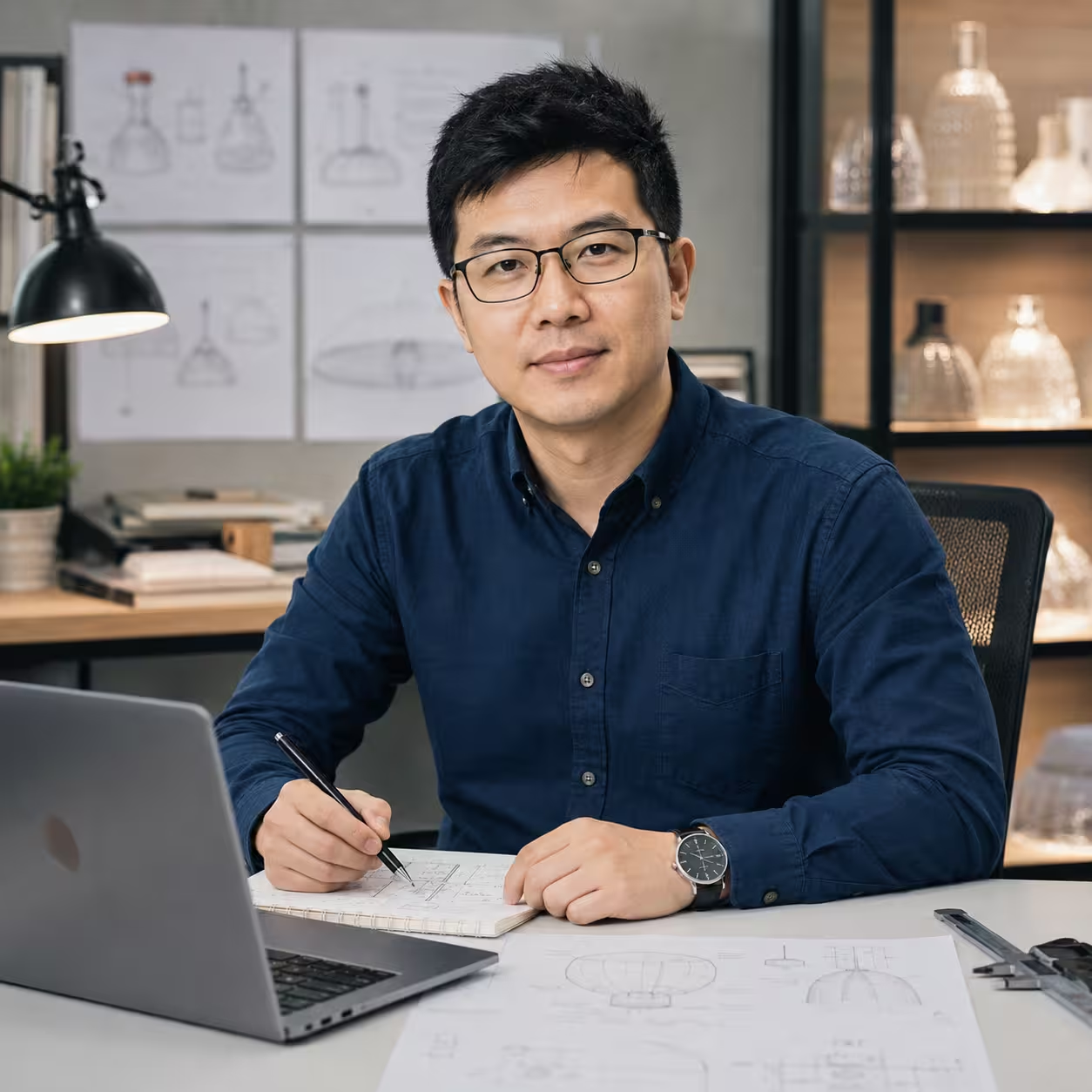
ランプシェーディングには無関係な2つの意味があります。文章では、ありえないことを解決せずに認めることを指し、クラフトやデザインではランプシェードの製作、カバーリング、スタイリングを指します。本ガイドはその両方を扱います。.
「ランプシェーディング」で検索すると、作家がカメラにウィンクするようなTVトロープスのページにたどり着きます。これは実際に広く使われている意味です。しかし、クラフトのフォーラムやデザインブログ、専門のランプシェードワークショップでこの言葉を使うと、全く異なる意味、つまりランプシェードを作り、カバーし、取り付けるという物理的な作業を指します。本ガイドでは、文章、心理学、ファッションにおける複数の意味と、クラフトとしてのランプシェーディングの基礎を網羅的に紹介します。.
「ランプシェーディング」とはどういう意味ですか?
ランプシェーディングは、無関係な2つの文脈で使われます。ひとつは文章やパフォーマンスにおけるストーリーテリング技法として、もうひとつはランプシェードの製作やスタイリングのクラフト名詞としてです。この2つの意味は単語だけを共有しています。.
文章やテレビのトロープとしての定義
創作文章、映画、テレビにおいて、ランプシェーディング(またはランプシェード・ハンギング)は、作家が物語の中のありえなさやプロットの穴、論理的な隙間を認めて解決せずに進める技法です。その認知自体が装置となります。問題点を明示的に指摘することで、作家がそれを認識していると観客に伝え、逆説的に観客はそれを受け入れやすくなります。.
この用語は古典的なジョークに由来します。「なぜ私の頭にランプシェードがあるの?」「ランプシェードはどこかに置かなきゃいけないから。」論理は不条理で、質問には満足のいく答えがありません。それがまさにポイントです。ドラマでキャラクターが答えのない質問をするのも同じ機能を果たします。観客は認知を聞き、物語は進み、不信感は保留されます。問題が解決されたからではなく、誰かがそれを認めたからです。.
この技法は大衆フィクション全体で見られます。アクション映画で「なぜ私たちはいつもギリギリで脱出できるのか、誰も不審に思わないのか?」と尋ねるキャラクターはランプシェーディングです。ナレーターが「ここは普通ならまともなことをする場面だ」と言いながら無謀な行動を取るのもランプシェーディングです。この技法はコメディやメタ物語で最も効果的ですが、ドラマ作家も使用します。.
心理学や社会的ダイナミクスにおけるランプシェーディング
2つ目の意味は、最近心理学や人間関係アドバイスの文脈で発展しました。ここでは、ランプシェーディングは、誰かが正当な懸念を最小化したり、無視したり、注意をそらしたりする行動を指します。通常、冗談や短いコメントで認めてから、問題が真剣に検討される前に会話を別の方向に向けます。.
心理学的なランプシェーディングの使い方は、ガスライティングや回避と密接に関連しています。「また遅刻しちゃった、はは、いつもの私だね」と言って、なぜ繰り返すのかや今後どうするかに触れないのは、この意味でのランプシェーディングです。認知が責任の代わりとなります。文章技法としてのランプシェーディング(自己認識的で意図的な選択)とは異なり、心理学的な用法は一般的に操作パターンと説明されます。.
| 文脈 | 「ランプシェーディング」の意味 | 意図 | 観客・聞き手への効果 |
|---|---|---|---|
| 文章/ストーリーテリング | プロットの穴や論理的な隙間を修正せずに認めること | 自己認識的で、通常は意図的 | 不信感を保留させ、読者が欠点を受け入れる |
| 心理学/社会的ダイナミクス | 迅速な認識で懸念を最小限に抑える | 責任を頻繁に回避する | 聞き手の懸念が対処されていない |
| クラフト/デザイン | ランプシェードの製作、カバーリング、またはスタイリング | 機能的かつ美的 | 完成したランプシェードが成果となる |
| ファッション | フレア状でランプシェードのシルエットにカットされた衣服 | 美的なデザインの選択 | 特徴的で構造的な衣服の形 |
用語の起源と歴史
執筆のトロープとクラフトの言葉は同じ物体に起源を持つが、数十年の間に意味が分岐した。.
「ランプシェード掛け」から「ランプシェーディング」へ“
ストーリーテリングのトロープは、2000年代初頭のテレビファンコミュニティで「ランプシェード掛け」として記録され、主にTV Tropesウィキを通じて物語の手法の標準的な参考となった。サイトでは「問題にランプシェードを掛ける」、つまり奇妙な点に明示的に注意を向けることで見落としと読まれなくする、と定義されている。.
ファンウィキから一般的な使用に広がるにつれて、「ランプシェーディング」への短縮形が自然に生まれた。2010年代半ばには、「ランプシェーディング」が主流の批評や脚本ノート、執筆ワークショップで受け入れられた略語として登場した。批評家は動詞として使い始めた:「脚本は第二幕全体で自らの作為をランプシェードしている。」“
心理学的な用法は後から登場し、主に2010年代後半から2020年代初頭にかけてソーシャルメディアや人間関係アドバイスのコンテンツを通じて広まった。ストーリーテリングの論理を借用し—問題を認識するが実際には対処しない—対人行動に応用された。.
クラフト用語が別々に発展した経緯
日本の ランプシェードは設計・製造された物体として 19世紀のガス灯や電気照明の導入以来存在している。初期のランプシェードは布や紙、後にはガラスで手作りされていた。製作する人々はワイヤーフレームや繊維、接着剤を扱う職人であり、「ランプシェーディング」というクラフトの説明はTV Tropesの定義が生まれる以前から業界カタログや椅子張りのマニュアルに登場していた。.
クラフトの文脈において、ランプシェード作りとは、ランプシェードを作るための一連の活動全般を指します。フレームに布を張ったりプリーツを寄せたり、ガラスパネルを切ってはめ込んだり、ワイヤーの骨組みを作ったり、縁をバインディングしたり、シェードをランプに取り付けたりします。これは独自の道具、技術、素材知識を必要とする特有のスキルセットです。.
現在では、2つの意味が共存しています。一般的な検索では、文章表現のトロープが主な結果となりますが、クラフト、デザイン、照明業界の検索では、製作やスタイリングの意味が主に使われています。.
| 時代 | 発展 |
|---|---|
| 19世紀 | ランプシェードが商業的に製造されるようになり、クラフト用語が発展する |
| 1900年代初頭 | ガラスのランプシェード作りが専門的なクラフトとして確立される(ティファニー、ハンデル、ペアポイント工房) |
| 2000年代初頭 | “「ランプシェードハンギング」がファンウィキでテレビのトロープとして記録される |
| 2010年代中頃 | 主流の文章批評では「ランプシェーディング」に短縮される |
| 2010年代後半 | 心理学的な用語の使用がソーシャルメディアを通じて増加する |
| 2026 | 両方の意味が現役で使用されている;クラフトの意味には支配的な参照ページがない |
ファッションにおけるランプシェーディング
ファッションやテキスタイルデザインでは、ランプシェーディングは特定のシルエットを指す:衣服—通常はスカート、ドレス、またはチュニック—が広くてフレアな裾で上部が内側に絞られている形でカットされ、ランプシェードの形を模倣している。シルエットは構造的で、膨らみはペチコートではなく、内部のボーンや硬い裏地、または硬い芯地によって外側に保たれている。.
衣服デザインにおけるランプシェードシルエット
衣服におけるランプシェード型は、1950年代に特徴的なフレアボリュームを持つ構造的な衣服を生み出したクリストバル・バレンシアガと最も密接に関連している。ランプシェードコートやランプシェードチュニックは、体にフィットすることよりもシルエットを優先したフォーマルなアイテムであり、同時期に流行していたコルセットの砂時計型とは異なる、建築的なアプローチがバレンシアガの作品を際立たせていた。.
その後もシルエットは繰り返しコレクションに登場している。1980年代には構造的なカクテルドレスに現れ、2000年代にはアバンギャルドなコレクションで復活し、現代のレディ・トゥ・ウェアでもフォーマルや特別な衣服のデザイン要素として登場し続けている。ファッションにおけるランプシェード型は常に構造とボリュームの相互作用に関するものであり、衣服は着用者の体から独立して特定の形を保つ。.
インテリアのランプシェーディングがテキスタイルや衣服の構造に与えた影響
物理的なランプシェードとファッションのシルエットの関係は比喩的なものではない。布製ランプシェーディングで使われる技術—伸ばす シルク または構造的な生地を硬いフレームに張り、緊張下で形を保つ正確な折りやタックを作る—は、クチュール衣服の構造で使われる技術と直接並行している。両分野とも同じ課題に取り組んでいる:生地が三次元の形を崩れずに保つ方法。.
プリーツランプシェードを作る職人や構造的な衣服を作るクチュールハウスは、関連するパターンメイキングの論理を用いている。どちらの場合も、折り目は裁断前に計算されなければならない。. プリーツ 間隔は円周に均等に分割されなければならず、折りの深さが完成品のボリュームを決定する。1センチでも計算ミスがあると目に見える不規則さが生じる。.
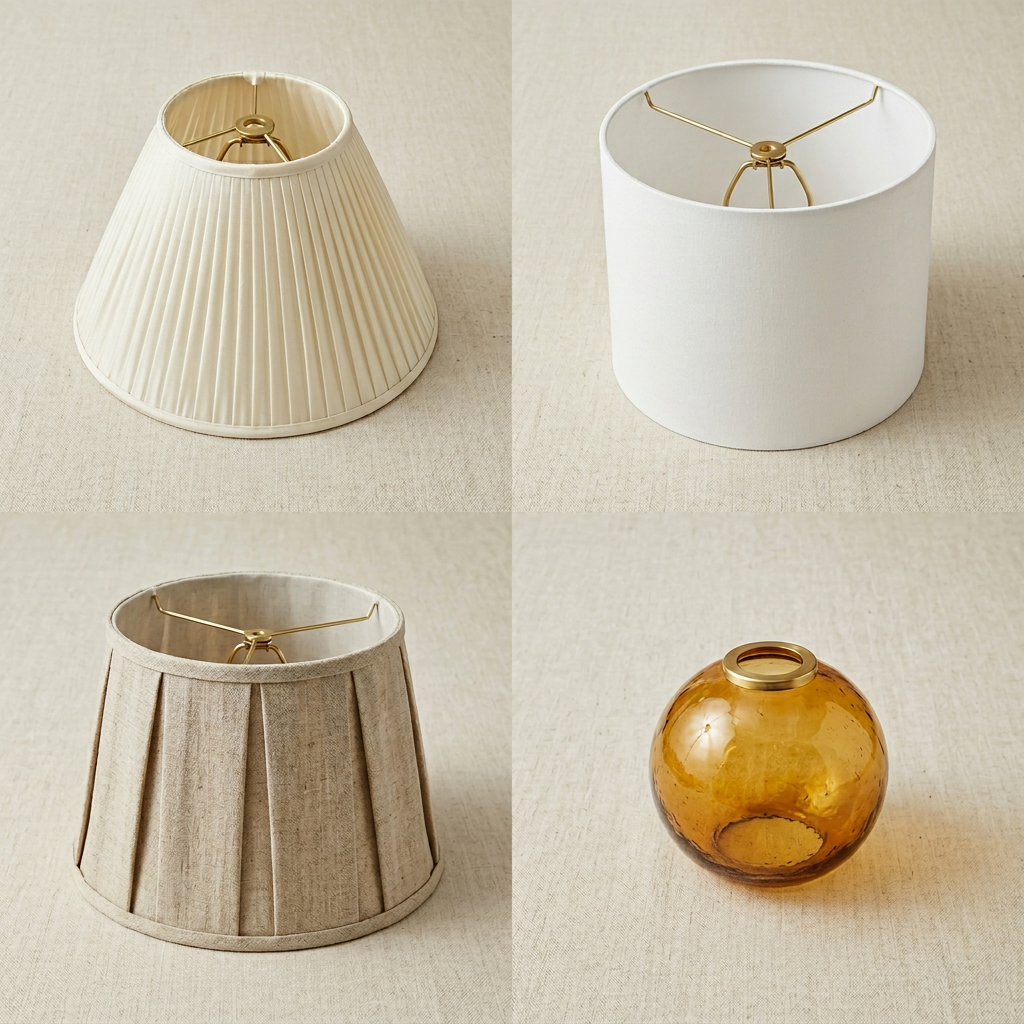
クラフトとしてのランプシェーディング:ランプシェードの作り方
クラフトの意味では、ランプシェーディングは完成したランプシェードを作るための全ての製作方法を網羅しており、基本的な布張りフレーム作業から専門的なガラスランプシェーディングまで含まれる。方法は素材によって大きく異なる。.
ワイヤーフレームと全てのランプシェードの基礎
すべての布製ランプシェードはワイヤーフレームから始まります。フレームはシェードの形状(ドラム、エンパイア、ベル、クーリー、六角形など)と上下の直径を決定します。高品質なフレームは亜鉛メッキまたはニッケルメッキされたスチールワイヤーで作られていますが、安価なフレームは湿気にさらされると錆びる可能性のある軟鋼を使用しています。ワイヤーの太さはフレームの剛性や、張られた布のテンションにどれだけ形を保てるかを左右します。.
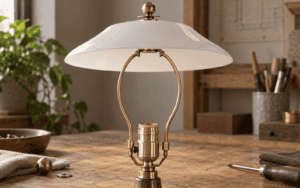
フィッター(フレーム上部の取り付け部)は、ランプシェードがランプにどのように接続されるかを決定します。スパイダーフィッターはハープに乗せて使い、ウノフィッターはソケットに直接ねじ込み、クリップオンフィッターは電球に直接取り付けます。ランプシェード作りでは、対象となるランプに合ったフィッターを選ぶことが最初の決定事項であり、後回しにしてはいけません。.
布製ランプシェード:巻き付け、プリーツ、縫製技法
布製ランプシェードには主に3つの構造方法があります:
ストレッチ(ハードバック)構造:布をテンションをかけてフレームにラミネートされたスチレンや紙の裏打ち材に接着します。表面は滑らかでシェードは硬くなります。これは大量生産されるシェードで最も一般的な方法で、取り扱いにも強い均一な仕上がりになります。.
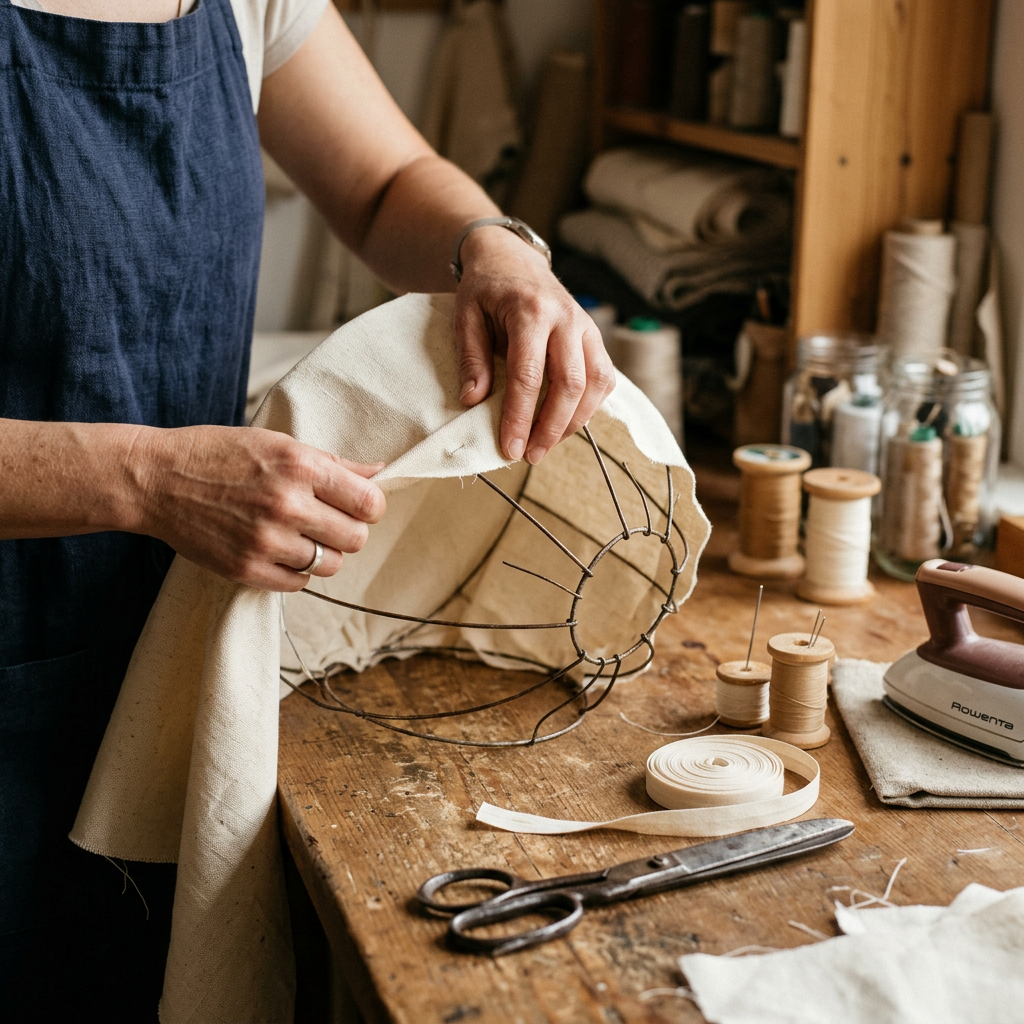
ソフト縫製構造:布をウィップステッチやラダーステッチでフレームリングに直接縫い付けます。シェードには硬い裏打ちはなく、布は縫い目だけで保持されます。ソフト縫製のランプシェードはより高度な技術が必要ですが、より柔らかく、光が拡散しやすい仕上がりとなり、高品質なプリーツシェードの標準的な方法です。異なるプリーツスタイルの作り方に興味のある方は、当社の プリーツランプシェードガイド ではナイフプリーツ、ボックスプリーツ、カートリッジプリーツの方法を詳しく解説しています。.
パネル構造:布(または他の素材)のパネルを形に合わせてカットし、縫い目でつなぎ合わせます。これは幾何学的な構造のシェードや六角形・八角形のフレーム、特殊なデザインに使われます。パネルランプシェードは布製構造とガラスランプシェードの橋渡し的存在であり、ティファニー風ガラスシェードも同じ原理で作られています。個々のパーツを縁でつなぎ、フレームを覆います。.
ガラスランプシェード:布製とは異なる専門技術
ガラスランプシェードは布製とは異なる道具、技術、素材を必要とする独自のクラフトです。布製ランプシェード職人が布地、ワイヤー、接着剤を扱うのに対し、ガラスランプシェード職人は生ガラス、カッティングツール、銅箔またはリーディング、はんだ、炎を使います。両者は「フレーム形状をパネルで正確に覆う」という基本的な課題は共通していますが、それ以外はすべて異なります。.
日本におけるガラスランプシェードの専門技術は、19世紀末から20世紀初頭のアートガラス工房と密接に関連しています。ティファニースタジオ、ハンデル社、ペアポイント製作所などが、現在も参照される技術的・美的基準を確立した鉛入りやペイントガラスのランプシェードを製造しました。 コーニングガラス美術館 は、これらのシェードの重要なコレクションを所蔵しており、その製作技法の主要な参考資料となっています。.
| 素材 | 製作方法 | 光の質 | 耐久性 | 技術レベル |
|---|---|---|---|---|
| シルク/フェイクシルク | ソフト縫製またはハードバック | 暖かく指向性のある光 | 中程度(紫外線で色あせる) | 中級 |
| リネン/コットン | ソフト縫製またはハードバック | 拡散された、カジュアル | 良好 | 低から中程度 |
| ガラス(プレス加工) | フレームに重ねて取り付けるパネル | 透明で明るい | 非常に高い | 高い |
| ガラス(手吹き) | 型に吹いて、フィッターリップに合わせて成形 | ガラスの種類によって異なる | 非常に高い | 専門家 |
| 紙/羊皮紙 | 糊付けされたハードバック | 暖かく、拡散した | 低い | 低い |
| 金属/穿孔 | 溶接またはリベット留め | 方向性、模様鋳造 | 優れた | 高い |
詳細なガラスのランプシェード
ガラスのランプシェードは二つの伝統へと分かれ、根本的に異なる製造工程を用い、見た目・価格帯・適切な設置環境が異なるシェードを生み出す。.
手吹きガラス vs 圧出ガラス: 二つの異なる製造伝統
手吹きガラスのランプシェードは、吹管に溶融ガラスを集め、息と重力で膨らませて形を作り、まだ熱いうちに仕上げます。各シェードはユニークであり、壁厚のわずかな違い、気泡の分布、表面の質感は工程に inherent(固有)です。 スミソニアン博物館保存研究所 は、歴史的作品における本物の手作業の証拠としてこれらの差異を記録しています。手吹きのシェードは、ふた口の口縁がより壊れやすく、仕上がりにおいて圧出品よりも不均一であることが多いです。.
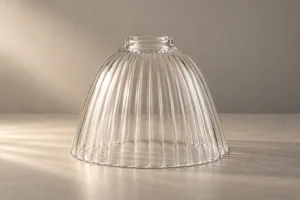
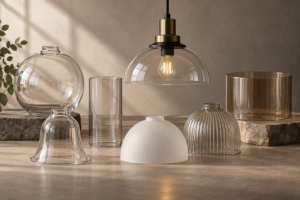
圧出ガラスのランプシェードは、機械的圧力のもと金属製の型に molten glass を押し込み、形を正確に定義します。同じ型のすべてのシェードは形が同一になります。圧出ガラスは、リブ、ダイヤモンドカット、フルーティング、ホブネイルなどの模様面デザインに適しており、型に模様を刻んでそれをすべてのピースに一貫して転写できるからです。私たちの カットガラスランプシェードのコレクション は、平らなサテンオパールから深く模様の入ったリブド・グローブまで、圧出およびカットガラスのシェードタイプの範囲を網羅しています。.
手吹きガラスは表面の変化が特徴である場合に適切な選択です(アンティーク再現品、アート作品、スタジオ作品)。平滑ガラスは一貫性、パターンの精度、コストが重要な場合に適切な選択です。.
フィッターの種類とグラスシェードがランプの金具に取り付く方法
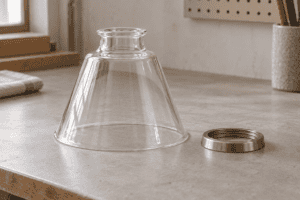
ガラスのランプシェードは、シェードの上部にある開口部(シェードホルダーリングまたはソケットカラーに座らせるための開口部)を介してランプに接続します。フィッターサイズはこの開口部の内径です。標準サイズは2¼インチ(アンティークの卓上ランプで最も一般的)、3¼インチ、4インチ、6インチです。2¼インチのフィッターを持つシェードは、アダプターなしには3¼インチのホルダーに正しく座りません。.
フィッターはガラス製シェードの測定において譲れない基準です。高さと幅は範囲内で変化しても美しく見えることがありますが、フィッターの直径は機器と正確に一致しなければなりません。ビンテージのガラス製シェードは現代の再現品と同じ標準フィッターサイズに従うため、元の金具は新しいシェードを受け入れることが多く、その逆もまた然りです。壊れたシェードを交換する読者のために、私たちは ヴィンテージガラスランプシェードガイド アンティーク用ランプ金具のフィッターの適合を詳しく解説しています。.
LEDの問題はガラス製シェードでもよく話題になります。. エネルギー省は LED電球は同等の白熱電球よりもはるかに発熱量が少ないことを確認しており、実用的な利点があります。ガラスシェードは布製シェードと同様の熱の影響を受けて損傷しにくい一方で、リードガラスパネルを保持するはんだ接合部やセメントは、白熱灯の高温が長時間続くと弱くなることがあります。LEDへの転換はリードガラスシェードの寿命を延ばします。.
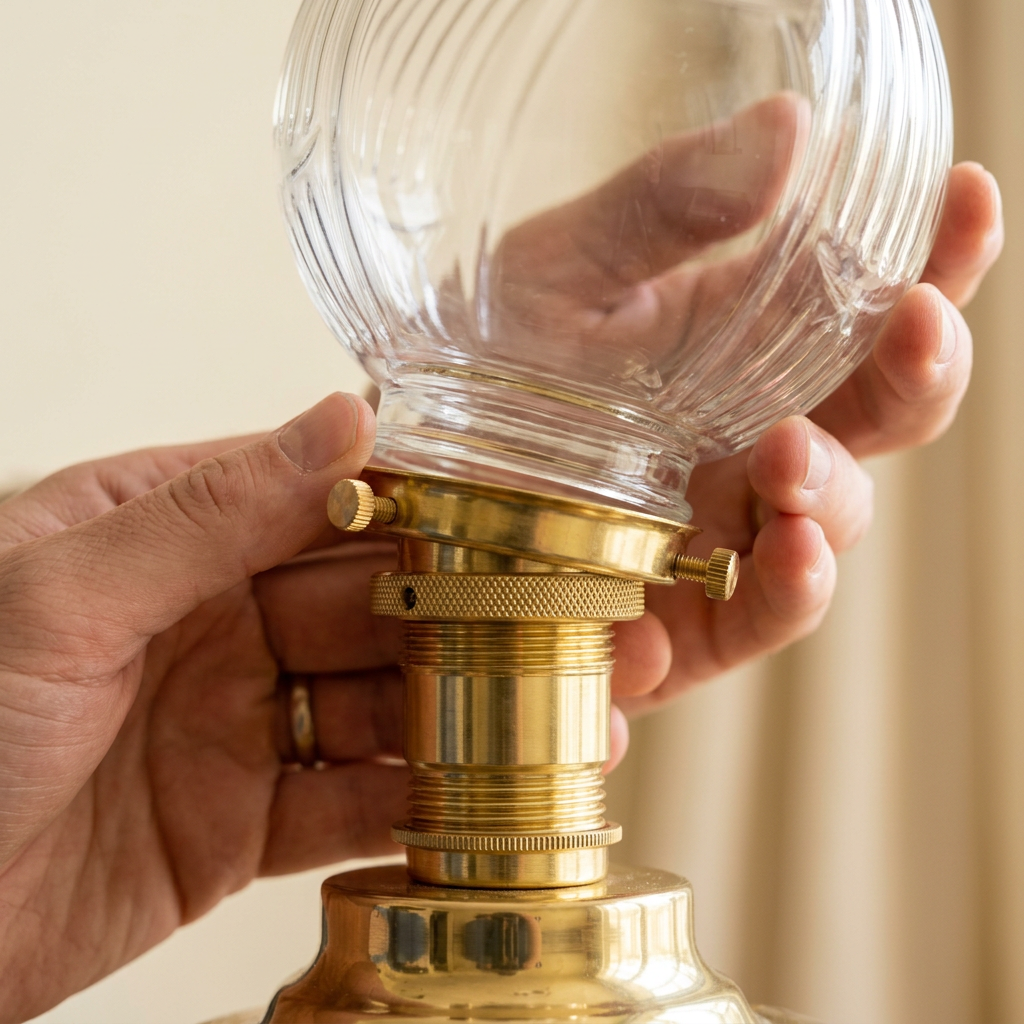
自宅でシェードを作り始める方法:初心者ガイド
布製シェードは忍耐強い初心者にも取り組みやすいです。ガラス製シェード作成には専門的な工具が必要で、ほとんどの家庭作家にとって現実的な出発点ではありません。初心者には布の枠組みの上張り構造が適切な入り口です。.
最初の布シェードに使用する道具と材料
基本的な布シェードには以下が必要です:
- 望む形と大きさの品質のワイヤーフレーム(自作は避けてください—歪んだフレームはすべての折り目を歪ませます)
- 中程度の重さの布:平織のコットン、リネン、またはフォーフスリック(伸縮性のある布は張力を保てないため不可)
- トップとボトムのリングを綴じるためのバイアステープまたはリボン
- 布用接着剤(PVA系、ホットグルーではない—ホットグルーはバイアステープの縁に目に見える硬い隆起を作り、接着力も長時間には効果が薄い)
- 金属定規と鋭いロータリーカッター
- アイロンとプレス布
アイロンは必須です。フレームに取り付ける前に、すべての折り目をきちんとアイロン掛けしておく必要があります。アイロンをかけずに行ったシェード作りは生地の縫い目が手縫い風に見え、折り目の深さが均一でなく、縁が柔らかく、間隔が不揃いになります。.
最もよくある初心者のミス
生地の重量が間違っている:プリーツスタイルに対して透過しすぎる生地または重過ぎる生地を使用すること。軽量のシフォンはナイププリーツの間で崩れ、重いベルベットは折り目の縫い目ごとに膨らみます。初めてのシェードには中くらいの重さの無地コットンまたはリネンを選びましょう。.
プリーツの計算を省略する:計算せずに布を切ってしまい、プリーツの数がフレームの円周に均等に割り切れない場合。数学が全てのプリーツの整数にならないと、接合部に隙間が生じるか、強制的に広いプリーツになります。まず計算し、次に切る。.
綴じにホットグルーを使う:速いですが、テープの縁に目に見える隆起を作り、電球の熱で長時間接着力が落ちません。正しい方法はPVA布用接着剤または蝋ワックス付き糸の巻縫いです。.
間違ったフィッターを注文する:シェードホルダーリングの内径ではなく外径を測定してしまうこと。フィッターサイズは内径です。外径でシェードを注文すると、正しく座らないシェードになります。.
ランプシェードのスタイルとそのインテリアデザインへの応用
ランプシェーディングはデザイン分野として、多くの購買者が気づくより広い範囲の表情を含みます。シェードの形状、生地、作り方は部屋のデザイン言語として読み取られます。.
伝統的、トランジショナル、モダンなランプシェーディングのスタイル
伝統的なランプシェーディング クリーム色またはアイボリーを基調とするプリーツの帝国形またはベルシェードを、偽絹またはシルクデュプリオで用い、下端にトリムを施します。生地はワイヤーフレームに柔らかく縫製されます。光の質は暖かく、指向性があります。このスタイルは正式な家具、アンティークまたはレプリカのランプベース、クラシックなインテリアの特徴を持つ部屋に適しています。.
トランジショナルなランプシェーディング 正式とカジュアルを橋渡しします。ナチュラル リネン ドラムシェード、控えめなトーンの pleated コットンシェード、または縁の装飾を trim なしでクリーンなエッジのままややテクスチャのあるシェードは、伝統的な環境と現代的な環境の両方で心地よく収まります。生地はしばしば絹の艶ではなく自然な質感を持ち、形状はエンパイアテーパーよりも単純です。.
モダンなランプシェード ドラムを好む:平らに張られた生地を用いた直方状の筒と最小限の装飾。生地はテクスチャードされた合成素材、細かなリブ入りコットン、またはテクニカル素材である可能性があります。綺麗な縫い目、見える縫い目なし、そしてトリムなし。モダンなランプシェードは建築的な家具と最小限の視覚的乱雑さを持つ部屋に合います。.
部屋とランプベースのタイプに合わせたシェードスタイルの組み合わせ
シェードはベースを引き立て、競合してはならない。手描きのディテールが施された高度に華美な陶磁器ベースには、純白のアイボリー絹シェードが求められます——ベースが視覚的な重みを担い、シェードが光を取り囲みます。シンプルな円筒形のブラスまたはスチールベースには、よりテクスチャードまたはカラーのシェードが似合います。競合するものがないためです。.
スケールはスタイルと同じくらい重要です。シェードの下部直径はベースの最も広い点より少なくとも2インチ大きく、シェードの高さは全体の lamp 高さ(ベースとシェードを合わせた)のおおよそ1/3程度であるべきです。狭すぎるシェードは閉じた感じに見え、短すぎると小さく見えます。.
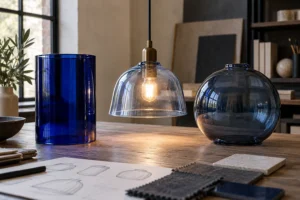
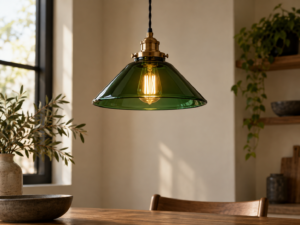
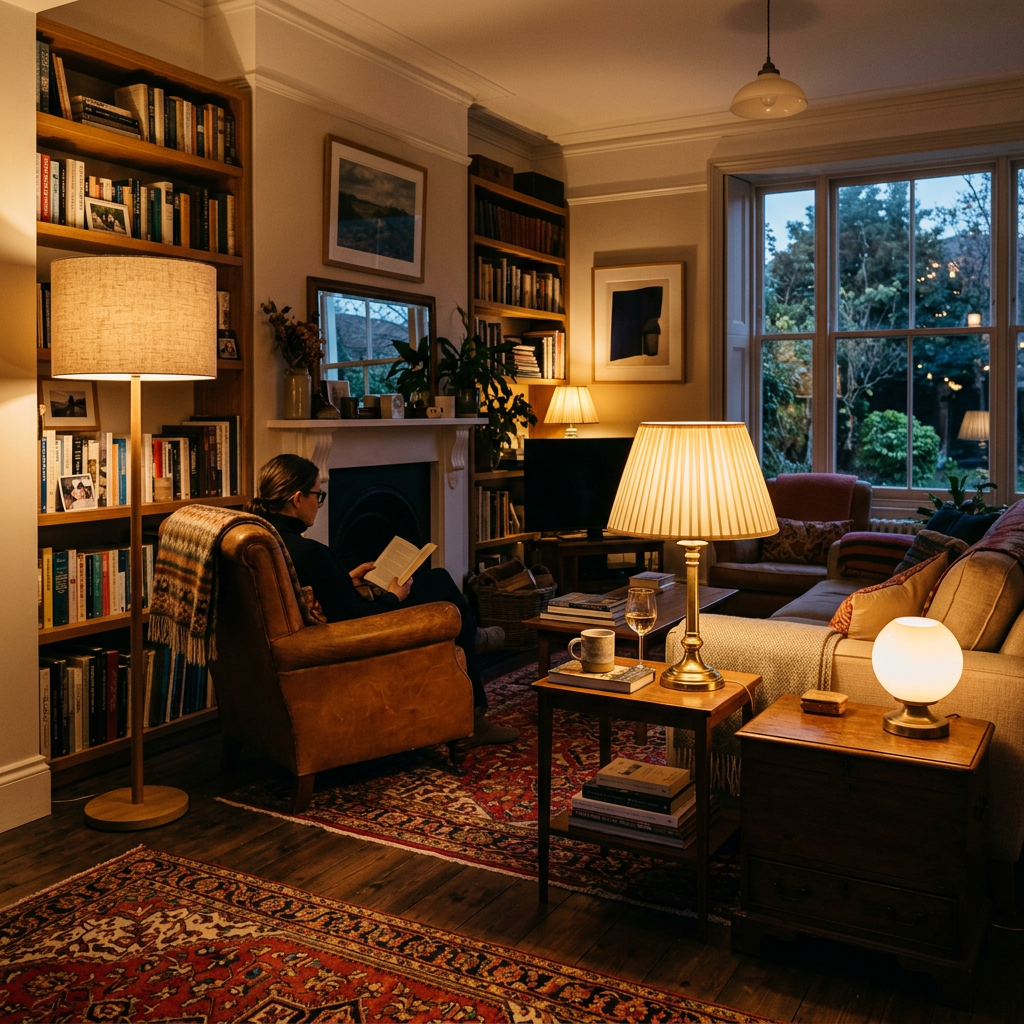
ガラス製のランプシェーディングは布素材とは異なるデザイン機能を果たします。ガラスのシェードは未点灯時には色・模様・素材が日光の下で見える object のように見えます。布のシェードはランプが点灯されるまで見えなくなります。昼夜を通じてランプを視覚的なアンカーとして機能させたい部屋には、ガラス製のランプシェーディングが適切な選択です。.
よくある質問
ライティング表現としてのランプシェーディングとは何か?
執筆やテレビ番組において、ランプシェーディング(ランプシェード掛けと呼ばれることもある)は、プロットの穴、論理の飛躍、または不自然さを明確に認めた上で、それを無視せず物語を進めることを意味します。認識自体がデバイスです。『これは多分ひどいアイデアだろう』と何かを plot-convenience のために行う前に言うキャラクターはランプシェーディングです。この技法は、明示的な認識が観客の作為を受け入れる抵抗を減少させるため機能します。コメディや自己認識的な物語で最も用いられますが、ドラマ的な作家にも使われます。.
心理学におけるランプシェーディングとは何か?
心理学および関係性の文脈では、問題や懸念を素早いコメントや冗談で認め、その後、問題を真剣に検討する前に会話をそらすことを指します。意図の点でライティングのトロープとは異なり、心理的な用途は通常、そらしまたは過小評価のパターンとして説明されます。『知ってる、いつもこれだ、ごめん』と言って行動を変えないのが古典的な形です。認識は説明責任の代替であり、実際の説明責任は提供されません。.
ファッションにおけるランプシェーディングとは何か?
ファッションにおけるランプシェーディングは、裾が上端から広く外側へ広がるシルエットを指し、ランプシェードの形を模倣します。シルエットは、ペチコートや下地ではなく、生地自体の構造によって定義されます。バレンシアガの1950年代の作品と最も密接に関連しており、それ以降もデザイナーのコレクションに度々登場しています。ランプシェードスカート、ランプシェードコート、ランプシェードチュニックがこの形状を用いた最も一般的な garment 形態です。.
クラフトとしてのランプシェーディングとは何か?
工芸としてのランプシェード作りは、ワイヤーフレームの組み立て、フレーム上への布の引張りまたはプリーツ加工、パネル化されたガラスシェードの作成、縁の固定、仕上がったシェードをランプ金具に取り付ける作業など、シェード製作に関わる一連の技術と工程を指します。布製ランプシェードとガラス製ランプシェードは、道具・材料・技術要件が異なる別の専門分野です。どちらも、切断や組み立てを始める前の正確な測定と計画が必要です。.
自宅でランプシェード作りを学ぶのはどれくらい難しいですか?
基本レベルの布製ランプシェードは、単純なフレーム上に引張られたハードバックシェードやナイフプリーツの布シェードを作ることができ、正確な測定と良い材料があれば、忍耐強い初学者にも達成可能です。最も一般的な初学者の失敗はプリーツ計算を省略して接合部が不均一になることです。ガラスのランプシェードは、切断工具、銅箔作業、はんだ付け装置、そして実用的な成果が得られるまでの相当な練習を要する専門的な技術であり、ほとんどの家庭の工作愛好者にとって現実的な出発点ではありません。.
布製ランプシェードとガラス製ランプシェードの違いは何ですか?
布製ランプシェードは、ワイヤーフレームを布で覆い、糊付けまたは縫製(またはその両方)を用いて仕上げます。その結果は、光を穏やかに拡散する比較的軽量なシェードとなり、基本的な道具で家庭でも作成可能です。ガラス製ランプシェードは、ガラス板または吹きガラスの成形品からシェードを構築します。重量があり、耐久性が高く、光をより直接的に透過します。点灯していないときにはガラスシェードは物体として認識され、布製シェードはランプが点灯するまでほとんど見えません。二つの方法は、部屋のスタイル、ランプの種類、予算に応じて適しています。.
結論
ランプシェード作りは、二重三重の用途を持つ言葉です。作家の部屋では、プロット上の問題を扱う自己認識的な技法として使われます。治療室では、転向の短縮形としての略語です。ワイヤー、布、ガラスを扱う作業台では、光を拡散させるために必要な工芸であり、最初の電球が必要としたものです。.
工芸的な側面に関心がある人へ──シェードを選ぶ、壊れたものを交換する、または作ってみようとする場合でも、最も重要なことは、フィッターのサイズを金具と合わせること、プリーツスタイルに適した布の重量を選ぶこと、そしてガラスと布のランプシェード作成が別々の分野で異なるルールを持つことを理解することです。ガラスのランプベースを使用している場合や布製シェードの代わりにガラスのシェードを探している場合には、 カットガラスランプシェードのコレクション 標準的なフィッターサイズに対応した、圧延ガラスと手吹きガラスのオプションの幅を網羅しています。.