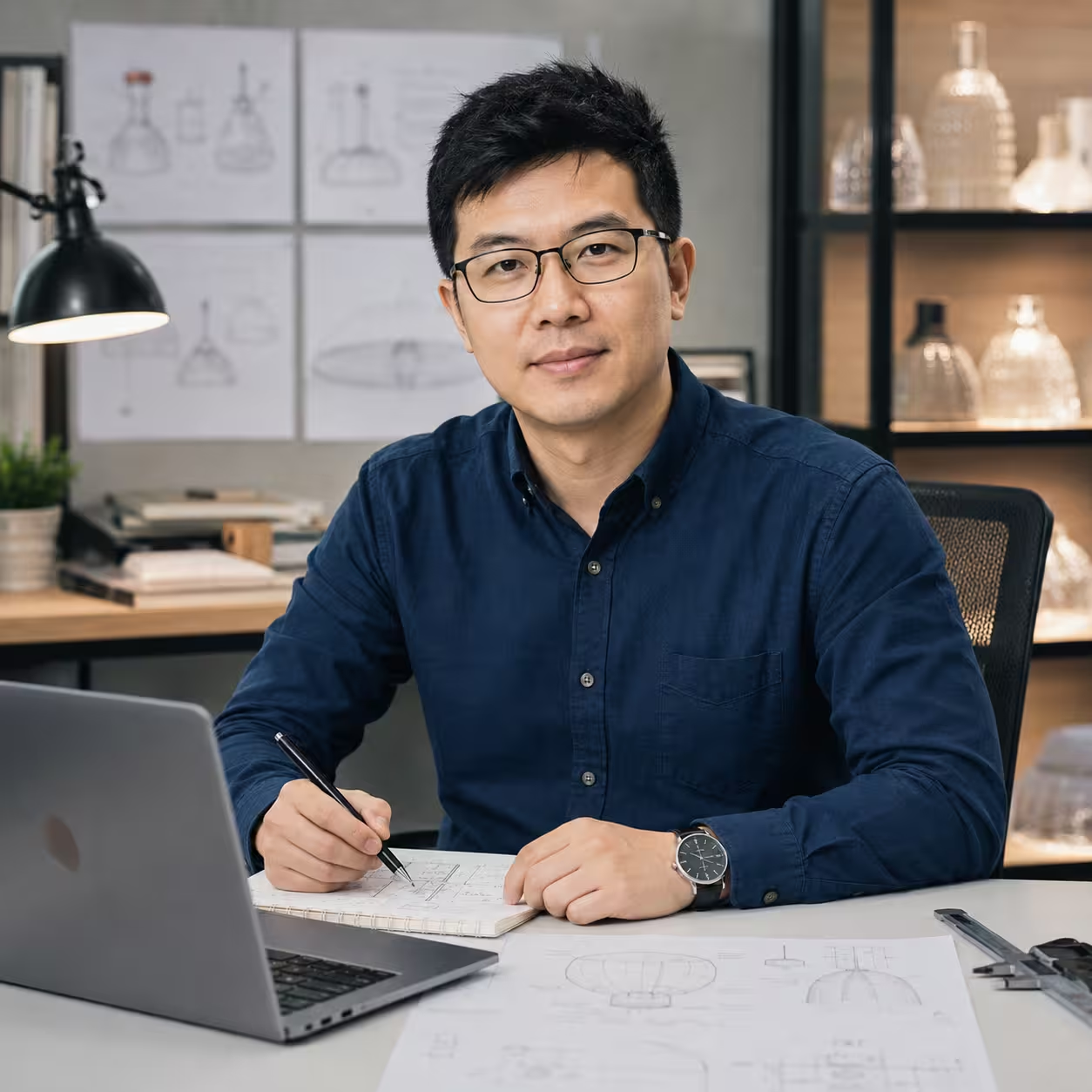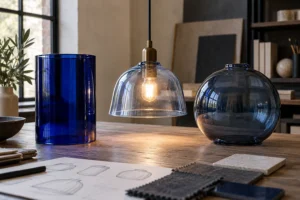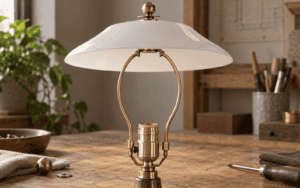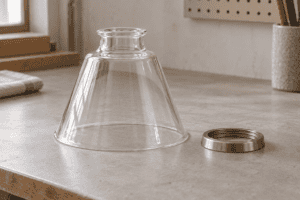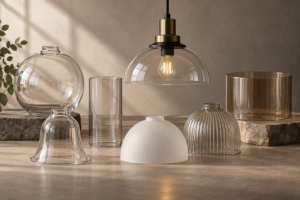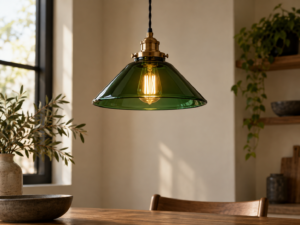
屋外ランプシェードは、外部の電球に取り付けられる耐候性カバーで、まぶしさを和らげ、雨や紫外線から電球を守り、パティオやポーチ、庭の空間に装飾的な雰囲気を加えます。.
夕暮れ時に設計の良い屋外空間を歩くと、暖かいアンバー色の光が灯るラップアラウンドポーチ、ペンダントシェードが吊るされたパーゴラ、玄関ゲートを守るポストランプなど、屋外ランプシェードがその役割を果たしているのがわかります。これらは単なる装飾ではありません。耐候性、光の質、美観を一つにまとめた設計部品です。.
このガイドでは、 屋外ランプシェード の実際の役割、機能する素材、選べるスタイル、そして空間や気候に合った選び方について解説します。最後には、何を選ぶべきか、何を避けるべきかが明確になります。.
屋外ランプシェードとは?
屋外ランプシェードは、雨や風、気温の変化、長時間の紫外線にさらされる外部環境で使用するために設計された、保護と光拡散を兼ね備えた囲いです。.
屋内用シェードとの違いは、多くの購入者が思っている以上に重要です。標準的な屋内用ファブリックシェード(リネン、コットン、加工ポリエステルなど)は、屋外では一季節で劣化します。縫い目が歪み、色が淡いパステルに褪せ、湿気が染み込み、熱い電球の周りに火災の危険を生じます。屋外ランプシェードは、外部環境に適した素材を使用することでこれを解決します。.
屋外ランプシェードは、基本的に同時に三つの機能を果たします:
- 光の拡散 — 強い電球のまぶしさを柔らかくし、居心地の良い照明に変える
- 電球の保護 — 雨や虫、ゴミから電球を守る
- 視覚デザイン — 器具や周囲の空間の美観を完成させる
屋内用シェードとの違い
屋内用と屋外用シェードの設計の違いは、素材科学と構造の細部にあります。屋内用シェードは透光性や質感を重視しますが、屋外用シェードは耐久性を重視します。ポリマーの紫外線安定剤、密封された縫い目、錆びにくい金具、時には器具のベースと密着するガスケット付きリムなどが特徴です。.
| 特徴 | 屋内ランプシェード | 屋外用ランプシェード |
|---|---|---|
| 主な素材 | リネン、コットン、シルク | ポリカーボネート、アクリル、金属、サンブレラ生地 |
| UV耐性 | なし | UV安定剤内蔵 |
| 湿気対策 | なし | 撥水または防水構造 |
| 温度範囲 | 通常50~90°F | 素材によって-20°F~130°F以上 |
| IP等級 | 該当なし | IP44以上(防滴)、完全防水の場合はIP65 |
| 屋外での耐用年数 | 数週間から数か月 | 5~15年以上(素材による) |
IP等級の役割
屋内用ランプ購入者が考える必要のない仕様の一つ— IP(侵入保護)等級 —は屋外では重要になります。IP等級はシェードや器具がほこりや水にどれだけ強いかを示します。.
- IP44:あらゆる方向からの水しぶきに対して保護—屋根付きのテラスやポーチに適しています
- IP55:噴流に対する保護あり — 半屋外の場所に適しています
- IP65:完全な防塵性、噴流に対する保護あり — 庭やプールサイドなどの屋外使用に適しています
- IP67/IP68:水中使用対応 — 水中や地面レベルの設置に使用されます
日本の 国際電気標準会議のIPコード規格, 、IP44等級のシェードは、雨が当たる可能性のある屋外照明器具の実用的な最低基準です。シェードにIP等級がまったくない場合は、防水性がないと考えてください。.
屋外用ランプシェードに使用される素材
屋外用ランプシェードは、ポリカーボネート、アクリル、金属合金、サンブレラタイプの生地、またはガラスで作られており、それぞれ耐久性、重量、光の質のバランスが異なります。.
素材の選択は、屋外ランプシェードの耐久性や見た目の性能に最も大きく影響する要素です。各素材が実際にどのような特性を持つのかをご紹介します。.
ポリカーボネート
ポリカーボネート(PC)は屋外照明の主力素材です。衝撃に強く(ガラスの約250倍の耐衝撃性)、軽量で、UV安定剤の添加にも適しています。高品質なUV安定化ポリカーボネートシェードは、直射日光下でも10年以上色や透明度を保つことができます。.
注意点として、UV安定剤なしの安価なポリカーボネートは2~3年で黄ばみや曇りが発生します。ポリカーボネートシェードを選ぶ際は、UV安定剤の仕様を確認するか、商品説明に「UV耐性ポリカーボネート」と明記されているかをチェックしましょう。わずかに青や緑の色味があるクリアポリカーボネートは、UV抑制剤が含まれている証拠であり、良い兆候です。.
アクリル(PMMA)
アクリルはポリカーボネートよりも光学的に透明度が高く、色の再現性も優れています。アクリルシェードを通した光は、電球本来の色温度に近い印象を与えます。また、表面の傷にも強い素材です。.
欠点として、アクリルはより脆いです。ポリカーボネートなら耐えられる落下した枝や雹の衝撃でも、アクリルは割れることがあります。屋根付きのポーチや囲いのあるパーゴラなど、保護された場所ではアクリルが高級感を演出しつつリスクも抑えられます。庭の柱やプールサイドのペンダントなど露出した場所では、ポリカーボネートの方が安全です。.
金属(アルミニウム、亜鉛メッキ鋼、銅)
金属製の屋外ランプシェードは、最も高い耐久性と独特の美観を提供します。例えば、屋根付きテラスの工場風ペンダントや門柱の銅製ランタンシェードなどが挙げられます。金属は光を透過せず、開口部や穴あき模様から下方向に光を導きます。.
アルミニウム 実用的な標準素材で、錆びにくく、軽量で、粉体塗装仕上げにも適しています。. 亜鉛メッキ鋼 重いですが非常に耐久性があり、工業的や農家風のデザインに適しています。. 銅 高級素材で、時間とともに風合いが増し、自然の抗菌性もありますが、価格はかなり高くなります。.
日本の アルミニウム協会の合金6061の技術データ 適切にアルマイト処理や粉体塗装されたアルミニウムは、沿岸部の塩分を含む空気環境でも15~20年耐久性を保つことが確認されています。これは海から数キロ以内に住んでいる場合に特に重要です。.
サンブレラおよび原液染めアクリル生地
屋外家具の生地と合わせたいパティオランプシェードには、原液染めアクリル生地(最も有名なのはサンブレラ)が屋外で長持ちするテキスタイル素材です。「原液染め」とは、繊維を紡ぐ前に色を染み込ませる方法で、表面染色ではないため、UVによる色あせが起こりません。.
サンブレラ生地のシェードは撥水性がありますが、防水ではありません。水が溜まると縫い目から染み出すことがあります。天候にさらされるが、直接雨が長時間当たらない屋根付きの屋外空間に最適です。.
ガラス
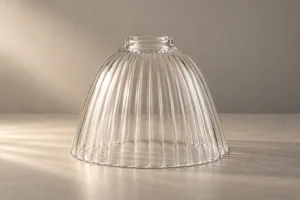
ガラス製の屋外シェード(通常はシード入り、リブ入り、またはフロスト加工されたホウケイ酸ガラス)は、主に密閉型ランタンスタイルの器具で使用されます。ホウケイ酸ガラスは、標準的なソーダ石灰ガラスとは異なり、熱衝撃(熱い電球+冷たい雨)に耐えて割れにくい特性があります。重厚で高級感があり、電球自体を保護するために完全密閉型の器具が必要です。正しく使用すれば、ガラスは本質的に半永久的であり、紫外線による劣化や色あせ、変形がありません。.
スタイル別屋外ランプシェードの種類
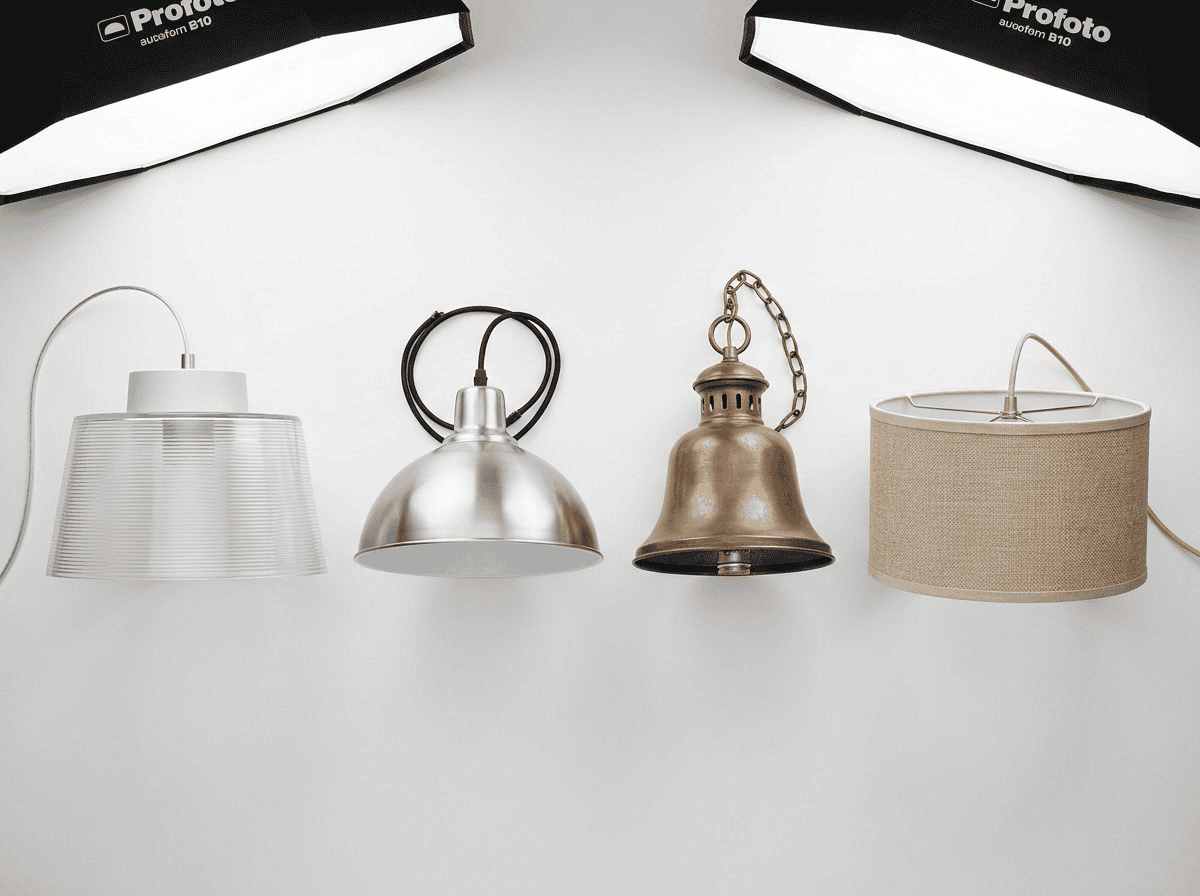
屋外ランプシェードは主に6つのスタイルカテゴリに分類されます:ドラム型、コーン/エンパイア型、ベル型、ランタン型、インダストリアルドーム型、ペンダント型—それぞれ異なる器具や空間規模に適しています。.
スタイルの語彙を知ることで、シェードを器具のベースや空間の建築的な文脈に合わせやすくなります。.
ドラムシェード
ドラムシェードは円筒形で、上下の直径が同じです。モダンでクリーンな印象を与え、大型のポストランプやオーバーサイズのペンダント器具に適しており、半透明素材の場合は360度均一に光を分散します。不透明な金属製の場合は、下方向に明確なダウンライトを作り、側面のパンチングから間接光が広がります。.
おすすめ:現代的およびトランジショナルな屋外空間、屋根付きパティオ、パーゴラのペンダント配列。.
コーン型・エンパイア型シェード
クラシックなテーパーシルエットで、下部が上部より広くなっています。コーン型シェードは光を下方向に集中させるため、グリルエリアや屋外バーカウンター、読書コーナーなど、作業に近い屋外ゾーンに実用的です。エンパイア型は下部ベル部分がやや外側に広がっています。.
おすすめ:伝統的・カントリースタイル、ポストランプ、屋根付きポーチのテーブルランプ。.
ベル型シェード
ベル型シェードは下部が大きく外側にカーブし、素材によってエレガントまたはコテージ風のスカラップシルエットを作ります。ペンダントランタンやビクトリアンスタイルのポスト器具によく見られます。.
おすすめ:伝統的な住宅、ガーデンパス照明、ビクトリアンまたはクラフトマン建築。.
密閉型ランタンシェード
ランタンスタイルのシェードは完全に密閉されたフレーム(通常は金属とガラスパネル)で構成され、電球を完全に収容します。どのスタイルよりも高い耐候性を持ち、電球が密閉またはほぼ密閉されたエンクロージャ内に収まります。この場合の「シェード」はガラスパネル自体を指します。.
おすすめ:玄関ポスト、フェンスキャップ、沿岸環境、IP65以上の保護が必要な用途。.
インダストリアルドーム型シェード
ドーム型シェードは半球状で、光をすべて下方向に集め、上方向への拡散がありません。商業用や工業用で一般的ですが、屋根付きパティオや屋外キッチン、住宅に併設された作業スペースなど、住宅の屋外にも広がっています。.
おすすめ:屋根付き屋外作業スペース、ガレージ、インダストリアルまたはモダンカントリースタイル。.
オープンボトムペンダントシェード
オープンボトムペンダントは、屋外のダイニングやエンターテインメントスペースで最も一般的なシェードタイプです。シェード本体(ドラム型、コーン型、ドーム型)は底が開いており、直接下方向への光を提供しつつ、上からの雨が電球に届くのを防ぎます。ただし、底が開いているため、斜めからの雨が電球に当たる可能性があるため、部分的に屋根のある設置場所が必要です。.
| シェードスタイル | 光の方向 | 最適な環境 | 美観 |
|---|---|---|---|
| ドラム型 | 360°全方向照明 | 屋根付きパティオ、パーゴラ | モダン、トランジショナル |
| コーン型/エンパイア型 | 下方向集中 | ポーチ柱、バーエリア | トラディショナル、ファームハウス |
| ベル | 下方向+拡散 | 庭園の小道、ビクトリア様式の前庭ポーチ | コテージ、伝統的 |
| ランタン | 囲まれた、360° | 玄関口、海辺、露出 | クラシック、フォーマル |
| 産業的ドーム | 下向きのみ | 覆われた作業空間 | 産業的、モダン・ファームハウス |
| 開口部のないペンダント | 下向きの主要照明 | 半覆いのダイニング | 現代的 |
屋外ランプシェードの使用場所
屋外ランプシェードは玄関前ポスト灯、ポーチ天井ペンダント、パティオのひも式ライトペンダント、庭園の小道設備、壁付けブラケット、プールサイド照明などに使用されます。各用途には特定の耐候性と光量特性が求められます。.
場所は美観だけでなく構造的にも重要です。風と雨が吹き付ける露出した正門ポストに取り付けると、 sheltered なバックポーチで美しく機能するシェードは2シーズンもたずに故障します。.
正面玄関と門柱
入口のポストランプシェードは最も厳しい露出に facing します — 耐候性がなく、すべての weather direction に直面し、交換なしで何年も持続する必要があります。粉体塗装アルミニウムまたは亜鉛めっき鋼材のガラスパネルが密閉された提灯型シェードがここでは標準の選択です。品質の照明器具なら10〜15年の使用を見込めます。.
覆われたポーチとパティオの天井
屋根付きのポーチやパーゴラの下では、シェードは雨の直接的な影響を受けずに済みますが、湿度・温度変化・虫による圧力にはまだ直面します。アクリルドラムシェード、ファブリックドラムシェード(Sunbrella)、金属ドームペンダントはいずれもよく機能します。このような場所では天候ストレスが軽減されるため、美観を優先して耐候性のみを追求しなくてよくなります。.
開放的な庭園・風景照明
小道灯や庭園ポスト灯は完全に露出しており、通常は低く目立つデザインです。ほとんどはIP65+級のコンパクトなランタンスタイルまたはドーム型シェードを使用します。UV耐性・衝撃耐性・軽量性の組み合わせからポリカーボネート材が dominant です。.
プールサイドと沿岸環境
プールサイドの照明はUV、湿度、塩素蒸気、そして沿岸地域では塩気のある空気という独特の組み合わせに直面します。ここでは素材選択が最も重要です。アルマイト処理のアルミニウムや海洋グレード316ステンレス製ハードウェアとUV安定化ポリカーボネートシェードの組み合わせを推奨します。標準の粉体コート仕上げは塩環境で3〜5年でピット化し剥離します。.
日本の ASTM Internationalの外部コーティング基準(ASTM D1654), 塩水噴霧試験を1,000時間以上まで行うのが沿岸用途のコーティングの最小閾値です — 海岸から5マイル以内の場合はシェードの仕上げがこれを満たしているか確認してください。.
適切な屋外ランプシェードの選び方
外部用ランプシェードを選ぶには、4つの基準を照合します。露出レベルに対するIP等級、 clima(気候)に対する素材、器具のフィッター直径に対するサイズ、建築的文脈に対するスタイル。.
多くの購入者が間違えるポイントはここです。スタイルから始めて、気に入ったシェードが自分の気候に適合しない、または器具に合わないことに気づくということです。これらの基準を順に検討してください。.
ステップ1:露出レベルを評価する
シェードを検討する前に、設置場所を分類します:
- 完全に覆われている (頑丈な屋根の下、風の影響なし):IP44以上、ほとんどの素材が使用可能
- 部分的に覆われている (パーゴラ、オープンサイドの覆い):IP44–IP55、 untreated fabric は避ける
- 完全に露出している (オープンガーデン、屋根ライン取り付け、門柱):IP65以上、UV安定化ポリカーボネートまたは密閉金属
- 沿岸部またはプールサイド (塩分のある空気、塩素):IP65+、マリ形式素材のみ
ステップ2:素材を気候に合わせる
| 気候条件 | 推奨素材 | 避けてください |
|---|---|---|
| 高い紫外線/砂漠/日光を浴びる海岸 | UV安定化ポリカーボネート | 標準アクリル(黄変)、生地 |
| 高湿度/熱帯 | 粉体塗装アルミニウム、PC | 標準鋼(錆びる)、生地 |
| 凍結融解循環 | ポリカーボネート、アルミニウム | ガラス(熱衝撃リスク) |
| 塩害 / 沿岸 | 陽極酸化アルミニウム、316ステンレス、PC | 亜鉛メッキ鋼、標準パウコート |
| 控えめで sheltered | 特に限定なし — 美観を優先 | 避けるべき特記事項なし |
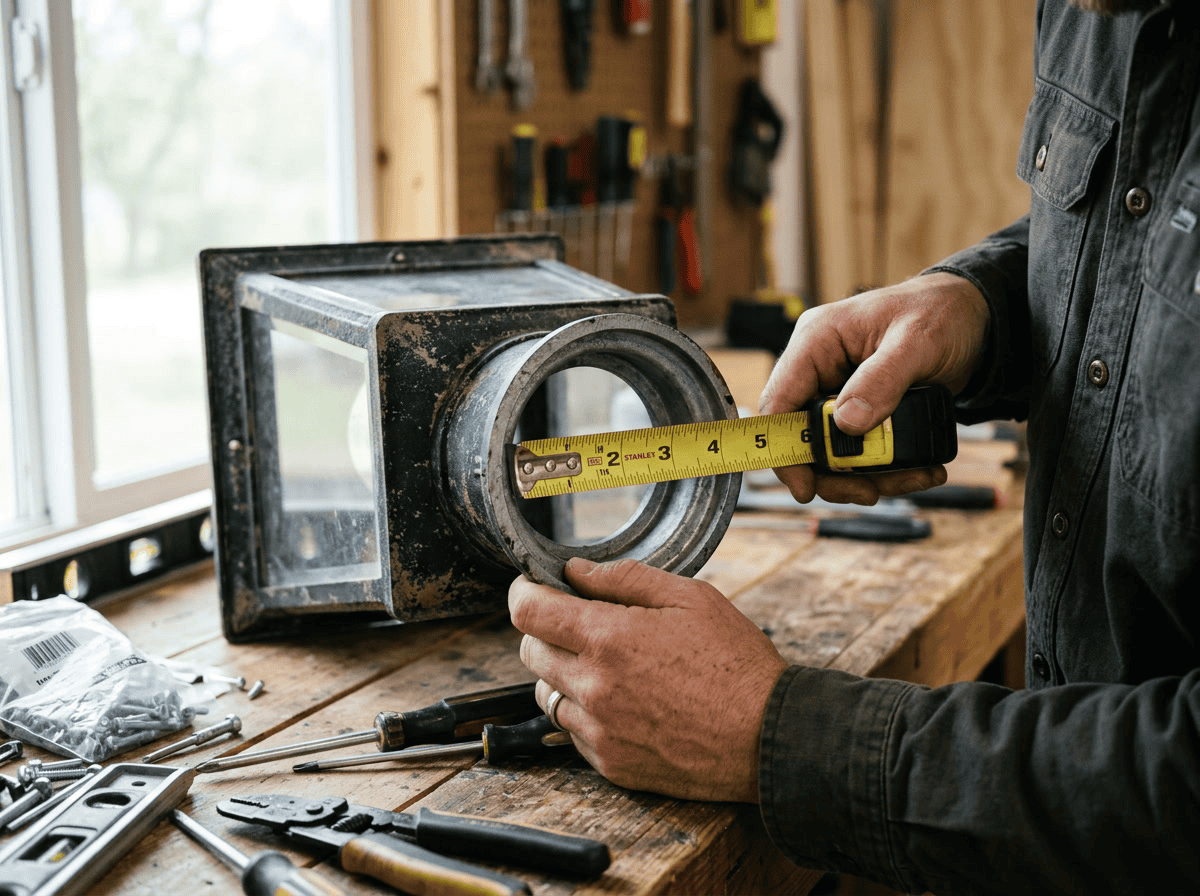
ステップ3:フィッターサイズを測定
日本の フィッター シェードが本体に取り付く開口部。屋外用シェードは標準のフィッターサイズがあり、住宅設備では一般的に1⅝”、2¼”、4″が最も一般的です。注文する前に既存のフィッターリングの外径を測定してください。間違ったフィッターのシェードは写真の見た目が良くても取り付けられません。.
ステップ4:空間に対するスケールを合わせる
シェードの直径は空間と合わせて、見た目と光量の両方に影響します:
– ポーチの支柱ランプ:シェード直径は通常10″–18″、支柱の高さに合わせて
– ダイニングテーブル上のペンダントシェードの直径は12″–20″で、シェードの下部がテーブル表面から30″–36″上になるように掛ける
– パスライトシェードの直径は6″–10″、視覚的な乱れを避けるために低 Profile設計
ステップ5: 電球のタイプを検討する
LED電球は涼しく点灯するため、材料の選択肢が広がる — LED専用設計のファブリックシェードでも従来のシェード設計よりも電球に近い位置になることがある。白熱灯・ハロゲン灯は熱を発し、最小クリアランスが必要。シェードメーカーの仕様を確認すること。白熱灯用の器具で“LEDのみ対応”と表示されたシェードは火災リスクとなる。.
メンテナンスと長寿命
ほとんどの屋外ランプシェードは、年に一度の清掃と時折のハードウェア点検だけで、定格寿命を全うできる — ただし基本的な点検を省くと使用寿命が5–8年短くなることがある。.
実践では、屋外ランプシェードの早期故障の最も一般的な原因は以下のとおりであると結論づけている:
- 設置のIP等級が不適切 — 飛沫がある雨がIP44のシェードをIP65環境に設置した場合に Overwhelming となり、結露によりソケットが腐食する
- ハードウェアの怠慢 — シェード自体は生き残るが、取り付けネジが腐蝕し、やがてシェードが落下する
- 電球の定格ワット数が誤っている — 器具を過度に駆動すると熱が発生し、ポリカーボネートが歪んだり、生地が焦げる
素材別の清掃
ポリカーボネートとアクリル: 洗剤は中性の石けんと水、柔らかい布で。アンモニア系のクリーナーは決して使わないでください(Windex、ほとんどのガラスクリーナーなど)— アンモニアはポリカーボネートに長時間かけると応力亀裂を引き起こします。十分にすすいでください。.
金属(粉体塗装アルミニウム): 石けんと水、隙間には柔らかいブラシを。塗膜を年次点検して欠けや気泡がないか確認—外装スプレー塂で直ちにリタッチして腐食の拡大を防いでください。.
サンブレラおよびソリューション染めの生地: 洗濯機は弱い洗い(ドライコースの冷水)で、再装着前に完全に自然乾燥させてください。生地自体は長持ちしますが、縫い目の糸は劣化が早い場合があります—縫い目は年次点検してください。.
ガラス: 標準のガラスクリーナーで問題ありません。ガラスとフレームが接するパッキンのシールを点検してください。劣化したパッキンは電球周りに水が入りやすくします。.
交換の目安
屋外用ランプシェードを交換してください:
– ポリカーボネートまたはアクリルが著しく曇ったり黄変したりしている(光量が30–50%低下)
– 生地に織り目を通じて見えるカビが洗っても落ちない
– 金属に活発な錆が出ている(表面の錆びだけでなく)— 構造的安定性が損なわれている
– シェードが衝撃や熱応力によりひび割れている
– マウント金具は腐食しており、シェードがしっかりと座らない
品質の高い交換用のシェードは新しい器具よりもはるかに安価です。標準のフィッター(取付部)サイズの多くはブランド間で互換性があります。.
屋外用ランプシェードのトレンド(2026年以降)
2026年の屋外用ランプシェードの二大トレンドは、統合型スマートホーム対応への移行と、再生ポリカーボネートおよびバイオポリマー複合材料などの持続可能な材料の台頭です。.
スマート対応シェード設計
スマートな屋外照明システム—Philips Hue Outdoor、Lutron Casetaなど—が主流になるにつれ、シェード設計も tunable な光出力に対応する方向へ進化しています。スマート電球用に設計されたシェードは特定の色温度範囲(通常2700K–6500K)に合わせて校正されており、いくつかはQRコード付きの仕様を含み、スマートホームアプリとペアリングしてシェードの光拡散プロファイルを最適化します。.
日本の Statistaのスマートホーム市場レポート, 世界のスマートホーム市場は2027年までに1兆7000億ドルを超えると予測されており、屋外照明は最も成長の早いセグメントの一つです。シェードのメーカーは対応を進めており、2026年にはスマート電球の形状要件に基づく製品が増えると期待されます。.
| トレンド | 2024年の状況 | 2026年の方向性 |
|---|---|---|
| スマート対応シェード設計 | 早期採用者 | 主流製品カテゴリー |
| 再生ポリカーボネート素材 | ニッチ/プレミアム | より広い供給、コスト競争力 |
| 生体高分子複合材料 | 研究開発段階 | 初期消費者向け製品の登場 |
| ダークスカイ適合シェード | 規制強化 | 多くの市場で標準機能 |
| ソーラー統合シェードベース | 新奇性 | 機能的な性能製品 |
持続可能な材料
リサイクルポリカーネート(電子機器および光学メディアの消費後PC) は、屋外シェード用途でバージンPCと同等の性能を発揮しており、同じUV安定化剤パッケージが利用可能です。欧州市場を中心に、数多くのメーカーは性能低下なしに30–50%TP3TリサイクルPC含有量へ移行しています。.
暗い空の遵守は、シェードデザインにも変革をもたらしています。自治体は米国、日本、欧州でますます 全面カットオフ or 部分カットオフ 住宅地の照明器具に対して光害を減らすための設計を義務付けています。暗い空の準拠を満たす屋外用ランプシェードは、全光を下方へ向けて上方の散乱をゼロにするよう設計されています—規制地域にいる場合はDark Sky Associationの認証マークを確認してください。 国際暗い空協会 承認済み照明器具のデータベースを維持しています。.
よくある質問
屋外用ランプシェードは何でできていますか?
屋外用ランプシェードはUV安定化ポリカーボネート、アクリル、アルミニウム、亜鉛めっき鋼、銅、Sunbrellaタイプのソリューション染めアクリル生地、またはホウケイ酸ガラスで作られています。ポリカーボネートは耐久性、UV耐性、コストのバランスが取れているため最も一般的な住宅材料です。各材料は気候、美観、耐久性において異なるトレードオフを持っています。.
室内用のランプシェードを外で使えますか?
いいえ。標準的な室内用ランプシェード—リネン、コットン、未処理ポリエステル—は1つの屋外シーズンで劣化します。UV保護がなく、耐湿性もなく、屋外の温度変化による熱で素材が劣化し、火災安全性を損なう可能性があります。必ず屋外使用向けに評価されたシェードを使用してください。.
屋外用ランプシェードのIP44とはどういう意味ですか?
IP44 は、固体物の直径が1mmより大きい物体に対してシェードが保護され、水があらゆる方向から飛沫するのを防ぐことを意味します(1つ目の数字4)。雨が降る可能性のある屋外シェードには現実的な最低評価です。完全に露出した設置では、IP65(防塵・水ジェット耐性)が適切な最低値です。.
屋外用ランプシェードはどのサイズを買えば良いのですか?
フィッター径を測定します—シェードが取り付けられる開口部です。住宅用の標準フィッターサイズは1⅝”、2¼”、4″です。次に空間に適したシェード直径を決定します:ポーチの柱には10″–18″が典型的、屋外ダイニングテーブルのペンダントには12″–20″、パスライプには6″–10″です。.
屋外用ランプシェードはどのくらい長持ちしますか?
品質の高い屋外用ランプシェードは、素材と Exposure によって5–15年以上持続します。中程度の気候でUV安定化ポリカーボネートは10–15年。保護された環境の金属シェードは適切なメンテナンスを行えばほぼ永久です。日光下での全面的な暴露がある布製シェードは、UV評価素材(Sunbrella など)を使用しても通常5–8年で色褪せが目立ち始めます。.
屋外用ランプシェードは防水ですか?
ほとんどの屋外用シェードは完全防水というよりは耐水性です。IP44 のシェードは降雨の飛沫に耐え、IP65 のシェードは水ジェットに耐え、完全に露出した場所に適しています。IP67/IP68 等級のシェードのみが一時的または長時間の浸漬に対応します。暴露レベルに合わせて IP 等級を選んでください。IP 等級を過大評価するとお金がかかるだけで実害は少ないこともありますが、逆に過小評価すると寿命が短くなり電気的故障のリスクがあります。.
屋外用ランプシェードはLED電球と一緒に使用できますか?
はい、LED電球は屋外設置における好ましい選択です。LED は白熱灯やハロゲン球よりかなり発熱が低く、シェード素材への熱ストレスを減らします。いくつかの布製またはポリカーボネート製シェードは“LED 専用”と表示される場合があり、LED の低熱出力に合わせて設計されています。低いワット数のシェードに高いワット数の白熱灯を決して取り付けないでください。熱でシェードが歪んだり変色したり火災の危険を招くことがあります。.
結論
屋外用ランプシェードは装飾品以上の機能を持つ防水・光の管理部品であり、屋外の装置の寿命と暗くなったときの空間の見え方を決定します。主な要素は、素材(ほとんどの用途にはUV安定化ポリカーボネート、過酷な露出には密閉金属)、設置の露出レベルに合わせた IP 等級、フィッターサイズ( Fixture に実際に合うサイズ)、空間に適したスケールです。.
朗報です:その4つの要素を理解すれば、適切なシェードを見つけるのは容易です。露出レベルから始めて、材質で絞り、フィッターサイズを確認し、次に空間に合うデザインを選択してください。今日適切に指定された屋外ランプシェードは、10年後もその役割を果たし続けるはずです。これこそ良い屋外照明部品が本来果たすべきことです。.
屋外空間で性能と美的精度の両方を必要とする場合には、, 住宅用および商業用の外部照明用途に合わせて設計された 屋外用ランプシェードの全ラインナップを探索してください.