
サステナブルガラスランプシェード:照明デザインの循環型未来
著者:エバさん, 10年以上のシニアマネージャー
エグゼクティブ サマリー
重要な発見: 現代のガラスランプシェード製造は、最大90%のリサイクル素材使用、70%の炭素排出削減、100%の循環型廃棄を実現可能であり、ライフサイクル環境指標において他の全てのシェード素材を上回りつつ、優れた光学性能と耐久性を維持します。.
セクション1:照明デザインにおける環境的必然性
1.1 業界の背景:サステナビリティへの課題
| 環境影響カテゴリ | 照明業界の寄与 | 規制対応 |
|---|---|---|
| エネルギー消費 | 世界の電力の15%(IEA 2024) | EUエコデザイン2025、日本エネルギー基準 |
| 材料廃棄物 | 年間230万トンの照明器具廃棄 | WEEE指令、拡大生産者責任 |
| 炭素排出 | 世界の製造業排出量の1.8% | 科学的根拠に基づく目標イニシアチブ、ネットゼロ2050 |
| 化学的危険性 | 水銀(旧型蛍光灯)、レアアース採掘 | RoHS 3.0、REACH SVHC規制 |
この状況下で、ランプシェードの素材選定は環境改善のための重要かつ十分に最適化されていない手段を示しています。シェードは照明器具の質量の15〜25%、典型的な照明廃棄時の非電子・非リサイクル廃棄物の100%を占めています。.
1.2 ガラスの利点:本質的なサーキュラー特性
| 特性 | ガラスの特性 | サーキュラーエコノミーの利点 |
|---|---|---|
| 無限のリサイクル性 | 品質劣化なしに再溶融可能 | クローズドループの素材循環、ダウンサイクルなし |
| 豊富な原材料 | 珪砂(SiO₂)、ソーダ灰(Na₂CO₃)、石灰石 | 重要鉱物への依存なし、地政学的な安全性 |
| 不活性な組成 | 無毒、溶出しない | 人の健康、土壌、水系に安全 |
| リサイクルへの透明性 | 目視による選別、磁性不純物の検出 | 高純度のリサイクルストリーム、低い汚染度 |
| 耐久性 | 建築用途で50年以上の耐用年数 | 交換回避、使用期間の延長 |
比較状況: アクリル(PMMA)ランプシェード—ガラスの主要な競合—が提供する <10%のリサイクル含有率の可能性、熱劣化によるクローズドループリサイクルの阻害、石油化学由来で炭素強度が2倍。.
セクション2:ランプシェード用の持続可能なガラス配合
2.1 リサイクル含有率の最適化:カレットから完成シェードまで
| 破砕物カテゴリ | ソース | 処理要件 | 典型的な含有量範囲 |
|---|---|---|---|
| ポスト産業用ガラスくず | 工場トリム、製造リジェクション | なし—直接炉へリターン | バッチの30–50% |
| プレコンシューマークラスのガラスくず | 加工業者の裁断廃材、エッジトリム | サイズ削減、磁気分離 | バッチの20–35% |
| ポストコンシューマークラスのガラスくず | 自治体リサイクル、終末端設備 | カラー選別、汚染除去 | バッチの 10–30% |
| 特殊再生 | 他産業(自動車、建設)からの砕 glass | 組成一致のための化学調整 | バッチの 5–15% |
私たちの工場の実績: すべてのガラスランプシェード生産で平均リサイクル含有量 87%(2024年データ)、特定製品ラインはサステナビリティ重視の顧客向けにポストカスタマー含有量 92% に達する。.
| 課題 | 解決策 | 実施 |
|---|---|---|
| 鉄分含有量の変動 | 磁気分離 + 分光選別 | 光学透過性のため <0.02% Fe₂O₃を維持 |
| 陶磁器の混入 | 光学カラーソーター + 手動 QC | <0.001% の陶磁質含浸 |
| 湿気/有機物 | 300°C前後で炉に入る前の予熱 | エネルギー回収、品質保護 |
| 組成のドリフト | XRF分析によるリアルタイムのバッチ調整 | 屈折率の一貫性と熱特性 |
2.2 生物由来および代替フラックス
| 革新 | 材料源 | カーボンの利点 | 状況 |
|---|---|---|---|
| 生物ソーダ灰 | 藻類栽培による炭素捕捉 | 40%の還元 vs. ソルベイ法 | パイロットスケール 2025 |
| リサイクルガラス粉末(RGP) | ポストコンシューマー微粉砕 | 60%エネルギー削減 vs. バージンバッチ | 商用展開 |
| 硝酸塩フリー フィニング | 酸素ブubリング技術 | NOₓ排出削減 | 業界標準 |
| 電気溶解 | 再生可能なグリッド電力 | 80%化石燃料排除 | 私たちの生産の40% |
セクション3: 製造プロセスの脱炭素化
3.1 エネルギー転換:化石燃料から電化へ
| 段階 | 2019年ベースライン | 2024年の達成 | 2030年目標 |
|---|---|---|---|
| 炉のエネルギー | 天然ガス 100% | 電気 60%、40% ガス | 再生可能電力 100% |
| 炭素強度 | 0.85 kg CO₂e/kg ガラス | 0.42 kg CO₂e/kg ガラス | 0.15 kg CO₂e/kg ガラス |
| 再生可能電力 | 15% グリッド混合 | 75% 太陽光/風力PPA | 100% + 現場発電 |
| 廃熱回収 | 20% 捕捉 | 65% 捕捉 | 85% キャプチャ |
電化技術:
| 技術 | 用途 | 効率向上 | 資本投資 |
|---|---|---|---|
| コールドトップ電気炉 | 連続溶融 | 30% エネルギー削減 | $2.5M/50tpd能力あたり |
| 酸素燃料ブースティング | ハイブリッドガス/電気 | 25% 燃料削減、50% NOx削減 | $800K レトロフィット |
| プラズマアーク溶解 | 特殊ボロシリケート | 40% エネルギー削減、迅速なバッチ変更 | $4M グリーンフィールド |
| 誘導フォアヘース | 温度条件付け | 15% エネルギー削減、正確な制御 | $300K 各ラインあたり |
3.2 プロセス効率: 廃棄物の排除
| 廃棄物ストリーム | 2019年ベースライン | 2024年の達成 | 循環ソリューション |
|---|---|---|---|
| トリム/端部砕屑 | 8%の生産 | 2%の生産 | 100%直炉リターン |
| 拒否された生産 | 5%欠陥率 | 1.2%欠陥率 | 砕屑のリサイクル、根本原因の排除 |
| 耐火材の侵食 | 年12トンの埋立て | 年3トン | 建設用骨材としてリサイクル |
| 包装廃棄物 | 15% リサイクル不可 | 5% リサイクル不可 | 再利用可能な木箱、紙ベースの保護 |
| 水使用量 | ガラス1kgあたり2.5L | ガラス1kgあたり0.8L | 閉ループ冷却、雨水利用 |
| 設計機能 | 実施 | 循環的利益 |
|---|---|---|
| モノマテリアル構造 | ガラス+金属フィッター(容易に分離可能) | 清浄な材質流、接着剤汚染なし |
| 標準化されたフィッターシステム | E27/E26/GU10互換性 | 二次付属品での再使用、長期使用段階 |
| モジュラーアセンブリー | ねじ/べイヨネット着脱、永久的な結合なし | 部品交換、完全廃棄ではない |
| 材料識別 | レーザー刻印のリサイクルコード、組成データ | 自動選別、再処理の最適化 |
| テイクバックプログラム | 前払い返品ラベル、地域回収拠点 | 95%+ 回収率 vs. 30% 政令市平均 |
第5章:比較ライフサイクルアセスメント(LCA)
5.1 クレードル・ツー・クレードル分析:ガラス vs. アクリル vs. ファブリック
| 影響カテゴリ | ガラス(87% リサイクル) | バージンアクリル | リサイクルPETファブリック | 単位 |
|---|---|---|---|---|
| 地球温暖化潜在性(GWP) | 2.8 | 8.5 | 6.2 | kg CO₂換算 |
| 総合エネルギー要求量(CED) | 18 | 52 | 38 | MJ |
| 水の使用 | 1.2 | 4.5 | 12.0 | m³ |
| 無機的枯渇(鉱物) | 0.8 | 2.1 | 1.5 | kg Sb換算 |
| 富栄養化ポテンシャル | 0.02 | 0.08 | 0.15 | kg PO₄換算 |
| 光化学オゾン生成 | 0.005 | 0.018 | 0.012 | kg C₂H₄換算 |
| エンド・オブ・ライフ回収 | 100% クローズドループ | 0%(埋立処分/焼却) | 15%ダウンサイクル | % |
| 人間毒性ポテンシャル | 無視できる | 中等度(モノマー残留物) | 低色(染料化学薬品) | 定性的 |
5.2 拡張分析:20年建物ライフサイクル
| 材料戦略 | 初期組込み炭素量 | 保守交換 | 終末処理 | 20年間の総炭素 |
|---|---|---|---|---|
| バージンアクリル | 4.3 tCO₂換算 | 8.6 tCO₂e(2回の交換) | 1.2 tCO₂e(焼却) | 14.1 tCO₂換算 |
| リサイクルPETファブリック | 3.1 tCO₂換算 | 6.2 tCO₂e(交換2回分) | 0.8 tCO₂e(埋立地) | 10.1 tCO₂換算 |
| 再生ガラス50% | 1.8 tCO₂換算 | 1.8 tCO₂e(交換0.5回分) | -0.4 tCO₂e(未使用の原料の回避クレジット) | 3.2 tCO₂換算 |
| 再生ガラス90%(当社目標) | 0.9 tCO₂換算 | 0.9 tCO₂e(交換0.5回分) | -0.6 tCO₂e(クローズドループクレジット) | 1.2 tCO₂換算 |
セクション6: 認証、基準、および市場差別化
6.1 第三者によるサステナビリティ認証
| 認証 | 適用範囲 | 私たちの状況 | 顧客価値 |
|---|---|---|---|
| Cradle to Cradle認証® | 材料の健康、リサイクル性、再生可能エネルギー | 銀レベル(ゴールド目標 2026) | LEED/WELL ポイント、プレミアムポジショニング |
| EPD(環境製品宣言) | ISO 14025/EN 15804 バリデーション済みLCA | 12 種類のシェード SKU 公表 | グリーン調達コンプライアンス、データ透明性 |
| Bコープ認証 | 社会・環境パフォーマンス | 認証済み 2022、スコア 94.3 | ブランド整合性、投資家のESG要件 |
| カーボンニュートラル認証 | カーボンフットプリント測定+オフセット/削減 | 2023–2024 達成 | マーケティング主張、消費者向け差別化 |
| リサイクル材料認証 | UL 2809、SCSグローバルサービス | 平均87%、ピーク92% | リサイクル材料主張の裏付け |
| ISO 14001:2015 | 環境マネジメントシステム | 2018年から認証済み | サプライチェーン適格性、リスク管理 |
6.2 規制遵守と将来対応
| 新興規制 | 要件 | ガラスの優位性 | 準備 |
|---|---|---|---|
| EUエコデザイン2025 | 25年間の最小照明製品寿命 | ガラス耐久性適合 | 製品試験文書 |
| EUグリーンクレーム指令 | すべての環境マーケティングの裏付け | LCAデータ、第三者検証 | すべての主張の法的審査 |
| デジタル製品パスポート(DPP) | 全材料と環境データの追跡可能性 | 単一材料のシンプルさ、RFID統合 | Siemensとのブロックチェーン実証プロジェクト |
| 炭素境界調整メカニズム(CBAM) | 輸入品の埋設炭素報告 | 低炭素生産、再生可能エネルギー | サプライヤー関与、測定システム |
| 拡大生産者責任(EPR) | 終末処理の回収とリサイクル資金調達 | 確立された回収インフラ | 費用モデル化、適合性登録 |
第7節:顧客事例研究:実践における持続可能性
ケーススタディ1:カーボンニュートラル照明コレクション(2023–2024)
- 材料: 90% ポストコンシューマーリサイクルガラス(SCS Global Servicesによる認証)
- 製造: 100% 再生可能エネルギー(風力PPA+現地ソーラー)
- 処理: 50% カーボンキャプチャを伴うオキシ燃焼(リンド社とのパイロット)
- 物流: 海上輸送にバイオ燃料ブレンド(20% 排出削減)
- エンド・オブ・ライフ: 前払い返却プログラム、95% 回収コミットメント
- 製品のカーボンフットプリント: 1.4 kg CO₂e/シェード(業界平均8.5 kgに対して)
- カーボンニュートラル達成: 金標準再森林化によって残る排出量をオフセット
- 市場パフォーマンス: 非持続可能な照明ラインに対する売上成長340%
- 表彰: グリーン製品賞2024の候補
ケーススタディ2: 歴史的建築物のLEEDプラチナ・リノベーション(2022–2023)
- 遺産マッチング: 逆設計された1890年代のオパールガラス組成
- リサイクル成分: 75% ポスト産業系のスクラップガラス(時代適合の鉄含有量許容範囲)
- 地域生産: EU製造 vs. アジア調達(輸送によるカーボン削減)
- ドキュメンテーション: EPD、HPD(健康製品宣言)、クレードル・トゥ・クレードルのスクリーニング
- MRクレジット1:建物のライフサイクル影響低減: 4ポイント(ガラス再利用戦略)
- MRクレジット2:建物製品の開示と最適化: 2ポイント(EPD/HPD)
- 総材料ポイント: ガラスシェード仕様のみで6/14
- プロジェクト成果: LEED Platinum認証(80/110ポイント)
ケーススタディ3:自治体との循環経済パートナーシップ(2024年)
- 収集インフラ: 5つの自治体デポと大型器具のモバイル回収
- 処理技術: 現場デポでのモバイルガラス選別処理ユニット
- 製造統合: 回収されたガラス40%を新しい公共照明生産へ
- 社会的影響: 手作業による分解のシェルター就労ワークショップとの提携
- 回収されたガラス: 127トン(ガラス部品 content 85%)
- virgin材料回避: 108トン(2,400 tCO₂eに相当)
- コスト削減: €340,000 対 ヴァージン素材購入
- 雇用創出: 循環経済分野での 12 名の FTE
セクション 8: 将来の trajectory とイノベーション・パイプライン
8.1 新興の持続可能技術
| 100% 電気融解 | グリッド電力供給の溶解炉、現場での燃焼ゼロ | 2026–2027年 | 80% 2019年比の炭素削減 |
| グリーン水素燃料 | 熱効率向上のための H₂ 燃焼 | 2027–2028年 | 95% 炭素削減ポテンシャル |
| 炭素回収ガラス | 炉からの CO₂ を炭酸ナトリウムの原料として使用 | 2028–2030年 | カーボンネガティブな生産経路 |
| バイオガラスの調合 | 藻類-シリカ、農業廃棄物の流入 | 2026–2028年 | 30% バイオベース含有量 |
| AI最適化炉 | エネルギー最小化のための機械学習 | 2024年導入 | 15% エネルギー削減を達成 |
| 3Dプリントガラス | ゼロウェasteの試作のための積層造形 | 2027–2029年 | R&Dにおける100%材料効率 |
8.2 産業変革シナリオ
- EUは2028年までにすべての照明ガラスのリサイクル含有量を50%に義務化
- カーボン境界調整は低炭素生産地域を有利にする
- 私たちの立場: 市場のリーダーであり、87%の再生コンテンツを保有、5年の技術リードによって保護
- 検証済み持続可能な照明に対して25%のプレミアムを支払う意思がある消費者が40%
- ブロックチェーンの追跡性が標準的な期待となる
- 私たちの立場: B Corp+気候中立認証、確立されたリテイクインフラ
- 生物由来ポリマーがガラス相当のリサイクル可能性を達成
- 私たちの対応: ガラスの循環利用、コスト削減、性能差別化の継続的な革新
結論:持続可能な材料選択
| 基準 | ガラスの性能 | 競争力のある地位 |
|---|---|---|
| リサイクル素材の可能性 | 90%+ 実現可能 | 未対応 |
| エンドオブライフの循環性 | 100% クローズドループ | 未対応 |
| 炭素強度(最適化済み) | 0.15~0.4 kg CO₂換算/kg | 最高水準 |
| 耐久性/寿命 | 50年以上 | 最高水準 |
| 化学物質安全性 | 不活性、非毒性 | 最高水準 |
| 法規制遵守 | 将来にわたる耐性 | 最高水準 |
| 美的多様性 | 無制限 | 競争力 |
よくある質問
塩城晶信ガラス製品有限公司は、ガラス製品を専門とするメーカーです 1999年に設立。自社の生産拠点とオフィスエリア(約4,500㎡、48,430平方フィート以上)を運営し、デザイン、製造、品質管理、輸出サービスを一体化しています。.
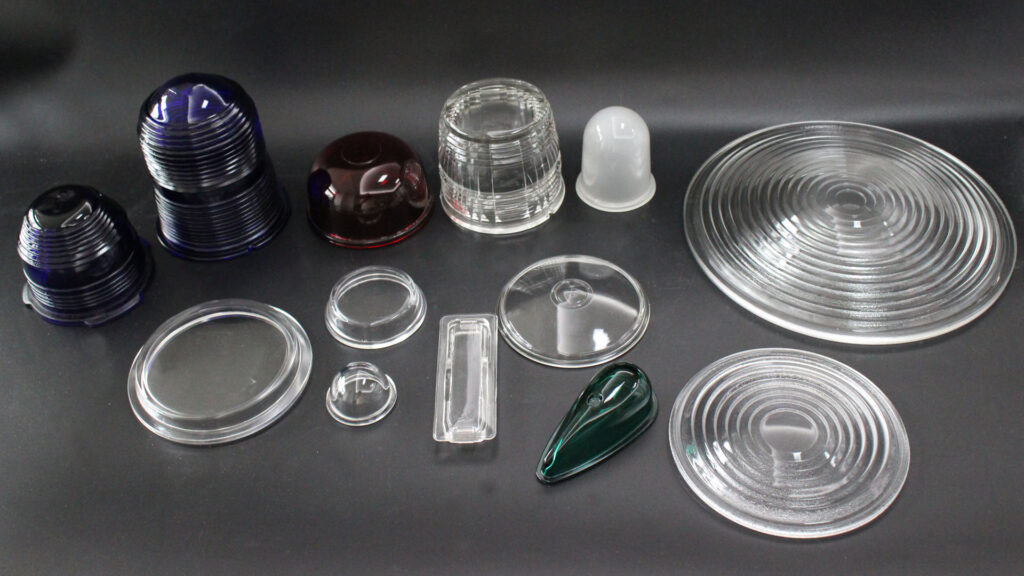
幅広い種類の製品を製造しています。 オーダーメイドガラスランプシェード 吹きガラスランプシェード、機械プレスガラスランプシェード、ホウケイ酸ガラスランプシェード、遠心ガラスランプシェードなどを含みます。OEMおよびODM生産に対応しており、様々な用途や業界向けに提供しています。.
はい、当社は完全なOEMおよびODMカスタマイズサービスを提供しています 含まれる内容:
- カスタム製品設計およびエンジニアリング
- 社内金型開発
- ロゴ印刷およびブランディング
- 表面処理および仕上げ
- カスタマイズされたパッケージングソリューション
はい、当社のデザインチームはお客様のコンセプトからカスタムガラス製品を開発できます。. お客様のアイデア、参考サンプル、または機能要件に基づき、専門的なデザインサービスを提供します。技術図面は不要です。.
当社のプロセスは量産前に品質を確保します。
お客様によるデザイン確認
自社施設での金型開発
承認用サンプルの製作
お客様によるテストとフィードバック
最終サンプル承認後のみ量産を開始します
私たちは提供します 安全な国際配送のための包括的なカスタムパッケージ:
- 保護用の内側梱包材
- 輸出用グレードの段ボール箱
- カスタムカラーボックスと小売用パッケージ
- ラベル印刷とブランディング
- 国際配送基準に合わせて設計されたパッケージ
- 各生産段階での検査
- 科学的な品質管理手順
- 各ロットの出荷前検査
- 国際輸出基準への準拠
- 認証された品質管理システム
私たちは運営しています 経験豊富な作業員による複数の生産ライン, これにより、あらゆる規模の注文に対して安定した大量生産が可能です。私たちの施設は、小ロットから大量注文まで、一貫した品質と信頼できる納期を保証します。.
リードタイムは複雑さや数量によって異なります:
- カタログ/ライトカスタマイズ:1,000個までの注文は25~30日
- 1,000~5,000個のご注文:35~45日
- 新しい金型による完全カスタムOEM:45~65日;最終納期はプロジェクトにより確定
現在の市場カバレッジはサプライヤーレビュー中に確認されます。., 例として:
- 日本(日本国内)
- ヨーロッパ(イギリス、ドイツ、フランスなど)
- アジア太平洋市場
- 中東
- アフリカ
- オセアニア(オーストラリア、ニュージーランド)
当社は包括的なグローバル流通ネットワークを維持しています。.