
グローブガラスランプシェード照明市場規模:製造プロセス、市場動向、成長予測の包括的分析
著者:ジャック・ワン 2026年4月16日
エグゼクティブサマリー
日本の グローバルガラスランプシェード照明市場 照明業界全体の中で重要かつ成長しているセグメントを示し、約 2024年には75億米ドル であり、さらに 2034年には128億米ドル, 、年平均成長率(CAGR)で成長しています 5.5%
. 。この包括的な分析は、 ガラスランプシェード製造プロセス, を比較します 手吹きガラスとプレスガラスランプシェードの製造方法, 、そして戦略的な洞察を提供します オーダーメイドガラスランプシェードメーカー 新たな市場機会を活かそうとする方々へ。.
市場は、建築照明のトレンド、持続可能性の要求、商業および住宅用途における職人技の復活によって変革的な成長を遂げています。照明メーカーとして生産能力を評価する場合、建築家として材料を指定する場合、または投資家として市場参入戦略を検討する場合、このレポートは意思決定に必要な技術的な深さと市場情報を提供します。.
セクション1:グローバルガラスランプシェード市場規模と成長軌道
1.1 市場評価と予測
日本の ガラス照明市場—シャンデリア、ペンダント、ウォールスコンス、装飾用器具を含む—力強い成長の基盤を示しています:
日本の ガラス製ランプシェード サブセグメントは約 ガラス照明市場全体価値の43%を占めています, 、ホスピタリティ、住宅、建築照明分野での高級志向によって推進されています。 .
1.2 地域別市場分布
アジア太平洋地域の支配力:
- 市場シェア: 世界のガラスランプシェード生産の42% (2024年)
- 主な推進要因: 急速な都市化、インフラ開発、中間層の拡大
- 成長率: 6.8% CAGR、最も急速に成長している地域
製造拠点: 中国が地域生産能力の65%を占める
北米:
- 市場シェア: 28%
- 特徴: 高付加価値のカスタムおよび職人技のセグメントへの選好
- 成長ドライバー: リフォーム市場と持続可能な建築認証 (LEED、WELL)
ヨーロッパ:
- 市場シェア: 22%
- 焦点: 伝統的な職人技、デザイン主導のイノベーション、循環経済への準拠
- 規制の影響: エコデザイン指令が持続可能な素材の採用を推進
その他の地域 (ラテンアメリカ、中東・アフリカ):
- 市場シェア: 8%
- 新たな機会の出現: ホスピタリティ分野の発展、高級住宅の成長
第2章:ガラスランプシェード製造工程 ― 技術的詳細解説
2.1 原材料の組成と品質基準
日本の ガラスランプシェード製造プロセス 正確なバッチ配合から始まります。標準的な組成は用途の要件によって異なります:
ソーダ石灰ガラス(標準グレード):
- SiO₂:70〜74%
- Na₂O:12〜16%
- CaO:8〜12%
- Al₂O₃:1〜3%
- オパシファイア(TiO₂、ZrO₂、F):opal/ミルクガラス系のための2-6%
ボロシリケートガラス(高温グレード):
- SiO₂: 80-82%
- B₂O₃: 12-13%
- Na₂O/Al₂O₃: 4-5%
- 熱膨張係数:3.3 × 10⁻⁶/K(ソーダ石灰と比較して)
鉛クリスタル(プレミアム装飾用):
- PbO含有量:24-30%(歴史的)、現在は環境対応のためバリウム/亜鉛酸化物に置換されることが多い
- 屈折率:1.52-1.54(輝度強化)
品質管理パラメータ:
- バッチ一貫性: ±0.5%の化学組成許容差
- 融解温度: 1500-1580°C(ソーダ石灰)、1650°C以上(ボロシリケート)
- 凝固時間: バブル/種の除去には4-8時間
アニーリングサイクル: 残留応力を防ぐための6-12時間の制御冷却

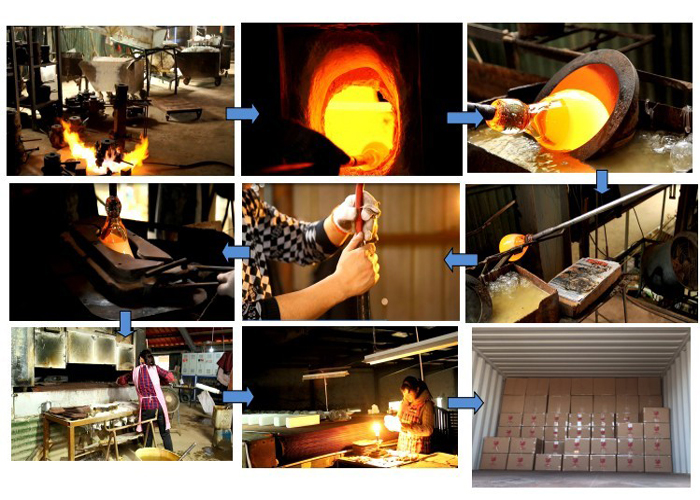
2.2 製造方法論の比較
日本の ガラスランプシェードメーカー 量、複雑さ、価値提案に基づいて適切な生産方法を選択する必要があります:
手吹きガラスランプシェードの製造
工程順序:
- ガラス取り: マスター型吹き師がブロー管に800-1500gの溶融ガラスを集める(1050-1100°C)
- マーヴァリング: 表面を中心に冷却させるための鋼鉄テーブル上での転がし作業
- 膨張: パリソン(プリフォーム)を作成するための0.5-2.0 barの制御空気導入
- 工具成形: プロファイルを整えるために木のブロック、ジャック、鋏を使用
- 型吹き(任意): 木製/金属製型による模様転写で質感を出す
- アニーリング: レンジ内での8-24時間の制御冷却(初期温度500-600°C)
- 冷間加工: 最終寸法まで研磨、ポリッシュ、切断
技術仕様:
- 壁厚: 2.0-6.0mm(可変、職人による管理)
- 寸法公差: 直径 ±3-5mm、高さ ±5mm
- 生産速度: 職人1人あたり1日15~40個
- 不良率: 8-15%(業界標準)
- コスト構造: 60-70% 労務、20-25% 材料、10-15% オーバーヘッド
光学特性:
- 表面品質: 有機的な変動、微細な工具痕、時折 bubbles(“キャラクター”として評価)
- 光の拡散: 集合技術によって得られる可変密度
- 熱性能: 壁厚の徐々の移行により優れた性能
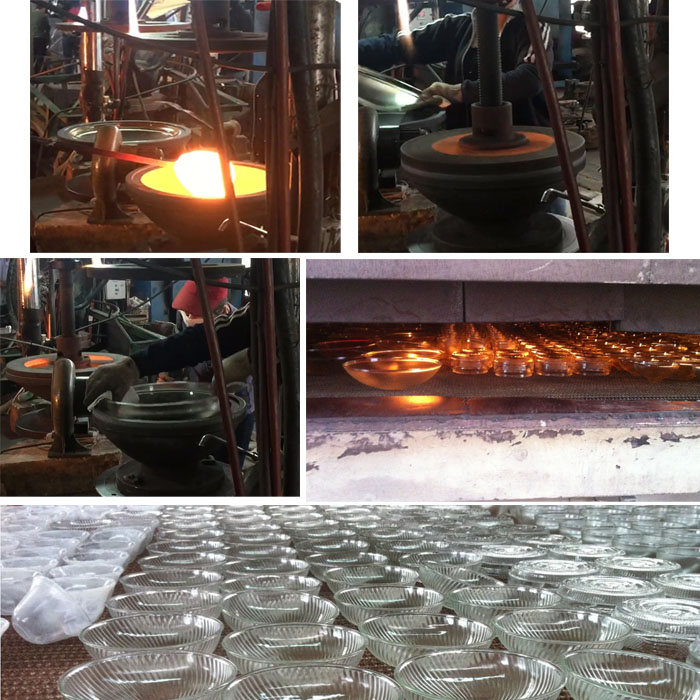
押しガラスのシェード製造
工程順序:
- Gob Delivery: 自動剪断機は200-800gのガラス充填を型に deposit
- プレス成形: 油圧/空圧プランジャー(5-25トン力)により800-950°Cでガラスを成形
- 型開放: 熱的差と表面処理により清浄な取り出しを保証
- アニーリング: 連続焼成炉処理(4-8時間)
- 仕上げ: 自動研削、焼成ポリッシュ、または化学処理
技術仕様:
- 壁厚: 2.0-4.0mm(均一、許容差±0.3mm)
- 寸法公差: ±0.5mm(加圧時)、±0.3mm(精密加圧時)
- 生産速度: 1 台あたり日最大500-2,000 個
- 不良率: 2-5%(自動品質管理)
- コスト構造: 15-20%労働、50-60%材料/エネルギー、25-30%間接費
光学特性:
- 表面品質: 高度研磨( Ra 0.05-0.2μm)、正確な模様再現
- 光の拡散: ロット間で一貫した光学性能
- 熱性能: Uniformな応力分布、予測可能な膨張
2.3 ハイブリッドおよび先端製造技術
半自動ブロー:
- 機械補助の回転と吹き付け圧力制御
- 70%の手吹き美学を40%以下のコストで実現
- 中規模のホスピタリティプロジェクト(500–5,000単位)に最適
遠心鋳造:
- シームレスな筒状シェードの回転成形
- 壁厚均一性:±0.2mm
- 現代的なペンダントデザインに人気
たるみ(たるみ現象):
- 平板ガラスシートを再加熱し、金型上で重力成形
- 光学級表面品質を備えた複雑な曲線を実現
- 建築用パネル用途に適した選択
3Dプリント鋳型技術:
- カスタム鋳型形状の迅速なプロトタイピング
- 鋳型製作時間を6週間から48時間に短縮
- 50〜500ユニットのカスタム生産の経済的実現を可能に
セクション3: 手吹きガラスと圧縮成形ガラスランプシェード — 戦略分析
3.2 市場ポジショニング戦略
手吹きポジショニング:
- ターゲットセグメント: ラグジュアリーホスピタリティ、ブティック住宅、アートコレクター、遺産修復
- 価値提案: 独自性、職人技の物語、投資適格な耐久性
- 価格戦略: 60-80%マージンのコストプラス; 希少性を利用したプレミアム
- 流通: デザイナー直販、ギャラリーパートナーシップ、委託プロジェクト
プレスドのポジショニング:
- ターゲットセグメント: 商業不動産、小売チェーン、自治体照明、大量住宅
- 価値提案: 信頼性、仕様適合、原価効率、迅速な在庫提供
- 価格戦略: 競争入札、ボリューム割引、25-40%マージン
- 流通: OEMパートナーシップ、照明卸売業者、eコマースプラットフォーム
3.3 ハイブリッドビジネスモデル
トップ ガラスランプシェードのメーカー ハイブリッド戦略を取り入れる傾向が高まっている:
階層化された製品アーキテクチャ:
- サインネームライン: 手吹きの限定版(収益の10%、利益の35%)
- スタジオライン: デザイン主導プロジェクト向けの半自動生産(収益の30%)
- エッセンシャルライン: 仕様市場向けの圧製ガラス(収益の60%、利益の25%)
スケールでのカスタマイズ:
- 単一ベースジオメトリから50以上のバリエーションを可能にするモジュール式金型システム
- 焼結ブランク上のデジタル表面装飾(陶器印刷、レーザー刻印)
- ポストプロセスのカスタマイズ(切削、穴あけ、表面処理)
セクション4:カスタムガラス製ランプシェード製造 — 市場機会
4.1 カスタマイズ市場規模と成長
日本の オーダーメイドガラスランプシェード セグメントはガラス照明市場内で最も成長しているニッチを表す:
4.2 カスタム製造能力マトリクス
カスタムガラスランプシェードメーカーの技術能力:
4.3 バリューチェーン統合
成功する オーダーメイドガラスランプシェードメーカー 統合サービスの提供:
デザインコラボレーション:
- 自社の産業デザイナーまたは照明デザインスタジオとの提携
- 3Dレンダリングとフォトメトリックシミュレーション
- 迅速なプロトタイピング(3Dプリントの現物モデル)
エンジニアリング検証:
- LED適合性のための熱モデル
- 設置安全性のための構造解析
- 写真測定テスト(IESファイル生成)
サプライチェーン管理:
- ハードウェア調達(真鍮、鉄、アルミニウム部品)
- 電気部品統合(ソケット、ドライバー、配線)
- 壊れやすい製品の物流向けパッケージ設計
ロジスティクスと設置:
- 高価値品のホワイトグローブ配送
- 建築プロジェクトの設置監督
- 保守および交換プログラム
第5章:クライアント事例 — 市場導入
ケーススタディ1:ラグジュアリーホテルチェーン — カスタム手吹きガラスシャンデリアプログラム
クライアント: 国際5つ星ブティックホテルグループ(34拠点、アジア太平洋地域とヨーヸー圏) プロジェクト概要: ロビーとレストラン空間のシグネチャー照明要素を開発 製造アプローチ: 手吹きガラスのランプシェード カスタムオパール配合
技術仕様:
- デザイン: 180個の個別ガラス要素を備えた2.4m高さの cascading 施工
- ガラスタイプ: カスタムオパールボロシリケート、平均壁厚み3.2mm
- 光学性能: 88% 透過率、96% 霞み因子、CRI維持 >92
- 製造: 8名のマスターガラスブロー職人、14週間の生産期間
- 品質プロトコル: 100% 外観検査、光学欠陥の拒否率15%
商業的成果:
- プロジェクト価値: 物件ごと USD 485,000(ガラス部品のみ)
- 総契約額: 3年間で USD 16.5M
- ブランド影響: Architectural Digest、Hospitality Design Magazine で特集
- 運用結果: 4年間の運用期間中、故障ゼロ(20°C-80°Cの日次熱サイクル)
戦略的洞察: 投資対象 カスタムガラス製ランプシェード製造 超高級ホスピタリティセグメントへの参入を可能にする能力により、22%業界平均に対する40%+ 粗利率プロファイルを確立。.
ケーススタディ2:商業オフィス開発業者 — 圧縮ガラス仕様プログラム
クライアント: 北米クラスA商業不動産デベロッパー( portfolio 12M 米平方フィート) プロジェクト概要: テナント改修パッケージ用のガラステンダー標準化仕様 製造アプローチ: プレスガラスランプシェード カスタム金型開発を伴う
技術仕様:
- デザイン: 直径400mmの円錐形シェード、壁厚2.5mm
- ガラスタイプ: ソーダライムオパール、85%伝送、>98%ヘイズ
- 統合: E26中形シェードソケット、UL 1598適合、5年保証
- 製造: 4腔型金型、1,200ユニット/日生産能力
- 品質管理: AQL 1.0採取、100%電気安全試験
商業的成果:
- 単価: $18.50 FOB(比較対象の輸入手吹き品は$32.00)
- 年間取扱量: ポートフォリオ全体で45,000ユニット
- 仕様保持: テナント78%が仕様を維持(業界平均45%に対して)
- エネルギー影響: 最適化された拡散によるLPD(照明電力密度)を23%削減
戦略的洞察: プレスガラスランプシェード製造 投資は垂直統合を可能にし、オフショアサプライヤーに支払われていたマージンを取り込み、仕様管理とリードタイムを改善(4週間対14週間)。.
ケーススタディ3:照明デザイナー協働 — 博物館プロジェクトのハイブリッド製造
クライアント: 著名な照明デザイナー、博物館改修(欧州の文化機関) プロジェクト概要: 職人の風合いと仕様の精度を組み合わせた350の独自ガラス要素 製造アプローチ: ハイブリッド手吹き/プレス手法
技術革新:
- ベース形状: 寸法の一貫性を高める機械吹き(公差±1.0mm)
- 表面処理: 有機的な質感の変化を生む手作業による光学成形
- 不透明化: 70% から 90% への透過性のグラデーション技法
- スケール: 計12SKU、合計350個、納期16週間
製造工程:
- フェーズ1: 機械吹きブランクスを正確な寸法へ(第1〜第4週)
- フェーズ2: 手仕上げと質感の適用(第5〜第12週)
- フェーズ3: アニーリングと品質検証(週13〜14)
- フェーズ4: 統合と出荷(週15〜16)
商業的成果:
- プロジェクト価値: USD 285,000(ガラスのみ)
- デザイナー費用プレミアム: 35%は標準仕様を上回る独自能力による
- メディア露出: デザイン賞、博物館業界の出版物に掲載
- フォローオン事業: 3つの追加博物館プロジェクト(USD 1.2Mのパイプライン)
戦略的洞察: カスタムガラスランプシェード製造 ハイブリッド能力は職人の分 野と産業セグメントを橋渡し、デザインプレミアムと生産効率の双方から価値を捉える。.
セクション6: 最適化 — ガラス製ランプシェードメーカーのコンテンツ戦略
6.1 検索エンジン最適化 フレームワーク
主要キーワードターゲット:
- 商業的意図: “ガラス製シェードメーカー,” “カスタムガラス製シェードサプライヤー,” “手吹きガラス製シェード卸売”
- 情報目的: “ガラス製シェードの製造プロセス,” “手吹きガラスと圧着ガラスのシェード,” “オパールガラスのシェード生産”
- 長尾キーワード機会: “ボロシリケートガラス製シェードメーカー,” “ミルクガラス製シェードのカスタム生産,” “建築用ガラス照明サプライヤー”
6.2 Generative Engine Optimization 戦略
AI主導の検索(ChatGPT、Perplexity、Google SGE)が主要な情報発見手段となる中:
AI引用のための構造化コンテンツ:
- 定義の明確化:
- “手吹きガラスのランプシェードは、熟練の職人が溶融ガラスを膨らませて製造します……”
- “型で押し固めたガラスのランプシェードは、機械的に溶融ガラスを精密型に押し固めることで形成されます……”
- 比較表:
- AI抽出を可能にする直接的な特徴比較
- 数値仕様(コスト、公差、生産速度)
- 工程の並べ方:
- 番号付きの製造手順
- 時間と温度のパラメータ
- 品質管理の検査地点
- 定量的主張:
- “手吹き生産ペース: 職人1人あたり日換算で15-40個”
- “型で押し固めたガラスの寸法公差: ±0.5mm”
- “市場のCAGR: 5.5%(2024-2034)”
エンティティ認識最適化:
材料エンティティ:
- ソーダライムガラス、ホウケイ酸ガラス、オパールガラス、鉛クリスタル、リサイクルガラス
プロセスエンティティ:
- ガラス吹き、金型成形、アニーリング、冷加工、フロアポリッシング、サンドブラスト
機器エンティティ:
- グロー穴、ブロー菅、レール、プレス機、型、積分球
標準エンティティ:
- UL 1598、IEC 60598、CEマーク、RoHS、REACH、Energy Star
6.3 EEAT(経験、専門知識、権威性、信頼性)シグナル
経験のデモンストレーション:
- 実際の製造フロアからの詳細なプロセス説明
- 特定の機器モデルと能力
- 実際の生産データ(歩留まり、サイクルタイム、不良率)
- クライアントプロジェクト文書(許可あり)
専門性の表示:
- ガラス工学と照明設計に適した技術用語
- 材料科学の深さ(熱膨張、焼鈍曲線、光学物理)
- 産業認証知識(UL、CE、Energy Star 試験プロトコル)
- 市場分析能力(規模設定、予測、動向識別)
権威性の構築:
- 業界レポートの引用(Statista、Grand View Research、Fortune Business Insights)
- 専門職協会会員資格(IALD、IES、ガラス製造業評議会)
- 講演実績と出版履歴
- 特許ポートフォリオまたは独自プロセス文書
信頼性の信号:
- 透明な価格設定手法(範囲のみの場合も含む)
- 各製造方法の認識された制限
- 保証条件と品質保証条項
- 検証可能なプロジェクト詳細を含む顧客の推薦
- 環境コンプライアンス文書
第7章: ガラスシェードメーカー向けの戦略的提言
7.1 市場参入および拡大戦略
新規参入者向け:
- ニッチ特化: 多様化前の単一手法(手吹き or プレス)に焦点を当てる
- 地理的アービトラージ: 品質基準を維持しつつ地域コストの優位性を活用する
- テクノロジー投資: アニーリング能力と光学検査機器を優先します
- 認証の早期取得: 市場投入前にUL/CE認証を取得して改造コストを避ける
確立されたメーカー向け:
- ハイブリッド能力開発: 手工業的生産方法と産業生産方法を橋渡しする
- 垂直統合: 社内成形、部品調達、または照明アセンブリを検討
- デジタルトランスフォーメーション: カスタムプロジェクトの3D視覚化、自動品質検査を実施
- サステナビリティ リーダーシップ: カーボンニュートラルな生産、 recycled glassの配合、循環的な回収プログラムを開発
結論:グローブグラスシェード市場のナビゲーション
日本の グローバルガラスランプシェード照明市場 職人技と産業効率の二重の要求をうまく操れるメーカーにとって、成長機会を提供する。市場は成長すると予測されており、 2034年までに 75億ドルから128億ドルへ, 、戦略的ポジショニングにおいて 手吹きガラスランプシェード プレミアムセグメントまたは プレスガラスランプシェード ボリューム市場は収益性への実現可能な道を提供する。.
日本の ガラスランプシェード製造プロセス—手吹きであろうと型抜きであろうと—は、材料科学、熱処理、光学設計の高度な技術専門知識を必要とする。成功は オーダーメイドガラスランプシェードメーカー この技術力を市場情報、サプライチェーンの回復力、持続可能なビジネス慣行と組み合わせる人に属する。.
建築照明のトレンドが人間中心デザイン、生体模倣要素、持続可能な材料をますます重視する中、ガラス製のランプシェードは単なる機能的部品としてだけでなく、空間体験の必須要素として位置づけられる。手吹き技法の芸術性と型抜き生産の精密さを橋渡しするハイブリッド能力へ投資するメーカーは、この進化する市場で相対的に大きな価値を獲得する。.
調達担当者、照明デザイナー、建築家の皆様へ: 製造方法間の技術的な違いを理解することは、審美的目標、性能要件、商業的制約のバランスを取る仕様決定を可能にする。.
メーカーと投資家の皆様へ: 日本の ガラスランプシェードメーカー 景観は専門性、品質の一貫性、持続可能なイノベーションを報いる。手吹きの芸術性というプレミアムなポジショニングを追求するにせよ、型抜き生産の規模経済を追求するにせよ、成功には材料の卓越性と工程の熟練への揺るぎないコミットメントが必要である。.