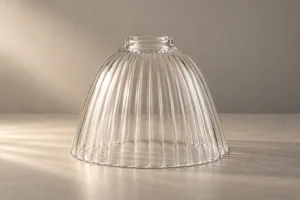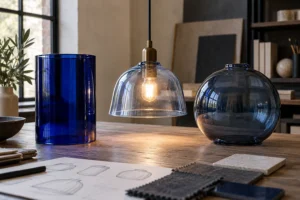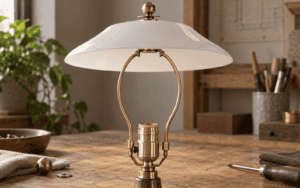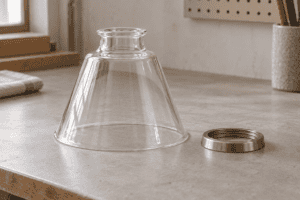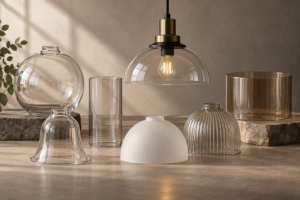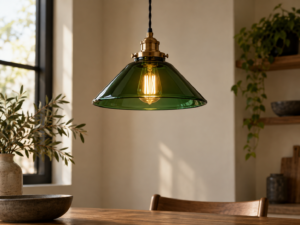
レストランのガラスランプシェードを選ぶ際は、まずダイニングコンセプトに合わせましょう。高級ダイニングには2700Kのフロストガラスまたはオパールガラス(長時間滞在、高単価)、ファストカジュアルやバーには3000Kのクリアガラス(回転率重視)、親密なラウンジにはアンバーガラスが適しています。ペンダントの高さはテーブル上28〜34インチ、耐久性のため業務用ガラスを選びましょう。.
レストランの照明はデザインの問題ではなく、売上の問題です。各テーブル上のガラスシェードが、ゲストの滞在時間、消費額、写真撮影の頻度、再来店の有無を左右します。正しく選べば、照明が料理・サービス・雰囲気すべてを引き立てます。間違えれば、毎回の営業で照明と戦うことになります。.
このガイドは、完全な仕様フレームワークを提供します。 選び方 レストラン用ガラスランプシェード ― ダイニングコンセプトからガラスタイプ、色温度、吊り下げ高さ、業務用耐久性要件まで。検索上位の商品リストページは選択肢を示しますが、意思決定の論理は示しません。私たちはその意思決定ロジックを提供します。.
レストランのガラスシェード選びが住宅用と異なる理由
レストランのガラスランプシェード選びには、家庭用照明では全く考慮されない要素があります:
照明による売上への影響。. ある画期的な研究が コーネル大学ホテル経営学部 によって引用されており、照明環境が滞在時間と消費額に直接影響することが示されています。高級ダイニングで設計されたアンビエント照明は、標準的な明るい照明に比べて平均客単価を12〜16%増加させます。これはゲストが長く滞在し、追加の料理や飲み物を注文するためです。ガラスシェードの種類とその光の質は、この効果に直接関与します。.
大規模での一貫性。. 60席のレストランには、テーブル上に20個のペンダント照明が設置される場合があります。すべてのガラスシェードは同一でなければなりません―同じフィッターサイズ、同じガラスタイプ、同じ透過率、同じ色―そうすることで、ダイニングルーム全体が統一感のあるビジュアル環境となります。これは、個別販売品ではなく、ロットの一貫性を保証できるサプライヤーからの発注が必要です。.
業務用清掃の要求。. レストランのガラスシェードは、家庭用よりもはるかに頻繁に清掃されます。特に厨房近くでは、調理時の蒸気や油分がガラス表面に付着するため、通常は週1回または隔週で清掃されます。ガラスは、業務用脱脂剤(pH10〜12のアルカリ性溶液)による繰り返しの接触にも、表面劣化やエッチングなしで耐える必要があります。標準的なソーダ石灰ガラスでも十分ですが、ホウケイ酸ガラスは重度の清掃プログラムに対して優れた耐薬品性を持ちます。.
衛生・安全基準の遵守。. 多くの自治体では、商業用飲食店に対し、製造・サービス環境内のすべてのガラスを特定し、破損時の手順を定め、交換記録を管理するガラス管理プログラムの文書化が求められています。ガラス構造が明確な業務用ガラスシェードを指定することで、この遵守書類作成をサポートできます。.
ビジュアル撮影とSNS。. 現代のレストランマーケティングは写真に大きく依存しています。ゲストは料理や空間、照明を撮影します。適切な高さのガラスシェードがテーブル周りに暖かい光のプールを作ることで、料理写真に映える「レストランボケ」を生み出します。フィラメントLEDが見えるクリアガラスは特に人気で、写真映えします。仕様の選択が、ゲストのSNS投稿でのレストランの見え方に影響します。.
ステップ1:ダイニングコンセプトに合わせたガラスシェードの選択
ダイニングコンセプトが照明戦略を決定し、それがガラスシェードの仕様を決定します。異なるダイニングコンセプトは、根本的に異なる収益モデルを持ち、それが異なる照明要件に対応します。.
ファインダイニングとアッパーカジュアル
ファインダイニングの収益は、高い平均単価と長い滞在時間(ゲストは90〜150分滞在し、複数のコースを注文し、ワインを選択します)に基づいています。照明の目標は、料理を食欲をそそるように見せ、顔を魅力的に見せ、会話をプライベートに感じさせる、 flattering(魅力的)、暖かく、親密な照明です。.
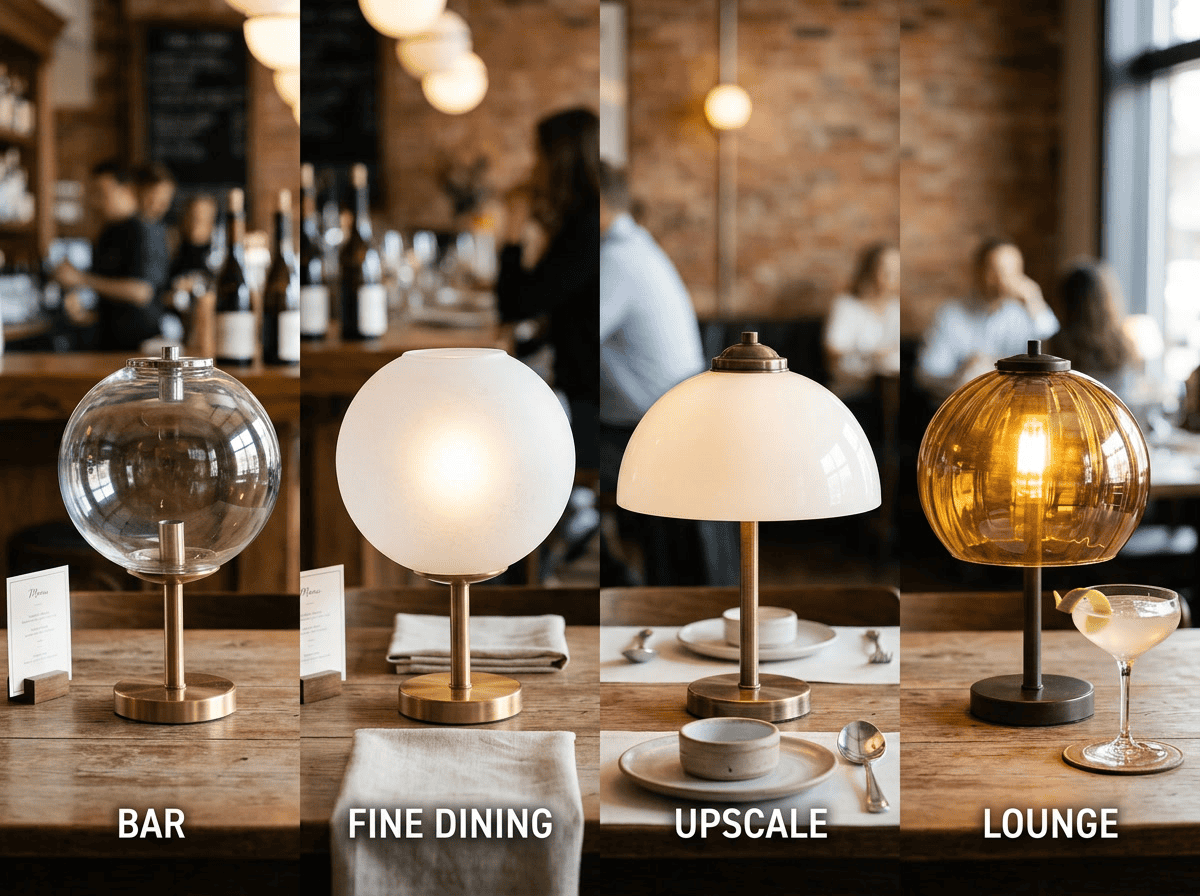
最適なガラスシェードの選択:2700K以下のフロストまたはオパールガラス。.
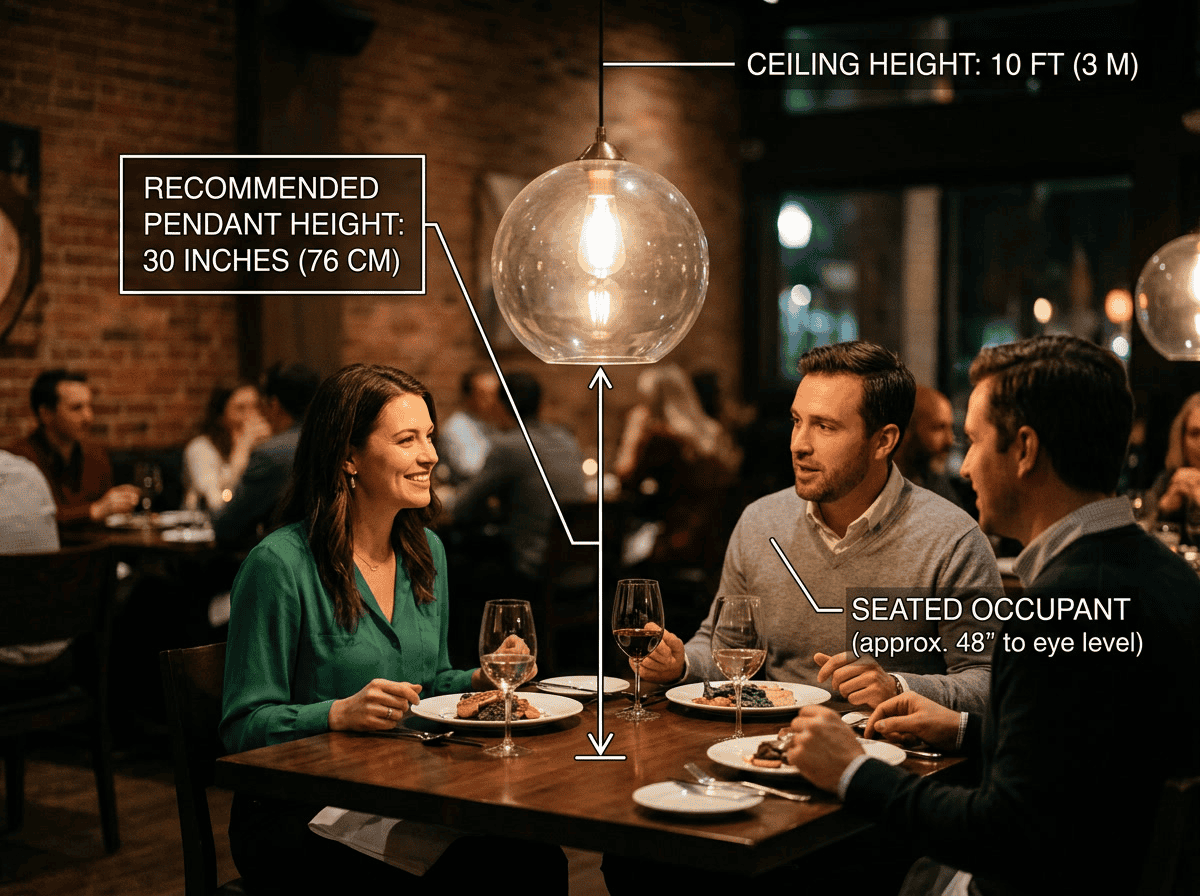
フロストガラス(透過率75〜82%)とオパールガラス(透過率60〜75%)は、どちらもクリアガラスがダイニングの距離で作り出すきつい点光源のグレアを排除します。ファインダイニングのテーブルの高さ(ペンダント下部からテーブル表面まで28〜30インチ)では、フロストまたはオパールのグローブは、料理や顔を照らしながら、高価な食事の雰囲気を損なう不快な明るさを生み出さない、柔らかく均一な温かい光のプールを生成します。.
色温度:2700KのウォームホワイトLEDは、ファインダイニングの標準です。さらに暖かい2400Kは、アンバーガラスで実現可能で、透過スペクトルをキャンドルのような品質にシフトさせ、特別な電球を必要とせずにアッパーダイニングに特に適しています。.
日本の 照明学会のレストラン照明に関する推奨事項, ファインダイニングスペースでは、テーブル表面で30〜75フィートカンデラを供給する必要があります。これは、テーブルから28〜32インチ上の10〜15ワットのフロストガラスグローブペンダントで実現可能です。.
ファストカジュアルおよびカジュアルダイニング
ファストカジュアルおよびカジュアルダイニングの収益は、高いテーブル回転率に基づいています(ゲストは30〜60分滞在し、テーブル占有時間あたりの収益は、長い滞在時間よりも速い回転率で高くなります)。照明の目標は、エネルギッシュで社交的な雰囲気、簡単な料理の閲覧、快適な会話を作り出すのに十分な明るさですが、ゲストが長居するほど暖かく親密すぎないことです。.
最適なガラスシェードの選択:3000Kのクリアガラスまたは軽くフロストされたガラス。.
3000Kのクリアガラスは、2700Kのフロストガラスよりも明らかに明るく、よりエネルギッシュな雰囲気を作り出します。クリアガラスを通して見えるフィラメントまたはLEDチップは、視覚的な興味と視覚的なエネルギーを加えます。明るく活気のある環境のゲストは、より速く食事をし、テーブルをより速く回転させる傾向があります。これは、ファストカジュアルモデルにおける収益にプラスの結果をもたらします。.
活気がありながらも臨床的すぎないようにしたいカジュアルダイニングの場合、3000Kの軽くフロストされたガラス(透過率78〜82%)が適切な中間点です。社交的な雰囲気のための十分な明るさと、快適さを保つための十分な拡散性があります。.
バーとラウンジ
バーとラウンジの収益は、長時間の滞在での飲料販売から得られます。照明の目標は、雰囲気があり親密であることです。ゲストは、2〜3時間快適に長居し、追加のドリンクを注文し、スペースを占有できると感じるべきです。照明は、人々を魅力的に見せ(顔、肌の色)、バーを写真映えするように見せるべきです。.
最適なガラスシェードの選択:任意のLED色温度のアンバー着色ガラス、または2200〜2400KのフィラメントLED付きクリアガラス。.
アンバーガラスは、青色波長光(400〜500nm)を選択的に吸収し、透過スペクトルを赤とオレンジにシフトさせます。バーでの実用的な効果:顔は暖かく魅力的になり(アンバー光は白色光が顔に作る冷たい影を抑制します)、温かい色のカクテル(ウイスキー、バーボン、ロゼ)は劇的に輝き、全体的な雰囲気は洗練され親密に感じられます。.
バーの照明スペクトルは、ゲストの気分にも影響を与えます。アンバースペクトルは、標準的なLED光源が提供する覚醒維持のためのブルーライトへの曝露を減らすことにより、生理学的にリラックス効果を生み出します。.
カフェとコーヒーコンセプト
カフェの照明は、2つの相反する要件のバランスを取る必要があります。ノートパソコンで作業する顧客が朝と午後の収益を支えるための生産的な昼間の照明と、夕方の社交的な顧客のための暖かい雰囲気の照明です。.
最適なガラスシェードの選択:3000Kのフロストガラスと、カウンターやワークステーションエリアでの補助作業照明。.
3000Kのフロストガラスは、快適なノートパソコン作業に十分な照度(通常、集中した生産性環境ではテーブル面で300~400ルクス)を提供しつつ、オフィスとは異なる心地よく非臨床的な雰囲気を生み出します。カウンターやサービスエリアで色再現性が重要な食品ディスプレイには、4000Kの天井照明や壁付け器具がテーブルペンダントを補助できます。.
飲食店向けガラスタイプ
クリアガラス
クリアガラスはLED光源出力の88~92%を透過し、ランプの光源を見せます。見えるLEDチップやフィラメントは、レストラン空間にエネルギーと活気を感じさせる視覚的な「スパーク」を生み出します。これは、ペンダントレベルでの視覚的な興味が空間の活気に寄与するファストカジュアル、バー、カフェの文脈で効果的です。.
クリアガラスは、 エジソンスタイルのフィラメントLED電球 との自然な組み合わせです。見える発光フィラメントが視覚的要素となり、クリアガラスはそれを見せる唯一の方法です。バートップやカウンター席の上にフィラメントLEDペンダントを設置するのは、カジュアルやバーコンセプトの飲食店で信頼できる視覚的な定番です。.
レストランのテーブル高さでは、クリアガラスはフロストガラスよりもグレア(眩しさ)の可能性が高くなります。これは、ゲストがテーブル越しに向かい合う高級レストランでは、視線上に明るい点があると不快なため重要です。一方、カジュアルやバーの文脈でカウンターで横並びに座る場合や、ゲストが互いよりもバー環境に集中している場合は、問題になりにくいです。.
フロストガラス
フロストガラス(透過率75~82%)は、見える電球のホットスポットをなくし、均一でグレアのない照明を生み出します。28~32インチの高さに吊るされたレストランのテーブルペンダントには、フロストガラスが対面での食事に最も快適な光質を提供します。テーブル越しのグレアがなく、柔らかい影が顔を引き立て、料理にも均一な照度をもたらします。.
2700K LEDを搭載した霜降り白色ガラスは、適切な光質を両方のダイニングモードに提供できるため、コンセプト固有のカスタマイズを必要とせず、ファインダイニングとカジュアルダイニングの店舗改装で最も広く指定されているガラスシェードの組み合わせです。.
:優れた耐熱ショック性が求められる用途向けに設計されています。線形熱膨張係数3.3×10⁻⁶K⁻¹(ISO 3585準拠)を持ち、最大300°Cの温度差にも耐えます。高温器具、産業用途、温度変化の大きい環境に最適です。
オパールガラス(60–75%透過率)は、いかなるガラス種別の中で最も濃く、均一に白く発光します — ガラス球自体が光るのではなく拡散します。シェード自体をデザイン要素として高級に見せたい高級なレストランコンセプトでは、霜降りガラスにはない視覚的な重みと存在感をオパールガラスは提供します。.
トレードオフ: 同じワット数でもオパールガラスは霜降りガラスよりかなり少ない光を透過します。オパールガラスのペンダント照明器具は、同じテーブル表面のフットキャンドルレベルを達成するには、霜降りガラスの10–15ワットに対して15–20ワットのLED光源を必要とします。これは商業用エネルギー料金では大きなコスト差にはなりませんが、初期の器具仕様に影響します。.
アンバーおよび着色ガラス
アンバーガラスはバーおよびラウンジの専門家です。その青色フィルタ特性は以下を生み出します:
– バー席での顔をより暖かく、より魅力的に見せる光
– ウイスキー、バーボン、ビール、ロゼなど、アンバー色の飲み物の外観を劇的に向上させる
– より長く滞在したくなる生理的にリラックスできる雰囲気と、追加のラウンド注文を促進する効果
– 空間を差別化する視覚的に特徴的で写真映えするバー環境
アンバーガラスはLED出力の50–65%を透過します — 霜降りガラスより大幅に少ないです。アンバーガラスを使用したバー用ペンダントやウォールスコンスの照明器具には、バーのカウンター照度を十分に確保するために15–20ワットの暖白LEDを指定してください(バー面で100–200フットキャンドル、快適な飲み物の準備とゲストの視認性のため)。.
あたり Energy.govの商業照明効率ガイドライン, 商業用のバーおよびレストラン照明システムは、ダイニングエリアで30–75ルクス、バーサービス面で150–300ルクスを目標とすべきです — これらの仕様は、ガラスシェードの透過率に基づくLEDワット数の較正を必要とします。.
ステップ2: レストランテーブル用ペンダントの吊下げ高さを指定
ペンダントの吊下げ高さはガラス種別に次ぐ第2の重要な仕様です — そしてレストランの照明改装で最もよく間違われる寸法です。.
レストランのテーブルペンダントの規則: グラスシェードの下端はテーブル表面から28〜34インチの高さでなければならない。この高さでは:
– ペンダントは座っている客の視線より上に位置しており(直視の眩しさを防ぐ)
– ペンダントはテーブルの近くに配置され、食事をする人の周囲に光の集中的なプールを作り出す(部屋全体を照らしすぎない)
– ペンダントは座席を立つ客の頭より上に位置している
– ペンダントの視覚的親密さ — 「このテーブル、この会話、この食事」 — が創出され、失われることはない
テーブルから40インチ以上の高さでは、ペンダントの心理的焦点効果が失われる――天井要素となり、テーブル要素としての役割が薄れ、長居や高額の会計を促進する親密な機会の感覚は相応に減少する。.
26インチ以下の高さでは、ペンダントがテーブルを挟むゲスト間の視線を遮り、ゲストが立つ際に頭部接触の範囲内になる。.
天井高別の高さ調整
28–34インチのテーブル上方の規定は、部屋の天井高を9–12フィートと仮定している――ほとんどのレストラン空間の標準。以下の部屋については:
- 天井高が9フィート未満: テーブル上方を28–30インチに設定する(短いペンダントは天井を圧迫感なく感じさせる)
- 天井高が9–12フィート: テーブル上方の標準は28–34インチ
- 天井高 12–16 フィート: テーブルからの高さ 34–40 インチ(天井が高い場合はテーブルの焦点を保つためにペンダントをやや低めに配置します)
- 16 フィートを超える場合(倉庫のロフト、改装された工業空間): 極端な天井高を考慮して、テーブルの親密さを維持するために、複数のペンダント層または直径の大きいシェードを 36–44 インチで配置
テーブルサイズとペンダント構成
ペンダントの数と間隔は、部屋の中でガラスシェードの読み取り方に影響します:
| テーブルサイズ | ペンダント構成 | グローブの直径 |
|---|---|---|
| 2人用(24×24 インチ) | 中央一点の単独ペンダント | 20〜25cm |
| 4人用円形(36 インチ) | 中央一点の単独ペンダント | 12–14 インチ |
| 4人用長方形(36×60 インチ) | 列に並ぶ2つのペンダント | 各々8~10インチ |
| 6個トップ長方形(36×72インチ) | ペンダント2つまたは3つ | 各々8~10インチ |
| バーカウンター(席ごと) | 2席ごとに1つのペンダント | 6~8インチ |
ステップ3:色温度とガラスシェードの相互作用
LED光源の色温度とガラスシェードのタイプが相互作用して、ゲストが体験する実際の光質を生み出す。この相互作用を正しく捉えることが、良いレストラン照明を卓越した照明へと分ける。.
2700K + すりガラス標準
2700K の暖白色 LED をすりガラス越しに使用することは、高級レストランのテーブル照明の基準となる品質で、ファインダイニングおよびカジュアルな場面の基準です。2700K の光源は、暖かな白熱灯のような光を生み出し、食品と顔を高い赤スペクトル忠実度で再現します。すりガラスは点光源の眩しさを抑え、この暖かな光をテーブル表面全体に均一に広げます。.
この組み合わせ — 2700K、すりガラス、テーブル上約28–32インチ、10–15ワット — は一貫して次の特性を生み出します:
– テーブル表面の照度:40–80 フットキャンドル(ファインダイニングの目標:30–75 fc)
– 影の品質:柔らかく、暖かく、顔を美しく見せる
– 顔の再現性:優れた肌色が暖かく健康的に見える
– 食物の再現性:優れた暖色系の再現(肉類、ソース、パンが正確に表示される)
3000K + クリアガラス代替案
3000K のニュートラル暖白色をクリアガラス越しに使用することは、ファストカジュアルおよびバーのコンセプトの標準です。3000K の光源はやや涼しめで、より“鋭い”光の質を生み出します。この温度のクリアガラスは次の特徴を作り出します:
– ワットあたりの見かけ上の明るさが高い(クリアガラスの透過率が88–92%であるため)
– LED光源からの可視エネルギー
– より活発で社交的な雰囲気
– テーブル表面の照度:60–120 フットキャンドル(ファストカジュアルの目標:50–100 fc)
アンバーガラスをコンセプトレベルの選択として
アンバー色のガラスは、LEDの色温度に関係なく実質的に2200–2400Kの範囲の光を生み出す。これは標準のウォームホワイトより低く、カラーサークル上ではキャンドルライトに近づく“実質的な色温度”である。このアンバーガラス由来の実質的な色温度は:
– 同等の暖かさを持つLED光源だけからは達成できない
– 専用の電球を必要としない — 標準の2700Kまたは3000KのLEDをアンバーガラスを通すことでアンバー効果を得られる
– 食品の色再現性が重要なテーブル面には適さない(アンバー光は一部の食品の色を抑制的または奇妙に見せる)が、雰囲気が食品の描写よりも重要であるバー、カクテル、ラウンジの文脈には理想的である
ディマ―対応
レストラン用のガラスシェードは常にディマー回路に接続されるべきである——サービス間(深夜、静かな時間帯、イベント時)にフルサービスの明るさから低く、より雰囲気のある設定へ切り替える能力は、器具の変更を要せずに同じガラスタイプの機能範囲を広げる。.
ディマ―可能なLED光源と組み合わされたガラスシェードは、ディマーを上げるほど顕著な“暖かさのシフト”を生み出す——ほとんどのウォームホワイトLEDの色温度は最大出力時の2700Kから30%出力で2200–2400Kに向かって低下し、暖かさが増す。すりガラスおよびオパールガラスはこの効果を強調し、クリアガラスはそれを可視化する。アンバーガラスはディマー効果の上にさらに暖かさの層を加える。.
商業用耐久性と清掃要件
レストランのガラスシェードは商業用清掃に耐えなければならない——アルカリ性脱脂剤、蒸気、熱といった週次または biweekly の接触に耐える必要があり、住宅用シェードが経験しない環境である。.
レストラン用文脈におけるガラス耐久性要件:
- 化学耐性: 商業用キッチン用脱脂剤はpH 10–14で作動する。標準のソーダライムガラスはほとんどの商業用清掃に適しており、表面には5–10年の反復強アルカリ接触により若干のエッチングが見られることがある。ホウケイ酸ガラスは化学耐性に優れ、頻繁に使用される過酷な脱脂剤があるレストラン用途に対して指定されている。.
- 熱的耐性: オープン調理ステーションの近くにあるキッチン隣接のガラスシェードは、温度変動を大きく経験することがある——蒸気に冷たいガラス、清掃用の冷水に熱いガラスが当たる。ホウケイ酸ガラスはこの熱サイクルを破損せずに対処するが、標準のソーダライムガラスは熱いキッチン近接で3–5年のうちに微細亀裂を発生させる可能性がある。.
- 破損安全性: 商業的な食品サービス環境では、ガラスの破損を封じ込め、記録する必要があります。透明ガラスと乳白ガラスは割れると似たパターンで破損します(熱処理に応じて大きな破片または断片)。強化ガラスは小さく丸い破片に破断し、食品サービスの近接形成においてより安全なパターンとなります。.
あたり 商業用機器設置ボックスのNEMA基準, 食品サービス環境で使用される商業用ペンダント照明器具は、最低でも湿気のある場所での使用に定格されているべきです — 食品準備エリアや食器洗浄エリアの直接近接の場合は湿気のある場所用に。.
レストランの場所別IP耐性
レストランの異なるエリアには異なるIP等級要件があります:
| レストランエリア | IP要件 | ガラス仕様 |
|---|---|---|
| ダイニングルームのペンダント | IP44(飛沫防止) | 標準のソーダ石灰ガラスまたはホウケイ酸ガラス |
| バーのカウンターペンダント | IP54(防塵・飛沫) | ホウケイ酸ガラスを推奨 |
| キッチン通路エリア | IP65 (水噴射) | ホウケイ酸ガラス、密閉式ギャラリーロリング |
| 屋外ダイニング/テラス | IP65 | ホウケイ酸ガラス、海洋グレードの金具 |
| 料理を中心としたオープンキッチン | IP65+耐熱設計 | ホウケイ酸ガラス、高温耐性 |
レストランの設備適合性に関する発注と一貫性の考慮事項
商業用ガラスシェードの調達プロセスは、仕様、リードタイム、プロジェクト管理に影響を与える点で小売購入とは異なる。.
バッチの一貫性: 1つのレストラン注文では、同一のペンダントガラスシェードを20–60個必要とされることがある。バッチ内のすべてのシェードは以下の点で一致している必要がある:
– フィッターの内径(同一のホルダリングリングへの座合を確保するための最大変動 ±0.5 mm)
– グローブの外径(列内の視覚的一貫性を保つための最大変動 ±3 mm)
– ガラスの透過率(つや消しシェードは不透明度を一貫させるべき — 不透明度がばらつくバッチは全灯時に視覚的な不一致を生じる)
– ガラスの色(オパールおよびつや消しガラスにはバッチ間で微妙な色の変化が生じることがある; レストラン注文には「 matched batch(同色バッチ)」を指定)
リードタイム計画: 30のカスタム直径ペンダントシェードを含むレストランの改装には、生産・品質検査・納品を含めて6–10週間のリードタイムが必要です。他の内装要素を確定させる前に、ガラスシェードの仕様を改装のスケジュールに織り込みます — ガラスシェードの仕様は照明器具のハードウェア仕様に影響を与え、それが電気の rough-in 位置決めに影響します。.
代替在庫: 初回の設置数量を超える10–15%の追加シェードを発注します。清掃時の破損、偶発的な衝撃、商業環境における熱応力などにより、最初の2–3年で交換が必要になることが多いです。同じ生産バッチからの一致した交換在庫を用意しておくと、別バッチや別サプライヤーから交換シェードを調達した場合に生じる視覚的不整合を防ぐことができます。.
日本の 全国レストラン協会の商業用機器ライフサイクルに関するデータ, 、商業用の照明部品はフルサービスレストランでは通常5–8年ごとに交換される — これは初期仕様の決定を導く計画的な指針であり、標準的なソーダ石灰ガラス(初期コストが低く、厳しい環境での交換間隔が短い)と、ボロシリケートガラス(初期コストが高く、交換間隔が長い)の選択に影響します。.
レストランのガラスシェードスタイル by コンセプト
機能的仕様はガラスシェードが何をするべきかを決定します。スタイルの選択は、それがレストランのブランドと雰囲気をどう強化するかを決定します。.
工業系および都市型レストランスタイル
露出したブリック、コンクリート、再生木材、黒い金属金具。. ガラスシェードの選択:
– filament LEDs が見えるクリアガラスグローブ
– エンジニアリングランプの美学を持つ黒い鉄製導管のオパールドームペンダント
バーカウンターの位置にあるアンバー色のガラス柱
工業系レストランの外観は素材の真実味に基づく—製造されたように見えるガラスシェードは(装飾的ではなく)概念を強化する。.
現代的でミニマルなレストランスタイル
クリーンなライン、軽量素材、建築的な単純さ。. ガラスシェードの選択:
– 濃淡のある白い半球を磨き仕上げのブラスやマットブラックの金具で
– つや消しまたはスモークガラスのシンプルなシリンダーまたは涙滴形
– 視覚的反復を生む一貫性のある、厳密に揃えられたバッチ
伝統的で欧風のレストランスタイル
暖かな木の色調、張座の座席、クラシックな素材。. ガラスシェードの選択:
– オパールホワイトのガラスと装飾的な真鍮のギャラリーロ rings
– 暖かな琥珀色またはクリア仕上げの種付きガラス
– 小さなオパールガラスのカップを備えた多armシャンデリア
現代的なアジア料理店スタイル
視線を整え、天然素材、抑えた装飾。. ガラスシェードの選択:
– さまざまなサイズの透明ガラス球を異なるペンダント高さで(インスタレーションアートとしての照明)
– 深さと洗練さを出すスモークグレーのガラス
– ミニマルな金具の中のシンプルなフロストグローブ
2026年のレストラン用ガラスランプシェード仕様のトレンド
暗くドラマチックなガラスが成長している。. 高級レストランデザインでスモークグレーのガラスペンダントシェードが台頭 — 暗いガラスは贅沢さを犠牲にして雰囲気を作り出し、バーやラウンジエリアには適しているが、テーブル面には追加の照明が必要。戦略的に用いれば、スモークガラスのペンダントは視覚的ドラマを生み出し、レストランのソーシャルメディアでの撮影美を高める。.
差別化要因としての手吹きガラス。. コモディタイズされたレストラン美学の時代において、手作りまたは職人ガラスシェードはブランドの差別要因としてますます利用されている — 手吹きガラスの目に見える独自性が「この空間は特別だ」というサインを生み出し、デザインされたが大量生産された器具は再現できない。.
ホスピタリティのウェルネスのためのアンバーガラス。. 2026年以降、ホスピタリティ業界は長期滞在環境(ホテル、目的地レストラン、ホスピタリティ・リゾート)におけるサーカディアンリズムに適した照明をますます認識しています。ダイニングやバーの照明の琥珀色ガラスは、長時間夜間を過ごすゲストの青色光スペクトルへの曝露を減少させる――睡眠健康への関心が高まる消費者意識と交差する特典です。.
| トレンド | ガラスシェードの選択 | レストランの文脈 |
|---|---|---|
| 暗くドラマチック | スモークグレーガラス | バー、カクテルラウンジ |
| 職人の差別化 | 手吹きの種入りガラス | 高級カジュアル、フレンチダイニング |
| アンバーの健康/ウェルネス | アンバー色のガラス | バー、長居を促すダイニング |
| フィラメントLEDディスプレイ | 透明なグローブ | ファストカジュアル、工業的 |
| ミニマリストの反復 | 霜降りの白と合わせた色味 | 現代的、モダン |
よくある質問
レストランのテーブル照明に最適なガラスの色調はどれですか?
2700KのLEDの霜降りガラスは、ほとんどのレストランのテーブル照明に最適な仕様です — 食事距離でテーブル全体の眩しさを抑え、料理や顔に暖かい光を当て、カジュアルから高級ダイニングまであらゆるダイニングコンセプトで機能します。3000Kのクリアガラスは、高回転のファストカジュアルとバー環境ではエネルギーと明るさが親密さより重要になるため、より適しています。アンバーガラスはバーおよびラウンジ設定の専門的な選択です。.
レストランのテーブル上にペンダントライトはどのくらいの高さでぶら下げるべきですか?
標準的な9〜12フィート天井のレストランスペースでは、テーブル表面から28–34インチです。この高さで、ペンダントは座る客の周りに暖かい光の集光を作り出し、視線を妨げたり、客が起きる時の頭上の危険を生みません。天井が高い場合は、天井高に対して若干低く配置できることがあります(テーブルの高さではなく天井高を基準にした相対的な配置)。ただし、28–34インチのテーブル上方からの測定値は一定です。.
レストラン照明に最適な色温度はどれですか?
2700Kの暖白色は、上品なダイニングと高級カジュアルの標準です — 食品と顔に暖かく、好ましい色質を与え、くつろぎの長居を促します。3000Kの中立暖色は、エネルギーと視覚的な明瞭さが重視されるファストカジュアルやカフェの文脈に適しています。アンバーガラスは、LED光源を bulb の色温度に関係なく約2400Kの出力へ効果的に転換します。.
glass lamp shades are not required to be commercial grade for restaurants?
標準的な住宅用ガラスランプシェードは機能しますが、商業環境に最適な仕様ではありません。商業用レストランのガラスシェードは、文書化されたガラス構造(厨房付近や高頻度洗浄プログラムの場所にはボロシリケートガラスが望ましい)、設置数量全体でのバッチ一貫性、そしてダイニングルームのペンダントに対する最低IP44等級を備えているべきです。ボロシリケートガラスは、アルカリ性の脱脂剤がガラスに定期的に接触する高頻度洗浄エリアで特に重要です。.
レストランのテーブル上にペンダントライトはいくつ必要ですか?
2人用テーブルと丸型4人用テーブルにはペンダント1灯;長方形4–6人用テーブル(長さ60–72インチ)にはペンダント2灯;バーのカウンターの2席ごとに1灯。点灯時の視覚的一致性のため、同一生産ロットのペンダントを並べて配置する必要があります。長い共同テーブル(8–12名)には、テーブルの長さ全体に均等に3灯を間隔を空けて配置します。.
レストランのテーブルペンダントに適したガラスシェードのサイズは何ですか?
4人用テーブルの単独ペンダント設置時にはグローブ直径12–14インチ。長方形テーブル上の2灯列配置、またはバー・カウンターのペンダントにはグローブ直径8–10インチ。より大きなグローブ(16–20インチ)は、天井が高いダイニングルームの丸型テーブル上の特徴的な単一ペンダントとして、適切な焦点要素を比例的に配置する場合に使用します。.
クリアガラスのグローブは高級ダイニングレストランで使用できますか?
クリアガラスとフィラメントLED電球は、ペンダントが十分高く吊るされ、目に見える電球が通常の着席視線より上にある場合(テーブルから34インチ以上)、およびフィラメントの暖色温度(2200–2400K)がコンセプトに適していれば、ファインダイニングで機能します。クリアガラスと標準のLEDチップを3000K以上で使用すると、一般的に明るすぎて厳しい印象となり、ファインダイニングの座席間の近接距離での視認点が眩しさを生むことがあります。.
結論
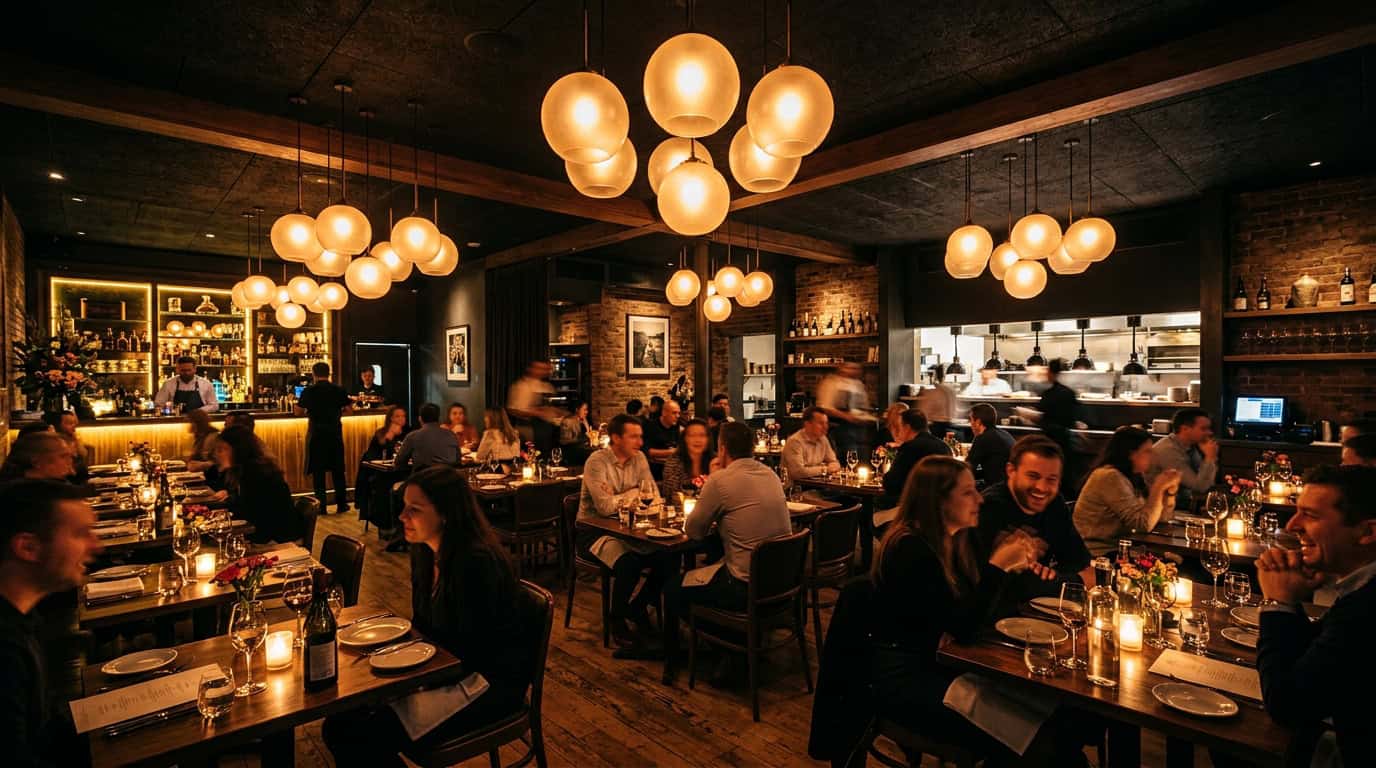
レストラン用のガラスランプシェードの選び方 収益ロジックの連鎖に従います:ダイニングコンセプトとその収益モデルを特定し、そのモデルに適した雰囲気を作り出すガラスの種類と色温度を指定します。上質なダイニングと高級カジュアルには2700Kのフロストガラス。ファストカジュアルとバーには3000Kのクリアガラス。親密なラウンジおよびバー環境にはアンバーガラス。.
二つ目の決定事項である吊り下げ高さは、コンセプトに関係なくテーブル表面から28〜34インチに固定されています。三つ目の決定事項である商業用耐久性は、初期の内装予算では十分に規定されていないことが多く、アップグレードとして過剰に販売されることがありますが、標準のソーダライムガラスとホウケイ酸ガラスの5年間の商業用清掃プログラムにおける差異は、交換頻度の測定可能な低減とそれに伴うダウンタイムの短縮です。.
商業用レストランのガラスペンダントシェードは、 フロスト、opal、clear、amber、および手吹きの構成で、文書化されたボロシリケートまたはソーダライム構造で、同一バッチの一貫性が大規模な設置見積もりに適合する場合、 jxlampshade.comのガラスランプシェード製品ライン 商業的ホスピタリティの初期仕様から交換部品調達までをカバーします。.