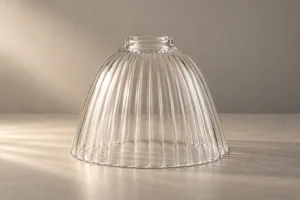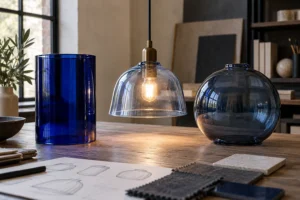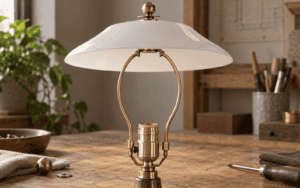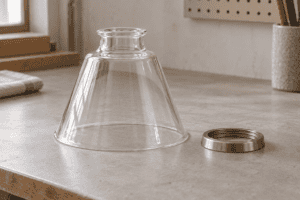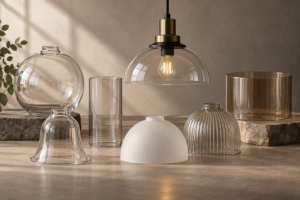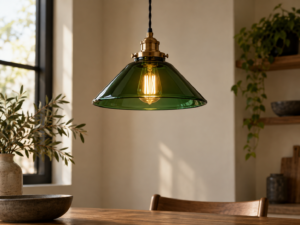
フラワーランプシェードとは、花のモチーフを特徴とするシェードで、花の形をしていたり、植物柄がプリントされていたり、立体的な花飾りが施されているものです。テーブルランプ、フロアランプ、ペンダントランプ用に、布、ガラス、紙など様々な素材があり、花の要素がシルエットなのか、表面なのか、またはその両方なのかによって最適な選択が異なります。.
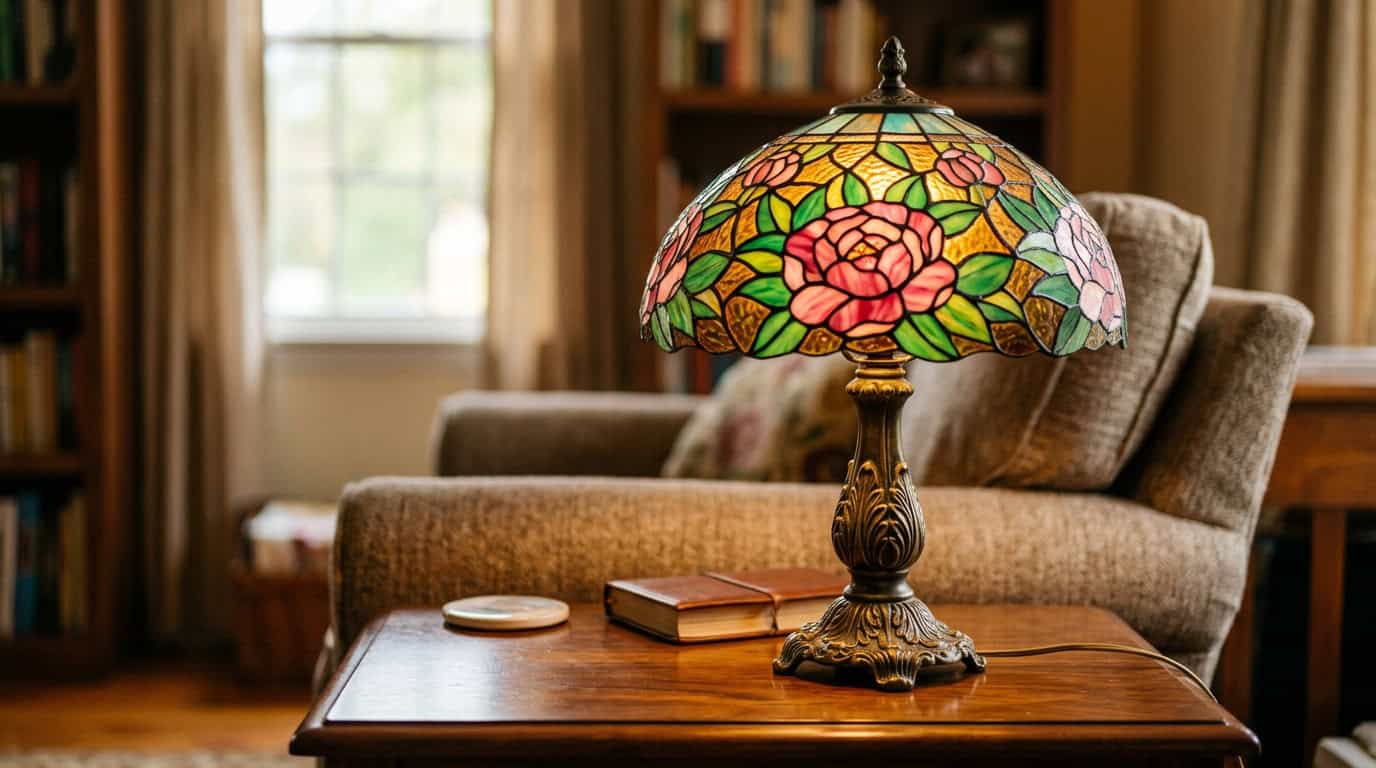
人々がフラワーランプシェードに惹かれる理由は主に二つあります。一つ目は純粋に装飾目的で、ボタニカルテーマの部屋を作りたい場合や、アンティーク市で見つけた真鍮のランプベースに時代に合ったシェードを合わせたい場合です。二つ目は思い出に基づくもので、祖母のフロアランプに付いていた色あせたシルクの花柄シェードがついに壊れてしまい、同じスタイルでなくても記憶に合うものを探している場合です。.
どちらの理由でも、最終的には「どのタイプのフラワーランプシェードが本当に欲しいのか?」という同じ疑問に行き着きます。なぜなら「フラワーランプシェード」という言葉は驚くほど幅広い範囲をカバーしているからです。彫刻的な紙の花びらシェード、手描きのティファニー風ステンドグラスドーム、プリントされたチンツコットンのシェードなど、すべて技術的にはフラワーランプシェードですが、花をモチーフにしている以外は共通点がほとんどありません。.
種類、素材、ヴィンテージの見分け方、部屋ごとのスタイリング、DIYの方法、そして多くの購入者がつまずく疑問点まで、以下で詳しく解説します。.
フラワーランプシェードとは何ですか?
フラワーランプシェードとは、花の要素がデザインの中心にあるシェードのことを指し、偶発的なものではありません。この違いは重要で、根本的に二つのタイプに分かれます。花の形をしたシェードと、花柄で装飾されたシェードです。前者はシルエットに重点があり、後者は表面に重点があります。それぞれ異なる部屋、異なるランプ、異なる購入者に適しています。.
花の形状と花柄:重要な違い
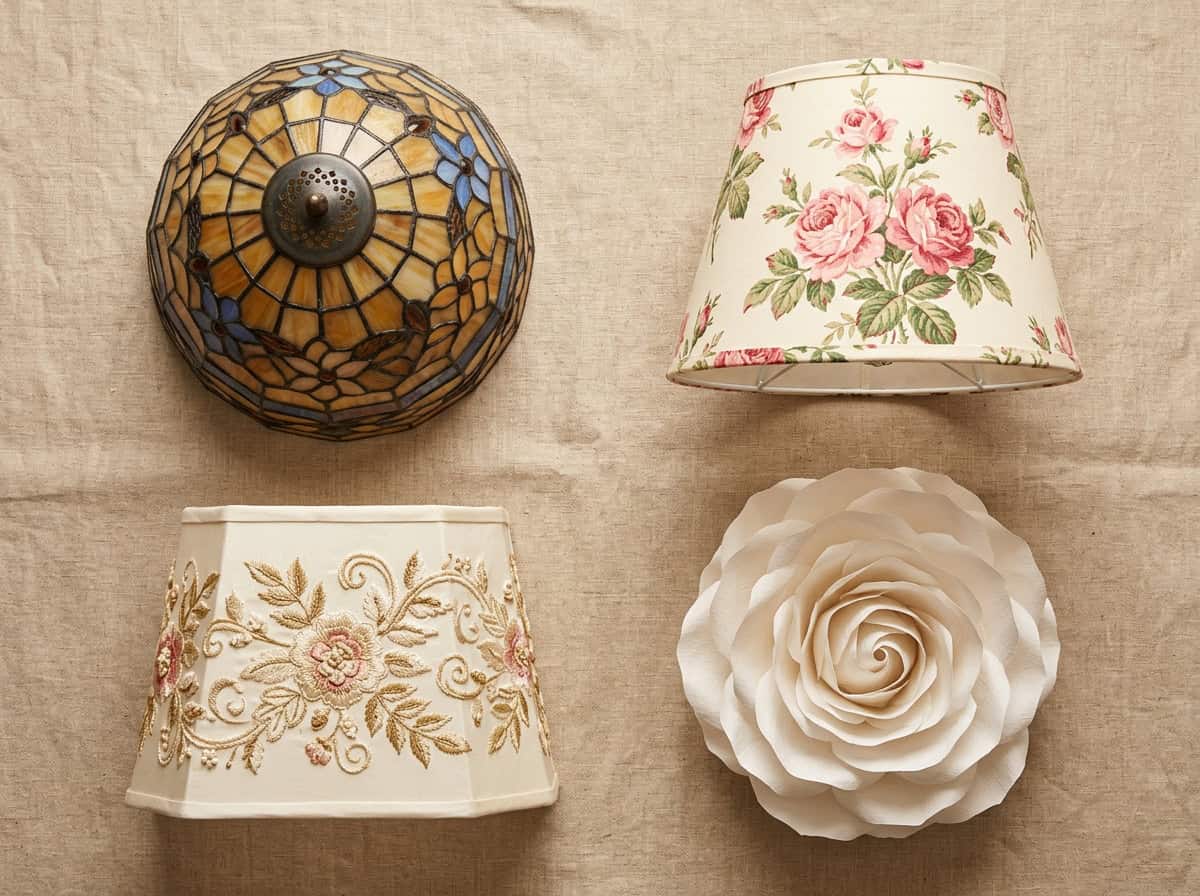
花の形をしたランプシェードは、花の咲く姿をシルエットに取り入れています。中心から外側に広がる花びらが特徴で、重なり合っていたり、円錐やドーム状に様式化されていることもあります。紙、ガラス、布で作られた蓮、ユリ、チューリップ、牡丹などの形があります。これらのシェードは構造自体が花を表現しており、ランプが消えていてもどの角度からも花の存在がわかります。.
花柄のランプシェードは、一般的なシェードの形(ドラム型、エンパイア型、ベル型)を使い、プリントや刺繍、装飾で植物のイメージを表面に施します。シルエットは標準的で、花は布やプリント紙に現れます。チンツで覆われたエンパイアシェード、手描きのコットンドラム、裾にバラの刺繍が施されたシルクシェードなどがこのカテゴリーに含まれます。.
どちらも正当なフラワーランプシェードです。形状タイプはより強い装飾的な印象を与え、部屋の主役になりやすく、取り入れるのが難しい場合もあります。柄タイプはより汎用性が高く、部屋のボタニカルテーマを支えつつ、空間の主役になりすぎません。.
フラワーランプシェードが部屋をどう変えるか
フラワーランプシェードは、通常の無地のシェードにはできないことを実現します。つまり、ランプベースとは独立した視覚的テーマを持たせることができます。マキシマリストな部屋では、フラワーシェードが様々な質感や柄をまとめ上げます。ミニマルやニュートラルな部屋では、ベッドサイドテーブルの一つのフラワーランプシェードが唯一の装飾的な冒険となり、空間に個性を与えます。.
As ウィキペディアの装飾用ランプシェードデザインの概要 によると、シェードの主な役割は光のコントロールですが、実際には多くの購入者が主に美観を重視してシェードを選びます。特にアクセントランプやベッドサイドランプでは、作業用照明よりも見た目が重視されます。フラワーランプシェードはその現実を最大限に活かしています。.
| デザインタイプ | 一般的な素材 | 壁を通した光 | 最適な部屋の用途 |
|---|---|---|---|
| 花の形(花びらのシルエット) | 紙、布、ガラス | 中〜低 | アクセントランプ、ステートメントテーブルランプ |
| 花柄(プリント/刺繍) | コットン、リネン、シルク | 中級 | 寝室、リビングルーム、玄関 |
| 応用された花の装飾 | シルクフラワーやトリム付きのファブリックベース | 低から中程度 | ヴィンテージやコテージランプ、ブドワールライト |
| ステンドグラス花柄(ティファニー風) | アートグラス、銅箔 | 低(色を通して) | 特徴的なランプ、図書室、ダイニングルーム |
花のランプシェードの種類
花のランプシェードには主に4つのタイプがあります:ガラス(ティファニーやアートグラス)、ファブリックとシルク、紙と彫刻、そして応用された花のトリムです。これら4つのタイプは十分に異なるため、ランプや部屋に合わないものを選ぶと、店では美しく見えても空間では違和感が出ることがあります。それぞれのタイプには得意な用途があります。.
ガラスの花ランプシェード:ティファニー風とアートグラス
世界で最も称賛されている花のランプシェードはガラス製です。ルイス・コンフォート・ティファニーのスタジオは19世紀後半から20世紀初頭にかけて、鉛入りステンドグラスのシェードを製作しました。藤、牡丹、バラパネルのパターンは特に人気があります。各シェードは何百もの手切りの色ガラスを銅箔でハンダ付けして組み立てられ、ランプの光が昼間は不透明な装飾を夜には輝く色彩に変化させるよう設計されています。.
本物のティファニースタジオ作品は現在では美術館の展示品です。 ヴィクトリア&アルバート博物館の装飾美術コレクション 複数の例を所蔵しており、署名入りオリジナルのオークション価格は定期的に$50,000を超えます。今日「ティファニー花ランプシェード」と言う場合、多くはレプリカを指します:同じ銅箔技法を用いた工場製の複製品、または伝統に則った独立系ガラス作家による類似作品です。.
実用的な観点では、ハンダ付けされた鉛入りガラス(伝統的な方法:重く高価で、職人や小規模スタジオによる少量生産)と樹脂模造ガラス(大量生産され、ステンドグラス風の見た目を低価格で再現するが、オリジナル技法の色の深みや構造的重みはない)との違いがあります。どちらも花のランプシェードを生み出しますが、時を経て価値が増すのは一方だけです。.
当社のガラス花ランプシェード ガラスランプシェードソリューションのラインナップ 手作業で色付けされたガラスや窯焼きのセラミックコーティングオプションは、耐久性のあるホウケイ酸ガラスで植物モチーフ効果を実現し、長期間の熱によって布製シェードが劣化するペンダント用途に適しています。.
布やシルクの花柄ランプシェード
布製の花柄ランプシェードは住宅環境で最も一般的なタイプです。布は軽量で、点灯時に暖かい輝きを放ち、想像できるすべての花柄パターンが揃っており、交換も簡単です。.
チンツは花柄プリントが施された光沢のある綿生地で、ヴィクトリア時代から20世紀中頃まで装飾用ランプシェードの主流素材でした。陶器や真鍮の台座にチンツの花柄ランプシェードを合わせることは、日本のカントリーハウスのインテリアを象徴するイメージのひとつです。光沢仕上げは生地にわずかな艶を与え、光を受けて輝きます。パターンにはバラ、シャクヤク、スイートピー、庭の花々が密集して配置されるのが一般的です。.
シルクやフェイクシルクの花柄ランプシェードは布製オプションの中でも上位に位置します。リアルシルクはポリエステルでは完全に再現できない輝きで光を透過します。色は表面に反射するだけでなく、内側からほのかに輝きます。刺繍や手描きの花が施されたシルクやプリーツ加工の花柄ランプシェードは、ブドワールや寝室でよく使われます。非常に繊細です。直射日光で色褪せし、湿気は手縫い部分に影響を与え、掃除は非常に優しい乾いたブラシのみ可能です。人の出入りが多い場所や頻繁に点灯するランプには、質の良いフェイクシルクやリネン混合の代替品が実用的で、部屋の距離からはほとんど区別がつきません。.
刺繍入り布製シェードは花柄モチーフに質感を加えます。花は平面プリントではなく、立体的で触感があります。これらは特にコテージやスカンジナビア風のフォークアートインテリアで、手作り感が重要な場合に適しています。.
布素材の詳細な分類と、さまざまなランプタイプでの性能については、当社の ファブリックランプシェードガイド 織り密度、光の透過性、耐久性について詳しく解説しています。.
紙や造形的な花柄ランプシェード
紙製の花柄ランプシェードはDIY向けのカテゴリーの端に位置し、近年では高いデザイン性も備えています。紙工芸作家やデザイナーが造形的な花びらシェードを制作しており、より高価な代替品と美的に競合しています。.
その原理は単純です。紙の花びらを切り、ボーンフォルダーで形を整えたり、鉛筆に巻き付けてカールさせたりして、標準的なランプシェードのフレームの周りに貼り付け、外側から層になった花びらの効果を作り出します。点灯すると、半透明の紙の花びらを通して、布やガラスでは得られない温かく拡散した光が得られます。柔らかく、ろうそくのような効果で、強い立体的な影の遊びが生まれます。.
主な制限は耐久性です。紙は高温の電球には適していませんが、LED電球は白熱電球よりもはるかに低温で動作するため、紙に使用しても安全です。紙のシェードは、湿気の多い部屋や直射日光にはあまり適していません。寝室、読書コーナー、または条件が安定しているホームオフィスにある、あまり人の通らないアクセントランプに最適です。.
ヴィンテージのフローラルランプシェード:何が違うのか
本物のヴィンテージフラワーランプシェードは、価格を超えた点で、レプリカとは異なるものです。ビクトリア朝、エドワード朝、そして20世紀半ばのフローラルシェードの素材、製造方法、デザイン語彙は、その時代の製造上の制約と美的優先順位を反映しており、それらの制約は、現代の大量生産では経済的に再現できなかった結果を生み出しました。.
ビクトリア朝、エドワード朝、そして20世紀半ばのフローラルスタイル
ビクトリア朝のフローラルシェード(おおよそ1837年から1901年)は、通常、シルク、コットン、または油絵ガラスで作られていました。フリンジトリムはほぼ普遍的でした。深く結ばれたり、ビーズで縁取られたりした裾は、花柄自体と同じくらい装飾にとって重要でした。色は、暗い背景に深い赤、森の緑、そして金が好まれました。全体的な効果は豊かでやや重厚でした。これらのシェードは、その時代の密集して家具が置かれた応接間によく合うようにデザインされていました。.
エドワード朝のフローラルシェード(1901年から1910年)は、かなり明るくなりました。パステル調の背景、アーツアンドクラフツまたはアールヌーボー様式の流れるような植物のプリント、そしてより軽いシルクまたは紙の素材が、重厚なビクトリア朝のパレットに取って代わりました。ティファニースタジオが商業的なピークに達したのはこの時期でした。ティファニー様式を定義する鉛ガラスの花のシェードは、有機的な自然の形が高貴な装飾品として高められたこの美的瞬間から生まれた製品でした。.
20世紀半ばのフローラルシェード(1940年代から1960年代)は、合成繊維、より大胆なグラフィックパターン、そして大量生産をこのカテゴリーにもたらしました。ナイロンとレーヨンがシルクに取って代わり、スクリーン印刷が手描きの代わりに使われました。花のモチーフはより様式化され、植物的ではなくなりました。明るいデイジー、幾何学的なバラ、抽象的な花。これらのシェードは、最も手頃なヴィンテージオプションであり、遺品セールやチャリティショップで最も簡単に見つけることができます。.
本物のヴィンテージとレプリカの見分け方
本物のヴィンテージフラワーランプシェードの最も明確な兆候は、外側ではなく、裏地と構造に見られます。1960年以前のシェードは通常、フレームに手縫いされたコットンまたはシルクの裏地が付いています。現代のレプリカは、均一で均一で、手仕上げのわずかな不規則性を欠く機械縫いの合成裏地を使用しています。.
裏地を通して上部のワイヤーフレームを確認してください。古いフレームは、塗装またはラッカー仕上げされた軟鋼で作られていました。本物のヴィンテージフレームは、数十年間の熱による酸化またはわずかな歪みを示します。現代のレプリカフレームは、通常、年齢の証拠がないまっすぐな亜鉛メッキワイヤーです。.
トリムを見てください。ビクトリア朝のシェードのオリジナルのフリンジは、コットンヘッダーに手で結ばれたシルク、コットン、またはガラスビーズで作られていました。大量生産されたレプリカフリンジは均一で規則的で、わずかにプラスチックのような感触です。視覚的な違いが読み取りにくい場合でも、その触覚的な違いは信頼できます。.
日本の ハウス・ビューティフル誌のアンティーク照明に関するガイダンス, 本物の戦前の装飾シェードは、供給が狭まるにつれて遺品セールではますます希少になっています。来歴を確立できない場合は、主張された真正性よりも構造の品質に焦点を当ててください。同じ価格であれば、よくできたレプリカは、文書化が不十分な主張されたオリジナルよりも良い投資になります。.
| 種類 | 耐久性 | 光の特徴 | おすすめ対象 |
|---|---|---|---|
| ティファニー/鉛ガラス | 非常に高い | 豊かな色の輝き、指向性 | 特徴的なランプ、読書灯、ダイニング |
| チンツ/プリントコットン | 高い | 布を通して暖かく拡散 | カントリーコテージ、寝室、玄関 |
| 刺繍入りシルク/フェイクシルク | 中級 | 柔らかく、光沢のある | ブドワール、寝室、フォーマルリビング |
| 彫刻的な紙の花びら | 低い | 柔らかく、キャンドルのような | アクセントランプ、寝室、低頻度エリア |
| シルクフラワートリム付き | 中級 | ベース生地による | ヴィンテージ風寝室、ブドワール |
フラワーランプシェードの選び方
問題は、どのフラワーランプシェードが好きかだけではありません。お持ちのランプや設置する部屋、実際に必要な明るさに合うものを選ぶことが重要です。どれか一つでも間違えると、美しいけれど空間に合わないものになってしまいます。.
花柄スタイルと部屋のインテリアの調和
フラワーランプシェードは多くの部屋で使えますが、どの部屋でも同じように機能するわけではありません。.
コテージ風やカントリー調の寝室では、花柄ランプシェードはほぼ必須です。スタイルコードがそれを求めます。白やクリーム色の陶器ベースにチンツやプリントコットン、エンパイア型やベル型のシルエット、柔らかく暖かい電球が定番です。この部屋での課題はスケールです。小さすぎるとシェードが頼りなく見えます。シェードの下部直径をベースの高さに合わせ、部屋が広ければ少し大きめを選びましょう。.
マキシマリストやエクレクティックなリビングでは、フラワーランプシェードはパターンミックスの一部として機能しますが、適切な存在感が必要です。大きなガラスのティファニー風シェードは、柄物のソファや重ねたテキスタイルにも負けない視覚的な重みがあります。小さなプリントコットンシェードは埋もれてしまいます。この場合、パターンの合わせ方よりもスケールや素材の強さが重要です。.
ミニマルや北欧風の部屋では、フラワーランプシェードが一つあるだけで最大の効果を発揮します。ニュートラルな空間に意図的な花のアクセントを加える形です。紙の花びらや彫刻的なスタイルは、装飾的なパターンというよりアートオブジェとして映えるため、特におすすめです。花の形が唯一の装飾となり、賑やかな部屋よりも強い存在感を放ちます。.
サイズ選びのルールとフィッターの種類
すべてのランプシェードに共通するサイズ選びのルールは、フラワーランプシェードにも当てはまります。シェードの下部直径は、ランプベースの高さとほぼ同じが理想です。ベッドサイドランプベースが40cmの場合、下部直径38〜45cmのシェードがバランス良く見えます。小さすぎると窮屈に、大きすぎると不安定に見えます。.
ティファニー風ドーム型シェード(標準的なエンパイア型とは異なるフィッターを使用)など、詳細なサイズ測定方法については、当社の ランプシェードサイズガイド シェードタイプごとのフィッター互換性を解説しています。.
ガラス製の花型ランプシェードについての特記事項:ティファニー風のドーム型は通常、スパイダーフィッターまたは独自のクリップシステムを使用します。ベル型用のハープにドーム型シェードを無理に取り付けてはいけません。フィッター開口部の応力集中により、鉛ガラスシェードのはんだ付け部分が割れることがあり、きれいに修理するのは困難です。.
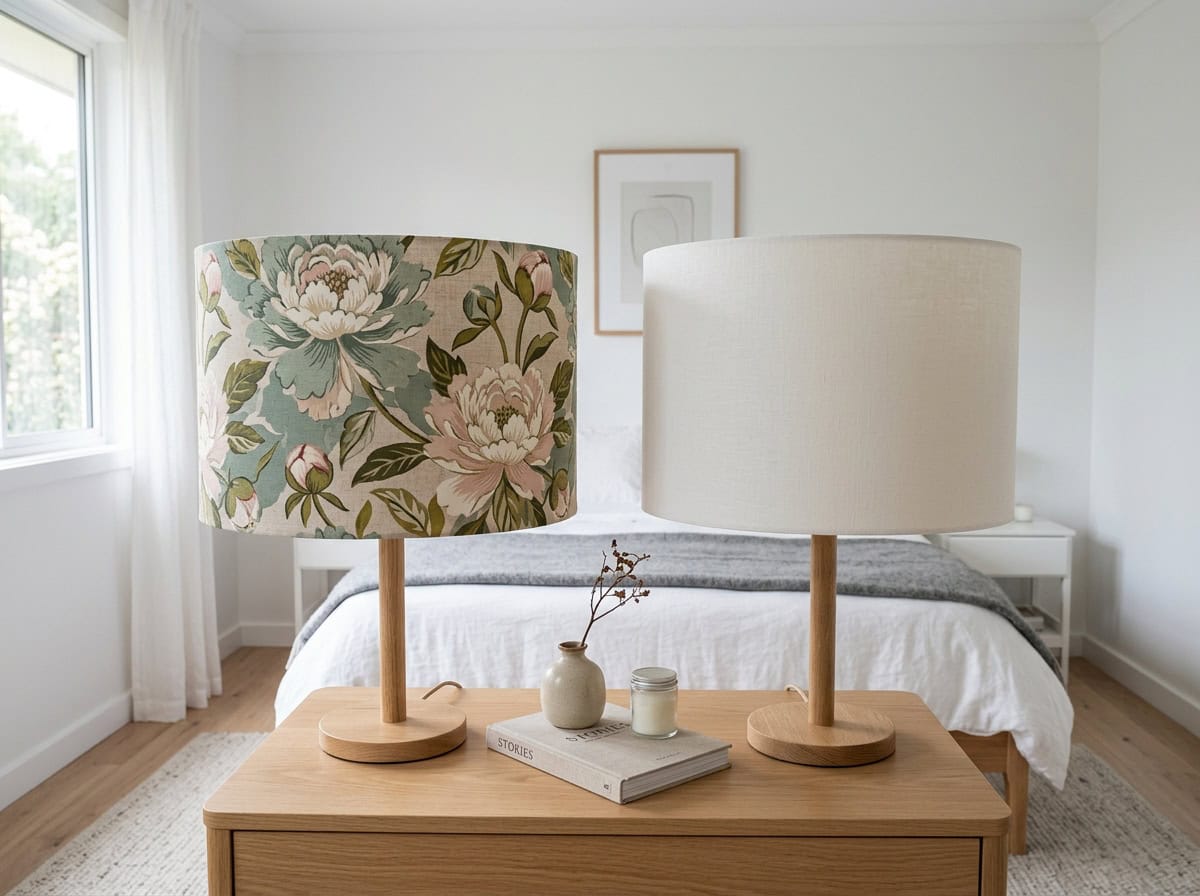
DIY花型ランプシェード:3つのアプローチ
自分で花型ランプシェードを作るのは、本当に実現可能であり、多くのクラフトプロジェクトが約束する手軽さよりも簡単です。3つのアプローチは、異なるスキルレベルや素材の好みに合わせて選べます。.
紙製花型ランプシェード
紙の花びら方式は最も広く記録されており、初心者にも取り組みやすい方法です。無地のランプシェードフレームまたは既存のシェードを土台にし、厚手のクラフト紙やカードストック、ハサミまたはクラフトナイフ、花びらの形を整えるためのボーンフォルダー、ホットグルーガンが必要です。.
花びらは段階的なサイズで切ります:下部は大きく、上部は小さくします。各花びらは鉛筆やめん棒で丸めて形を作ります。下端から上に向かって貼り付け、各列を重ねて層状の効果を出します。標準的な25cmドラム型シェードの場合、完全に覆うには約200~300枚の花びらが必要で、作業時間は3~4時間程度です。.
ここではLED電球が必須です。通常の白熱電球やハロゲン電球は、数週間で紙が変色するほどの熱を発生させます。8WのLED(約650ルーメン相当)は、花びらを通して暖かく均一な光を提供し、熱によるリスクがありません。 Instructablesコミュニティ この方法には、シンプルな一層のバラ花びら効果から、ワイヤー補強を用いた複雑な多素材の彫刻的構造まで、数十種類のバリエーションが記録されています。.
布張りの花型ランプシェード
フラワー生地を用いた既存の日よけを回復させることは、すでに気に入っている日よけがありつつ新しい表面を望む人にとって最も影響の大きい選択肢です。フレームから既存の生地を取り外し、古いパネルを型紙として使用し、選んだ花柄生地をそれに合わせて裁断し、布用接着剤または手縫いで再固定します。.
チュートリアルが見落としがちな手順: 非ドラム日よけの布パネルをバイアス切りすること。エンパイア・ベル型の日よけは曲線のプロファイルを持ち、布パネルをバイアスで裁断しないと、伸ばしてフレームに巻きつけると縫い目の沿線で生地がシワになります。ストレートカットのパネルは円筒形のドラム日よけでのみきれいに機能します。.
私たちの DIYランプシェードガイド エンパイア、ベル、ドラムのプロファイルに対応したパターン作成の手順を含む、回復全工程を網羅し、湾曲したフレームの縫い目を扱う方法も解説します。.
彩色ガラスのフローラルシェード
プレーンなガラスのシェード、ドーム、グローブ、またはシリンダーをお持ちで、花模様を追加したい場合、細筆で塗る耐久性の高い方法は寒色エナメルガラス塗料の適用です。ビトライアル(透明系)またはギャラリーグラスタイプの透明塗料は、照明を点けるとステンドグラス風の効果を生み出します。不透明の陶器風塗料は、印刷布のような外観とシャープな縁、鮮明な塗りつぶしを生み出します。.
最も重要なステップ:塗装前にガラスをイソプロピルアルコールで清掃してください。皮脂は密着を妨げ、数週間以内に剥がれの原因となります。塗装後は、電球の熱にさらす前に最低48時間の乾燥時間を設けてください。.
最も重要な手順:塗装前にアルコール系イソプロピルでガラスを清掃すること。肌の油分は付着を妨げ、数週間で剥がれを引き起こします。塗料を電球の熱にさらす前に、最低でも48時間の硬化時間を設けてください。.
花柄ランプシェードのトレンド(2026年)
簡単なアプローチ:柔らかい鉛筆でガラスに植物の参照画像をトレースし、輪郭を黒で塗り、花弁を透明色で着色します。内部から光を当てたときは、単純化されたティファニーパネルのように光輝きます。深さや複雑さは完全には同じではありませんが、同じ視覚ファミリーに明確に属します。.
Flower lampshade trends (2026)
2026年の花のランプシェードのデザイン動向は、通常は同じ方向に推し進めない二つの力、住宅デザインにおける最大主義的な植物インテリアの台頭と、商業ホスピタリティ空間での存在感ある照明の需要増加によって推進されています。これらは十年近く静かだった花のシェードに対する実際的な需要を生み出しています。.
Botanical maximalism and the return of pattern.
As 2026年に向けた住宅インテリアの支配的な方向性は植物的な最大主義です。花柄のパターン、植物モチーフ、自然素材、暖色を階層的に組み合わせ、長年のミニマリストの合意を拒否する部屋です。この文脈では、花のランプシェードは装飾的なリスクではなく、ほぼ必須事項です。 特に寝室や読書室では、パターン重視の部屋へのシフトが顕著であり、まさにフラワーランプシェードが最も活躍してきた空間です。.
ホスピタリティと小売のガラスの花ペンダント
商業環境では、ガラスの花ペンダントがレストラン、ブティックホテル、ハイエンド小売環境の象徴的なアイテムとして地位を築きつつある。ガラスの花のランプシェードは、標準のペンダントシェードにはない意図的で非定型的な印象を読み取らせ、商業デザイナーはその品質を意図的に活用している。.
商業用のガラスペンダントシェードは、耐久性があり、清掃が容易で、10個から50個の一括生産で一貫性がある必要がある。専門メーカーによるカスタム生産のガラスシェードがこのギャップを埋める。jxlampshade.comでは、花のシルエットの手彩色ガラスペンダントを、ホスピタリティ業界のバイヤーと共同で一括注文で取り扱い、均一な仕上がりと重量公差を実現しており、既製の装飾シェードでは達成できない。.
| トレンド | なぜ上昇しているのか | 最適な組み合わせ |
|---|---|---|
| 大判ボタニカル柄リネン | 最大主義の再来;無地のシェードの拒絶 | 旋盤で成形した木製ベースまたは陶器ベース、暖かい真鍮の金具 |
| フリンジ付き花の帝冠 | レトロリバイバル;カントリーエコーの美学 | アンティーク真鍮または塗装陶器のキャンドルスティックベース |
| ガラス花ペンダント(商業用) | 非定型のステートメント照明に対するホスピタリティ需要 | 露出したエジソン球またはグローブ型LED、工業用天井取付け |
| 彫刻的な紙の花弁(住宅用) | DIY対応、有機的美学、予算に優しい | 細身の金属またはワイヤー製ランプベース、ベッドサイドまたは机用 |
| 刺繍された植物柄ドラム | クラフト再興; 手作りの質感を示す | ラタン、竹、または軽い木製ベース |
よくある質問
花のランプシェードはどの部屋に最も合う?
寝室が最も適合するのが強い印象、特にベッドサイドテーブルのランプでシェードが視線の高さに近く、最も一般的な視位置、仰向け姿勢からパターンが見えるため。寝室の後は、玄関と読書部屋が次に強い適合性を持つ:どちらもリビングルームのテレビ、実用的なタスク照明、ダイニングテーブルと競合せずに部屋のトーンを決定できる単一の装飾的なランプを置ける空間。リビングは、パターンのある張り地に耐えうる視覚的重量を持つガラスのティファニー風シェードに適している。オープンプランのキッチンと在宅オフィスは扱いづらい;機能的要求が装飾的ジェスチャーを上回る傾向がある。キッチンの花のシェードは、部屋全体の装飾次第で魅力的にも、場違いにも感じられることがある。安全な答えはない。.
花柄のシェードは時代遅れですか?
いいえ、そしてこの質問自体の枠組みもやや古い。花柄のシェードはミニマリスト全盛期(おおよそ2010年から2020年)には時代遅れとみなされていたが、植物的最大主義への転換がその判断を明確に覆した。2026年には、適切に選ばれた花柄のシェードは考慮され、こだわりや時代遅れという印象ではなく、意図的で慎重に選ばれたものとして読まれる。留意点はスタイル固有の問題:豪華な房飾りのヴィクトリア朝の再現は、中世~現代の家具と部屋が組み合わさると時代遅れに見えるが、それは花柄シェード自体が時代遅れだからではなく、スタイルの不整合が目立つからである。花柄シェード自体は問題ない;組み合わせが問題。.
ファブリックの花柄シェードをどう掃除しますか?
プリントコットンとリネンのシェードは、ドライクリーニングと柔らかいブラシが最も安全な方法です。非常に薄く湿らせた布で、色堅牢性のある生地の特定の汚れを処理することもできますが、裏下部の縫い目から試してから行ってください。布のシェードを水で完全に濡らしてはいけません。水は染料を不均一に引き、元のシミよりも目立つ潮汐跡を残します。絹と刺繍のシェードには、ダイブラシまたは最も低い冷風設定のドライヤーを使って、蓄積した埃を除去します。絹を部分的に清掃するには、ほとんど湿らせない布で軽い円を描く程度にしますが、重大なシミがある場合は、家庭での処置より専門の繊維保全スペシャリストに任せるのが良いです。.
花柄のファブリックシェードにはどのような電球ワット数が最適ですか?
中程度の織り密度の花柄ファブリック陰影(ほとんどのプリント綿とリネンの影) は、暖かく拡散する範囲の光を透かします。ベッドサイド用またはアクセントランプには、通常6~8WのLED(450〜650ルーメン)で十分です。読書用ランプやタスク照明が重要な大きなフロアランプのシェードには、10~12WのLED(800〜1000ルーメン)の方が適しています。に従って 住宅用照明に関するエネルギー省(U.S. Department of Energy)のガイダンス, では、同等の明るさの白熱電球よりもLED電球は実質的に熱を発生させません。紙や絹の花のシェードではとくに熱 Exposureが材料の劣化を最も早めるため、これは重要です。.
ティファニースタイルの花柄シェードとは何ですか?
ティファニースタイルの花柄シェードは、ニューヨークのティファニー・スタジオが1890年代から1930年代にかけて制作したステンドグラス風シェードの伝統に沿って作られたシェードです。この技法は、銅箔で包んだ色ガラスを手切りで組み合わせ、それをはんだ付けして三次元のシェードを形成します。古くは藤、シャクヤク、トンボ、睡蓮などの植物形を模していました。現在の「ティファニースタイル」という用語は、独立系スタジオのアーティストでも商業メーカーでも、この銅箔とはんだの技法で作られたシェードを広く指すようになっています。 ウィキペディアのティファニーランプの記事 によると、本物のティファニー・スタジオの作品は、リード・ケイム構造、署名された台座、記録された来歴によって識別されます。今日“ティファニー”として販売されている作品の大半は、さまざまな品質のレプリカです。.
花柄シェードを床置きランプに使えますか?
はい、適切なスケールで。ほとんどのフロアランプはシェード直径40〜55 cmに対応します。全高のフロアランプに対して、小さすぎると不釣り合いに見えます。布花シェードの場合、トーチエア風のフロアランプ(上部が開いていてシェードが覆われていないタイプ)は標準のシェードフレームには対応しませんが、スタンダードなハープを備えた直読用フロアランプのほとんどは、スパイダー固定のシェードと組み合わせて問題なく使用できます。ガラス花シェードの場合は、フロアランプの最大シェード重量を確認してください。鉛ガラスシェードは2〜5 kgの重量になることがあり、軽量のフロアランプ用ハープの定格を超えることがあり、長時間のストレスで金具の取り付け部が変形することがあります。.
replacement flower lampshadeはどこで入手できますか?
印刷布のシェードについては、専門のランプシェード小売店やオンラインのヴィンテージ市場が最も幅広い品揃えを持っています。素材(チンツ、リネン、シルク)、シェードスタイル(エンパイア、ドラム、ベル)、フィッタータイプ(スパイダー、ウノ、クリップ)で検索してください。ティファニー風ガラスシェードの交換用については、重要な区別は再現ガラス(外観が一定でコストが低く、入手しやすい)とスタジオガラス(手作りでバッチごとに不揃い、はるかに高価)の間です。特定の草花モチーフ用、オーダーメイドの寸法、または大量注文のガラス花シェードについては、私たちのチームが店頭にはないシェードを作成するために直接買い手と協力します。 jxlampshade.jp 私たちのチームは、棚に並んでいるものとして販売されていないシェードを作成するために、買い手と直接協力します。.
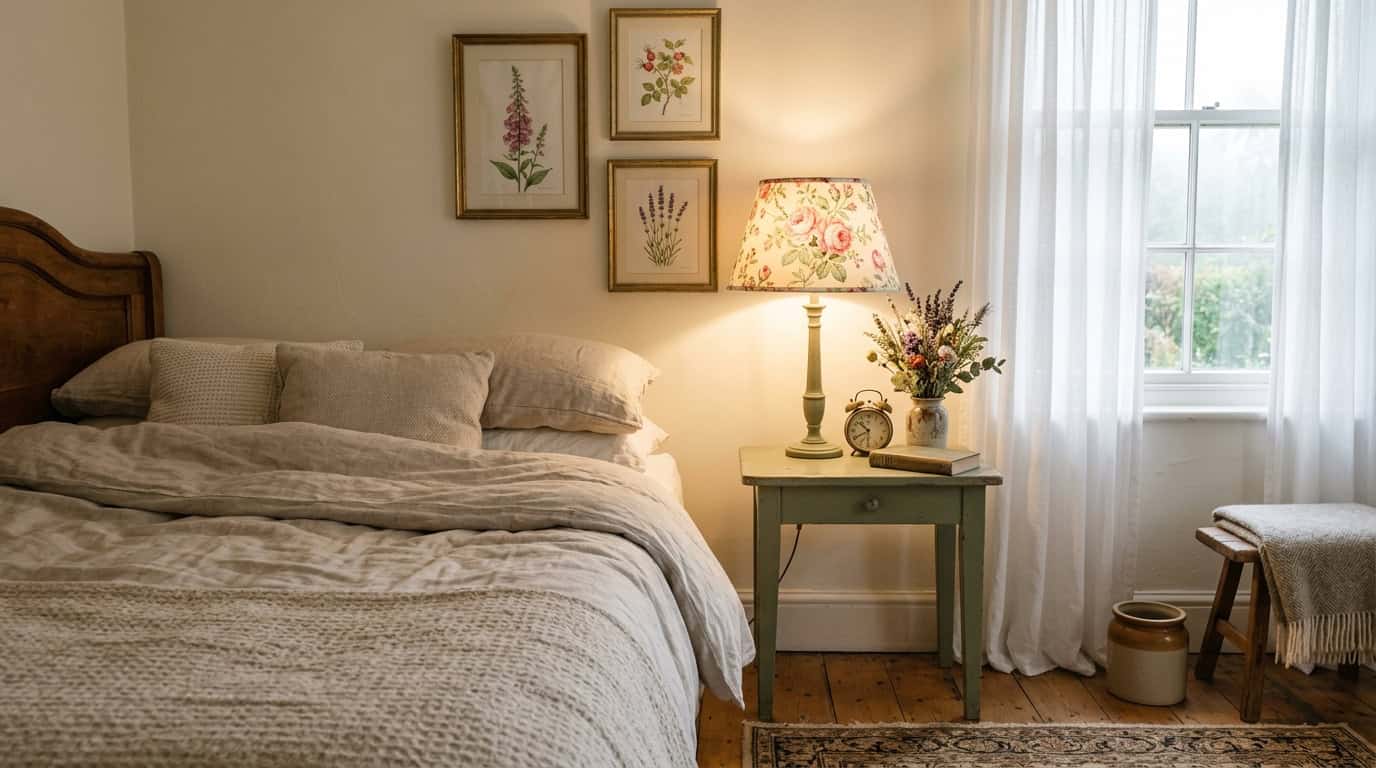
花のシェードを実際に部屋に合うものを選ぶ
ほとんどの花のシェードの決定は、三つの要素が順に重要です:どのタイプの花の参照を望むか(形状のシルエット、表面パターン、または適用装飾)、ランプの環境と使用に適した素材、そしてスケールとフィッタータイプが設置するランプに合っているかどうか。.
住宅設定の多くの購入者にとって、最も広い適用範囲をカバーする答えは、中程度の植物柄のプリント布シェードです。暖かな地色のコットンまたはリネンのエンパイアまたはドラムシェードで、シェードのサイズに合わせて植物柄が縮尺されています。この選択は、構造的な花形シェードのコミットメントを伴わず、田舎風、マキシマリスト、トランジショナルな部屋のどれにも適しており、特定の補完カラーパレットを必要としません。.
本物のヴィンテージ花シェードをお探しの場合は、伝統的な起源よりも構造品質に焦点を当ててください。手縫いの裏地、酸化したワイヤーフレーム、実際の絹またはガラス釉のコットン素材は、オリジナルと良い再現品を区別する要因です。ラベルは偽造しやすく、結局欠落していることが多いです。私たちの ヴィンテージランプシェードフレームガイド は、年齢と起源を最も信頼性高く示すフレームの構造ディテールをカバーします。.
ガラス花シェードは、ベッドサイドの一つの piece から40本のマッチングレストラン用ペンダントの一連まで、スケールに関係なく、主要な変数はガラスのタイプ、適用技術、およびバッチの一貫性です。それらの具体的な点は、製品リストを基に購入するよりも、専門家との直接の対話が価値があります。.