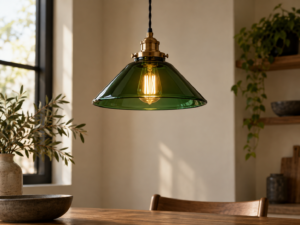
緑色のランプシェードは、色付きの表面を通して光をフィルタリングし、部屋の雰囲気を穏やかで自然に近い温かみや、緑の色合いによってはドラマチックな印象へと変化させます。セージ、エメラルド、フォレスト、オリーブの色合いが、布、ガラス、紙などの素材で展開されており、最適な緑色は部屋のカラーパレットやランプの台座、シェードが目立つか控えめにするかによって決まります。.
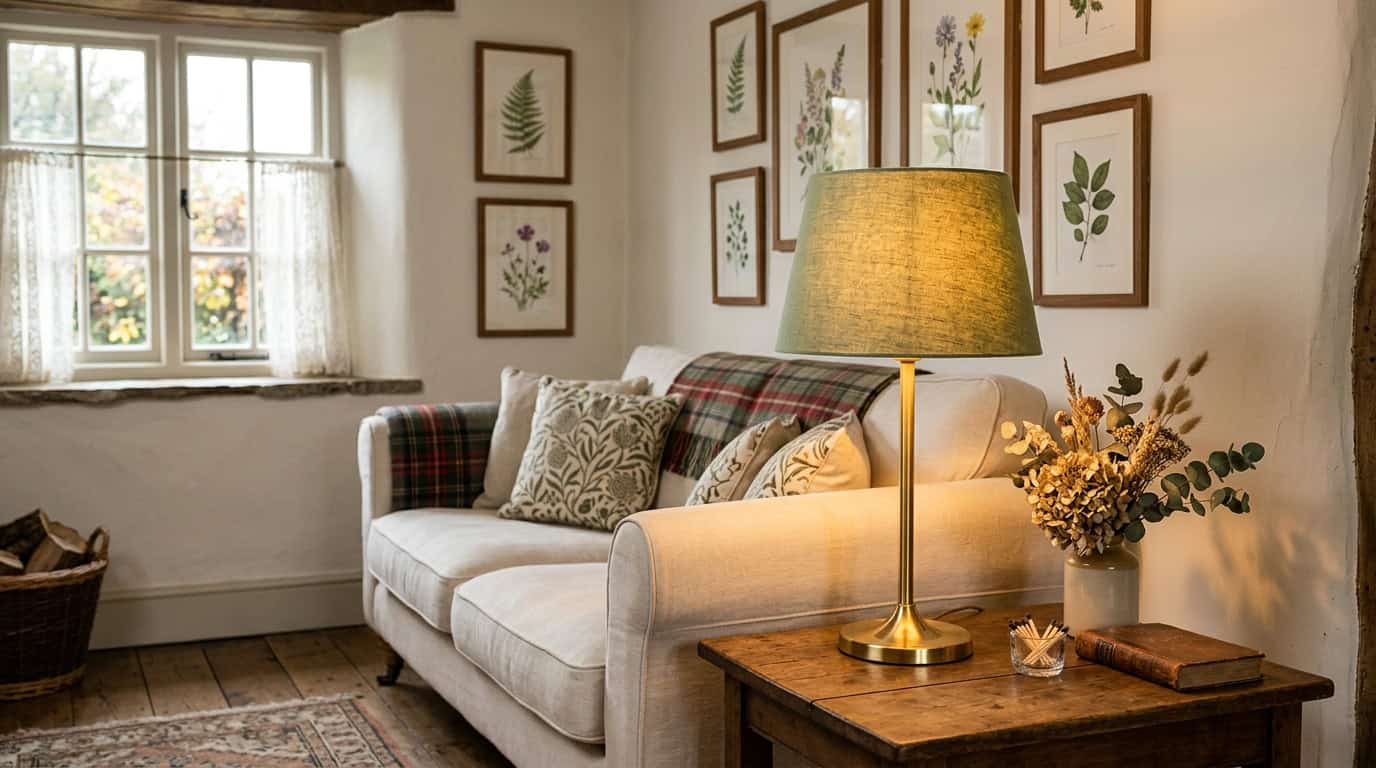
緑色は最も人気のあるランプシェードの色の一つですが、同時に最も後悔される色でもあります。緑色のシェードが見つけにくいわけではなく(市場には多く出回っています)、“緑色”が非常に広い範囲をカバーしているためです。商品リストで完璧に見えるセージグリーンも、温かみのある部屋では平坦に感じることがあります。図書室にぴったりのエメラルドグリーンも、寝室では騒がしく違和感を覚えることがあります。写真映えするフォレストグリーンも、小さなリビングルームでは洞窟のような印象を与えることがあります。.
部屋を変える緑色のランプシェードと、部屋を支配したり消えてしまうランプシェードの違いは、主に三つの要素にあります:緑色の具体的な色合い、シェードの素材、内側のライニングカラーです。このガイドでは、これら三つの要素に加え、素材の種類やヴィンテージオプション、購入時に多くの人が迷うポイントについて解説します。.
緑色のランプシェードとは何ですか?
緑色のランプシェードとは、緑色が主な色特性となっているシェードのことです:色付きガラス、染色やプリントされた布、着色された紙など。想像以上に幅広いバリエーションがあり、その中で根本的に異なる二つのタイプが異なるデザイン目的に使われます。.
緑色の色付きと緑色の柄:重要な区別
緑色の色付きランプシェードは、素材自体に色が付いています:ガラスが着色されている、布が染色されている、紙が着色されているなど。緑色が構造的な要素です。シェードを通して光が部屋全体に緑色の色味を与えます。.
緑色の柄入りランプシェードは、標準的なシェードの形に緑色を表面の柄として加えます:クリーム色のドラムシェードに緑色の植物柄、白いエンパイア型に緑色のストライプ、リネンベースに緑色の花刺繍など。緑色は装飾的な要素であり、構造的ではありません。シェードの壁を通して出る光はニュートラルまたは温かみがあり、緑色は色味ではなくデザインのディテールとして認識されます。.
“緑色のランプシェード”を求める多くの購入者は、色付きタイプを探しています:部屋の遠くから見ても緑色と認識できるシェードです。期待外れだった人の多くは、柄入りタイプを同じ目的で購入してしまったケースです。購入前にどちらを求めているか明確にしておく価値があります。.
緑色のランプシェードが雰囲気の光をどう変えるか
光が緑色の色付きシェードを通ると、緑色の色味を帯びて照らされた空間全体の見え方が変わります。温かみのある黄緑色(オリーブやシャルトリューズに近い色)は木材や自然素材を引き立てます。冷たい青緑色(ティールや冷たいセージ)は肌の色をややくすませることがあります。真ん中の緑色は自然な印象で、人工的ではなくニュートラルな雰囲気を与えます。.
As ウィキペディアのランプシェードデザインの概要 注記:シェードの主な光学的機能は光の拡散と方向のコントロールです。色付きシェードの場合、色の透過が環境効果の二次的な層を加えますが、多くの購入者は自分の空間で見るまでその影響を大きく見落としています。.
| 緑色の色合い | シェードを通した光の特性 | 生み出される部屋の雰囲気 | 最適な部屋の用途 |
|---|---|---|---|
| セージ(落ち着いた黄緑色) | 温かく、柔らかく、琥珀色に近い | 穏やかで、オーガニック、土っぽい | 寝室、読書スペース、コテージのリビングルーム |
| エメラルド(鮮やかな中間の緑色) | 涼しく明るい、宝石のような輝き | 豊かで大胆、フォーマル | 図書室、ダイニングルーム、ホームオフィス |
| フォレスト/ハンター(ダークブルーグリーン) | 深く、方向性があり、拡散は最小限 | ドラマチックで親密 | 書斎、バーカート、読書用のベッドサイド |
| オリーブ(暖かい黄緑) | 暖かく、ややゴールドがかった色合い | ノスタルジック、1970年代、アーシー | 木の色調のあるリビングルーム、キッチンのアクセント |
| ミント(明るいクールグリーン) | 明るく均一でニュートラル | 新鮮で風通しが良く、遊び心がある | 子供部屋、バスルーム、小さなアクセントランプ |
グリーンの色調:どのトーンがどこに合うか
グリーンのランプシェードを選ぶ際に最も重要な決断は、形や素材ではありません。それはグリーンの具体的なトーンです。これを間違えると、ランプを別の場所に移しても修正できません。.
セージグリーン
セージは2026年の住宅インテリアで主流のグリーンランプシェードのトーンです。落ち着いた、ややグレーがかった黄緑で、クールというより暖かく、主張するより静かな印象です。セージグリーンのランプシェードは、グレーが含まれているため色の自然な強さが和らぎ、他のグリーンよりも幅広い部屋で使えます。目立ちすぎず、空間に溶け込みます。.
セージグリーンのランプシェードに最も合うのは、ナチュラルリネン、無垢材、ラタン、テラコッタのある部屋です。これらの素材はセージのアーシーでやや彩度を抑えた質感と共通しています。セージのランプシェードを真っ白や非常に明るい部屋に置くと、洗練された印象よりもくすんで見えがちです。暖かい部屋でセージの万能性を生む落ち着いた質感は、クールでコントラストの強い空間では弱点となります。.
エメラルドと宝石のようなグリーン
エメラルドは、強い青みを帯びた完全に飽和した中間のグリーンです。意図的に使えば贅沢に見えますが、不注意に使うとけばけばしく見える要求の高い色です。ダイニングテーブルの上にエメラルドグリーンのガラス製ペンダントを吊るせば、アールデコの壮麗さを感じさせます。同じ色合いを柔らかいインテリアの寝室の小さなベッドサイドランプに使うと、失敗に見えます。.
エメラルドが最も映える部屋は、濃い木材、真鍮の金具、バーガンディやネイビーの張り地、ダークトーンの壁など、豊かで暖かみのある要素が揃っています。エメラルドはニュートラルや明るい色調の部屋ではうまくいきません。意図的な演出として見せるには、適切な文脈が必要です。.
フォレストグリーンとハンターグリーン
フォレストグリーンは、一般的に入手できるランプシェードの中で最も暗い色調です。深く、青に近く、ほとんど光を通しません。フォレストグリーンのシェードは、環境光源というよりも指向性のあるランプとして機能します。光を下方と外側に送り出しますが、部屋全体を照らす効果は最小限です。これは制限ではなく、適切な環境では特徴となります。.
図書室や書斎でこそ、フォレストグリーンのランプシェードがふさわしいです。緑色のガラス製バンカーランプ(19世紀後半から継続して生産されているデザイン)がその代表例です。作業面に光を集中させ、部屋全体を明るくしすぎないように設計されたシェードです。その効果は、意図的に親密で集中した雰囲気を生み出します。.
オリーブと黄緑
オリーブはセージよりも暖かく黄色みが強く、1970年代のビジュアルイメージを明確に持っています。以前はこれがマイナス要素とされていましたが、2026年にはむしろプラスに働くようになっています。1970年代デザインのリバイバルによって、オリーブは時代遅れではなく洗練された選択肢として再評価され、冷たいグリーンにはない暖かい黄色みが木材を多用したインテリアを引き立てます。.
オリーブグリーンのランプシェードは、1970年代リバイバルの美学を取り入れた部屋で最も効果を発揮します。暖かい木の床、マクラメ、アースカラーのセラミックランプベース、天然繊維のラグなどです。黄色みの強い色調が温かみではなく濁りとして見えてしまうクールトーンの部屋ではうまくなじみません。.
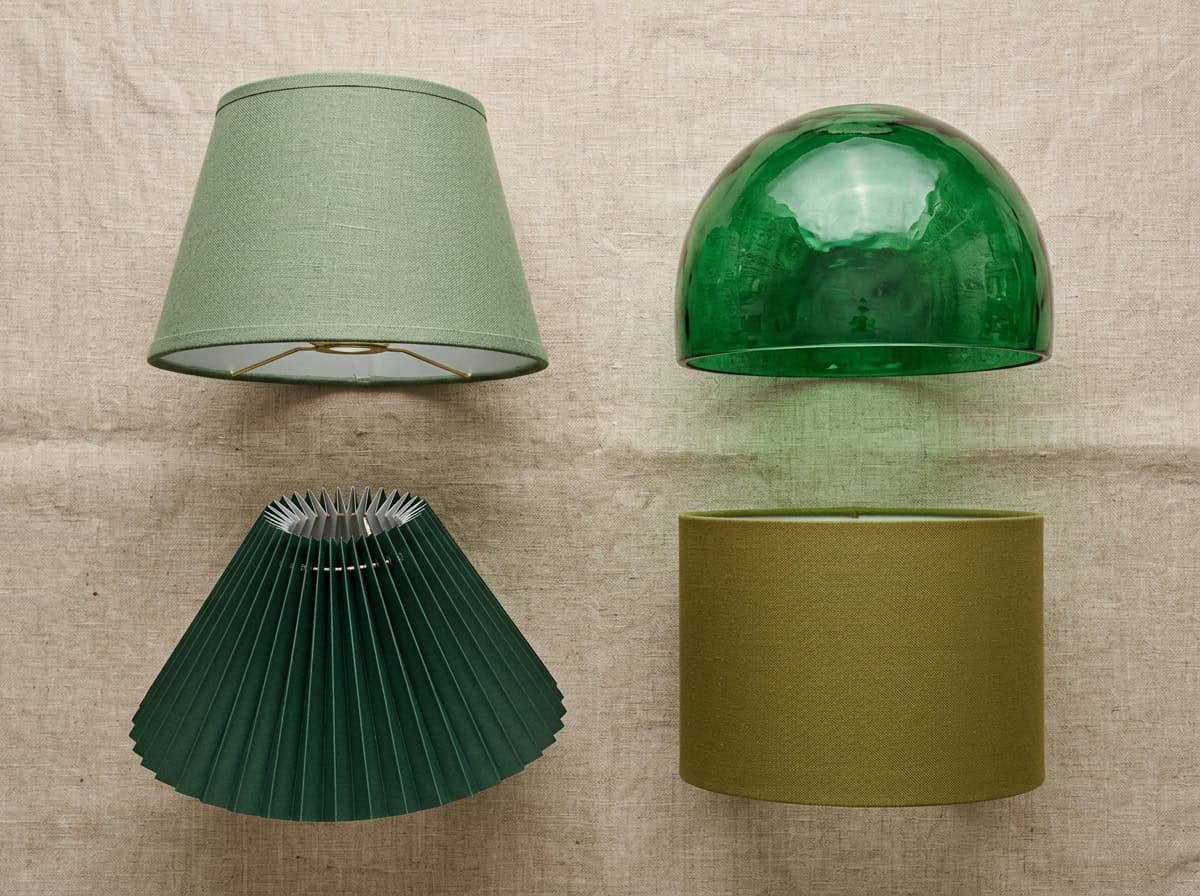
グリーンランプシェードの種類
緑色のランプシェードには、素材によって主に4つのタイプがあります:ガラス、布地、シルク、紙です。それぞれが緑色の表現方法に違いがあり、異なるランプの種類や部屋の用途に適しています。.
ガラス製の緑色ランプシェード
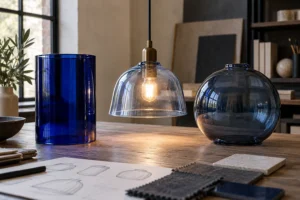
ガラスは、光学的な意味で緑色が完全に構造的になる唯一の素材です。光は布地を通過するようには、色付きガラスを通過しません。光はガラスを通して変化します。その結果、布地では再現できない色の質感が生まれます:深み、透明感、内部から輝くような効果があり、ランプを点灯した時に全く異なる印象になります。.
緑色ガラスランプシェードの伝統は、アール・ヌーヴォーやアーツ・アンド・クラフツのデザインに受け継がれています。最も有名なのは、1890年代から1930年代にかけて製造されたティファニー・スタジオの鉛ガラスシェードで、多くが淡いアップルグリーンから深いマラカイトまでの植物モチーフを特徴としています。 ウィキペディアのティファニーランプ製造の記録 によると、本物のティファニー・スタジオのガラスは、製造時に鉱物顔料をガラスに融合させて色を出しています。表面コーティングや塗料ではありません。そのため、130年前の作品でも色褪せることなく色を保っています。.
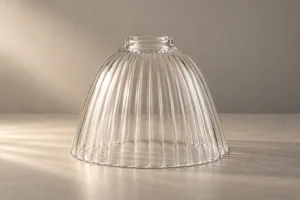
現代のガラス製緑色ランプシェードは、手吹きのホウケイ酸ガラスに色を付けたものから、工場で製造された標準サイズのプレスガラスシェードまで幅広くあります。弊社の ガラスランプシェードコレクション では、ドーム型、グローブ型、円筒型の緑色オプションを窯焼きでご用意しており、ペンダント、テーブル、フロアランプに適しています。ガラスの色は表面に焼き付けられており、塗装ではありません。.
布地・リネン製の緑色ランプシェード
布地は、緑色ランプシェードの選択肢として最も幅広いバリエーションがあります。コットン、リネン、シルク、合成繊維のブレンドは、あらゆる緑色のトーンで展開されており、プリント柄によって植物や幾何学模様など、単色染め以外の選択肢も加わります。.
単色染めのリネンやコットン製緑色ランプシェードは、ほとんどの住宅用途で最も優れた性能を発揮します。リネンは緑色染料との相性が特に良く、織りのわずかな質感が近くで見ると色を分散させ、単色布地シェードにありがちな平坦で塗装のような安っぽさを防ぎます。弊社の ファブリックランプシェードガイド では、素材や織りの密度について詳しく解説しており、購入前の光の透過性の評価方法もご紹介しています。.
紙・プリーツ加工の緑色シェード
紙やプリーツ加工の緑色ランプシェードは、明るいトーン(ミント、淡いセージ、ライトオリーブ)に傾く傾向があります。薄い紙で濃い緑色を使うと、光の透過がほとんど得られないためです。装飾効果を重視するアクセントランプ用途に適しており、自作したい場合は最もDIYしやすいタイプです。.
| 素材 | 色の深み | 壁を通した光 | 耐久性 | 最適な緑色トーン |
|---|---|---|---|---|
| 色付きガラス(窯焼き) | 最大:内部から輝く | 低〜中(指向性) | 非常に高い | 全てのトーン;フォレストグリーンやエメラルドが最も強い |
| 無地染めリネン/コットン | 強く、均一 | 中程度の暖かさ | 高い | セージ、フォレスト、オリーブ |
| プリント生地 | 表面パターンのみ | 中級 | 高い | セージ、ボタニカル柄 |
| 本物のシルク | 光沢があり、角度によって変化 | 中高 | 低い | エメラルド、セージ、淡いグリーン |
| 紙/プリーツ加工 | 軽く、半透明 | 高い(薄い素材) | 低い | ミント、淡いセージ |
グリーンのランプシェードの選び方
適切なグリーンのランプシェードを選ぶには、3つの要素を同時に合わせる必要があります:グリーンの色調を部屋のパレットに、素材をランプの種類と用途に、サイズとフィッターをランプベースに合わせることです。どれか一つでも間違えると、お店では美しいシェードでも、実際の空間では合わなくなります。.
部屋のパレットにグリーンの色調を合わせる
最も確実な方法は、部屋にすでにある支配的な色のアンダートーンを特定し、それに合うアンダートーンのグリーンを選ぶことです。.
暖色系の部屋(ベージュ、クリーム、ラスティ、テラコッタ、暖かみのある木目、ゴールド、真鍮が主な色)は、暖かみのあるグリーン(セージ、オリーブ、黄緑)と最もよく合います。これらのグリーンの暖かいアンダートーンが既存のパレットと調和し、対立しません。.
寒色系の部屋(グレー、白、ネイビー、黒、スレートが主な色)は、よりクールなグリーン(フォレストグリーン、エメラルド、青みがかったグリーン)が合います。これらのグリーンは部屋を統一するクールなアンダートーンを共有しています。暖かいグリーン、特にオリーブは、寒色系のパレットでは濁って見えたり、調和しないことが多いです。.
ニュートラルな部屋は最も柔軟性があります。本当にニュートラルな部屋では、ひとつの緑色のランプシェードが部屋全体のアクセントカラーとして機能します。それは、より賑やかな部屋よりも強い存在感を持ち、もし間違っていればより大きな責任を負います。.
サイズ、形状、フィッタータイプ
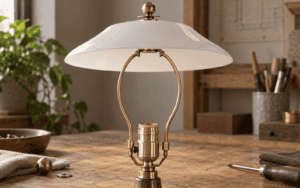
標準的なサイズルールが適用されます:シェードの底径はランプベースの高さとほぼ一致する必要があります。40cmのベースには38〜45cmの底径のシェードが適しています。大幅に小さくするとシェードが控えめに見え、大きすぎるとランプが不安定に見えます。.
シルエットの選択(ドラム型、エンパイア型、ベル型、クーリー型)については、 ランプシェード形状ガイド それぞれの形状がどのように光を分散するかを解説しており、特に色付きシェードでは光の方向が色味に影響するため重要です。サイズの詳細やフィッターの互換性(スパイダー、ウノ、クリップオン)については、 ランプシェードサイズガイド 一般的なランプベースの高さに対する測定方法を解説しています。.
内側のライニングカラーと光の質
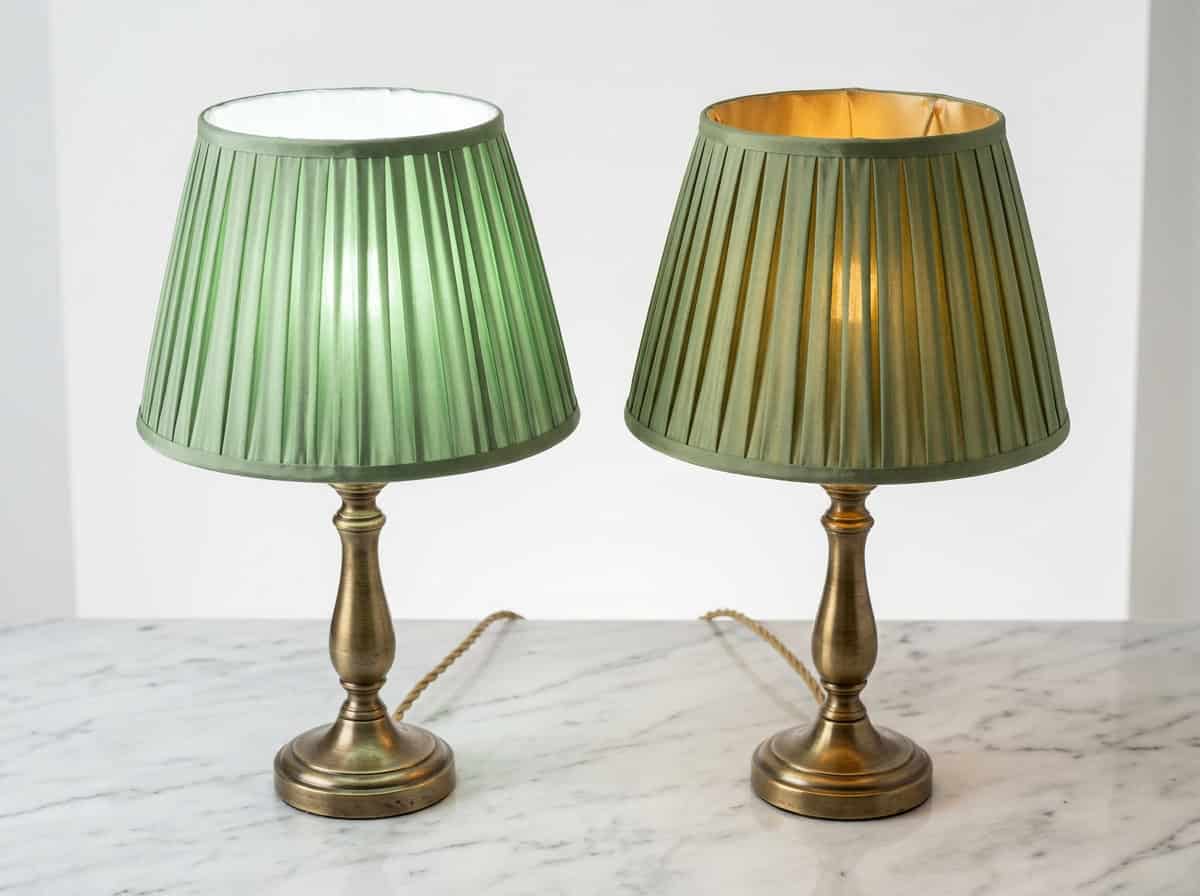
緑色のランプシェードの内側ライニングは、発する光に大きく影響します。白や銀のライニングは光量を最大化し、緑色の外側を通してよりクリーンでクールな光を生み出します。金やアイボリーのライニングは一部の光を吸収しつつ暖かさを加え、緑色の光に琥珀色の質感を与えます。.
ベッドサイドや読書用ランプで暖かい光が優先される場合、金色の内側ライニングを持つ緑色のシェードは、白いライニングの同じシェードよりも快適な照明を生み出す傾向があります。その違いは目に見えて分かります:一方は暖かく安らぎを感じさせ、もう一方は緑色の外側にもかかわらず明るくややクリニカルな印象です。.
ヴィンテージの緑色ランプシェード
Genuine vintage green lampshades are among the most sought-after lampshade categories. The materials and techniques used before 1960 produced color depth and construction quality that modern mass production has largely not matched economically.
アール・ヌーヴォーとティファニーのガラス(1890年代–1910年代)
最も称賛されるヴィンテージの緑のシェードは、ティファニー・スタジオとその同時代のリードガラスの植物柄シェードです。これらの作品の緑色ガラスは、製造中に酸化金属を溶融ガラスに添加することによって生じました:クロムは涼し気な緑、鉄は暖かいオリーブ色、銅は青に近いティール。各ガラスは手作業でカットされ、銅箔で包まれ、はんだ付けされて固定されました。大きなボタン咲きの芍薬や藤の花のシェードには、1,000個以上のガラス片が含まれることもあります。.
authentic Art Nouveau green glass の色は、現代の樹脂やコーティングガラスの再現がうまく再現できていない特性を有しています:色が元のガラスの手作り性のためエリアごとにわずかに変動するという内部的な変動です。これは不一致ではなく、豊かさとして読み取られます。.
アール・ヌーヴォー時代には、ティファニー流儀のショーン・グラス以外の手吹き・手描きの緑色ガラスシェードも作られました。ティファニーと同時代に活躍したオーストリアおよびボヘミアのガラス職人は、植物形の緑のアートグラスを生産し、正規のティファニー作品と同等の価格以下でコレクターに提供されることが多いです。.
ミッドセンチュリーと1970年代のオリーブ復興
戦後の時代には、緑のシェードがさまざまな素材で作られました:標準形のプレスガラス、緑に塗られた籐かラタンのフレーム、オリーブやアボカド色の布製シェードなどです。これらのミッドセンチュリーおよび後期の緑色シェードは、価格と入手性の点で最もアクセスしやすいヴィンテージの選択肢です。.
1960年代後半から1970年代半ばにかけて人気を博した特定のオリーブとアボカドグリーンは、1980年代および1990年代には完全に好まれなくなり、真の年代物の例は遺産販売で現在の価値を過小評価されている価格で見つかることがよくありました。1970年代のインテリアデザインの復興は、これらを徐々に主流の購買意欲へと押し戻しています。.
本物のヴィンテージとレプリカの見分け方
本物のヴィンテージ緑のランプシェードの最も信頼できる指標は内装です:1960年以前の布製シェードには縫い目の内側に微妙な不規則性を伴う手縫いのライニングがあり、量産再現品のライニングは機械縫いで完全に均一です。ガラスシェードでは、ガラス自体に小さな気泡や表面の微細な不規則性が手作りの証として見られる場合をチェックします。完全に平らで、どの表面変化もない透明ガラスは、ほぼ常に現代産です。.
Green lampshade trends (2026)
グリーンは2026年に向けてインテリアデザインで最も議論される色の一つです。会話は複数の異なるサブトレンドを同時に横断しており、グリーンのランプシェードは他のどのカラーのシェードオプションよりも現代のデザイン語彙に適合します。.
コテージコアとスカンディのインテリアでのセージグリーン
セージグリーンは数年間上昇を続けており、ピークを迎えていません。2026年にはコテージコア、スカンディ、トランジショナルなインテリアで、穏やかなニュートラルとして現れ、飽和色の強い色を使わずに部屋によりキャラクターを与えたいときに beige の代わりとなります。リネンやコットンのセージグリーンのランプシェードを陶器やラタンの台座に合わせるのは、この美学の定義的な物のひとつです。.
As House Beautiful の 2026 年のインテリアデザイン特集 注意事項として、ボタニカル最大主義への転向と自然に寄り添うカラー palettes が、ソフトファーニッシュや装飾アクセサリーのすべての価格帯でセージグリーンを最も要望される色の一つにしている。ランプシェードは部屋にこの色を導入する最も速く、最も安価な方法のひとつだ。.
ダークグリーン最大主義とライブラリ美学
2026年のもう一つの強い緑のトレンドは、その反対側である深く飽和した森林色・ハンターグリーンを重ねた最大主義のインテリア。リビングとダークアカデミアの美学は、リッチな色彩、重厚な素材、真鍮と革の豊富さによって、ダークグリーンのランプシェードをニッチから主流へと引き上げた。.
As Architectural Digestのトレンド特集 19世紀風の研究室を refer する照明の需要が、バンクラーランプの復活を促していることを記録している。森林グリーンはそれらすべての中心だ。実際的な結果として、森林グリーンのランプシェード(ガラス製、プリーツ生地、塗装金属)は現在市場で力強く発揮している。.
| トレンド | なぜ2026年に上昇しているのか | 最適なランプベースの組み合わせ |
|---|---|---|
| セージグリーン(コテージコア/スカンディ) | ニュートラルなベージュに代わる自然寄りパレット | ラタン、陶器、ライトウッド、ブラッシュドブラス |
| ダークグリーン(ライブラリ/アカデミア) | リッチなインテリア最大主義; バンカーズランプ復活 | アンティークブラス、ダークウッド、ブラックアイアン |
| エメラルド(アールデコ復興) | maximalist な部屋における1920年代〜1930年代のインテリア参照 | 磨かれた金、スモークガラスの底部、白い大理石 |
| オリーブ(1970年代復興) | レトロ現代ミックス;暖かいアースカラーのパレット | 回転木材、陶器のアーストーンベース、編み込まれた繊維 |
| 植物柄のグリーンプリント | 柄先行の最大主義;モリス様式の花柄 | クラシックなシャンデリア皿、塗装木、回転陶器 |
よくある質問
緑のランプシェードは何を象徴する?
緑には自然、成長、安らぎ、回復といった関連性が、ほとんどの文化的背景である。室内設定では、緑のランプシェードは部屋にもともと緑に近い自然の質感をもたらし、他の色では再現しにくい特徴を持つ:有機的に見え、作られた感じではなく、安らぎを与え、刺激的ではない。より専門的なデザイン語彙では、深い緑のランプシェード(フォレスト、エメラルド)は知性、伝統、フォーマルな場面との関連を担い、長い図書館やStudyランプの歴史を背負っている。セージとオリーブはくだけた、快適、現代的と読む。実務的には、緑のランプシェードは部屋を赤より落ち着かせ、青より暖かく、黄より地に足のついた印象を与えやすい。.
緑のランプシェードは寝室にどの緑の色合いが合う?
セージグリーンは最も安全で多用途な寝室の選択肢。部屋に沈む程度で部屋を支配しすぎず、シェードの壁を通して柔らかな光を生み出すのに十分暖かく、寝室のパレットの widest range と互換性がある。フォレストグリーンは暗くムーディなパレットと少ない環境光を要する寝室に適しており、周囲の光源としてよりも集中した読書灯として機能する。エメラルドは寝室の中で最もリスクが高い選択で、意図的に大胆な最大主義の部屋には適しているが、柔らかくニュートラルな寝室には場違いに見える。冷たいミントグリーンはリラックスを目指す寝室には避けるべきで、冷たい色調は臨床的で安らぎのある雰囲気ではない。.
緑のランプシェードは部屋を小さく見せる?
濃い緑のランプシェード(フォレスト、ハンター、ディープエメラルド)は、光を拡散させず吸収することで部屋の大きさの感覚を縮小させる。これは壁を暗く塗るのと同様の効果を生み、部屋をより親密で閉ざされた印象にする。その利点が良いか悪いかは、部屋をどう感じさせたいか次第である。高い天井で無機質に感じる大きな部屋の場合、暗い緑のランプは居住感を与えることができる。狭く感じる小さな部屋では問題を悪化させる。セージグリーンとライトオリーブグリーンの布製シェードは、暖かく拡散する光を比較的よく透過するため、部屋の大きさの perception を大きく減じることはほとんどない。.
緑のランプシェードの下で最適な電球色は?
2700K〜3000Kの暖白色LED電球は、緑色の影を通して最も心地よい光を生み出します。暖色温度は緑色のガラスや布の冷却効果をわずかに相殺し、自然でニュートラルに見える光質を生み出します。日光色やクールホワイトの電球(5000K以上)は緑色の反射を増幅し、住宅環境で臨床的に感じられる雰囲気を作り出します。 According to 住宅用照明に関するエネルギー省(U.S. Department of Energy)のガイダンス, 暖白色域のLED電球は白熱灯と比較して最大90%未満のエネルギーを使用します。紙や布の緑色のランプシェードについては、白熱灯や水銀灯は光の布地を変色させ、時間の経過とともに紙を劣化させるほど熱くなるため、安全なのはLEDのみです。.
2026年にはグリーン系のランプシェードは流行していますか?
はい、非常に強く、複数の異なるデザイン美学に同時にまたがっています。セージグリーンは、2020年代中頃まで住宅内装デザインを支配してきたコテージコアと北欧自然派の美学の中心です。ダークフォレストとハンターグリーンは、図書館とダークアカデミアの美学の要です。エメラルドグリーンはアールデコ復興とマキシマリストの部屋で補助的な色です。オリーブグリーンは1970年代の復興で顕著です。グリーンのランプシェードが流行していると言う方が正確で、トレンドとして一過性にピーク・低下するのではなく、いくつかの長期的なデザイン方向に組み込まれています。.
キッチンでグリーンのランプシェードを使えますか?
はい、条件つきで。グリーンの色味の光は、ランプのすぐ下の食品を食欲をそそりにくく見せることがあります。肉類、果物、いくつかの野菜の見え方にも影響します。食品を直接準備するエリアの作業ライトとしては、中立的または暖白色のシェードがより実用的です。キッチンでは、雰囲気が作業視認性より重要である島やバーキャビネットのアクセント照明として、またはキッチンのダイニングエリアの吊り下げペンダントとしてグリーンのランプシェードがよく機能します。オリーブと暖かいセージグリーンは黄色みの要素が中立的な暖白色に近いため、クールな青寄りの緑色よりもキッチン環境で最も forgiving です。.
どのランプベースがグリーンのランプシェードと最も相性が良いですか?
ベースの素材は、グリーンの特定のトーンを補完するべきです。真鍮(磨き仕上げまたはアンティーク)は、エメラルドグリーンとフォレストグリーンを特に相性良く結びつけ、金色の温かい金属が歴史的に適切で視覚的に豊かな印象を与えます。ニュートラルトーンの陶器ベース(白、クリーム、アーストーン)はセージとオリーブとよく組み合わせ、シェードを部屋のカラー・ステートメントとして際立たせます。ダークウッドやエボニー調の木材はフォレストおよびハンターグリーンに適しています。クロムとポリッシュドニッケルは、クールトーンのグリーンと技術的には相性が良いですが、多くのグリーンランプシェードが自然に強調するモダンでスパーな美学を生み出します。ラタンや天然繊維のベースはセージとオリーブに最も合い、それらの緑がすでに持つ自然志向の特性を強化します。.
あなたのスペースに合う緑のシェードを選ぶ
緑のシェードが部屋で成功するかどうかを決定づける3つの決定は、緑の特定の色調、素材、ライニングの色です。1つを間違えると、他の2つは救済できません。.
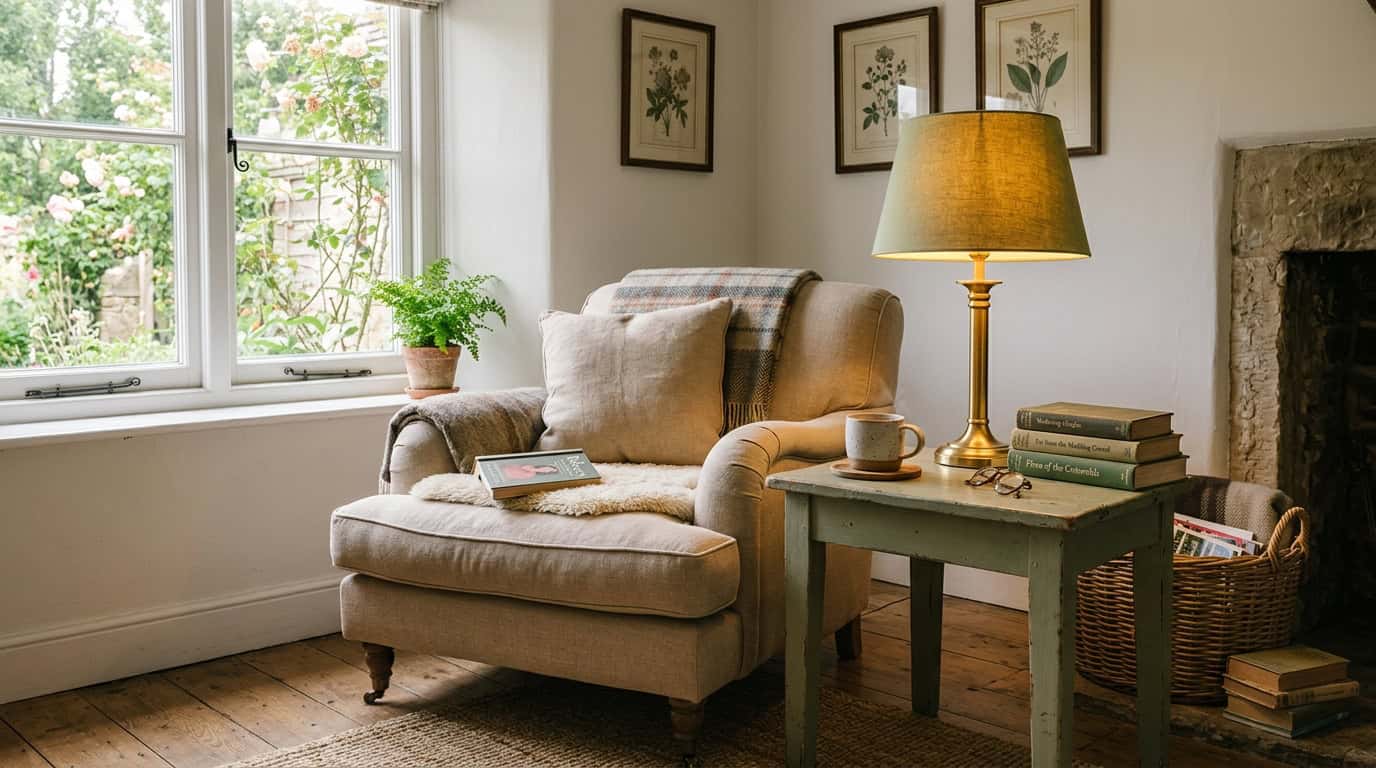
多くの購入者にとって最も幅広く適用できる答えは、セージグリーンのソリッド染めリネンまたはコットン製のシェードをエンパイア形またはドラム形のシルエットで、内側のライニングはアイボリーまたはゴールドです。この組み合わせは他のどの緑のシェードよりも多くの部屋に合い、暖かい中立の配色と馴染み、心地よい暖色系の光を生み、考慮された印象を与えつつ過度に主張しません。.
色の深さ、耐久性、着色ガラスの光の特性が最も重要なガラス製の緑のシェードの場合、トーンと形の選択は用途次第です。ペンダント灯と特徴的なランプは深い緑色(フォレスト、エメラルド)を好み、光を指向的に当てて色の深さを距離から楽しむことができます。テーブル灯と読書灯は中間トーン(セージ、オリーブ)を好み、適切に周囲の明るさを提供します。棚卸し程度の在庫情報や商業用・大量注文向けのカスタムガラス色オプションについて議論したい場合は、 ガラスランプシェードコレクション が適切な出発点です。.