長方形のランプシェードは、4つの平らな面(2つの長い面と2つの短い面)を持ち、幾何学的なシルエットを作り出し、集中的で指向性のある光を放ちます。テーブルランプ、フロアランプ、ウォールランプに取り付けられ、リネンからガラスまで、テーパードやストレートサイドなど様々な素材で展開されています。.
多くの人は見た目でランプシェードを選びます。店頭でサイズがちょうど良さそうに見え、蛍光灯の下で色も問題なさそうに思えますが、届いてみると何かが違う。バランスが悪く感じたり、フィッターが合わなかったり、生地が夜になると部屋全体をオレンジ色にしてしまったり。このガイドでは、形やスタイルから素材、フィッターの種類まで、すべての選択ポイントを網羅しているので、一度で済ませることができます。.
長方形ランプシェードとは?
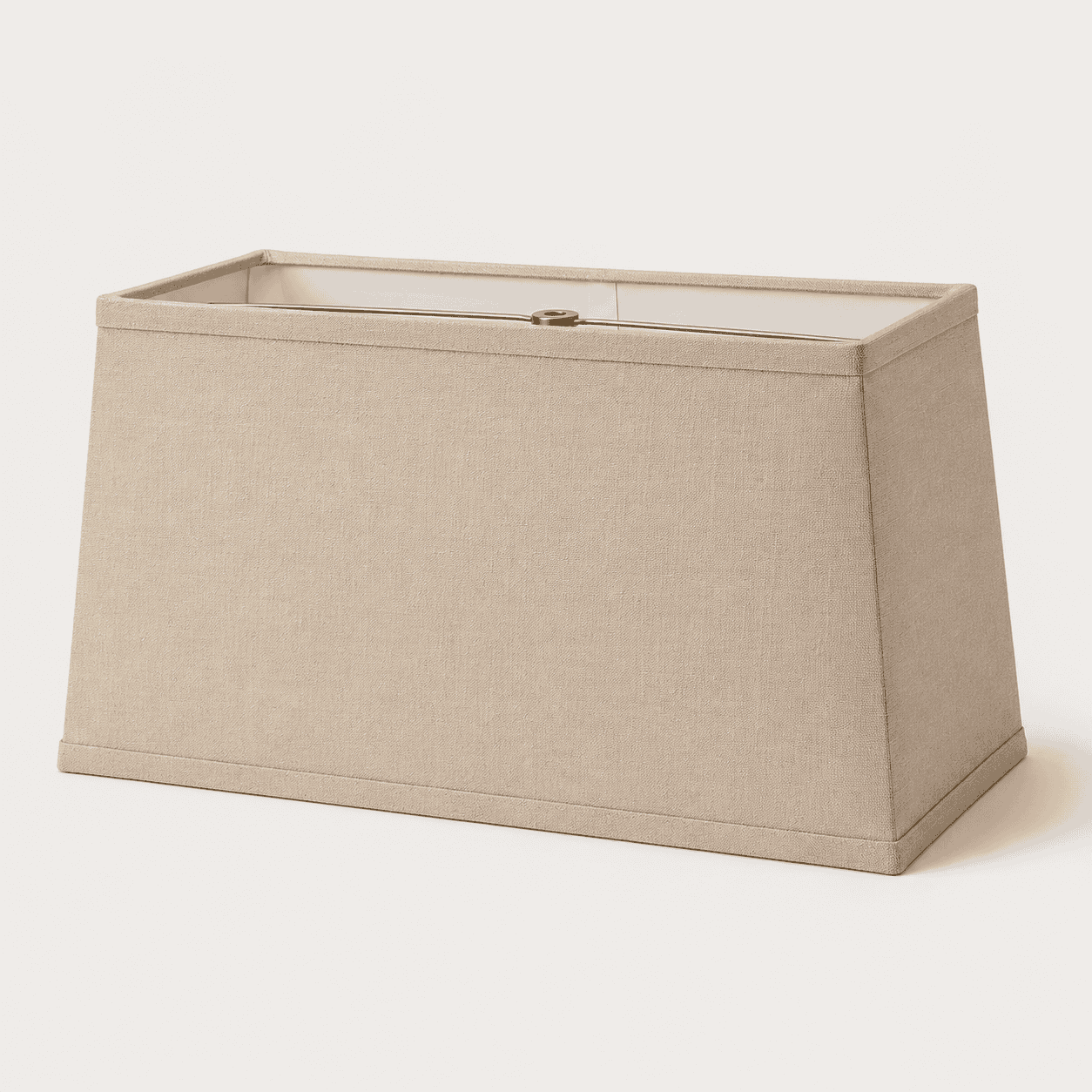
長方形ランプシェードは、2つの長い面と2つの短い面を持つ4面体のシェードで、細長いシルエットを形成します。ドラムシェード(円形で全周同じ幅)やラウンドエンパイアシェード(円形のテーパー)とは異なり、長方形シェードは構造的で指向性のある光の広がりを生み出し、読書や層状の間接照明、シンメトリーな配置の両側に置くランプのペアに特に適しています。形状は意図的です。シャープな角、平らな面、選び抜かれた幾何学です。.
長方形 vs. 正方形 vs. ドラム vs. エンパイア:形状ファミリー
これらの形状は混同されがちで、その混乱が返品によるコストにつながります。正方形シェードは4辺が等しく、力強くシンメトリックな印象を与えます。主張のあるフロアランプには合いますが、小さなテーブルランプのベースには重く感じることがあります。長方形ランプシェードは底面が非対称で、より洗練された印象を与え、細長いベースやコンソールランプのペア、横長のウォールランプに適しています。.
ドラムシェードはテーパーがなく、円筒形の断面で全方向に均等に光を拡散します。ファッショナブルで汎用性がありますが、光が全方向に均等に広がります。長方形シェードは左右よりも前後に多くの光を投げるため、層状で指向性のある光を作り出し、デザイナーは部屋に奥行きを持たせるために意図的に使用します。.
エンパイアシェードは、上部のリングが狭く、下部が広くなるようにテーパーしています。丸型や長方形があります。一般的な小売店で販売されている「長方形ランプシェード」の多くは、実際にはテーパーしたエンパイア型長方形です。交換用にサイズを測る際、この違いは重要です。テーパーシェードとストレートバレルシェードは異なる形状で、寸法も異なります。.
| 形状 | シルエット | 断面 | 最適な用途 | 光の広がり |
|---|---|---|---|---|
| レクタングル | 細長く、角ばっている | 長方形 | テーブルランプ、コンソールランプのペア、ウォールランプ | 指向性、前後に強調 |
| 正方形 | シンメトリックで力強い | 正方形 | 主張のあるフロアランプ、単体使用 | 4面全体に均等 |
| ドラム型 | きれいな円筒形 | 円形 | ペンダント、天井照明、モダンな部屋 | 全方向性 |
| エンパイア(丸型) | クラシックテーパー | 上下円形 | 伝統的なテーブルランプ | 広いベースカバー、下向きの光のプール |
長方形ランプシェードの構造
フレームは骨組みであり、通常は溶接されたワイヤーや射出成形プラスチックで作られ、シェードの寸法と剛性を決定します。ほとんどの長方形ランプシェードには上部リング、下部リング、そしてそれらをつなぐ4つのコーナーストラットがあります。品質の高いフレームは角で溶接されており、安価なものは熱により曲がりやすく、カバーが時間とともに緩むことがあります。.
カバー素材はフレームの上に配置されます。布、紙、ガラス、金属など、それぞれ異なる特性を持ち、異なる光を生み出します。ライナーは通常、内側に白やクリーム色の布が使われ、光を下方向に反射し、電球を直接見えないようにします。ライナーがない場合、電球が見えるため、光の雰囲気が大きく変わります。 Wikipediaのランプシェード構造の概要によると, ライナーの素材や色は、放出される光の量や色温度に直接影響します。ほとんどの購入者は、購入後にこのことに気づきます。.
フィッターは取り付け機構です(購入セクションで詳しく説明します)。トリムは上下の端にあるテープや布の縁取りで、構造的かつ装飾的な役割を持ちます:ほつれを防ぎ、見た目を仕上げます。ハードバックシェードにはトリムがあり、ソフトバックシェードは布を内側に巻き込んで仕上げます。.
長方形ランプシェードの4つのタイプ
タイプはシェードのプロファイルを指します:側面がテーパーしているか、直線か、曲線か、プリーツか。それぞれ異なる視覚効果を生み出し、光の分布も異なります。.
テーパードエンパイア長方形
これが最も一般的な長方形ランプシェードのスタイルです。上部は下部よりも狭く、時にはわずか(片側2インチの差)、時には大きく(6インチ以上)なります。テーパーによって光が下方向に集中し、天井よりもテーブルや本に光が集まります。テーパードエンパイア長方形は、伝統的、トランジショナル、そして多くの現代的なインテリアに適しています。バランスが取りやすく、適度なテーパーはクラシックな印象を与えつつ、過度に凝った感じにはなりません。.
ストレートドラムまたはバレル長方形
上下の寸法が等しく、側面が完全に垂直です。これはドラムシェードの長方形バージョンです。すっきりとしたモダンな印象です。テーパーがないため、伝統的な階層構造はなく、純粋な幾何学的形状です。バレル長方形は、スカンジナビア風インテリアや工業的なロフト、シェードを装飾的ではなく建築的に感じさせたい場所に適しています。光が上下から均等に広がるため、テーパータイプよりも天井の光が柔らかくなります。.
クーリー長方形
非常に狭い上部と広がった下部を持つ極端なテーパー形状です。クーリー型のシルエットはアジアで生まれ、1950年代から60年代の日本のインテリアにも登場しました。長方形のクーリーは丸型よりも珍しいですが、存在感は抜群です。下の面を明るく照らし、天井にはほとんど光を投げません。実用的な注意点として、電球が狭い上部に近くなるため、白熱電球では熱がこもりやすいです。クーリー型長方形ランプシェードにはLED専用が正しい選択です。.
プリーツ長方形
生地はフレームに取り付ける前に縦方向にひだを寄せます。プリーツは質感と陰影の深みを加え、ニュートラルカラーでも高級感と意図的なデザイン性を演出します。プリーツ長方形ランプシェードは、伝統的、マキシマリスト、ホテルスタイルのインテリアに適しています。高級ホスピタリティデザインでは定番で、写真映えし、ラグジュアリーな印象を与えます。デメリットとしては、プリーツはほこりがたまりやすく、滑らかな生地より掃除が難しい点です。.
| スタイル | 上部と下部の違い | 側面プロファイル | 部屋の雰囲気 | 光の特徴 |
|---|---|---|---|---|
| テーパードエンパイア | より狭い上部 | 内側に傾斜 | 伝統的、トランジショナル | 強い下向きのプール |
| ドラム/バレル | 均等 | 垂直 | モダン、スカンジナビアン | 上下均一 |
| クーリー | 非常に狭い上部 | 急な角度 | ミッドセンチュリー、ステートメント | フラッドテーブル、最小限の天井 |
| プリーツ加工 | 様々 | テクスチャーのある垂直の折り目 | 伝統的、ホテル、マキシマリスト | 暖かく、影のラインで拡散 |
長方形ランプシェードの素材:実際に重要なこと
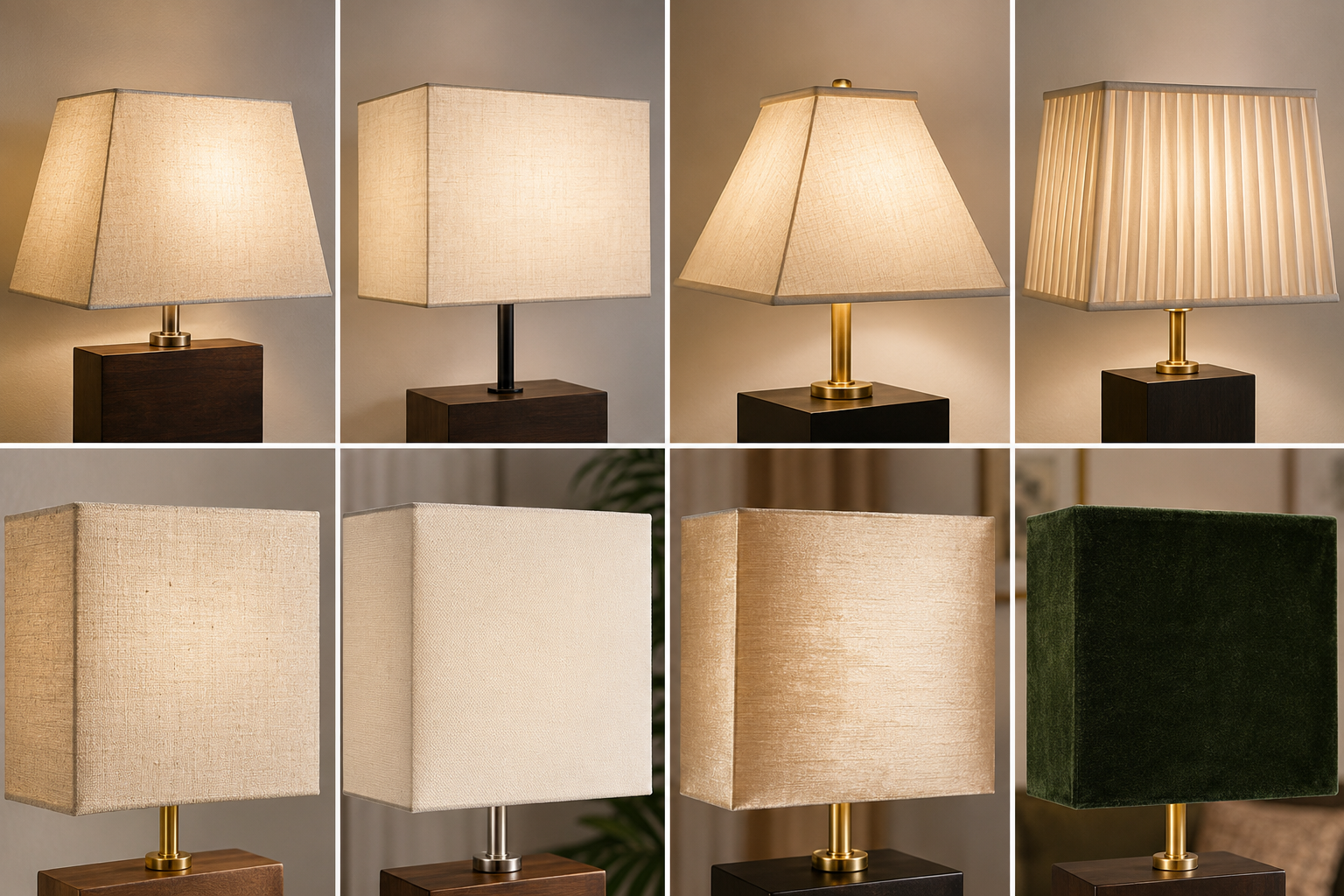
素材選びで多くの購入判断が迷走します。人々は店舗の良い照明の下で色や質感で選びますが、家に帰ると夜にシェードがオレンジ色に染み出したり、光を遮って部屋が洞窟のように感じることがあります。商品写真ではわからないポイントをご紹介します。.
ファブリック:リネン、コットン、シルク、ベルベット
現在の住宅市場では、長方形ランプシェードの主流素材はリネンです。光を柔らかく拡散し、自然でテクスチャー感があり、長年使用しても形を保ちます。弊社の リネンランプシェードガイド では素材について詳しく解説しています。重要な特性は不透明度です。天然の無染色リネンは約30〜40%の光を透過し、木材の色合いやニュートラルな壁色を引き立てる暖かいアンバーの輝きを生み出します。このアンバーの暖かさは部屋によっては魅力ですが、他の部屋では問題になることもあります。冷たい白い壁とアンバーリネンシェードを組み合わせると、暗くなった時に違和感が際立ちます。.
コットンはより変化があります。密に織られたコットンはほぼ不透明ですが、オープンウィーブのコットンは光をたっぷり通します。コットンシェードはリネンより安価で手触りも柔らかいですが、温かい電球を近くで使うと時間とともにやや黄ばみやすい傾向があります。.
シルクやフェイクシルクのシェードは、光を華やかで立体的に反射する光沢があります。実際には繊細で、湿気で波打ち、直射日光で数ヶ月で色あせます。キッチンよりもダイニングルームやベッドルームに適しています。本物のシルク製長方形ランプシェードは小さいサイズで約$80から始まりますが、フェイクシルクはコストの一部でほとんど同じ視覚効果をもたらします。.
ベルベット製長方形ランプシェードは、本気の方向けです。ベルベット自体はほとんど光を通さず、照明は上下の開口部からのみ放たれます。強い質感と劇的な影、しかし重く、掃除が難しく、実用的な読書灯が必要な場所には向きません。.
紙とパーチメントのシェード
紙製シェードは布よりも多くの光を通し、しばしば50〜65%で、光がアンバーではなく白く見えるようにシャープに照らします。パーチメントは、加工紙でも本物のパーチメントでも、やや暖かく、経年変化した質感を与えます。 レンセラー工科大学ライティングリサーチセンターの研究によると, シェードの透過率と色は、電球の生のルーメン出力だけでなく、部屋の知覚される色温度に大きく影響します。これが、同じ電球を使った2つのランプでも、シェードの素材によって部屋の雰囲気が全く異なる理由です。.
紙の欠点は耐久性です。紙製シェードはへこみやすく、破れやすいです。軽量で安価なため、賃貸マンションや装飾目的で恒久的でない場合に適しています。子供が近くにいる場合には理想的ではありません。.
ガラス製長方形ランプシェード
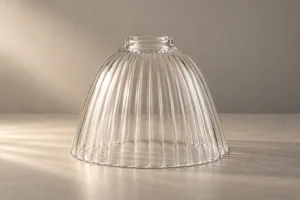
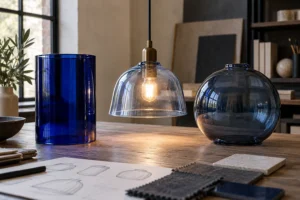
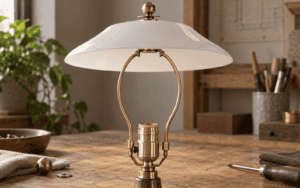
ガラスはカテゴリー自体を一新します。ガラス製長方形ランプシェードは、布のように光を拡散しません。光を透過しつつ、屈折や質感、彫刻的な美しさを加え、布では再現できません。フロストガラスは光を柔らかく均一に拡散します。クリアガラスは電球自体を視覚構成の一部にします。オパールガラス(ミルクガラス)は、均一で雲のような輝きを生み出し、色再現性も高く、ほとんどの布製シェードよりも自然光に近いです。.
商業用途での実用的な利点も確かです。ガラスは黄ばまず、プリーツ布のようにほこりを溜めず、臭いも吸収しません。これらの特性は、シェードが厳しくチェックされるホスピタリティ環境で重要です。ホウケイ酸ガラスは、点灯・消灯の熱サイクルに耐え、長年の使用でも微細なひび割れが起きにくいですが、通常のソーダ石灰ガラスは長期間の使用で劣化しやすいです。.
ガラス製長方形ランプシェードは、重さのため、伝統的なテーブルランプよりもペンダント照明やウォールランプと組み合わせることが一般的です。より堅固な取り付け方法が必要だからです。弊社の ランプシェードコレクション で、さまざまなプロファイルスタイルのガラスオプションをご覧いただけます。.
金属およびパンチングシェード
金属製長方形ランプシェードは、設計上、光を方向付けます。ソリッドメタルはシェード本体を通して光を全く通さず、すべての光は上下の開口部から放たれます。パンチングメタルは周囲の壁や天井に模様の影を投げかけます。夜間は印象的で装飾的ですが、作業用照明としては時に非実用的です。インダストリアルやミッドセンチュリーのインテリアによく合います。これは雰囲気やアクセント用であり、読書灯には向きません。.
長方形ランプシェードの測り方
サイズ測定の失敗は、ランプシェード返品の最も一般的な理由です。正確に測るには、3つの寸法と1つの比率ルールを理解する必要があります。.
3つの主要寸法
長方形ランプシェードは、上部寸法、下部寸法、高さの3つの数字で表されます。長方形シェードの場合、各寸法はそれぞれ2つの値があり、完全な測定は「8インチ長さ×5インチ幅上部、14インチ長さ×10インチ幅下部、11インチ高さ」となります。小売業者はこれを「8/14 x 5/10 x 11」などと省略することもあります。注文前に必ず長さ(長辺)と幅(短辺)のどちらかを確認してください。.
高さには2種類あります。スラントハイトは、上部リングから下部リングまで斜め側に沿って測った距離で、ほとんどの商品説明に記載されています。トゥルーハイトは垂直距離で、シェードがソケットよりどれだけ下がるかを決めます。テーパードエンパイア型長方形では、スラントハイトが常にトゥルーハイトより大きくなります。ストレートバレル型長方形では、両者は同じです。.
当社の詳細な 新しいシェードのためのランプの測り方ガイド すべての測定手順を写真付きで解説します。重要な数値は以下の通りです。.
2:3の法則:シェードの幅とランプベースの高さのマッチング
ランプシェードのサイズ決定で最も役立つヒューリスティック:シェードの底の幅は、ランプベースの高さのおよそ3分の2が理想です。15インチのベースには10インチ幅のシェードが合います。24インチのベース(一般的なフロアランプ)には約16インチ幅のシェードが適しています。.
これはあくまで比率のガイドであり、厳密なルールではありません。重厚感のあるベースや視覚的に幅広いベースには大きめのシェードが合いますし、細身やテーパーのあるベースには控えめなサイズが必要です。しかし、ゼロから選ぶ場合は2:3の比率を目安にすれば、実際に合わせなくても適切な範囲に収まります。.
高さも独立して重要です。シェードは、座った目線から電球ソケットが見えない高さである必要があります。一般的な基準は床から約40〜42インチです。座った状態でソケットが見える場合、シェードが短すぎるか、ハープの位置が高すぎます。.
知っておきたい一般的な標準サイズ
長方形のランプシェードはドラム型ほど規格化されていませんが、特定のサイズが多くのメーカーで共通して使われています:
| ランプベースの高さ | シェード底面(長さ×幅) | シェードの高さ | 一般的なランプの種類 |
|---|---|---|---|
| 25〜30センチ | 30cm × 20cm | 20〜23センチ | 小型のベッドサイドまたはアクセントテーブルランプ |
| 35〜40センチ | 40cm × 25cm | 25〜28センチ | 標準テーブルランプ |
| 45〜55センチ | 50cm × 35cm | 30〜33センチ | 背の高いテーブルランプ、コンソールランプ |
| 60〜75センチ | 40cm × 30cm | 25〜30センチ | フロアランプ(シェードがハープの上部に位置) |
| ウォールスコンス | 20〜25cm × 13〜15cm | 15〜20センチ | 固定式ブラケットアーム取付け |
長方形ランプシェードが最適な場所
長方形ランプシェードの方向性のある形状は、特定の状況では非常に優れており、他の状況では不向きです。光の挙動を理解することは、見た目以上に重要です。.
テーブルランプ:ベッドサイド、デスク、コンソール
これは長方形ランプシェードの主な領域です。ベッドサイドランプの長方形シェードは、光を本やスマートフォンに向けて照らし、ベッドの反対側を照らしすぎません。前後方向のバイアスがここでは利点となります。コンソールランプのペア(廊下のテーブルや暖炉の両側に同じランプを配置する場合)は、長方形シェードで特にシャープに見えます。細長いシルエットが意図的かつ対称的に見えるからです。.
長方形シェードのデスクランプは、下の作業面に光を集中させます。シェードの長軸は、設置時にデスク面と平行になるように配置してください。これにより、作業エリア全体に有効な光が広がり、横方向に光が逃げるのを防ぎます。.
フロアランプとアーチランプ
フロアランプに長方形ランプシェードを付けると、読書コーナーのような雰囲気が生まれます。集中した光、方向性、親密さが特徴です。テーブルランプよりもプロポーションが重要で、シェードは床から72~76インチの高さに位置します。細身のシェードはこの高さでバランスよく見えますが、幅広の長方形シェードは上部が重く、不安定に見えることがあります。.
幾何学的なシェードのアーチランプは、2026年の住宅デザインで強いトレンドとなっています。 建築ダイジェストの2026年照明特集, によると、角度のある幾何学的シェードを持つアーチ型フロアランプは、今年の住宅照明の主要な5つの好みにランクインしています。アーチが長方形シェードをソファや読書椅子の上に配置し、座席ゾーンに光を集中させます。これは、方向性のある長方形シェードが得意とすることです。.
ウォールスコンスとピクチャーライト
ウォールスコンスの長方形ランプシェードは、水平の強調を生み出します。長軸は通常水平に配置され、シェードは上方向(天井への間接光)と下方向(床や下のアート作品)に光を投げます。ピクチャーライトの場合、幅広く下方向に広がる細身の長方形シェードは、丸いシェードで生じやすいグレアを避けてアート作品を照らします。平らで細長いプロファイルは壁に近く設置でき、スコンスが部屋に突出しすぎるのを防ぎます。.
長方形ランプシェードを間違えずに選ぶ方法
寸法とフィッタータイプが確認できたら、スタイルと素材の選択はいくつかの具体的なポイントに絞られます。.
インテリアスタイルに合わせたシェード選び
伝統的・トランジショナルな部屋には、ファブリックやリネンのテーパードエンパイア型長方形シェードが合います。色はクリーム、アイボリー、暖かいホワイト。テーパーは歴史的なランプのプロポーションを参照し、陶器、真鍮、彫刻木製ベースと自然に組み合わせられます。.
モダンやスカンジナビア風の部屋には、ストレートバレル型長方形シェードが適しています。リネンや紙、白やナチュラルな未染色生地。装飾は最小限、縁取りもシンプル、余計なものは不要です。.
インダストリアルやロフト空間には、金属やパンチング加工のシェード、またはハードウェアが見えるガラス製長方形ランプシェードが合います。ダーク仕上げ、装飾は最小限。.
マキシマリストや伝統的ラグジュアリーな部屋には、プリーツ加工のファブリック、シルク、ベルベットの宝石色シェード。スカラップやトリム付きの縁。ベース単体よりも大きめのスケールが特徴です。.
シェードの色、ライナーの色、光の出力
白やオフホワイトのシェードは最も多く光を透過し、通常ファブリックで30~50%、紙ではさらに多く、光は白く見えます。作業エリアや正確な色再現が必要な部屋に適しています。.
クリームやアイボリーのシェードは光をやや暖かくします。タン、キャメル、クラフト色のシェードはさらに暖かくし、室内の色温度が数百ケルビン上がります。壁がクールホワイトの場合、アンバー色のシェードは夜間に明確な温度差を生みます。.
ダークシェード(ネイビー、ブラック、フォレストグリーン)は、シェード本体を通してほとんど光を遮断します。ほぼ全ての光は上下の開口部から出ます。ダークな長方形ランプシェードは、雰囲気作りやムード演出のためのアイテムであり、実用的な読書灯ではありません。.
ライナーの色は外側の生地と同じくらい重要ですが、商品写真にはほとんど写りません。ゴールドやイエローのライナーは暖かさを劇的に強調します。ホワイトのライナーは清潔でニュートラルです。シルバーのライナーは光をややクールでシャープにします。オンラインで購入する際は、ライナーの色について必ず確認しましょう。.
フィッターの種類:スパイダー、クリップオン、ウノ、ワッシャー
フィッターはシェードをランプに取り付ける方法であり、間違えるとシェードが全く取り付けられません。4種類があります。.
スパイダーフィッターは日本で最も一般的です。ワイヤーアームが中央のリングで交わり、ハープの上にあるサドルに乗ります。フィニアルがリングを通して下にねじ込まれ、すべてを固定します。これを使うにはランプにハープが必要です。.
クリップオンフィッターは電球に直接取り付けます。ハープは不要です。小型の装飾ランプやシャンデリアによく使われます。電球がクリップを支えられる十分な大きさである必要があり、シャンデリア用の小型電球ではクリップオンシェードを安全に支えられないことがあります。.
ウノフィッターは、ソケットのネジ山に直接ねじ込むリングです。ソケットに対応するネジ山が必要です。ウノシェードはスパイダーシェードよりも低い位置に取り付けられるため、ベースとシェードのバランスが変わります。.
ワッシャーフィッターは日本ではあまり一般的ではありませんが、一部のヨーロッパ市場では標準です。平らなワッシャーリングがソケットの上に乗ります。ランプにハープやネジ山がなく、開いたソケットの場合は、これが必要な場合が多いです。.
私たちの ガラスランプシェードのフィッター種類ガイド ガラス用途の仕様を詳しく説明していますが、同じカテゴリがすべての素材のファブリック長方形ランプシェードにも適用されます。.
長方形ランプシェードのお手入れ方法
Rectangle lampshades collect dust. In fabric versions, dust embeds in the weave, and if you leave it long enough, the light output drops noticeably as the shade gets visually denser.
長方形のランプシェードはほこりがたまりやすい。布製のものでは、ほこりが織り目に入り込み、長く放置するとシェードが視覚的に密集して見えるため、照度が著しく低下することがあります。
Fabric and linen shade maintenance.
布とリネンのシェードのメンテナンス.
A lint roller run lightly over the exterior every few weeks prevents buildup. For deeper cleaning, a soft-bristle brush (a clean makeup brush works well) removes embedded dust without snagging the weave. Most linen shades can handle a gentle pass with a damp cloth for spot cleaning; silk and velvet cannot.
数週間ごとに外側を軽くローラーで撫でると、ほこりの蓄積を防げます。より深い清掃には、柔らかい毛先のブラシ(清潔なメイクブラシでも可)を使い、織り目を引っかけずに embedded dust を取り除きます。ほとんどのリネンシェードは湿らせた布で部分清掃を優しく行えますが、絹やベルベットは不可です。
Don’t vacuum fabric shades with high suction. It distorts the frame and can pull the fabric loose at seam points. A handheld vacuum on the lowest setting with a brush attachment is acceptable for cotton and linen. Avoid water on pleated shades; the fold structure is difficult to dry evenly and mold can develop in the creases.
高吸引力で布製シェードを掃除機にかけてはいけません。枠組みを歪め、縫い目の部分で布がはがれることがあります。最低出力のハンディ掃除機にブラシアタッチメントを付けて使うのが、綿とリネンには適しています。プリーツ状のシェードには水を避けてください。折り癖の構造は均一に乾かすのが難しく、しわの部分にカビが発生することがあります。 ガラスランプシェード交換ガイド Water stains are the hard problem. For linen and cotton, treat with a small amount of mild dish soap in cold water, dab (never rub), and let dry completely before reinstalling. A wet shade on an active bulb is a fire risk.
水染みは厄介な問題です。リネンとコットンには、冷水にごく少量のマイルドな食器用洗剤を混ぜて扱い、叩くようにして(こすらない)、再取り付け前に完全に乾かしてください。作動中の電球の上に濡れたシェードを置くと火災の危険があります。
Glass shade maintenance and when to replace.
ガラス製シェードのメンテナンスと交換時期
Glass rectangle lampshades require minimal routine care beyond an occasional wipe with a damp cloth. The non-porous surface doesn’t accumulate dust the way pleated fabric does, and glass doesn’t yellow or absorb cooking odors over time. This is one of the clearest practical advantages for glass in commercial and hospitality settings. ガラスの長方形ランプシェードは、時折濡れた布で拭く程度の最小限の定期ケアで済みます。多孔質でない表面は、プリーツ状の布のようにほこりがたまりませんし、ガラスは時間とともに黄ばまず、調理の臭いを吸収もしません。これは商業・ホテル業界のガラスが持つ最も明確な実用的利点のひとつです。, 室内 textiles は天然繊維の美学を採用したものが、複数年にわたり合成代替品を一貫して上回っています。.
この傾向の長方形ランプシェードは大きく傾く: 底が広く、ボリューム感があり、天然の未染色リネンまたはブークレ生地。2026年の interior editorial カバレッジでは、組み合わせたコンソールランプのオーバサイズの長方形シェードが定番の特徴として繰り返し登場します。ブークレ(2023-2024年に家具の張り地を席巻したループ状の質感素材)は、同じ素材物語の拡張としてシェードの生地選択にも現れています。.
カラーの範囲は自然志向へと絞られつつある。クリーム、アイボリー、オート、パーチメント、未染色リネンが市場を支配。深く彩度の高い色はマキシマリストの隅に留まり、主流の棚スペースを失っています。.
スマート照明の互換性とガラス
多くのスマートLED電球は、特定のシェード材料と予期せぬ相互作用を示す光を放ちます。低輝度時のフリッカーは、薄い布や紙のシェードを特定の周波数で透過して見えることがあります。The エネルギー省の固体照明プログラム は、高品質な調光可能なLEDは、全調光範囲で滑らかでフリッカーのない出力を生み出すべきだとされており、予算向けLED製品はしばしばこの基準を満たしません。.
ガラス長方形ランプシェードは、ガラスは密度の高いライナーが光を鈍らせたり歪ませたりしないため、スマート・LED電球と相性が良いです。Zigbee、Matter、Thread対応の電球が家庭の標準的なアイテムとなるにつれ、安価なリフレクターを隠すのではなく光の質を示すシェードの需要が着実に高まっています。プレミアムクラスで、底を開けたプロファイルの長方形ランプシェードや、薄いまたは透明なシェード材料が2027年以降も増えると予想されます。.
| トレンド | 要因 | シェード属性 | タイムライン |
|---|---|---|---|
| オーバーサイズの天然リネン | ビオフィリック・デザイン運動 | 大判、未染色の天然素材 | 現在、2026年のピーク |
| ループと質感のある生地 | 家具の張替えクロスオーバー | ループ状の質感、柔らかい幾何学 | 新興、2026-2027年 |
| スマート電球対応デザイン | LEDとスマートホームの導入 | 薄い素材、開放的なプロファイル、ガラス | 今と加速する |
| 持続可能な素材 | ESGと消費者需要 | リサイクル生地、FSC認定フレーム | 成長、2027-2028年 |
| 最大主義的な宝石色 | ミニマリズムへのカウンター・トレンド | ベルベット、ダークカラー、縁のトリム | ニッチだが徐々に人気が出ている |
よくある質問
Q: テーブルランプに必要な長方形シェードのサイズはどれくらいですか?
シェードの底幅を、おおよそランプベースの高さの3分の2に合わせます。15インチのベースには、通常底幅10インチのシェードが組み合わさります。高さについては、座った状態の視線からソケットが見えないように、通常は床から40〜42インチの高さになるようにしてください。既存のシェードを交換する場合は、前のシェードの上部 x 底部 x 高さを測定し、それらの寸法に合わせてください。意図的にサイズ変更をする場合を除きます。.
Q: 長方形シェードと正方形シェードの違いは何ですか?
正方形のシェードは四辺が等しく、対称で大胆に見え、単一の主張を持つランプに適しています。長方形のシェードには長い辺が2つ、短い辺が2つあり、より引き締まった、縦長の見た目を作ります。長方形のシェードは、楕円形のランプベース、コンソールランプのペア、ウォールスポットの方が正方形のシェードより適しています。実際には、長方形シェードはテーブルランプにおいてより一般的で、ほとんどのテーブルランプのベースはやや細長いシェードのシルエットを好みます。.
Q: 長方形シェードはフロアランプにも使用できますか?
はい、ただしテーブルランプ用シェードとは比率が異なります。フロアランプの長方形シェードは、通常は高さに対してプロファイルが狭くなっています。 tallなフロアランプに非常に広いシェードは上部が重く見えます。標準的なフロアランプの出発点として、底が16インチ×12インチ、高さが11インチの組み合わせが合理的です。フィッタータイプも重要です。ほとんどのフロアランプはスパイダー付きフィッターをハープとともに使用するため、注文前にハープのサイズを確認してください。.
Q: 長方形のランプシェードにはどんな素材が最適ですか?
部屋の雰囲気を温かく演出する照明を何に求めるか次第です。リビングルームや寝室の暖かい環境照明には、リネンが最も総合的な選択肢です:光を温かく拡散し、形状を保ち、耐久性があります。明るい作業用や読書用の光には、透過率が高く中立的な色味を持つ白い綿や紙を使用します。商業用途や高頻度の使用環境にはガラスが適しています。劣化・黄変・ほこりの蓄積がありません。機能を二の次にする純粋な装飾効果を求める場合は、折りたたみ式の絹またはベルベットが適しています。.
Q: ガラス製の長方形ランプシェードは耐熱ですか?
ブロシリケートガラスの長方形ランプシェードは標準的な電球使用に対して耐熱です。ブロシリケートは冷から熱へ、そして再度冷えるという温度変化に長年の使用で微細亀裂を生じさせず耐えます。これは実験用ガラスや調理器具、品質の高い照明にも標準素材として用いられる理由です。通常の条件下での耐熱性はソーダライムガラスは適切に対処しますが、急激な熱ショックには弱いです。高ワットの電球の近くでガラスシェードを使用する場合は、LEDが強く推奨されます。LED電球の表面温度は負荷下で約60度C程度に達しますが、同等の白熱球では200度C以上になることがあります。その差はガラスの近接に影響します。.
Q: どのフィッタータイプが必要かはどうやって分かりますか?
ソケットの上にあるU字型ワイヤー、ハープがあるかどうかを確認します。ハープがある場合はスパイダーフィッターが必要です。ハープがない場合はソケットを見てください。シェード取り付けエリアの内側にねじ山があれば uno フィッターです。ボウルのトップにクリップ機構がある場合はクリップオンです。迷ったら、灯具の上部にあるハープを固定する小さな部品であるハープサドルをホームセンターに持っていきましょう。識別は30秒で済みます。フィッタータイプを間違えるとシェードを取り付けられません。.
スペースに合わせた正しい長方形ランプシェードを選ぶ
ほとんどの長方形ランプシェードの失敗は寸法の失敗です。人は目視で“ミディアム”とラベルされたサイズが自分のランプを覆うと考えますが、メーカー間でサイズが標準化されていないことを知りません。ベースを測定し、2:3の比率ルールを適用し、注文前にフィッタータイプを確認し、写真で見栄えが良いだけでなく、実際に光が何をする必要があるかに基づいて素材を選んでください。.
スタイルはフィットに続く。正しい寸法が確定したら、テーパー付きのエンパイアとストレートバレル、リネンとガラス、クリームとナチュラルの間の選択は、強制的な妥協ではなく純粋な美的決定になります。長方形のランプシェードは、発生する決定が累積する物体の一つです。適切なサイズでも不適切な素材だと依然として失望しますし、適切な素材でも不適切なフィッタータイプだと取り付け自体が不可能です。まず測定、次にフィッター、三番目にサイズ、四番目にスタイル。順序を正しくすればランプシェードは安定します。.