# カスタムガラスランプシェードメーカー:OEM/ODMプロセスの解説
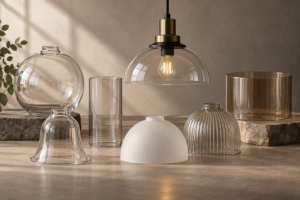
JXランプシェードは、照明ブランド、ディストリビューター、インテリアデザイナー、建築家、プロジェクトバイヤー向けにカスタムガラスランプシェードを提供しています。ペンダント、テーブル、フロア、ウォールスコンス、天井器具プログラムに対応し、カスタム寸法や開口部、クリア、オパール、ミルク、フロスト、アンバー、スモーク、カラーガラス、さらにスムース、リブ、またはバイヤー承認の表面仕上げが可能です。図面または器具インターフェース、希望数量、梱包要件をお送りいただければお見積もりいたします。MOQとリードタイムは、承認されたデザイン、仕上げ、注文範囲にて確定します。.
B2Bバイヤー向けには、見積もり用ファイルがバイヤーの図面、承認サンプル、検査基準、梱包仕様、数量、納期を結びつける必要があります。以下を確認してください 技術図面チェックリスト, 品質検査チェックリスト および サプライヤー見積もり比較, 、その後、以下のフィールドを通じて提出してください カスタムランプシェードRFQ仕様ビルダー.
このガイドは、初期コンセプト、古いサンプルまたは器具インターフェースから、管理された図面、サンプル、検査および梱包記録へ進む方法を説明します。正確な商業条件はプロジェクト見積もりに記載し、一般的なページには記載しません。.
OEMとODM:プロジェクト範囲を決定する区別
中国輸出やアジア全体の製造用語では、カスタムシェード契約において2つの略語が主流です:
OEM(オリジナル・エクイップメント・メーカー):購入者が完全な仕様(図面、寸法、仕上げ、素材構成、仕上げ色)を提供し、メーカーはその仕様通りに製造します。購入者が設計IPを所有し、メーカーの役割は実行です。.
ODM(オリジナル・デザイン・メーカー):購入者が高レベルの要件(例:「ホスピタリティ向けオパールガラスのモダンミニマリストペンダント、直径約300mm、4インチフィッター、100台」)を提供し、メーカーが実際の製品を設計します。メーカーが設計を所有または共同所有し、購入者がブランド化・流通します。.
コンセプトが確立された照明デザイナーや建築家にはOEM、ブランドオーナーや新SKUカテゴリに参入するディストリビューターにはODMが適しています。多くの経験豊富なガラスシェードメーカーは両方を提供しており、価格構造も異なります。OEMは通常、外部仕様に対する生産信頼性のリスクが高いため、1台あたり10~15%高価です。.
第三のハイブリッドとして OBM(オリジナル・ブランド・メーカー) – メーカー自身のデザインを購入者のブランドで販売する方式。ガラスシェードでは家電ほど一般的ではありません。.
より広いB2B調達の文脈では: 適切なガラスランプシェードメーカーの選び方 サプライヤー評価基準を解説しています。.
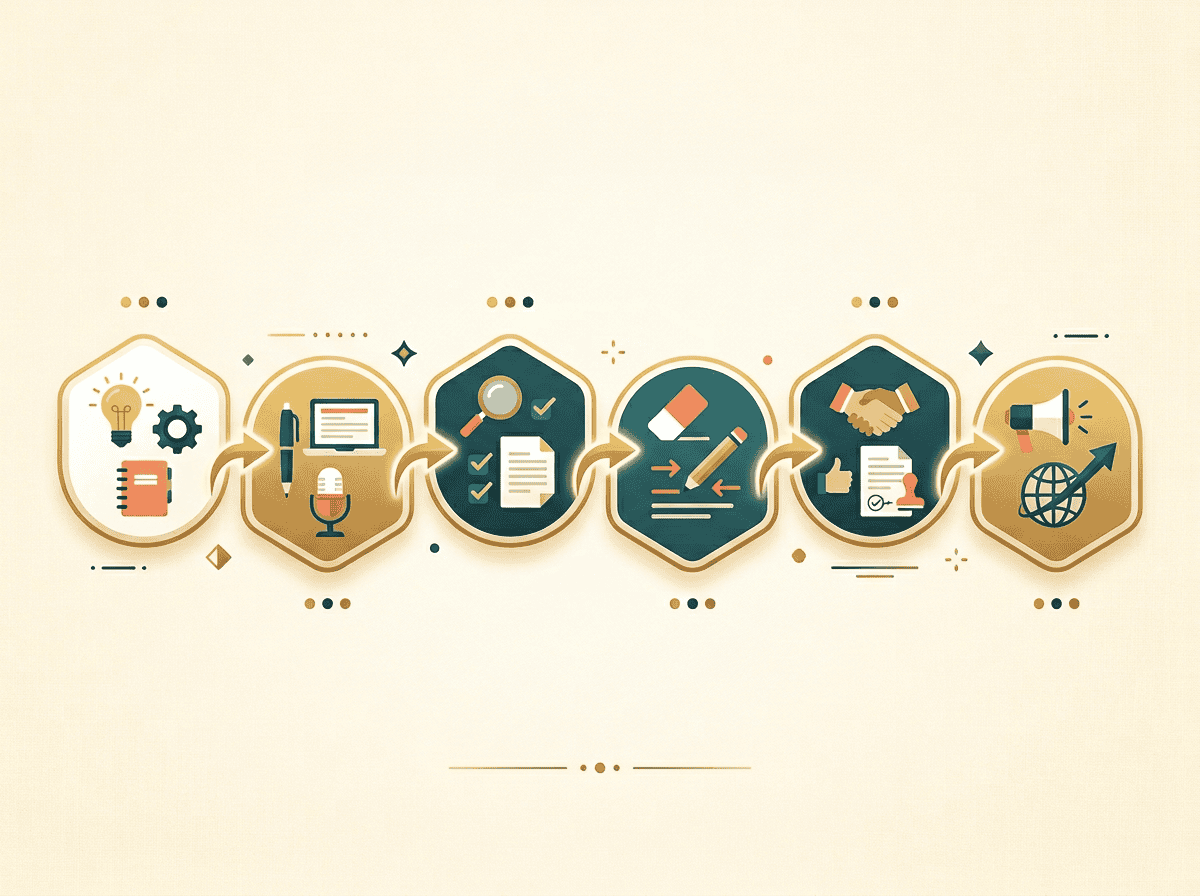
標準的な6段階のカスタム製造プロセス
一般的なカスタムガラスランプシェードの注文は6つのフェーズを経て進み、それぞれで明確な引き継ぎと成果物があります。.
第1段階:問い合わせと要件仕様
購入者はプロジェクトのパラメータとともにメーカーに連絡します:
- 製品タイプ(テーブルランプシェード、ペンダント、天井用グローブ、フロアランプシェード)
- 目標寸法(シェード外径、高さ、フィッターサイズ)
- ガラスタイプ(クリア、フロスト、オパール、スモーク、アンバー、リブ入りなど)
- 数量範囲(通常は200個以上が一般的ですが、一部のメーカーは1個あたりの価格が高くなる50~100個の試作にも対応可能)
- 希望納期
- 予算範囲または目標FOB価格
信頼できるメーカーが24~48時間以内に以下の内容で返信します:
- 初期見積もり(概算価格)
- サンプルポリシー(サンプル費用、納期)
- 希望数量に対する標準リードタイム
- 確認事項リスト
事前に提供すべきもの:希望する外観の写真やスケッチ、図面やCADファイル、用途(住宅、ホテル、店舗ディスプレイ)、および梱包要件(該当する場合)。問い合わせ内容が具体的であるほど、メーカーは迅速かつ正確に見積もりできます。.
ステージ2:図面確認および金型評価
仕様が合意された後、メーカーの技術チームが以下を確認します:
- 要求された形状が安定して吹きガラスまたはプレス成形できるかどうか
- 既存の金型が流用可能か、新しい金型が必要かどうか
- 指定されたガラスタイプに対する肉厚の影響
- アニール処理の要件(ガラスの割れを防ぐための徐冷工程) 残留応力 ガラス内で)
金型開発は少量注文における主なコスト要因です。カスタム形状用の新しい金型は、複雑さによって800~3000米ドルかかります。金型費用は通常、最初の生産ロットに償却され(単価に加算)、または500個未満の注文の場合は別途請求されます。.
1000個以上の注文では、金型償却費は単価に吸収され、実質的に無料となります。200個未満の注文では、金型費用がプロジェクト予算の大部分を占めます。このため、カスタムガラスシェードの注文における最適な数量は500~2000個です。.
メーカーがすでに他のプロジェクトで似た金型を持っている場合、その金型を小規模な改造で流用できることがあり、新規金型費用の50~80%を節約できます。必ず「私の希望する形状に近い金型をお持ちで、流用・改造が可能ですか?」と確認してください。“
ステージ3:サンプル開発
メーカーは購入者の仕様に合わせて1~3個のサンプルを製作します。これらは実際の金型、実際のガラス配合、実際の仕上げ工程で作られた本番品です。.
サンプルの納期と費用は、図面、材料、仕上げ、承認範囲の確認後に確定します。承認サンプルは検査およびリピート注文記録の一部となるべきです。.
サンプルは、量産前に問題を発見できる購入者にとって最大のチャンスです。以下を確認してください:
- 寸法 – ノギスで図面公差と照合して測定
- ガラスの透明度/不透明度 – 光にかざして、異物・気泡・歪みがないか確認
- 表面仕上げ – 表面の粗さ、傷、または化学残留物を手で確認する
- 色 – 仕様で特定の色が指定されている場合は、パントン見本と比較する
- 重量 – 重量が重いほど通常は良い、これは壁が厚く、適切にアニールされていることを示す
- フィッター互換性 – シェードにフィッターがある場合は、実際の器具ハードウェアにサンプルを取り付けて確認する
仕様からの逸脱は、量産開始前に必ず記録し、協議する必要があります。サンプルで2mmの寸法誤差を発見する方が、1000個で発見するよりも100倍安く済みます。.
ステージ4:量産
サンプルが承認されると、量産は工場の通常の製造サイクルで行われます。リードタイムは以下に依存します:
- 注文数量、現在の生産負荷、および承認された仕上げルート
- 工場の現在のバックログ
- 仕上げ工程の複雑さ(フロスト加工やケーシングは日数が追加されます)
- ガラスの種類(オパールは専門の生産ラインが必要で、毎日ではなく週単位で稼働する場合があります)
量産中に工場が行うこと:
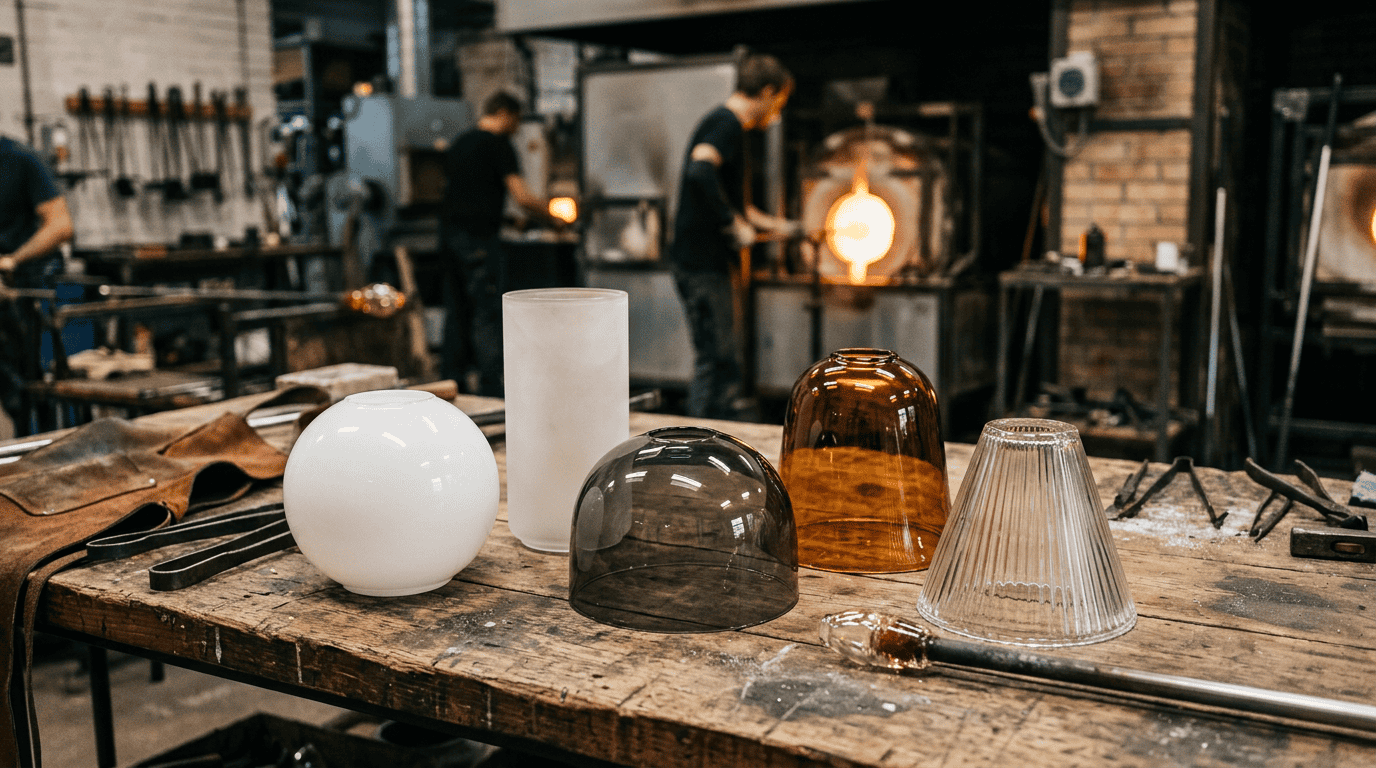
- バッチ溶解 – ガラスバッチを1450~1550℃の炉で溶解する
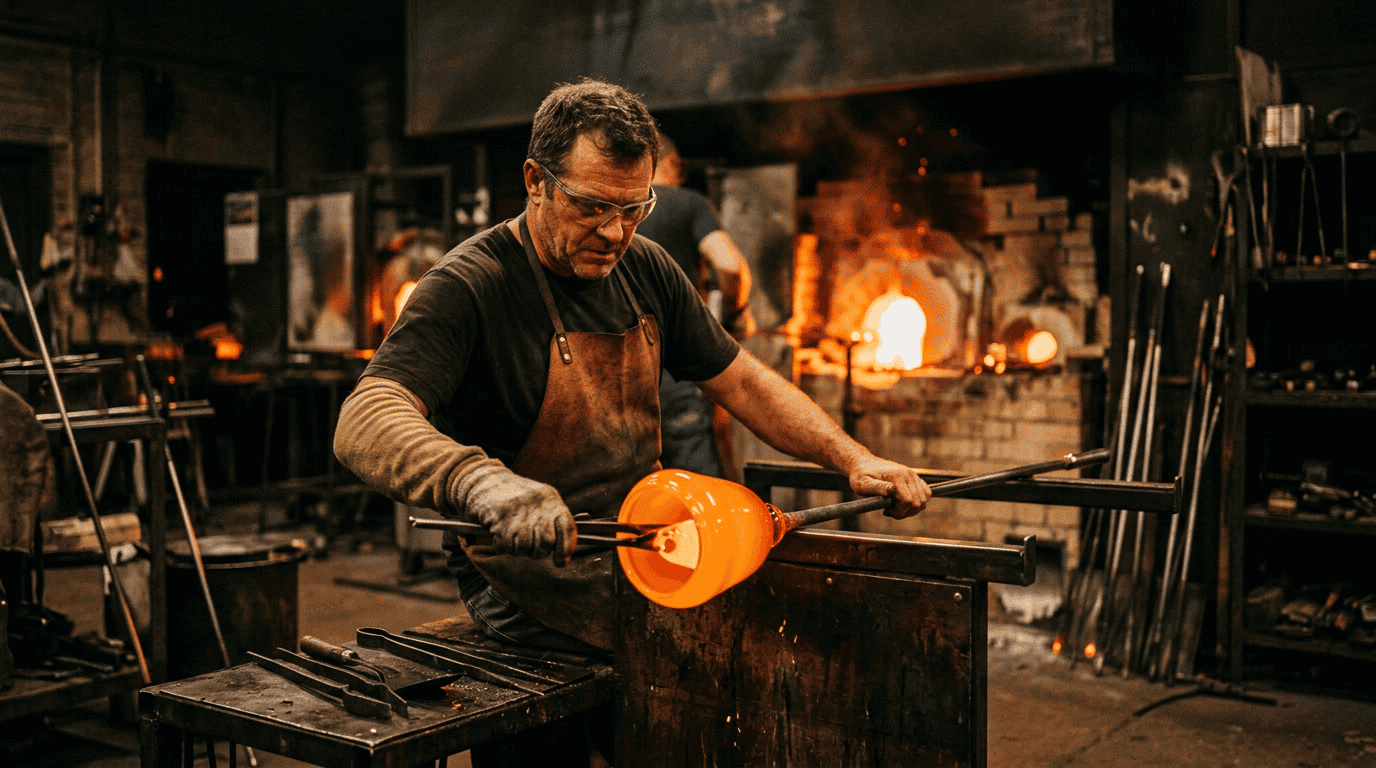
- 成形 – 熱いガラスを集め、手吹き、機械吹き、または型にプレスして成形する
- アニーリング(徐冷) – 成形されたシェードは、熱応力を緩和するために徐冷炉(アニール炉)でゆっくり冷却される
- 仕上げ – フロスト加工(酸エッチングまたはサンドブラスト)、着色、装飾処理など、必要に応じて行う
- 検査 – 各ユニットの出荷前品質検査
日本の ガラス吹きに関するウィキペディア記事, 、アニーリングサイクルだけでも厚いシェードの場合12~24時間かかることがあります。これがガラス製造のリードタイムが直感より長く感じられる理由です。ゆっくりとした冷却工程は品質のために不可欠です。.
ステージ5:品質検査
検査計画では、各段階で保持すべき証拠を特定する必要があります:
- 原材料ガラス記録 – 合意された仕様に対する材料またはバッチの確認
- 成形品チェック – 必要に応じてアニール前の目視または工程観察
- アニール済み品チェック – 必要に応じて合意された応力またはアニール検証
- 仕上げ品チェック – 承認図面またはサンプルに対する寸法、表面、色、フィットの確認
- 出荷前記録 – ロット識別、サンプリング計画、梱包状態、出荷可否判断
重要な注文の場合、購入者は第三者品質管理サービス(SGS、ビューローベリタス、インターテック)を雇い、工場で独立した検査を実施できます。これにより納期が1~2週間延びますが、ホスピタリティ調達、規制産業、高額注文に対して独立した検証が得られます。.
ステージ6:梱包と出荷
梱包は、シェードの形状、フィッターまたはリムのリスク、数量、配送ルートに対して承認されなければなりません。保護および梱包の決定を見積書および注文ファイルに記録してください:
- 個別の保護 – フィッター、リム、装飾面を保護する
- 内箱およびマスターカートン – SKUごとにインサート、向き、数量を定義する
- ラベルと配送先 – バイヤーSKU、カートンマーク、受取ルートを記録する
配送先、インコターム、ルート、希望納品期間はプロジェクト見積もりで確認されます。壊れやすいガラスの場合、出荷前にシェードプロファイルに基づいて梱包計画の承認が必要です。詳細は 品質検査チェックリスト 梱包チェックポイントの記録についてご覧ください。.
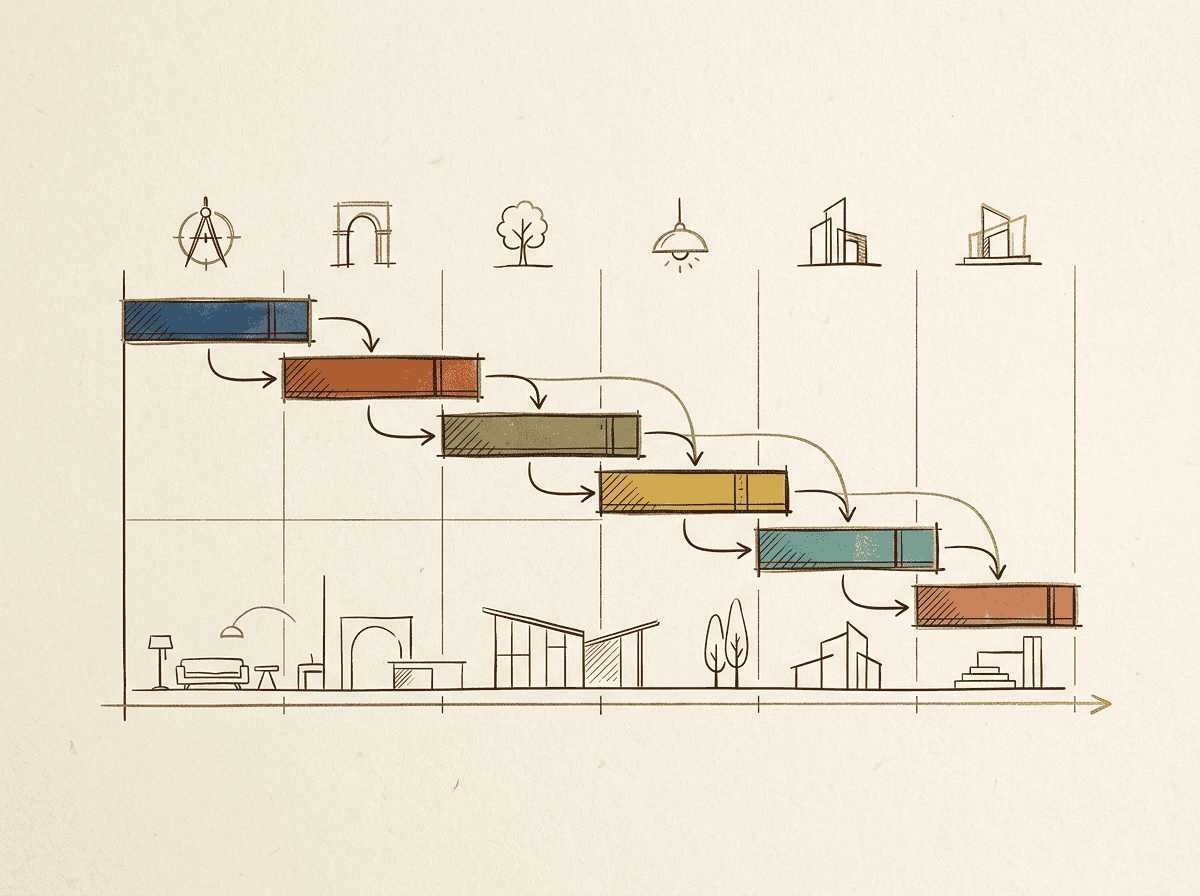
タイムライン概要
6つのステージをまとめると:
| フェーズ | 期間 |
|---|---|
| 問い合わせ+見積もり | プロジェクト見積もりで確認済み |
| drawings review + mold quote | プロジェクト見積もりで確認済み |
| 型開発(必要に応じて) | プロジェクト見積もりで確認済み |
| サンプル製作 | プロジェクト見積もりで確認済み |
| サンプルレビュー + 修正 | バイヤー承認期間 |
| 大量生産(1000個) | プロジェクト見積もりで確認済み |
| 出荷前検査 | 検査計画で確認済み |
| 海上輸送(中国から日本) | 配送先とルートで確認済み |
| **総プロジェクト期間** | 見積もり内のプロジェクト固有のスケジュール |
プロジェクトに固定期限がある場合は、図面やサンプルルートが確定する前にRFQで明記してください。見積もりにはスケジュールの前提条件や承認・物流依存性を記載する必要があります。.
価格構造:カスタムコストはいくらか
カスタムガラスシェードの料金は3つの構成要素から成る:
1. 枚あたりの生産コスト
要因:
- ガラス材料と加工の難易度
- 単位あたりの労働時間(手吹き ≈ 機械成形の4倍)
- 仕上げ作業(フロスト、着色、リブ加工)
- 検査労働
500個ロットの通常FOB Japan per-unit pricing for 500-unit orders:
| シェードタイプ | 手吹き | マシンプレス |
|---|---|---|
| クリアガラス球、直径250mm、壁厚4mm | $9-15 | $4-7 |
| フロストガラス球、直径250mm、壁厚4mm | $11-18 | $5-9 |
| ケースドオパール球、直径250mm、壁厚4mm | $18-30 | $9-15 |
| リブ/フルーテッドガラスシェード | $14-22 | $6-12 |
| スモークまたはアンバータinted | +$2-4 baselineを上回る |
これらは2026年中頃の卸売 FOB 工場価格です。海上輸送費、輸入関税、日本国内倉庫の取り扱い費用、国内流通マージンを加算して、小売価格または最終消費者価格に達します。.
2. 成形費用(償却済み)
- 500単位の発注: 成形費用 = $2/単位を追加
- 1000単位の発注: 成形費用 = $1/単位を追加
- 2000+単位: 成形費用 ≈ $0.50/単位を追加
- 5000+単位: 成形費用は実質無料
3. 一括費用
- サンプル生産: $50-300/サンプル単位(通常は bulk 注文に対してクレジットされる)
- 鋳型(新規の場合): $800-3000(多くは償却; あるいは前払いで請求されることもあり)
- 第三者検品(任意): $500-1500/検査
- カスタム梱包デザイン: $200-800 非標準梱包が必要な場合
ガラスランプシェードメーカーを選ぶ際の確認事項
すべてのガラス工場が品質の高いシェードを生産できるわけではありません。信頼できるメーカーと問題のあるメーカーを区別する5つの基準:
1. 罯炉および成形能力
Ask: “どの成形方法を提供していますか – 手吹き、機械吹き、プレス成形?” 真剣なメーカーは三つ全てを提供します。なぜなら、異なる陰影タイプには異なる成形方法が必要だからです。例えば、プレス成形だけを行うメーカーでは手吹きのオパールを生産できません。.
2. アニーリング能力
Ask: 「アニーリング炉の容量とサイクルタイムはどれくらいですか?」 短い回答(「私たちは一晩冷却します」)で十分です。温度曲線やサイクルプログラムを含む長く技術的な回答の方がさらに良いです。適切にアニーリングを行わない工場は、熱応力で陰影が割れるため避けてください。.
3. 品質管理システム
Ask: 「出荷前検査報告を提供しますか?現場で第三者検査員を受け入れますか?」どちらもYesであるべきです。評判の良いメーカーはQC検査を歓迎します。なぜなら、それが買い手の真剣さを示すからです。.
4. サンプルポリシー
Ask: 「サンプルをどれくらいの速さで作れますか?費用は?ボ bulk order に対して返金されますか?」良い回答: 10-20日、$50-300、 proceeding時に部分返金。悪い回答: 「サンプルは無料です」(通常はサンプルグレードの piece が届き、実生産品ではない) または「サンプルは利用不可」(工場の生産スケジュールに柔軟性がないことを示す).
5. 輸出経験
質問: 「現在どの国へ出荷していますか?荷扱い業者(フレイトフォワーダー)との関係はありますか?輸出書類の取り扱いは?.
カスタム注文での一般的な故障モード
五つのパターンが、カスタムガラスシェードプロジェクトの問題の大半を占めます:
失敗1: サンプル段階を省略
“「厳しい納期があるので、いきなり大量生産に移ろう。」これはおおよそ50%のうちの1つで機能します。もう一方の50%では、寸法が不正、色ガラスの色調が異なる、仕上げが異なる1000個の注文を受けることになり、再作成のコストがプロジェクト全体の予算になる – いつも最初にサンプルを作成しましょう。.
失敗2: あいまいな図面や写真
“「このPinterestの画像のようなものが欲しい。」それは美的参考であり、製造仕様ではありません。製造元にはミリ単位の正確な寸法、ガラスの種類、取り付け部のサイズ、重量目標が必要です。CADファイルまたは詳細な寸法付きスケッチを提供してください。さもないと、サンプルは「ほぼそれらしい」ですが、あなたが望んだものにはなりません。.
失敗3: 最も安い見積もりを選ぶ
ガラス製造には利益率が低く、コストが予測可能です。他の見積もりより30%+低い見積もりは、ガラス品質が低い(壁が薄い、時の焼鈍時間が短い、ガラスのバッチが弱い)ことを示しています。納品後の返品でコスト差が表れます。.
失敗4: 貨物輸送費と関税を過小評価
FOBシェードが海上輸送、関税(地域により異なる)、米国/英国の倉庫取扱いを経て、 landed-costシェードになります。プロジェクト予算の最初からこれを織り込んでください。 US Customs and Border Protection の輸入税計算機 はHTSコード別の現行関税率を提供します。.
失敗5: リビジョン時間を組み込んでいない
サンプル段階は通常、承認前に1〜2回の改訂を経ます。各改訂で2〜3週間追加されます。プロジェクトを単一のサンプルから量産への移行として計画している場合、最初の改訂がスケジュールを崩します。スケジュールに改訂の余裕を4〜6週間組み込みましょう。.
ホスピタリティ調達: カスタム製造が優位となる理由
ホスピタリティグループ(ホテルチェーン、レストラングループ、サービスアパート運営者)が複数の施設にガラスシェードを発注する場合、カスタム製造がほぼ常に最適な道です。数式は次のとおりです:
- 数量: 1施設あたり200〜2000以上のユニット × 複数施設
- 標準化: 全室で仕上げ、取付金具、寸法が同一
- ブランディング: 小さなブランド要素(シグネチャー仕上げ、シグネチャー色、シグネチャー形状)が小売カタログでは提供できません
- 料金: 単位あたりの価格が規模拡大時に小売相当以下の30-60%
- 在庫: 物件ライフサイクル全体を通じた交換とリニューアルの予測可能な供給
より広いホスピタリティ購買の文脈として: ホテル用ガラスランプシェード.
デザイナーと建築家のワークフロー
住宅および商業プロジェクトに取り組む照明デザイナーと建築家は、ホスピタリティ調達とはやや異なる理由でカスタム製造を利用します:
- デザインの整合性: デザインボード上のライティングコンセプトは、メーカーが正確な色調を生産できる場合にのみ実行できます。在庫カタログがデザインを制約します。.
- 小ロットの柔軟性: 50〜200ユニットは、住宅やブティック商業スペースの典型的なプロジェクト規模です。多くのメーカーは、少し高い単価でこの量を受け付けます。.
- 図面から製品への引き渡し: 経験豊富なデザイナーはCADファイル、写真によるムードボード、意図の口頭説明を提供します。信頼できるメーカーはそれらを製造可能な仕様に翻訳します。.
約50ユニットを超えるプロジェクトでは、カスタムメーカーを選ぶのが妥当です。それ以下なら在庫カタログでほぼ近いものが見つかるでしょう。.
ガラスシェード製造の将来動向(2026年以降)
2026年におけるカスタムガラスシェード製造の landscape を形成する三つの動き:
| トレンド | 何が変わるか | B2Bバイヤーへの影響 |
|---|---|---|
| 鉛フリーのオパール系処方 | サステナビリティ仕様、光学特性がわずかに異なる | EU調達での適用がますます求められる |
| 省エネルギー furnaces | 低炭素フットプリントを各シェードごとに削減 | ホスピタリティ調達がこれを指定 |
| デジタルツインとCADから金型への自動化 | 金型開発を迅速化、金型コストを削減 | 市場投入までの時間を20-30%短縮 |
| オンデマンドの小ロット生産 | 50-100ユニットのプロトタイプランを受け入れる manufacturers | ブティックプロジェクト向けのカスタムの障壁を低減 |
| リサイクル破片含有量 | ベースカラーの30-70%リサイクルガラス | 新しい仕様書差別化要因 |
あたり エネルギー省の産業デカーボニゼーションガイダンス, ガラス製造炉は軽工業の中で最もエネルギー集約型のプロセスの1つです。2026年に向けた電気炉と水素燃焼炉への移行は、コスト構造と高級色の持続可能性仕様の両方を変えています。.
よくある質問
カスタムガラスランプシェードの最小注文数量はいくらですか?
すべてのシェードに共通の公開MOQはありません。見積もりには選択したデザイン、仕上げ、金型ルート、注文範囲ごとのMOQを明記し、目標数量を共有してプロジェクトチームが実現可能なルートを評価できるようにしてください。.
問い合わせから納品までの期間はどれくらいですか?
リードタイムはプロジェクトごとに異なります。見積もりにはサンプル段階、金型ルート、注文数量、仕上げの複雑さ、梱包範囲、納品条件、希望納品期間を明記してください。.
OEM契約とODM契約の違いは何ですか?
OEMは購入者が全スペックと設計権を提供し、メーカーが仕様通りに実行します。ODMはメーカーが購入者の大まかな要件内で製品を設計し、部分的な設計権を保持する場合があります。OEMは照明デザイナーに一般的で、ODMはディストリビューターによる新 SKUの立ち上げに一般的です。.
珍しいフィッターサイズのカスタム寸法を注文できますか?
はい。直接のメーカーは任意のフィッター寸法—100mm、105mm、110mm、どんなサイズでも生産可能です。これはデザイナーが小売よりもカスタムを調達する大きな理由の一つです。.
どのようなサンプル費用を見込むべきですか?
サンプルユニットあたり50–300 USD、複雑さにより異なります。ほとんどのメーカーは大量注文を進める場合にサンプル費用を相殺します。「無料サンプル」を提供するメーカーは避けてください。通常、サンプルは本生産部品ではなくサンプル品であるサインです。.
品質認証は探すべきものがありますか?
一般的な品質管理にはISO 9001。照明部品に特化すると、組立済み照明器具に適用される器具レベルの認証(米国のUL、EUのCE、英国のBS)が適用されますが、ガラスシェード自体にはこれらは付帯しません。輸出が規制市場向けの場合、材料成分認証(RoHS、REACH適合)が重要となります。 Underwriters Laboratoriesのウェブサイト UL認証範囲の詳細をカバーしています。.
私のロゴやブランドをシェードに入れることはできますか?
はい、微妙な方法で可能です。底部リムへのレーザー刻印、内部へのスクリーン印刷、または成形時の刻み型押し。外側の可視ブランドは住宅用照明では稀ですが、内側やリムへのさりげないブランド表現は、ブランド一貫性を求めるホスピタリティグループには一般的です。.
カスタムガラスシェード製造の結論
カスタム製造は寸法管理、仕上げ承認、検査、梱包記録をプロジェクト固有の商業スケジュールに結び付けます。適切なルートかどうかは承認されたデザイン、目標数量、金型ニーズ、納品期間によって決まります。ホスピタリティ調達、デザイン主導の住宅プロジェクト、ブランド所有SKUの新規立ち上げでは、カスタムが基本的に必須です。.
重要な段階は以下のとおりです:問い合わせ時の明確な仕様、量産前のサンプル慎重審査、出荷前の品質検査。これら三つを正しく実施すれば、カスタム経路は卓越した結果をもたらします。誤ると60日を無駄にし、プロジェクト予算を消費します。.
次のステップ:プロジェクトの範囲(数量、寸法、仕上げ目標)を決定し、初期見積もりのために2〜3社のメーカーへ連絡します。仕様と能力で比較し、単価だけで選ばないでください。.
関連するB2Bガラスランプシェードルート
購入者の役割やプロジェクト段階に合ったルートを使用してください: