ランプシェード生地とは、シェードフレームに取り付けられる織物または織物裏打ち材のことです。光の拡散性、フレームの形状、清掃のしやすさ、そして完成したランプの安全要件に基づいて選びましょう。.
生地はサンプルでは良く見えても、ランプに使うと性能が劣る場合があります。サンプルを逆光で確認し、予定のフレームに巻き付け、切り口を点検し、電球・クリアランス・裏打ち・プロジェクト要件を承認前に必ず確認してください。このページでは素材選びに焦点を当てています。完成したシェードの形やスタイリングについては、 ファブリックランプシェードガイド.
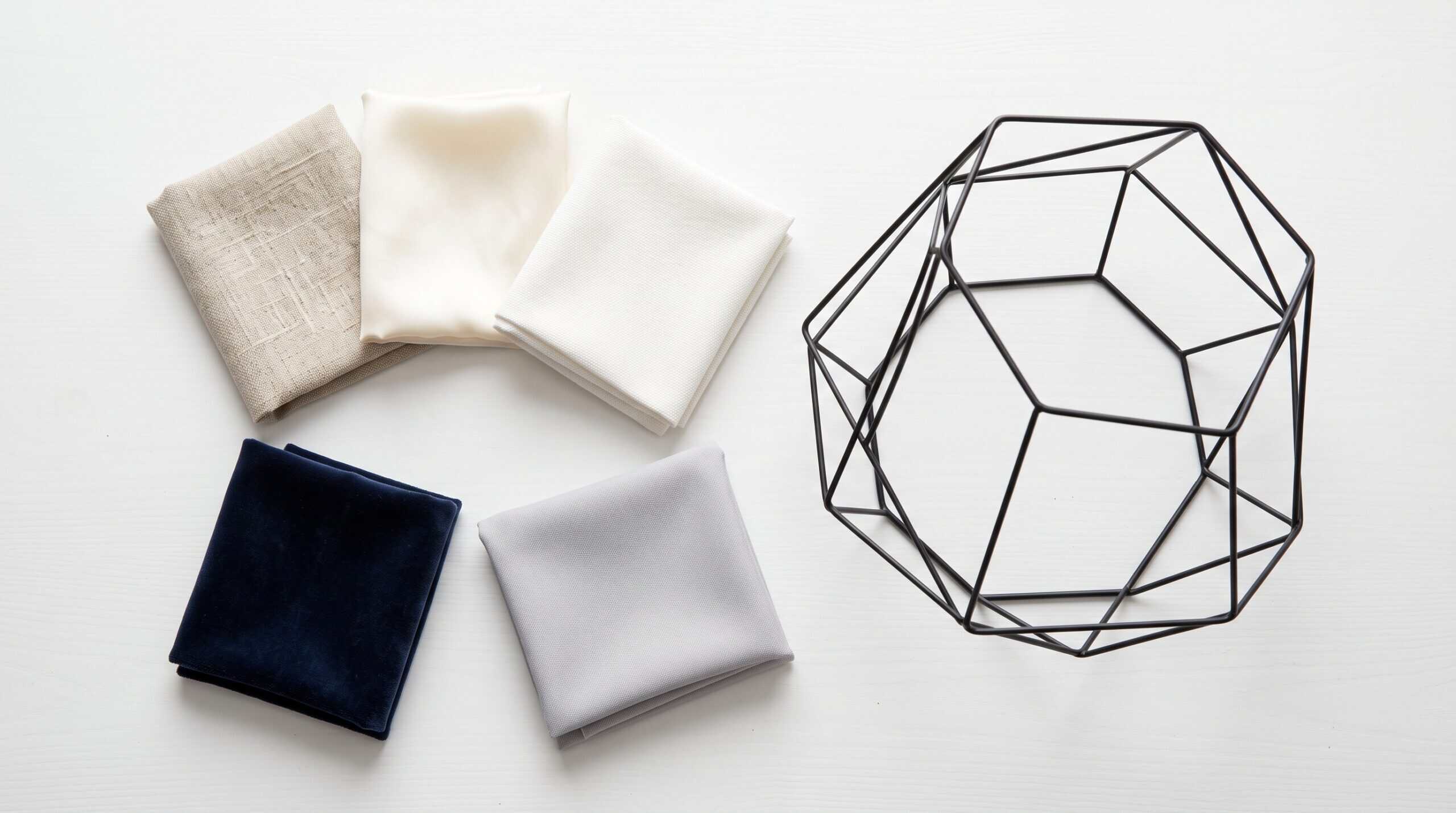
左から:リネン、シルクデュピオニ、コットン、ベルベット、ポリエステルの生地見本が、白い作業台の上に開いたワイヤーランプシェードフレームの横に並べられています。.
ランプシェード生地の評価方法
良いランプシェード生地は半透明(光を遮ることが目的でない限り)、フレームにたるまない安定性があり、使用する電球の耐熱性があり、切り口がほつれにくいように高密度に織られているか、接着裏打ちがされています。.
4つの特性が、実用的なランプシェード生地と、通常使用で失敗する生地を分けます。.
耐熱性と電球の安全性
ランプシェード生地は熱源の近くに設置されますが、安全な使用は繊維名だけでなく、器具全体に依存します。許可された電球の種類とワット数、換気、シェードの寸法、裏地、ランプホルダーからのクリアランスを確認してください。LEDランプは通常、白熱灯やハロゲン光源に比べて放射熱が少ないですが、ベースやドライバー部分は依然として熱くなることがあります。.
生地ラベルや一般的なワット数のルールを、ランプの承認とみなさないでください。商業施設、宿泊施設、医療機関、公共スペースのプロジェクトでは、難燃性能の書類や特定の試験方法が指定される場合があります。購入者、照明デザイナー、サプライヤーは、出荷先および組み立て製品に適用される要件を生産前に必ず確認してください。.
透過性と光の質
ランプシェードの拡散効果は、生地の織り密度と繊維の反射性が組み合わさって生まれます。高密度に織られたコットンは、暖かく集中した下向きの光を放ちます。粗く織られたリネンは、光を横や上に拡散し、部屋全体に柔らかな光を広げます。シルクは独特の暖かい琥珀色の光を反射します。ベルベットはほとんどすべての光を吸収し、シェードの上下にドラマチックな光のプールを作り、部屋全体にはほとんど光が広がりません。.
繊維の種類と織り構造の組み合わせが最終的な効果を生み出します。同じ重さの2つの生地でも、一方が平織り、もう一方がサテン織りの場合、光の透過の仕方は全く異なります。.
フレーム上での寸法安定性
設置後に伸びたり緩んだり縮んだりする生地は、取り付け部分から外れたり、波打ちが発生したりします。安定性は、織り方、仕上げ、裏打ち、湿度、製造方法によって異なり、天然繊維か合成繊維かだけでは決まりません。特に大きな直径や急なテーパー形状の場合は、選定した生地を予定の裏打ち材とフレームでテストしてください。.
切り口でのほつれ防止性
ランプシェード生地の切りっぱなし部分は通常、バイアステープで隠したり、フレームリングの下に折り込んだりしますが、製作中にほつれるとその前に生地が傷んでしまいます。高密度に織られた生地や糸数の多い生地は、粗く織られたものや糸数の少ない素材よりもほつれにくいです。製造時に接着裏打ちが施された生地は、織り密度に関係なくほとんどほつれません。.
| 生地 | 透過性 | 耐熱性 | ほつれリスク | お手入れ |
|---|---|---|---|---|
| リネン | 中級 | 良好 | 低い | 洗濯機洗い |
| シルク | 中高 | 普通 | 高い | ドライクリーニング |
| コットン | 中低 | 良好 | 中級 | 洗濯機洗い |
| ベルベット | 不透明 | 良好 | 中級 | ドライクリーニング |
| デュピオニシルク | 中級 | 普通 | 高い | ドライクリーニング |
| ポリエステル | 中級 | 優れた | 低い | 洗濯機洗い |
| スチレン裏打ちシート | 低中 | 優れた | なし | 拭き取り清掃 |
最適なランプシェード用生地素材
リネンは日常使いに最適で多用途、シルクやデュピオニはフォーマルな部屋向き、コットンはDIYプロジェクトに、ベルベットは印象的なアクセント照明に、ポリエステルやスチレン裏打ち生地はどのレベルでも耐久性のある仕上がりになります。.
各生地タイプは、ランプの用途や部屋の雰囲気、シェードが既製品か一から作るかによって異なる性能を発揮します。.
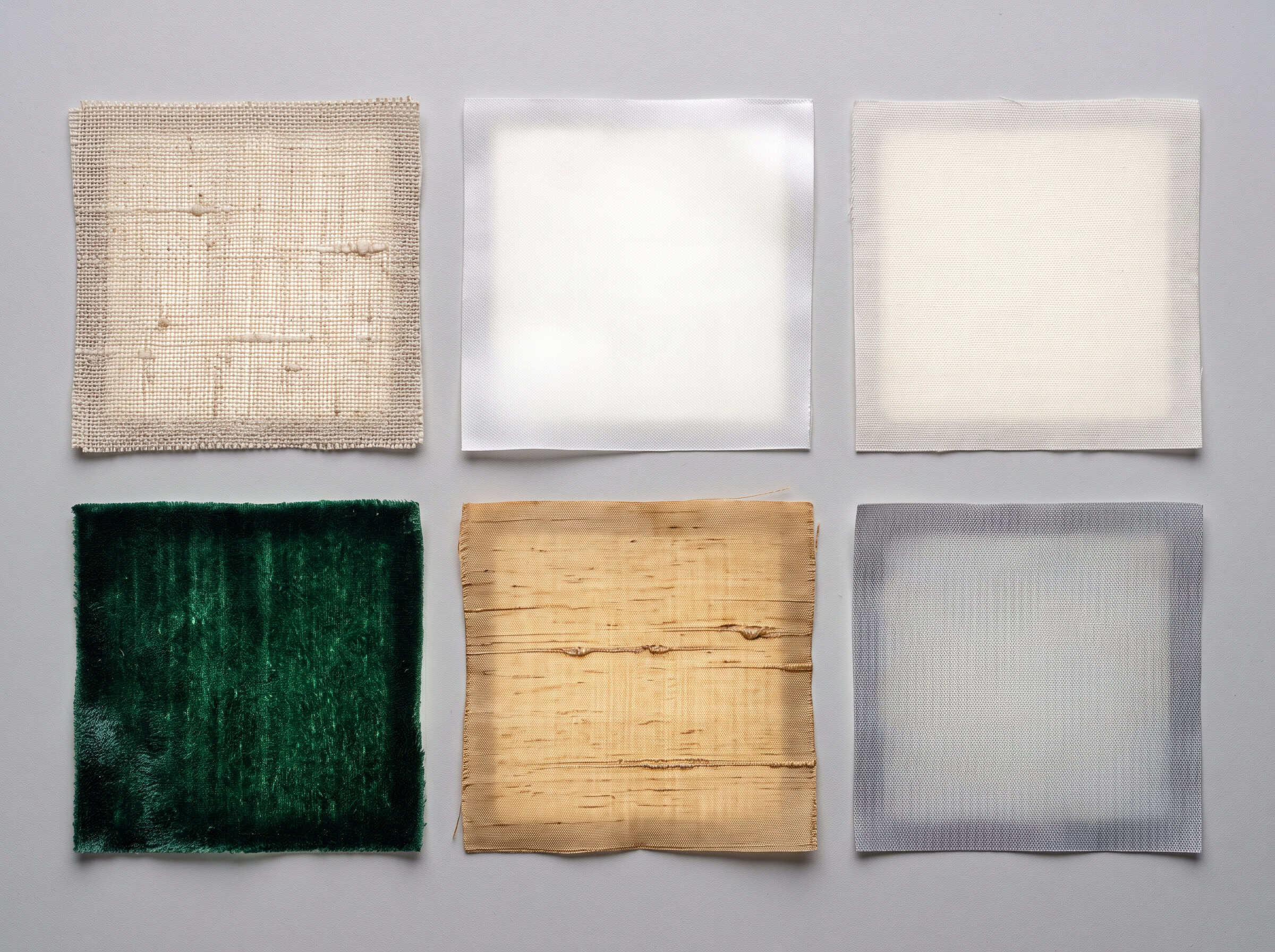
6種類のランプシェード生地のクローズアップ平置き写真:リネン(左上)、シルク(中央上)、コットン(右上)、ベルベット(左下)、デュピオニ(中央下)、ポリエステル(右下)。各生地見本は実際の光の透過を示すために裏から照らされています。.
リネン:日常使いの万能選手
リネンの密で均一な織りは、きれいで安定した光の透過を実現します。光はホットスポットなしで通り、わずかにテクスチャーのある繊維表面が十分に拡散させてまぶしさを抑えつつ、暖かみを保ちます。天然素材なので染色も安定し、リネンのランプシェードは長期間使用しても黄ばみにくいです。また、伸びないため、ストレートなドラム型やテーパーのあるエンパイア型でも、ストレスポイントでのたるみや引っ張りがなく、平らな状態を保ちます。.
リネンの寸法安定性 は、乾燥時に硬くなり、高湿度時にわずかに緩むフラックスバスト繊維に由来します。ランプシェード用途では、この特性はほぼ完全に利点となり、季節ごとの湿度変化にも形状を維持し、再成形や交換の必要がありません。.
中厚のリネンは実用的な出発点ですが、重さだけでは光の透過性や作業性は予測できません。希望する裏地付きの生地見本を取り寄せ、点灯時と非点灯時でテストしましょう。薄手の織りは裏地と合わせて使えますし、厚手の生地でもストレートなドラム型フレームにきれいに巻ける場合があります。.
リネンはほぼすべてのランプシェード形状(ドラム、エンパイア、ベル、クーリー、オーバル)に適しています。他の素材を選ぶ明確な理由がなければ、まずリネンから始めるのがおすすめです。.
シルクとデュピオニ:フォーマルで上品な輝き
シルクは、合成繊維では再現できない温かみのある琥珀色の光を透過します。天然のタンパク質繊維はセルロース繊維とは異なる光の反射をし、平面的な拡散ではなく、柔らかな内側からの輝きを生み出し、実用的なシェード形状でも上品な印象を与えます。.
デュピオニは、2本の糸を使ったシルクの一種で、特徴的なスラブ(不規則な横方向の隆起)を持っています。これは、2つの蚕の繭から取れた糸が織りの過程で交差することで生まれます。これらの隆起は、方向性のある光を受けて、シンプルなドラムシェードでも追加の装飾なしで装飾的に見せる効果があります。視覚的な魅力は素材自体に組み込まれています。.
シルクもデュピオニも、リネンやコットンと比べて繊細です。繊維は長時間の紫外線や熱にさらされると弱くなり、カットした端は激しくほつれます。DIYプロジェクトの場合、デュピオニはプレーンシルクよりもはるかに扱いやすく、スラブの質感が小さな製作上の不完全さを隠してくれます。少し不均一な縫い目も、不規則な表面の視覚的ノイズの中で目立たなくなります。.
シルクはシェード全体の構造の一部として評価する必要があります。サプライヤーに裏地や裏打ち、推奨されるランプの種類、クリアランス、プロジェクト固有のテスト証拠などを確認してください。原糸の耐熱温度を器具の安全基準として使用しないでください。.
コットン:DIYの入門素材
コットンは初心者向けランプシェードプロジェクトの定番生地です。生地店で広く入手でき、価格も手頃で、カットや接着が簡単で、製作中の小さなズレにも寛容です。140〜180gsmの平織りコットンは、ほとんどのランプシェード用途でリネンと同等の性能を発揮します。主な見た目の違いは、リネンの琥珀色の光に比べて、ややクールで暖かみの少ない光を通すことです。.
200gsm以上のキャンバス地コットンは、内部補強リングなしで円筒形を保つ必要がある構造的なドラムシェードに最適です。小さな装飾用テーブルシェードには、約100gsmのコットンモスリンが柔らかく、ほぼ半透明の効果を生み、子供部屋やカジュアルなインテリアに適しています。.
コットンの実用的な利点は、入手のしやすさ、プリントの選択肢、そしてシンプルなカット作業です。同じ裏打ち、幅、仕上げ、数量で見積もりを比較してください。生地の価格だけでは完成品のコストを正確に表しません。.
ベルベット:不透明でドラマチック
ベルベットはほとんどすべての透過光を遮断するため、一般的な用途ではなく、意図的なスタイル選択となります。ベルベットのランプシェードは、シェードの上下から集中的な光の柱を作り、部屋全体を柔らかく照らすことはありません。パイル面が周囲の光を吸収するため、点灯時もシェード自体は発光する要素ではなく、暗い視覚的なアクセントとなります。.
ベルベットは、装飾用のフロアランプやアクセントテーブルランプに最適です。読書灯には不向きで、不透明な構造が作業用の実用的な光量を大きく制限します。.
ストレッチベルベットは、ポリエステルを基布としスパンデックスを含むベルベットで、従来の織りカットベルベットよりもはるかに扱いやすい素材です。わずかな伸縮性があるため、硬い生地ではしわやストレスラインが生じるような曲線フレーム部分にもフィットします。DIYのベルベットランプシェード作りには、ストレッチベルベットが実用的な選択肢です。.
ベルベットのジュエルトーン:ディープグリーン、サファイアブルー、バーガンディは、特にマキシマリストやエクレクティックなインテリアスタイルで、2026年のインテリアトレンドの中でも最も強い色合いのひとつです。.
ポリエステルおよび合成繊維混紡:耐久性が高く扱いやすい
ポリエステル製ランプシェード生地は、最も低価格で最も多様なテクスチャーを提供します。多くの天然繊維よりも熱に強く、長期間の紫外線による色あせにも耐え、洗濯も簡単です。主なデメリットは、ポリエステルはリネンやシルクよりもややクールでニュートラルな光を透過し、長時間高ワットの白熱電球の熱にさらされると表面にわずかな光沢が出ることです。.
ポリエステルリネン混紡は、見た目のテクスチャーと手入れのしやすさを兼ね備えていますが、混紡率や仕上げはさまざまです。一般的な繊維説明に頼らず、実際のスワッチを使用予定のランプの光源下で確認してください。.
頻繁に掃除が必要な高頻度利用や子供部屋などには、天然繊維よりもポリエステルまたはポリエステル混紡が合理的な素材選択です。.
| 生地 | 最適な部屋タイプ | 光の出力品質 | 価格帯 | 洗濯機洗い可 |
|---|---|---|---|---|
| リネン | リビング、寝室、オフィス | 暖かく均一 | $$ から $$$ | はい |
| シルク | フォーマルダイニング、寝室 | 暖かく、輝く | $$$ から $$$$ | No |
| コットン | カジュアルな空間全般 | ニュートラル〜ウォーム | $ | はい |
| ベルベット | アクセント、ラウンジ | 最小限(不透明) | $$ から $$$ | No |
| デュピオニ | フォーマル、伝統的 | 暖かく質感のある | $$$ | No |
| ポリエステル | 人通りが多い場所、子供向け | ニュートラル | $ | はい |
| ポリリネン混紡 | どれでも | 暖かく、耐久性がある | $$ | はい |
ランプシェードの生地はフレームの形状に合わせる
エンパイア型やベル型のシェードは、パネルが先細りし、曲線で傾斜した形状に平らに沿わせる必要があるため、バイアスカットの柔軟性がある生地が必要です。ドラム型シェードは、どんな織物でも平面パネル構造に適しています。プリーツシェードは、折り目がしっかりとつき、永久的な折り目やプリーツ間の隙間ができない軽量生地が必要です。.
生地の種類とフレームの形状の関係は、ランプシェード製作で最も見落とされがちなポイントの一つです。組み合わせを間違えると、写真では正しく見えても、通常使用で数週間以内に目立つストレスマークや形の歪みが発生します。.
エンパイア型とベル型シェード
エンパイア型やベル型シェードの傾斜した側面は、生地が同時に2つの弧(上部リングの直径と下部リングのより大きな直径)に沿う必要があります。生地を地の目に沿ってカットすると、この形状により各パネルの中間点で生地が内側に引っ張られてしまいます。解決策は、地の目に対して45度のバイアスでカットすることで、織りが横方向に柔軟に曲がるようになります。.
リネンやコットンはバイアスカットに適しており、製作後もフレーム上で安定性を保ちます。シルクやデュピオニもエンパイア型にはバイアスカットが必要ですが、斜めカットではほつれやすくなるため、製作前に生地の端にシームシーラントを塗布することが不可欠です。ベルベットはバイアスカットに適しません。パイルの向きが周囲で不均一になり、光の吸収にムラが出て製造不良のように見えます。.
ドラムシェード
ドラム型シェードは、生地選びに最も寛容な形状です。上部と下部のリングが同じ直径なので、生地はテーパーなしの真円柱に巻かれ、形状によるストレスがありません。どんな織物でも地の目に沿ってカットすれば、エンパイア型のようなストレスなくフレームに平らに沿います。.
ドラム型シェードの場合、生地の硬さが主な選択基準となり、伸縮性やバイアス性は重要ではありません。キャンバス地のような硬い生地は、内部サポートリングなしでも円筒形を保ちます。シフォンや細いジョーゼットのような非常に軽い生地は、形状を保つためにスチレン裏地が必要です。自立する構造強度がないためです。.
ドラム型シェードは、テーパー型と違い、生地の柄合わせの効果も得られます。ストライプや幾何学模様をドラム型に配置すると、垂直・水平が完全に揃い、全周で美しく整列します。これはテーパー型では実現できません。.
プリーツシェード
プリーツ加工には、しっかりとした折り目がつき、離しても元に戻らない生地が必要です。プリーツは折り目でシャープに保たれ、隣接パネルに隙間や引っ張りがなく平らに沿う必要があります。.
軽量シルク、約120gsmのコットンポプリン、細いリネンは、繊維が折り目できれいに圧縮されるためプリーツ加工に適しています。ベルベットはプリーツ加工できません。パイルが折り目で潰れて元に戻りません。ポリエステルリネン混紡は十分にプリーツできますが、ポリエステル含有量が多いと天然繊維に比べて折り目のシャープさが劣ります。.
プリーツをフレームに取り付ける前に温かいアイロンで押さえると、折り目が永久に定着し、均一な間隔が保たれます。ポリエステル含有量が多い生地は、電球の熱で折り目が戻る場合があります。.
ランプシェード用の生地はどれくらい必要ですか?
斜めの高さを測り、底の周囲長と掛け合わせ、縫い代として各端に2インチずつ加え、最後に生地幅で割って必要なヤード数を算出します。標準的なテーブルランプシェードには、54インチ幅の生地が1〜1.5ヤード必要です。.
生地を購入する前にヤード数を正確に計算することで、追加の生地を買いに店へ再度行く手間や、完成したシェードの目立つ位置に縫い目が来てしまうのを防げます。.
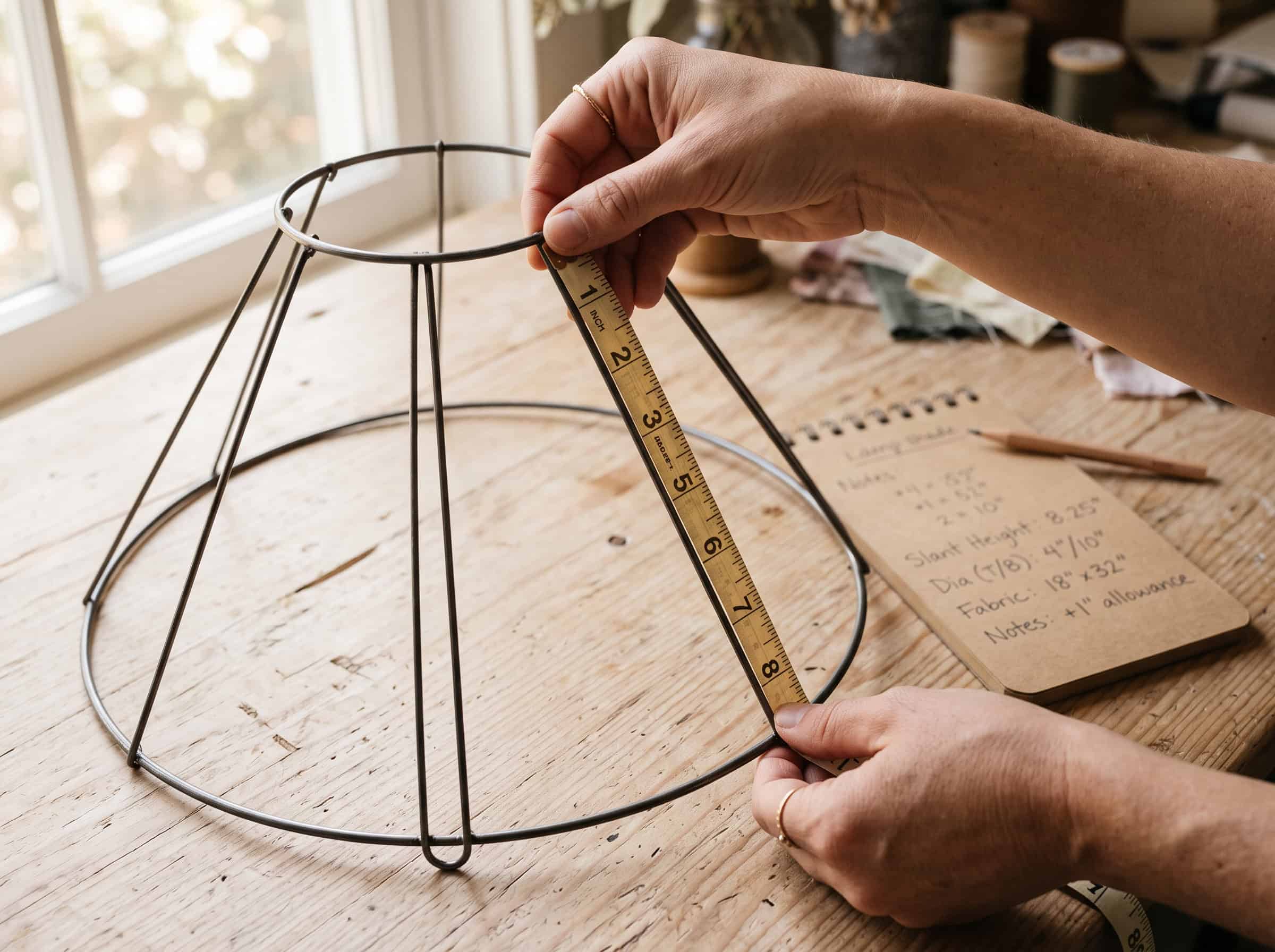
斜めの高さは、フレームの傾斜に沿って上部リングワイヤーから下部リングワイヤーまで測ることで、カット用の正しいパネル高さが得られます。垂直内側の寸法は常に短く、この目的には不適切です。.
斜めの高さと周囲長の測定
斜めの高さは、シェードの傾斜側を上部リングから下部リングまで測るもので、垂直内側を通るものではありません。フレームワイヤーに沿って傾斜をなぞるように柔軟なメジャーを使い、シェード壁の傾斜に沿って測定してください。中心を直線で測る定規は使わないでください。.
生地幅計算に使う周囲長は下部リングです。下部リングの直径に3.14を掛けて直径から周囲長に換算します。その数値に縫い代と微調整のため10%を加えてください。.
計算式:
– 必要なパネル幅:底周囲長+4インチ(各側2インチ)
– 必要なパネル高さ:斜めの高さ+4インチ(上下各2インチ)
– 生地幅の必要数:パネル幅を生地ロール幅で割り、切り上げ
– ヤージ:幅の数 × パネルの高さ、インチをヤードに換算
実例: 直径16インチのドラムシェードで、スランプ高さが12インチ。下周の長さ = 16 × 3.14 = 50.2インチ、+4 = 必要な幅は54.2インチ。1つの54インチ幅の生地ロールでちょうどカバーできる。必要な高さ:12 + 4 = 16インチ = 0.44ヤード。切り取り誤差と縫い目シーラントの余裕を見て0.75ヤードを購入。.
10インチのトップリング、16インチのボトムリング、14インチのスランプ高さを持つテーパーエンパイアシェードの場合:幅の計算には下周の長さ(50.2インチ)を使用。スランプ高さ(14インチ)+4 = 18インチ = 0.5ヤード/生地の幅。パネル幅が2幅必要な場合は、最低1ヤード、推奨1.5ヤードを購入。.
パターンリピートの考慮
方向性プリントと大きなパターンリピートは、視認可能な継ぎ目ラインでデザインを揃えるために追加の生地が必要。垂直リピートが6インチのプリントなら、パネルごとに1回の完全リピートを追加。12インチ以上のリピートのプリントでは、総ヤード数を計算する際にパネルごとに1.5リピートを追加。.
非方向性ソリッド、リネン織りのようなテクスチャ、または小さなオールオーバープリントは、式にすでに含まれている標準マージンを超える追加ヤードは必要ありません。.
ドラムシェードのストライプは計画を要します:縦方向のストライプは、ストライプ間隔がシェードの周囲長に等分される場合、縫い目にきれいに合います。購入前にストライプリピートが整列するかを計算するか、再切りの余裕として追加の生地幅を1幅分用意してください。.
ランプシェードの生地構造法
ストレッチ&接着のハードバック法は、硬めの生地とあらかじめ貼り付けられた裏地を伴う rigid フレームに適しています。パネル縫いのソフトバック法は、任意の生地重量で機能し、仕上がりをより柔らかく見せます。スタイローネ背付きの生地シートは、最も速い組み立てと初挑戦者にとって最も一貫した結果を提供します。.
適切な技法は、フレームのタイプ、生地の選択、および仕上げのシェードの望ましい見た目の性格に依存します。.
ハードバックフレームでのストレッチ&グルー
ハードバックフレームには、ワイヤーリングに既に接着された堅固なスタイロナーまたはカード backing が備わっています。装飾用の生地は外部表面に張り、その上下端を周囲のエッジに接着します。この方法は、ある程度の対角線の柔軟性を持つ生地、経糸を斜めに裁断したリネンまたはコットン、ストレッチベルベット、ポリエステル混紡に最も適しています。.
材料必要量: 耐熱ファブリック用接着剤(標準のPVAではない)、布地を傷つけないシリコン顎パッド付きバルドッグクリップ、ボーンフォルダ、鋭利な布地はさみ、縫い目のほつれ防止シー lining。.
処理: トップリングの縁の3インチ区間に薄く布用接着剤を塗布します。その区間に布を引っ張って張り、縁をリングの下へ折り込み、固定されるまでクリップします。次の3インチ区間へ移動します。全周にわたって一度に接着剤を塗るのではなく、短い区間で作業してください。接着剤は全周巻完成より早く固まり、急ぐと波紋が生じます。.
トップエッジが完全に接着・乾燥した後、ボトムエッジも同様に行い、各クリップの配置前に張力を再確認します。.
パネル縫い式ソフトバック構造
ソフトバックのシェードは、事前に裏地を付けずに開放的なワイヤーフレームを使用します。布パネルは形状に切り取り、フレームのスポークに固定してから、フレーム構造に直接縫い付けます。その結果、ハードバックのシェードより柔らかな見た目になり、パネル間に若干の有機的な変化が生じ、手作り感として読み取れます。.
最適な生地: 絹、リネン、綿を140〜180 gsmで。これらの重さはピン留めしても歪みが出にくく、取り付け後に形を保つ安定性があります。.
処理: 各縁に1インチの縫い代を取って布パネルをカットします。布の表面を外側に向けてフレームに留めます。ワックス加工糸の捲き縫いで、各パネルをフレームのスポークに縫い付け、上リングから下リングへと各スポークに沿って縫います。すべてのパネルを取り付けた後、上部と下部のリングの余分な布を切り落とし、未処理の縁を一致するバインディングテープで覆います。.
スタイロネ背張り布シート
事前背張りされたスタイロネシートは、表面の織物と、熱活性接着剤を用いたスタイロネの裏打ちを組み合わせたものです。複合材料はハサミやクラフトナイフで綺麗に切断でき、継ぎ目の端で押さえたときに自ら結合し、ワイヤーフレームを使用せずとも大きさが直ちに形を保つため、直径14インチ程度までの多くのサイズに対応します。.
これらのシートは初心者に適しています。完成前に施工ミスが目視で確認でき、ずれた切り口や縫い目の隙間を最終縫い目を押さえる前に検出・修正できます。主な制限は美観の範囲が狭いことです。事前背張り形式で利用可能な生地オプションは、未加工生地のオプションよりはるかに限られています。.
スタイロネ背張りのランプシェードパネルは、標準の高さ6〜18インチで専門のシェード供給業者を通じて入手できます。規格外サイズの場合、低温のアイロンと間にシリコン圧着シートを挟んでアイロンを当てることで、生地の任意の布地に rawスタイロネ裏打ち材料を適用できます。.
商業用オーダー向けのシェード布地仕様
商業オーダーには、一度きりのDIYシェードには含まれない追加要件が追加されます:反復可能な色、制御された構造、文書化された検査、梱包、およびプロジェクト固有の火災または材料の証拠。ガラスは繊維製品関連の質問を簡略化する可能性がありますが、完全な取り付け具と目的地の要件は依然として確認が必要です。.
商業用シェードの生地は、プロジェクト規格、承認サンプル、構造方法、想定される生産の一貫性と照合する必要があります。役立つサプライヤー評価は、生地名だけでなく組立済みシェードとその目的地から始まります。.
シェードのサプライヤーに送るべき情報
サンプリング前に対立を特定できるよう、サプライヤーが識別できる十分な情報を送ってください。特定のプロジェクトに対して、正確な在庫状況、サンプル時期、生産リードタイム、最小数量、試験、文書化を確認する必要があります。.
- 器具タイプ、部屋またはプロジェクト用途、意図する照明源、目的地市場。.
- 上部と下部の寸法、斜辺高、フレーム形状、フィッター、および必要なクリアランス。.
- 生地の組成、織り、色の参照、模様の方向、裏地、ライニング、および承認済みスウォッチの状態。.
- サンプル数量、生産数量、検査ポイント、包装の方向、配送先。.
- 要求されるレポート、宣言、ラベリング、または顧客仕様書。買い手によって正確な受け入れ基準が明記されていること。.
構造化された初回問い合わせには、 カスタムランプシェードRFQビルダー 最新の図面または参照サンプルを添付してください。.
火災およびプロジェクト要件を確認
プロジェクト文書はBS 5867やNFPA 701といった繊維試験を参照する場合がありますが、適用性は製品、占有、設置、および地方当局の要件によって異なります。正確な規格、試験方法、性能レベル、レポート形式、および有効性要件を、買い手または仕様担当者に問い合わせてください。繊維証明書が灯具全体の承認を保証するとは限りません。.
小売用生地の説明には、商業仕様で求められる追跡可能な文書が欠けていることがよくあります。見積もりを出す前に、プロジェクトがサプライヤーの宣言、第三者レポート、ロットの追跡、または完成した構造の試験を必要とするかを確認してください。購入注文書とサンプル承認に、合意した要件を記録してください。.
生産ロット間の染色の一貫性は、別の商業上の課題です。同じサプライヤーから6か月間隔で同じ生地を注文しても、色の濃さが目に見えて異なることがあります。商業用ランプシェードメーカーは通常、この変数をなくすため、プロジェクト全体の数量を一度に発注し、先行在庫の要件を増やします。
ガラスを指定すべき時
生地ランプシェードは生産バッチ間の染色ロットの一致、組立時の張力の一定性、布地の経年と熱・紫外線曝露による黄変の定期的な交換、商業用途のための耐火適合文書を必要とします。.
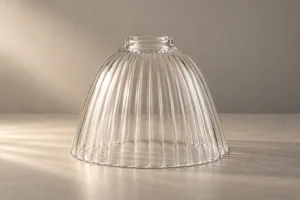
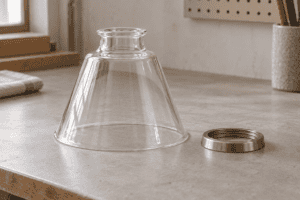
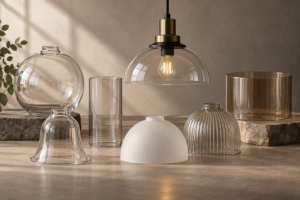
A ガラス製ランプシェード textile dye-lot and fabric-aging concerns and can be easier to wipe clean. It still requires project review for dimensions, fitter compatibility, thermal conditions, impact risk, finish consistency, packaging, and any fixture-level compliance documents. Compare lifecycle cost using the actual replacement, cleaning, breakage, and labor assumptions for the project.
生地は柔らかな表面と目に見える織りを提供します。乳白、オパール、エッチング、またはテクスチャードガラスは、清掃可能な硬質表面で異なる拡散を生み出すことがあります。ホスピタリティや多地点作業の場合は、承認済みサンプルを比較し、選択された材料の色、仕上げ、寸法、検査方法、交換計画を明示してください。.
2026年のランプシェード生地の指針
現在のランプシェード生地のブリーフは、しばしば自然な質感の可視化、ブークレ、未着色に見える中立色、素材の文書化を求めます。これらをデザイン指針として扱い、次に構造、清掃、調達の継続性、そして持続可能性の主張の裏付けとなる証拠を検証してください。.
リピート注文の場合、外観は決定要因の一部に過ぎません。素材が入手可能であるか、色のばらつきがどのように制御されるか、承認済みサンプルに合わせた代替見本を用意できるかを確認してください。.
天然繊維の再興
未染色風のリネン: 自然なクリーム色のトーンと目に見える織り目は、暖かいニュートラルカラーと抑えめの仕上げを用いる室内装飾に適しています。布地が本当に未染色か、環境に関する主張がブリーフの一部である場合に特に、自然に見せるだけなのかを確認してください。.
有機コットン: 認証は Global Organic Textile Standard(GOTS) が、 nursery、子供部屋、ウェルネス志向の住宅用途など、サステナビリティに関心のある購買層にとって意味のある購買フィルターとなりつつあります。GOTS認証は繊維のoriginと染色・仕上げ工程の両方を網羅しており、“自然繊維”だけより包括的なサステナビリティ指標です。.
Grassclothおよびジュート織り: 紙張りのGrassclothは何十年も壁紙素材として使用されています。ランプシェード用生地として、暖かく見える繊維の変化が光を透過し、職人技と手作り感を感じさせます。編み物生地と比較すると脆く、湿度の低い室内環境での小型テーブルランプにしか適しません。高い環境湿度はGrassclothを柔らかくし形を崩します。.
質感のあるBurble織り
Bouclé生地は長くシャネル風のSUITING素材として知られてきましたが、ファッション生地から住宅内装の用途へと移行しています。ランプシェード素材として、ループ状の糸構造が表面にテクスチャを作り、方向性のある光の下で微小な影を落とし、通常のプレーンなシェード形状に視覚的深さを加えます。.
ブークレの構造的課題は不規則な表面です:ループは組み立て時のフレームスポークに引っかかり、布のテンション時に外れることがあります。組み立て前にブークレを接着裏打ちの上で前処理することでこの2つの問題を解消し、ループの損傷なしに通常の伸縮接着技法を適用できます。.
ブークレのランプシェードは大型の主張系フロアランプやテーブルランプに適しており、部屋の焦点となります。テクスチャは小さなシェードでは背景ノイズとして読み取られ、ディテールは視覚的に識別できなくなることがあります。.
| トレンドファブリック | 美観 | 最適なランプスタイル | 2026年の勢い |
|---|---|---|---|
| 染めていないリネン | ジャパンディ、静かなラグジュアリー | テーブル、床 | 強い |
| ブークレ | 最大主義、質感豊か | テーブル、主張 | 強い |
| オーガニックコットン | Nursery, eco-conscious | テーブル、ペンダント | 中級 |
| Grasscloth | アーティザナル、温かい | テーブルのみ | 中級 |
| ベルベット、宝石のような色調 | マキシマリスト、エクレクティック | アクセント床 | 安定 |
| ポリリネン混紡 | 実用的、移行的 | どれでも | 安定 |
ランプシェード生地 FAQ
ランプシェードに最適な生地は何ですか?
リネンはランプシェードの汎用生地として最適です。暖かく均一な光を伝え、ホットスポットを作らず、伸縮せずどんなフレームタイプにも形を保ち、様々な重量が用意されており、小さなテーブルシェードから大きなフロアランプのシェードに適しています。シルクは、暖かい光の質が主要なデザイン目的となる正式な部屋でより良い効果を発します。.
普通の生地をランプシェードに使えますか?
織り目がフレームの上で安定して平らに保て、重量がほとんどのシェードサイズで140〜220 gsmの範囲、かつ生地に緩いループやフレームのスポークに引っかかるような毛羽立ちがなければ、通常の生地でも機能します。単独構造には薄手の生地は避けてください。オーガンザやシフォンのように非常に透過性の高い素材は、事前に不透明なシェードのオーバーレイ装飾としてのみ機能します。.
ランプシェードにはリネン、綿、絹、デュポン絹、ビロード、ポリエステル、裏打ちされた生地シートを使用します。他のシェードにはガラス、紙、羊皮紙、金属、または繊維状の植物材料が使われます。ガラスは、筒状で清掃可能な堅牢なシェードと繰り返し可能な仕上げが取り付け具と一致する場合、商業・ホスピタリティプロジェクトに適しています。供給者はガラスの仕様、許容差、取り付け、梱包、プロジェクト文書を確認する必要があります。.
ランプシェードには何ヤードの生地が必要ですか?
直径が14〜16インチの標準的なテーブルランプシェードには54インチ幅の生地で1〜1.5ヤード、直径が18〜22インチの大型のフロアランプシェードには斜高次第で1.5〜2.5ヤードが必要です。裁断誤差や接合部のパターン合わせの調整を許すため、計算された最小量より常に15〜20%多めに購入してください。.
ランプシェードの生地は、完全なランプと許可された光源に適していなければなりません。LEDランプは放射熱を減らすことが多いですが、すべてのLED器具に対して自動的に安全とは限りません。器具の定格、指定されたクリアランスを守り、裏打ち、裏地、換気、プロジェクトの試験要件を供給元と確認してください。.
DIYランプシェードにはどの生地が最適ですか?
DIYの開始に最適な選択は、ウィスキーではなく、コットンまたはリネンの140〜180 gsmです。入手性が高く、切断と接着が容易で、細かな位置合わせの誤差にも寛容です。最も簡単なDIYプロジェクトのためには、スタイローネ-backed生地シートは接着工程を完全に省略します。裏打ちは縫い目の辺で自分自身に接着されるため、ワイヤーフレーム上の生地そのままより作業が迅速で一貫性があります。.
生地をランプシェードのフレームにどうやって取り付けますか?
2つの主な方法は、前粘着スチレン樹脂またはカード backingが付いたハードバックフレームにはストレッチ・アンド・グルー、オープンワイヤフレームにはホイップステッチのパネル縫いです。ハードバックフレームには、上部リングに沿って3インチずつのセクションで耐熱布接着剤を塗り、そのセクション全体に布を均等に伸ばし、端を折り下げ、完全に設定されるまでクリップします。下部の縁も同様に繰り返します。オープンワイヤフレームの場合、各縁に1インチの縫い代をとったパネルを切り出し、蝋引き糸を使ってフレームのスポークに密着縫いのパターンで直接縫い付けます。.
ランプシェードにはリネンとシルクのどちらが良いですか?
リネンはリビングルーム、寝室、ホームオフィスの毎日用のテーブルおよび床用ランプに適しています。シルクは公式な空間、ダイニングルーム、そしてシルクの光透過の暖かな発光をデザインの主眼とする主張のある作品に適しています。シルクはドライクリーニングが必要で、長時間の熱に対してリネンよりも脆く、シェードのライフタイム全体でより高いメンテナンスが求められます。.
ランプシェードの布地仕様を準備する
使用可能なランプシェード布地仕様は、必要な光の効果をフレーム、構造方法、清掃計画、承認済みサンプル、数量、プロジェクト文書に結びつけます。.
リネンとコットンのカバーは特別な取り扱いを必要とせずほとんどの用途をカバーします。シルクとデュポニは、光の質と公式な美学が実用性より優先される場合に適しています。ベルベットは不透明度とドラマ性を設計意図とするアクセント照明に適しています。ポリエステルとスチレン背の布は、耐久性と手入れの容易さが光の質のニュアンスより重要である場合の実用的な選択です。.
商業および製造の文脈では計算が大きく変動します。布地適合性の文書化、染色ロットの一貫性、長期の代替計画は、初期材料価格には現れない費用を追加します。.
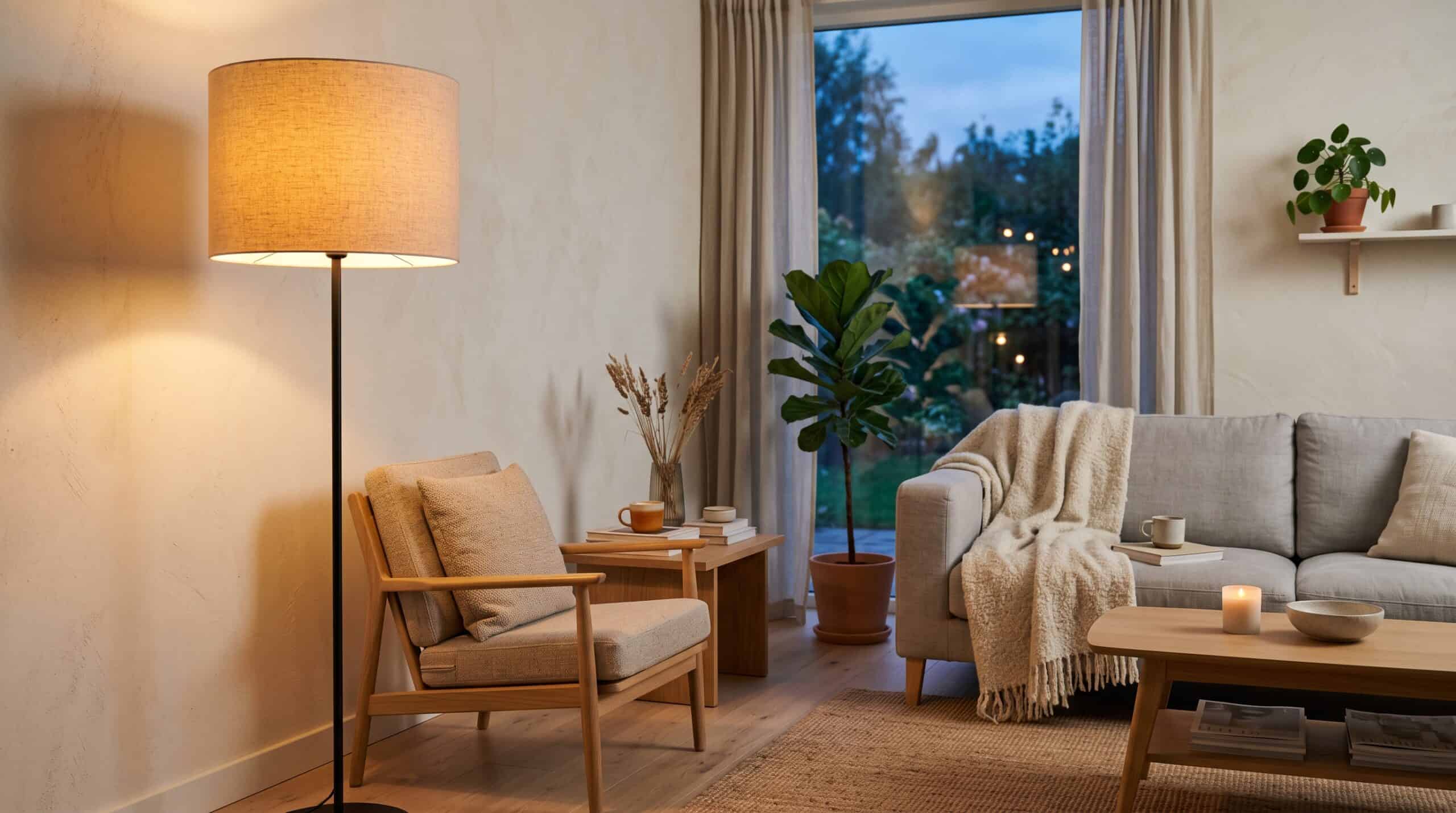
未染色リネンのドラムシェードは、現代的なリビングルームに暖かな拡散光を投げます。自然な織り目は、下部リムで明るく、上部で柔らかくなる明度のグラデーションを作り出し、合成布では再現できません。.
プロジェクトが堅牢で拭き取り可能なシェードを必要とする場合、布地オプションを比較して ガラスランプシェードコレクション. 図面、取り付け作業者の詳細、仕上げの参照、数量、宛先、必要書類を送付して、サプライヤーが利用可能な材料と製造ルートを確認できるようにします。正確なMOQ、サンプル時期、リードタイム、試験、包装はプロジェクト用に確認する必要があります。.