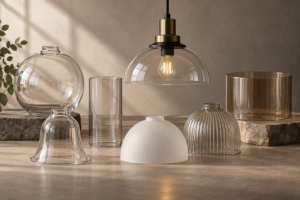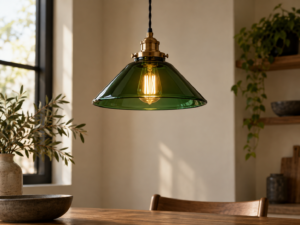
プーキーランプシェードは、大胆な手描きプリント、高品質なカードとリネン素材、テーブルランプやペンダント用のフィッティングを備えた、英国で手作りされた照明シェードです。ドラム型、エンパイア型、クーリー型の3種類があり、直径5インチから20インチまで展開されています。日本対応のスパイダーとジンバルフィッティングも用意されています。.
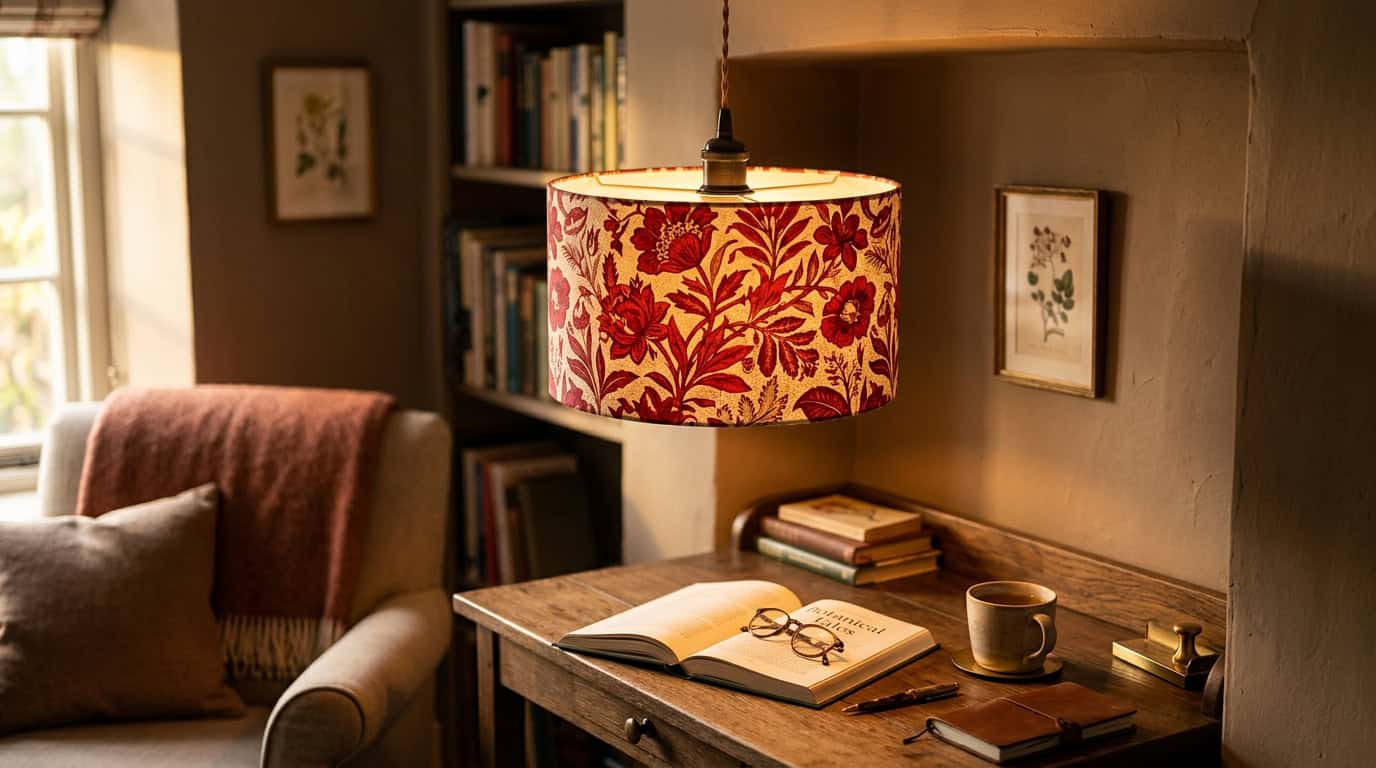
デザインブログで名前を見たことがあるか、友人のリビングでシェードを目にしたことがあるかもしれません。どこか高級感がありながら、嫌味のない印象のものです。プーキーランプシェードは、そうした雰囲気を持っています。$80から$180のシェードを購入する前に、実際に考えるべき実用的な疑問があります。どの形状があなたのランプベースに合うのか、彼らの日本向けフィッティングは日本で使えるのか、実際に必要なサイズはどれか、そしてプーキーシェードは他の製品と比べて価格に見合う価値があるのか、という点です。
このガイドでは、スタイル、素材、フィッティング、サイズ計算、そしてプーキーが市場でどの位置にあるのかまで、すべてを解説します。.
プーキーランプシェードとは?
プーキーランプシェードは、2005年に設立されたプーキーライティングによって製造されている装飾用照明シェードです。大胆なパターン、クラフト素材、手頃なラグジュアリー価格に重点を置いています。.
多くの照明ブランドは、大量生産向けの価格(薄いポリコットン、一般的な形状)を追求するか、完全なラグジュアリー路線で特注価格を設定します。プーキーはその中間の領域を開拓しました。実際に手作りされたシェードが多く、手作業でプリントされたものもあり、インテリアデコレーターの予算を必要としない価格です。このポジショニングが、ブランドが編集記事やデザイン志向のInstagramアカウントで常に取り上げられる理由です。.
プーキーブランド:英国クラフトと大胆なパターンの融合
プーキーは英国で始まり、日本向けのストアフロント(jp.pooky.com)を展開し、日本の顧客にサービスを提供しています。ブランドのビジュアルアイデンティティはパターンと色彩に基づいています。スカーレット、フォレストグリーン、ディープネイビー、そして花柄や動物モチーフ、幾何学や植物デザインなどの手描きプリントが常にローテーションされています。.
彼らのシェードは主に2つの素材、硬質カード(多くは手描き)と織りリネンで作られており、ベルベットや特殊生地のラインナップも少数あります。カードシェードが最も認知度が高いです。塗料は外側に施され、筆跡のテクスチャーが見えるため、量産されても一つ一つに手作り感が残ります。.
実際に、プーキーのドラムシェードをシンプルなセラミックランプベースに合わせると、主張しすぎずに存在感を示します。それは意図的なものです。ブランドの製品写真は、賑やかなシェードとシンプルでニュートラルなベースを組み合わせることがほとんどです。シェードが個性を持ち、ベースは控えめにしています。.
プーキーシェードが一般的な代替品と異なる点
本当の違いは、プリント品質、素材の重さ、仕上げの細部にあります。大手量販店の一般的なランプシェードは、軽量ポリコットンを使用しており、光の拡散が均一でなく、UV曝露18〜24ヶ月で色褪せしやすく、ワイヤーフレームの経年でやや湾曲しがちです。プーキーのカードシェードは湾曲しません。硬質カードは形状を保ちます。リネンシェードは、一般的な低価格品よりも厚手の織りを使用しており、点灯時により暖かく均一な光を放ちます。.
フィッティングの品質も一段上です。プーキーはほとんどのシェードにソリッドブラス(真鍮)リングとフィッティングを使用しており、量販品で使われるクロームメッキスチールよりも優れています。これは、蒸気の多い浴室やキッチンなど、メッキフィッティングが錆びやすい場所で特に重要です。.
ただし、プーキーは特注の一点物を生産しているわけではありません。小規模アトリエの本当にカスタムメイドのランプシェードと比較すると、構造は似ていますが価格は大幅に低くなります。その代わり、シェードの形状のバリエーションは少なく、プーキーのラインナップはドラム型、エンパイア型、ペンダント型が中心で、珍しい形や非対称な形はありません。.
| 特徴 | プーキー | ミッドマーケット(例:ポタリーバーン) | 低価格(例:アマゾン一般品) |
|---|---|---|---|
| 素材 | 硬質カード/織りリネン/ベルベット | ポリコットンまたは合成素材 | 薄いポリコットン |
| 印刷方法 | 手描きまたはシルクスクリーン印刷 | 機械印刷 | デジタル印刷 |
| 取付金具 | 無垢真鍮リング | クロムメッキ鋼 | 軽量ワイヤー |
| 日本の取付オプション | スパイダー、ジンバル、ペンダントリング | スパイダー標準 | スパイダー標準 |
| 価格帯 | $65〜$185 | $30〜$90 | $12〜$40 |
| 推定寿命 | 8〜12年 | 3〜5年 | 1〜3年 |
Pookyランプシェードのスタイルと種類
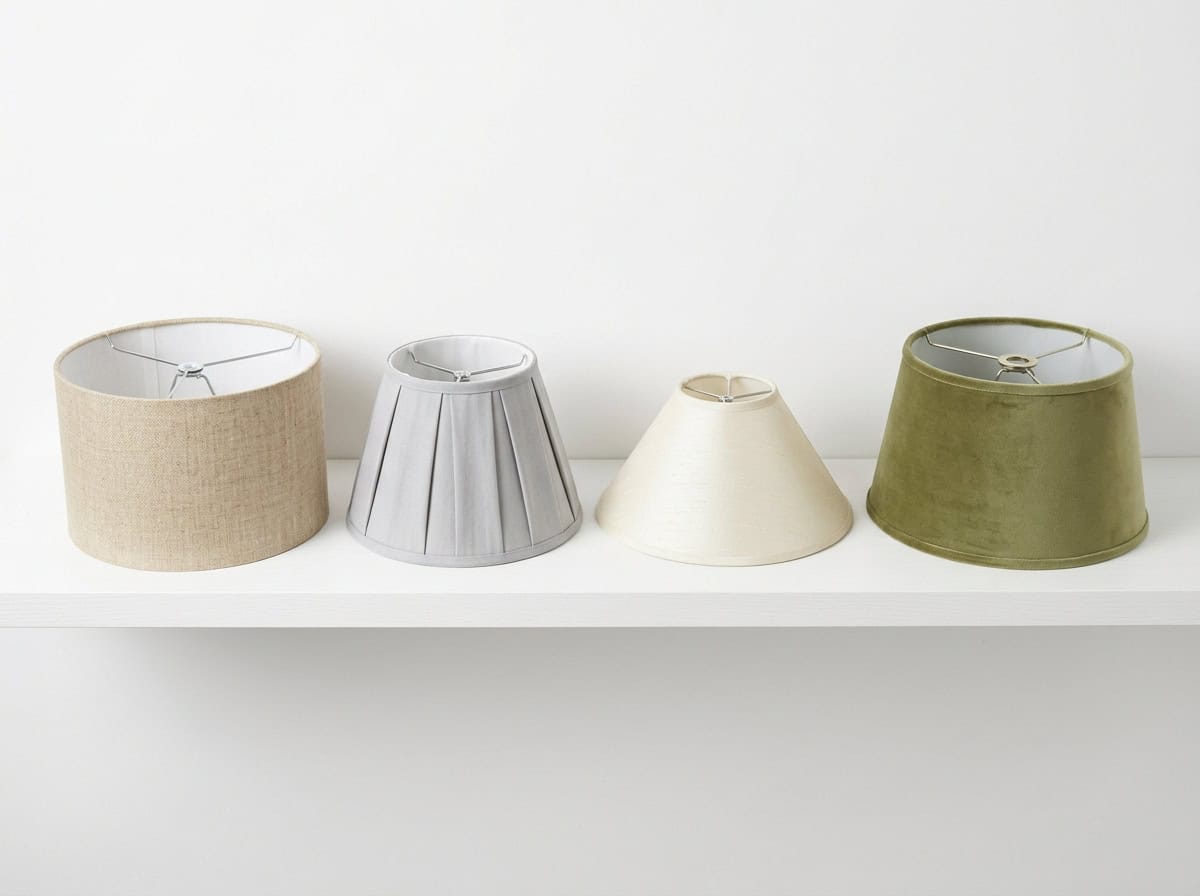
Pookyは、ドラム、エンパイア、クーリー、ペンダントの4つの主要な形状でシェードを作っています。それぞれが異なるランプベースのタイプや部屋のスケールに適しています。.
注文前にどのシルエットが合うかを理解しておくことで、返品の手間を省けます。シェードの形は光の広がり方やランプの見た目のバランス、部屋の中でシェードが意図的に見えるか、少し違和感があるかにも影響します。.
ドラムランプシェード:Pookyのシグネチャー
ドラムシェードは上下の直径が同じで、円筒形を作ります。これはPookyで最も汎用性が高いフォーマットで、編集コンテンツでもよく見かけます。ドラムシェードは光を上下にほぼ均等に広げるため、集中的な作業用照明よりも、雰囲気を作る間接照明に適しています。.
テーブルランプの場合、ドラムシェードは縦にすっきりしたベース(セラミックのコラム、木製の挽き物、彫刻的な金属)によく合います。とても幅広く低いベースには不釣り合いに見えることがあり、直線的な側面がベースの広がりとシェードの形状のミスマッチを強調します。.
Pookyのドラムシェードは7インチ(小型テーブルランプやベッドサイド)から20インチ(フロアランプや存在感のあるテーブルランプ)まで展開しています。カタログで最も人気のサイズは10、12、14インチで、ベースの高さが12〜18インチの標準的なテーブルランプに適合します。.
エンパイアとクーリーシェード:クラシックなプロポーション
エンパイアシェードは上部より下部が大きく、テーパーしています。これは伝統的またはトランジショナルなインテリアでよく見かけるクラシックなランプシェードのシルエットです。ドラムシェードよりも下方向に多くの光を集めるため、読書用ランプや、雰囲気よりも光の集中を求める場面に適しています。.
クーリーシェードはエンパイアよりも傾斜が急で、平たく広がった円錐のような形状です。これは特定の美的スタイル(ミッドセンチュリー、コースタル、エクレクティック)に合い、背の低い幅広のベースに、背の高いドラムシェードでは重たく見える場合に適しています。.
Pookyのエンパイアとクーリーシェードのラインナップはドラムシェードほど多くありませんが、それぞれの形でブランドの特徴的なパターンを持つプリントオプションがいくつか用意されています。.
ペンダントおよびコードレスランプシェード
ペンダントシェードはランプ台に置くのではなく、天井の取り付け具から吊り下げられます。Pookyはカードとリネンの両方でペンダント専用のシェードを製作しており、5インチのミニペンダントから14インチの存在感のあるペンダントまでサイズ展開しています。これらはテーブルランプシェードとは異なる取り付けが必要です(詳細は取り付けセクションで説明します)。.
コードレスランプシェードはPookyのラインナップに新しく加わったアイテムです。充電式LEDランプ用に設計されたシェードで、配線や取り付け互換性の確認が不要なため、コードを引くのが難しい場所でも本当に便利です。マントルピース、本棚の棚、屋外テーブルなど。.
| スタイル | 上部直径 | 下部直径 | 最適なランプ台タイプ | 光の方向 |
|---|---|---|---|---|
| ドラム(小) | 7インチ | 7インチ | ベッドサイド、アクセントテーブルランプ | 上下均等 |
| ドラム(標準) | 10〜14インチ | 10〜14インチ | 標準テーブルランプ、コラム台 | 上下均等 |
| ドラム(大) | 16〜20インチ | 16〜20インチ | フロアランプ、大型テーブルランプ | 上下均等 |
| エンパイア型 | 上部5〜8インチ | 下部10〜16インチ | 伝統的な台、読書用ランプ | 下向きプール |
| クーリー | 上部は4〜6インチ | 下部は14〜20インチ | 幅広で背の低いベース | 下向きに広がる |
| ペンダント | 5〜14インチ | 5〜14インチ | シーリングローズ/ペンダントコード | 下向き+間接光 |
Pookyランプシェード素材の解説
素材の選択は形と同じくらい重要です。同じサイズのカードシェードとリネンシェードでは、リネンの方が織り目によって電球の光が拡散され、より暖かく柔らかい光になります。カードは光をより直接的に通すため、点灯時に大胆なプリントデザインがやや半透明に見えることがあります。それが必ずしも悪いわけではありませんが、注文前に知っておく価値があります。.
Pookyは主に3つの素材を使用しています:硬質カード、織りリネン、ベルベット。それぞれ光の透過性、耐久性、お手入れ方法が異なります。.
手描きカードシェード
これは多くの人がPookyと結びつける素材です。ベースは厚手のカードストックで、布製よりも硬くしっかりしており、外側にコーティングを施した後、プリントまたは手描きで仕上げられます。シンプルな単色から華やかな多色のボタニカル柄まで様々です。.
カードシェードは光をきれいに通し、形状を長期間保ちます。また、掃除も簡単で、乾いた布やごく軽く湿らせた布でほとんどのホコリを拭き取れます。唯一の弱点は湿気です。非常に湿度の高い部屋(例えば湯気の立つ浴室など)では、長時間の使用でカードが柔らかくなったり反ったりすることがあります。浴室にはリネン素材のシェードをおすすめします。.
日本の Lowe’sランプシェード購入ガイド, 硬質カードやハードバックシェードは、形状の保持が重要な場所、特に人の出入りが多くシェードがぶつかりやすい部屋に最適です。.
リネン・布製シェード
Pookyのリネンシェードは、自然素材の織りでカードよりも柔らかく光を拡散します。点灯時はより暖かく、雰囲気のある光になり、作業用照明よりも雰囲気を重視したい寝室やリビングに最適です。消灯時は織りの質感が見え、プリントカードにはない触感の魅力があります。.
リネンシェードはより丁寧な掃除が必要です。表面のホコリはやさしくブラッシングできますが、リネンは強くこすったり水分に弱いです。Pookyのリネンシリーズは、オフホワイトやナチュラル、マッシュルーム、控えめなプリントなど、よりニュートラルな色合いが多いです。これは、ペイントカードのような強いコントラストよりも、素材の柔らかい雰囲気に合っています。.
As The Spruceの部屋照明ガイド 備考:ファブリックシェードは、ハードシェードとは根本的に異なる雰囲気を作り出します。織物素材からの拡散した光は、機能的というよりも親密な印象を与えます。.
ベルベットおよび特殊仕上げ
ベルベットシェードはPookyのラインナップの中でプレミアムな位置づけであり、より季節限定でコレクションに出入りします。ベルベットはカードやリネンよりも多くの光を吸収し、とても柔らかく暖かい光とマットな外観を生み出します。これらは主照明ではなくアクセントランプとしてご使用ください。主張のあるアイテムであり、読書灯には向きません。.
特殊仕上げはPookyのラインナップに時折登場します:メタリックカード、紙貼りカード、プリーツ加工など。これらは基本的にワンシーズン限りのアイテムで、定番商品ではないため、在庫状況は変動し、再入荷も確実ではありません。.
Pookyランプシェードの取り付け金具:日本とイギリスの互換性
ここが多くの海外購入者が問題に直面するポイントです。Pookyの金具は自動的に互換性があるわけではなく、間違ったものを注文すると、物理的にランプに取り付けられないシェードになってしまいます。.
日本では、Pookyのテーブルランプシェードはスパイダーまたはジンバル金具を使用し、標準的なハープに取り付けます。イギリスのシェードはBC(バヨネットキャップ)またはES(エジソンスクリュー)ペンダント金具を使用します。日本のサイトから注文する際は、正しい金具を指定する必要があります。.
日本のテーブルランプ用スパイダーおよびジンバル金具
日本のテーブルランプは垂直方向のシェードサポートシステムを使用します:ハープ(U字型の金属ブラケット)がランプソケットにクリップで固定され、サドルがハープの上部に乗り、シェードのスパイダー金具(中央のハブから3~4本のアームが放射状に伸びている)がサドルに載せられ、フィニアルネジで固定されます。.
ジンバル金具も同様に機能しますが、ソケットが上向きではなく横向きのランプ用に設計されています。あまり一般的ではありませんが、一部のスイングアームや調整可能なランプで使用されます。.
Pookyの日本サイトでは、すべてのテーブルランプシェードに適切なスパイダー金具が事前に取り付けられて発送されます。イギリスサイトから注文し日本へ発送する場合は、チェックアウト時に金具の種類を確認する必要があります。イギリスの標準金具は日本のランプには適合しません。.
イギリス向けペンダント金具(BC、ES、ペンダントリング)
イギリスのペンダントおよびテーブルランプシェードは、電球の金具に応じて異なる取り付けシステムを使用しています:
- BC(バヨネットキャップ/B22):イギリスで最も一般的なランプ金具。シェードにはBCランプホルダーにクリップするリングが付いています。.
- ES(エジソンスクリュー/E27):ヨーロッパで販売されている多くのテーブルランプやフロアランプで使用されます。シェードリングはESソケットにねじ込むかクリップします。.
- ペンダントリング:天井ペンダントの場合、シェードはペンダントコード金具のリングまたはギャラリーに取り付けられます。.
BCやES金具は日本では標準ではありません。日本の住宅配線はミディアムベース(E26)やシャンデリアベース(E12)ソケットを使用し、物理的寸法が異なります。イギリスサイトから注文したBC金具付きPookyシェードは、アダプターなしでは日本のランプに取り付けできません。.
日本サイトで適切な金具を注文する方法
イギリスサイトではなく、jp.pooky.comからご購入ください。日本ストアでは、すべてのシェードに日本のハープ用スパイダー金具が自動的に付属します。シェードサイズを選択すると、金具は日本のランプ用に事前設定されています。.
日本サイトのペンダントシェードには、Pookyが標準的な日本ペンダントコードに対応したペンダントリングを通常付属しています。非標準のペンダント設置(キャノピーキット、トラックペンダントなど)の場合は、注文前に金具の直径をご確認ください。Pookyはほとんどのシェードで40mmペンダントリングを使用しており、これはイギリス/EU標準であり、日本の標準ペンダント金具とは異なります。.
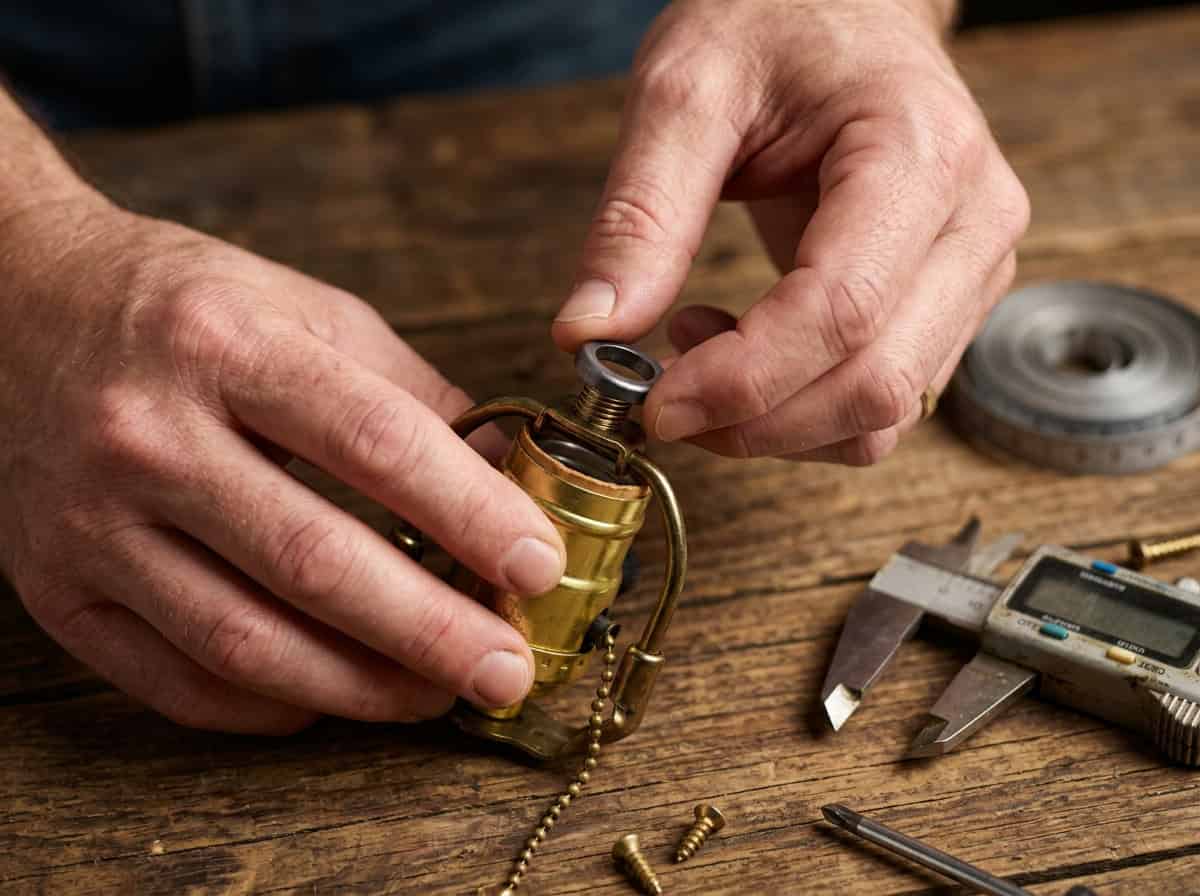
| フィッティングタイプ | 使用例 | 対応機器 | Pooky Japanで購入可能? |
|---|---|---|---|
| スパイダー(ワッシャーフィッター) | 日本のテーブルランプ | ハープ+サドル、E26ソケット | はい、日本のテーブルランプシェード全てに標準装備 |
| ジンバル | 日本の調整可能ランプ | 横向きソケット | 対象スタイル、購入時にご確認ください |
| BCリング(B22) | 日本テーブルランプ | 日本バヨネットランプホルダーのみ | 日本サイト限定 |
| ESリング(E27) | 日本/欧州テーブルランプ | 欧州エジソンスクリューソケット | 日本サイト限定 |
| ペンダントリング(40mm) | ペンダントコード | 日本/欧州標準ペンダントコード | はい、日本のペンダントシェードは標準仕様です |
jxlampshade.comでお買い物の場合 ガラスとファブリックのペンダントシェードコレクション Pookyペンダントの代替として、すべてのシェードは商品詳細に取り付けタイプが明記されています。迷う必要はありません。.
Pookyランプシェードのランプベースへのサイズの選び方
サイズ選びは購入者が最もよくするミスですが、2つの測定で完全に防げます。.
標準ルール:シェードの下部直径はランプベースの高さとほぼ同じで、シェードの高さはハープとソケットを覆い、ベースの首部分が下に見えるようにします。.
2インチルールと直径の計算
まずランプベースの高さを測ります。ベースの底からソケットの上まで(電球やハープは含まない)を測定します。バランスの良いシェードの下部直径はその寸法の2インチ以内に収まります。ベースの高さが12インチの場合、下部直径が10〜14インチのシェードが最適です。.
これは厳格なルールではありません。大きなコンソールやデスクに置くシェードは、計算式が示すよりも少し幅広でも違和感がありません。狭いコーナーの小さなサイドテーブルに置くシェードは、視覚的な圧迫感を避けるために、計算式の直径以下に抑えるべきです。.
Pookyのドラムシェードは、上部と下部の直径が同じなので、ひとつの数値を選びます。エンパイア型やクーリー型の場合、通常は下部の直径で選びます。これがPookyがシェードの「サイズ」として記載している数値です。“
インテリア照明デザイナーは Houzz ランプシェードの比率は、住宅用照明で最も見落とされがちな要素のひとつであると指摘しています。ベースに対して4インチ以上狭すぎたり広すぎたりするシェードは、なぜランプが不自然に見えるのか分からなくても、視覚的に未完成に感じられます。.
テーブルランプとフロアランプの高さの比率
シェードの高さは、一般的にランプベースの見える高さの約60〜70%が目安です。シェードはハープや電球ソケットを完全に覆う必要があります(露出した金具は未完成に見えます)が、ベースの大部分を覆うほど下まで伸ばしてはいけません。.
フロアランプの場合は、スケールアップします。Pookyの16〜20インチのドラム型が適しており、シェードの高さは10〜13インチです。フロアランプは、部屋の向こう側から見ることが多いため、テーブルランプよりも幅広のシェードが一般的です。.
日本の Fenchel Shadesの2026年ランプシェード購入ガイド, どのシェードにも信頼できるクロスチェック方法として、シェードとランプベースの合計高さを測ることが挙げられます。シェードは、全体のランプの高さの40〜50%を占めると、バランスの取れた見た目になります。.
避けるべき一般的なサイズ選びのミス
狭すぎる場合:シェードがベースの上に帽子のように乗ってしまい、覆いとして機能しません。光がハープの側面から直接放射され、シェードによって導かれません。これは、ベースを“圧倒”しないように小さなシェードを選ぶ購入者によくあるミスです。.
広すぎる場合:シェードの底がベースの足元よりも広くなり、ランプが不安定に見えます。丸いベースの場合、シェードがベースの最も広い部分より2インチ以上広いと、バランスが悪く見えがちです。.
高すぎる場合:直径に対して高さが高すぎるシェードは、細く煙突のように見えます。特にドラム型シェードの場合、Pookyは直径の約80〜90%の高さを推奨しています。12インチのドラム型なら高さは約10〜11インチが目安です。.
ハープの長さを無視する:既存のハープが標準より長い場合(調整可能なハープは12インチまで伸びるものもあります)、適切なサイズのシェードでもハープが露出してしまうことがあります。注文前にハープの長さを確認するか、短いハープに交換することを検討してください。.
Pookyランプシェードと他の選択肢:価格と価値
Pookyの多くのシェードは$65〜$185の価格帯で、Pottery BarnやThresholdなどの中価格帯より上ですが、オーダーメイドのカスタムシェードよりはかなり安価です。大量生産品との品質の差は明らかで実感できます。その差に価値を感じるかどうかは、ランプの用途次第です。.
Pookyがプレミアムに値する場合
ランプが視覚的なフォーカルポイントになる場合、例えばサイドボードランプやデザイン性の高い寝室のベッドサイドランプ、ゲストが目にするコンソールテーブルランプなどでは、シェードの素材やプリントの品質が際立ち、支払う価値があります。.
他では見つからない大胆な柄を求める場合にも、Pookyのプリントラインは低価格帯に直接的な代替がありません。スカーレットの手描きカードドラムシェードは、TargetやPottery Barnでも見つかりません。その美的感覚を求めるなら、Pookyがその価格帯で唯一の選択肢です。.
賃貸や使用頻度の高い環境で耐久性が重要な場合、硬いカードやリネン素材は薄いポリコットンよりも長年の使用に耐えます。年間の総コスト計算では、Pookyが有利になることが多いです。.
$60未満の比較可能な選択肢
Pookyの価格を避けてドラム型シェードのシルエットを求める購入者には、検討すべき選択肢があります:
- Threshold(Target):ニュートラルカラーのリネン素材が良質で、プリントは限定的ですが価格に対して作りがしっかりしています。Pookyの柄のバリエーションには及びません。.
- Ballard Designs:$45〜$75の価格帯で、大型店舗の代替品より品質が良いファブリックシェード。より伝統的な形状で、編集的な美的感覚は控えめです。.
- CB2:モダンな形状やテクスチャーのある選択肢、カラーは限定的。ミニマルや現代的な部屋に適しており、Pookyのよりマキシマリストな傾向とは異なります。.
- jxlampshade.comのカスタムオプション:特定のガラスや特殊素材のシェードを求める場合、 手作りランプシェードコレクション Pookyのカタログにない形状や仕上げを網羅しており、特にガラス、ラタン、天然繊維の選択肢を透明な価格で提供しています。.
予算重視で犠牲になるもの
$40未満のシェードのトレードオフ:薄い素材は光を均一に透過せず(点灯時にシェード越しに電球の影が見える)、金具はより早く腐食し、プリントは数年の光曝露で色褪せます。人の出入りが少ない寝室のベッドサイドランプなら、予算シェードでも十分かもしれません。頻繁に移動や調整をするランプや、紫外線が多い部屋の場合、Pookyと$25のAmazonシェードでは寿命の差が大きいです。.
ハウス&ガーデンのガイド ランプシェードの選び方 役立つポイントを挙げています:ランプ(ベース+シェード)の総コストを寿命で割ると、プレミアムシェードの方が年間コストが安くなることが多く、特にベース自体が投資価値のある場合はその傾向が強いです。.
| プーキー | ミッドマーケット($30~$90) | 予算($40未満) | |
|---|---|---|---|
| 素材の品質 | 高:カード/リネン/ベルベット | 中:ポリコットン | 低:薄い合成繊維 |
| プリントの耐久性 | 最低8~10年 | 3〜5年 | 1~2年 |
| 金具の品質 | 無垢真鍮 | クロムメッキ鋼 | 軽量ワイヤー |
| 柄/色のバリエーション | 幅広く、個性的 | 中程度 | 限定 |
| 日本仕様の金具付き | はい(スパイダー/ジンバル) | はい | はい |
| フォーカルランプへの価値 | 優れた | 十分 | 低い |
| ユーティリティランプの値 | 過剰資格 | 良好 | 良好 |
よくある質問:Pookyランプシェード
Pookyのランプシェードは日本で購入できますか?
はい。Pookyは日本専用のストア(jp.pooky.com)を運営しており、日本のランプに合わせたシェードを取り揃えています。配送は日本国内のフルフィルメント拠点から行われるため、納期は国内ブランドと同様です。価格は日本円で表示され、日本仕様のスパイダーフィッティングが含まれています。日本向けのラインナップは、イギリスの全カタログの一部となります。一部の季節限定プリントや特殊素材はイギリス限定です。.
Pookyのランプシェードにはどんなサイズがありますか?
Pookyのラインナップは5インチ(小型ペンダント)から20インチ(フロアランプ用大型ドラム)まであり、最も一般的なテーブルランプのサイズは10、12、14インチです。サイズは下部直径を指します。エンパイアシェードは下部直径で表示され、ドラムシェードは上下が同じ直径のため一つの直径で表示されます。高さは形状によって異なります。ドラムシェードの高さは直径の約80〜90%が平均です。.
Pookyのランプシェードはどんなランプベースにも使えますか?
標準的な日本のハープ&サドルシステムを使用しているランプベースであれば、Pookyのスパイダー仕様の日本向けシェードが使用できます。クリップオンソケット(ハープなし)や異なるフィッティングシステムの場合、Pookyのスパイダーシェードは変換リングなしでは取り付けできません。ペンダントシェードは別途ペンダントコードと適切な天井用フィッティングが必要です。テーブルランプ用には変換できません。.
Pookyの手描きカードランプシェードはどのように掃除すればよいですか?
ドライクリーニングのみ。柔らかい乾いたブラシや清潔な乾いた粘着ローラーで表面のホコリを取り除いてください。特定のシミには、ほとんど湿っていない布を使い、すぐに完全に乾かしてください。カードを水で濡らしたり、スプレークリーナーを使用したりしないでください。湿気はカードのベースを柔らかくし、塗装が剥がれたりにじんだりする原因になります。リネンシェードの場合は乾いたブラシを使い、どの方向にもこすらないようにしてください。.
Pookyのランプシェードは時間が経つと色あせますか?
カードシェードは、塗料やプリントが外側の表面に施されて密封されているため、布製の代替品よりも色あせしにくいです。しかし、実際には、窓際のランプが午後の日差しを長時間浴びると、どのシェードでも多少の色あせが生じます。長期間使用する場合は、どの高品質なシェードも直射日光を避けて設置してください。.
日本でのPookyシェードの返品ポリシーは?
Pookyの日本サイトでは、未使用かつ元の状態の商品に限り30日以内の返品を受け付けています。ランプに取り付けたシェード(短時間でも)は使用済みとみなされる場合があります。返品時の送料は、商品に破損がない限り、基本的に購入者のご負担となります。ご注文前に、最新のポリシーをPooky日本カスタマーサービスに直接ご確認ください。ポリシーは更新される場合があります。.
Pookyランプシェードの類似品やそっくり品はありますか?
完全なコピー品はありません。Pookyの手描きプリントは本当に独自のもので、最も近い代替品でもデジタルプリントであり、Pookyが実現する筆致の質感はありません。全体的な雰囲気(大胆なパターン、英国風デザイン、高品質なカードシェード)であれば、Harlequin、Sanderson、Olive et Orielなどのイギリスの小規模ブランドが、同等またはそれ以上の価格帯で類似商品を展開しています。AmazonやEtsyにはプリントパターンの低価格品もありますが、プリントの質や素材の重みは異なるレベルです。.
寝室にはどのPookyシェードが最適ですか?
ベッドサイドランプには、リネンまたは暖色系プリントのドラム型またはエンパイア型シェード(10〜12インチ程度)が最適です。リネンは最も柔らかく暖かい光を放ち、明るい天井照明を避けたい部屋にぴったりです。寝室のコーナーに置くフロアランプには、16インチのリネンドラム型シェードと低ワット(LED換算40W)で、まぶしさのない間接照明を作れます。ベッドサイドランプには、非常に暗いカードプリントは避けてください。光を吸収しすぎて読書には暗すぎます。.
Pookyランプシェード選び:本当に大切なポイント
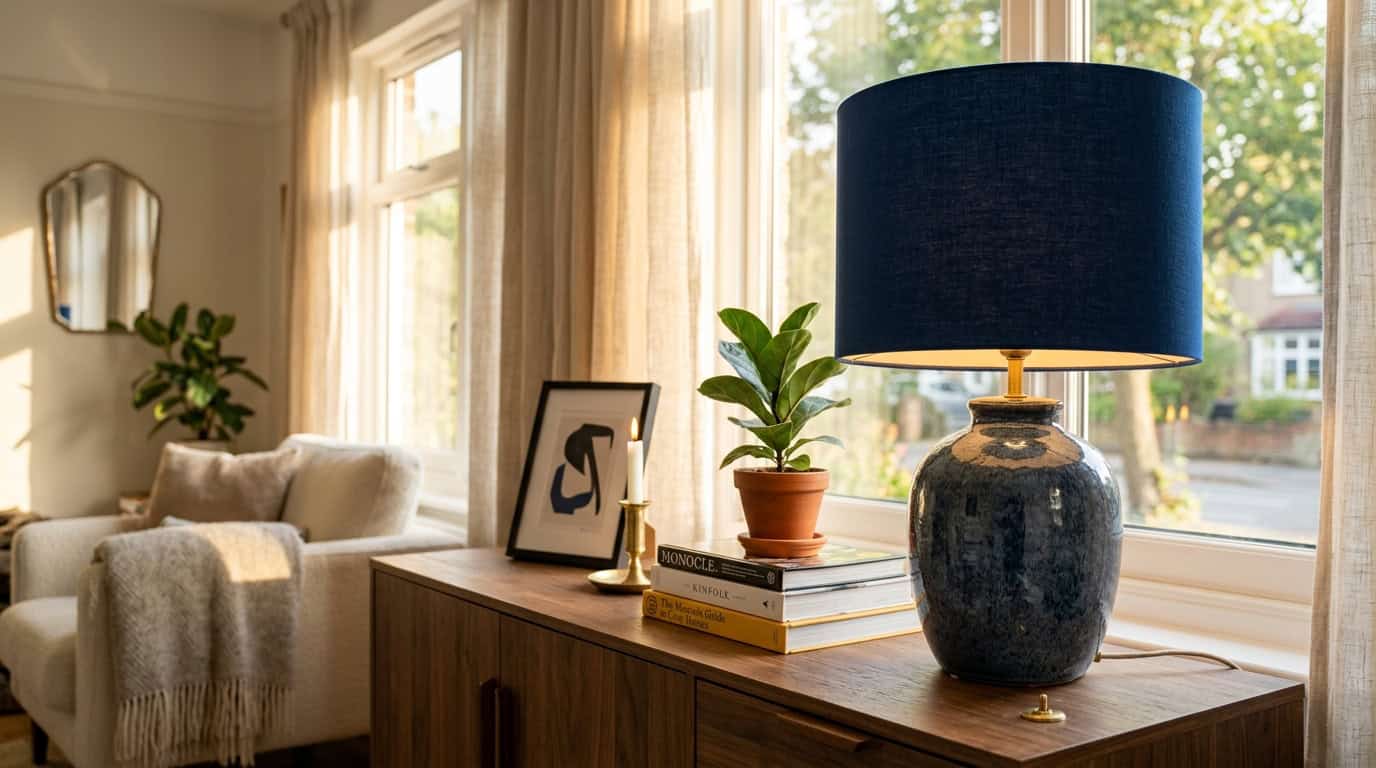
取り付け部分を間違えるとシェードが固定できません。サイズを間違えると、どんなに美しいプリントでもランプに合わず不格好になります。素材を間違えると、部屋の光の質が期待と異なります。この3点を正しく選ぶことが重要です。.
日本の多くの購入者へ:us.pooky.com(イギリスサイトではなく日本サイト)から注文し、ご自身のランプが標準的なハープ&サドルシステムを使用しているか確認し、ベースの高さを測ってシェードの直径を決めてください。パターンをはっきり見せたいならカード、暖かい雰囲気を重視するならリネンを選びましょう。ペンダントシェードを希望の場合は、天井の取り付け金具が40mmのペンダントリングに対応しているか、またはアダプターの使用を検討してください。それ以外はパターン選びが個人の好みとなります。Pookyのカタログは豊富なので、多くの方が部屋のカラーパレットに合うものを見つけられます。.
お部屋にガラスシェードやラタン仕上げ、Pookyのカタログにない形状(非常に浅いクーリー型、長方形、特殊形状など)が必要な場合は、当社の 全ランプシェードラインナップをjxlampshade.comでご覧ください. 。Pookyと同等の価格帯で、メーカー直販価格にて特殊素材や仕上げのシェードも取り扱っています。.